
Native plants of the Eastern Temperate Forests
Hardwood forest from the Atlantic to the edge of the prairie, southern Ontario and the Maritimes to central Florida and east Texas.
An ecoregion groups land by climate, soil and the plants and animals that live there, so its keystone plants are the same from one end to the other, whatever the hardiness zone. 435 plants in the field guide are native here; the 76 below carry most of the caterpillars and specialist bees.
Covers:PennsylvaniaNew YorkIllinoisOhioFloridaVirginiaNorth CarolinaIndianaGeorgiaKentuckyMichiganWest VirginiaAlabamaTennesseeWisconsinArkansasMissouriNew JerseyLouisianaMarylandMassachusettsSouth CarolinaMississippiTexasMinnesotaOntarioMaineConnecticutDistrict of ColumbiaQuebecOklahomaNew BrunswickDelawareNew HampshireRhode IslandIowaVermontNova ScotiaPrince Edward Island
Keystone plants · 76
Keystone rankings follow the National Wildlife Federation's list for this region. Every date below moves with your zone.
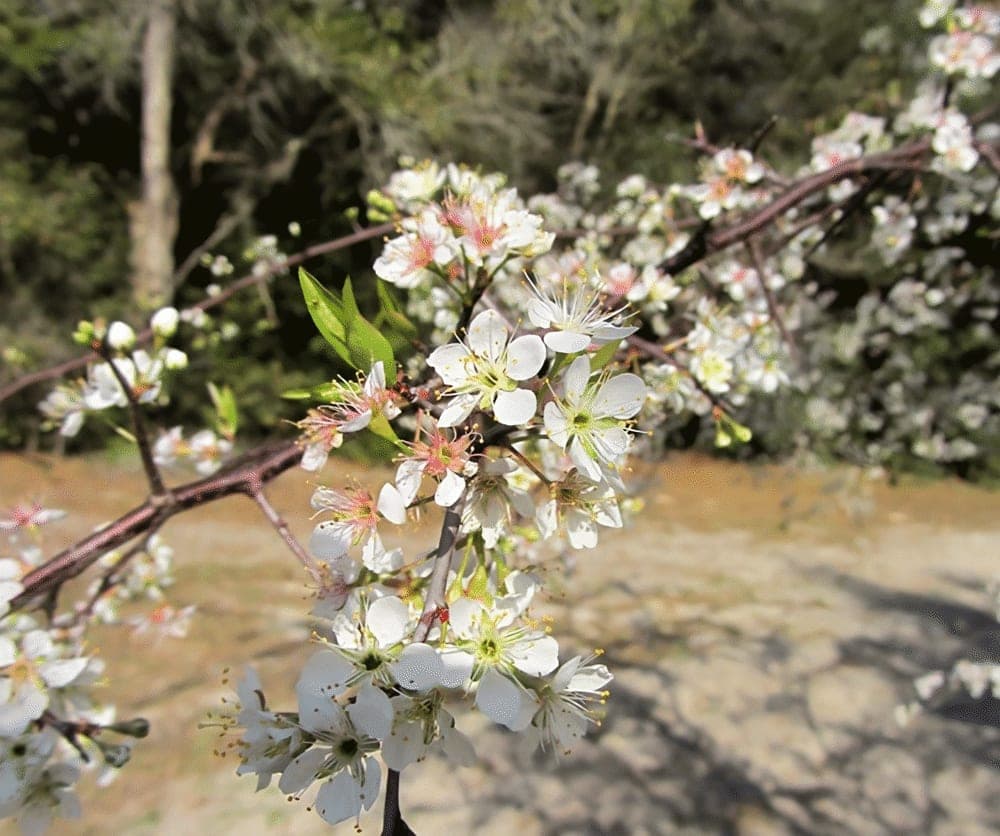
American Plum
Prunus americana
Zones 3a–8b · native to 43 states and provinces
Blooms Mar – Apr in zone 6b
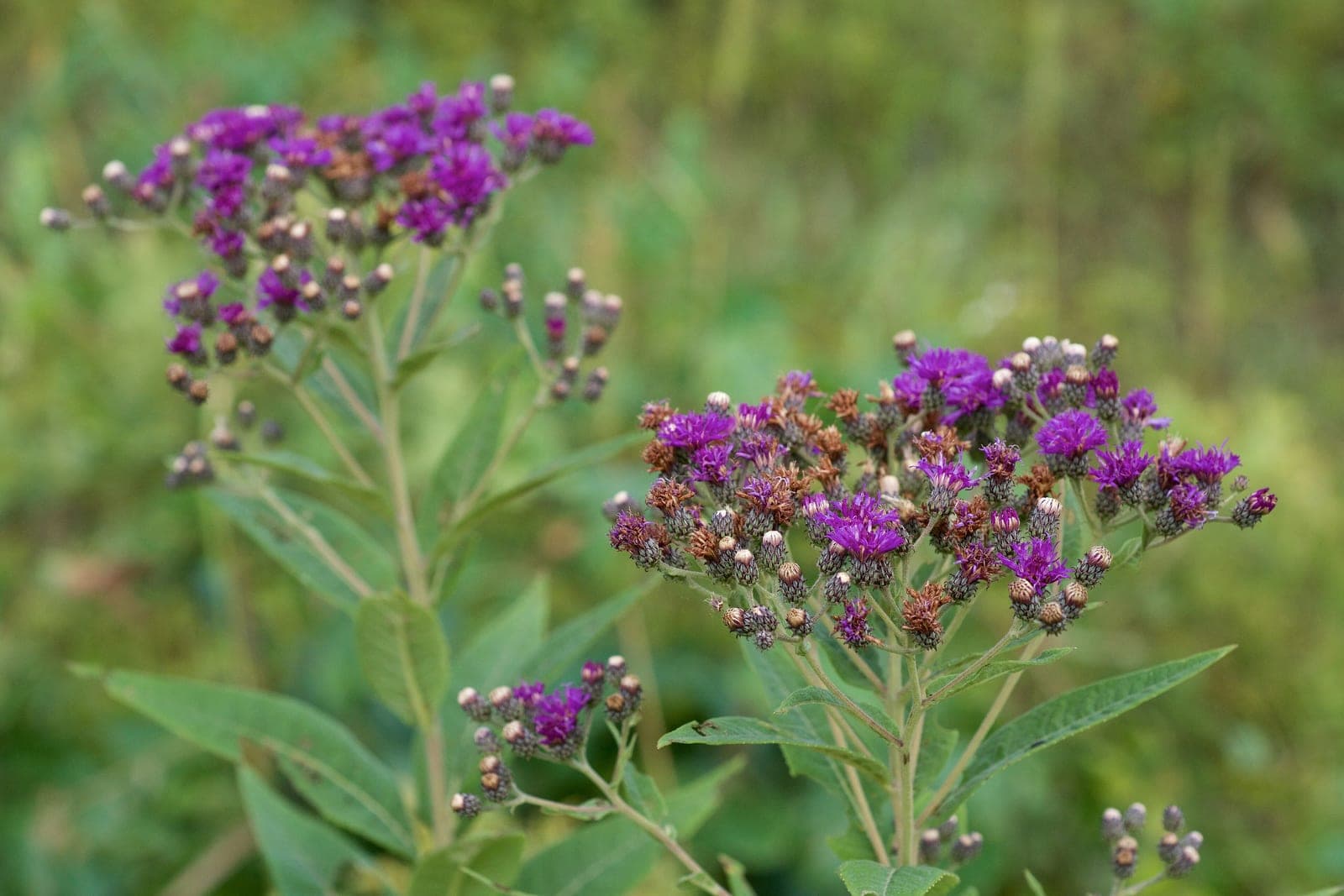
Baldwin's Ironweed
Vernonia baldwinii
Zones 4a–8b · native to 15 states
Blooms Jul – Aug in zone 6b
Beach Plum
Prunus maritima
Zones 3a–9a · native to 10 states
Blooms Mar – Apr in zone 6b
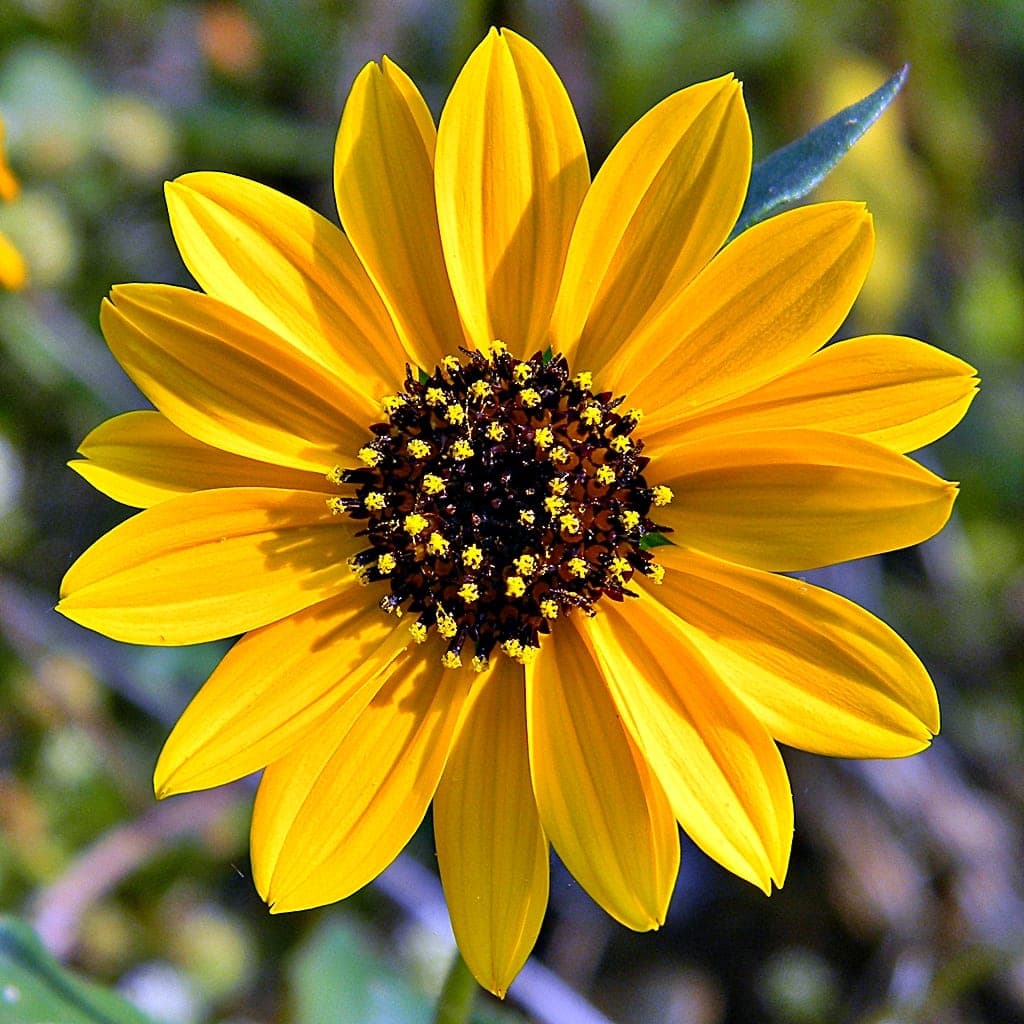
Beach Sunflower
Helianthus debilis
Zones 8a–11b · native to 8 states
Blooms May – Oct in zone 6b
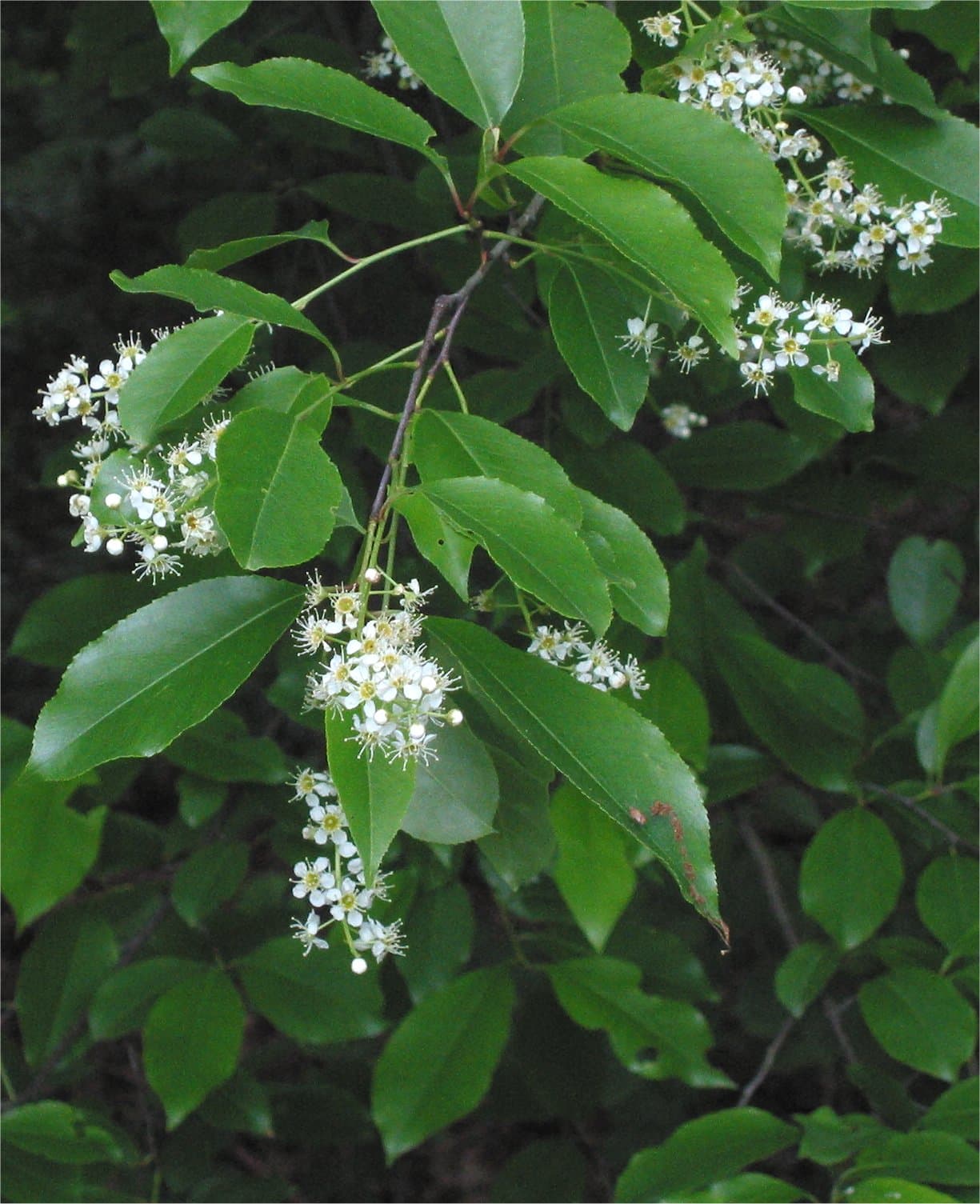
Black Cherry
Prunus serotina
Zones 3a–9a · native to 46 states and provinces
Blooms Apr – May in zone 6b
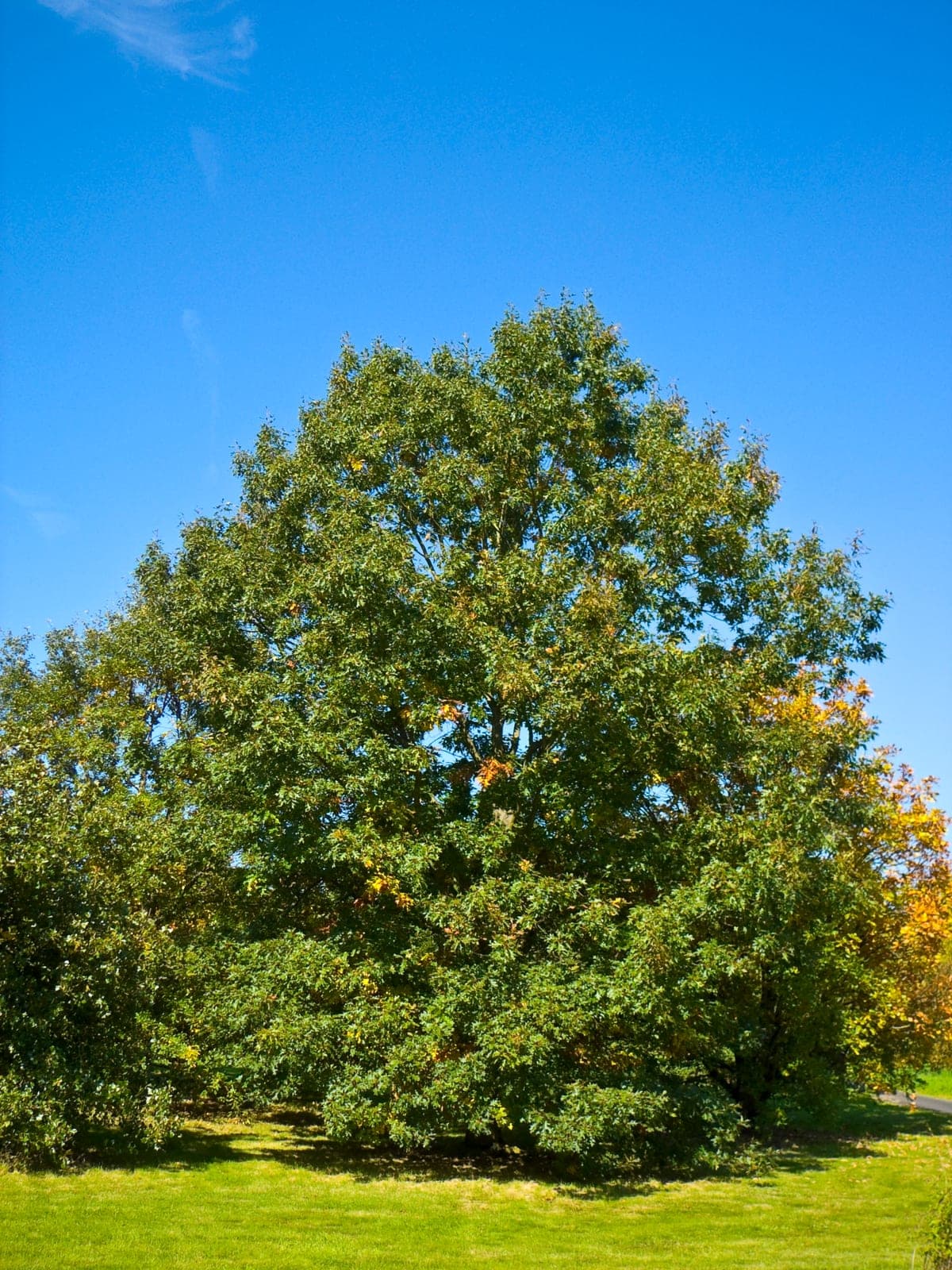
Black Oak
Quercus velutina
Zones 4b–9a · native to 36 states and provinces

Black-Eyed Susan
Rudbeckia hirta
Zones 3a–9b · native to 50 states and provinces
Blooms Jun – Oct in zone 6b
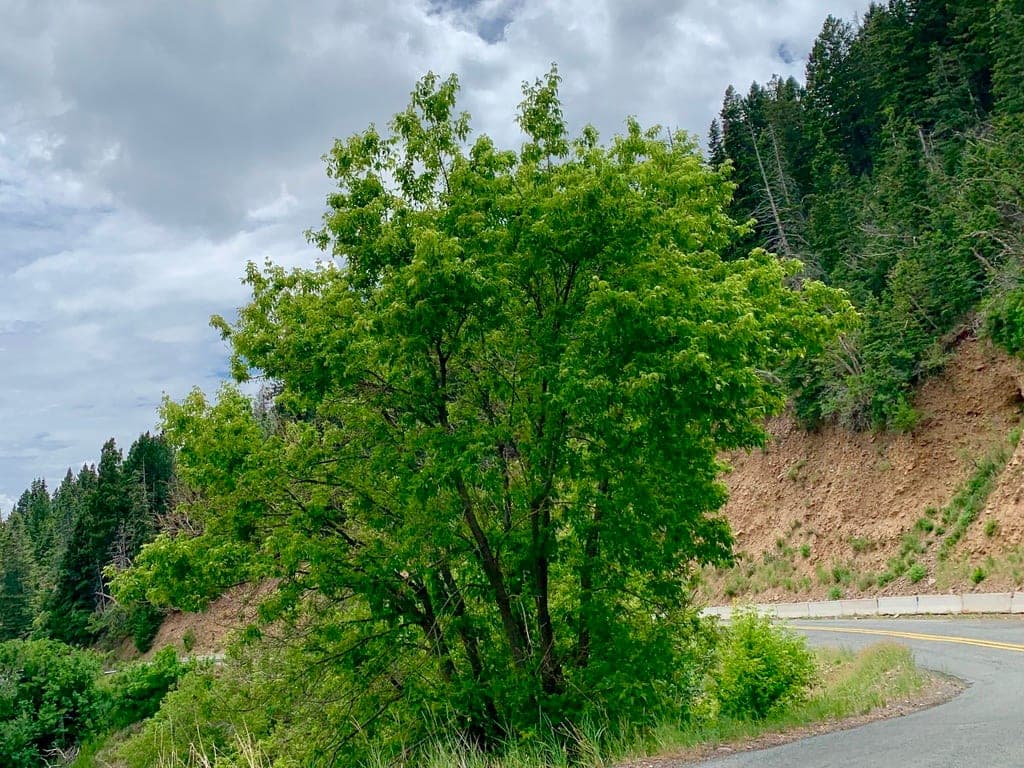
Boxelder
Acer negundo
Zones 2a–9b · native to 48 states and provinces
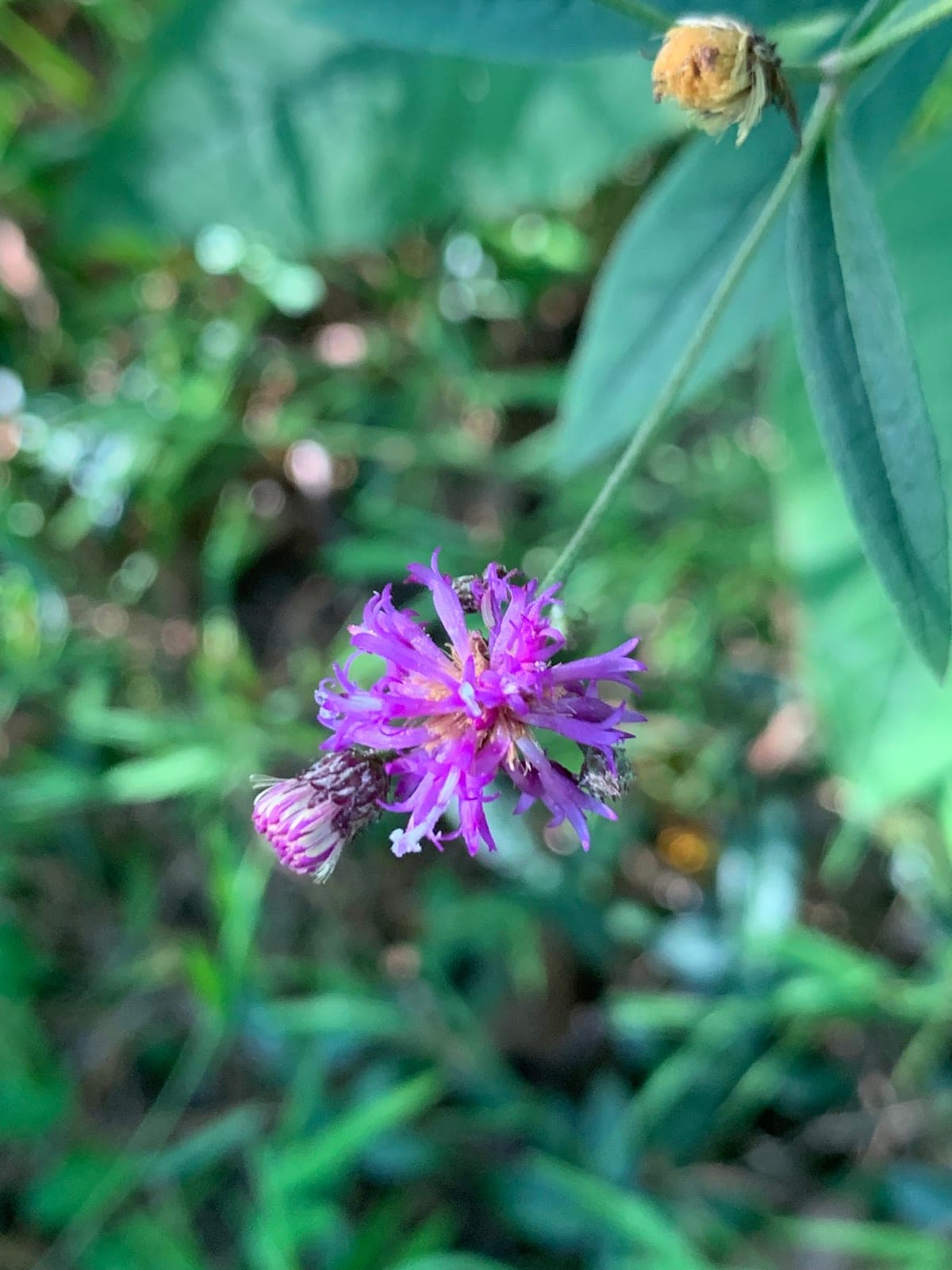
Broadleaf Ironweed
Vernonia glauca
Zones 5a–8b · native to 13 states
Blooms Jul – Aug in zone 6b
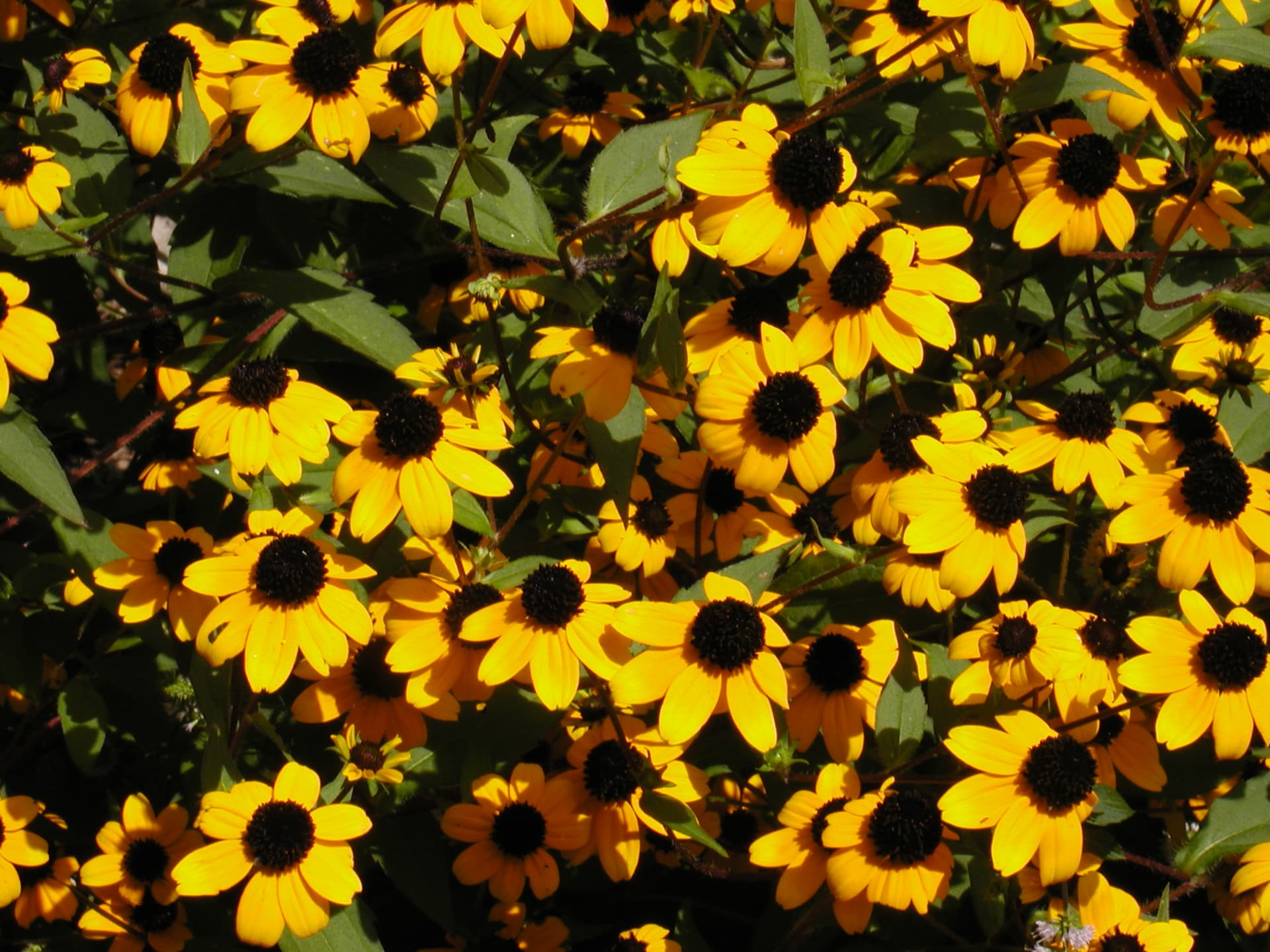
Brown-eyed Susan
Rudbeckia triloba
Zones 3a–7b · native to 26 states
Blooms Jun – Aug in zone 6b
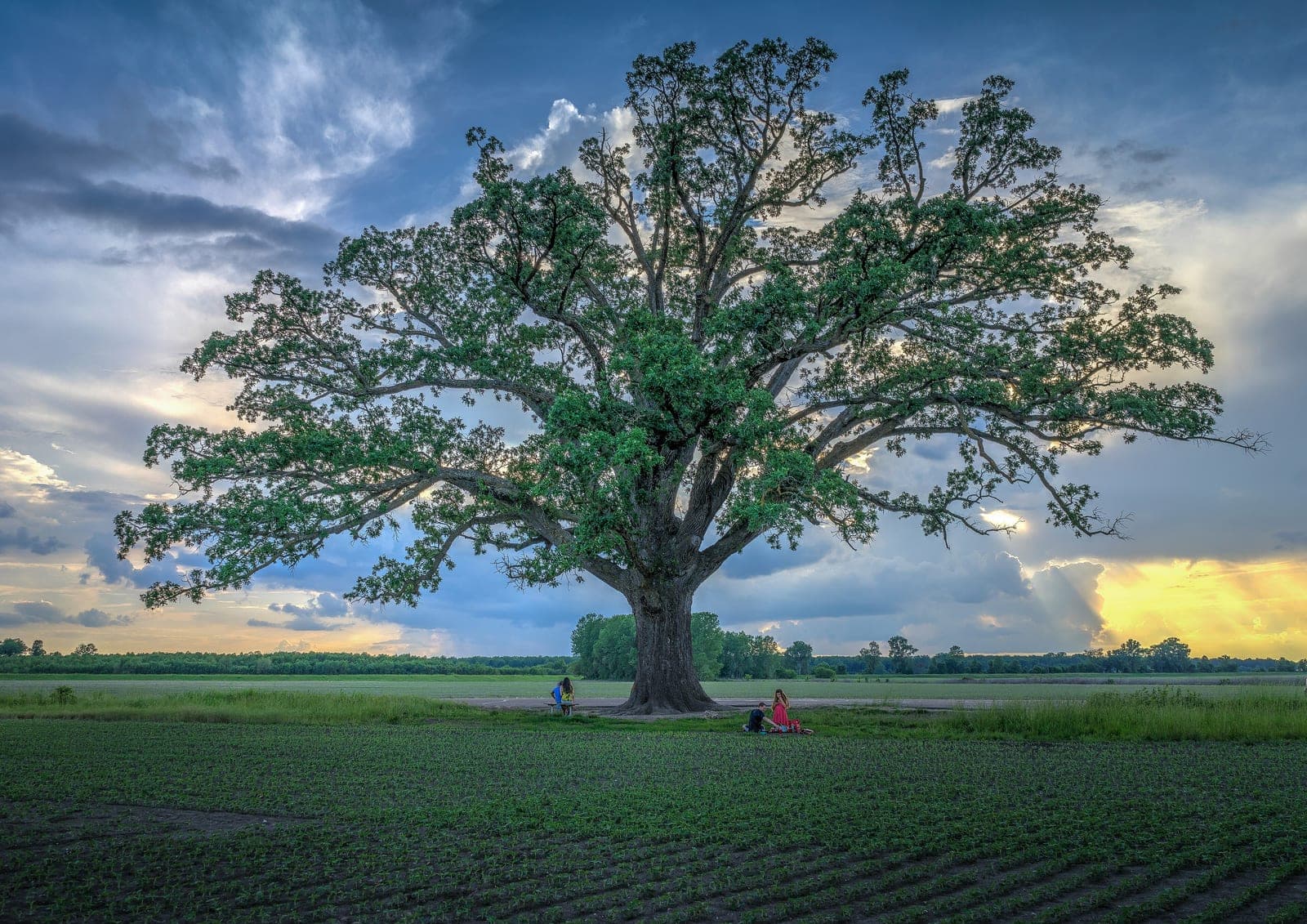
Bur Oak
Quercus macrocarpa
Zones 3a–8b · native to 34 states and provinces
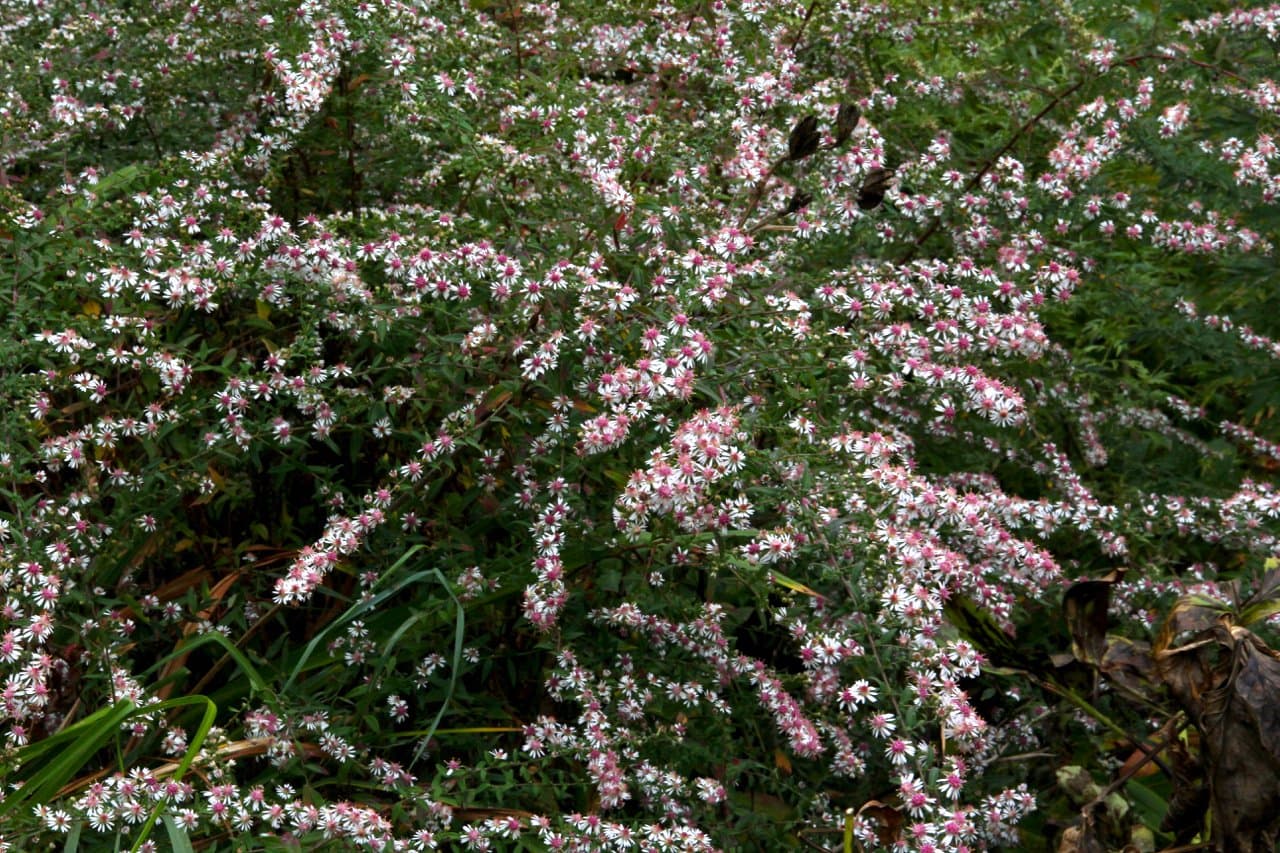
Calico Aster
Symphyotrichum lateriflorum
Zones 3a–8b · native to 43 states and provinces
Blooms Jul – Oct in zone 6b

Campfire Rudbeckia
Rudbeckia hirta 'Campfire'
Zones 3a–7b · native to 50 states and provinces
Blooms Jun – Oct in zone 6b
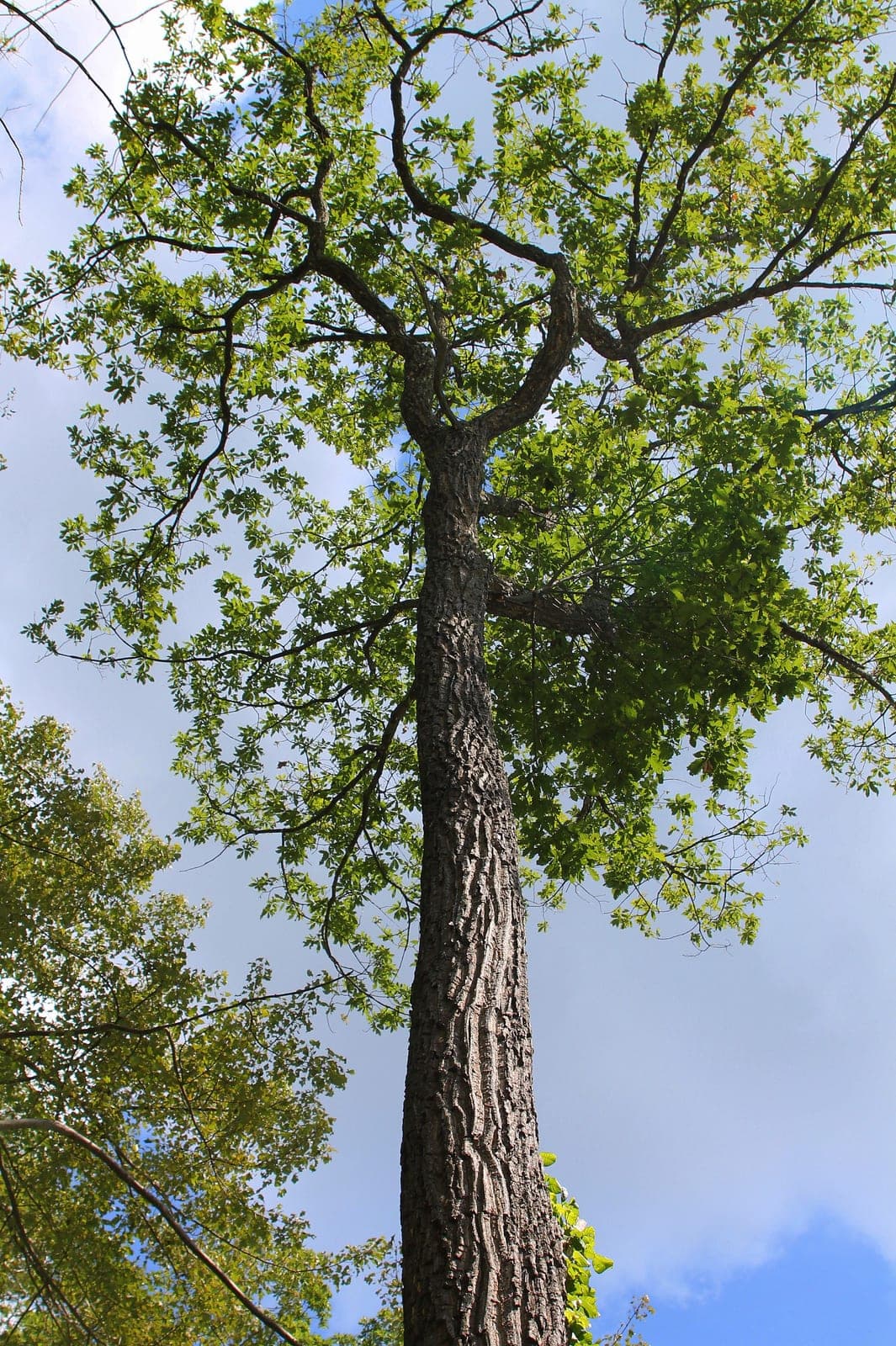
Chestnut Oak
Quercus montana
Zones 4b–8a · native to 23 states
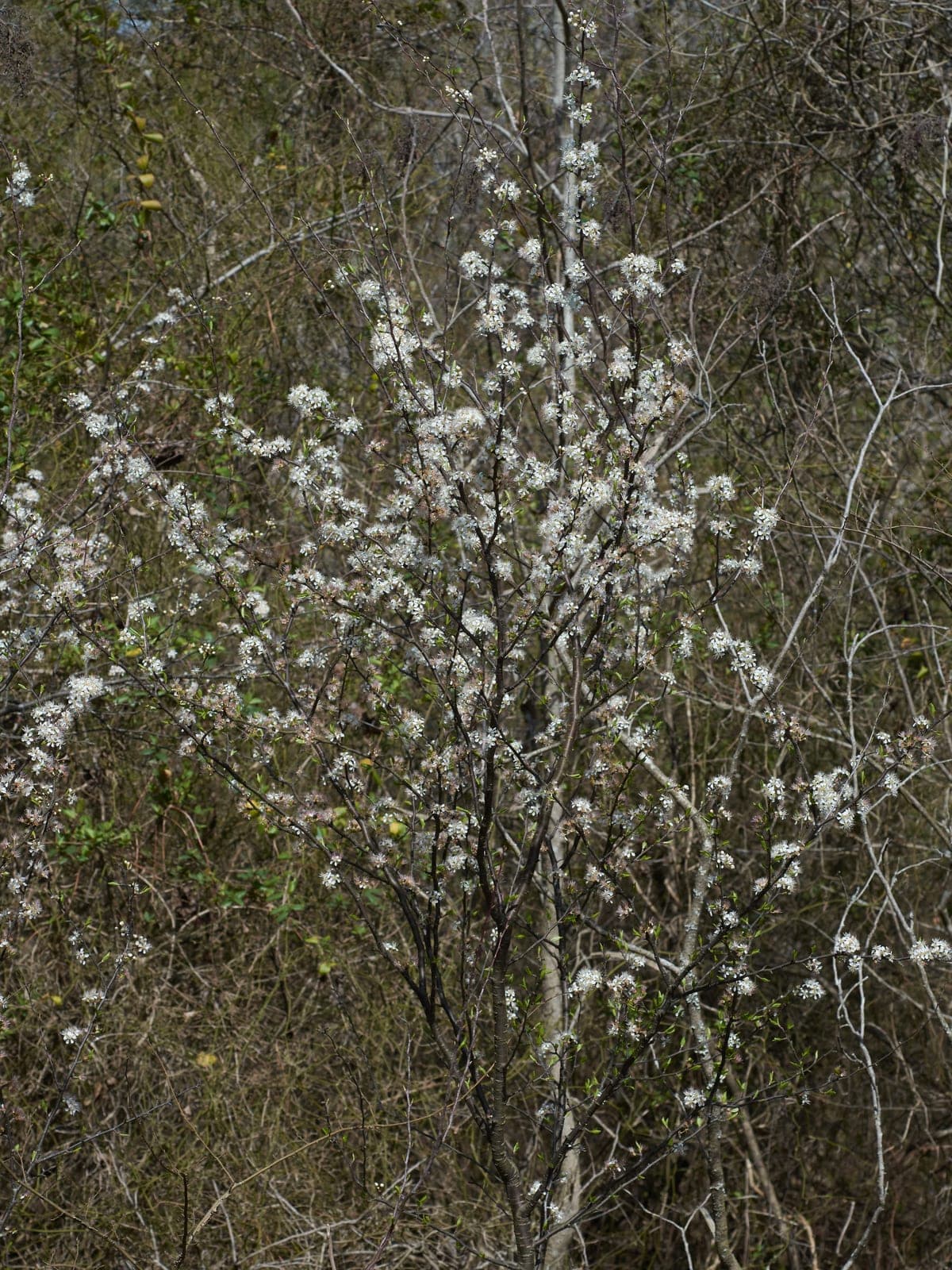
Chickasaw Plum
Prunus angustifolia
Zones 5a–9b · native to 16 states
Blooms Feb – Mar in zone 6b
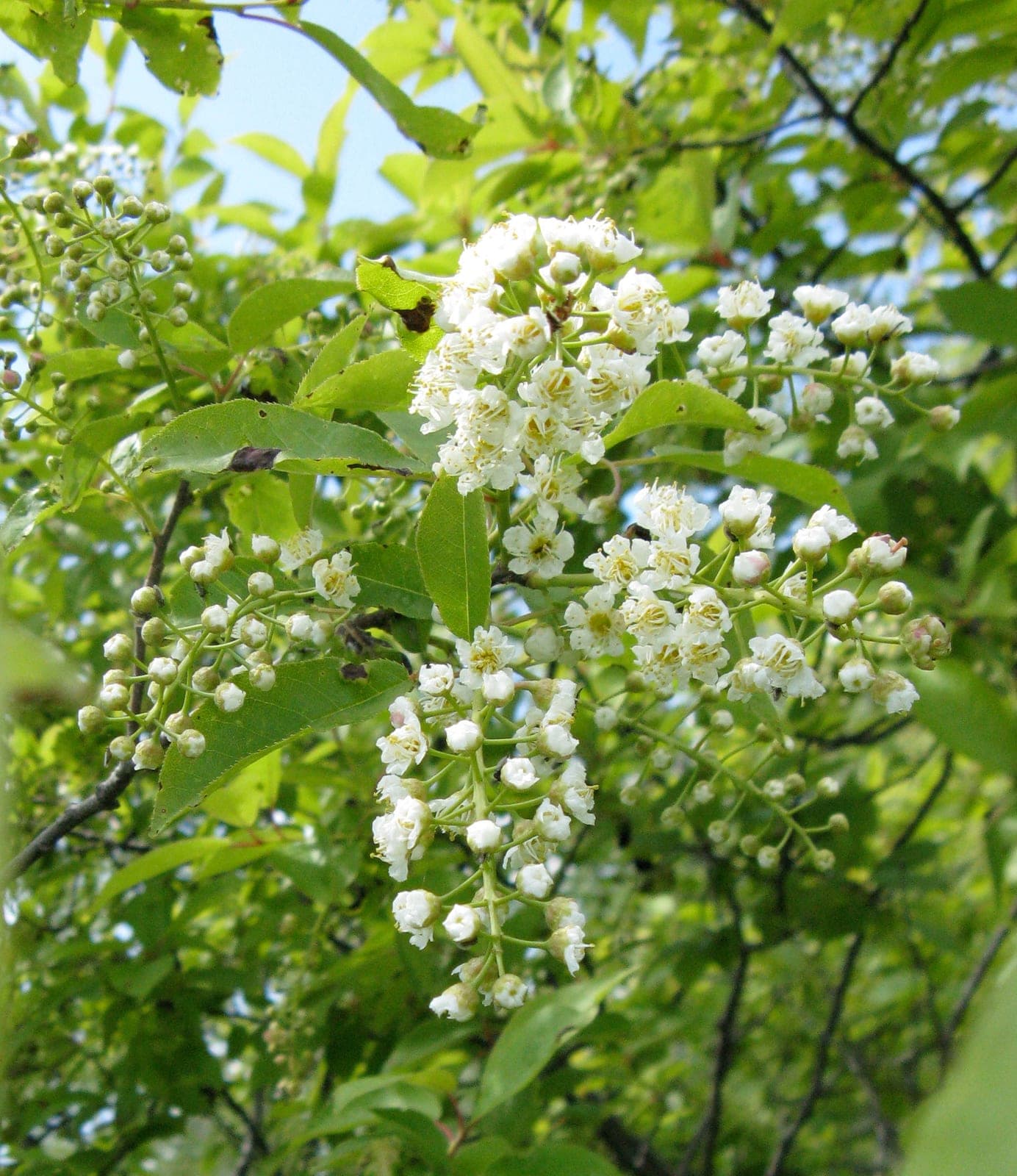
Chokecherry
Prunus virginiana
Zones 2a–7b · native to 55 states and provinces
Blooms Mar – May in zone 6b
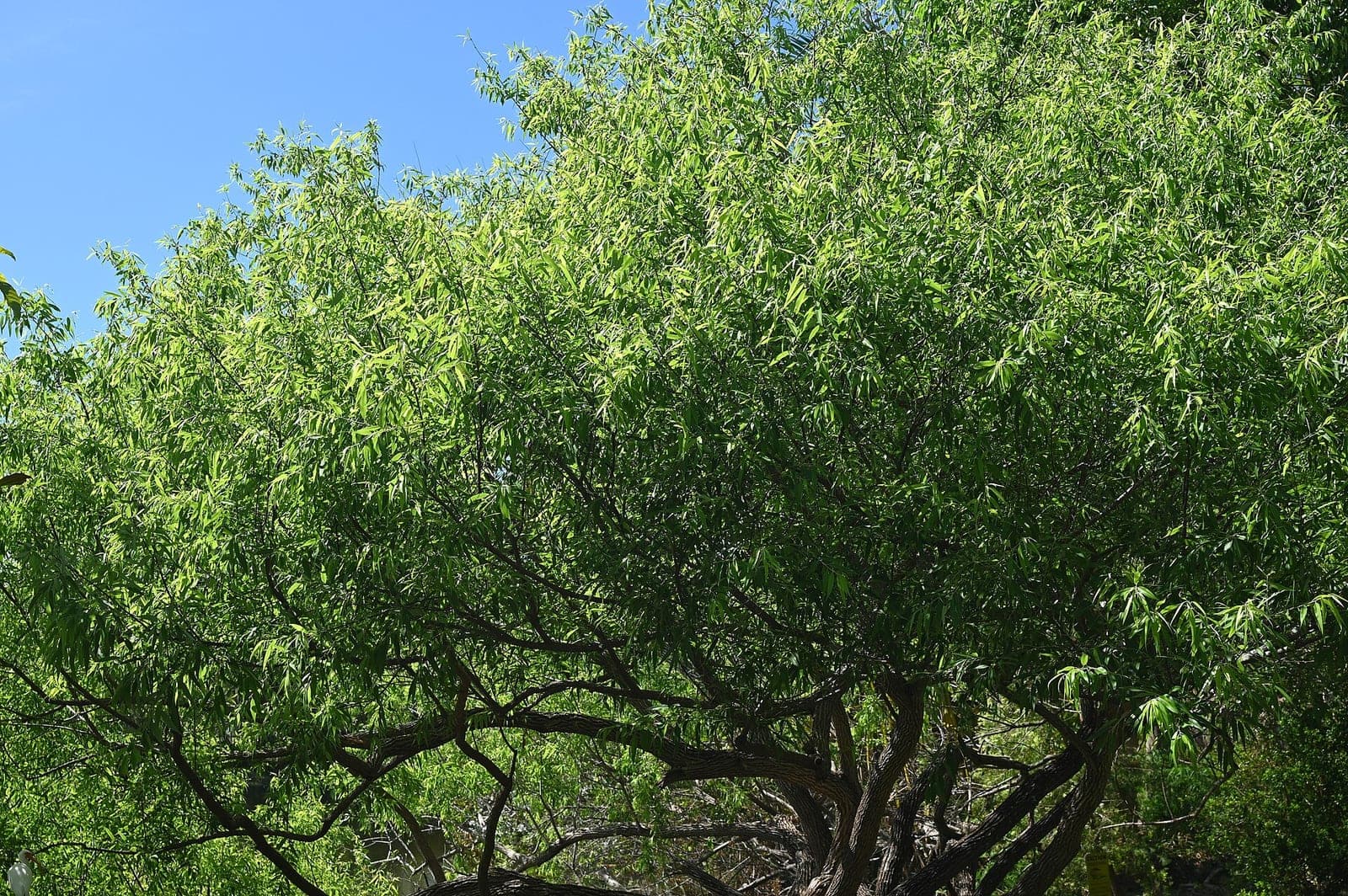
Coastal Plain Willow
Salix caroliniana
Zones 6a–10b · native to 23 states
Blooms Mar – May in zone 6b
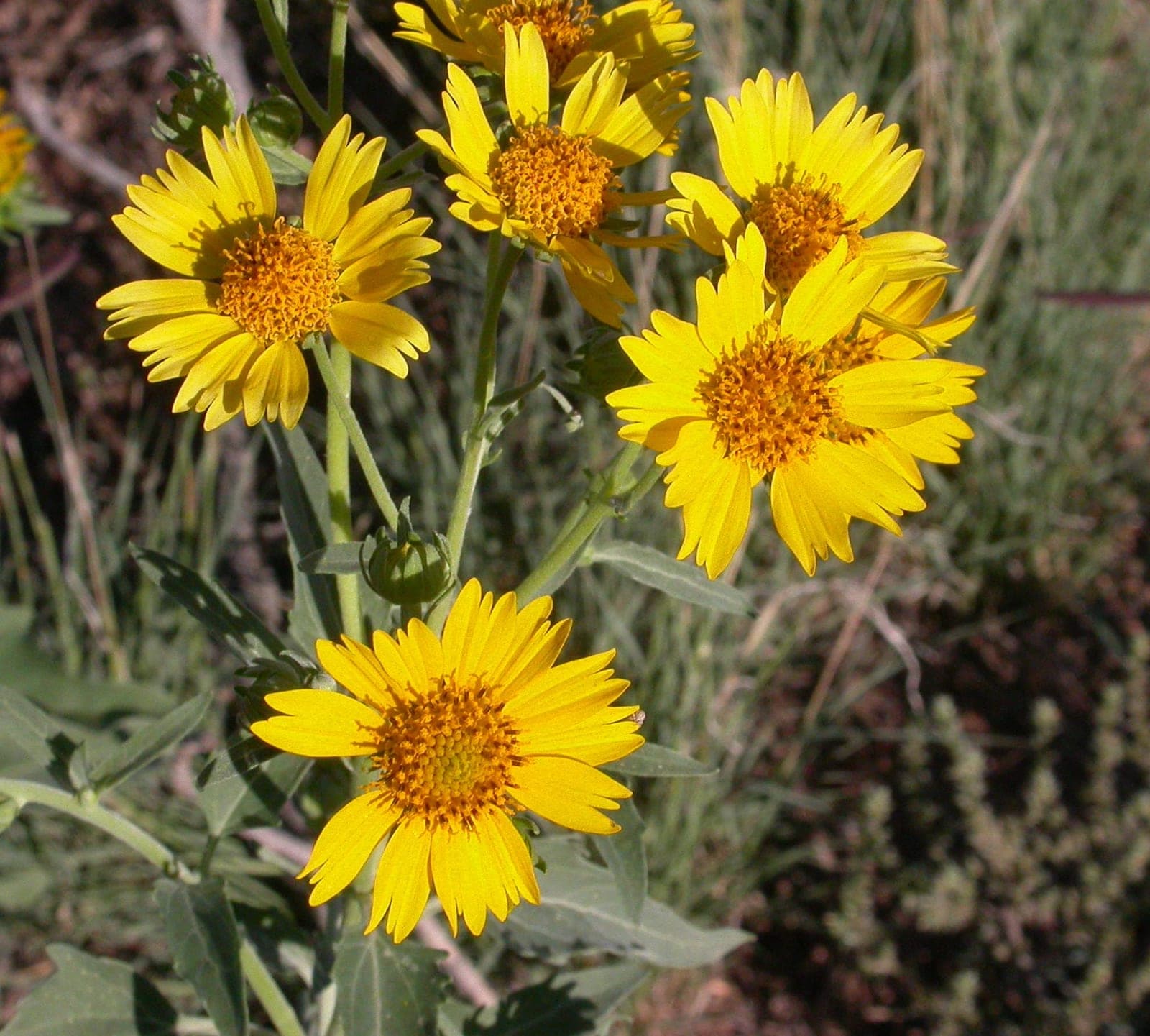
Cowpen Daisy
Verbesina encelioides
Zones 5a–10b · native to 26 states
Blooms May – Oct in zone 6b
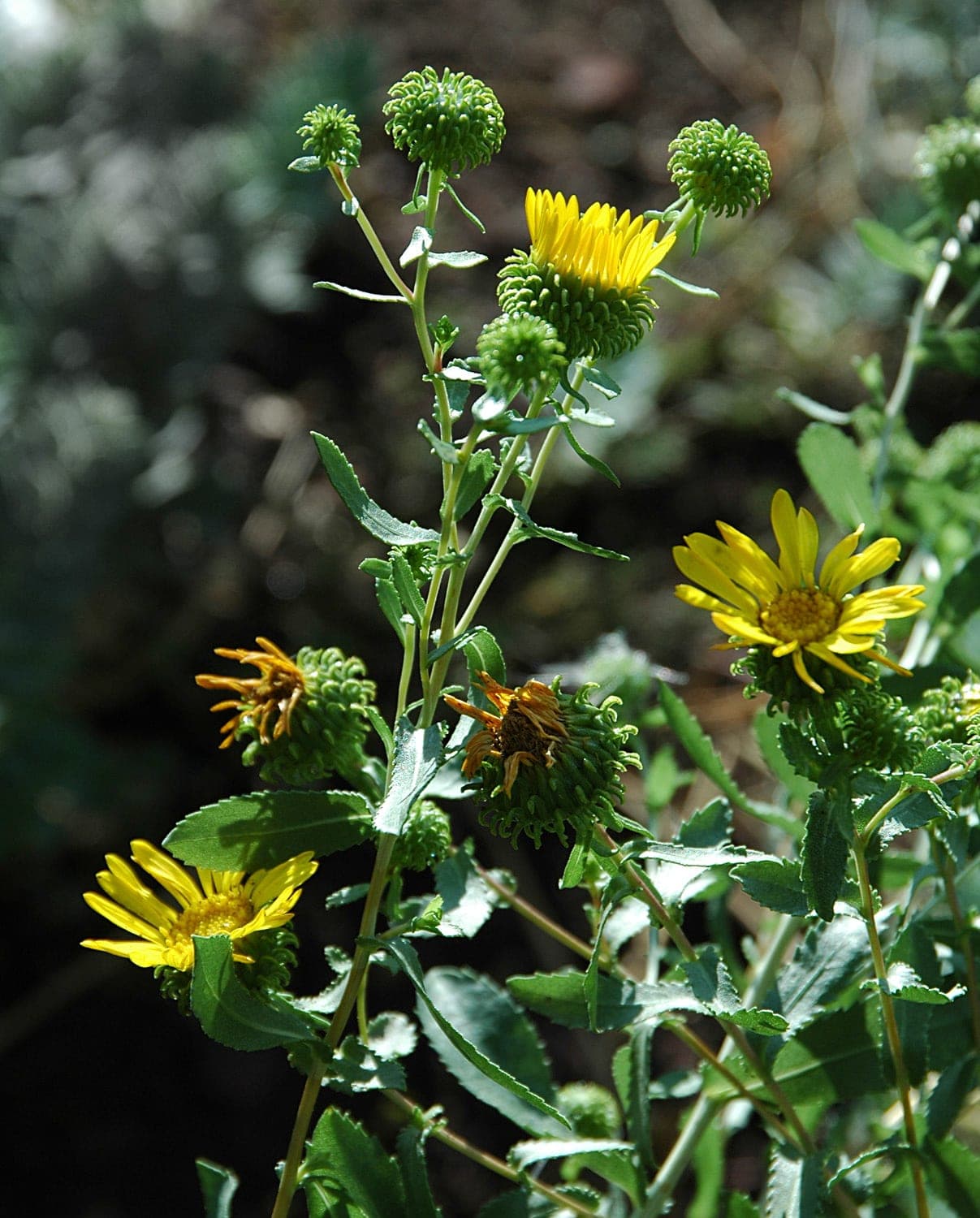
Curlycup Gumweed
Grindelia squarrosa
Zones 3a–9a · native to 44 states and provinces
Blooms Jun – Aug in zone 6b
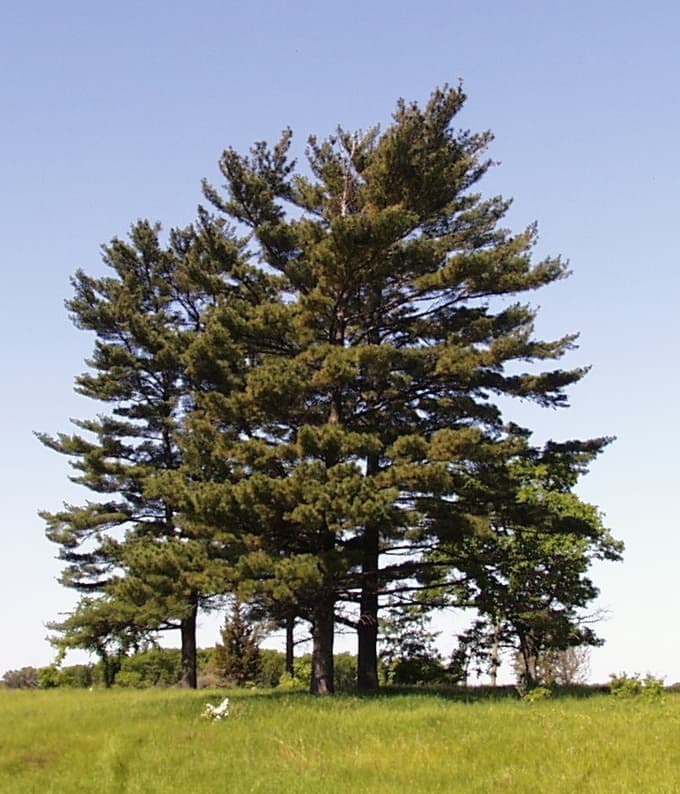
Eastern White Pine
Pinus strobus
Zones 3a–8b · native to 32 states and provinces
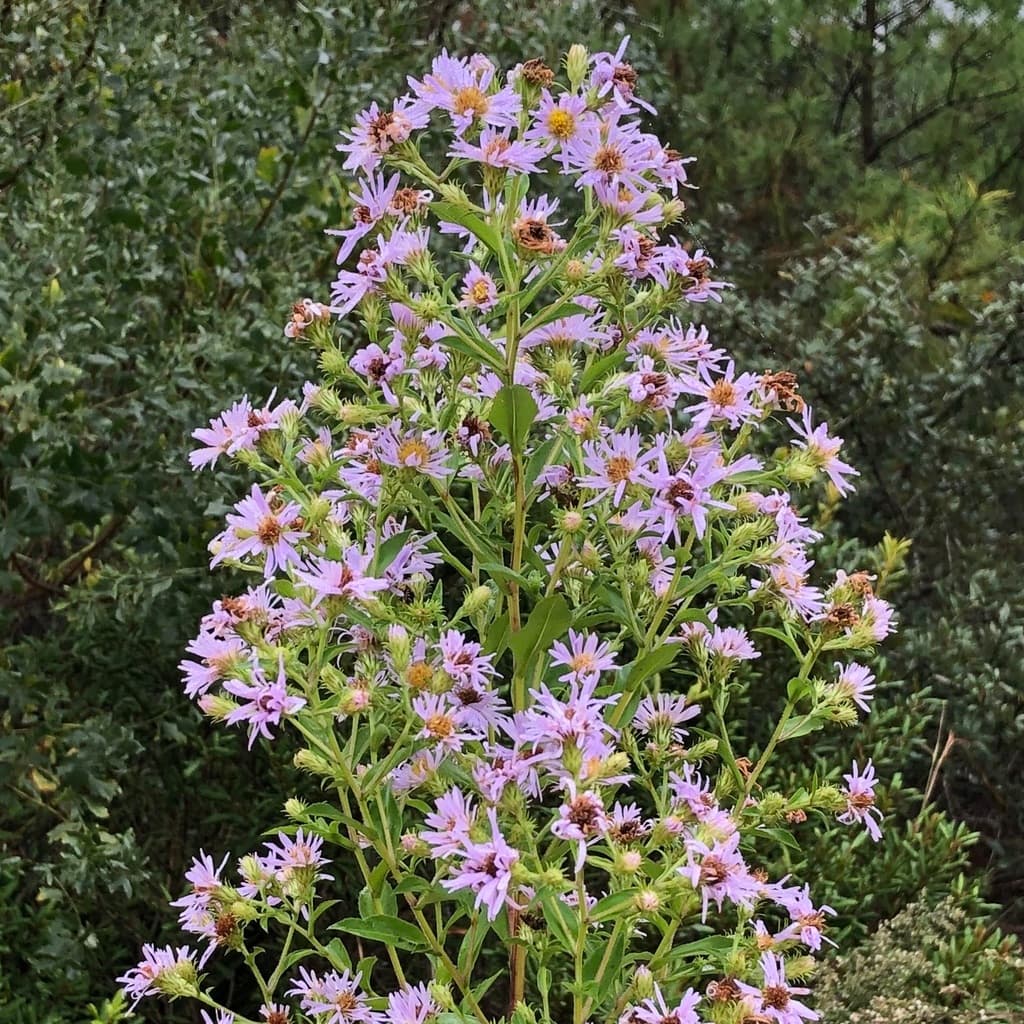
Elliott's Aster
Symphyotrichum elliottii
Zones 8a–11b · native to 7 states
Blooms Aug – Oct in zone 6b
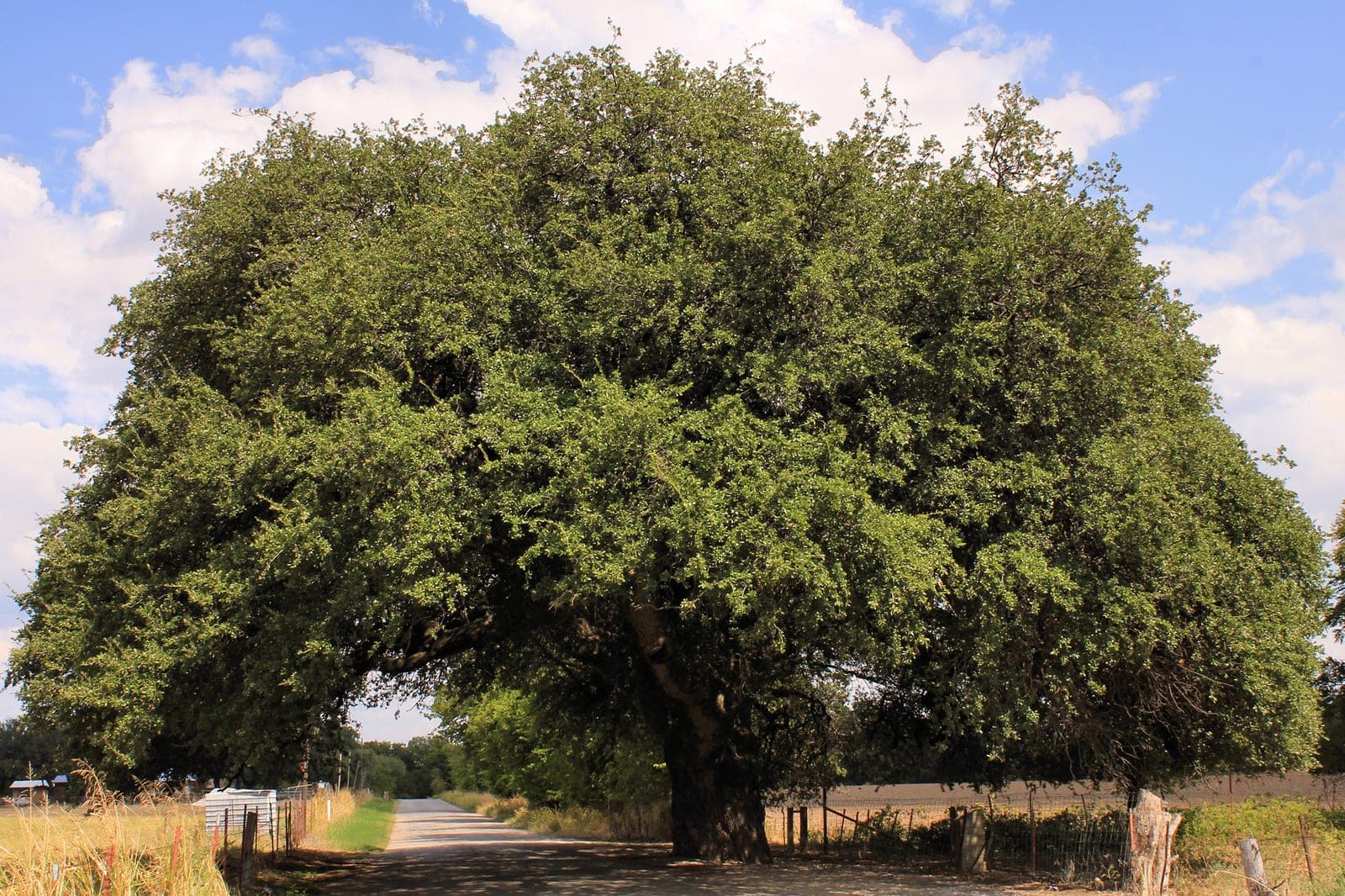
Escarpment Live Oak
Quercus fusiformis
Zones 7a–9b · native to 2 states
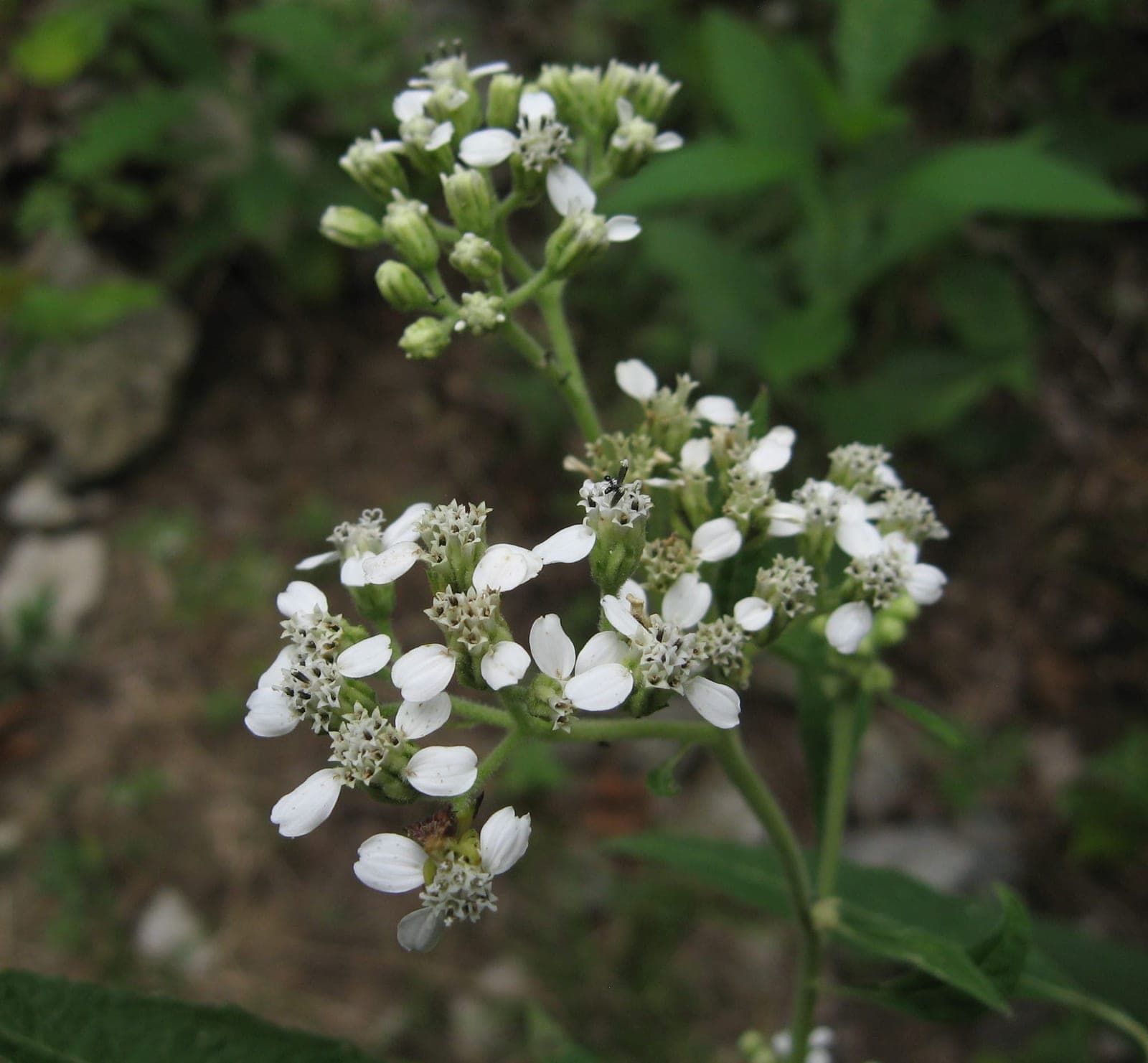
Frostweed
Verbesina virginica
Zones 6a–9b · native to 20 states
Blooms Jul – Sep in zone 6b

Giant Ironweed
Vernonia gigantea
Zones 5a–9b · native to 35 states and provinces
Blooms Jul – Sep in zone 6b
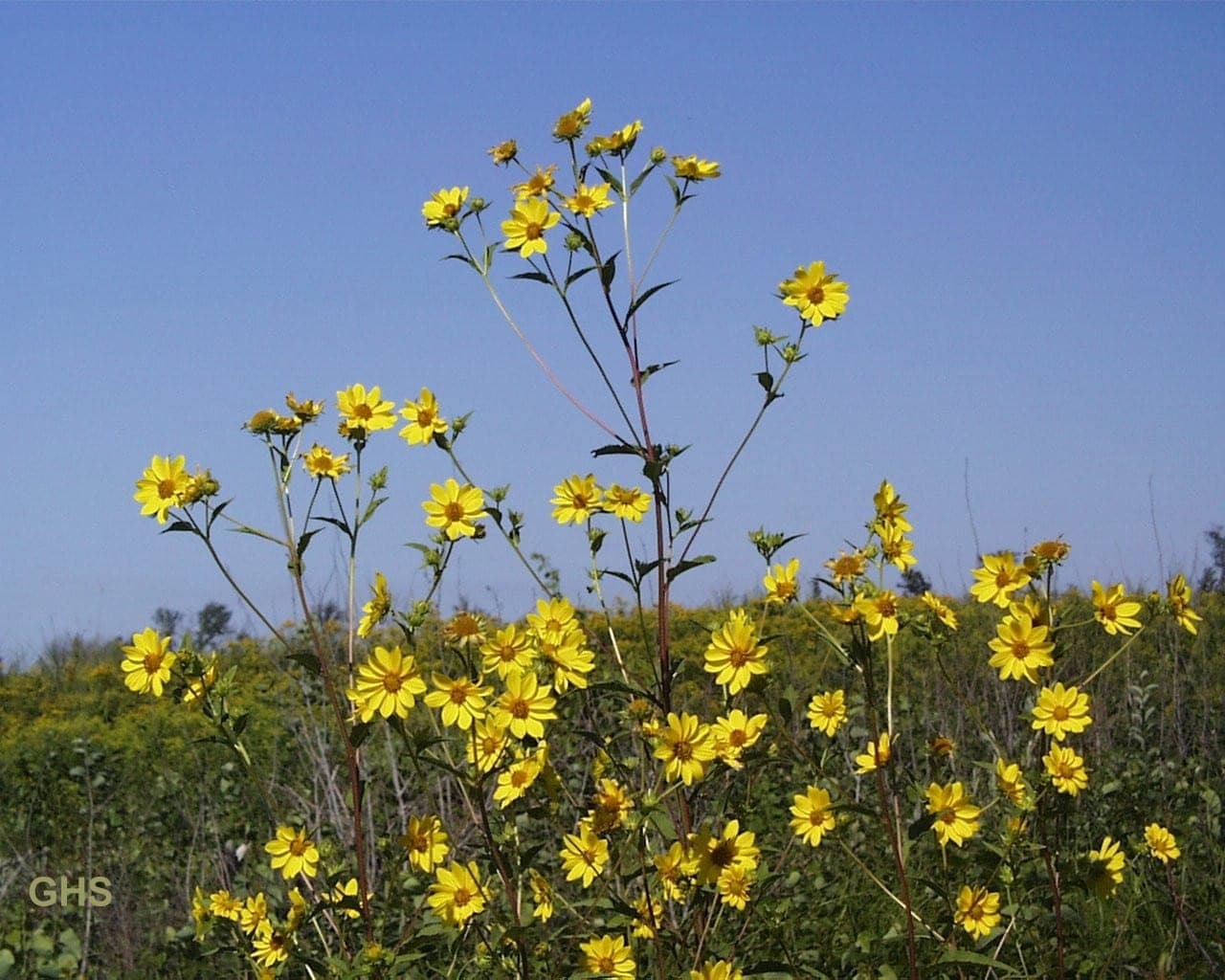
Giant Sunflower
Helianthus giganteus
Zones 3a–8b · native to 32 states and provinces
Blooms Jul – Sep in zone 6b

Goldenrod
Solidago canadensis
Zones 3a–9a · native to 57 states and provinces
Blooms Jul – Oct in zone 6b
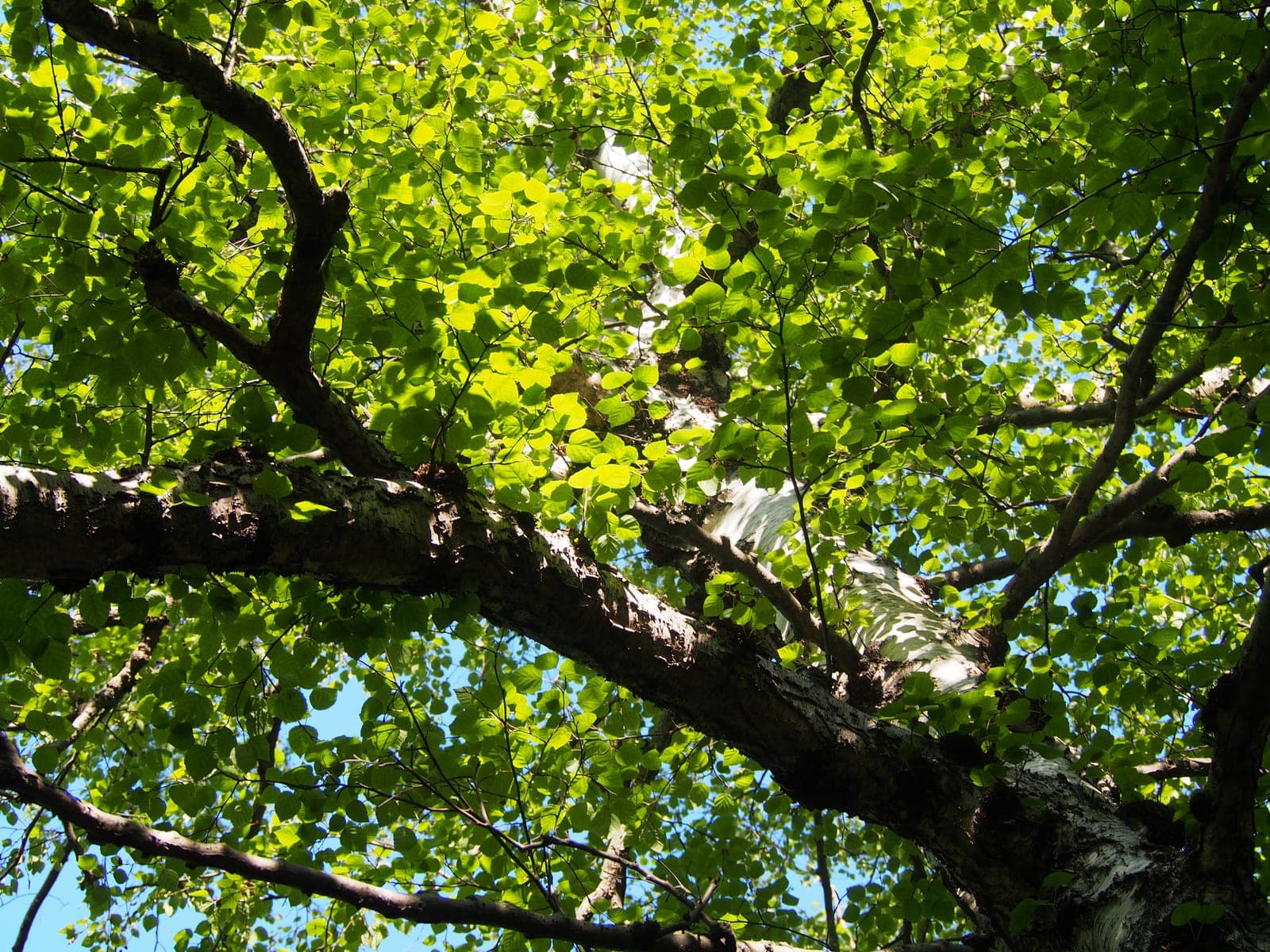
Gray Birch
Betula populifolia
Zones 3a–6b · native to 19 states and provinces
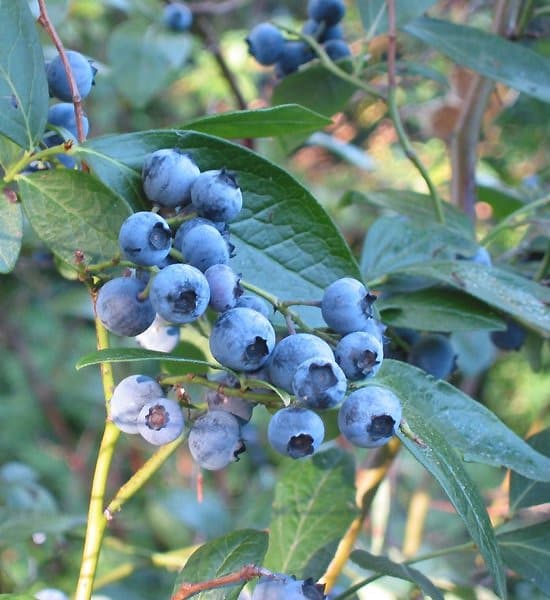
Highbush Blueberry
Vaccinium corymbosum
Zones 4a–7b · native to 34 states and provinces
Blooms May – Jul in zone 6b
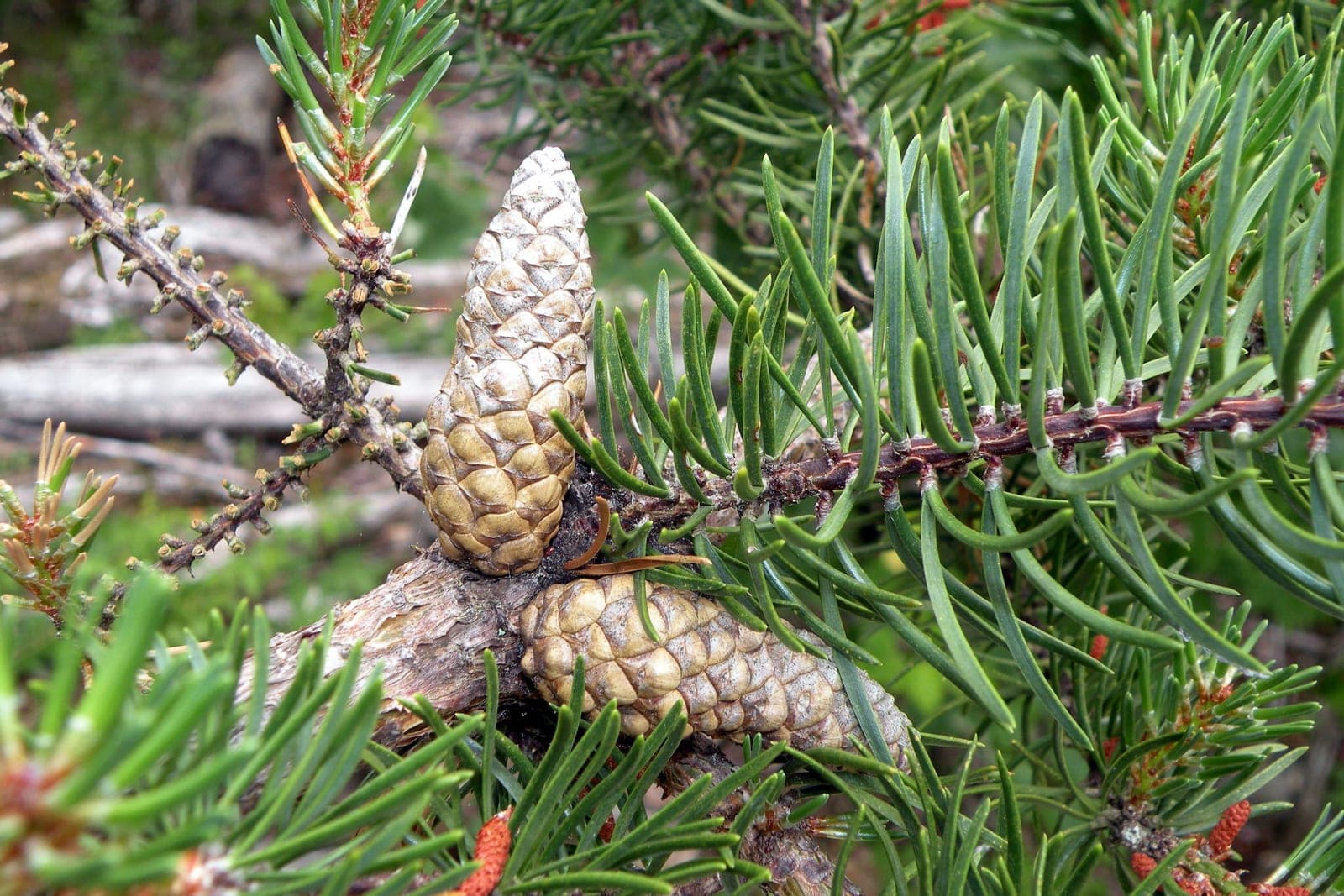
Jack Pine
Pinus banksiana
Zones 2a–6a · native to 25 states and provinces
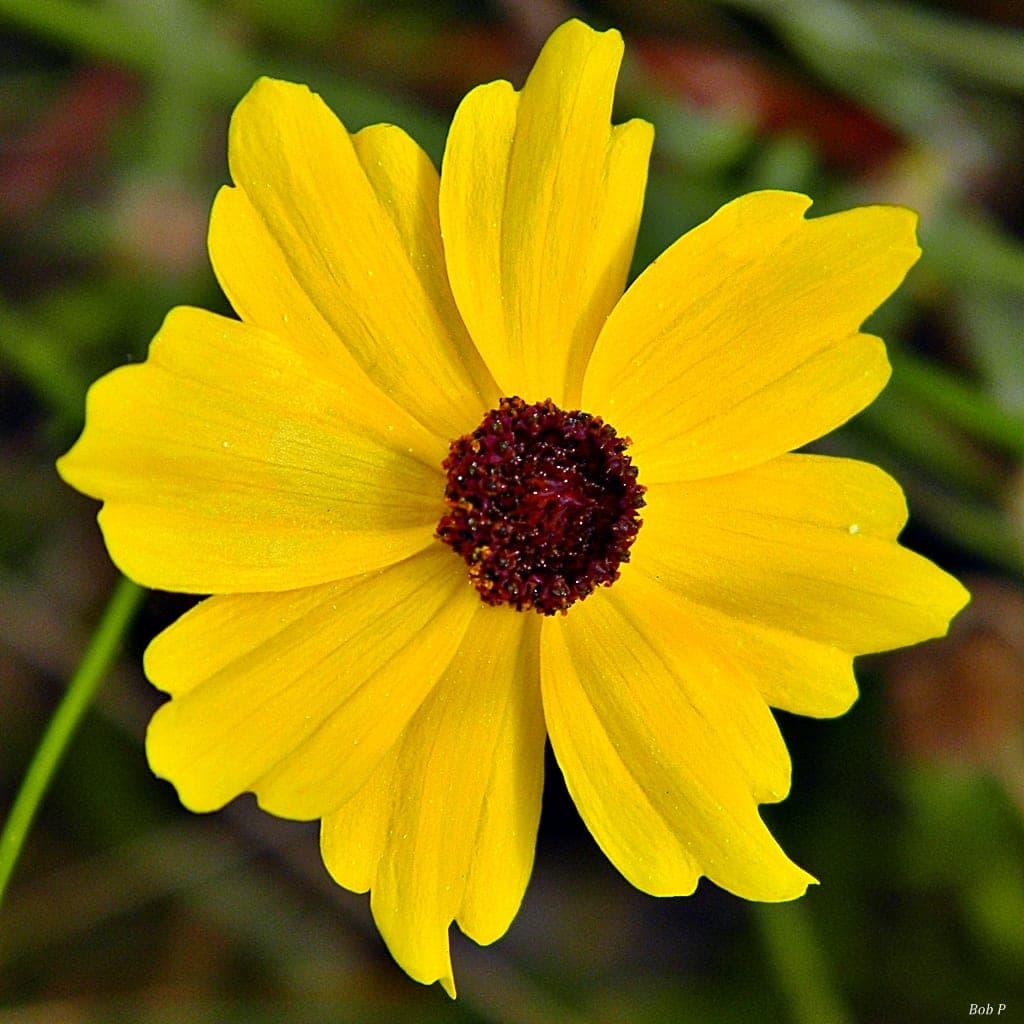
Leavenworth's Tickseed
Coreopsis leavenworthii
Zones 8a–11b
Blooms Apr – Oct in zone 6b
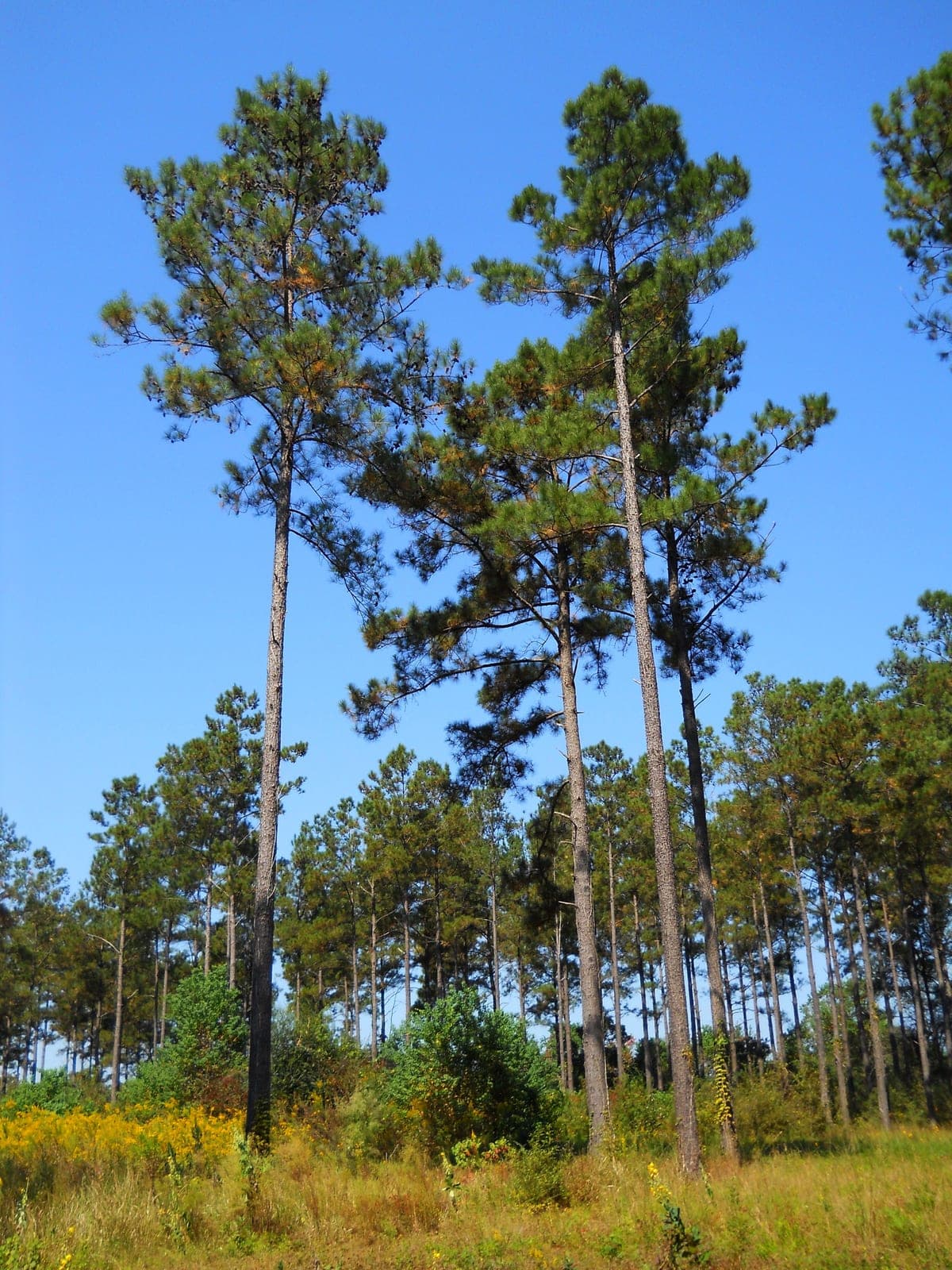
Loblolly Pine
Pinus taeda
Zones 6a–9a · native to 15 states
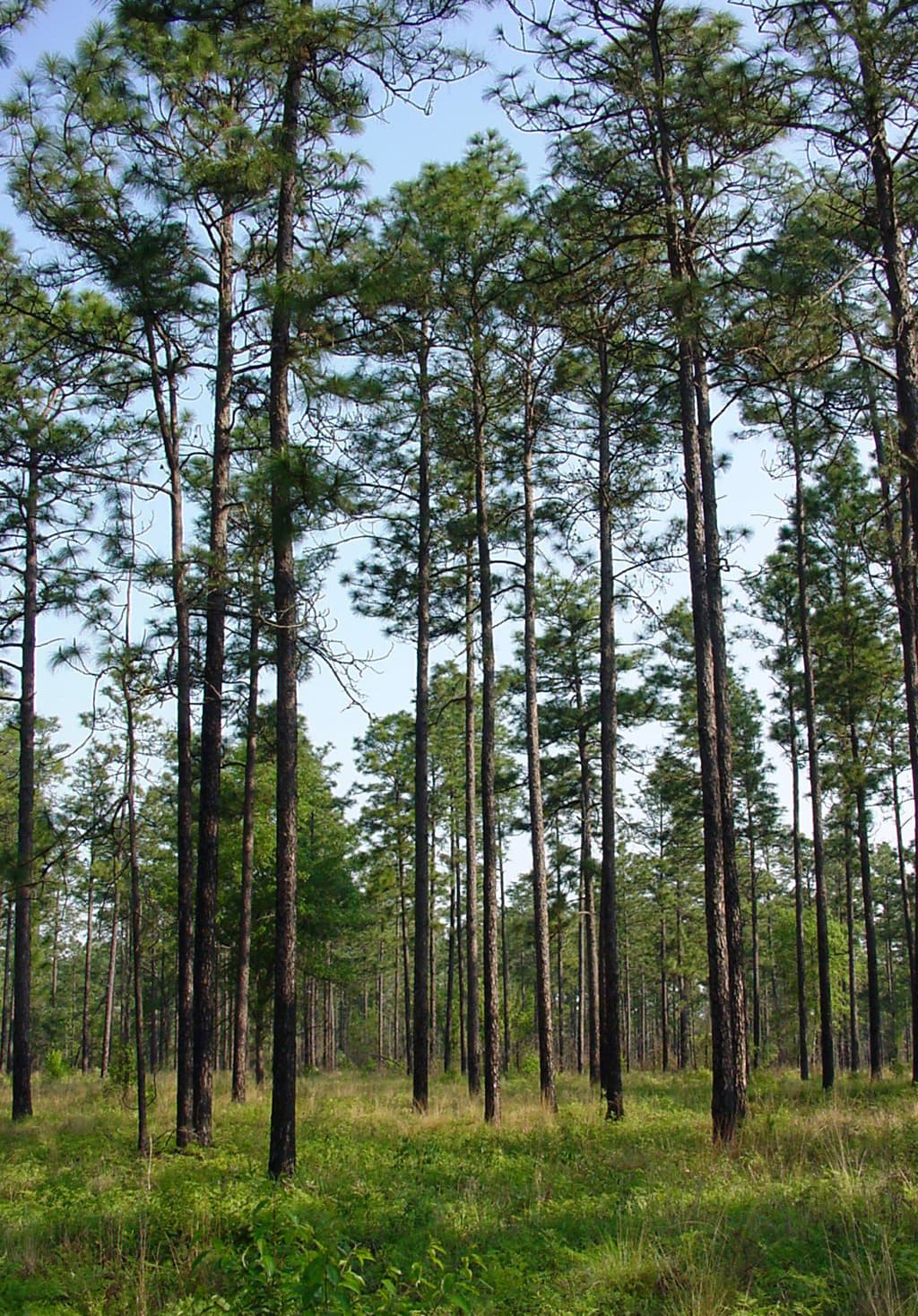
Longleaf Pine
Pinus palustris
Zones 7a–9b · native to 9 states
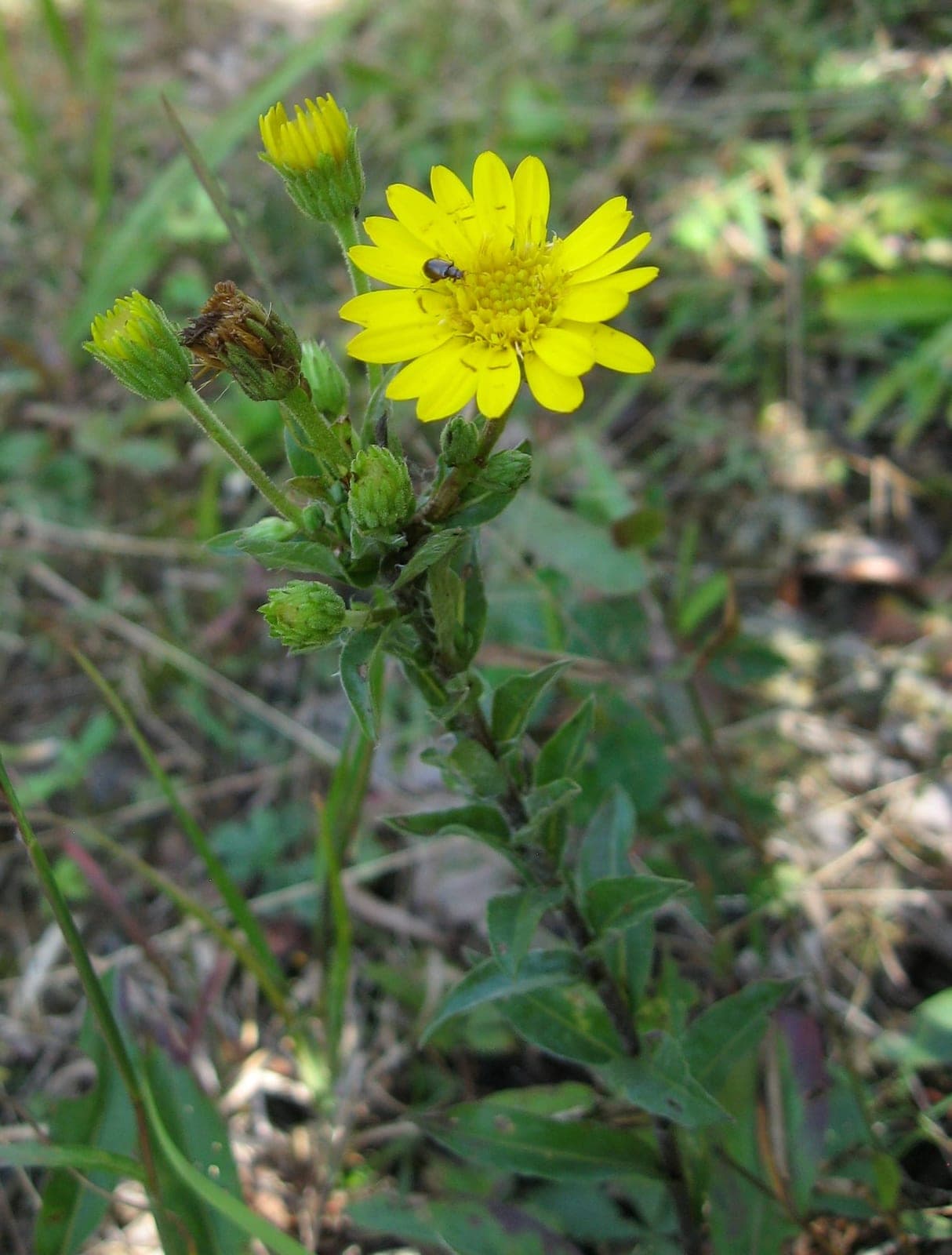
Maryland Golden-aster
Chrysopsis mariana
Zones 5a–9a · native to 18 states
Blooms Jul – Sep in zone 6b
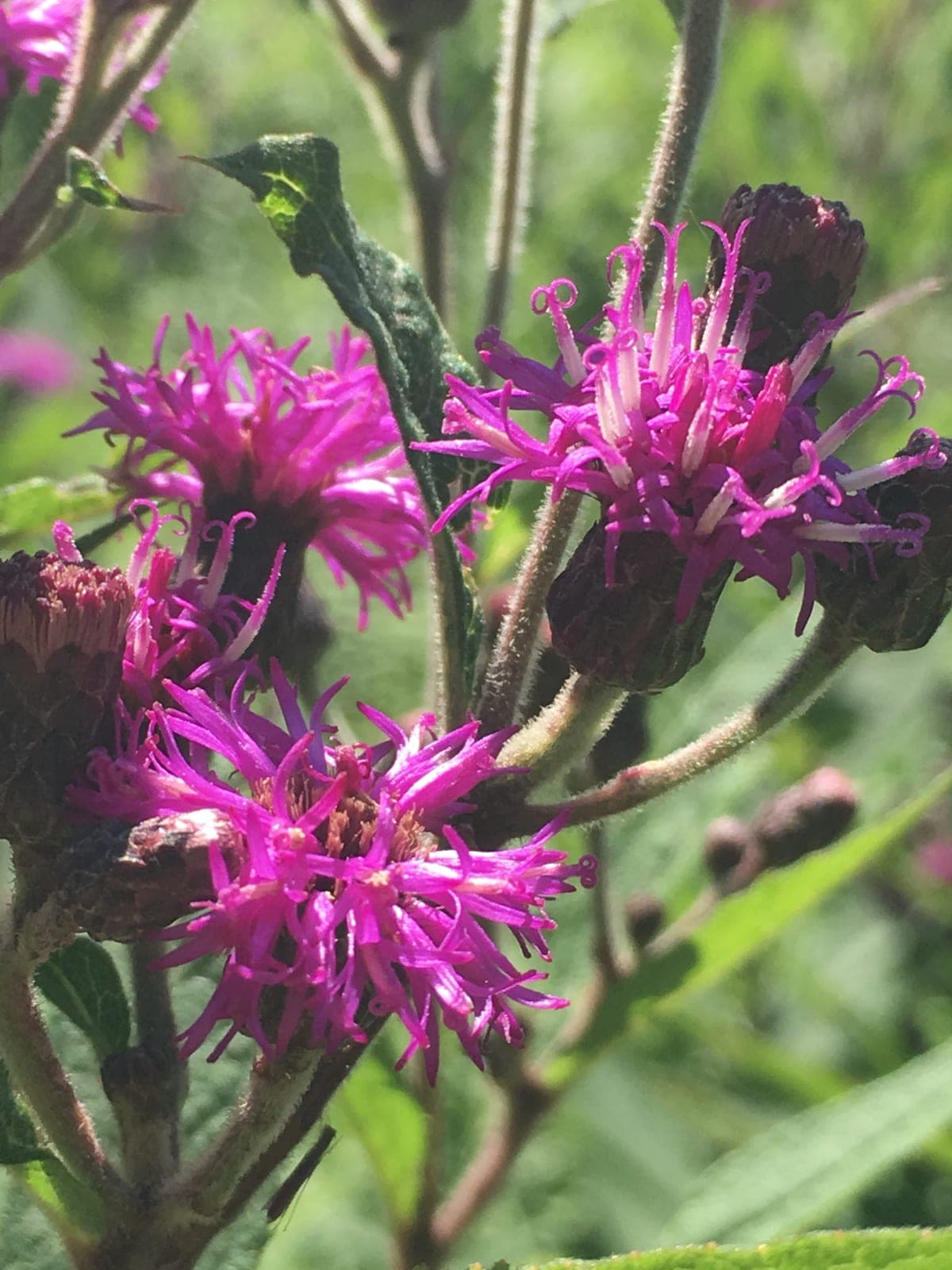
Missouri Ironweed
Vernonia missurica
Zones 4a–8b · native to 14 states and provinces
Blooms Jul – Aug in zone 6b
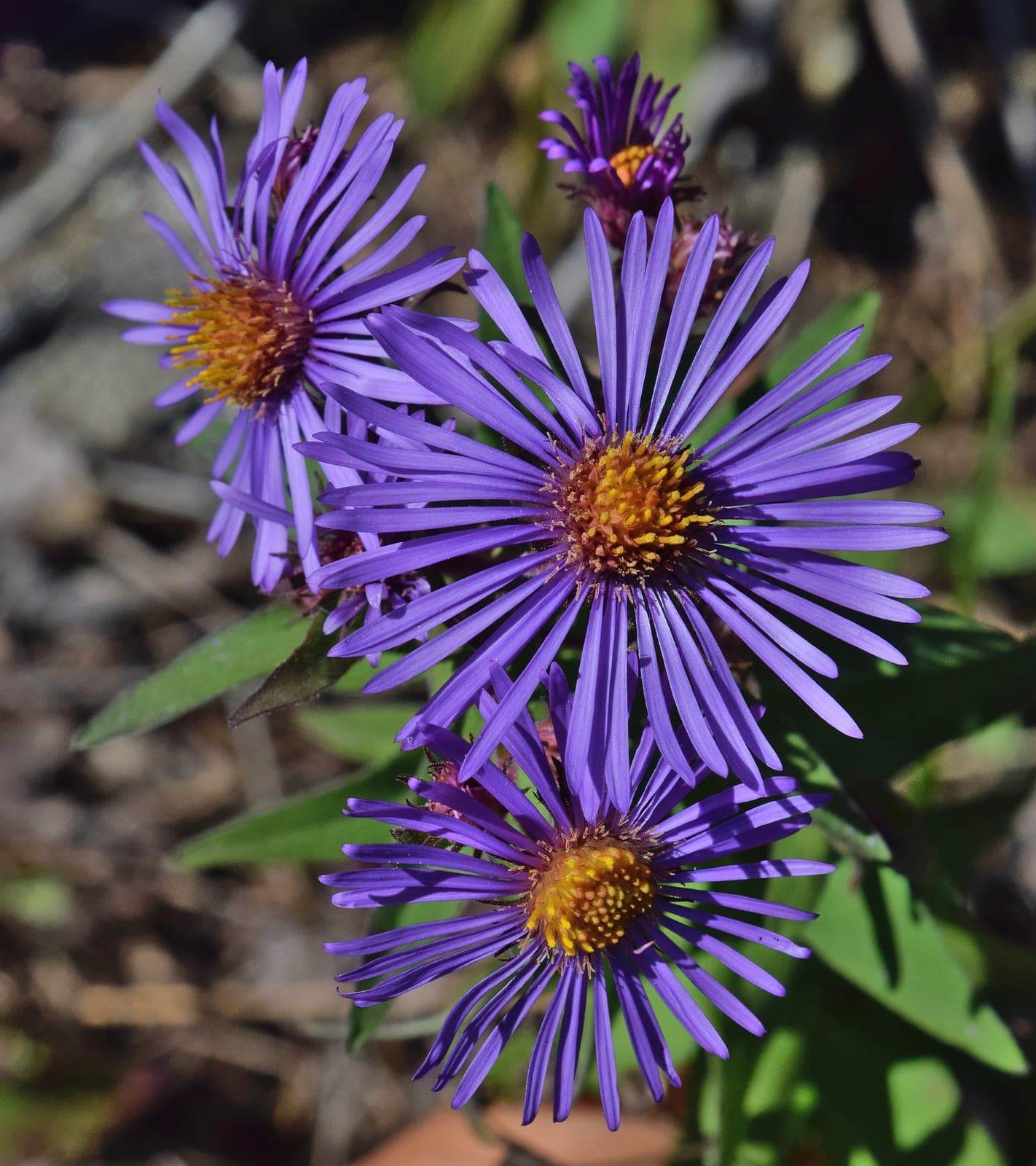
New England Aster
Symphyotrichum novae-angliae
Zones 3a–8b · native to 44 states and provinces
Blooms Jul – Oct in zone 6b
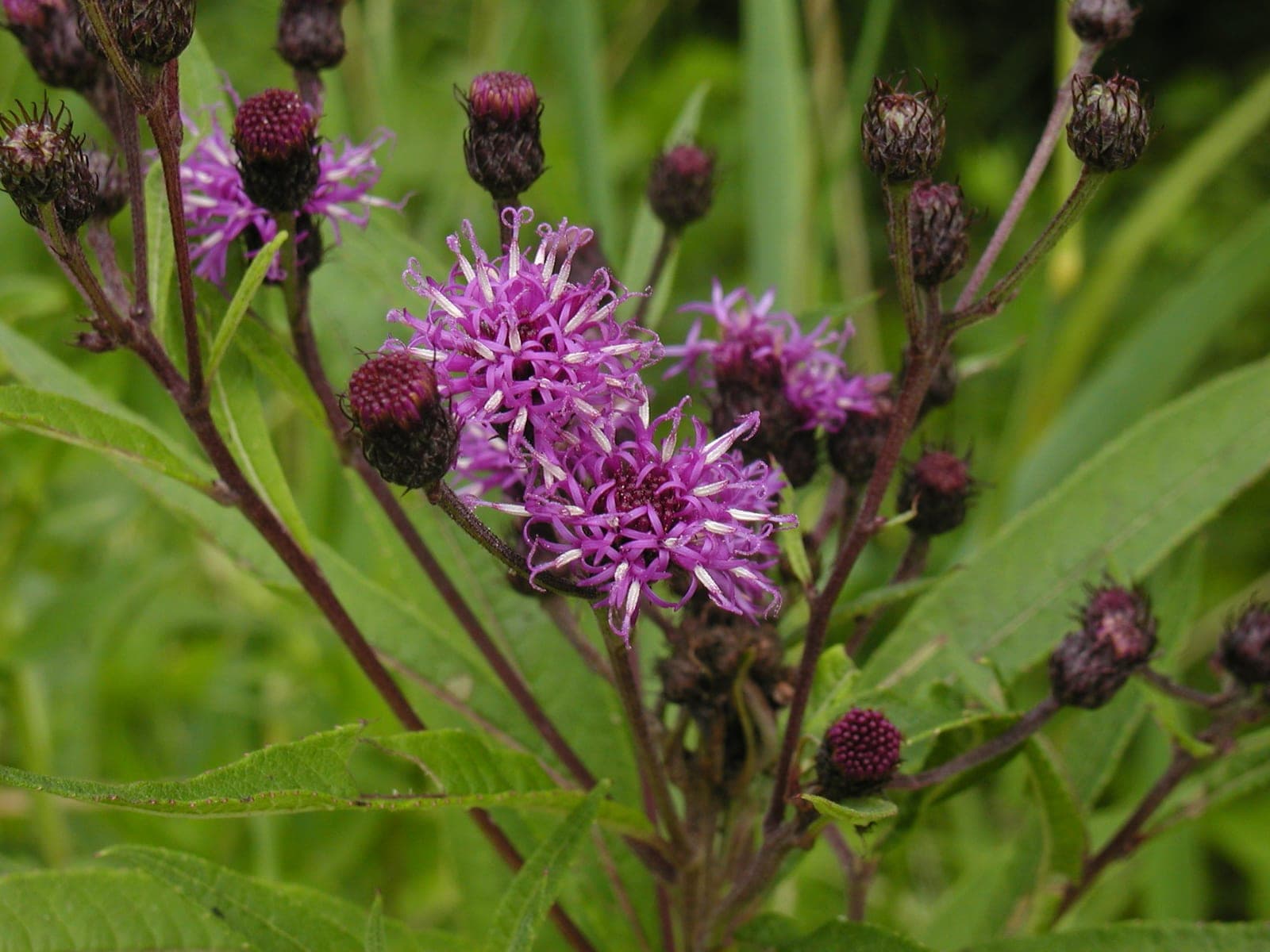
New York Ironweed
Vernonia noveboracensis
Zones 5a–9a · native to 20 states
Blooms Jul – Sep in zone 6b
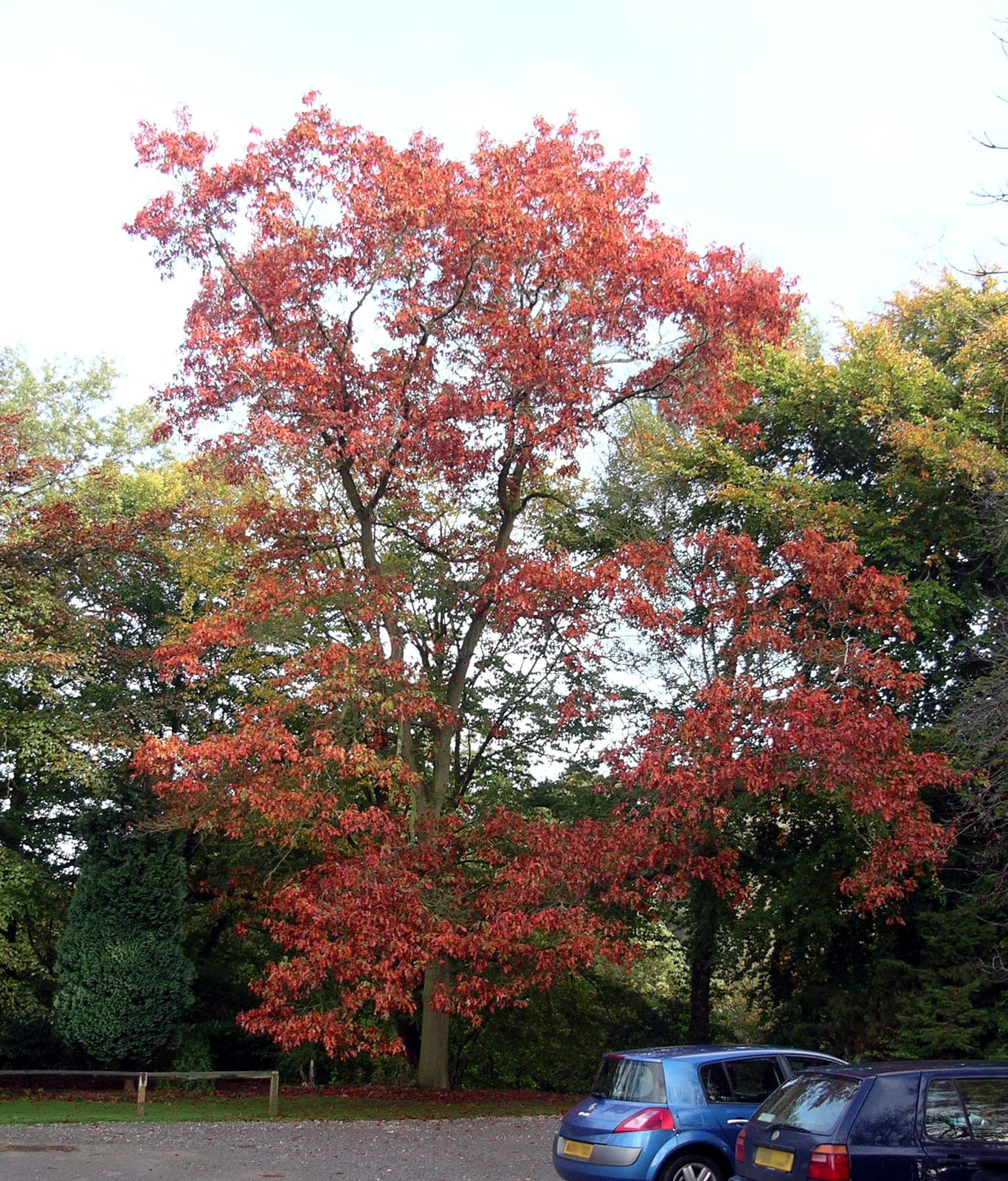
Northern Red Oak
Quercus rubra
Zones 3b–8a · native to 38 states and provinces
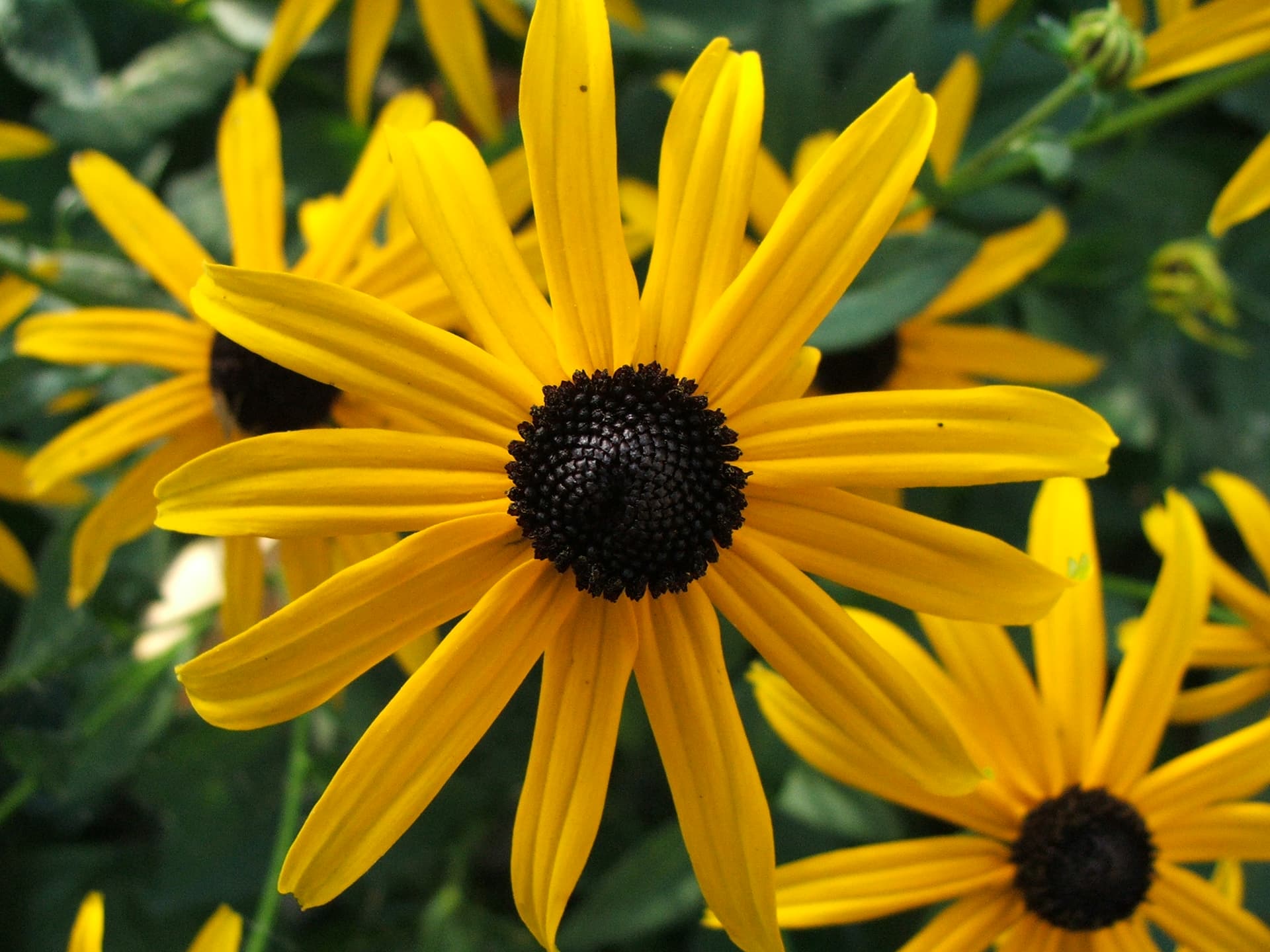
Orange Coneflower
Rudbeckia fulgida
Zones 4a–9a · native to 26 states
Blooms Jun – Aug in zone 6b
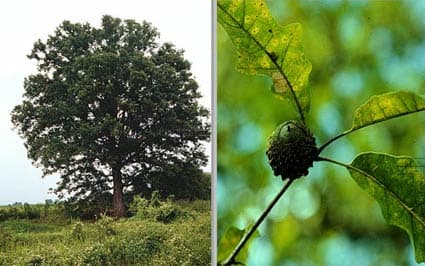
Overcup Oak
Quercus lyrata
Zones 5b–9b · native to 19 states
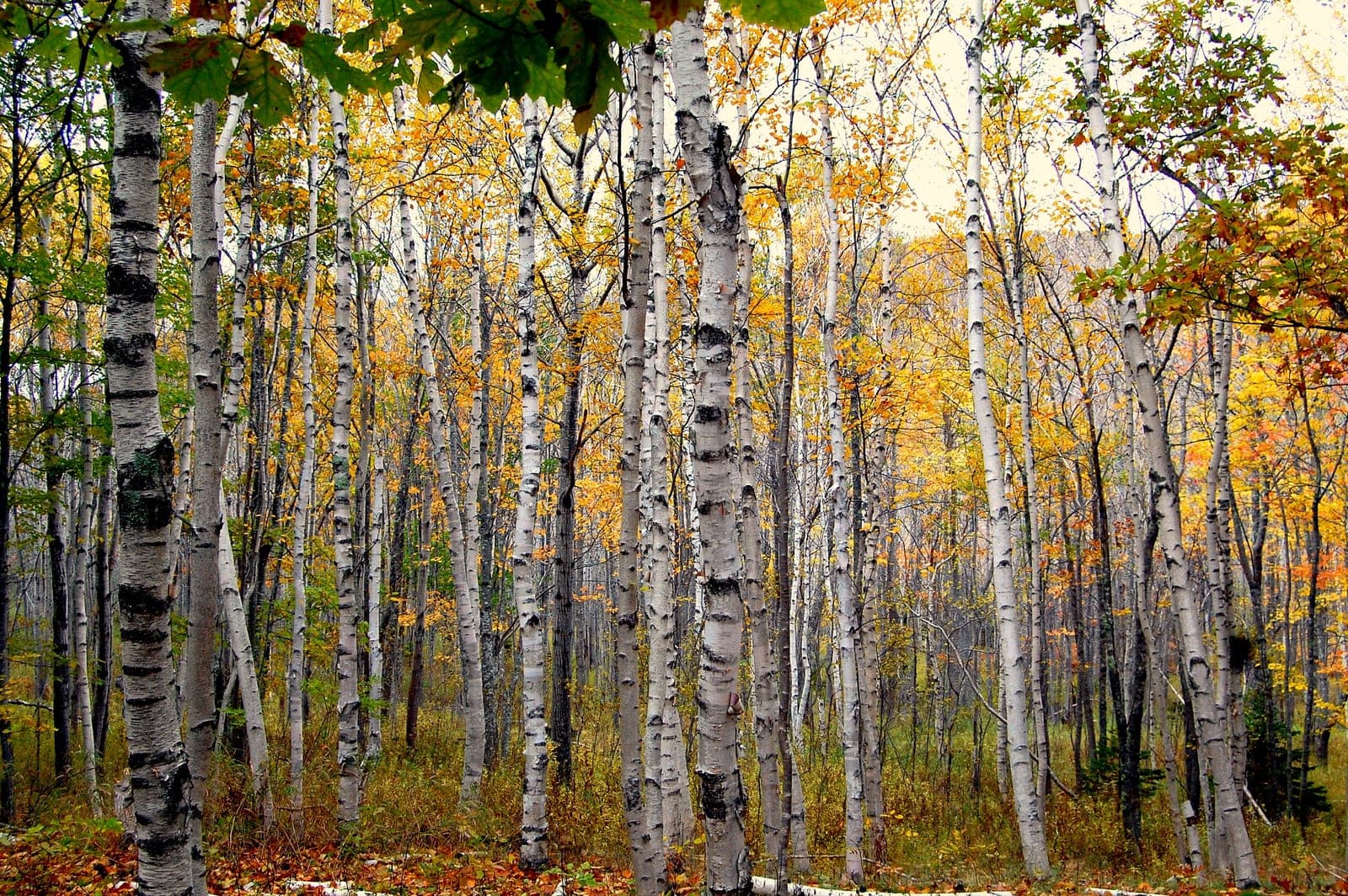
Paper Birch
Betula papyrifera
Zones 2a–7a · native to 32 states and provinces
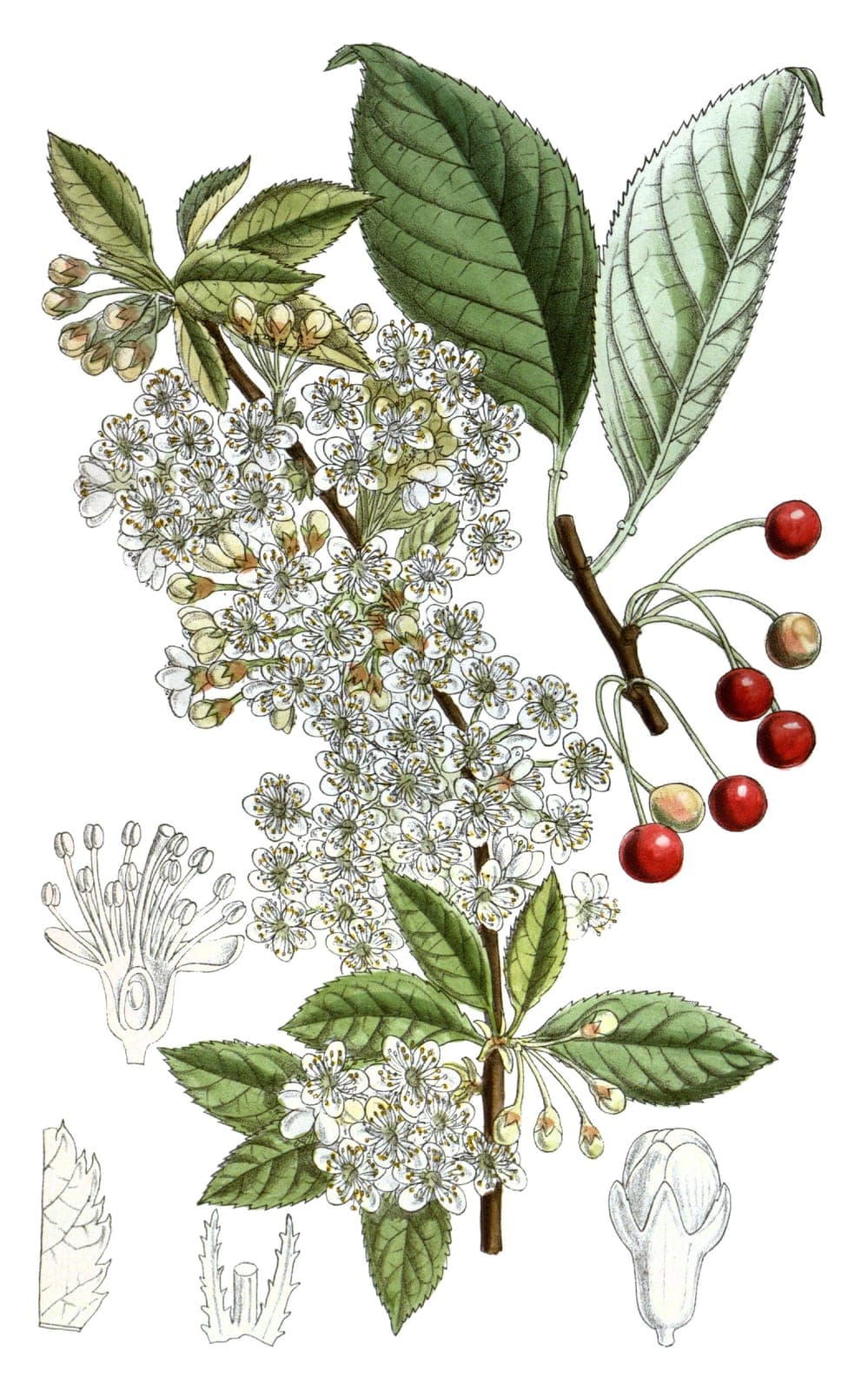
Pin Cherry
Prunus pensylvanica
Zones 2a–6b · native to 43 states and provinces
Blooms Mar – May in zone 6b
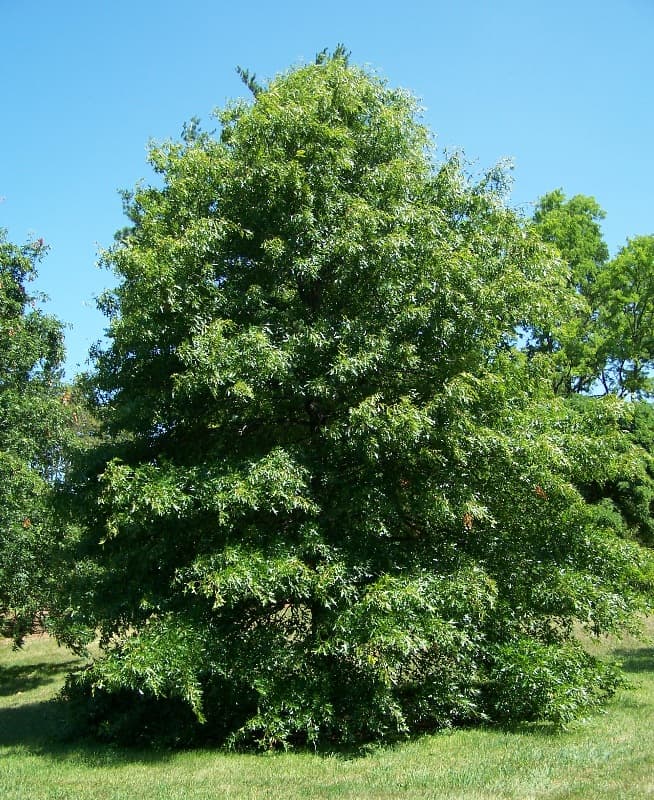
Pin Oak
Quercus palustris
Zones 4b–8b · native to 29 states and provinces
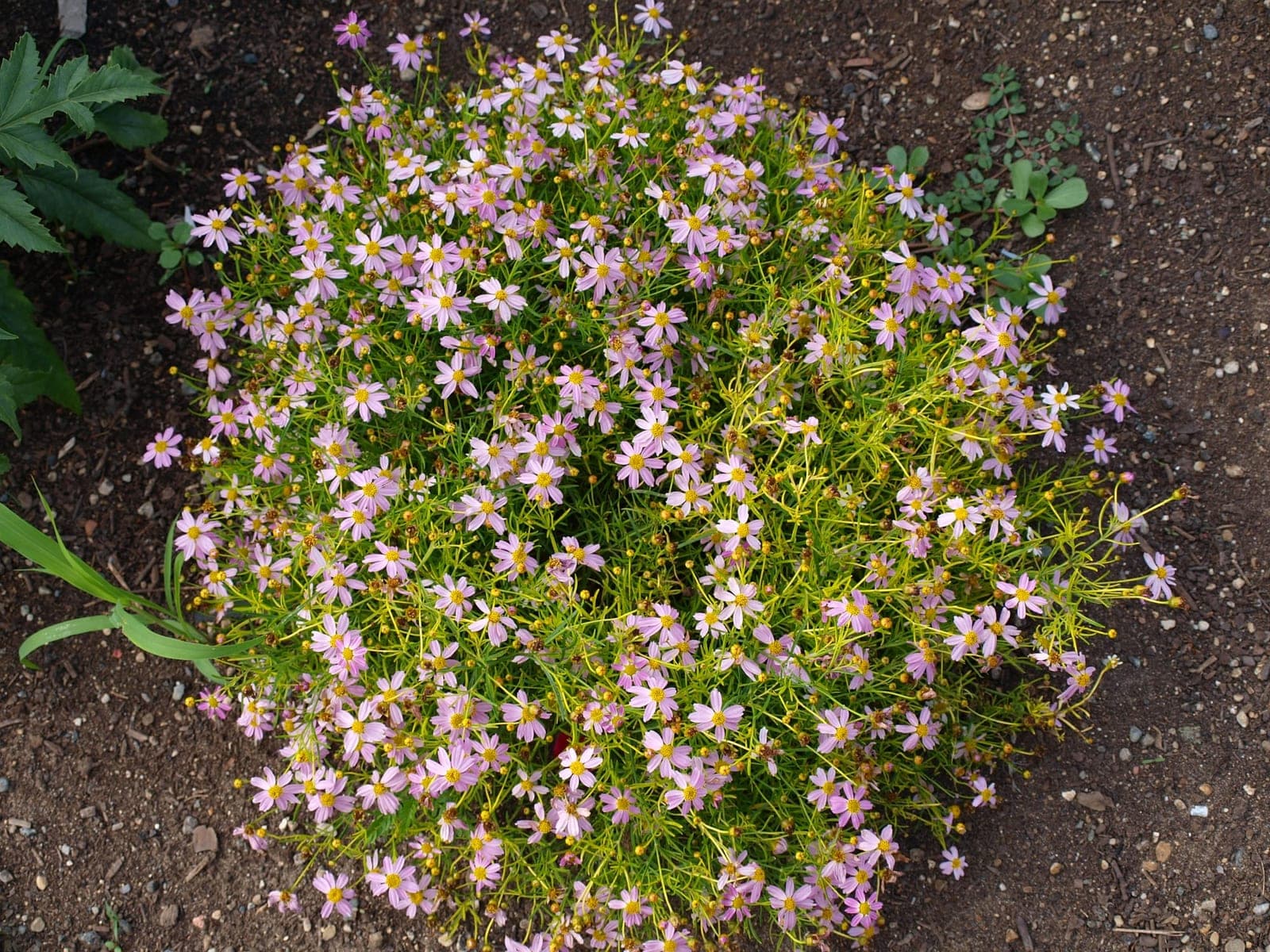
Pink Tickseed
Coreopsis rosea
Zones 4a–9b · native to 13 states and provinces
Blooms Jun – Aug in zone 6b
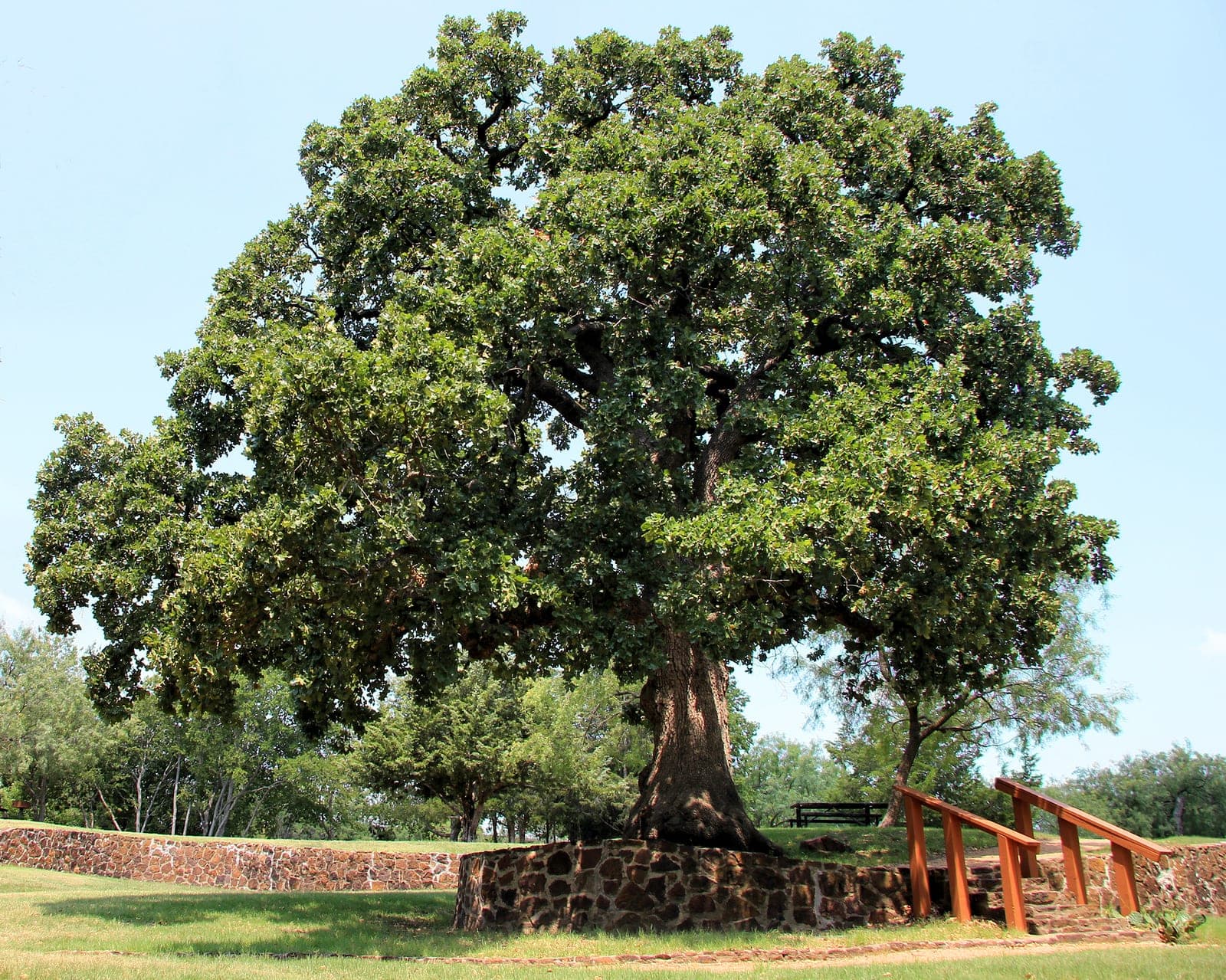
Post Oak
Quercus stellata
Zones 5b–9a · native to 29 states
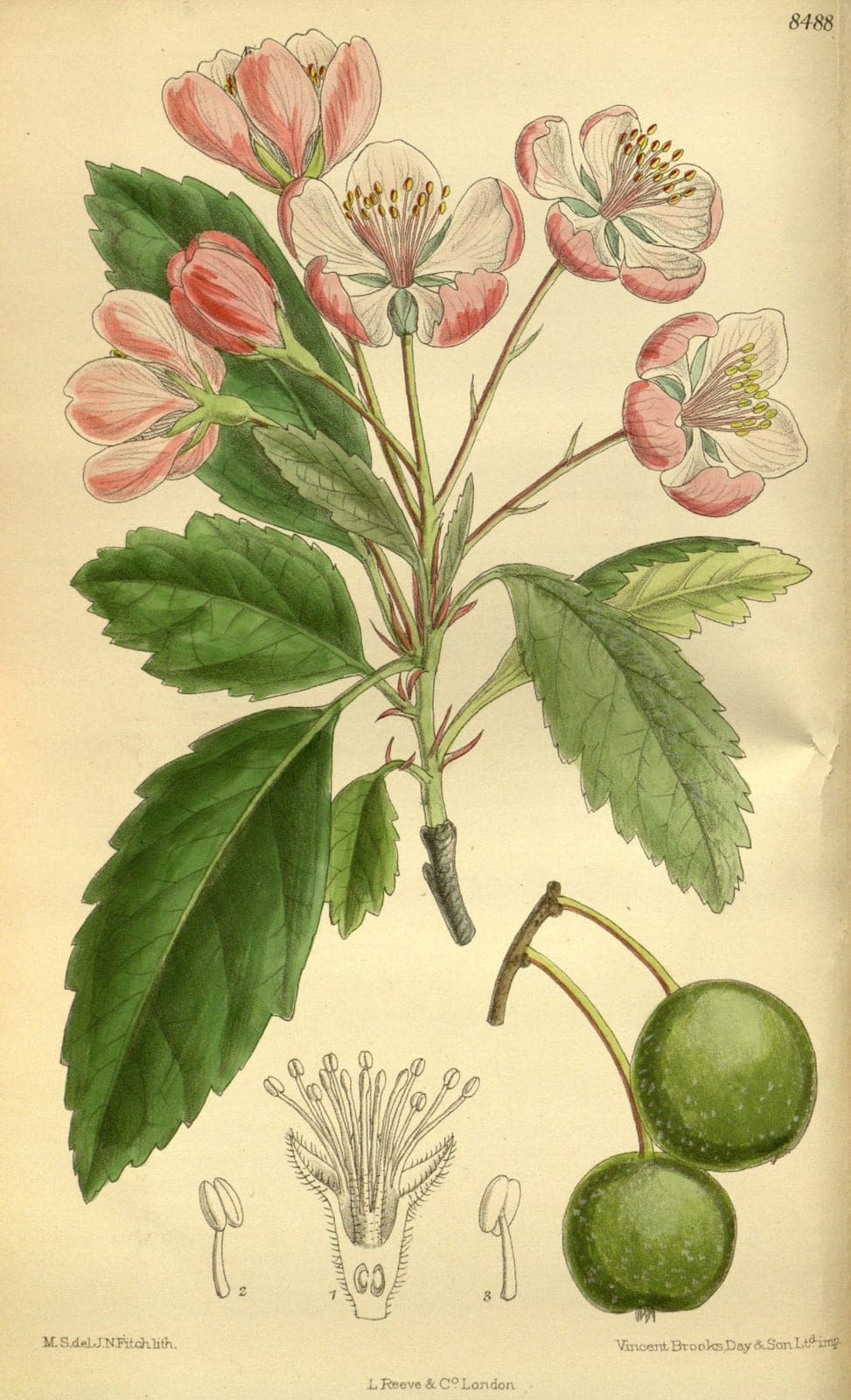
Prairie Crabapple
Malus ioensis
Zones 3b–8a · native to 11 states
Blooms Apr – May in zone 6b
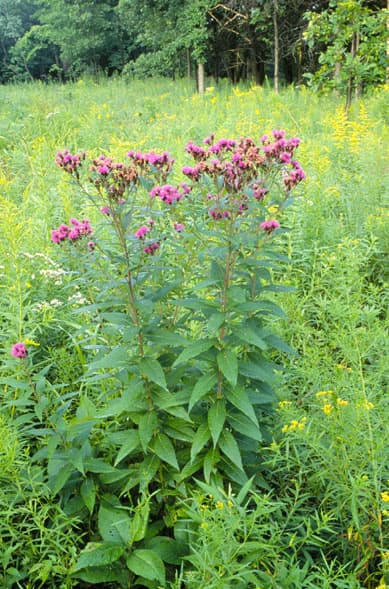
Prairie Ironweed
Vernonia fasciculata
Zones 3a–8b · native to 19 states and provinces
Blooms Jul – Aug in zone 6b
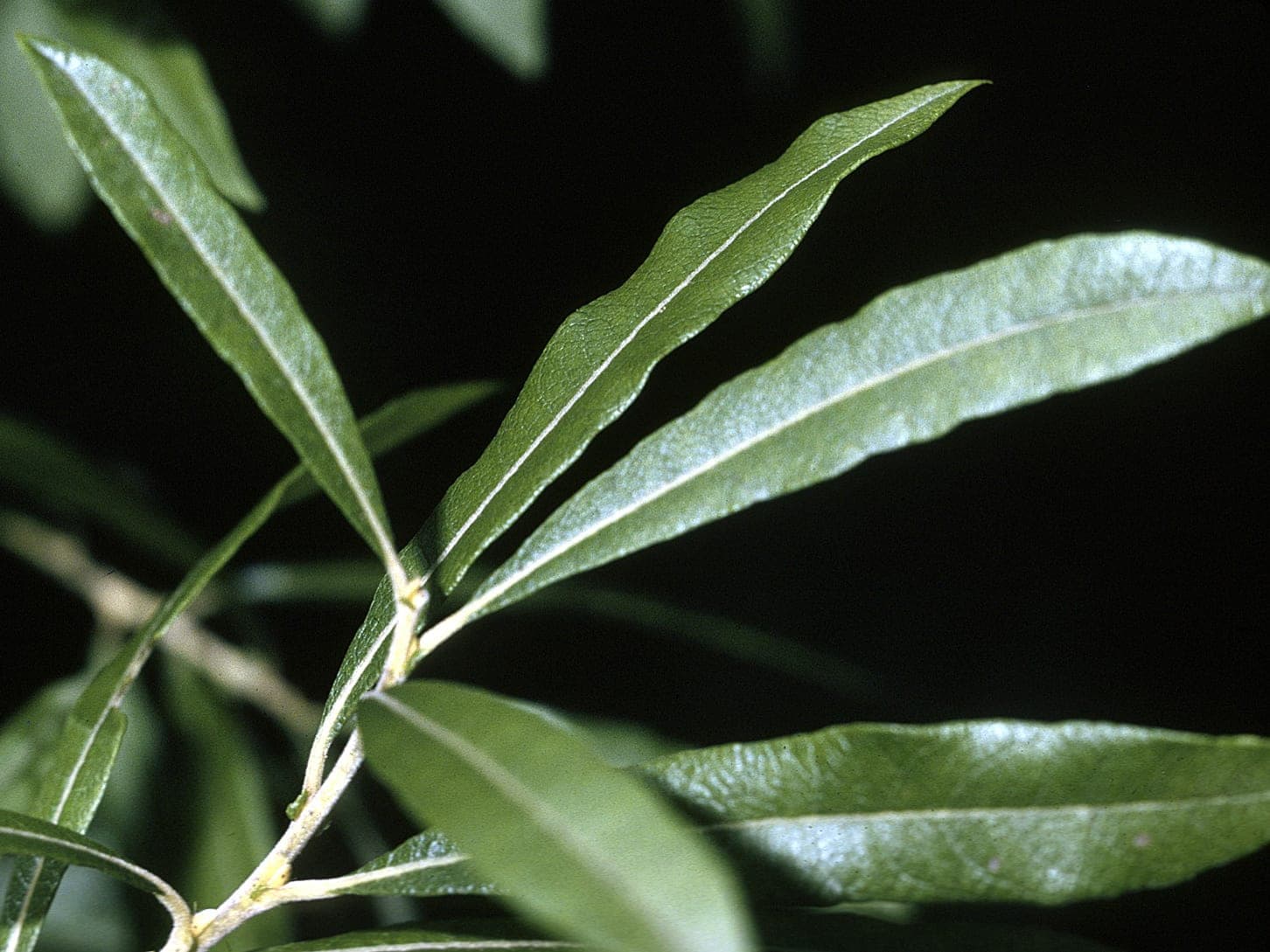
Prairie Willow
Salix humilis
Zones 2a–8b · native to 45 states and provinces
Blooms Feb – Apr in zone 6b
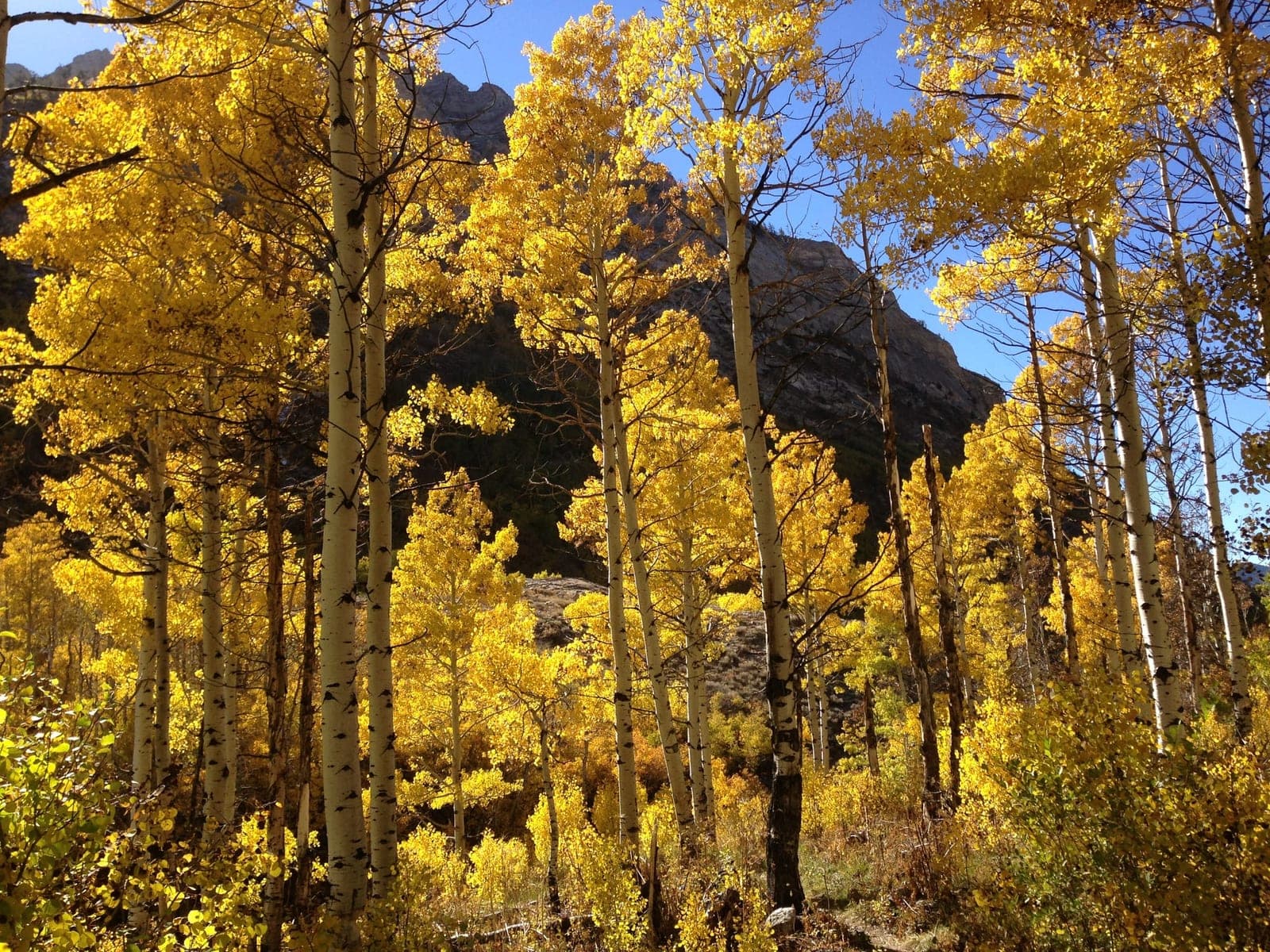
Quaking Aspen
Populus tremuloides
Zones 2a–6b · native to 49 states and provinces
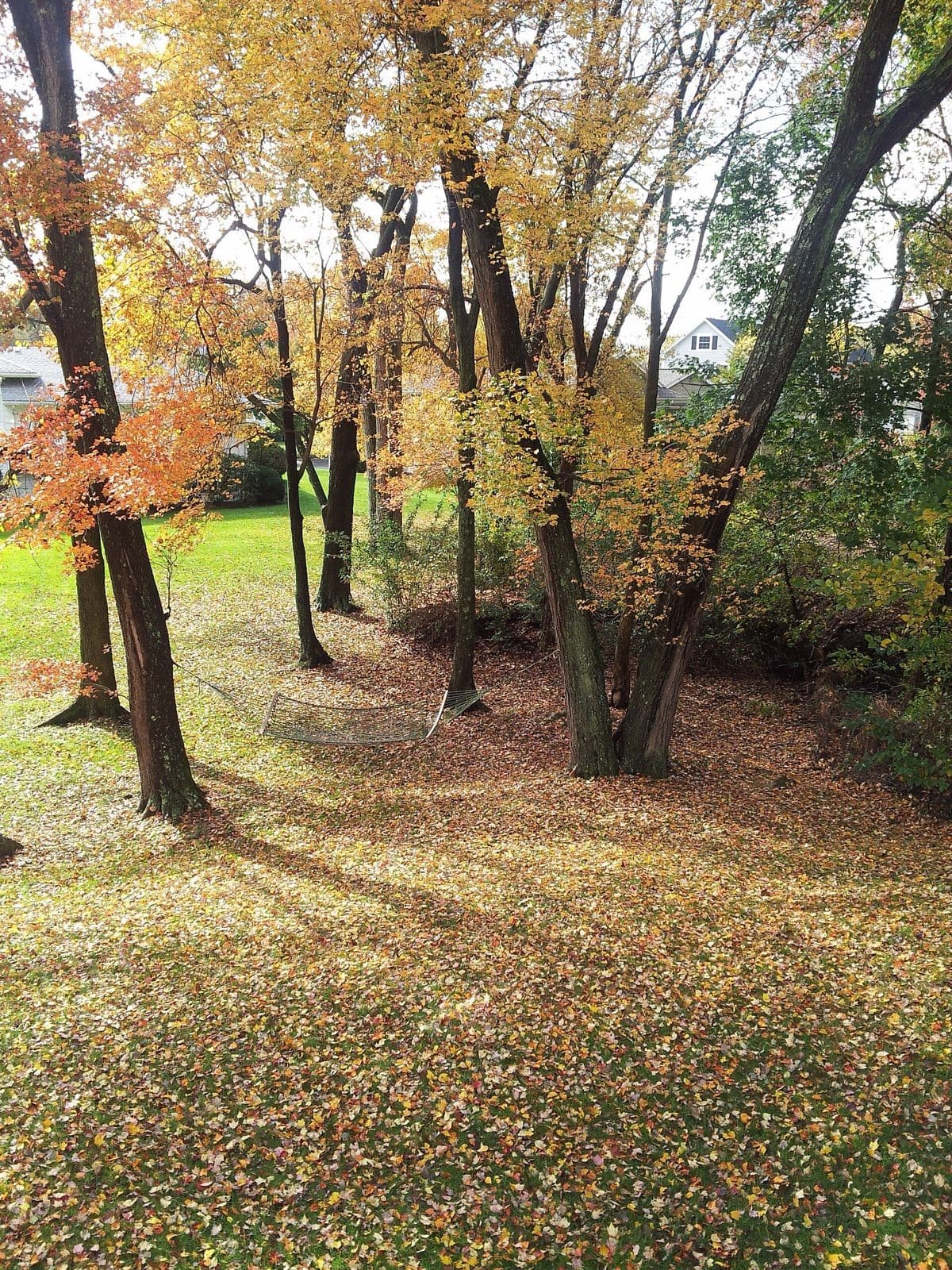
Red Maple
Acer rubrum
Zones 3a–9b · native to 40 states and provinces
Blooms Feb – Apr in zone 6b
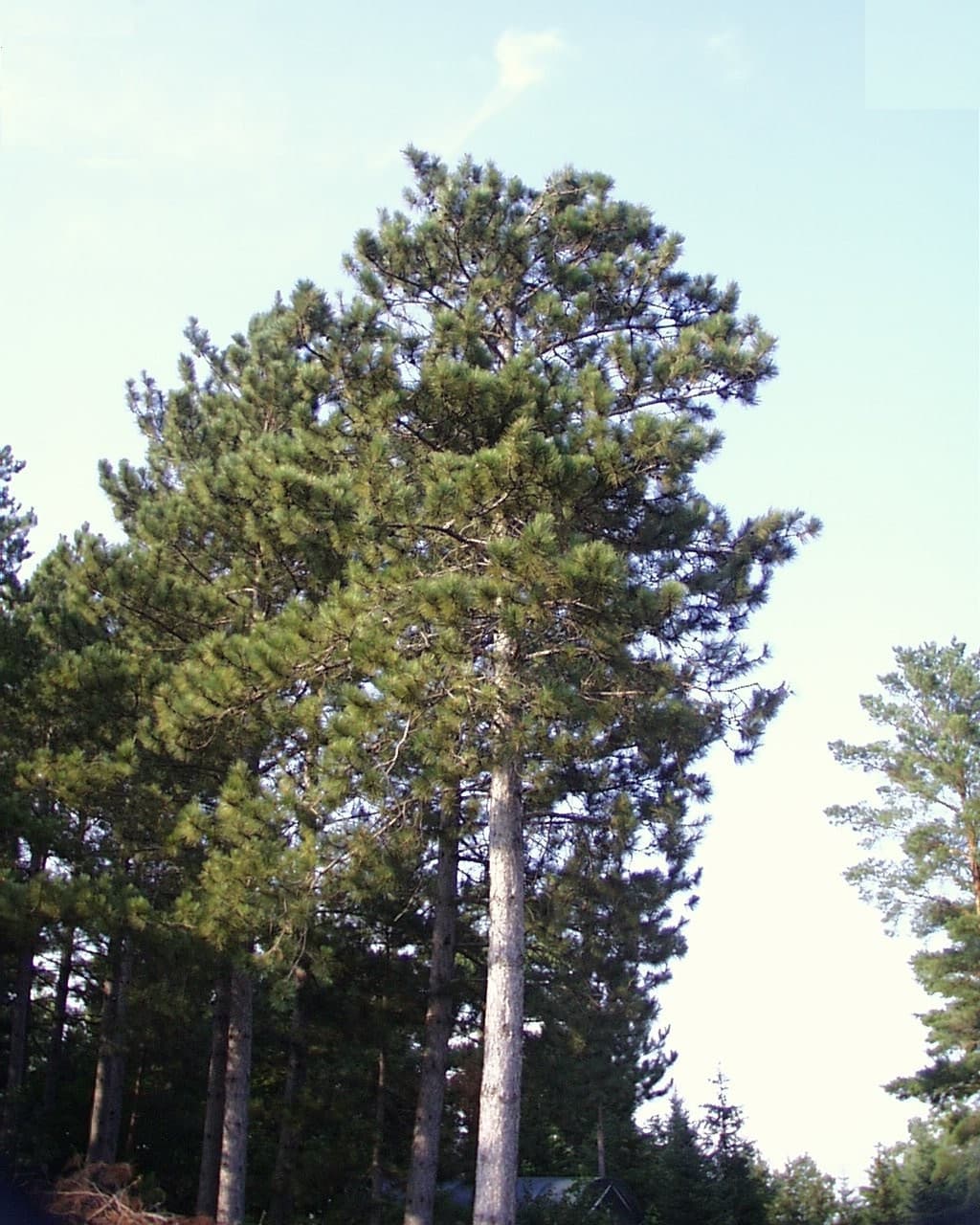
Red Pine
Pinus resinosa
Zones 2b–6b · native to 21 states and provinces
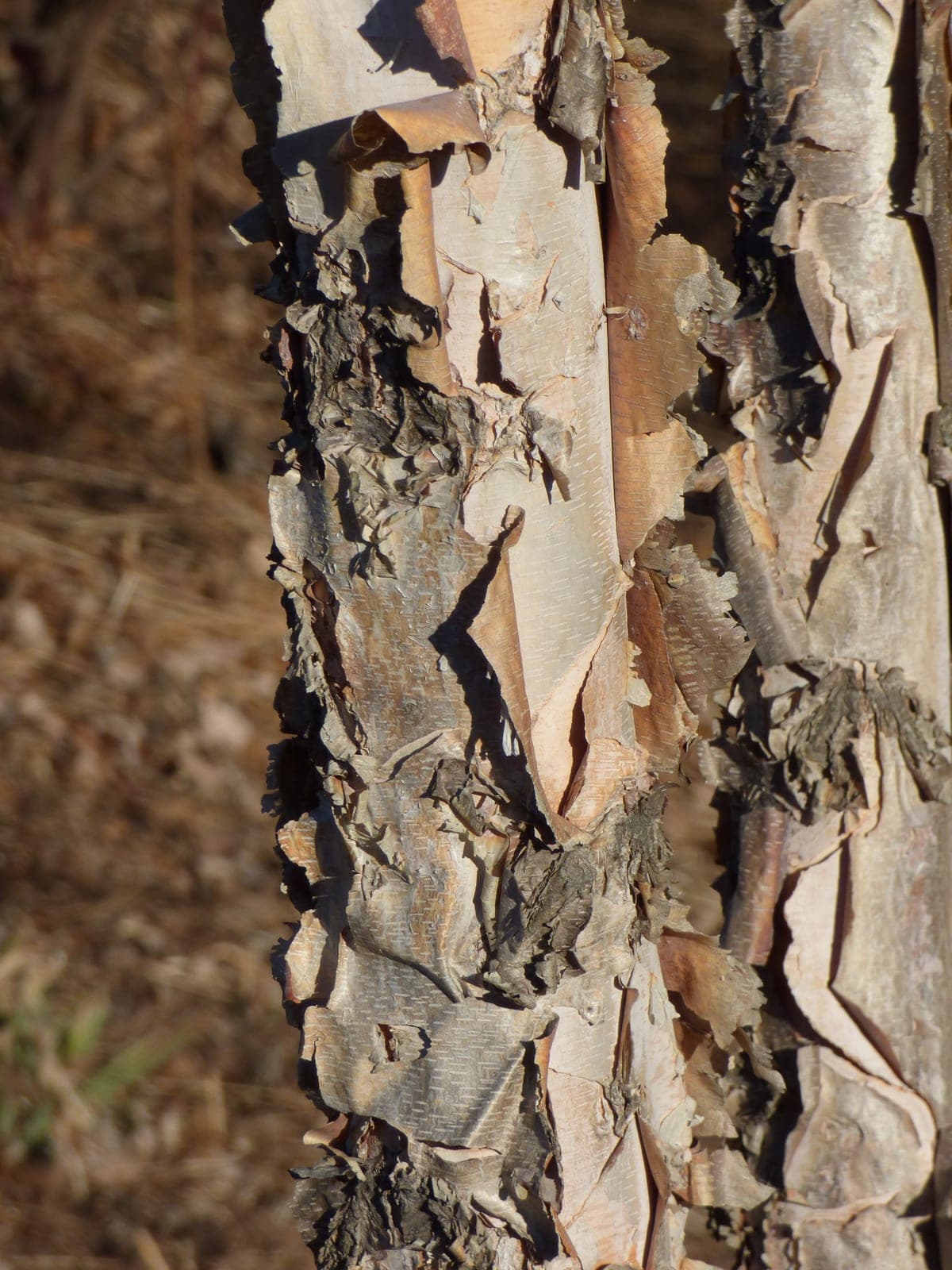
River Birch
Betula nigra
Zones 4a–9a · native to 27 states
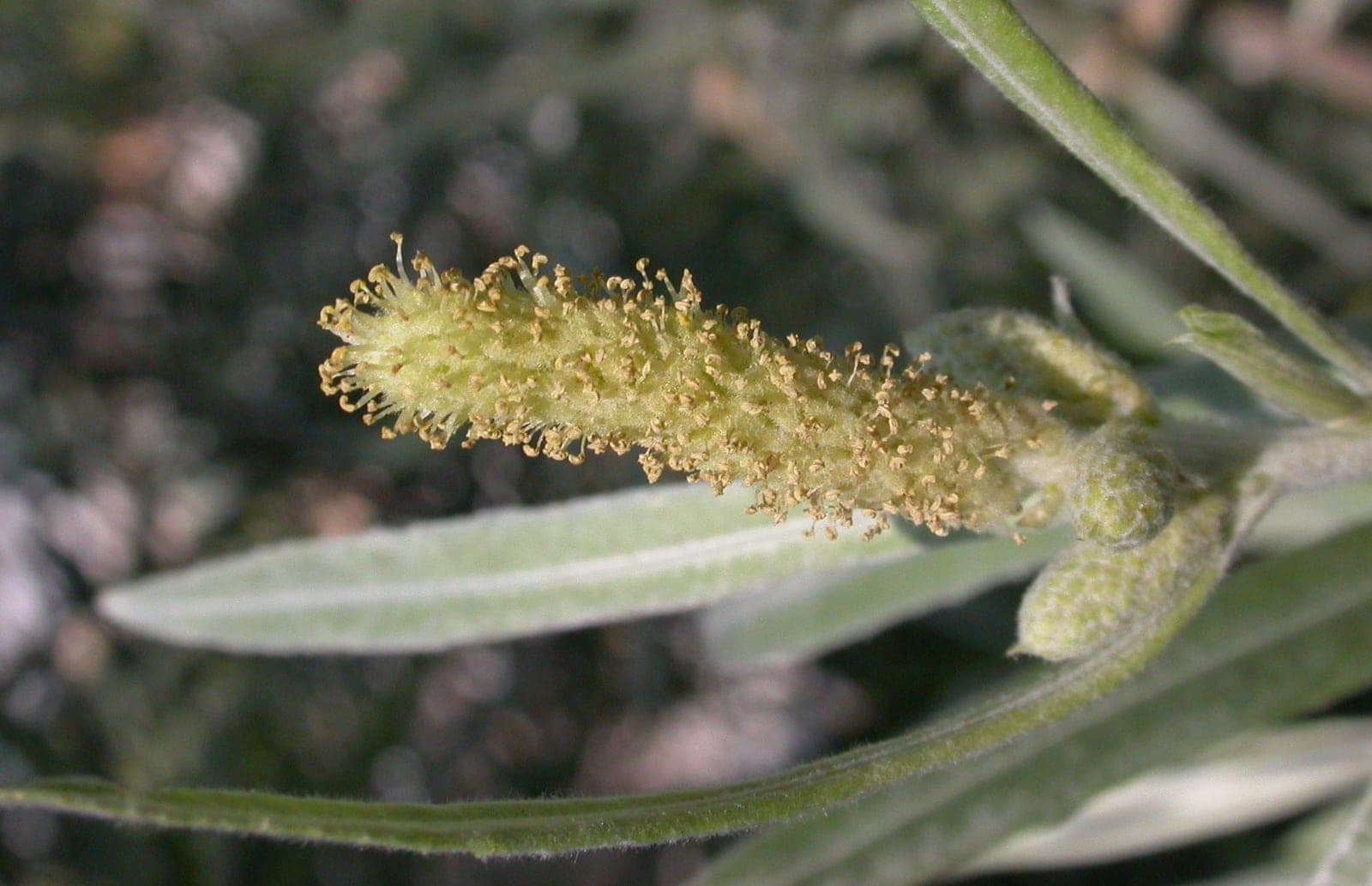
Sandbar Willow
Salix interior
Zones 2a–9b · native to 57 states and provinces
Blooms Feb – Apr in zone 6b
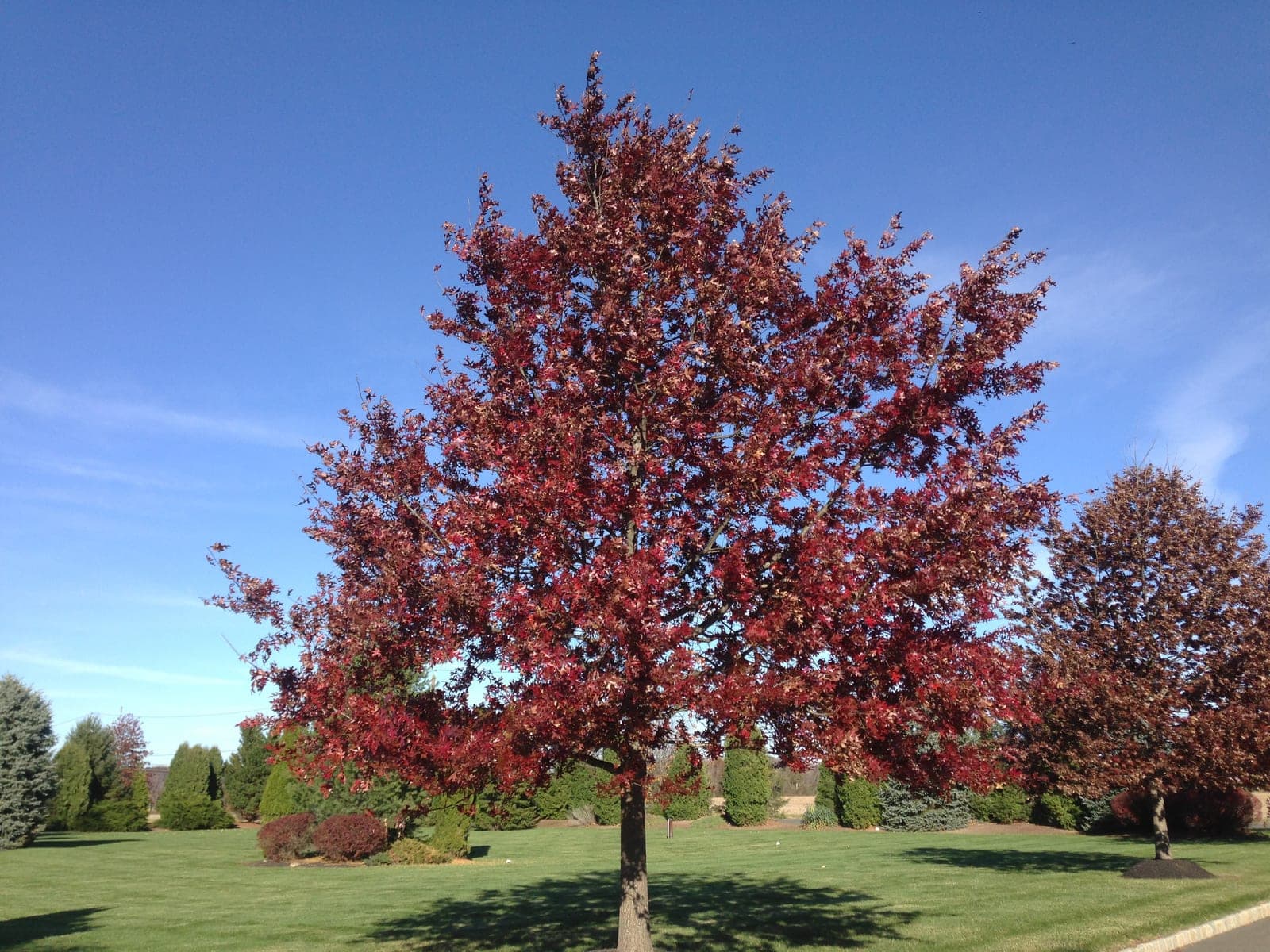
Scarlet Oak
Quercus coccinea
Zones 4b–9a · native to 27 states
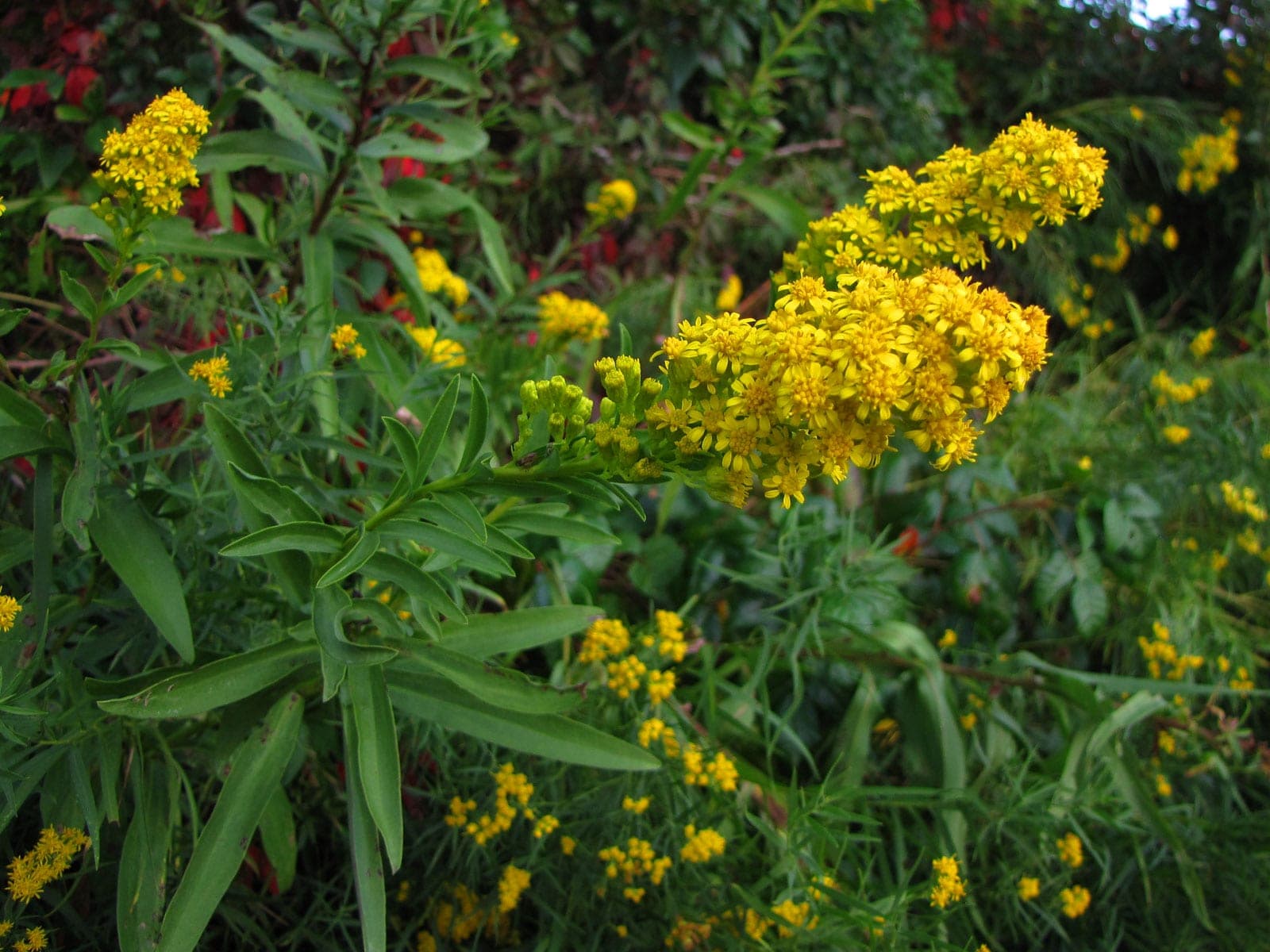
Seaside Goldenrod
Solidago sempervirens
Zones 4a–10b · native to 23 states and provinces
Blooms Jul – Oct in zone 6b
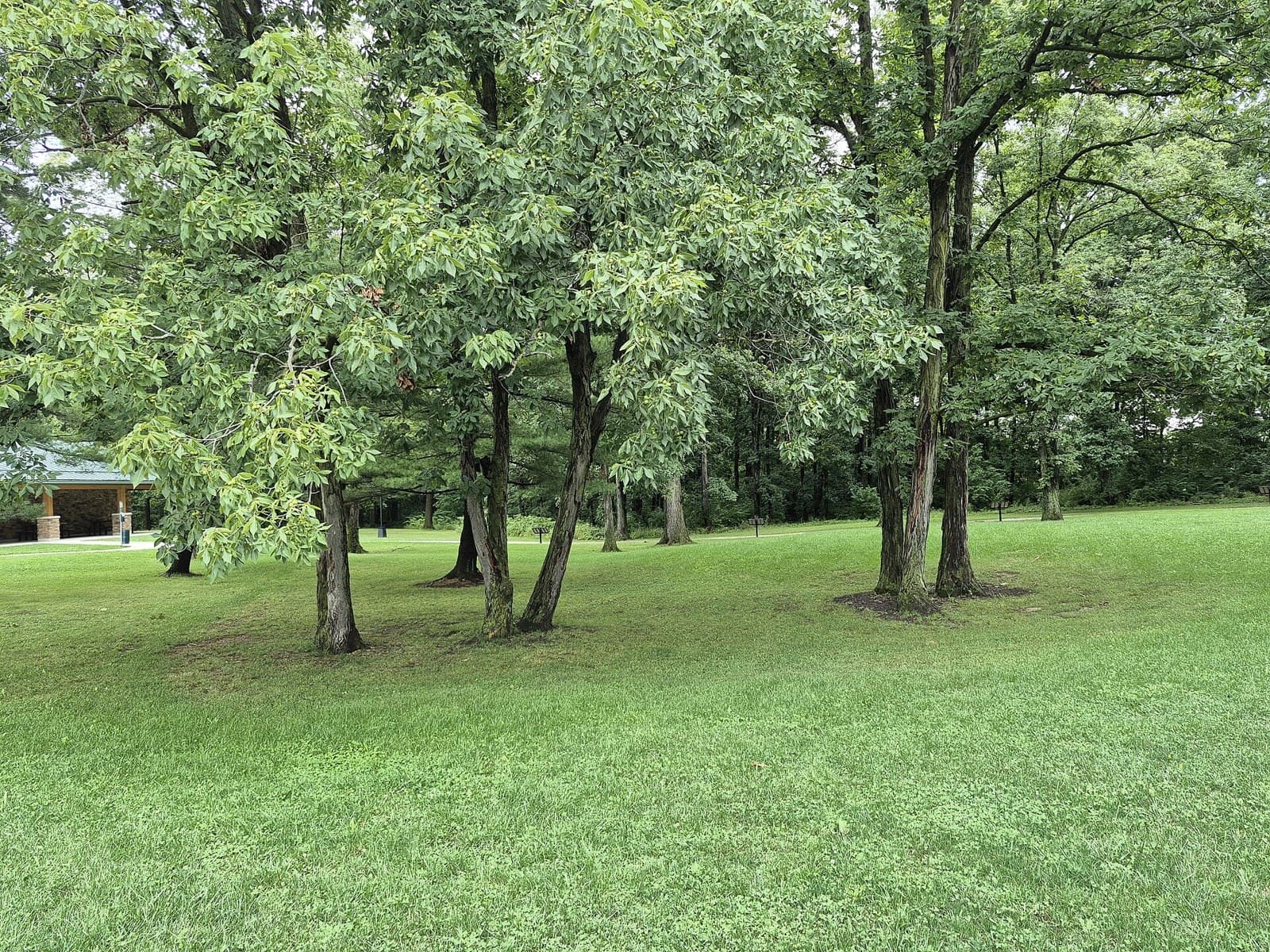
Shagbark Hickory
Carya ovata
Zones 4a–8b · native to 36 states and provinces
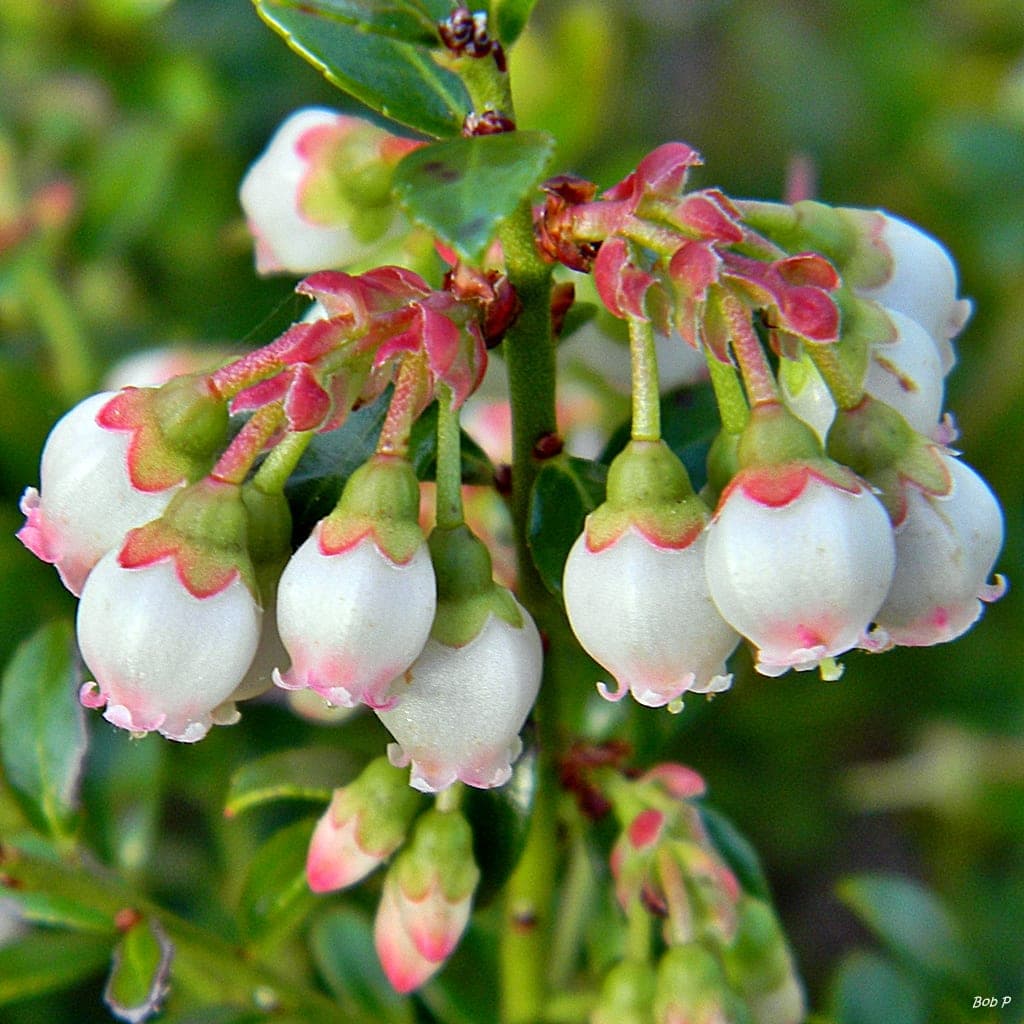
Shiny Blueberry
Vaccinium myrsinites
Zones 8a–10b · native to 4 states
Blooms Mar – May in zone 6b
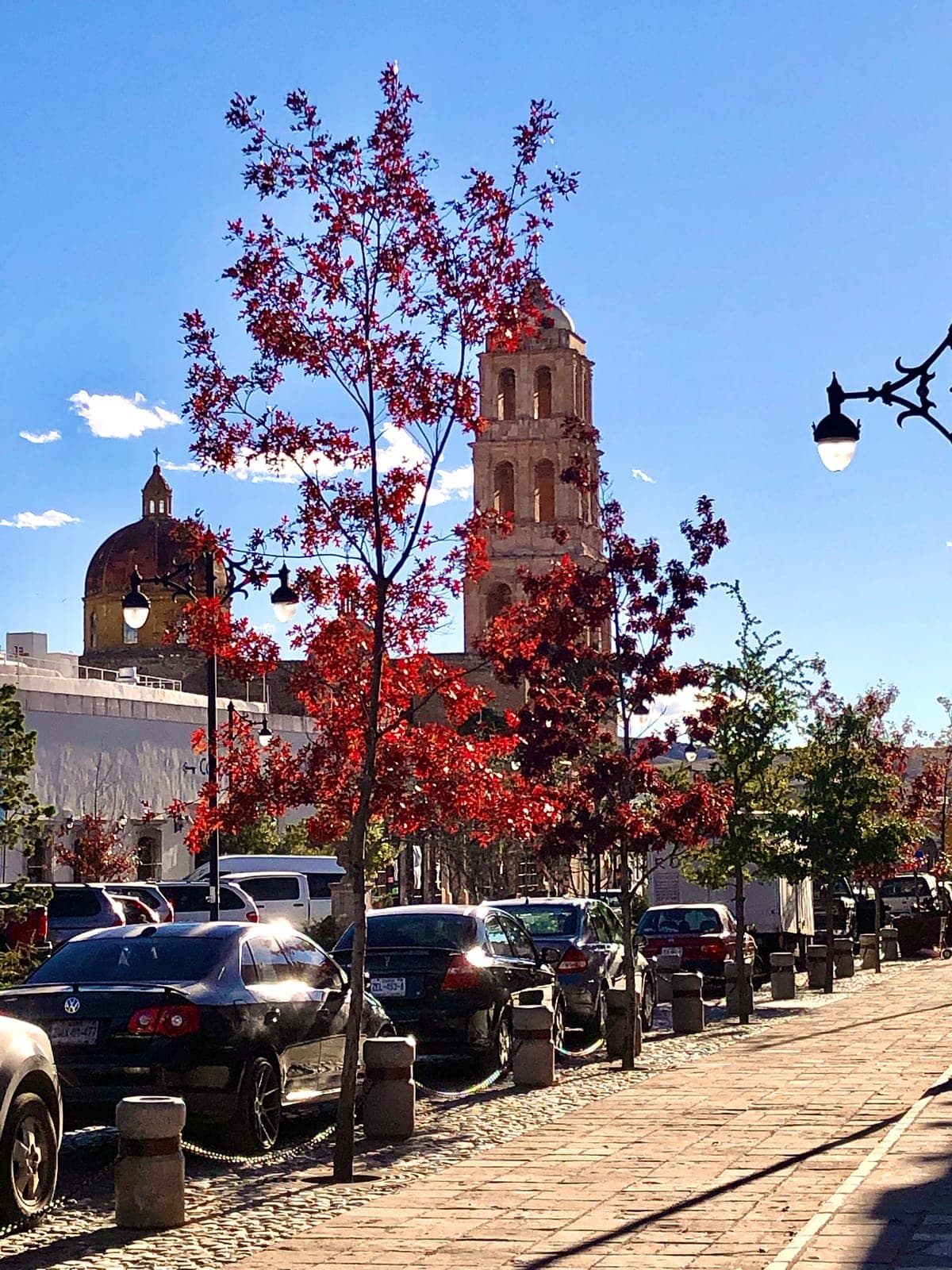
Shumard Oak
Quercus shumardii
Zones 5b–9b · native to 24 states and provinces
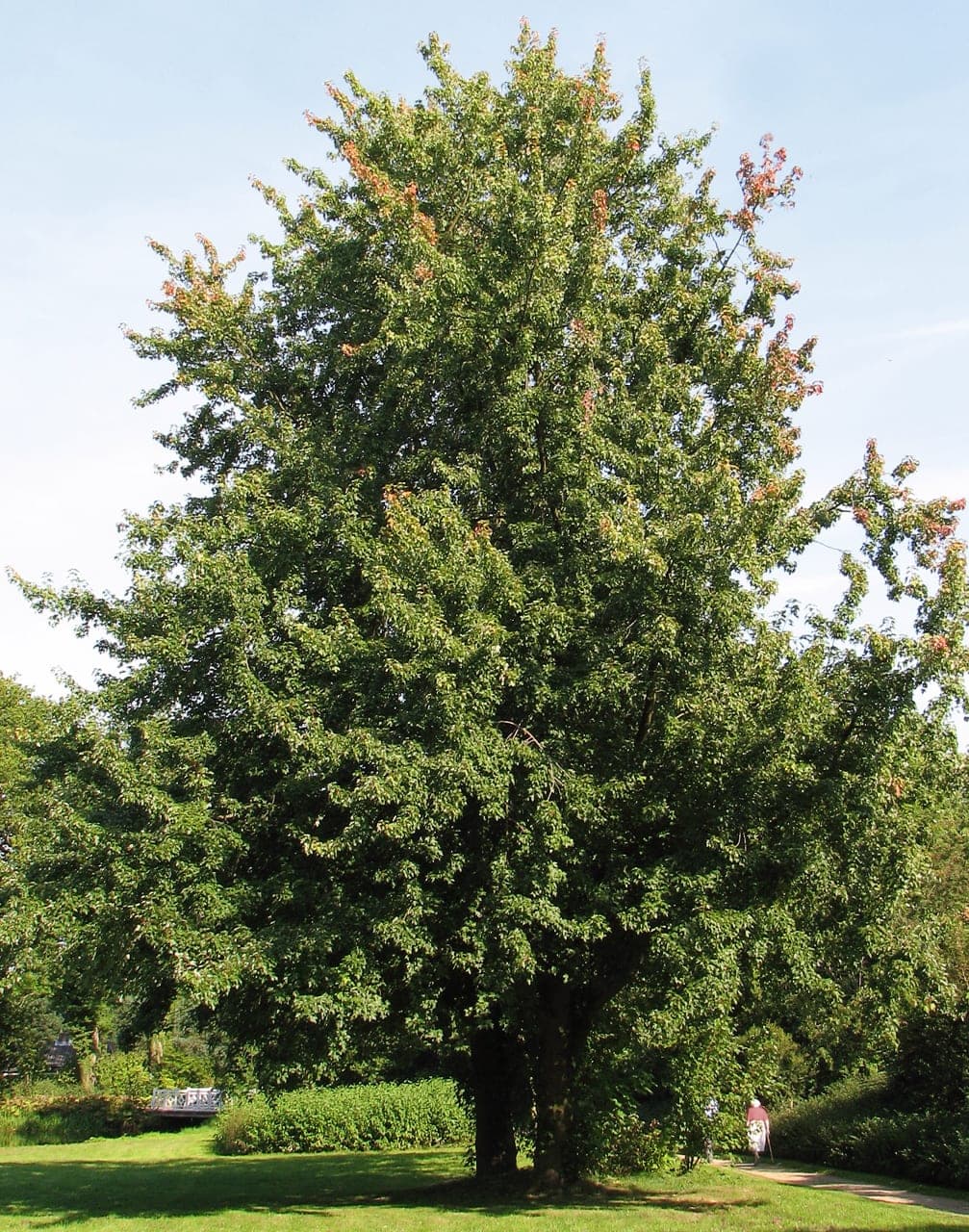
Silver Maple
Acer saccharinum
Zones 3a–9a · native to 40 states and provinces
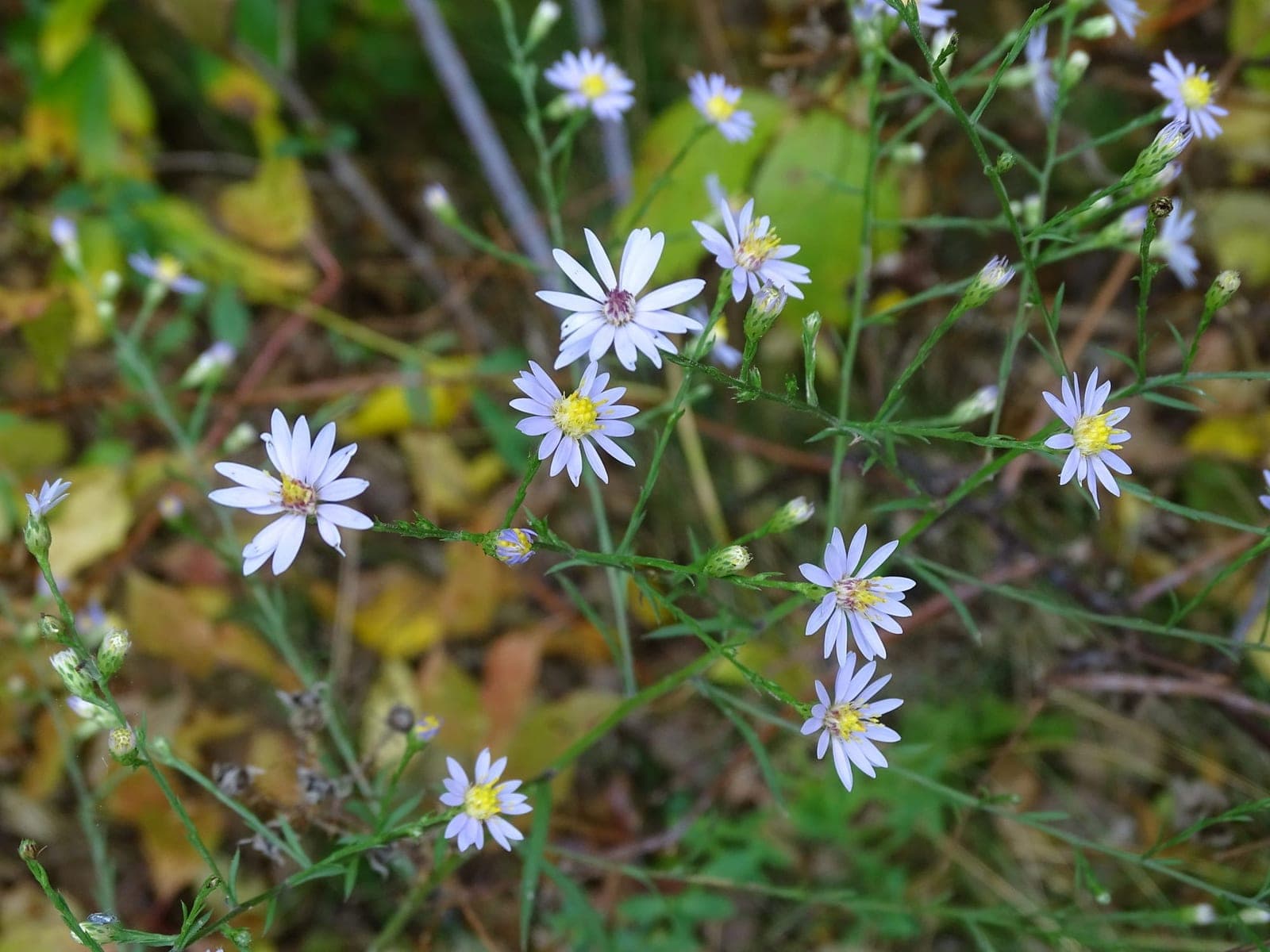
Sky Blue Aster
Symphyotrichum oolentangiense
Zones 3a–9b · native to 20 states and provinces
Blooms Aug – Nov in zone 6b
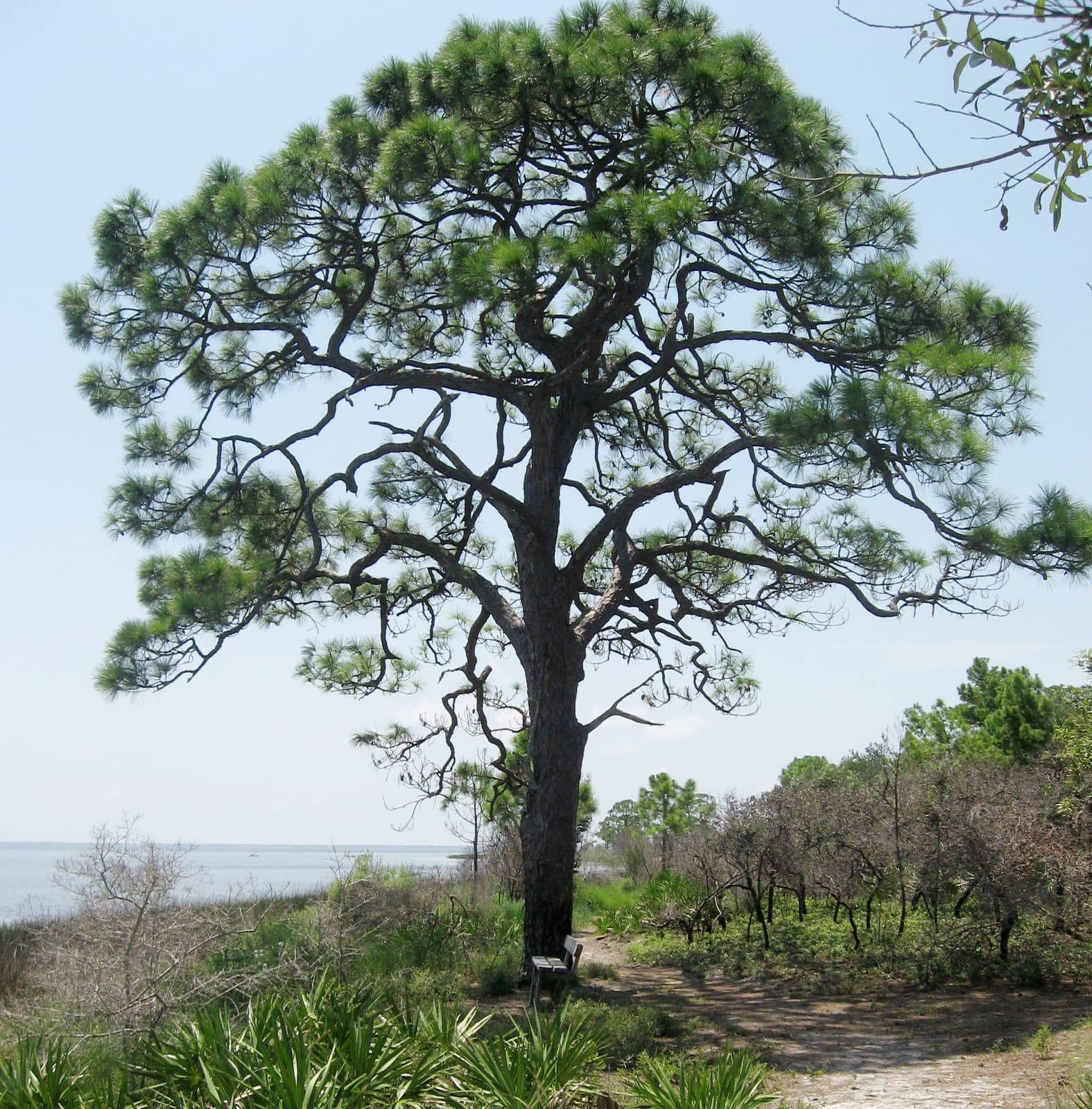
Slash Pine
Pinus elliottii
Zones 8a–10b · native to 6 states
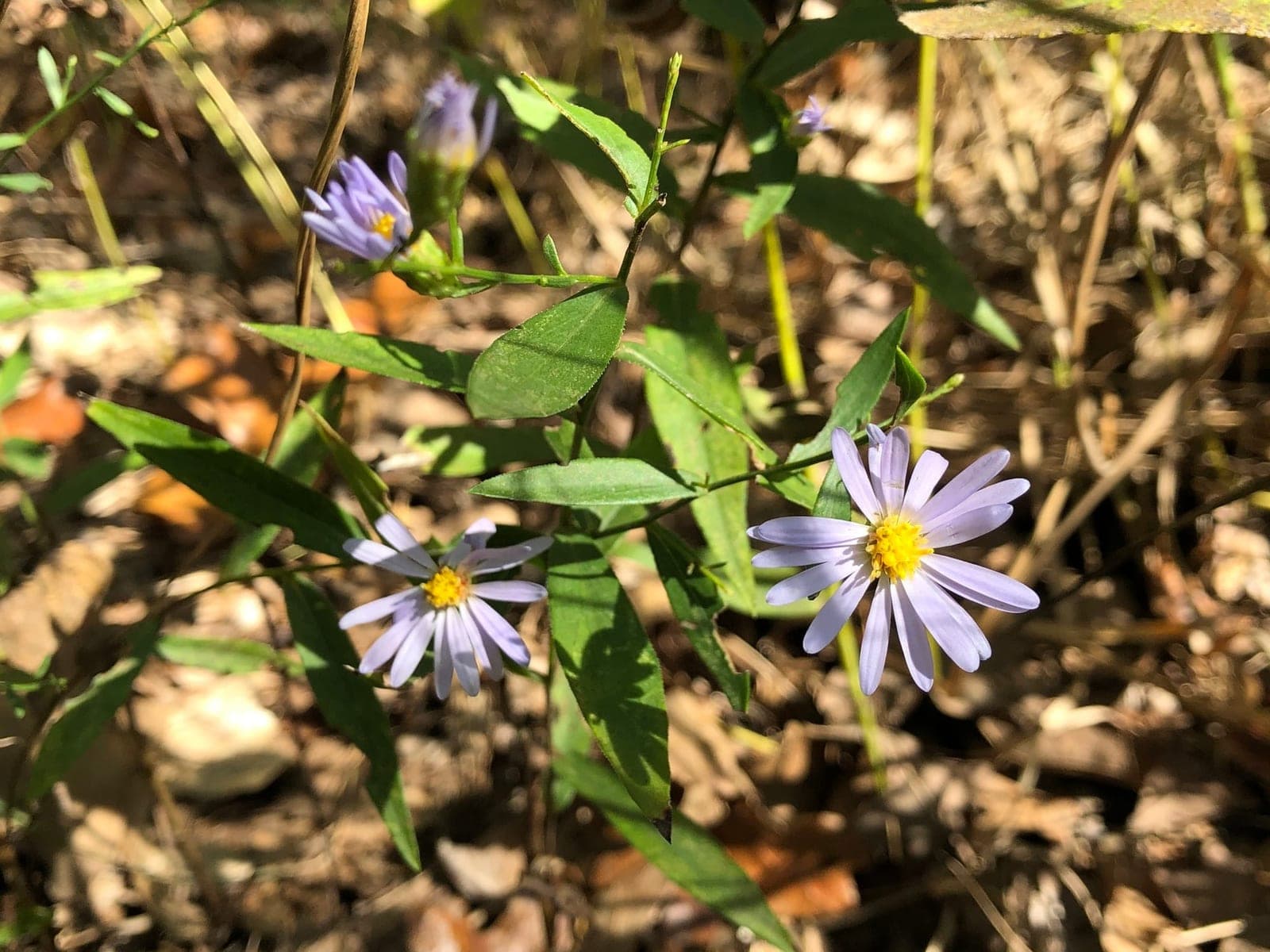
Smooth Violet Prairie Aster
Symphyotrichum turbinellum
Zones 4a–8b · native to 8 states
Blooms Aug – Oct in zone 6b
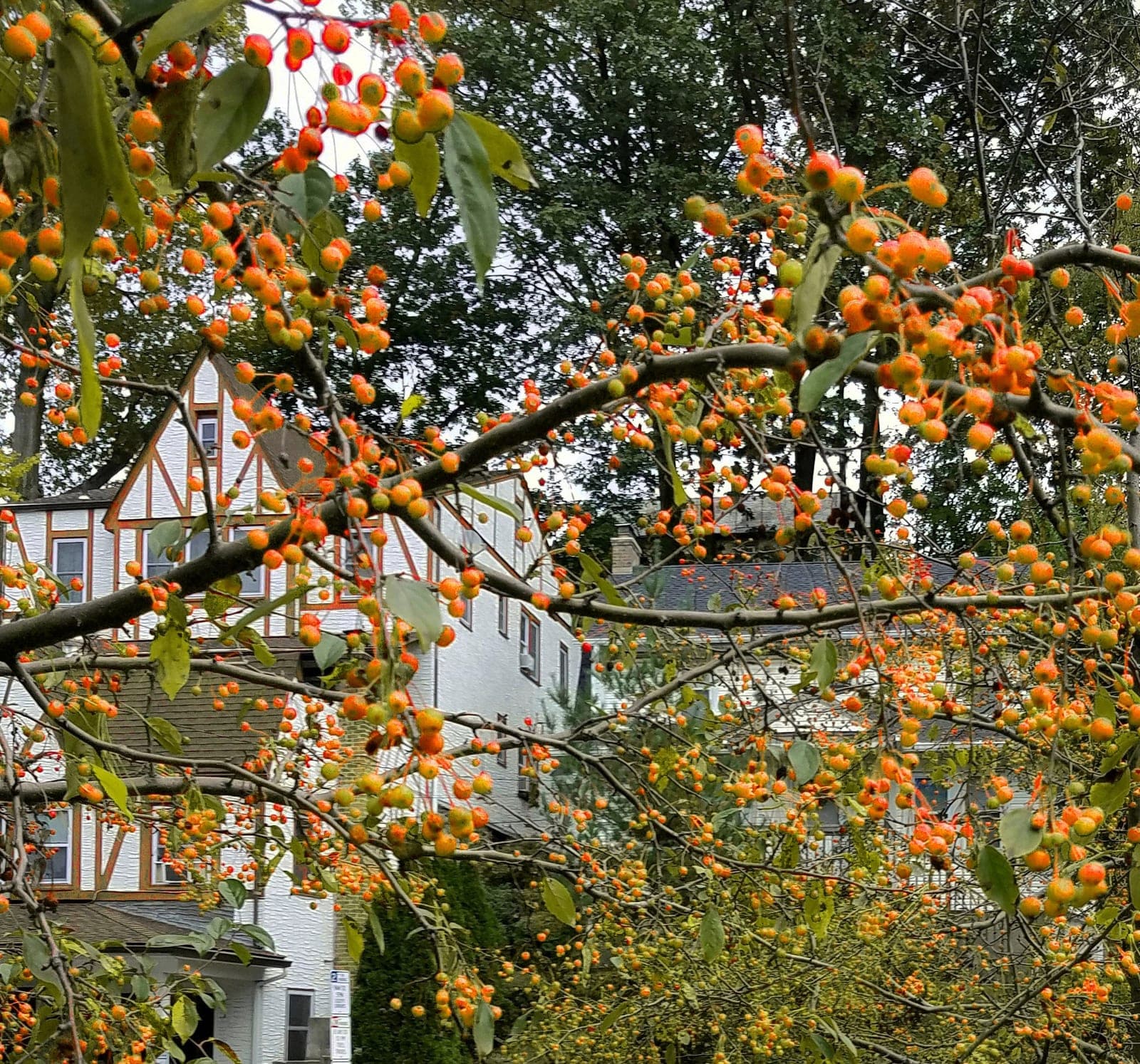
Southern Crabapple
Malus angustifolia
Zones 5b–9a · native to 12 states
Blooms Apr – May in zone 6b
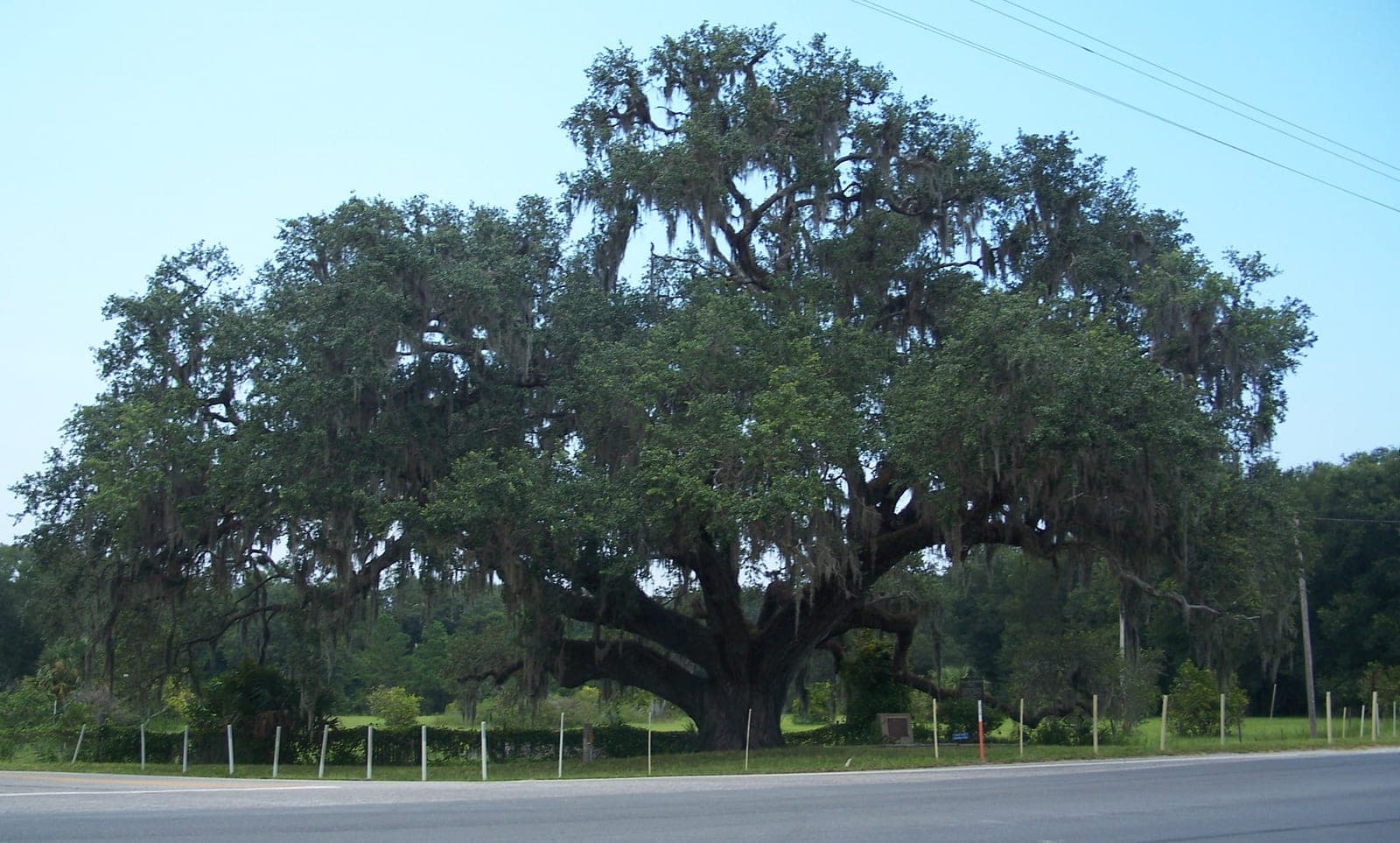
Southern Live Oak
Quercus virginiana
Zones 7b–10b · native to 9 states
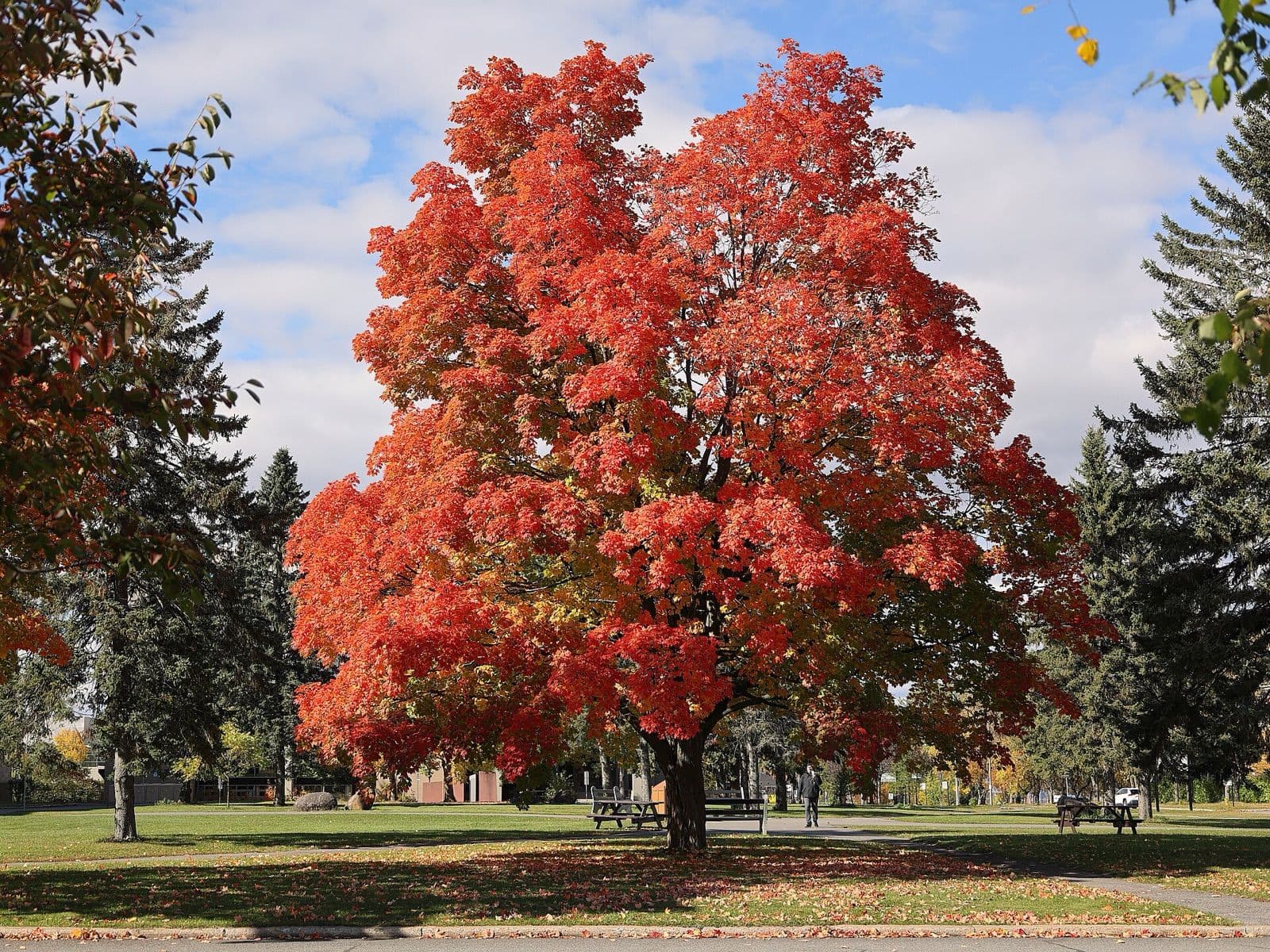
Sugar Maple
Acer saccharum
Zones 3a–8a · native to 42 states and provinces

Sunflower
Helianthus annuus
Zones 2a–11b · native to 22 states
Blooms Jun – Aug in zone 6b
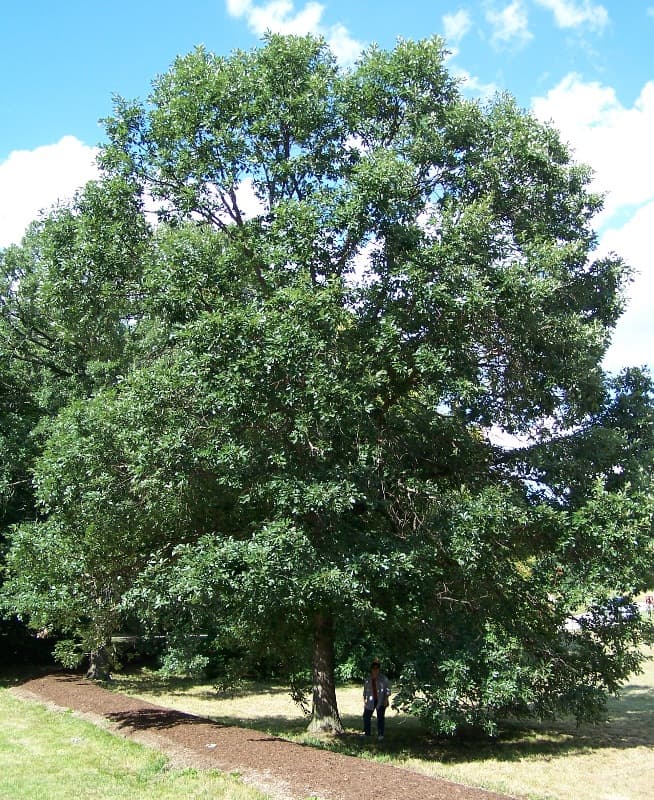
Swamp White Oak
Quercus bicolor
Zones 4a–8b · native to 32 states and provinces
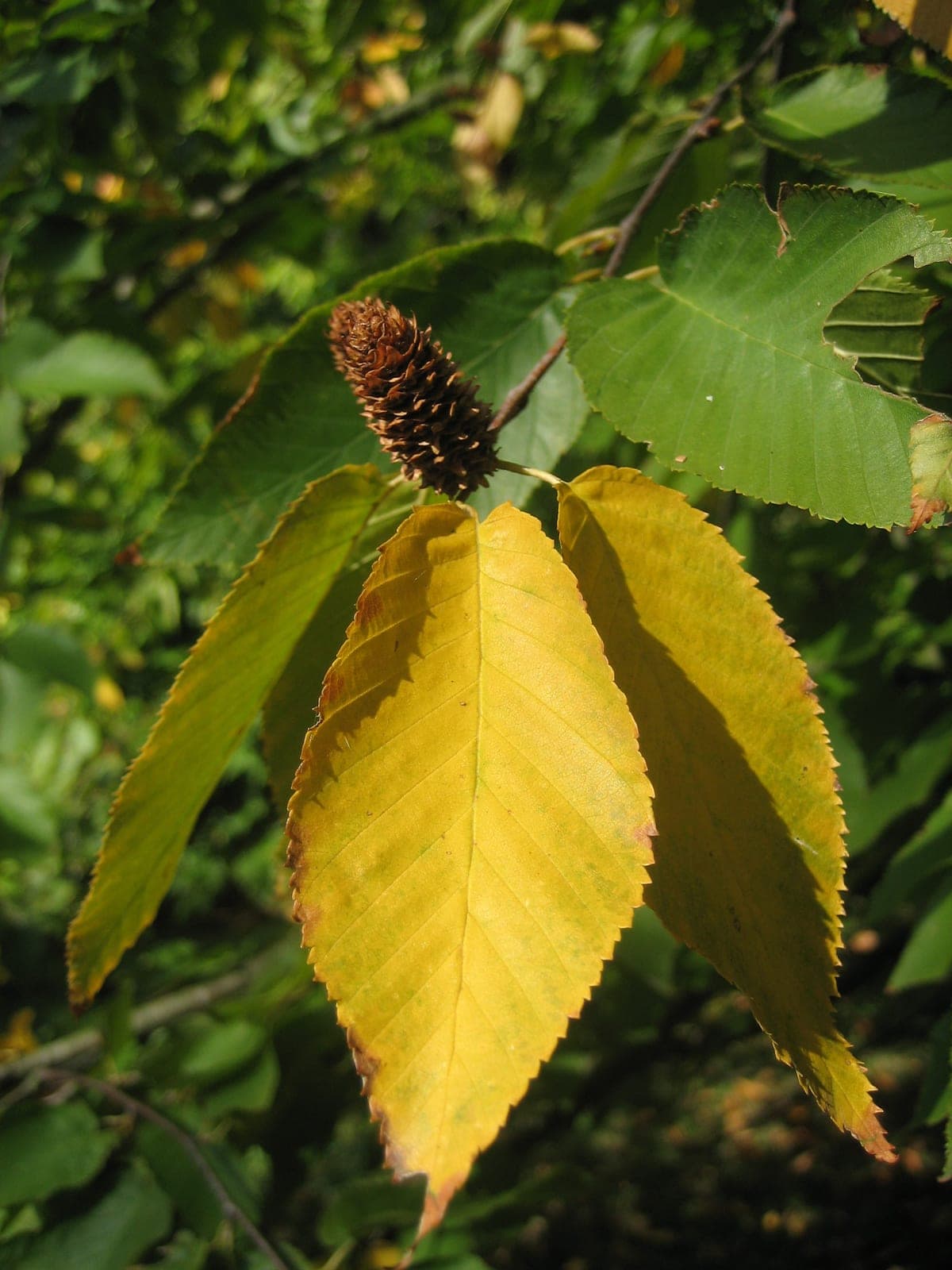
Sweet Birch
Betula lenta
Zones 4a–7b · native to 21 states and provinces
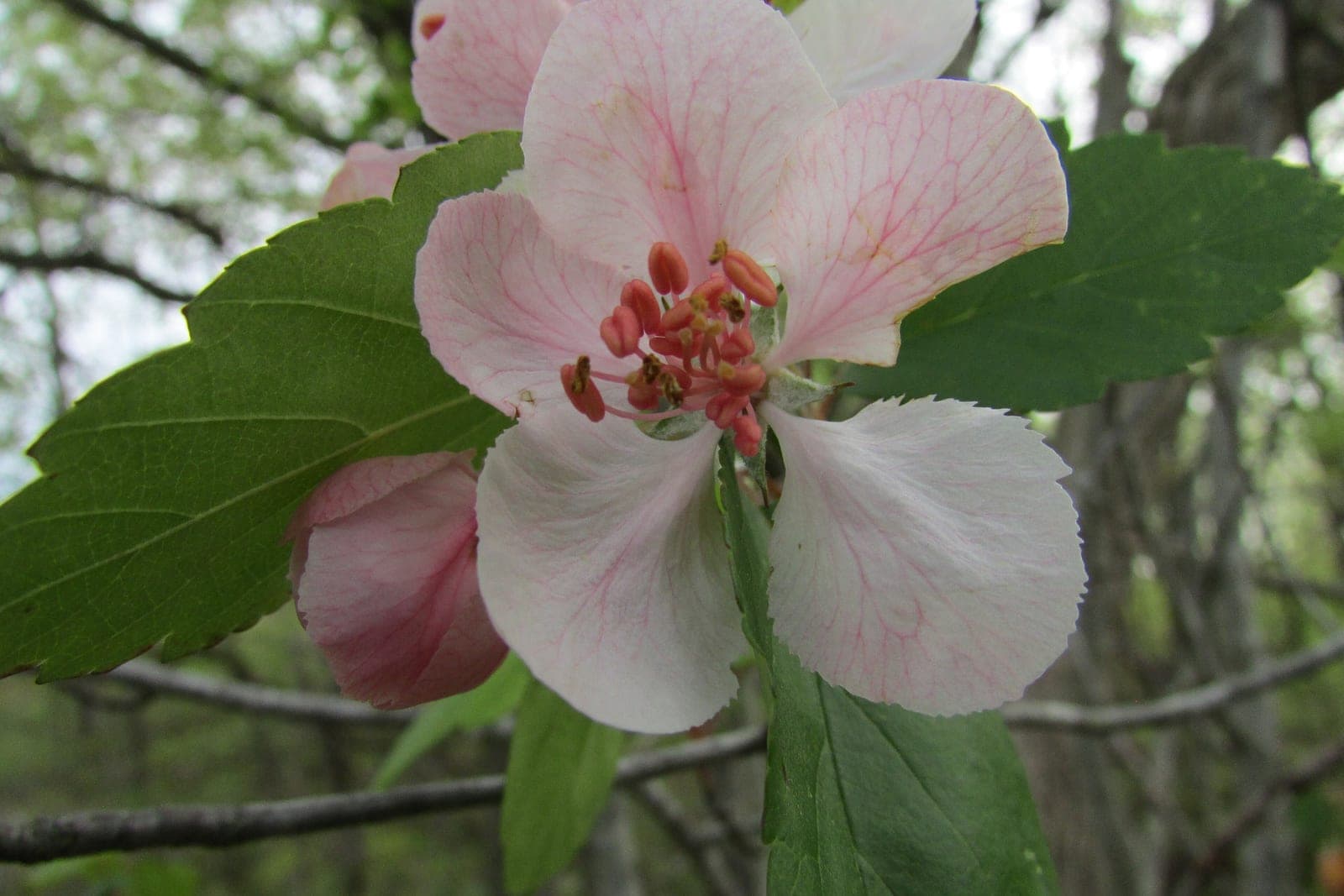
Sweet Crabapple
Malus coronaria
Zones 4a–8a · native to 23 states and provinces
Blooms Apr – May in zone 6b
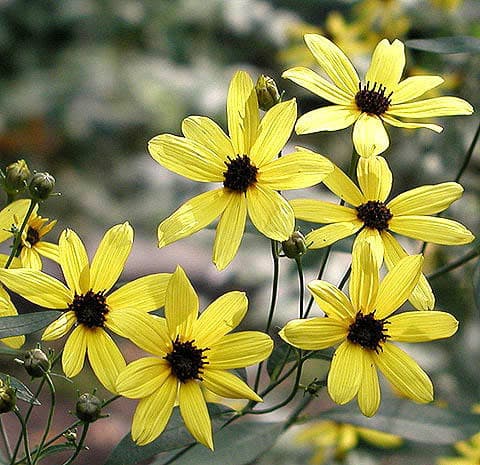
Tall Tickseed
Coreopsis tripteris
Zones 4a–9b · native to 28 states and provinces
Blooms Aug – Nov in zone 6b

Tickseed
Coreopsis lanceolata
Zones 3a–9b · native to 38 states and provinces
Blooms May – Sep in zone 6b
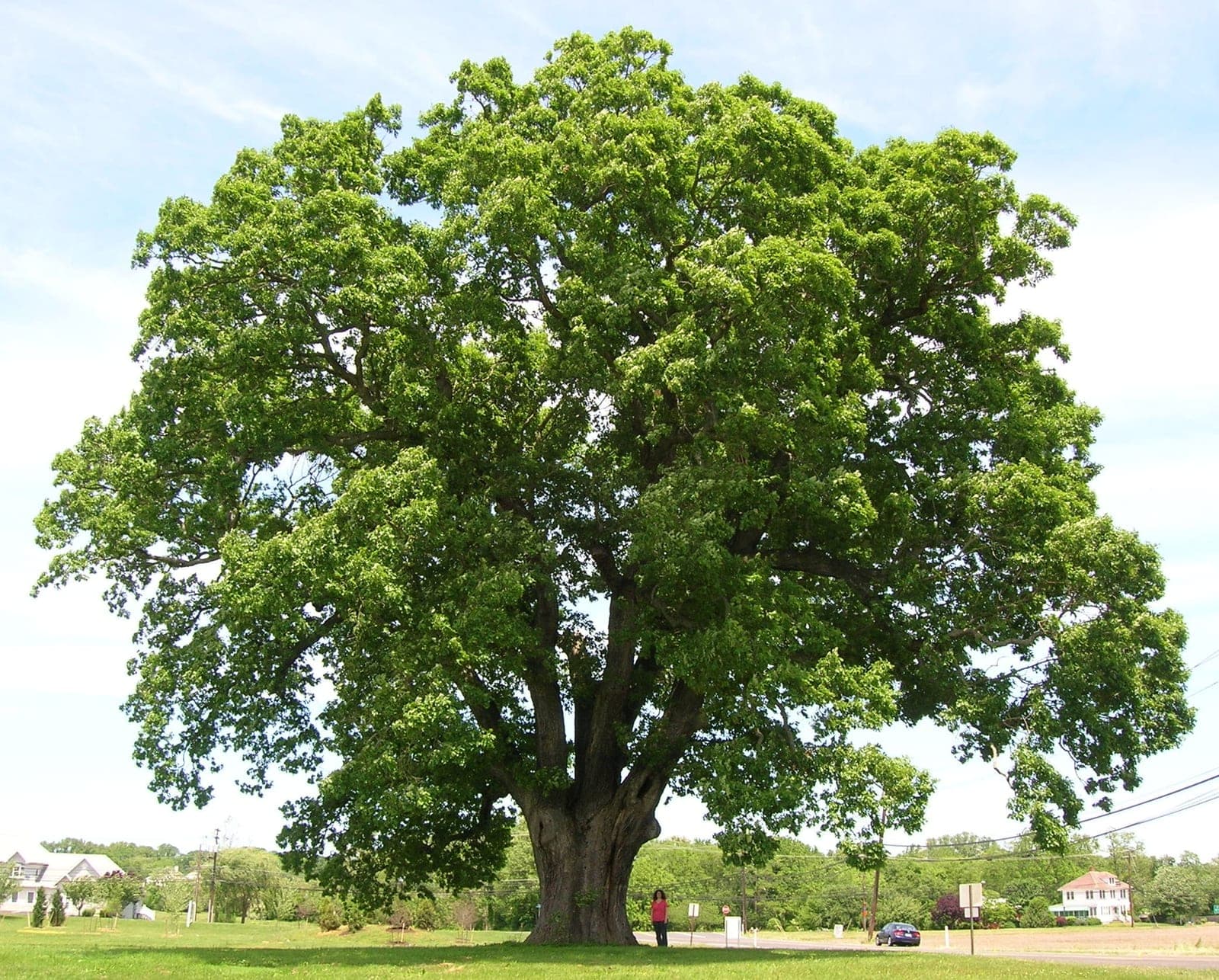
White Oak
Quercus alba
Zones 3b–8b · native to 38 states and provinces

Wild Aster
Symphyotrichum pilosum
Zones 4a–8b · native to 40 states and provinces
Blooms Aug – Oct in zone 6b
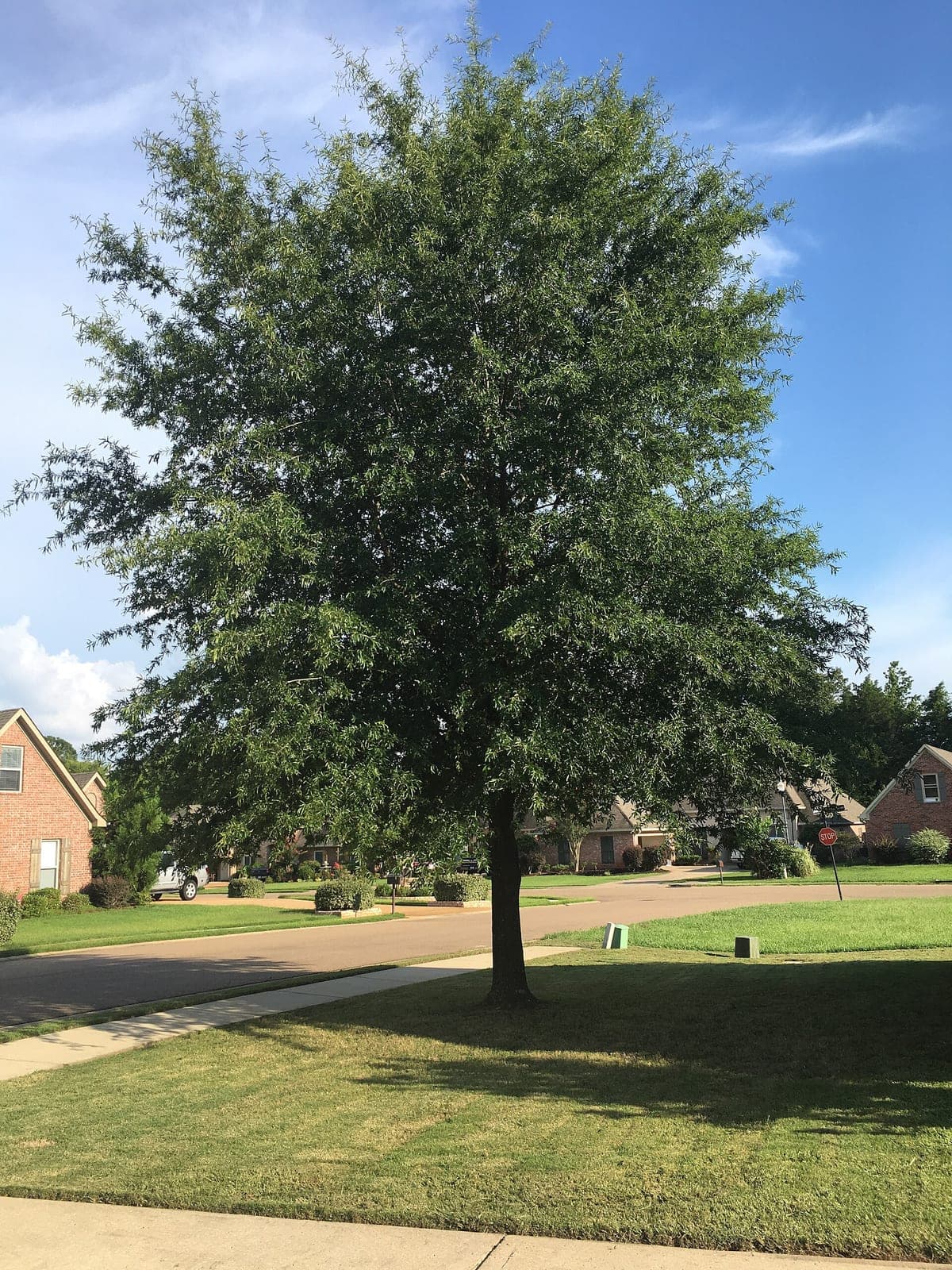
Willow Oak
Quercus phellos
Zones 6a–9b · native to 20 states
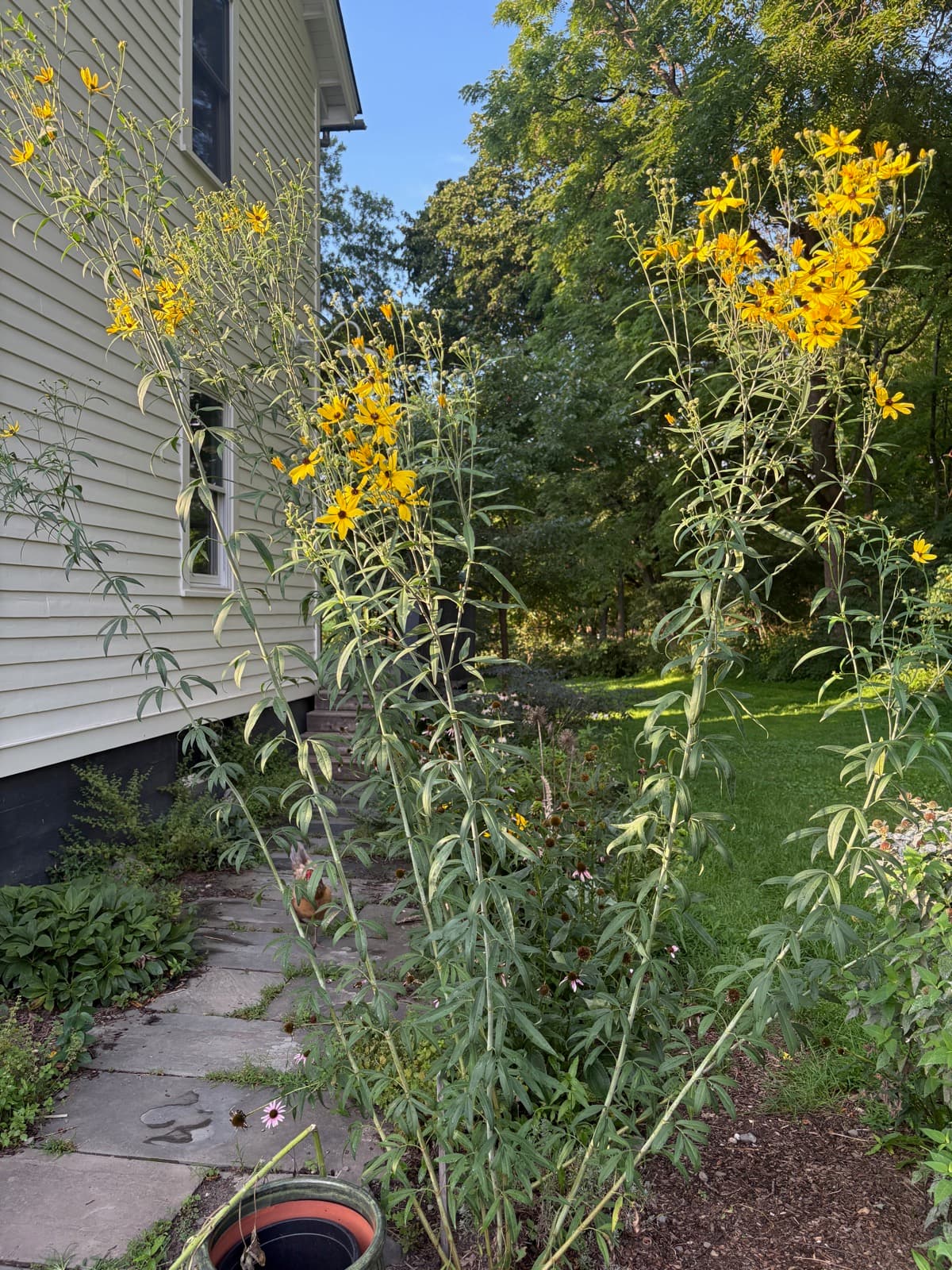
Willowleaf Sunflower
Helianthus salicifolius
Zones 4a–9b · native to 6 states
Blooms Jul – Oct in zone 6b
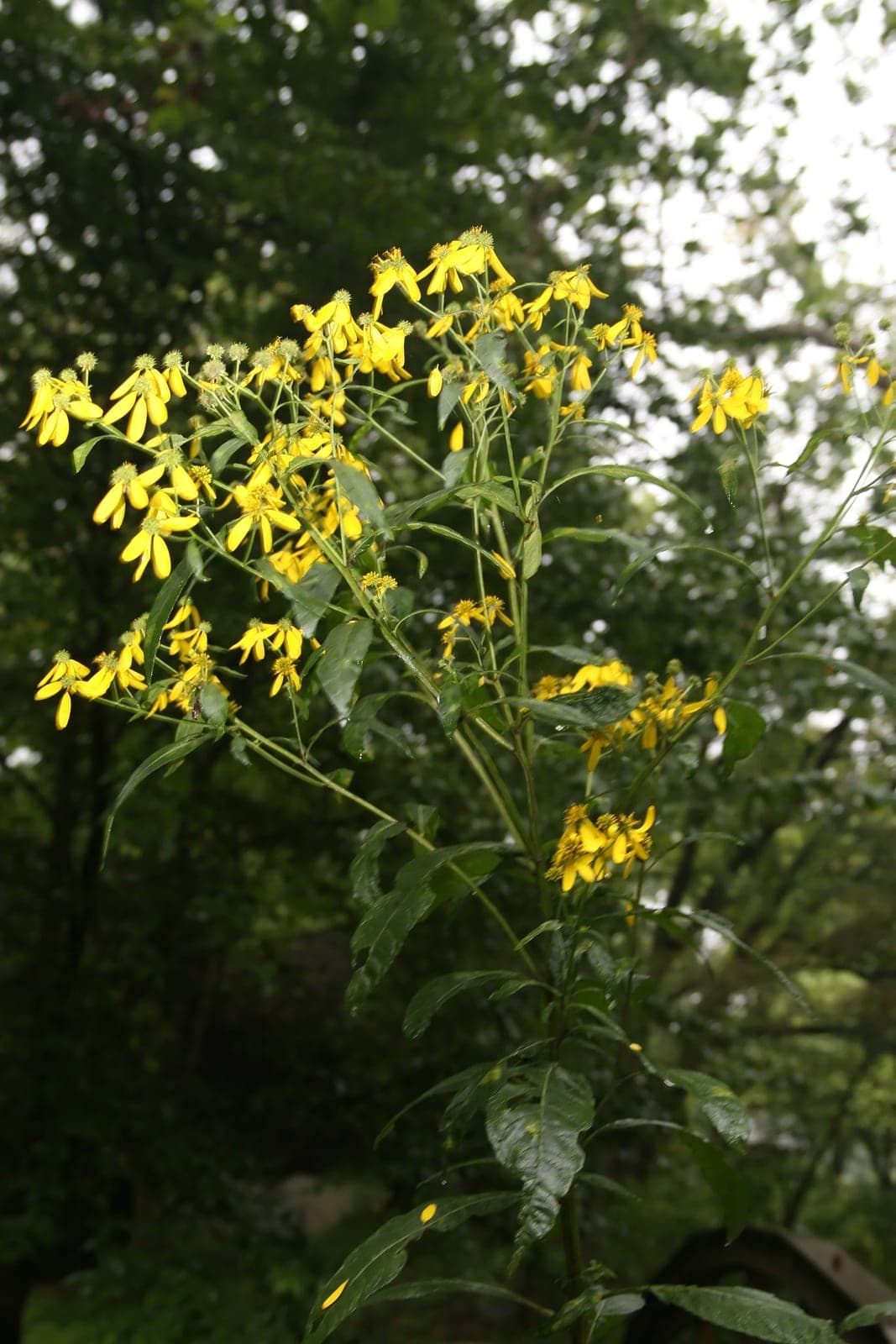
Wingstem
Verbesina alternifolia
Zones 4a–8b · native to 31 states and provinces
Blooms Jul – Aug in zone 6b
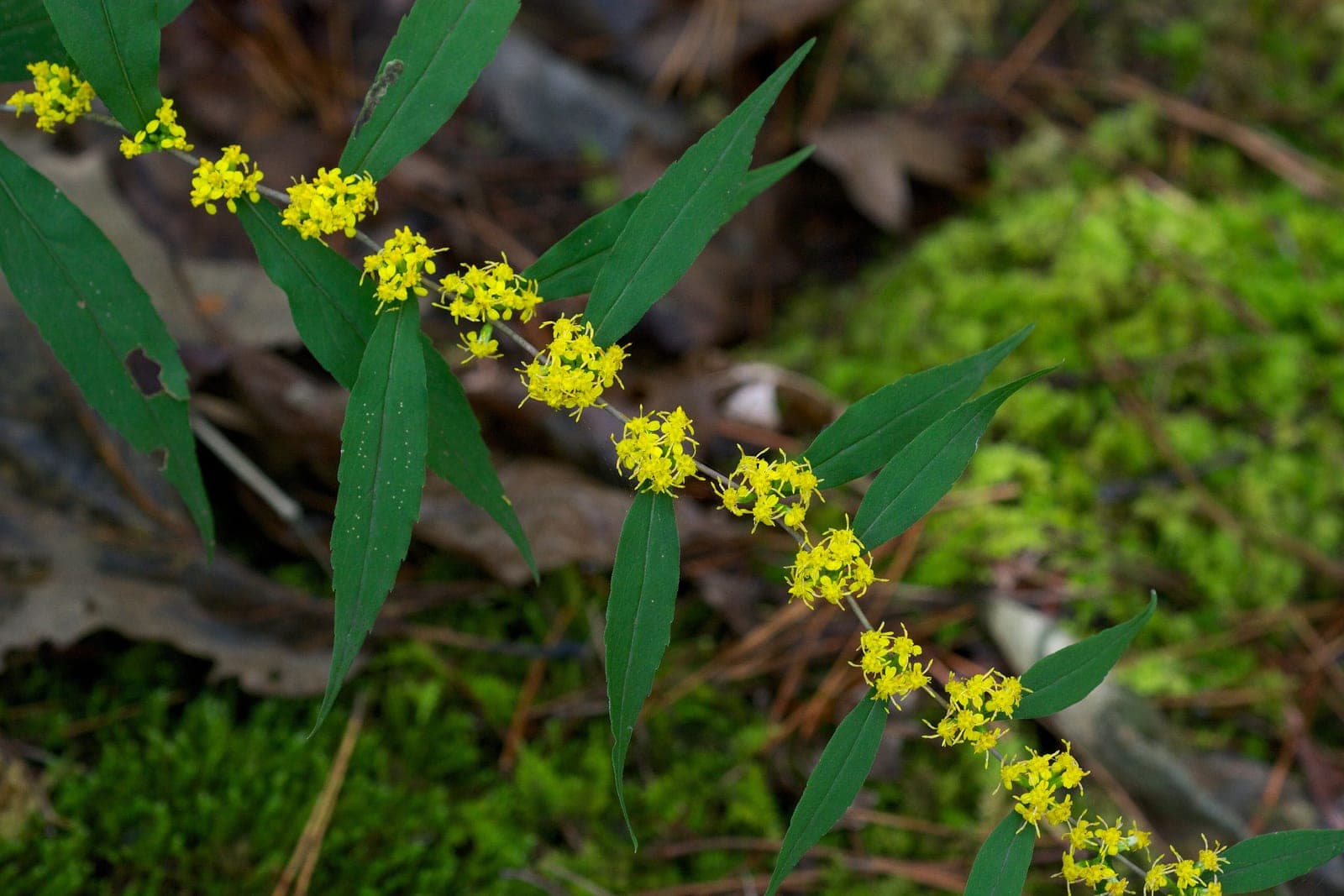
Wreath Goldenrod
Solidago caesia
Zones 4a–8b · native to 36 states and provinces
Blooms Aug – Oct in zone 6b
The Keystone Web
How this region's plants, caterpillars, bees, fungi and birds hold together. Pick a species to pull its thread, or add plants to see what your garden would carry.
Birds & mammals it feeds3
Caterpillars & bees it hosts0
Not every native pulls the same weight.
In the Eastern Temperate Forests, 8 of these 10 plants are keystones: the native genera that feed the most caterpillars and specialist bees. The rest are good plants. These are load-bearing ones.
Insects that depend on them
Keystone rankings from the National Wildlife Federation, based on caterpillar host research by Doug Tallamy's lab at the University of Delaware (Narango, Tallamy & Shropshire, 2020) and specialist-bee research by Jarrod Fowler. Ecoregion boundaries: Commission for Environmental Cooperation, Level I.