
The garden journal
Seasonal notes from the cutting garden - what to grow, cut, and do with it, and the odd botanical tangent along the way.
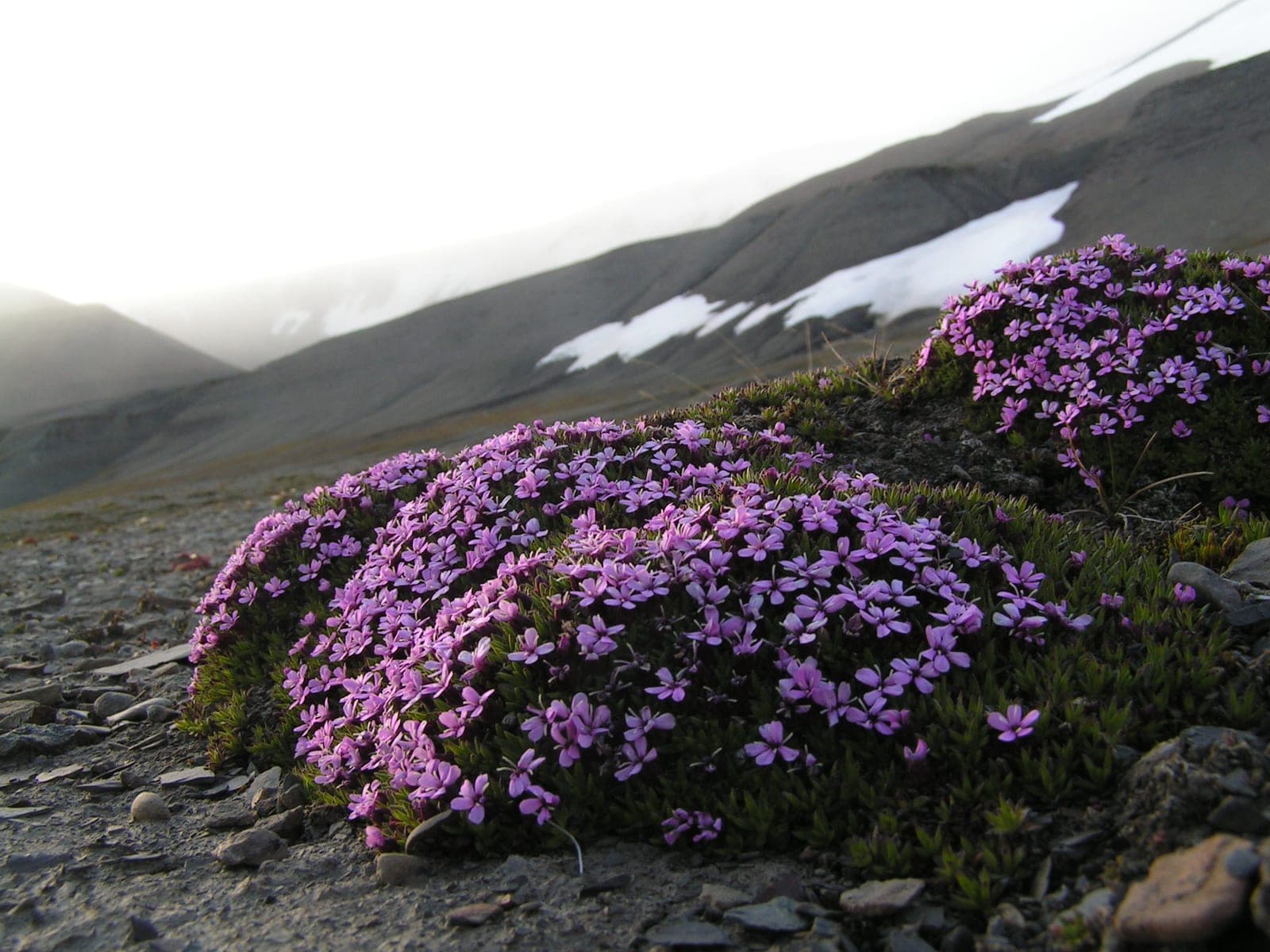
The cushion that keeps itself warm
The fourth of the alpines looks like a tuffet of moss until early summer, when it does something no moss can.
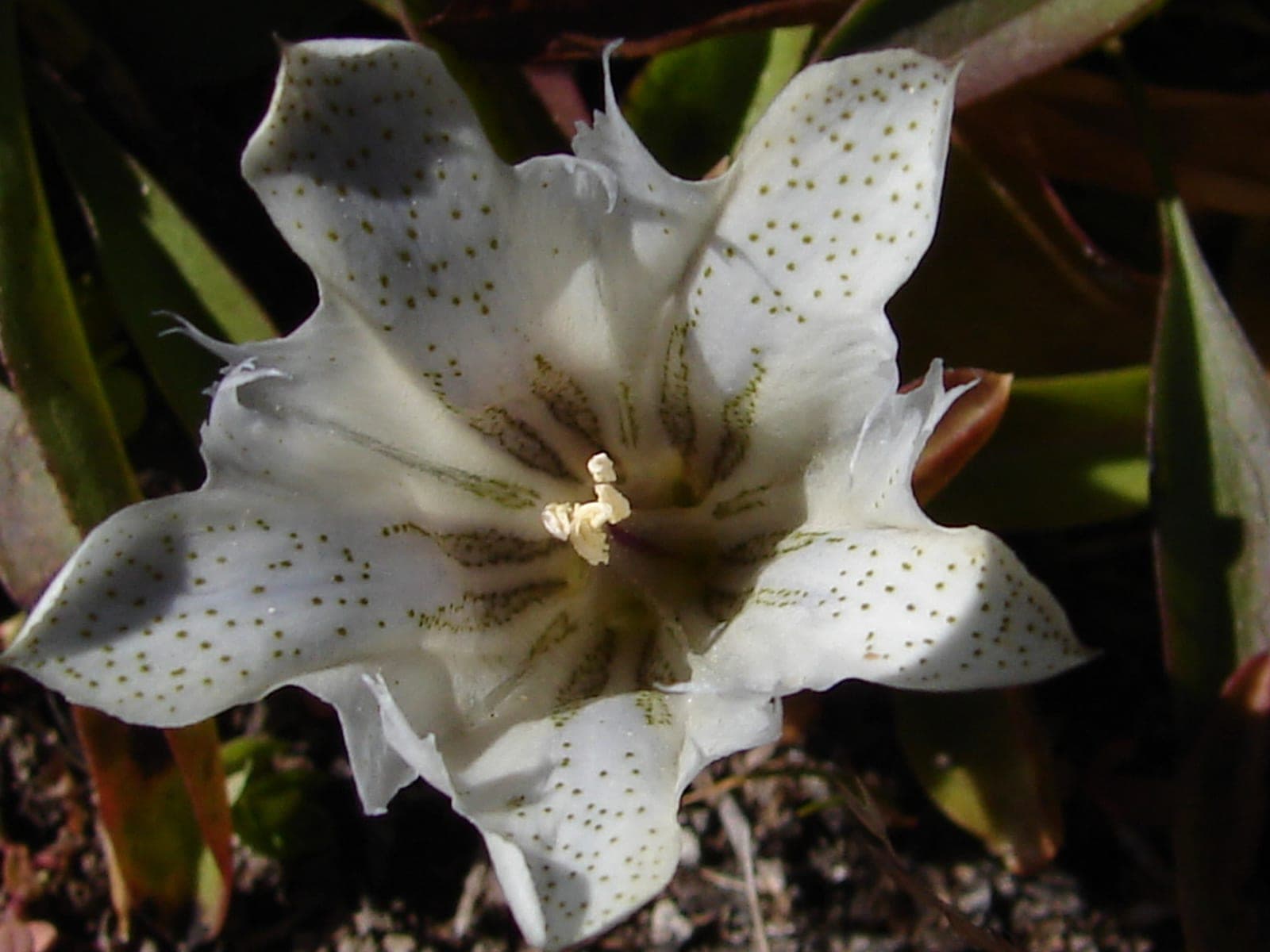
The king's blue
The fifth of the alpines is the last flower standing in the high meadows of the Sierra Nevada, and it carries the name of a Balkan king who lost his throne to Rome.
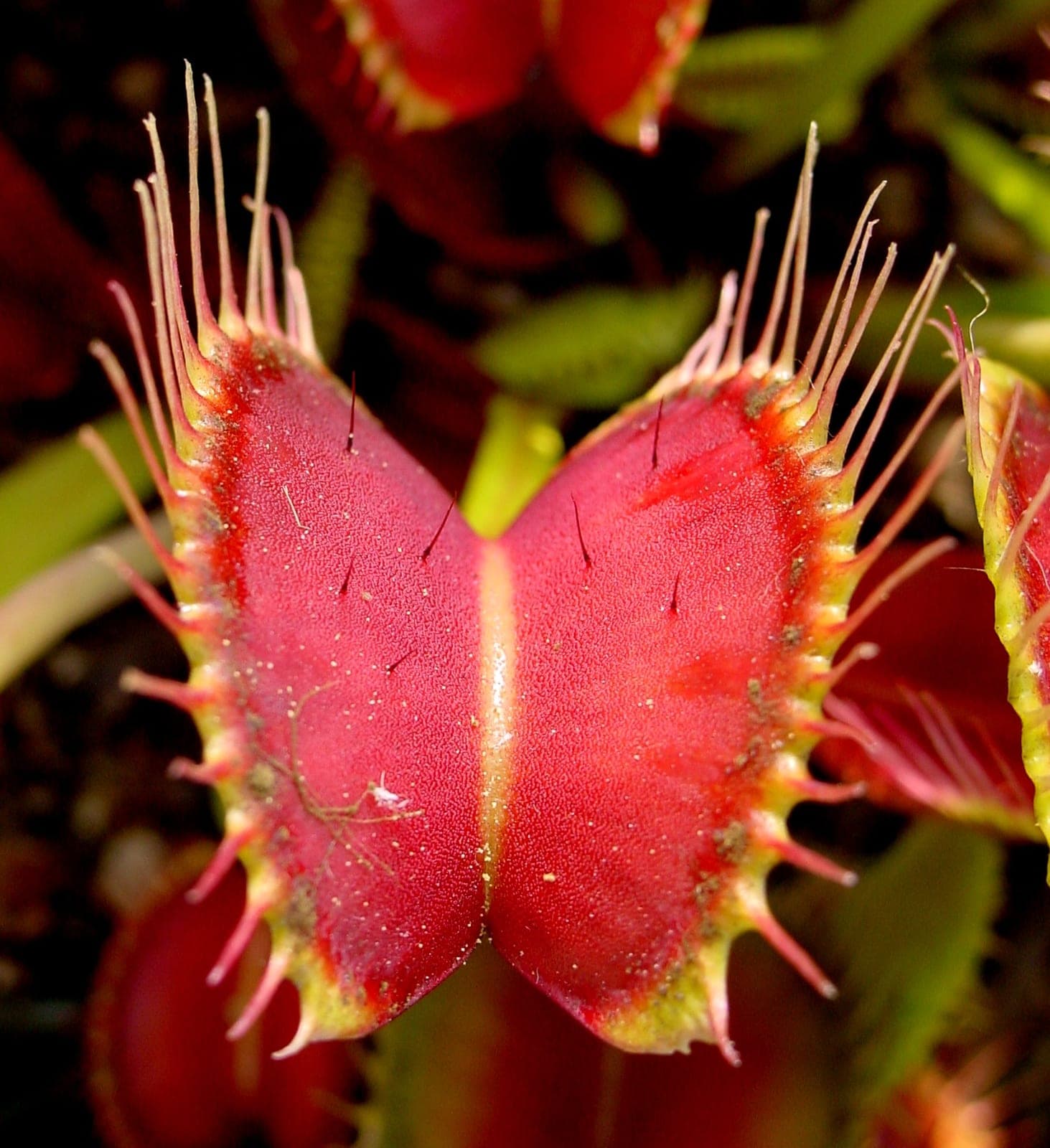
How plants learned to hunt
Carnivory shows up at least a dozen separate times across the plant family tree, and every time it's the same problem, solved by a different trap.
Garden design for attracting butterflies
A butterfly garden needs two things, nectar for the adults and the right host plant for the caterpillars, and the design is mostly deciding where each one goes.
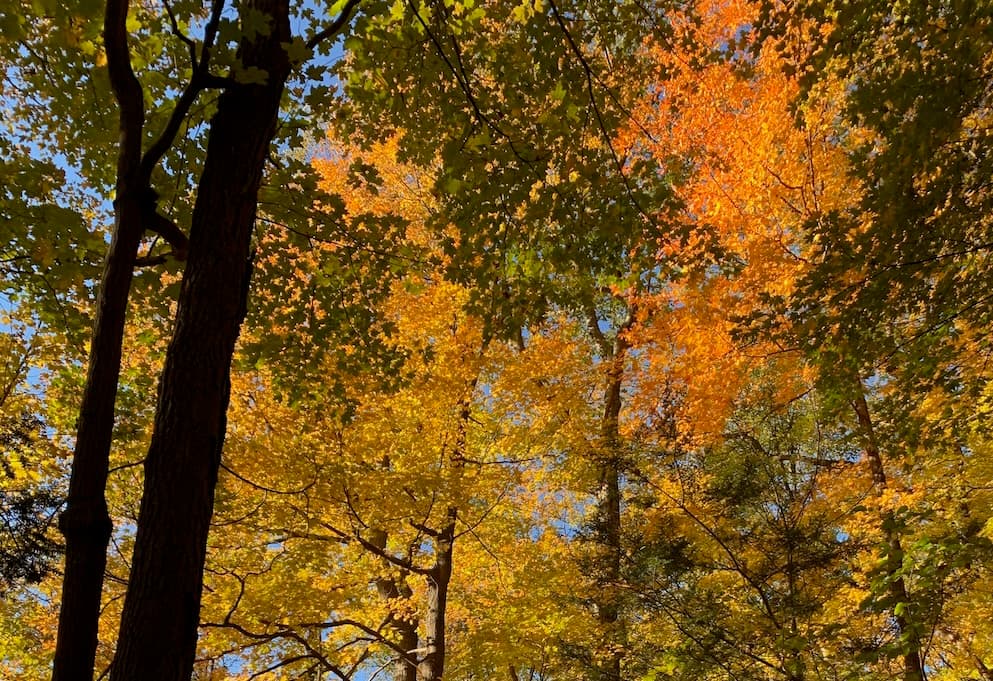
What to cut in September, and what to leave alone
The instinct to tidy every border in September is mostly wrong - some of what looks finished is still feeding the plant, and some of it is feeding something else entirely.
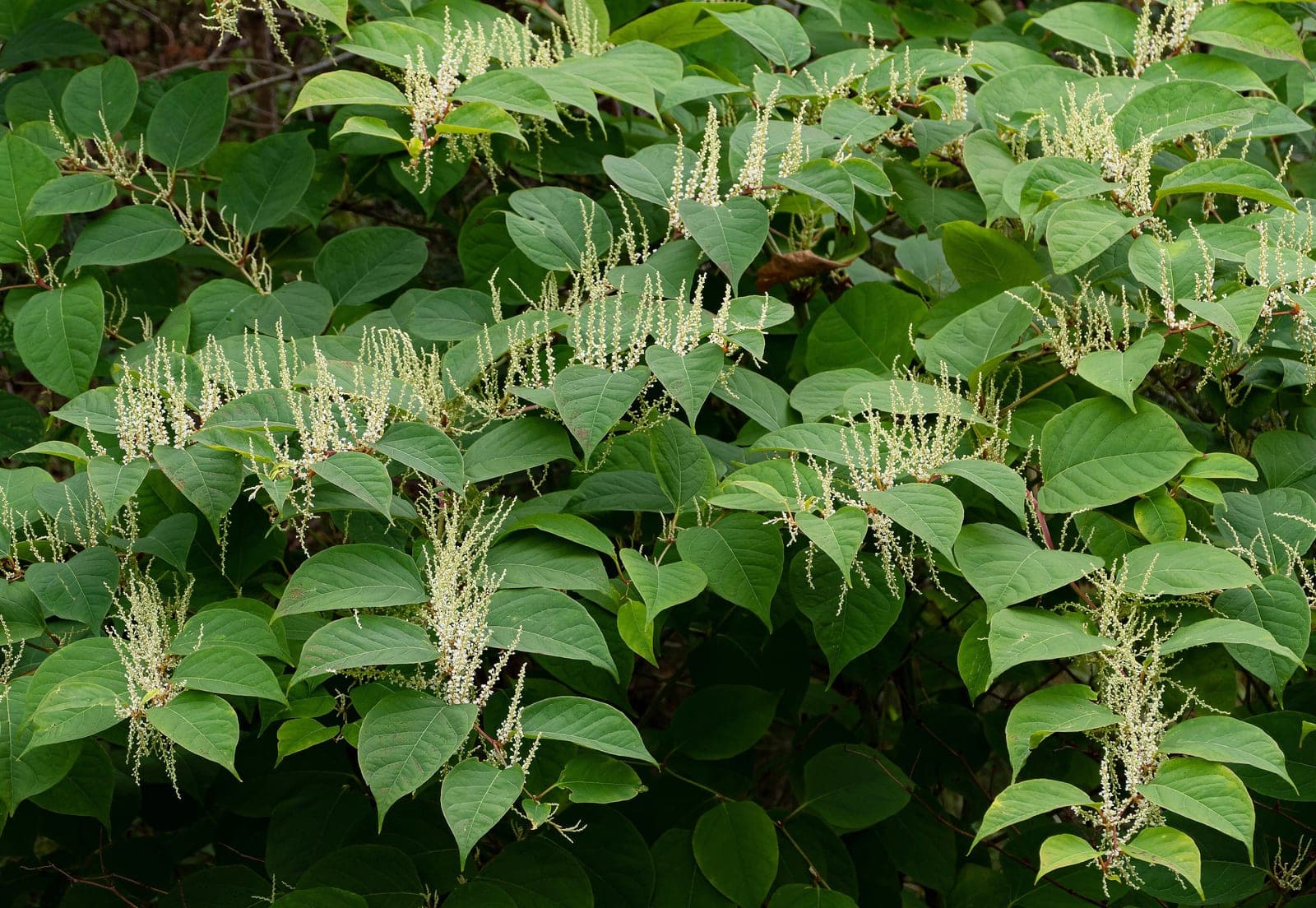
Every weed has a silver lining
Nearly every resveratrol capsule sold is made from the root of the plant you have spent years trying to kill.
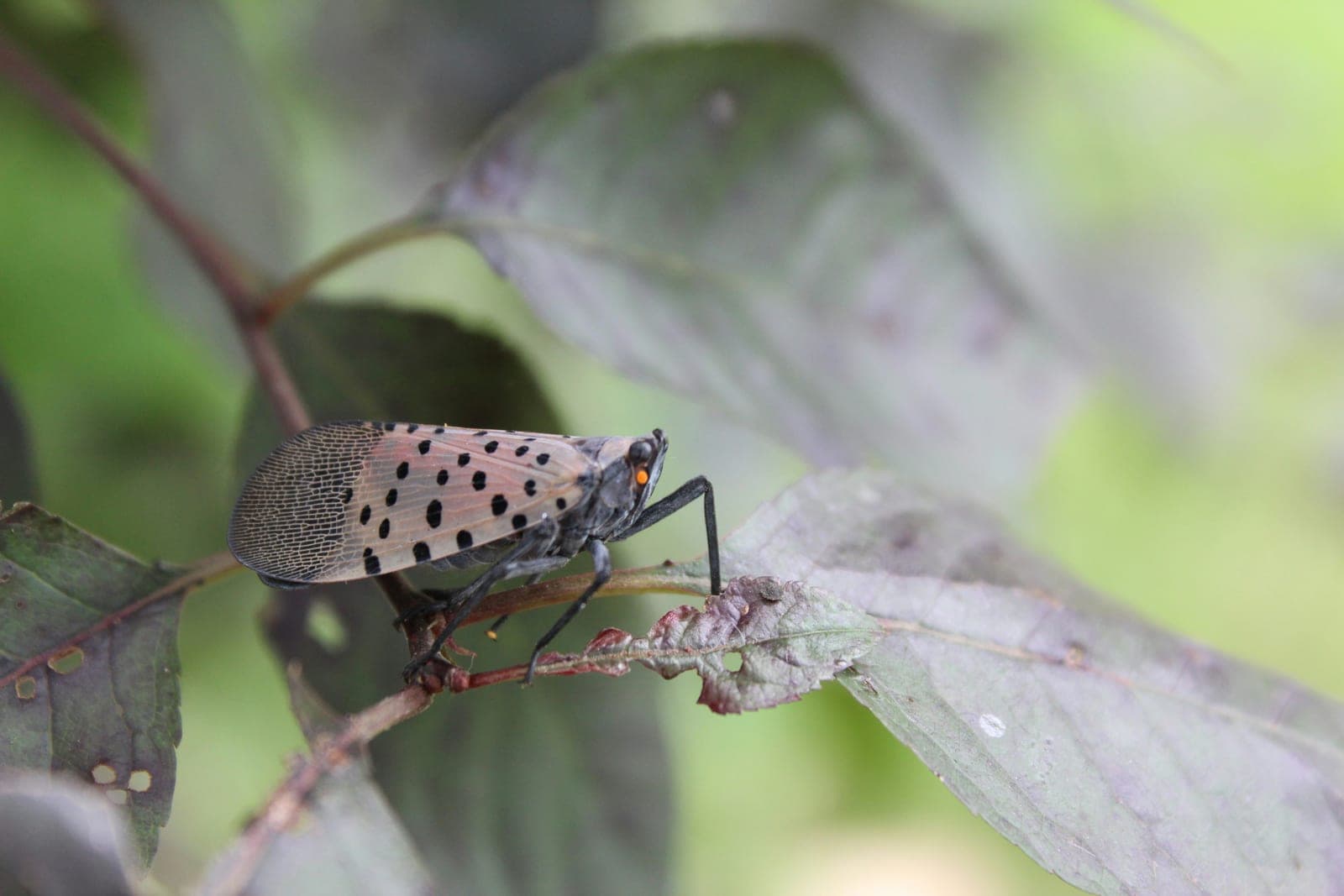
Milkweed and the spotted lanternfly - an emerging pest, an ancient plant
A pest that arrived from Asia is reshaping the gardens of North America, but the plant that may help control it has been healing wounds for centuries and feeding monarch butterflies for many times longer.
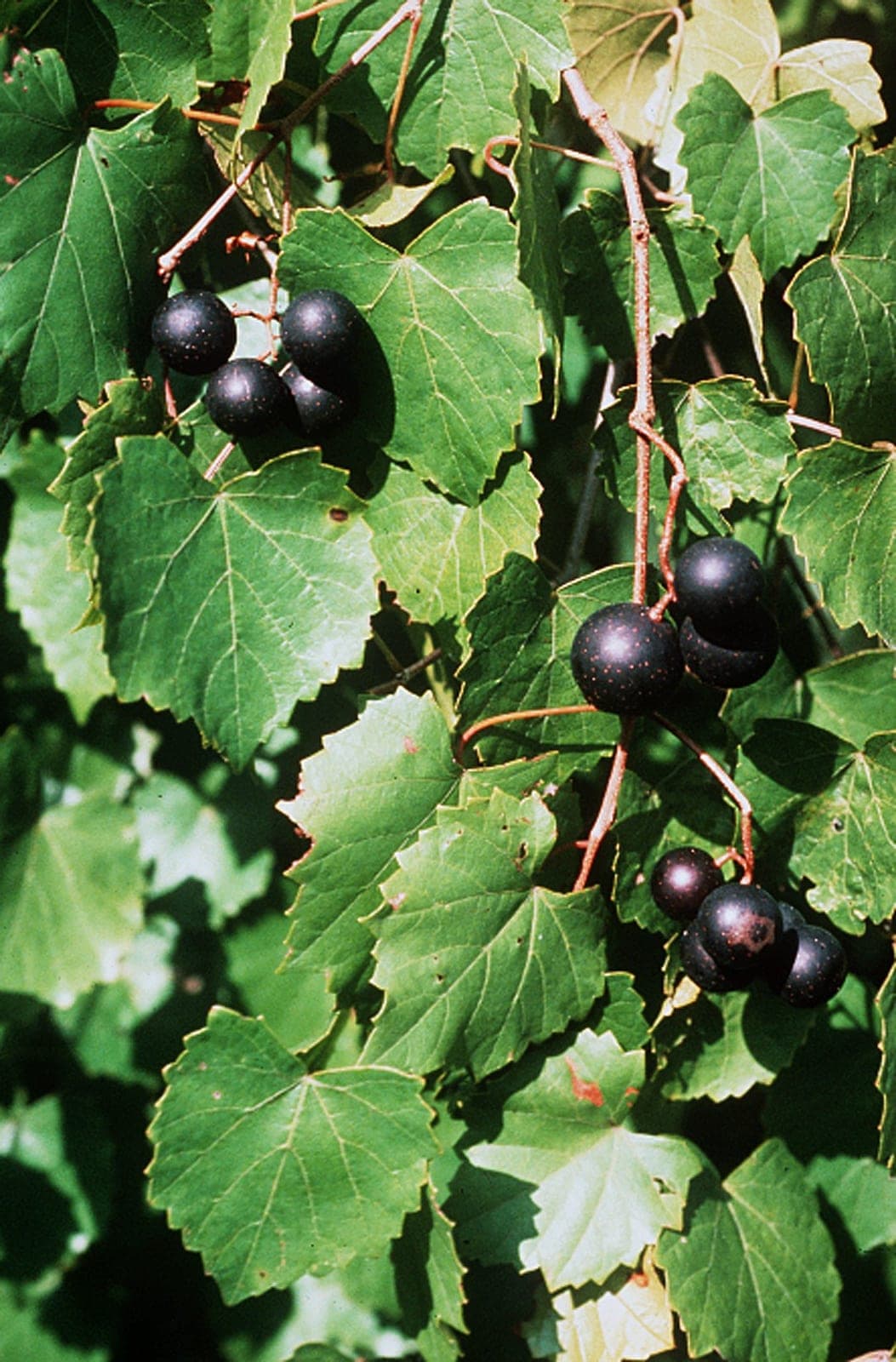
The oldest grape nobody toasts
It has none of the romance of a Bordeaux vine, yet the muscadine is the second oldest cultivated grape in the world, and it has been growing wild on this land far longer than the people who named it.
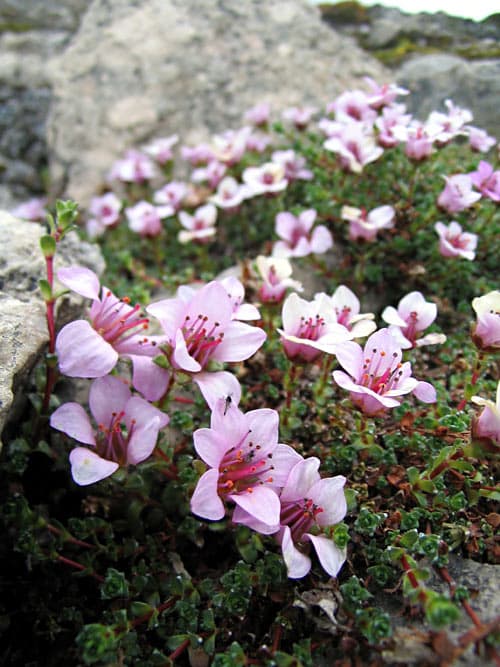
Stone breaker
The third of the alpines carries the family's whole idea in its Latin name: saxum, a stone, and frangere, to break.
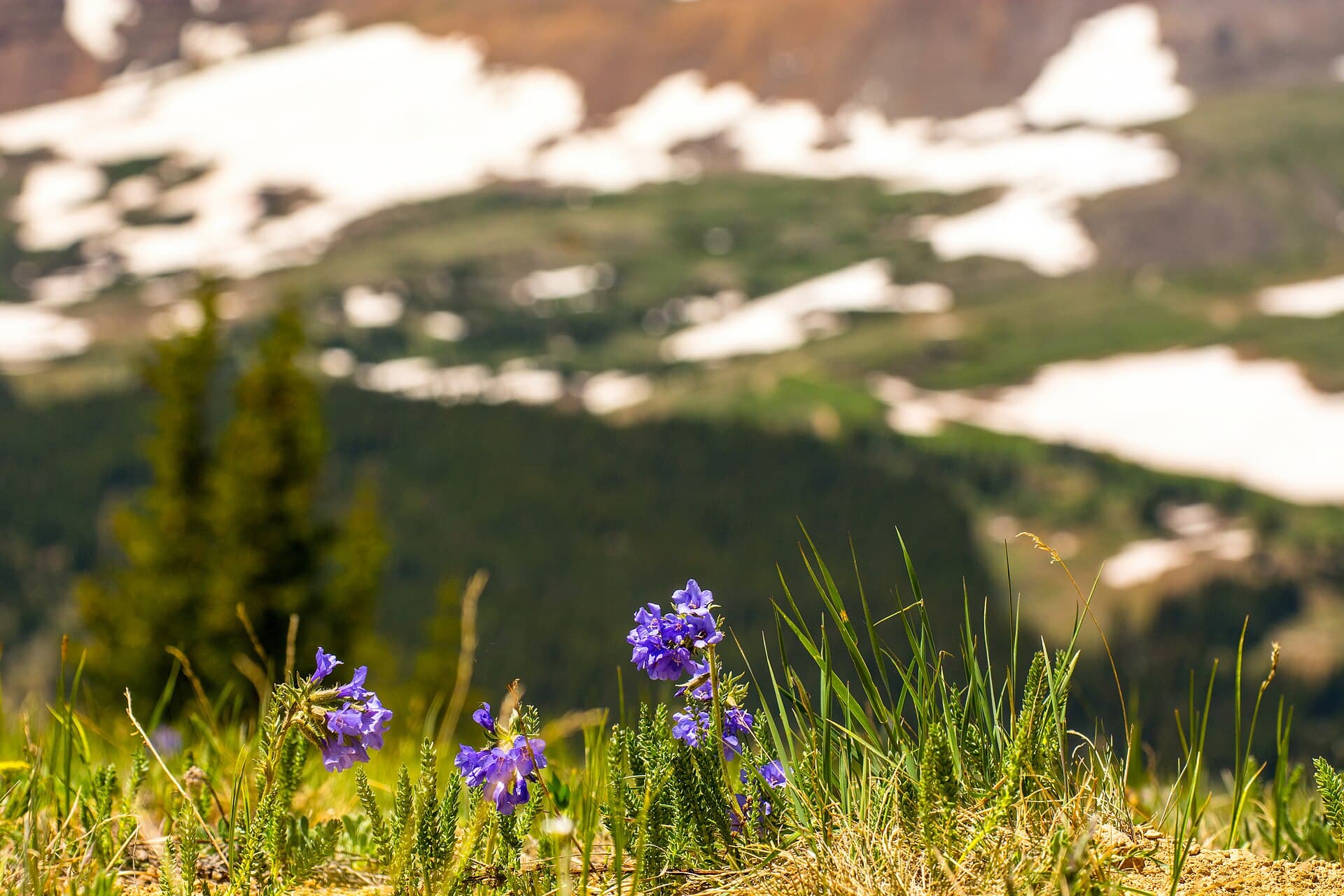
Sky pilot
The blue flower that grows higher than almost anything else in the Rockies smells of skunk, traps ants in its own glue, and carries a name that means a preacher.
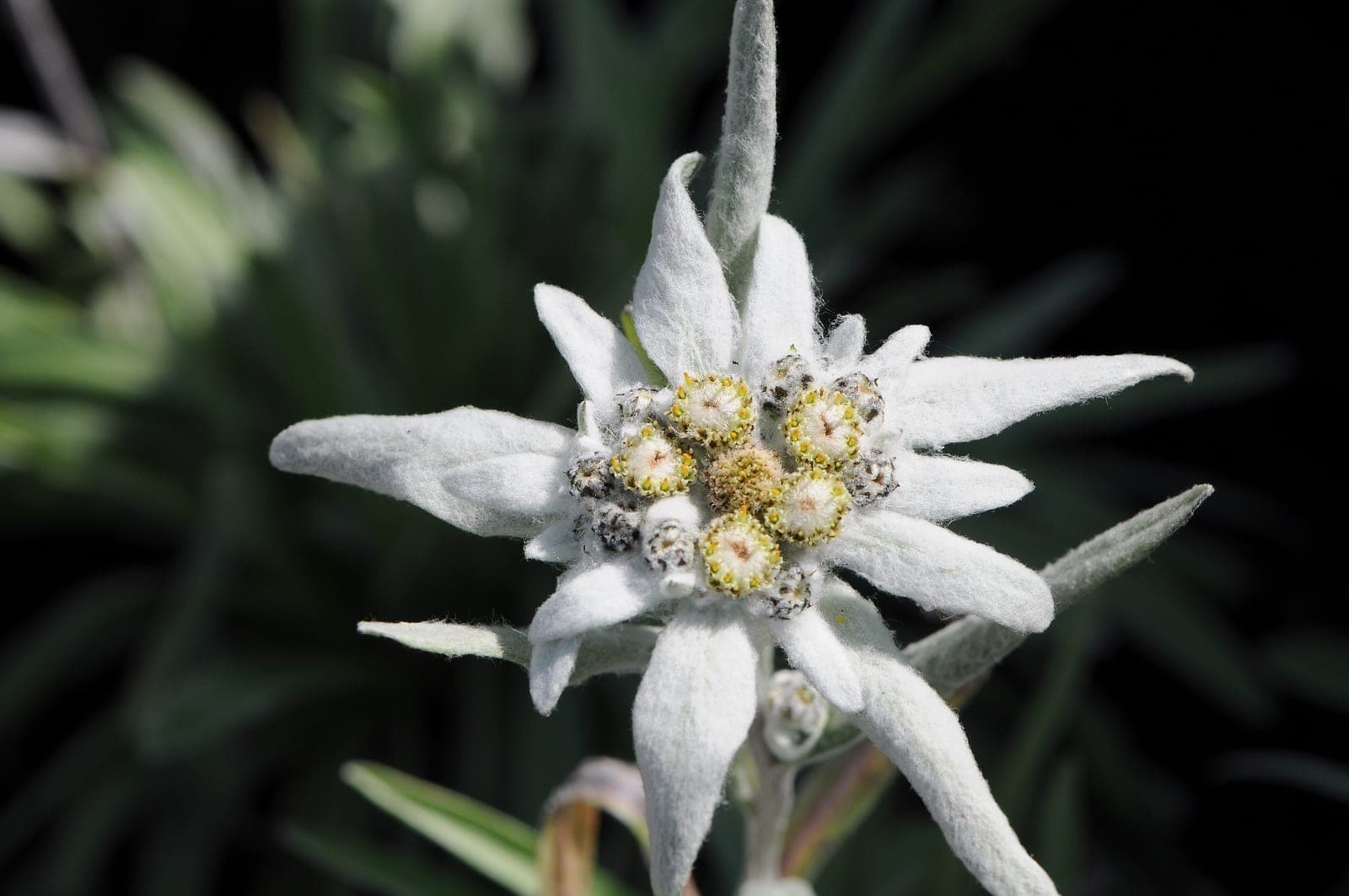
Edelweiss, the song and the flower
The little white star of the Alps is sixty-one years famous for a song that isn't Austrian and isn't old - but the plant behind it is stranger and more demanding than the tune lets on.
What to do with rose hips
The fruit a rose leaves behind if you stop deadheading in time is one of the richest sources of vitamin C in the garden - and the doorway to tea, syrup, jelly, and a skincare oil.

Miss Willmott's ghost
A silvery, spectral sea holly turns up unbidden in gardens all over England, and the story goes that the woman it is named for put it there herself.
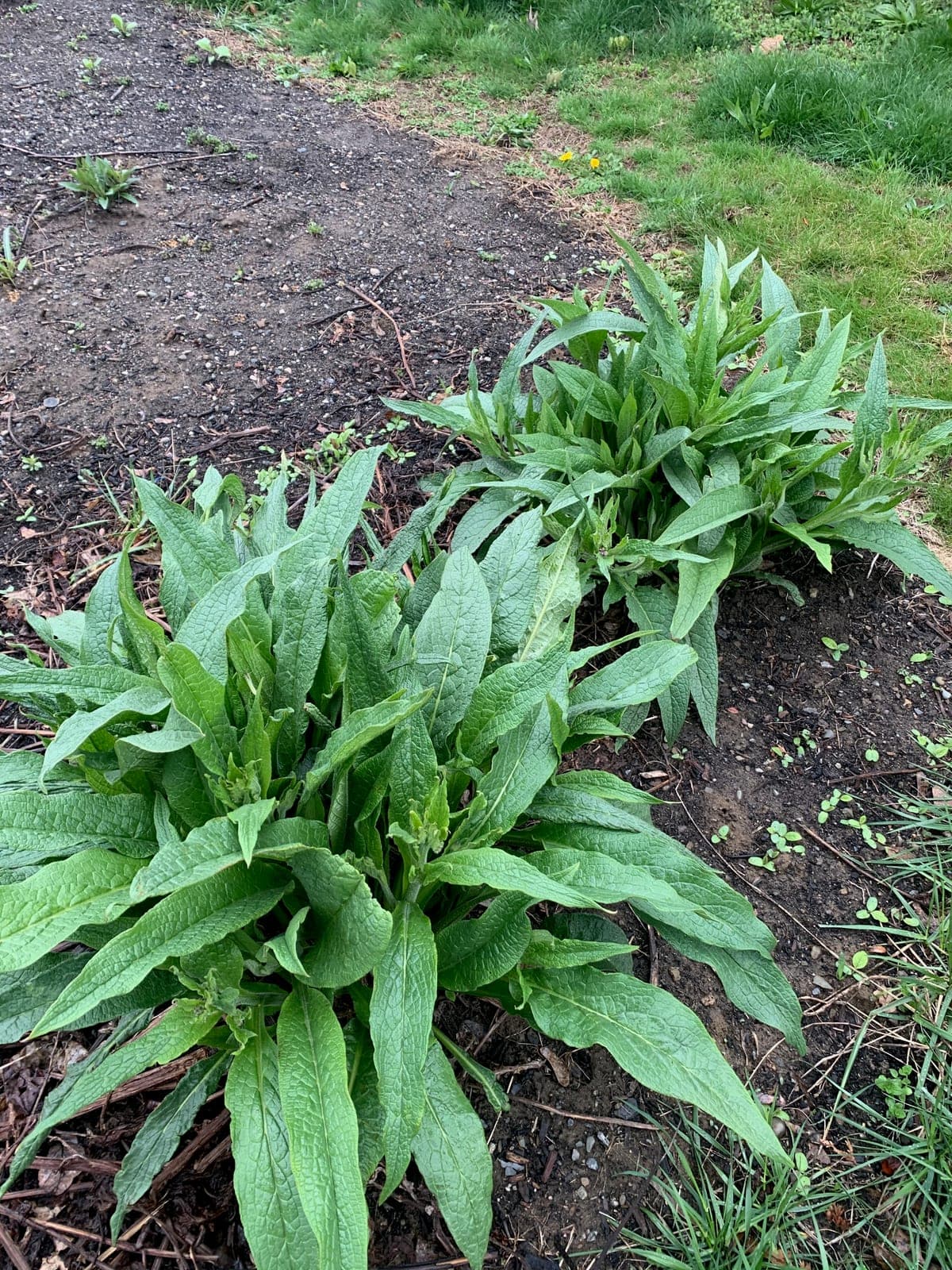
Comfrey and the stinking jar
The single most useful plant in the garden is one you would never put in a vase, and the feed it makes smells appalling.
The white bloom on the leaves
The zinnias are wearing a grey-white dust that wipes off under a finger, and the instinct to reach for a spray is almost always the wrong one to reach for first.
Five ways to fail a tomato
Almost everything that goes wrong with a tomato comes down to the same handful of small impatiences, and most of them can be undone.

Will Nature make a man of me yet?
For a few years in the 1980s the most famous flower in British pop was the one your grandmother grew by the back fence.
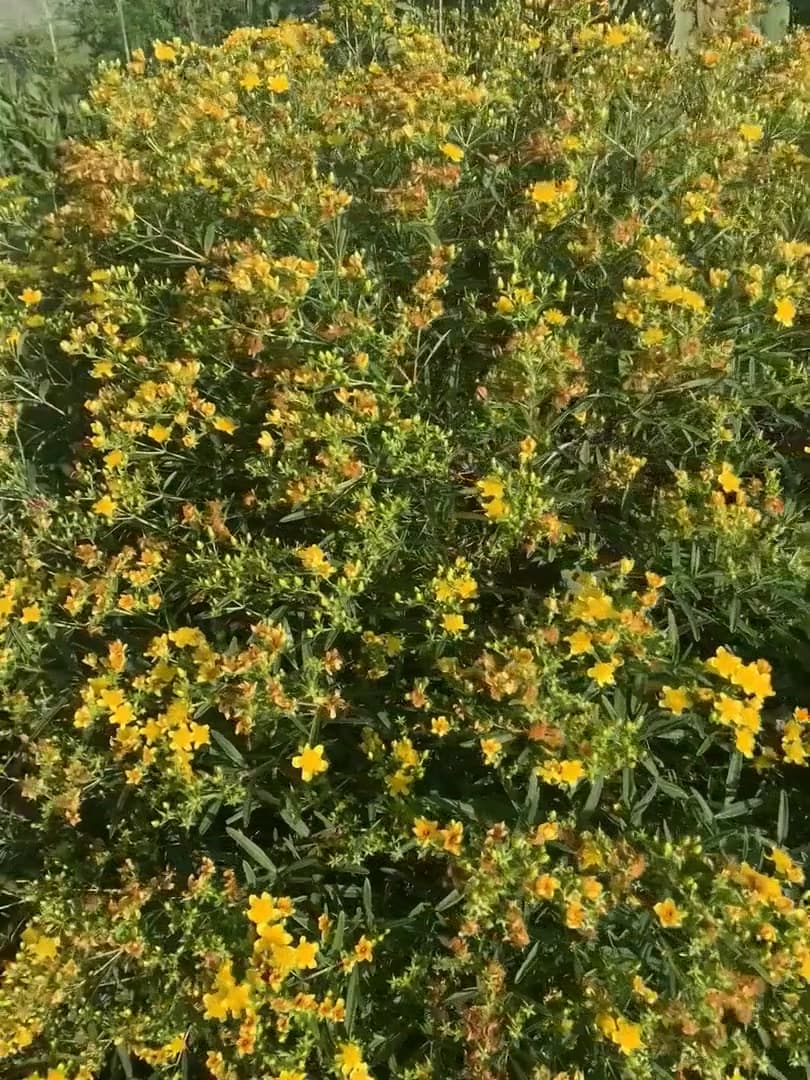
The solstice stain
St. John's Wort opens its buds around the longest day, and if you crush it the colour that comes off your fingers is not yellow at all.
Fasciation
The strange flattened stems appearing in your cutting bed are not a disease - they are one of botany's more beautiful accidents.
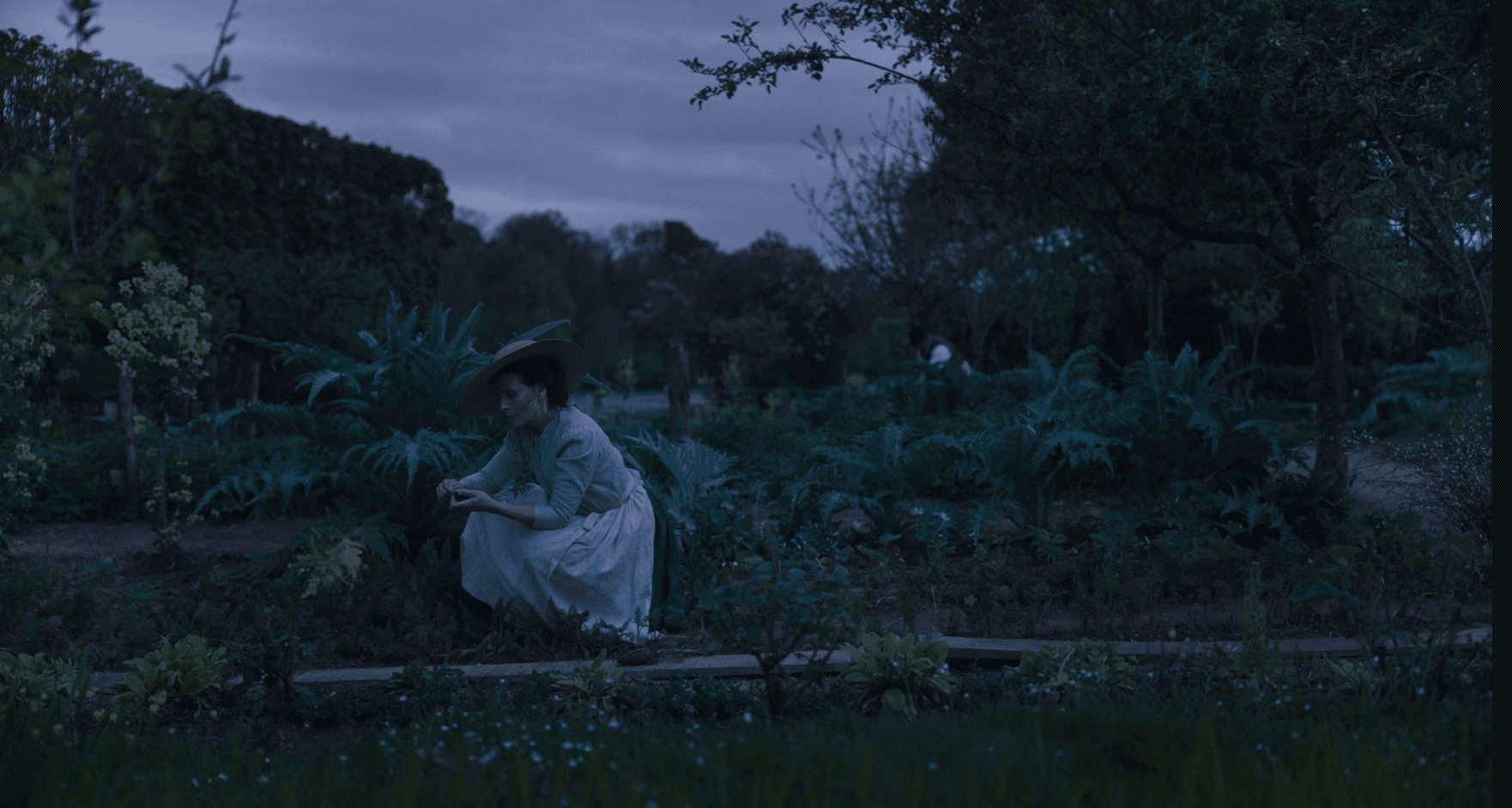
The garden in the film
I keep thinking about the garden scene in Juliette Binoche's The Taste of Things, and what it says about growing things that are almost too beautiful to eat.