Sky pilot
The blue flower that grows higher than almost anything else in the Rockies smells of skunk, traps ants in its own glue, and carries a name that means a preacher.
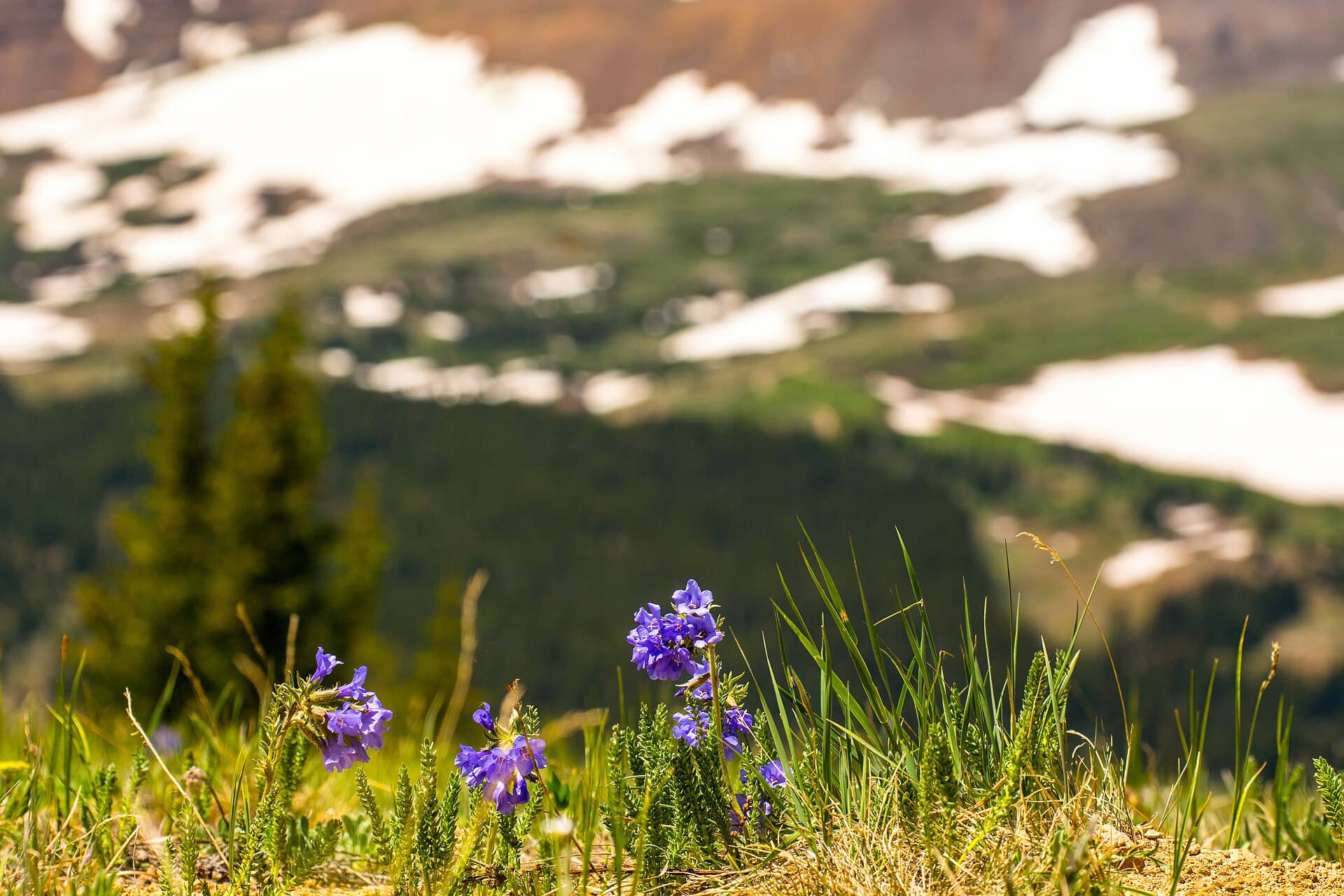
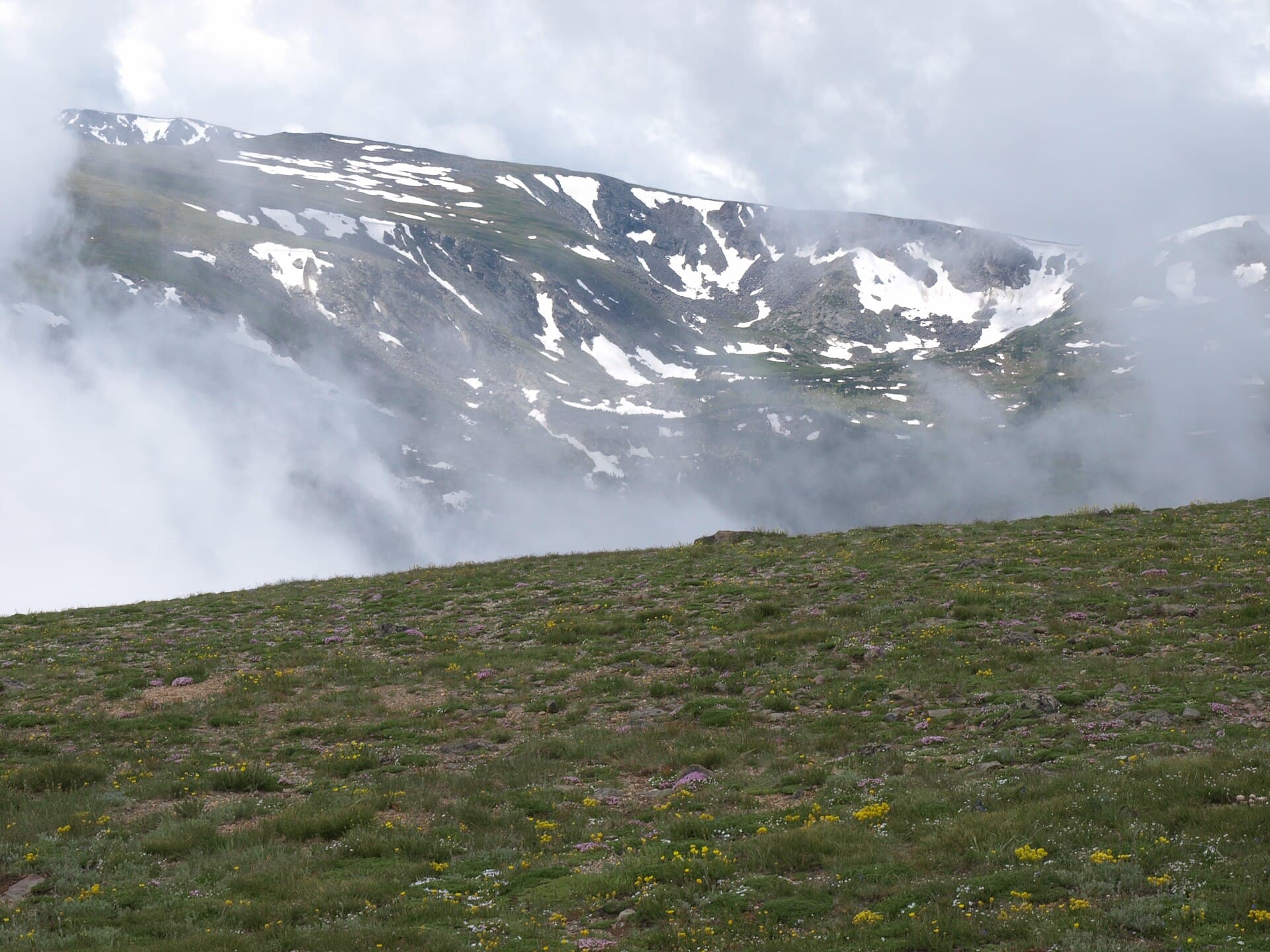
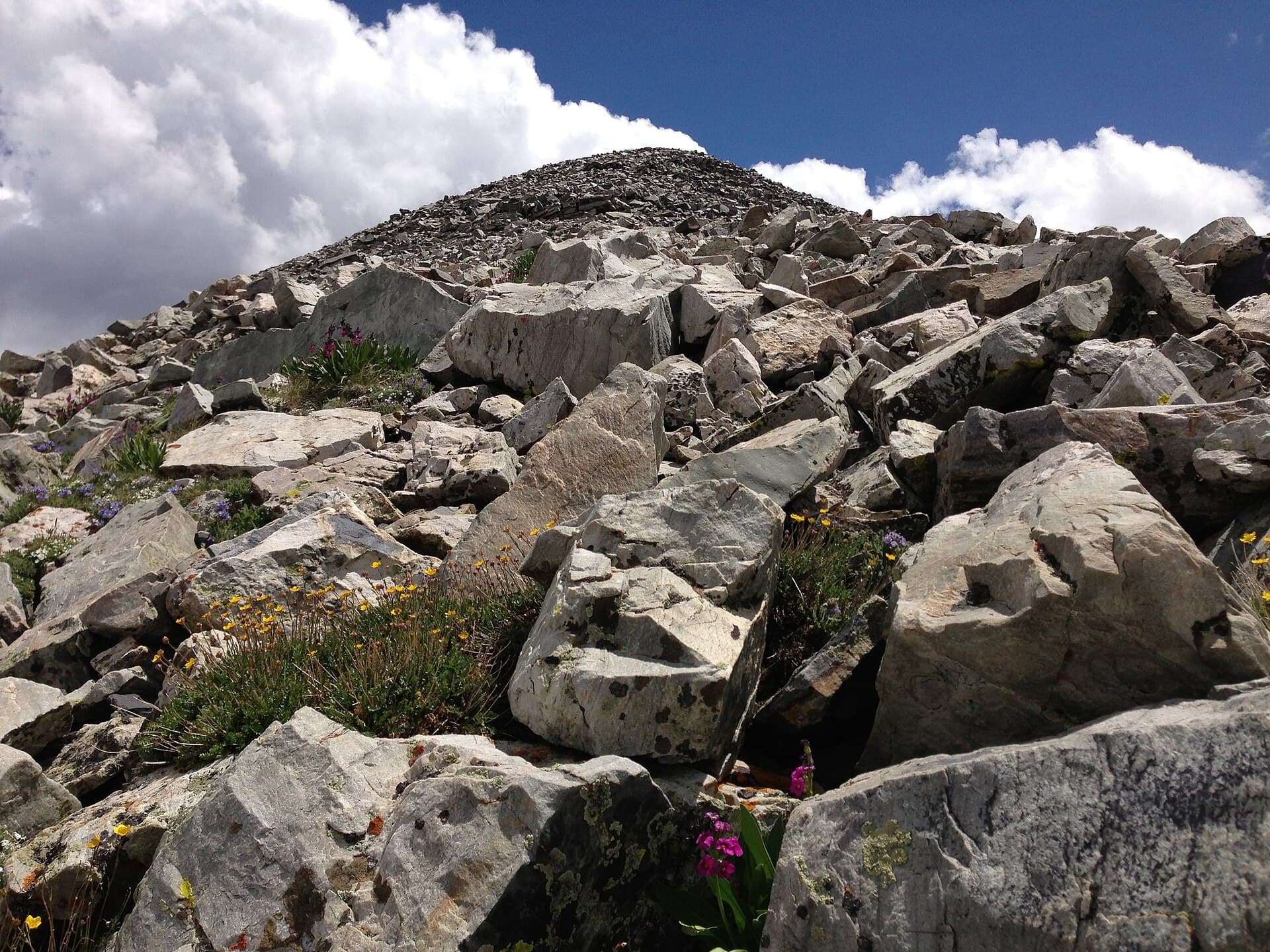
The second of the alpines, and one that lives even higher than the last. Polemonium viscosum grows on the fellfields and rock ledges of the western mountains — the Rockies, the Sierra Nevada, the ranges of the Great Basin — up to around 4,000 metres, well past the last stunted tree, in the thin scoured world above the timberline that botanists call the alpine tundra. Little else flowers there. It sends up dense heads of funnel-shaped flowers in a blue that reads almost violet against the grey rock, over the ferny, many-leaflet foliage that gives the whole family — Polemonium, Jacob's ladder — its ladder name. From a distance it is one of the loveliest things on the mountain. Up close it is stranger.
Sky pilot was old slang for a clergyman, a chaplain, the man who steered souls heavenward; the flower earned it by growing nearer the sky than almost anything a climber passes on the way up, a small blue congregation at the top of the world. It is a good and rare name — most wildflowers are named for what they look like or who found them, not for a joke about altitude and preachers. But get down to the plant and press a leaf and you meet the second name it goes by, which is skunkweed. The foliage is loaded with sticky glandular hairs, and crushed they give off a heavy, musky, skunk-or-fox reek that has no business coming off something so pretty. Viscosum means sticky, and the whole plant is: stems, leaves, and calyx tacky to the touch, so that grit and pollen and small insects cling to it.
That stickiness is not an accident, and this is where the sky pilot became a plant that scientists keep returning to. The glandular hairs are a trap. Ants, which cannot be trusted to carry pollen between plants and instead climb up to rob the nectar, get mired in the glue and held there — a defence that shades into something close to carnivory, the plant recouping nitrogen from the bodies it catches on ground where nitrogen is desperately scarce. And the smell is a signal as much as a stink. In a long run of studies on Colorado populations, the flowers of the high tundra were found to be larger and sweeter-scented than those growing lower at timberline, because up on the tundra it is bumblebees that do the pollinating and bumblebees reward a bigger, sweeter flower — while lower down, where flies and nectar-robbers dominate, that investment does not pay. The plant is being pulled two ways by two different sets of visitors, and you can read the tug in the size and scent of the bloom depending on how high you find it.
None of which makes it an easy garden plant, and I am not going to pretend it is. Like the edelweiss before it — another alpine that will not forgive a rich border — and more so, this is a specialist of a place most gardens cannot imitate: brutal light, freezing nights in high summer, a growing season measured in weeks, and drainage so sharp the roots are essentially in rubble. It belongs to the same discipline as the last post — gardening on the scale of a rock crevice, getting a few hard conditions exactly right — and the honest place to meet it is on the mountain, not in a bed. Some of the lower, less demanding Jacob's ladders will take a cool, gritty spot in the garden and give you a hint of the same blue. But the true sky pilot stays where it is: high, sticky, foul-smelling, and beautiful, holding its preacher's name at the top of the tundra where almost nothing else will grow.