Garden design for attracting butterflies
A butterfly garden needs two things, nectar for the adults and the right host plant for the caterpillars, and the design is mostly deciding where each one goes.
Butterflies come to a garden for nectar, but they only stay to breed if the right host plant is growing there. Each caterpillar eats a narrow range of plants, and most of those plants are native. Those same caterpillars are what nesting songbirds feed their young, which is Doug Tallamy's case for a yard that is at least 70 percent native. Designing for butterflies means giving both jobs space: nectar in the sunny beds, host plants distributed through every layer of the yard.
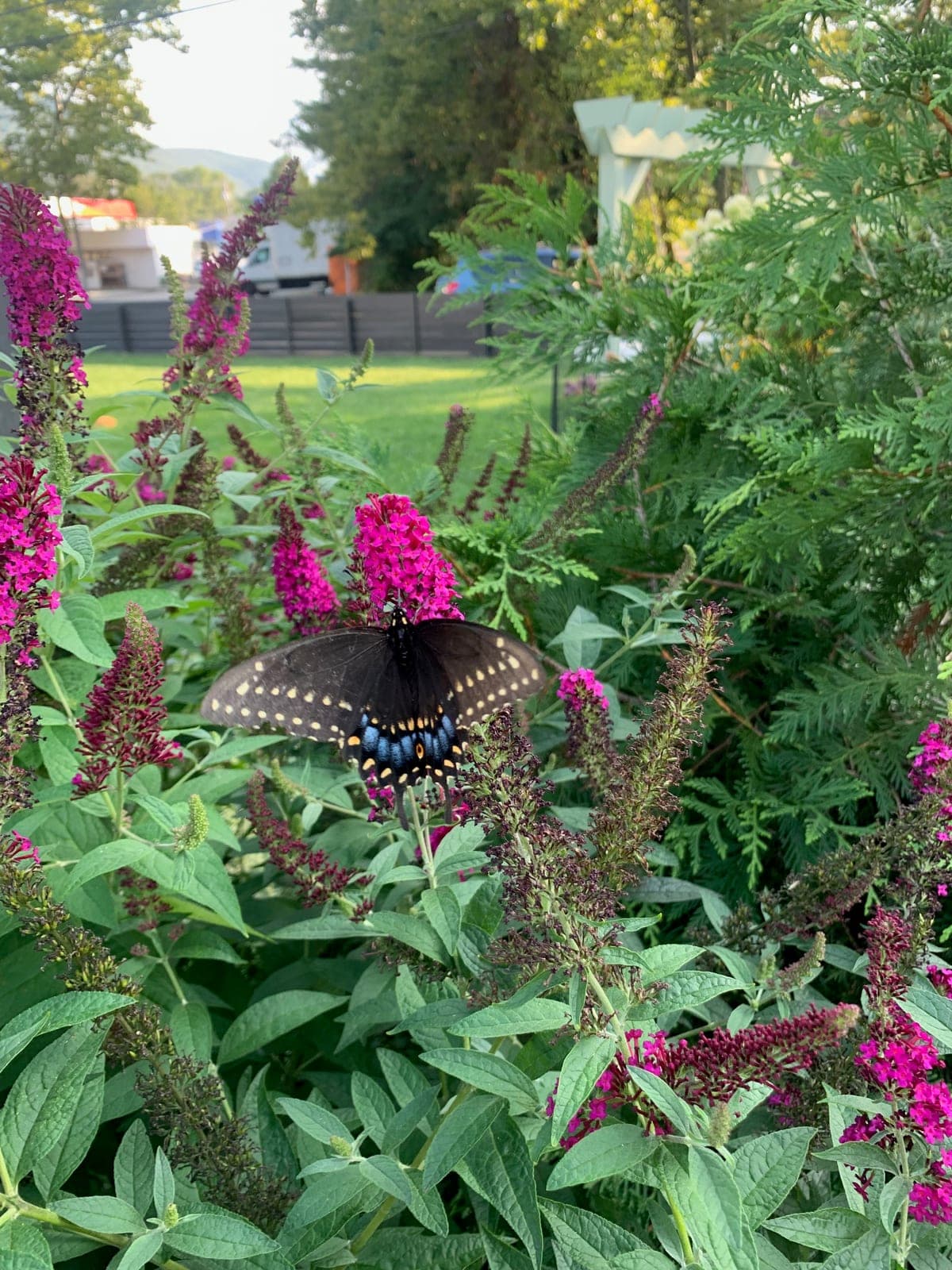
Start with the site. Butterflies work in sun and shelter, so put the main planting where it gets six or more hours of sun and some protection from wind. Set plants in drifts of several rather than as single specimens, which makes them easier to find. Add a few flat stones in the sun for warming up, and a shallow dish of damp sand or mud, kept filled through summer, for drinking. Skip insecticides anywhere near host plants, since they kill caterpillars too. Check botanical names before you buy. Milkweed is the usual trap: tropical milkweed is sold almost everywhere, but native species are the ones monarch caterpillars evolved with.
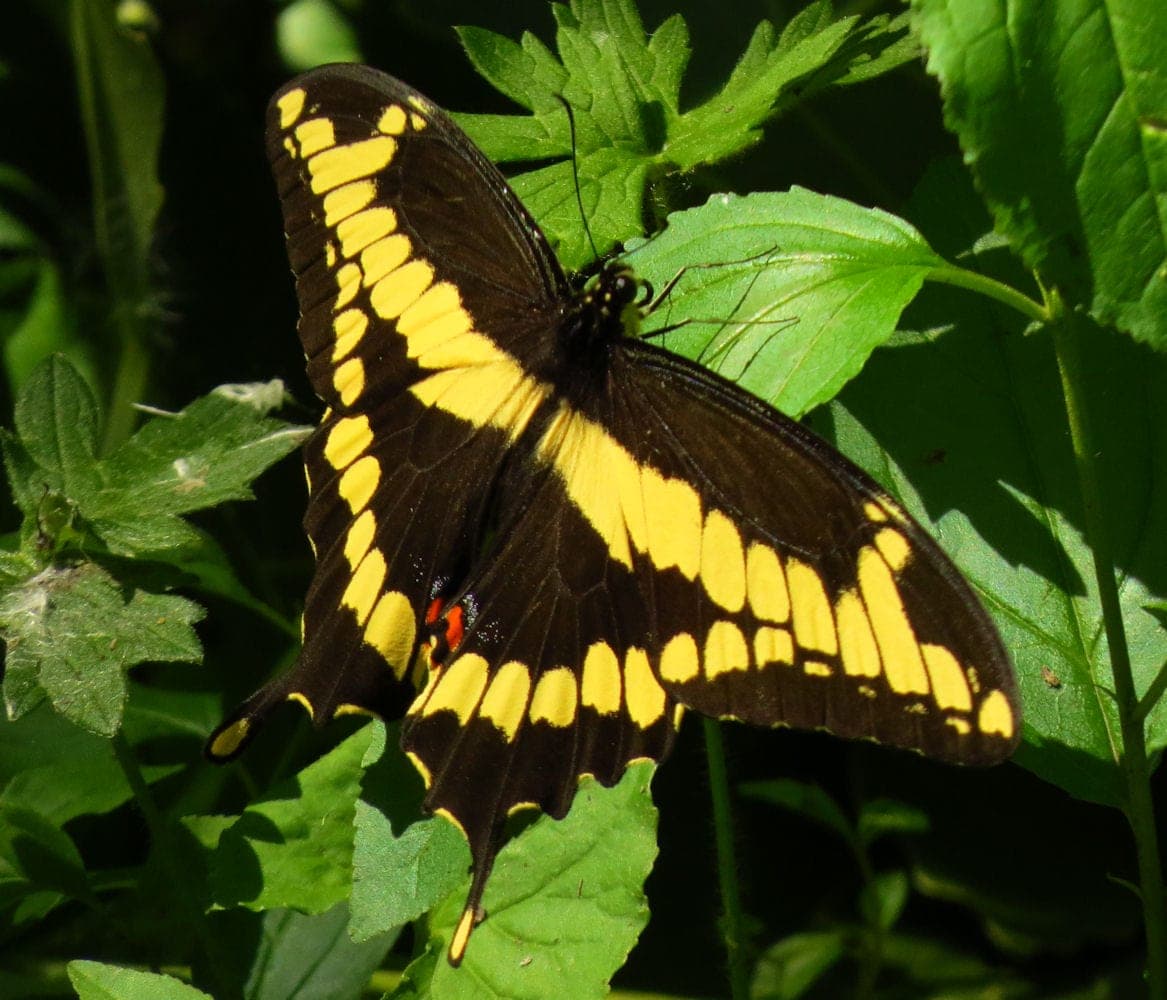
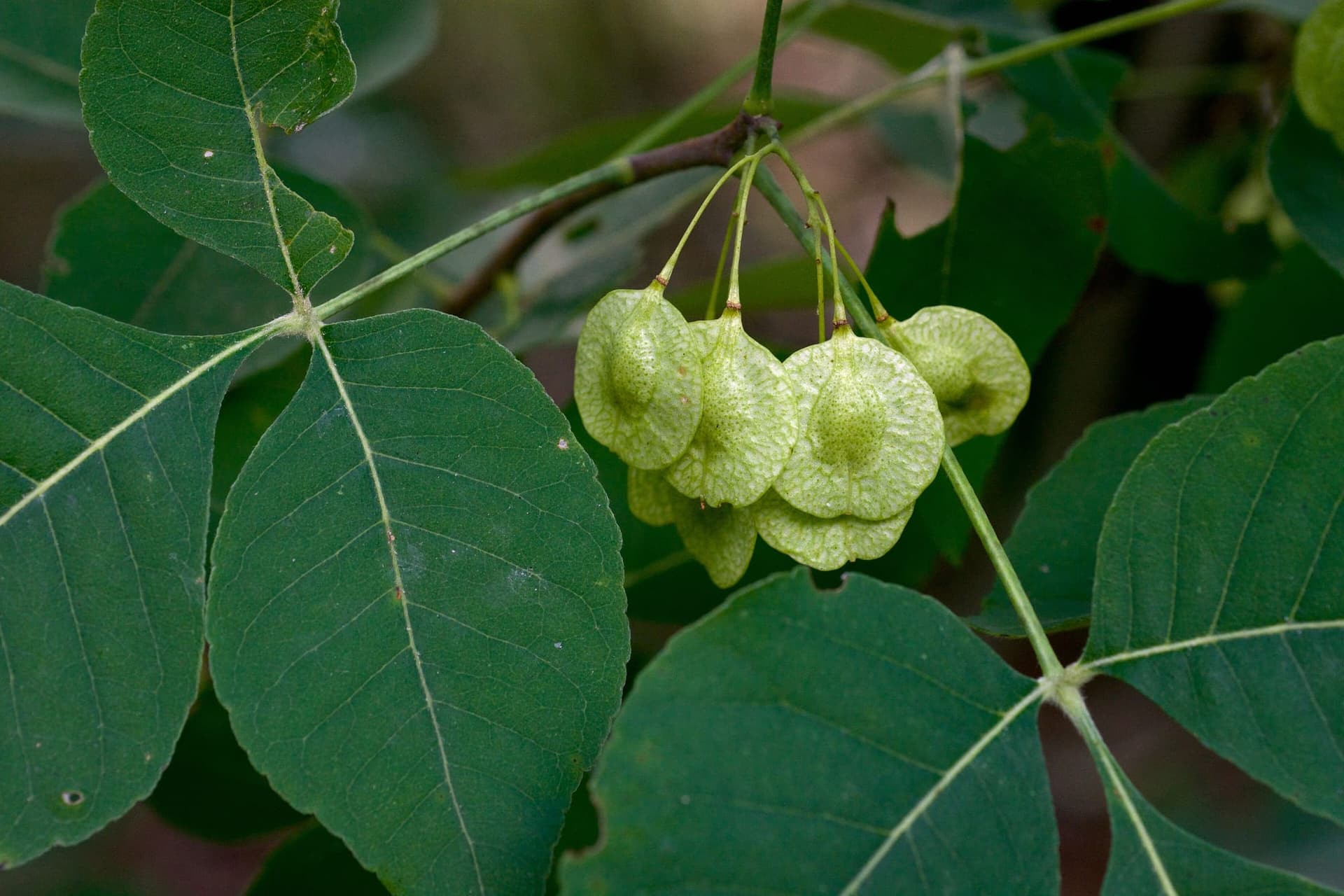
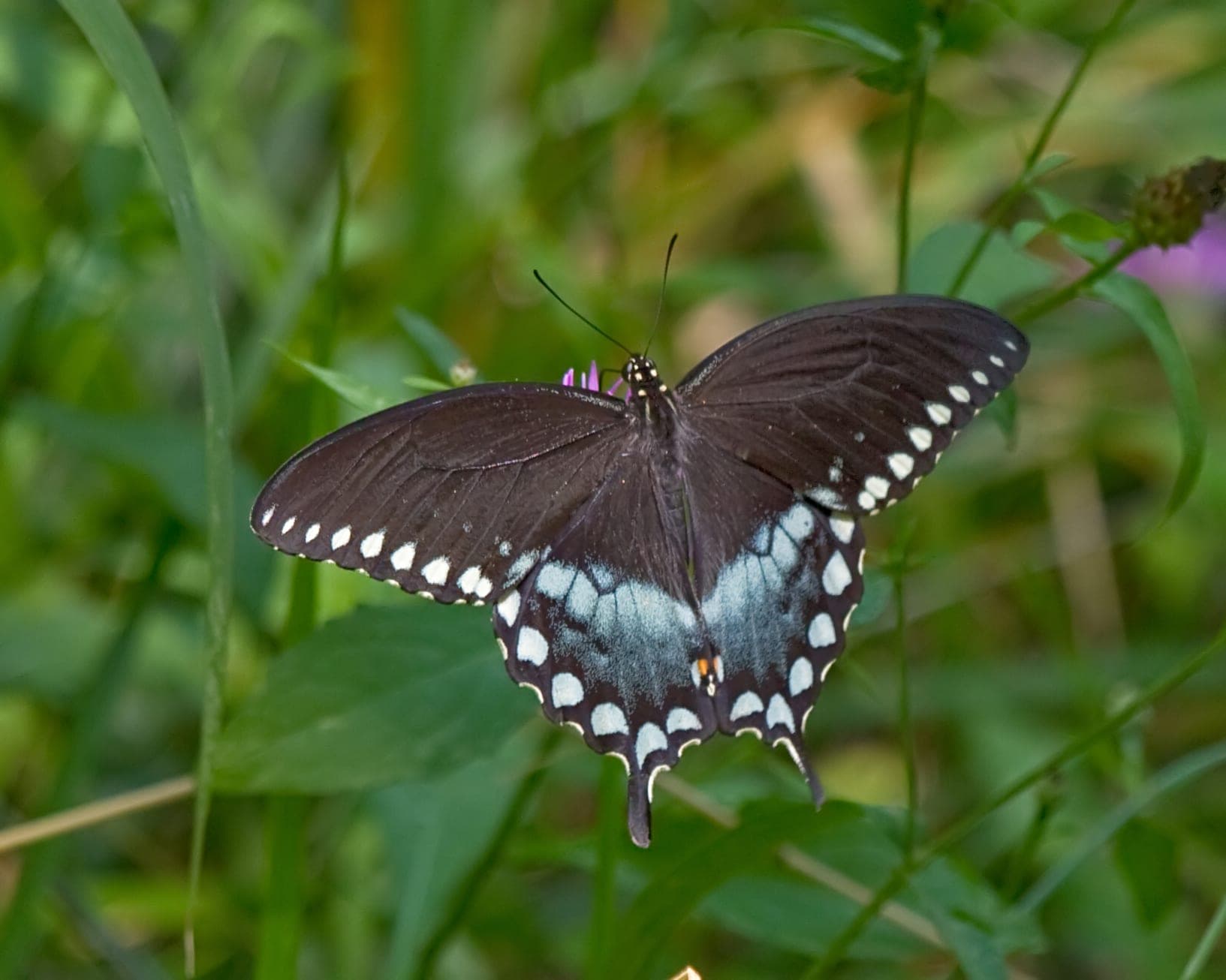
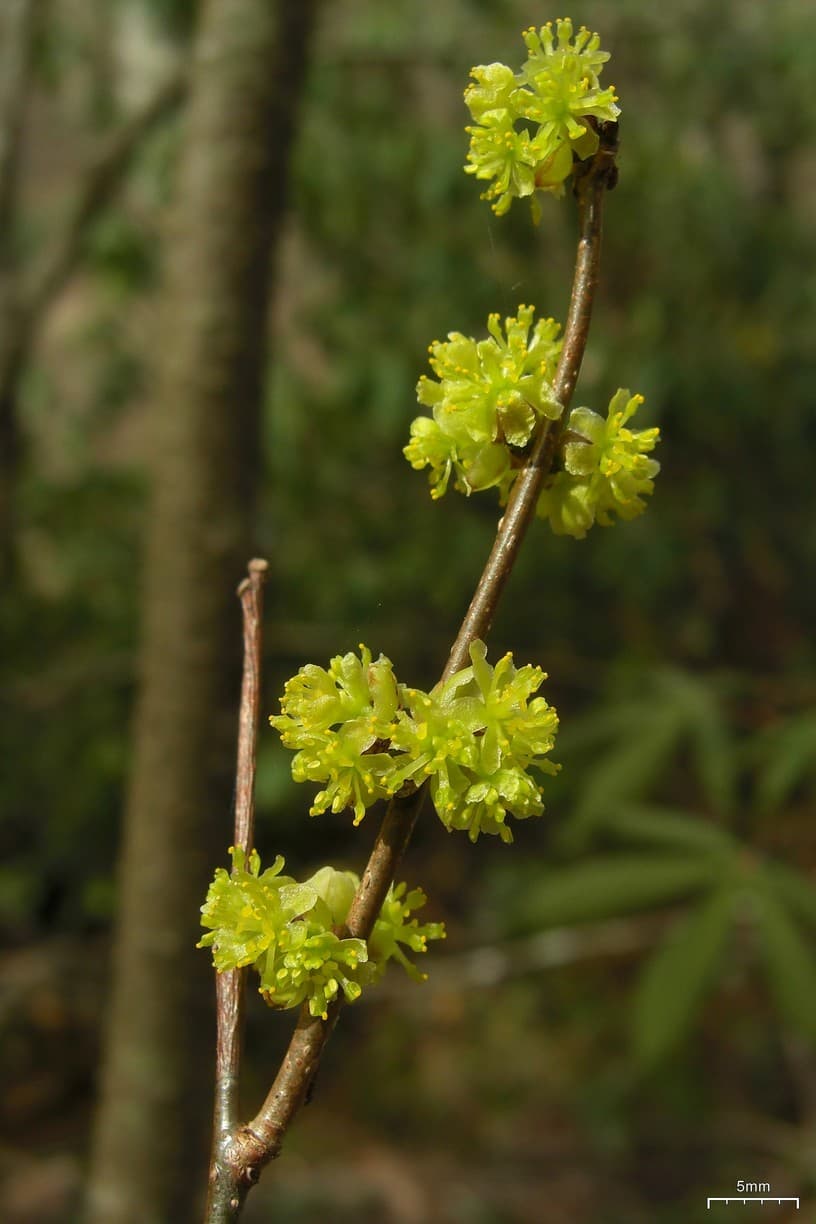
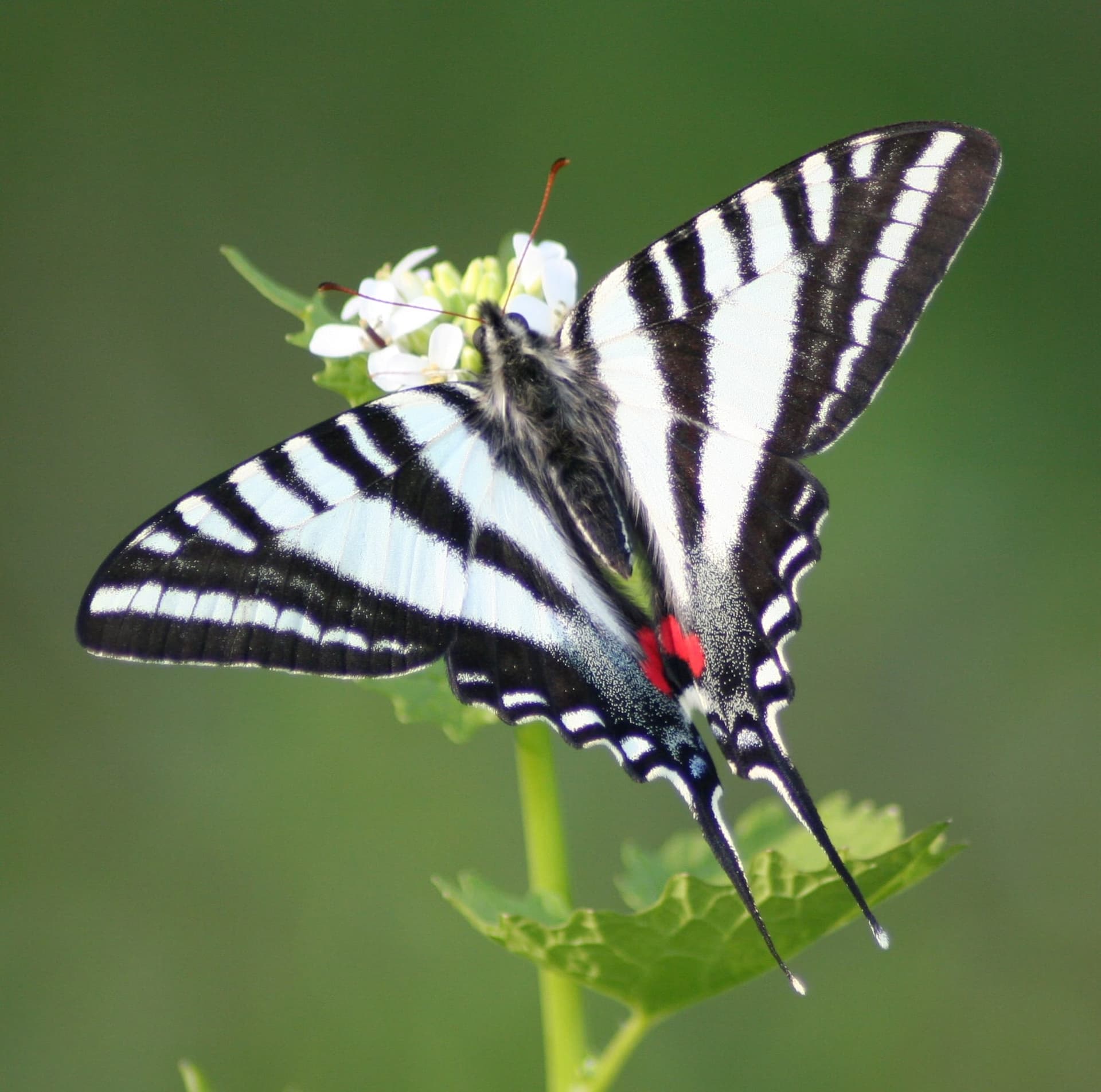
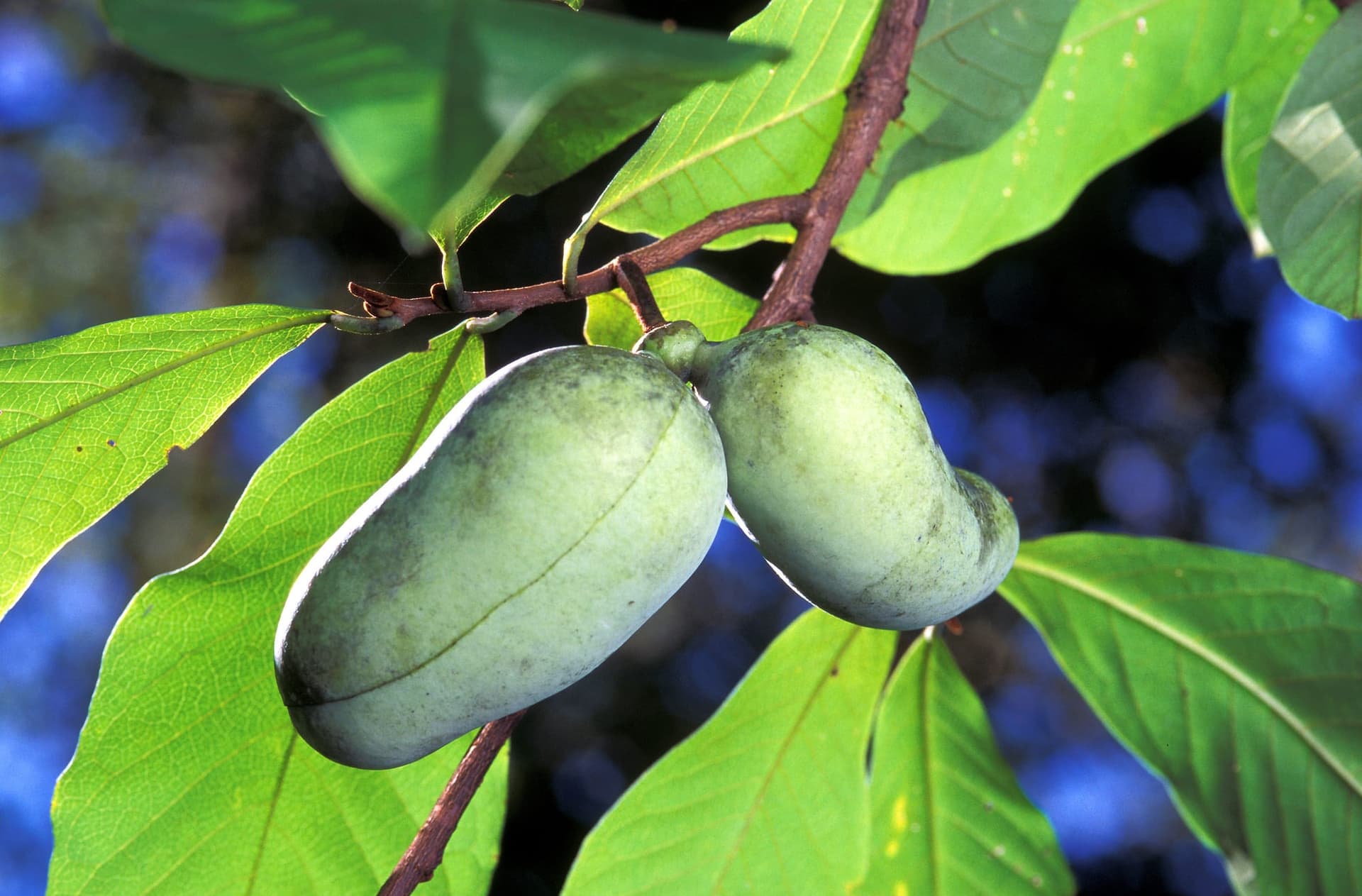
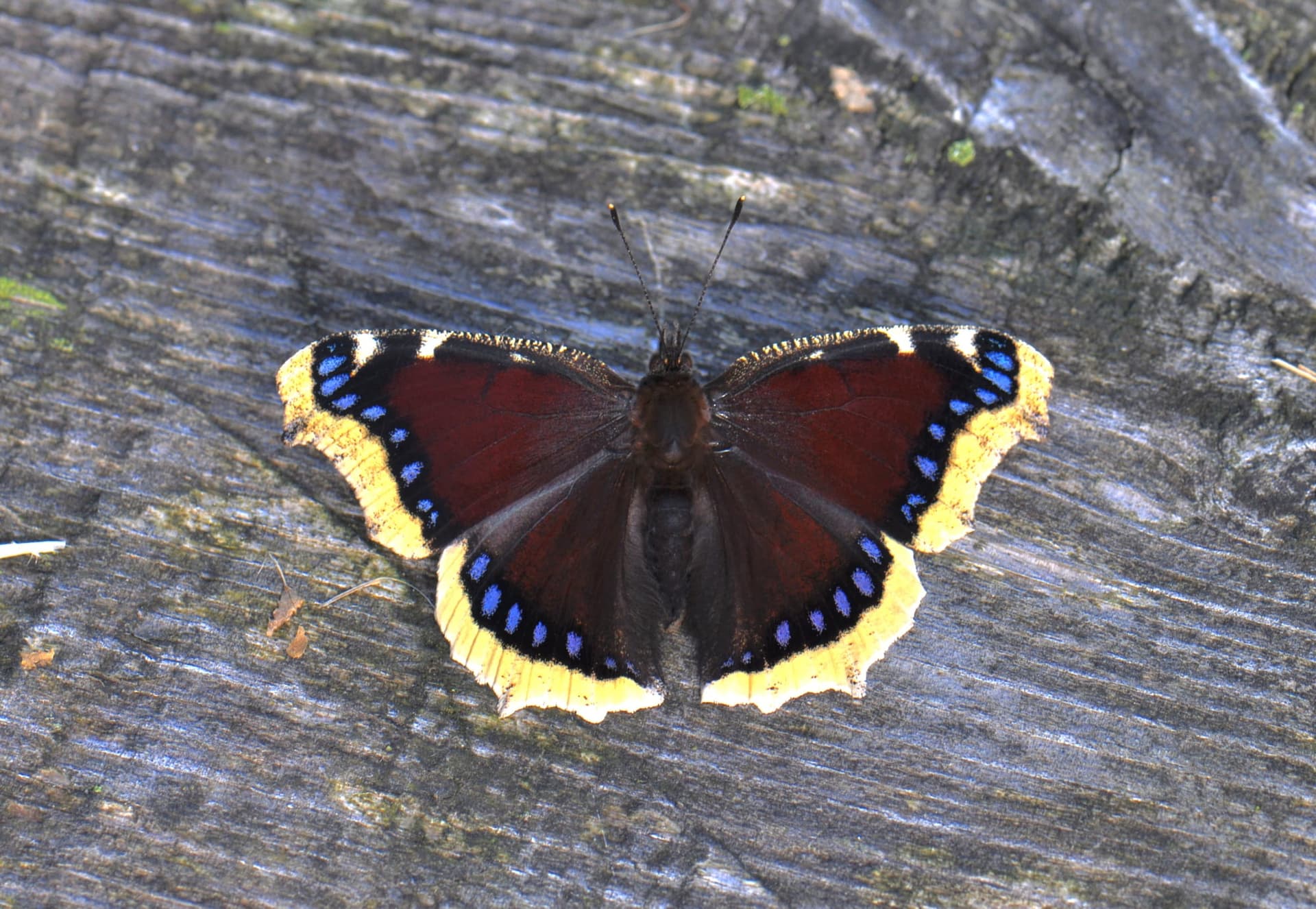
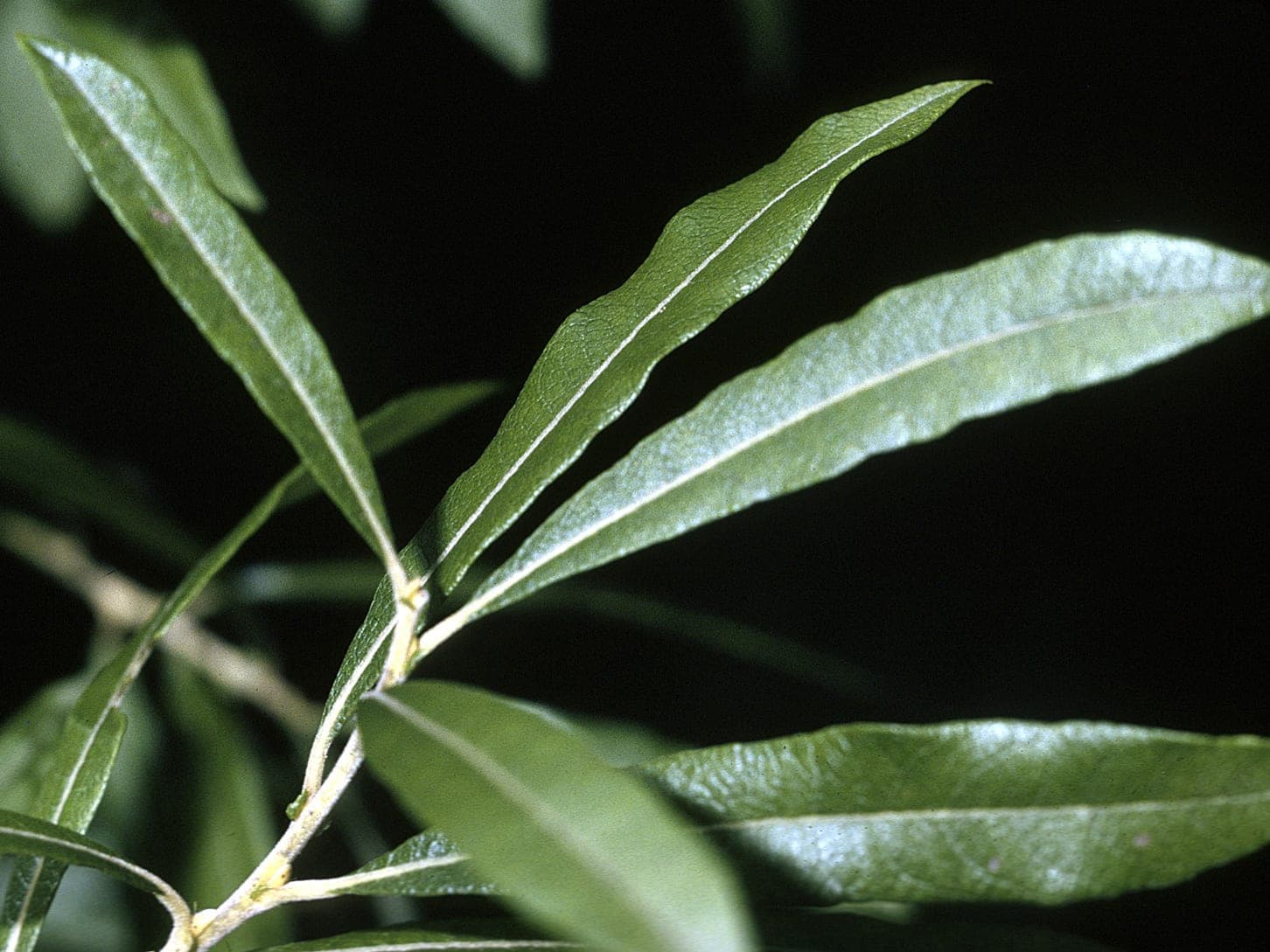
The canopy and shrub layer carries the most species, so plan it first. The eastern tiger swallowtail lays on tulip tree and black cherry. The spicebush swallowtail uses spicebush and sassafras, and the zebra swallowtail uses pawpaw only. The giant swallowtail uses hoptree, and its western counterpart, the western giant swallowtail, uses California hoptree. Willows serve two butterflies at once: the mourning cloak uses prairie willow or sandbar willow in the East and Geyer willow in the West, and the viceroy shares them and adds quaking aspen. At the smaller end, the spring azure uses flowering dogwood, viburnums such as arrowwood and blackhaw, and New Jersey tea.
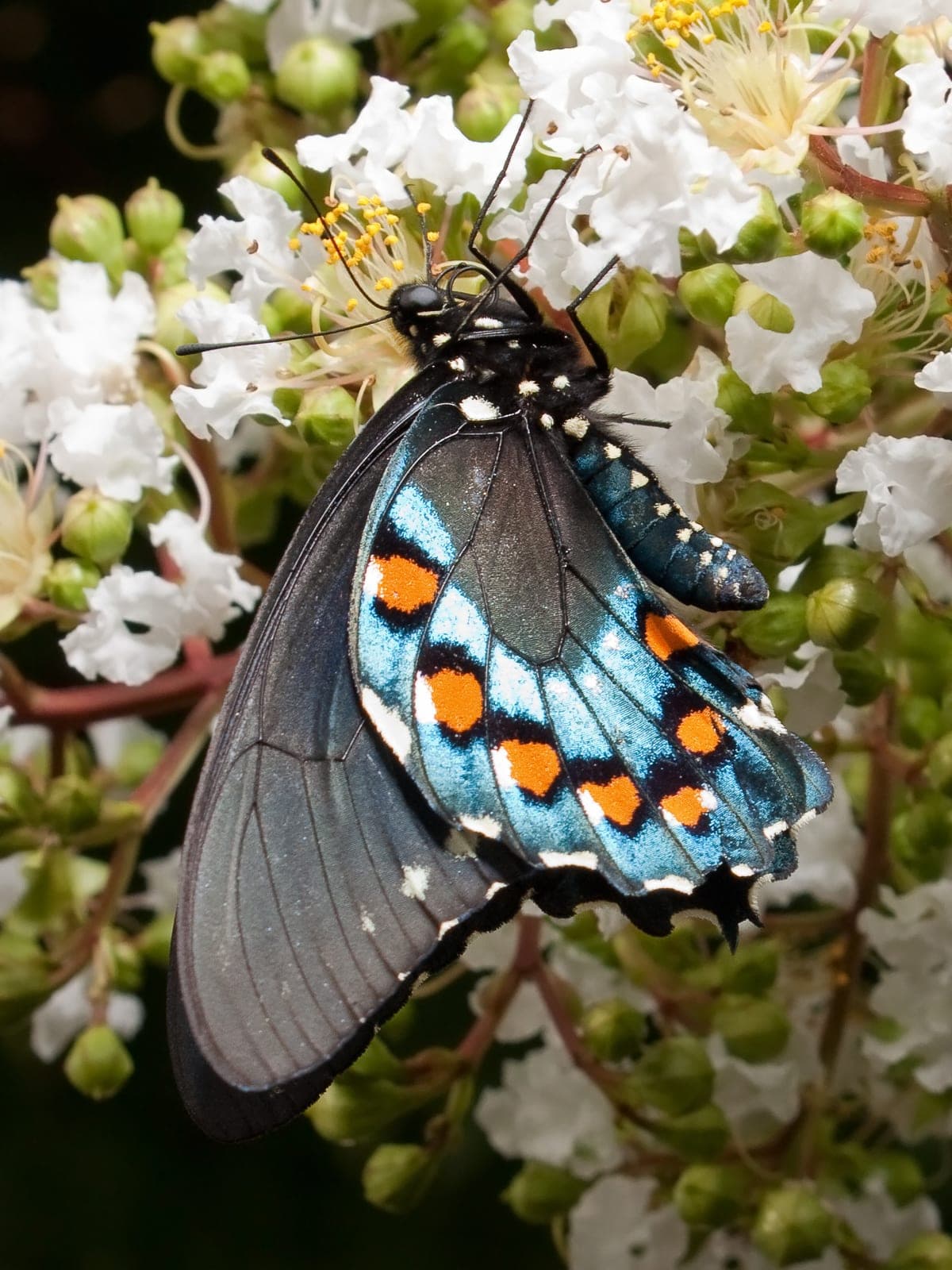
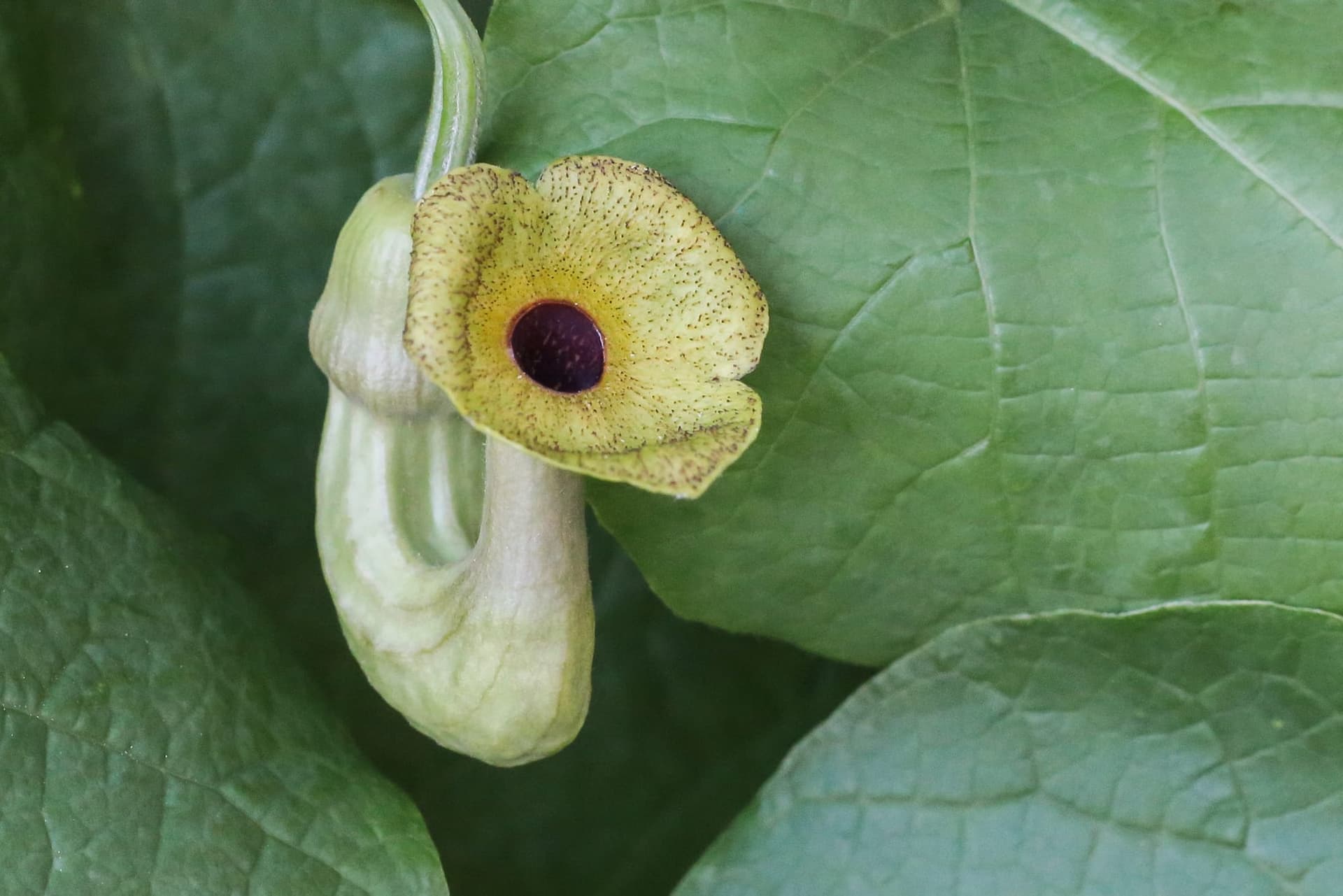
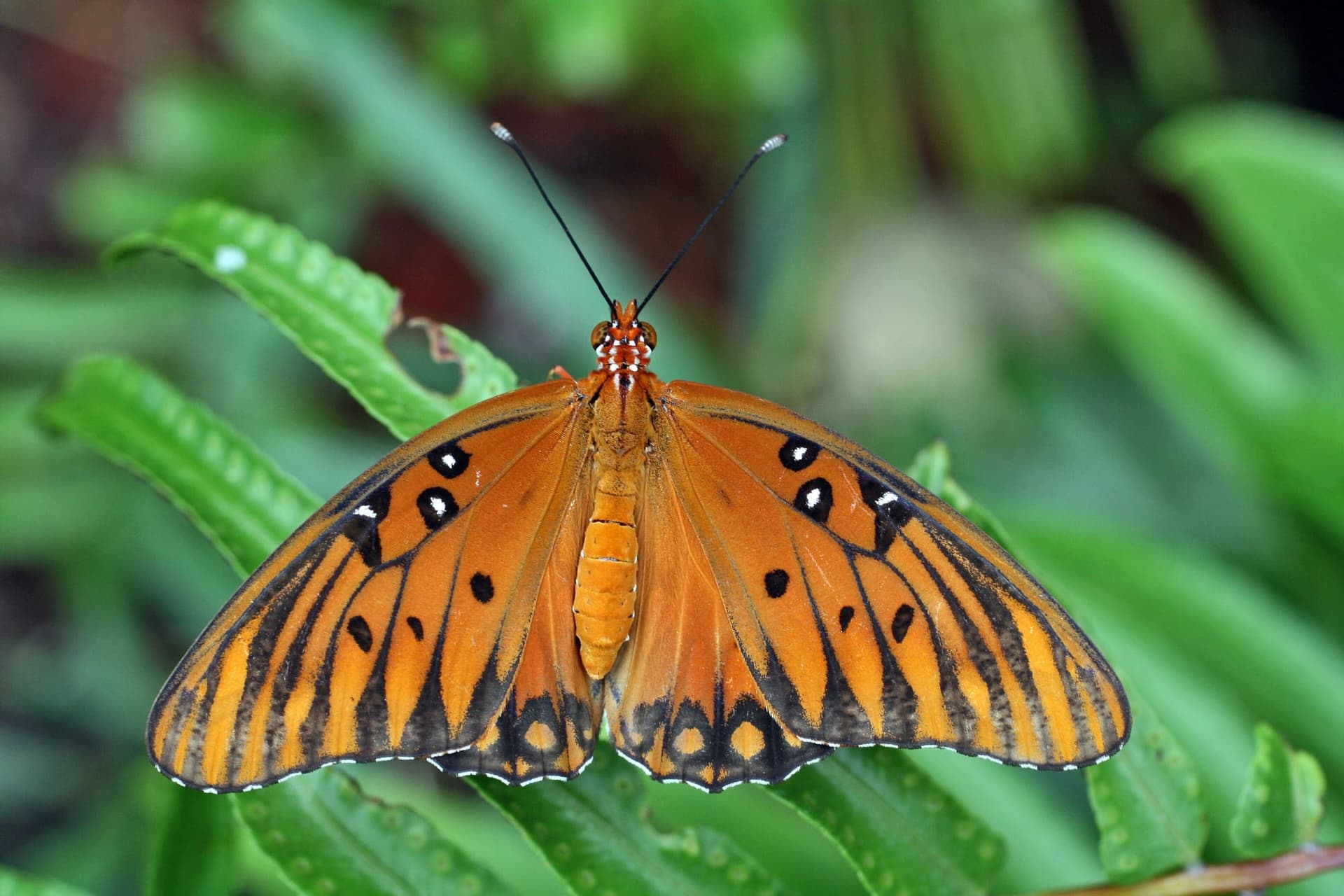
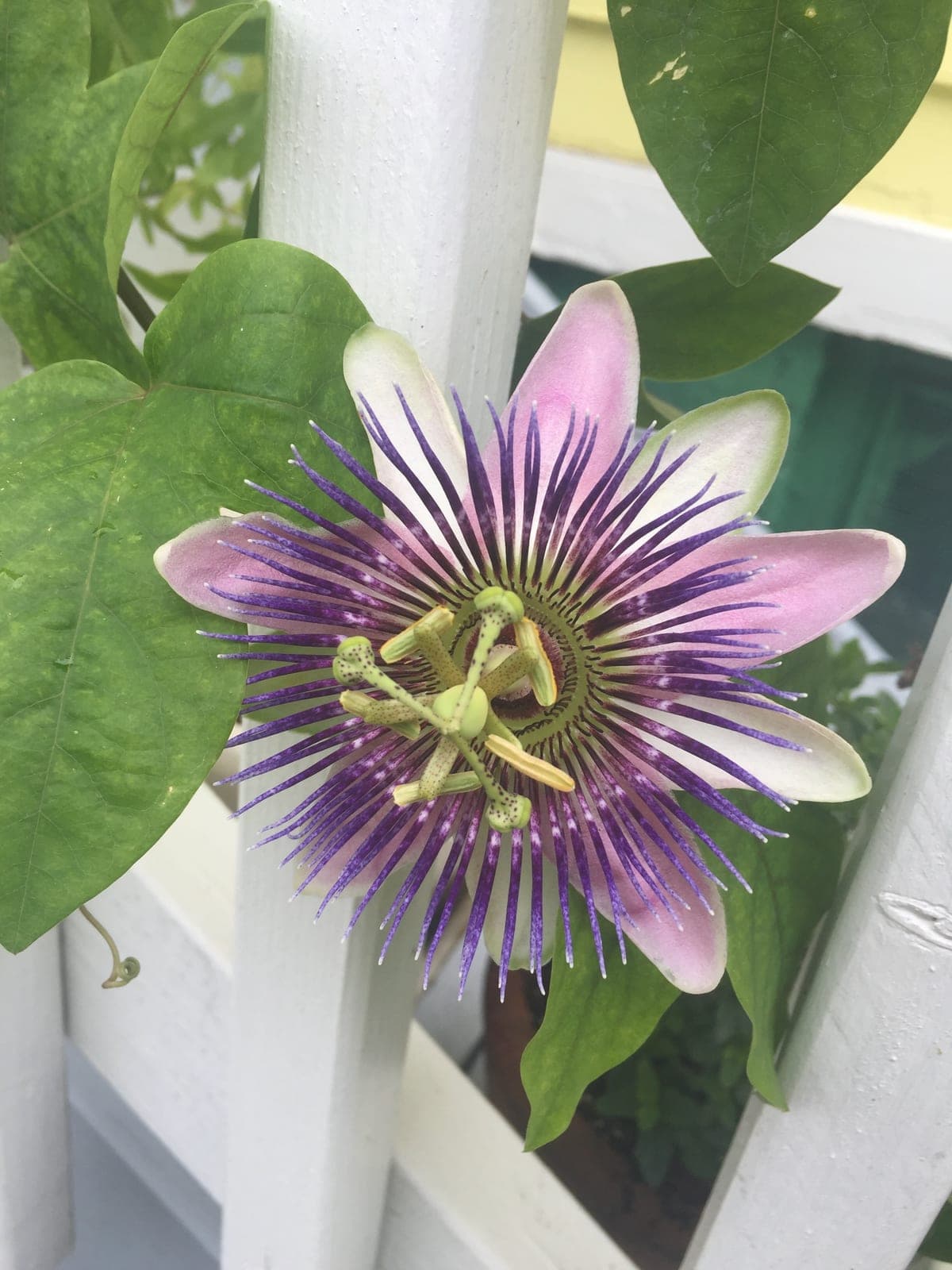
Fences and trellises can hold host vines. The gulf fritillary wants purple or yellow passionflower, and the pipevine swallowtail lays only on pipevines, including Dutchman's pipe.
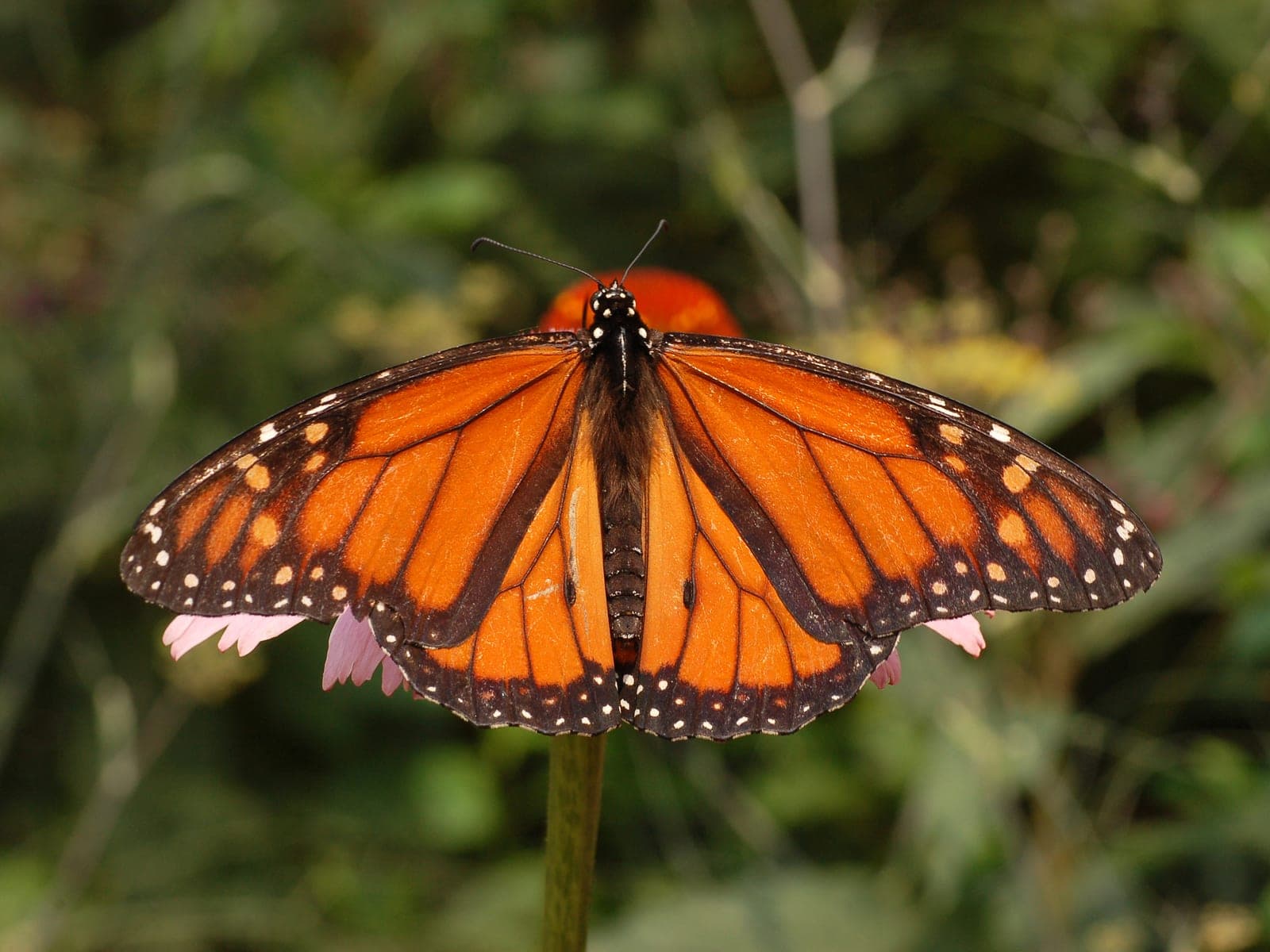
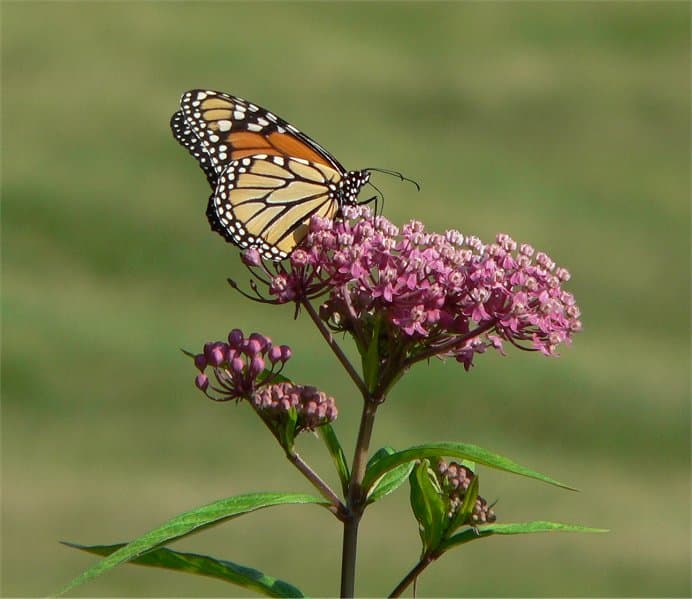
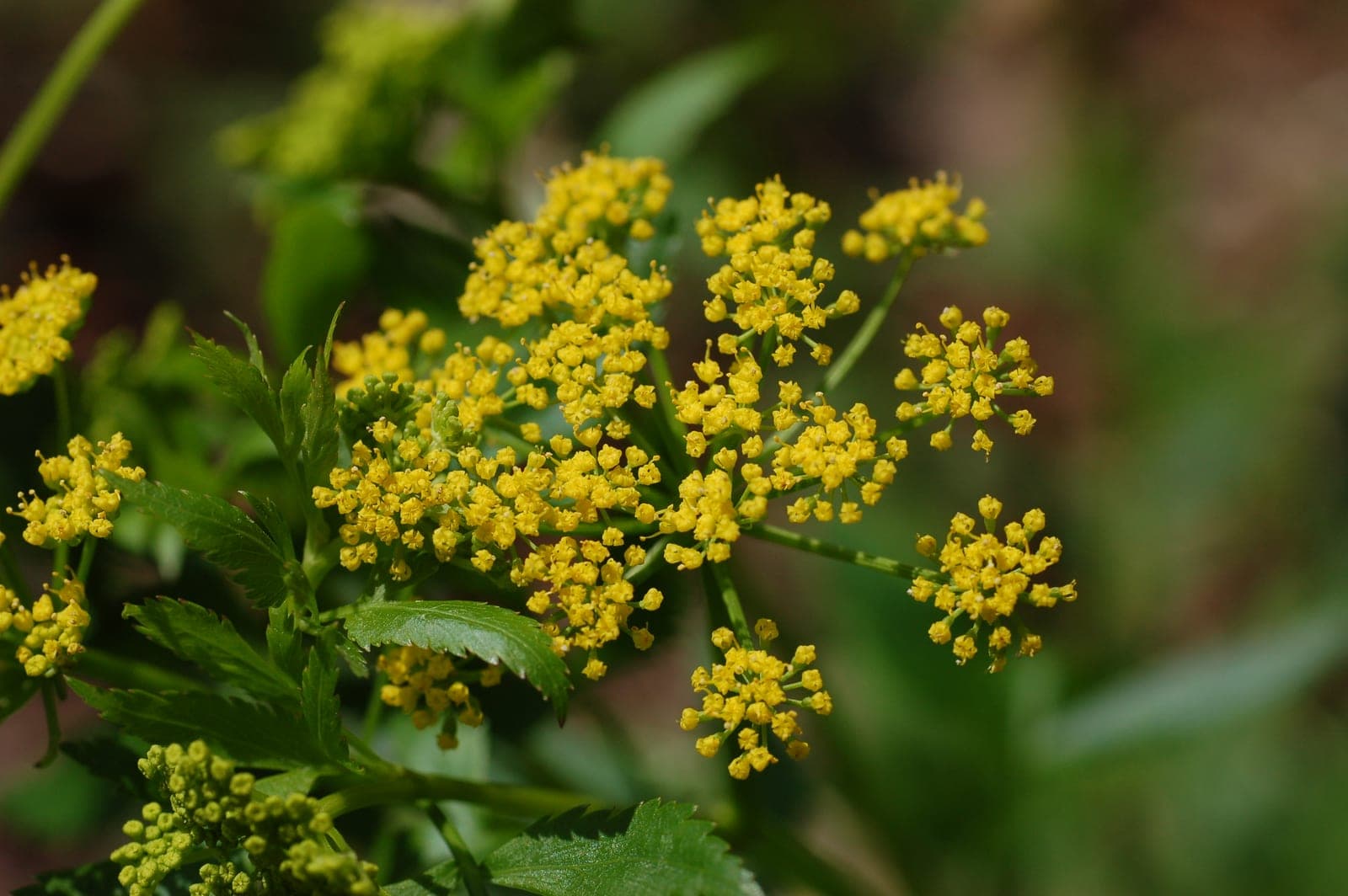
The sunny border and meadows hold the drifts. The monarch needs milkweed: swamp milkweed east of the Rockies, showy milkweed to the west. The black swallowtail lays on golden alexanders, the clouded sulphur on false indigos such as wild blue indigo, and the American lady on pussytoes and pearly everlasting. The pearl crescent uses asters such as New England aster, and the painted lady takes native field thistle and hollyhock. The Karner blue is the most particular of all. It lays only on wild lupine, so sundial lupine is the plant to grow if it lives near you.
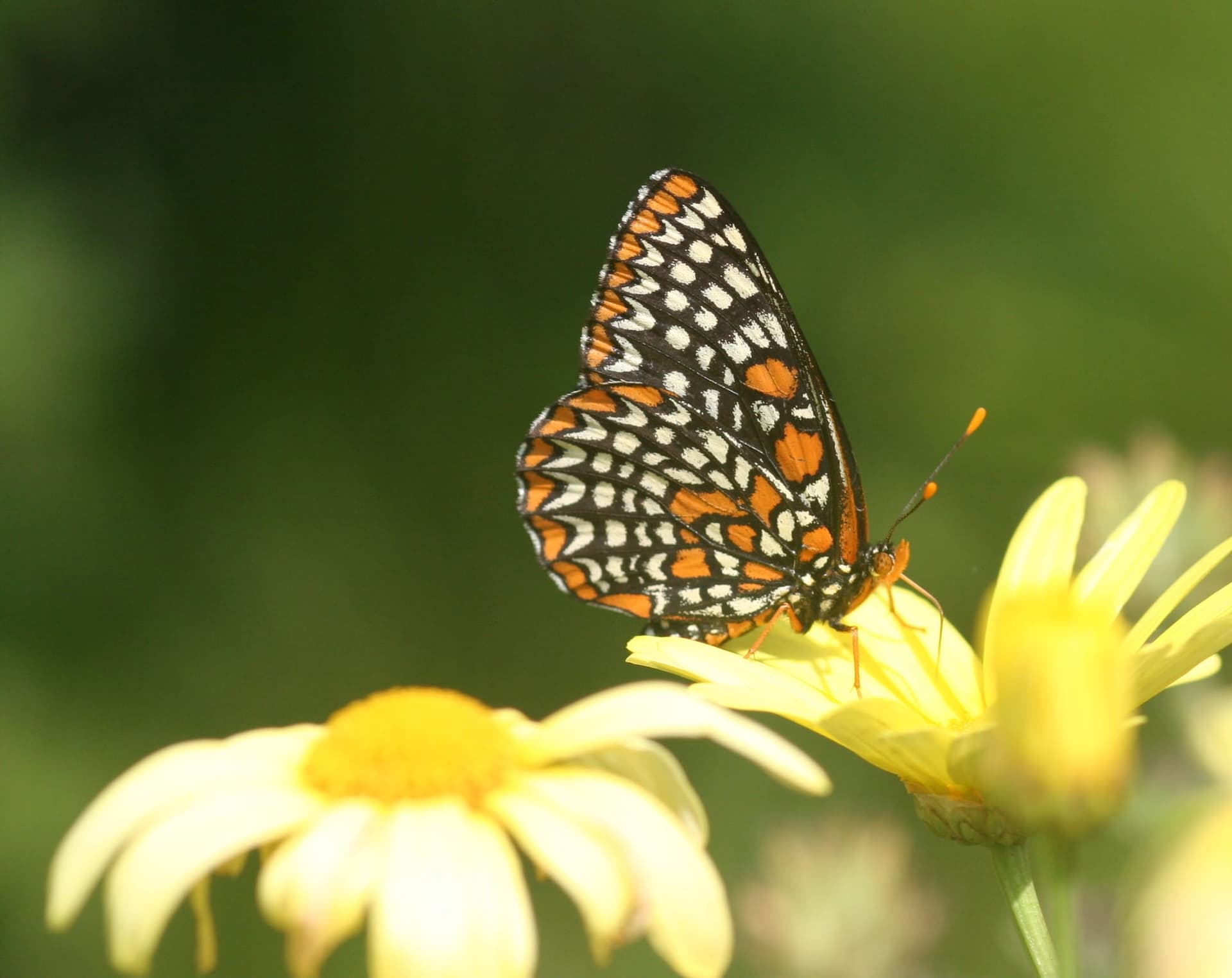
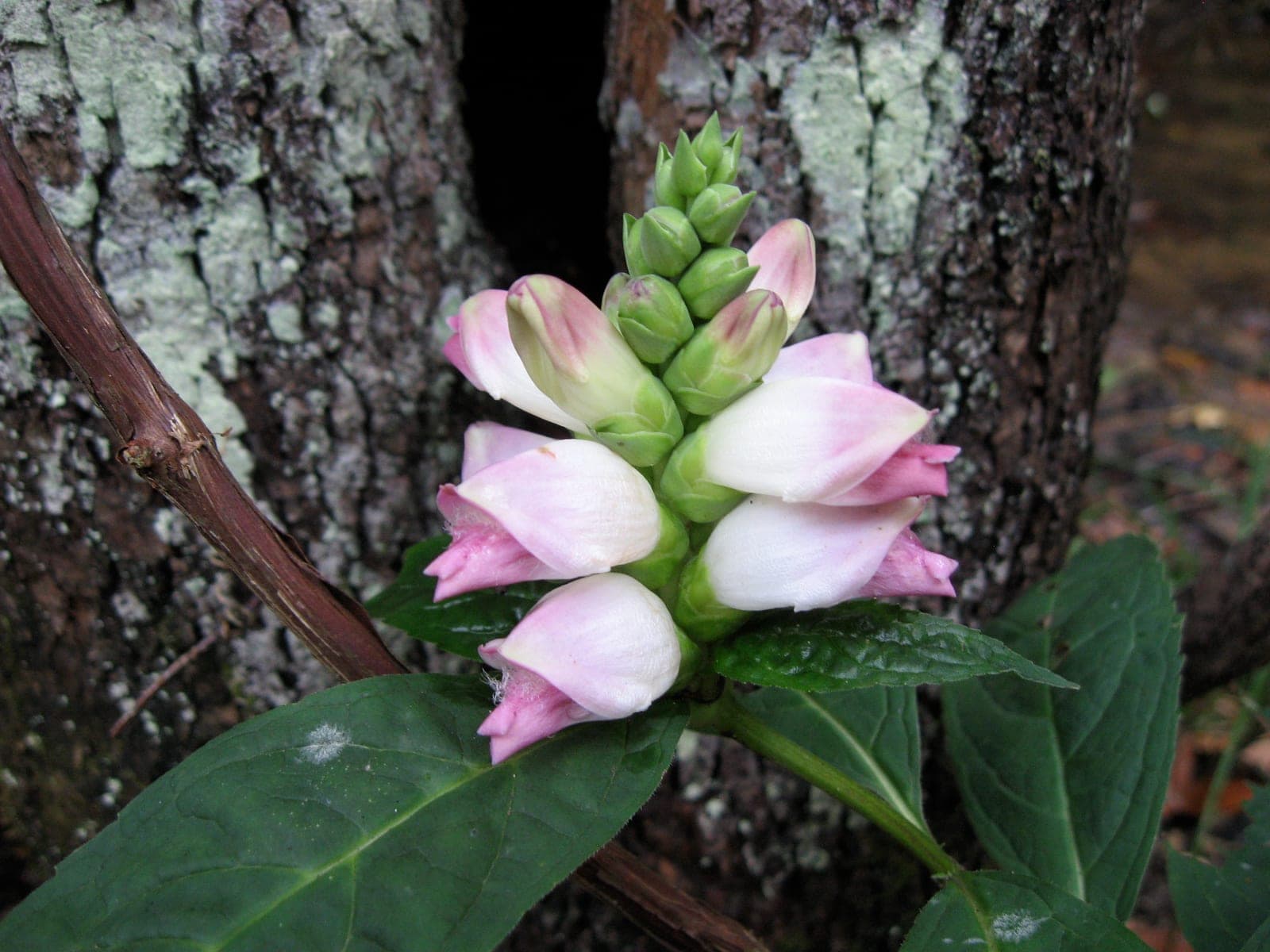
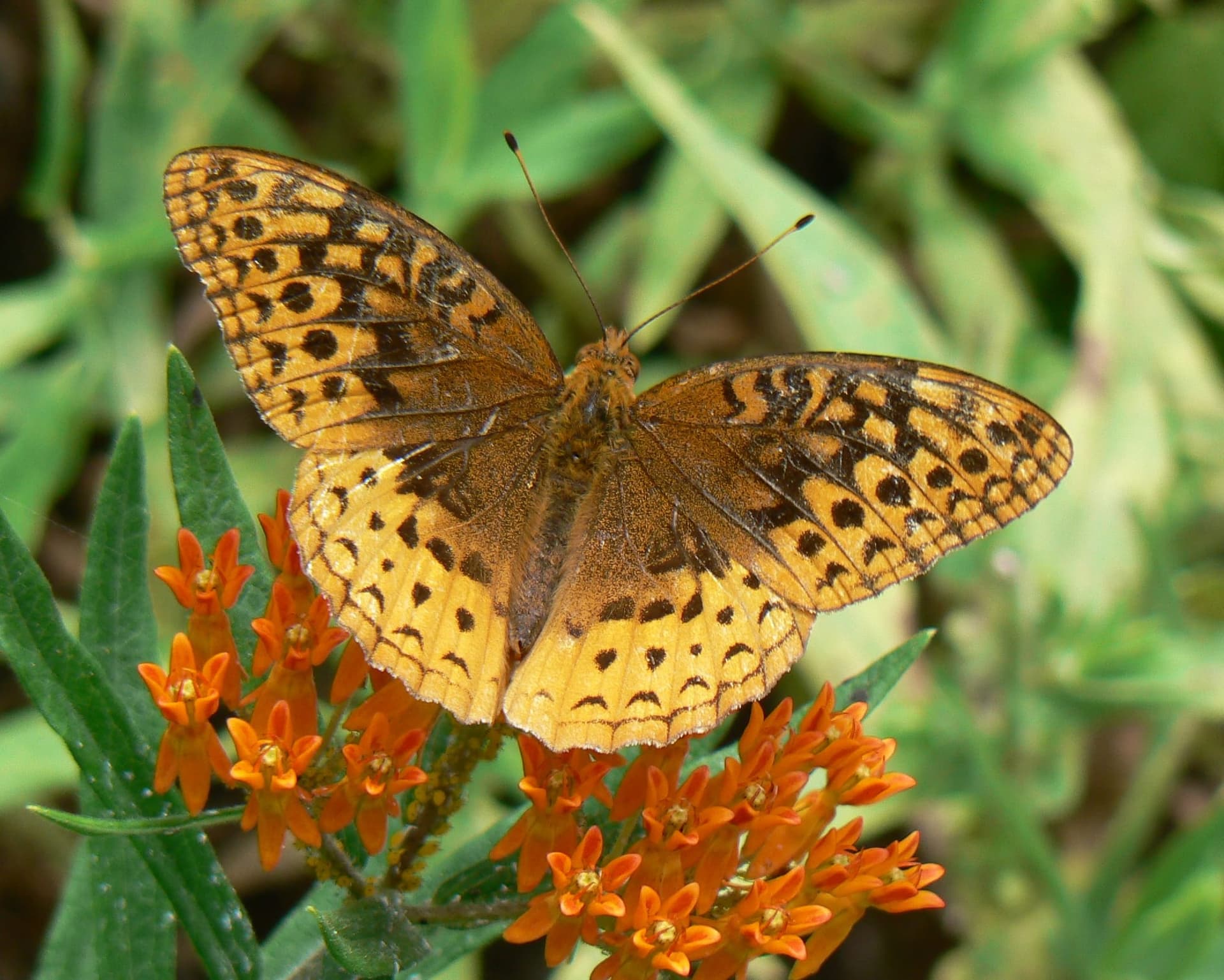
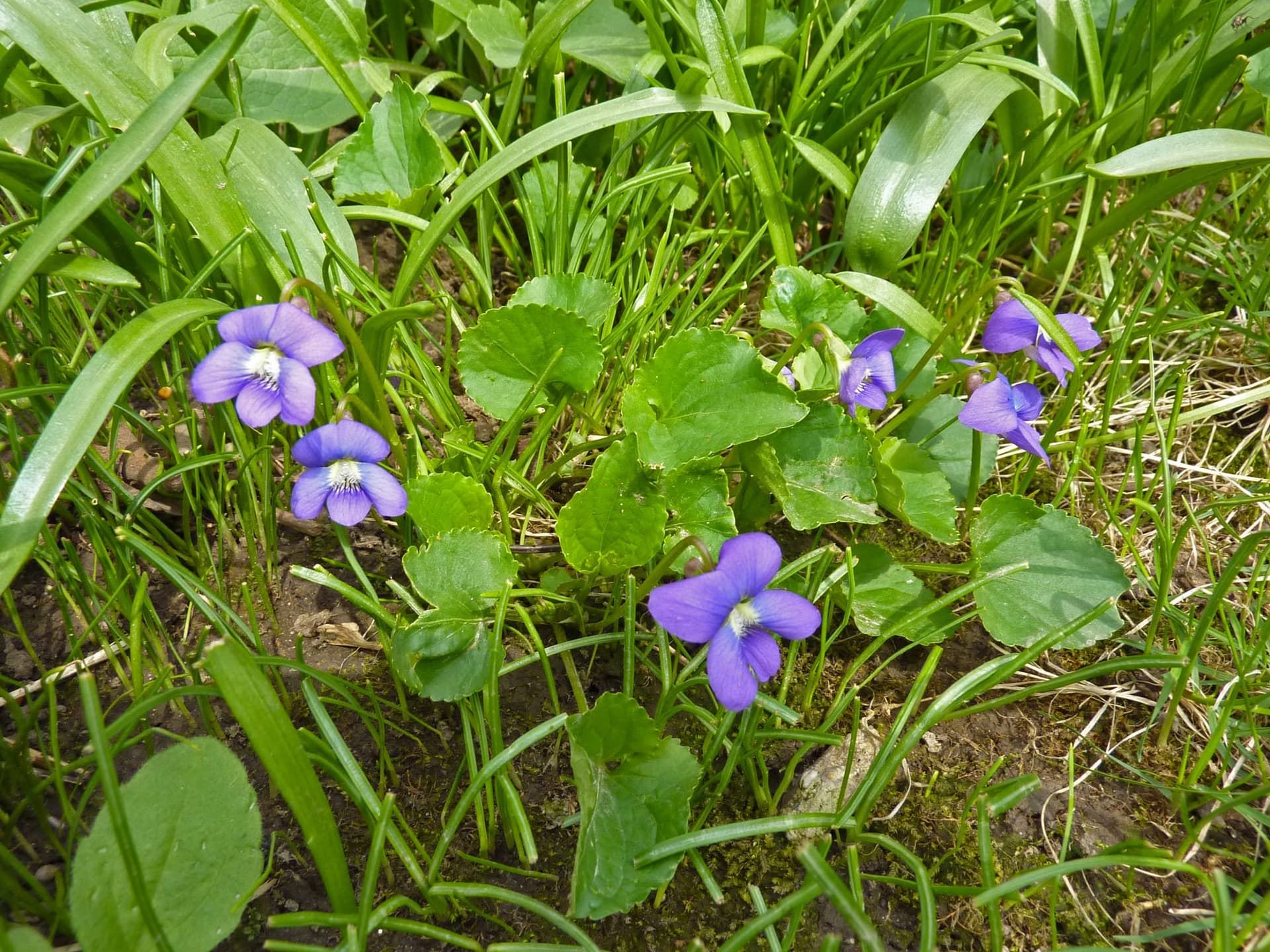
Give the edges and low spots their own jobs. The great spangled fritillary depends on violets, which suit path and lawn edges: common blue violet in the East, dog violet in the West. The Baltimore checkerspot needs turtlehead in a wet spot. The common wood nymph feeds on grass, specifically big bluestem, or bushy bluestem in the Southwest. And the red admiral lays on stinging nettle, or heartleaf nettle in the Southeast, which earns a corner away from the paths.
Fall is a good time to put most of these in. Perennials and shrubs planted now root through autumn and are ready to host caterpillars next spring.