What to cut in September, and what to leave alone
The instinct to tidy every border in September is mostly wrong — some of what looks finished is still feeding the plant, and some of it is feeding something else entirely.
September brings out the same reflex every year: the flowers are winding down, so cut it all back and call the bed tidy for winter. Resist most of that reflex. A stem that still has green in it is still moving sugar down to the crown, and cutting it now trades a little tidiness for a weaker plant next spring. The better rule is to read the plant rather than the calendar — colour and texture tell you more than the date.
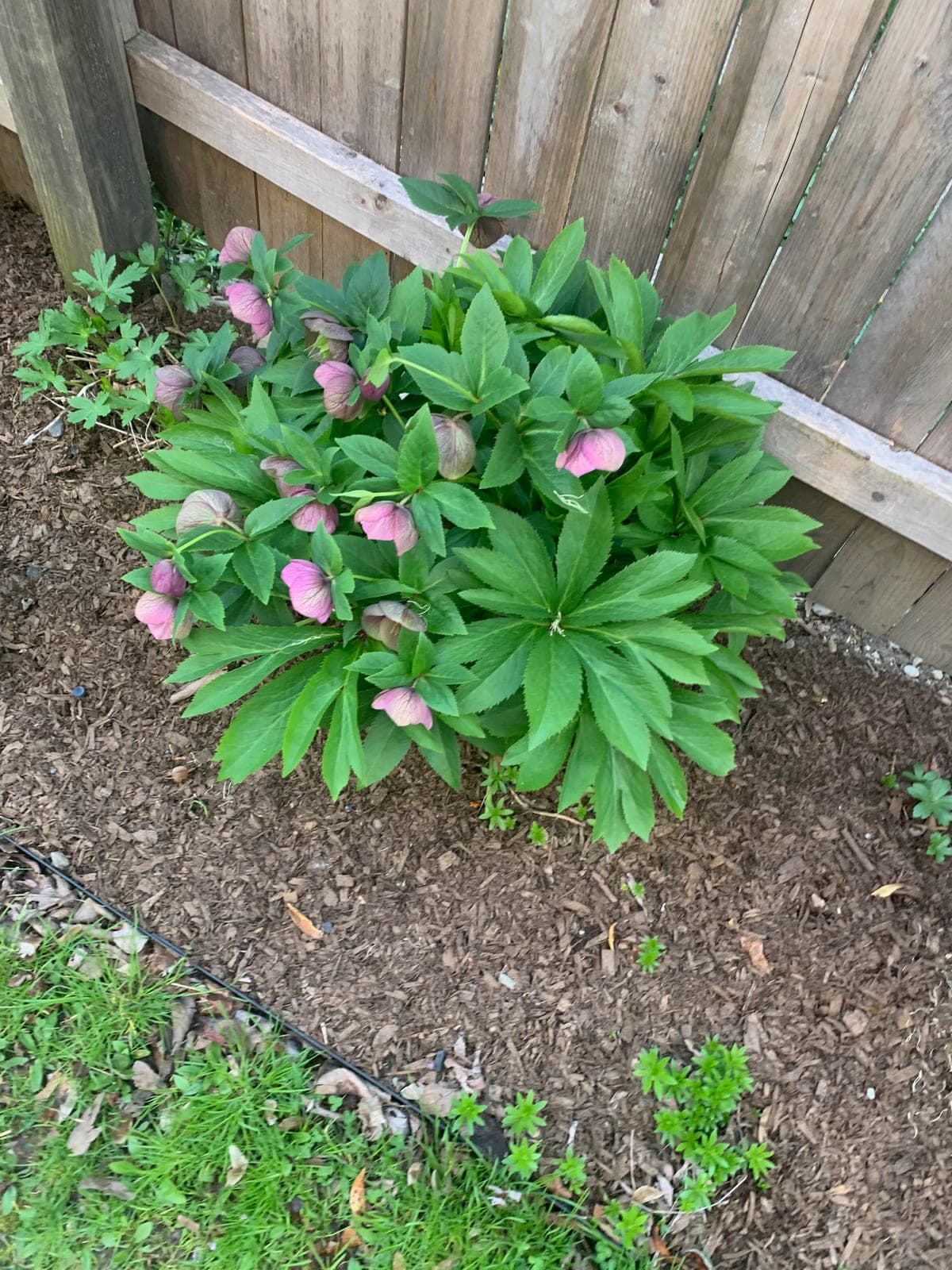
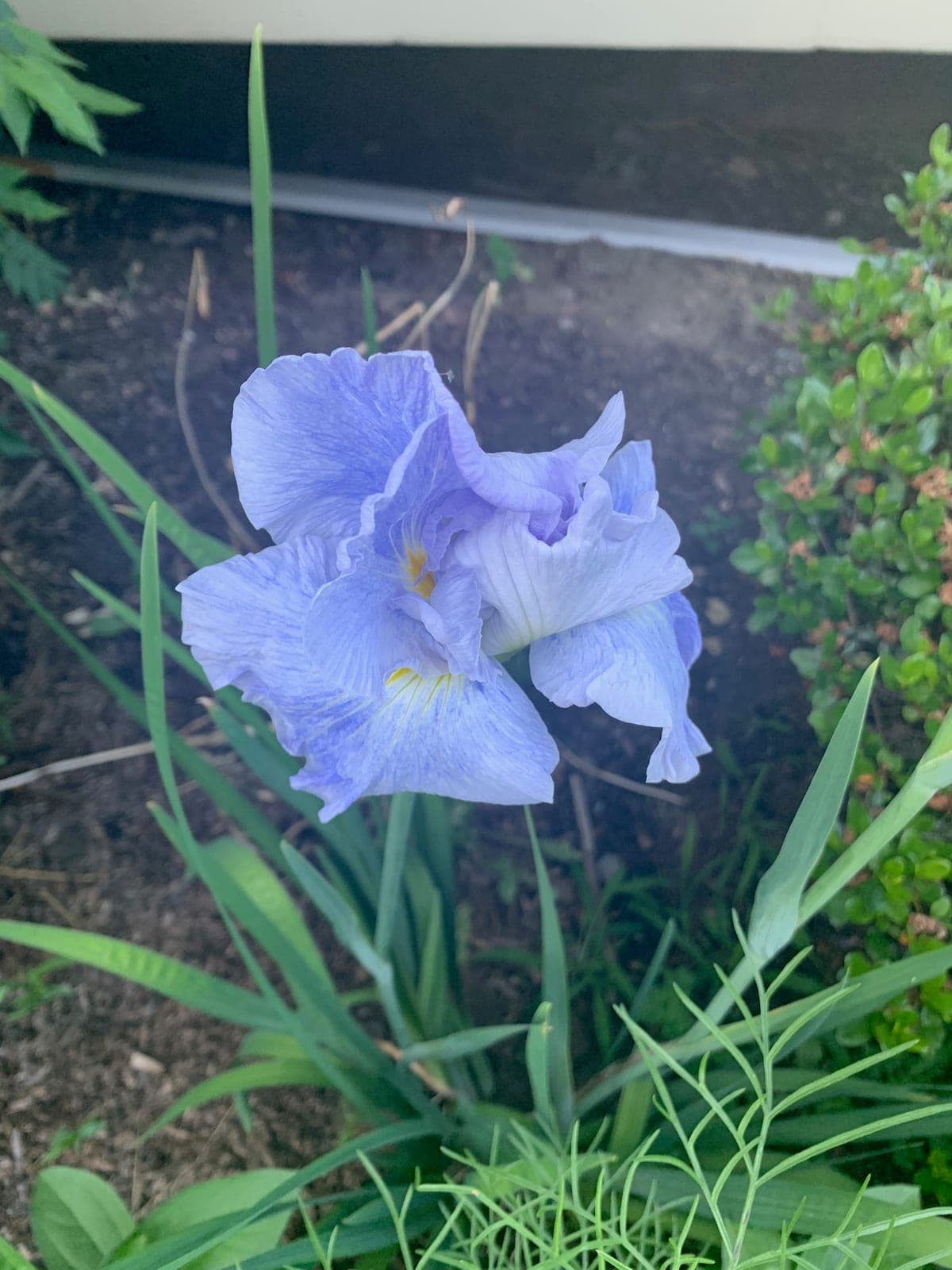
The plants worth cutting now are the ones where the foliage has already done its job and started to fail: it has yellowed, gone patchy, or been taken down by frost. Peony and hellebore foliage that has picked up leaf spot should come off and go in the bin rather than the compost — the fungus overwinters on the old leaf and reinfects the new growth next year, so removing it now is sanitation, not grooming. Bearded iris is the plant to be most patient with: cut the spent bloom stalks, but leave the leaf fans standing and green well into fall, and never cut a fan that still has colour in it. A daylily clump is the same story — the scapes come off once the last bud has faded, but the foliage waits for a hard frost to blacken it before it gets cut to the ground, both to keep feeding the roots and because cutting green foliage now can push soft new growth that will not harden off in time.
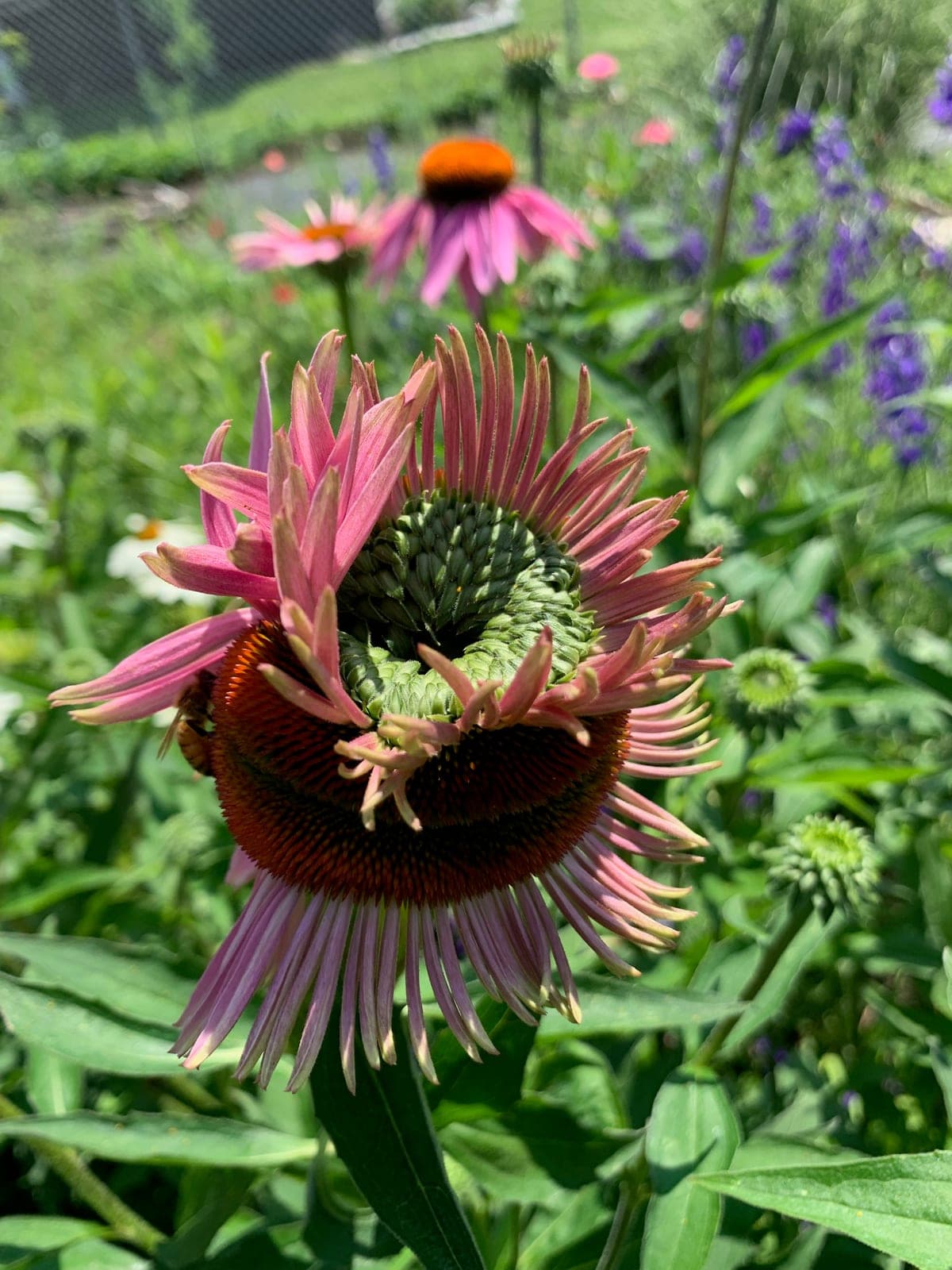
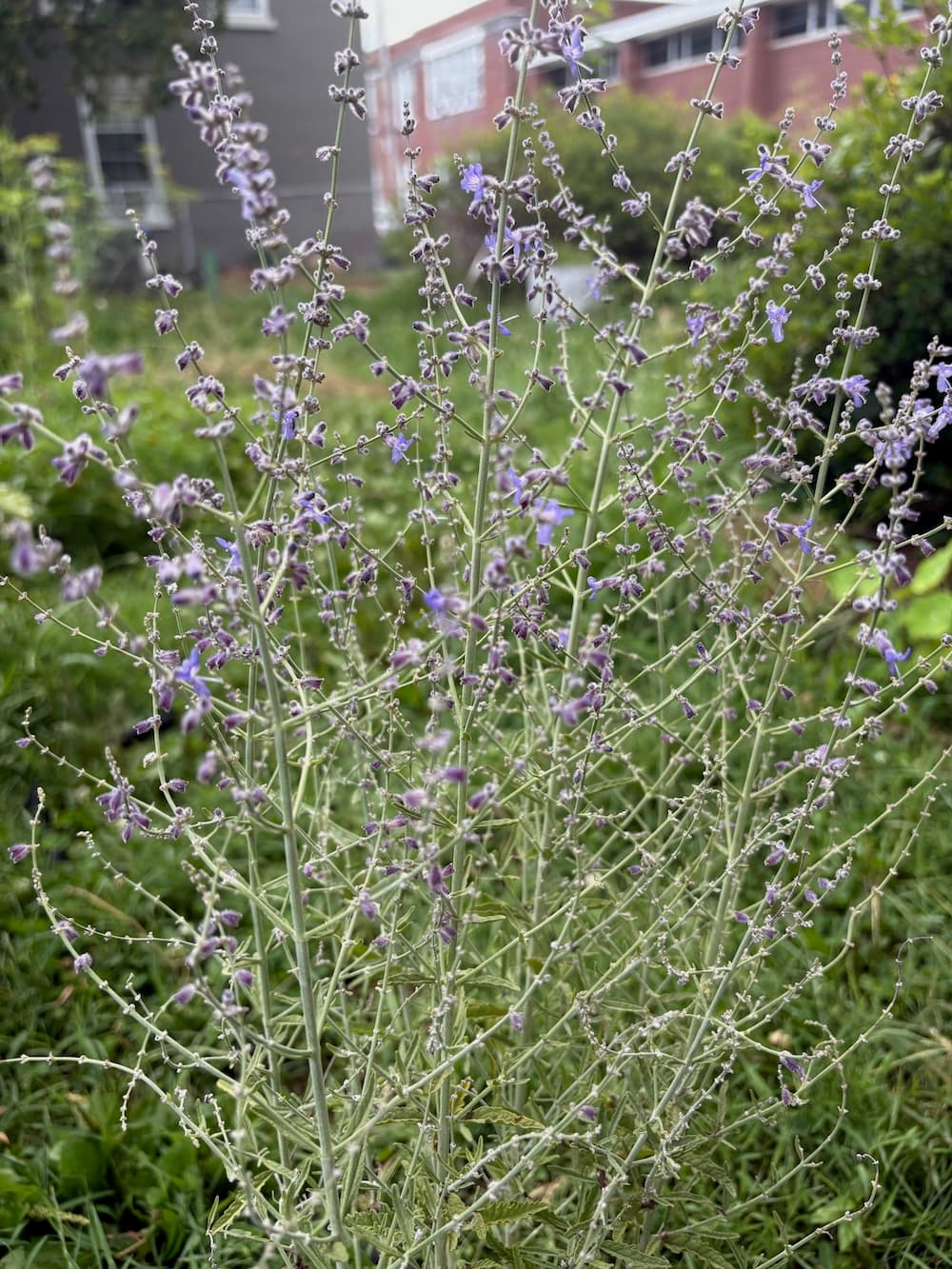
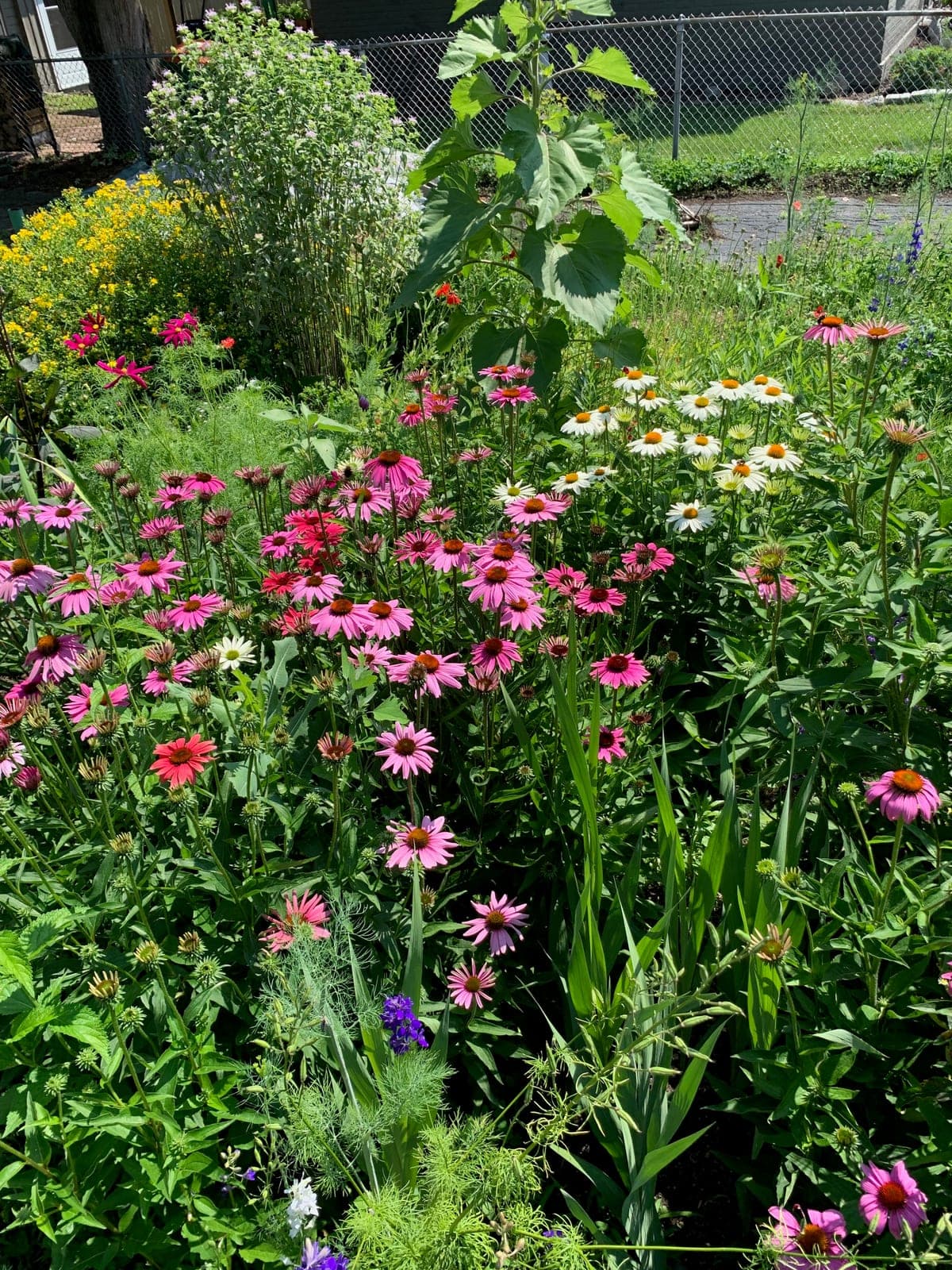
Then there is the camp that should not be cut at all, not yet. Purple coneflower and black-eyed Susan hold their seed cones through winter, and goldfinches will work a stand of them from now until the snow covers the seed — cutting the heads off in September is taking the feeder down before the season starts. Stonecrop's flower heads do something similar for looks rather than food: they dry in place to a rust-brown that holds its shape through frost and snow, which is a better winter picture than bare soil. And a good share of what looks like dead stem by November is actually hollow or pith-filled — bee balm, Russian sage, and the taller garden phlox among them — and those stems are exactly what small cavity-nesting bees overwinter in. Leave them standing through the cold and cut them back in late winter instead, once the risk to next year's bees has passed and the new growth is already pushing up from the base to hide the stubble.
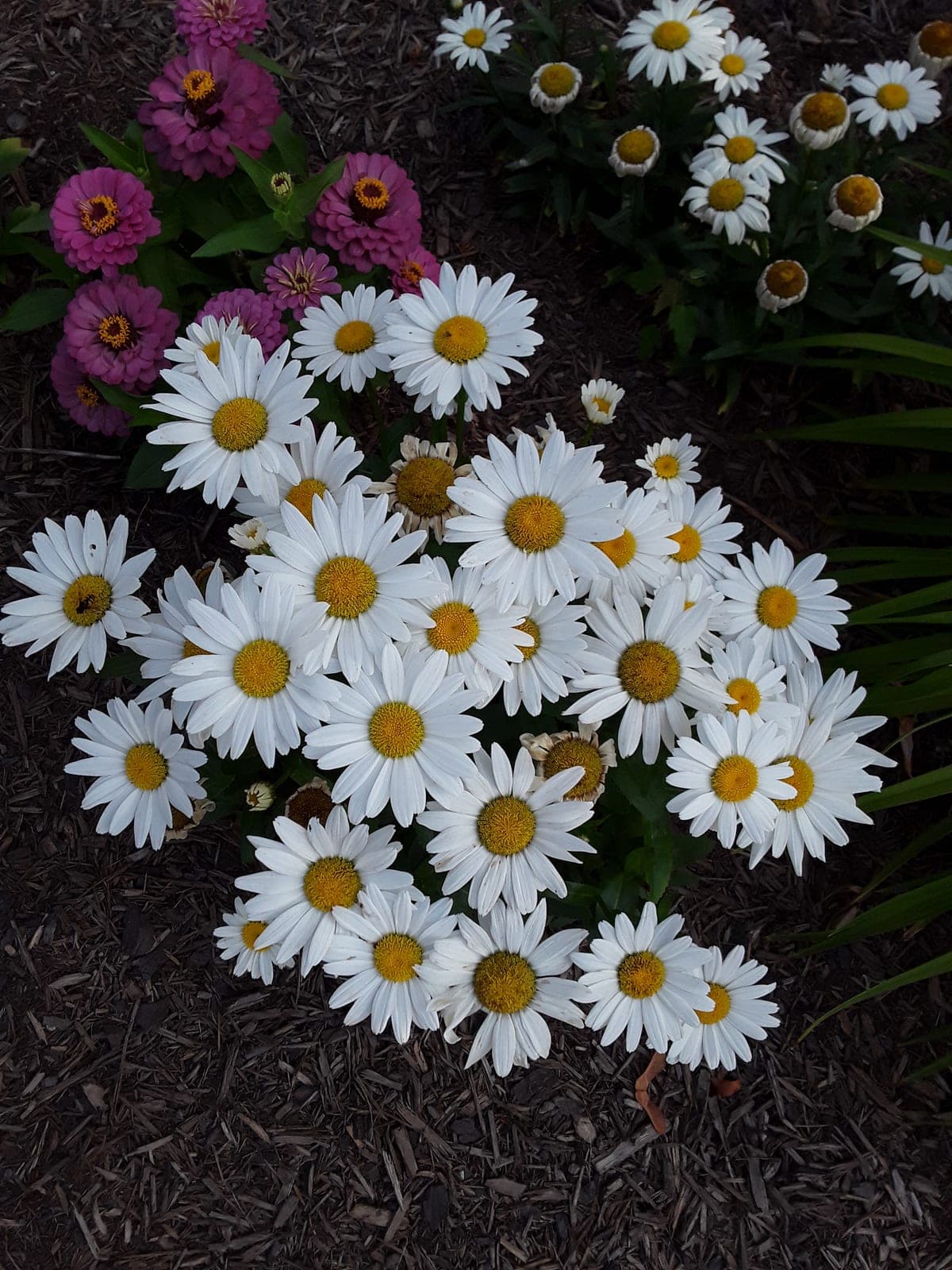
The middle ground is the biggest group, and it is where a light hand matters more than a hard one. Hardy geranium and catmint can be sheared back by a third now if they have gone floppy, which tidies the mound without touching the crown. Shasta daisy takes a cut to the basal foliage once flowering is really finished, which sometimes buys a second light flush before frost. None of it needs doing on a fixed date. Zone 4 gets there faster than zone 7, and a plant that still looks like it is working is still working — let it finish the job.