
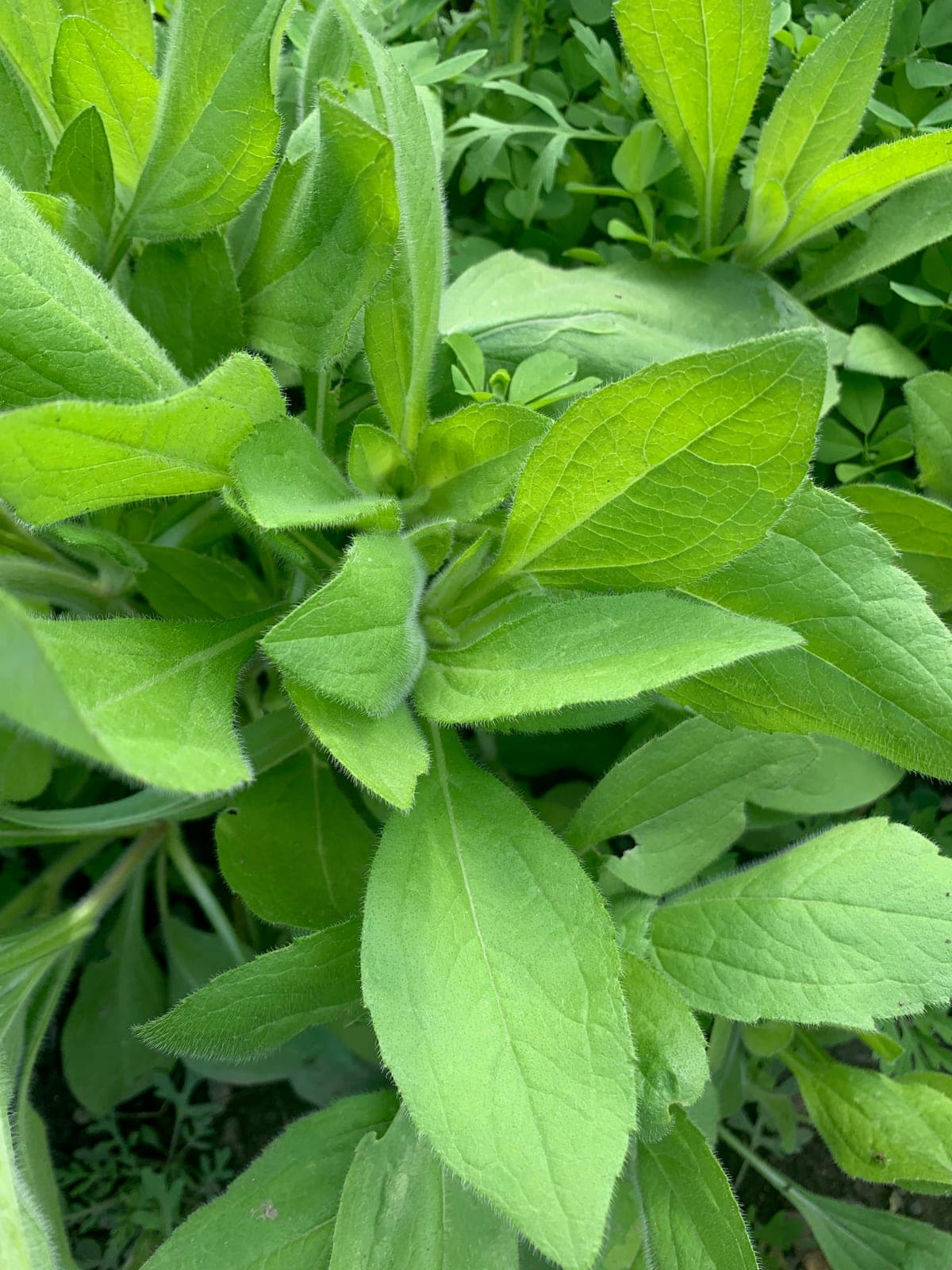
Black-eyed Susan is the quintessential North American wildflower, native to nearly every state: golden-orange rays around a dark brown cone on stems 2 to 3 feet tall, flowering from midsummer into autumn. It is a biennial or short-lived perennial that self-seeds freely and naturalises into colonies, and it combines with almost anything in the late-summer garden. 'Indian Summer' and 'Cherokee Sunset' are the big-flowered strains; 'Campfire' is the bicolour.
It is exceptionally easy: full sun, average to poor soil that drains (it tolerates clay), 12 to 18 inches apart, and little water once established. Sow in spring after frost or in fall, or start indoors six weeks before last frost for first-year bloom. Deadhead through summer for more flowers, then leave the last heads standing for the goldfinches and for winter. Let some seed fall for next year's plants.
Cut for the vase when the rays are fully open and the disc is still firm; the stems last seven to ten days in clean water. Bees, butterflies and hoverflies work the flowers, and it is a host plant for the silvery checkerspot and the wavy-lined emerald moth. Deer leave it alone; rabbits sometimes graze the young rosettes. Powdery mildew in late summer is cosmetic.
Ecoregions:Northern ForestsNorthwestern Forested MountainsEastern Temperate ForestsGreat PlainsTropical Wet Forests
Powdery mildew
White or grey powdery coating on leaves - usually starting on older growth in humid conditions or when nights cool.
Improve air circulation by thinning plants. Apply neem oil or potassium bicarbonate spray at first sign. Avoid overhead watering.