
Native plants of the Tropical Wet Forests
The southern tip of Florida and the Keys: pine rockland, hardwood hammock and the Everglades.
An ecoregion groups land by climate, soil and the plants and animals that live there, so its keystone plants are the same from one end to the other, whatever the hardiness zone. 50 plants in the field guide are native here; the 13 below carry most of the caterpillars and specialist bees.
Covers:VeracruzTabascoChiapasFloridaQuintana RooCampecheYucatánOaxacaNayaritSan Luis PotosíPueblaHidalgoSinaloa
Keystone plants · 13
Keystone rankings follow the National Wildlife Federation's list for this region. Every date below moves with your zone.
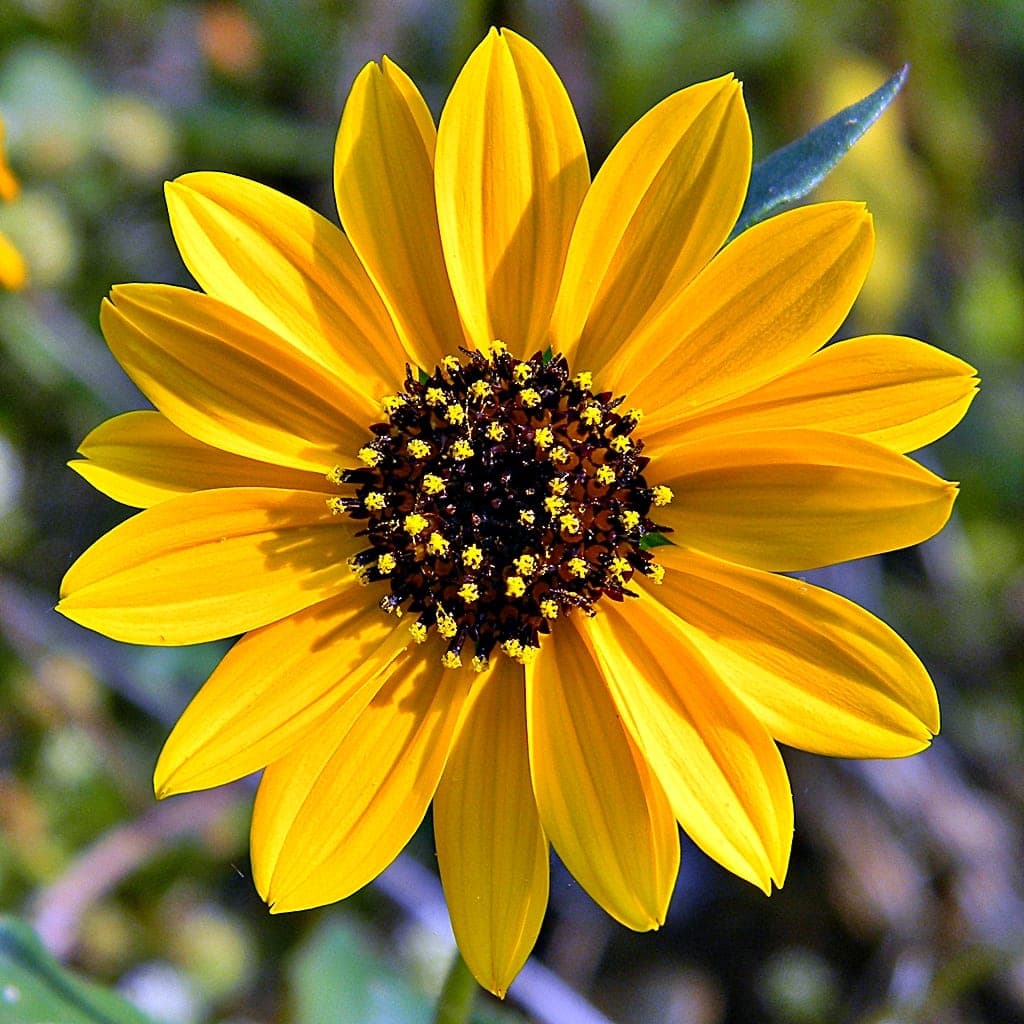
Beach Sunflower
Helianthus debilis
Zones 8a–11b · native to 8 states
Blooms Mar – Dec in zone 9b

Black-Eyed Susan
Rudbeckia hirta
Zones 3a–9b · native to 50 states and provinces
Blooms Apr – Dec in zone 9b

Campfire Rudbeckia
Rudbeckia hirta 'Campfire'
Zones 3a–7b · native to 50 states and provinces
Blooms Apr – Dec in zone 9b
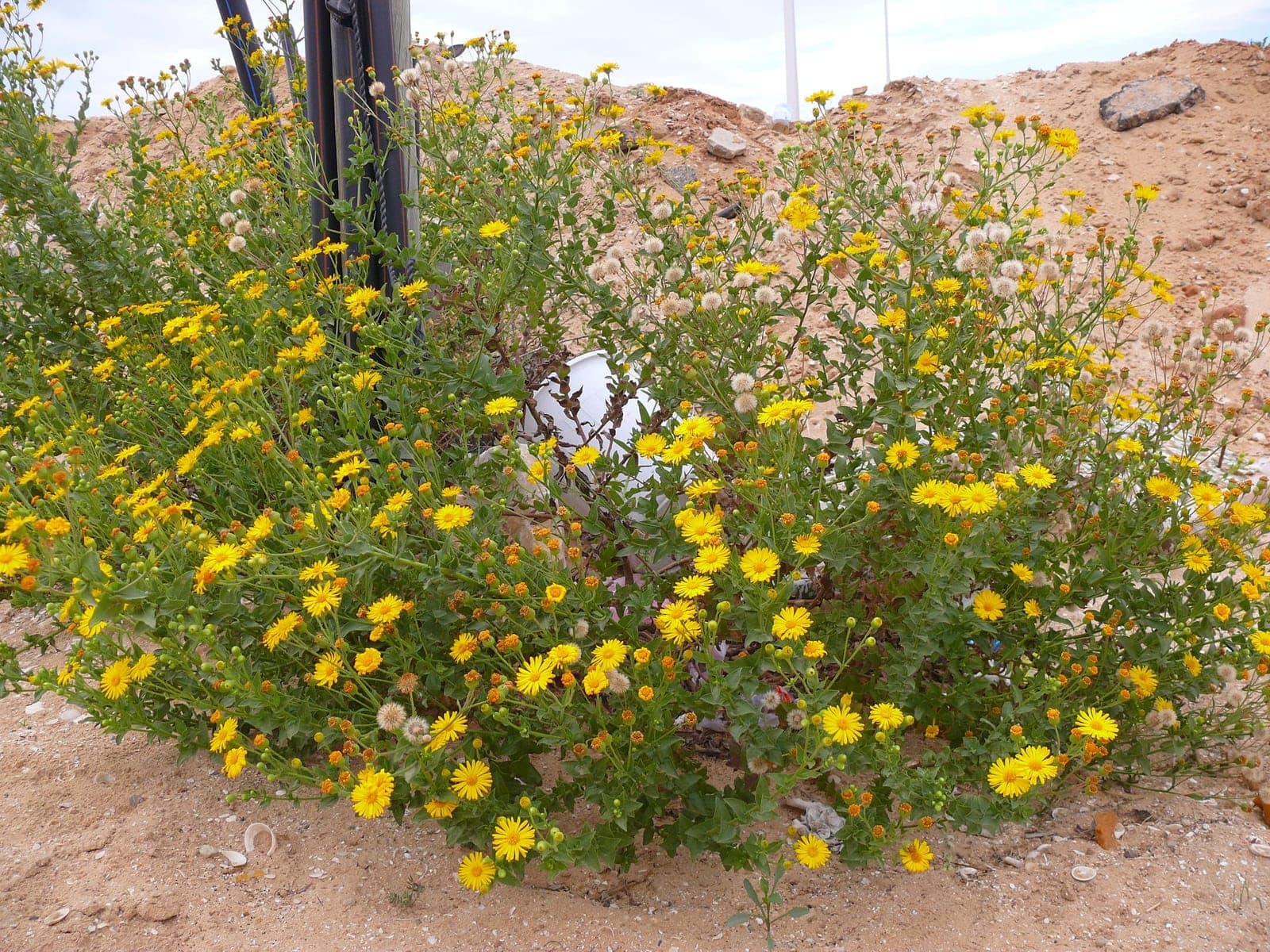
Camphorweed
Heterotheca subaxillaris
Zones 6a–10b · native to 31 states
Blooms May – Jul in zone 9b
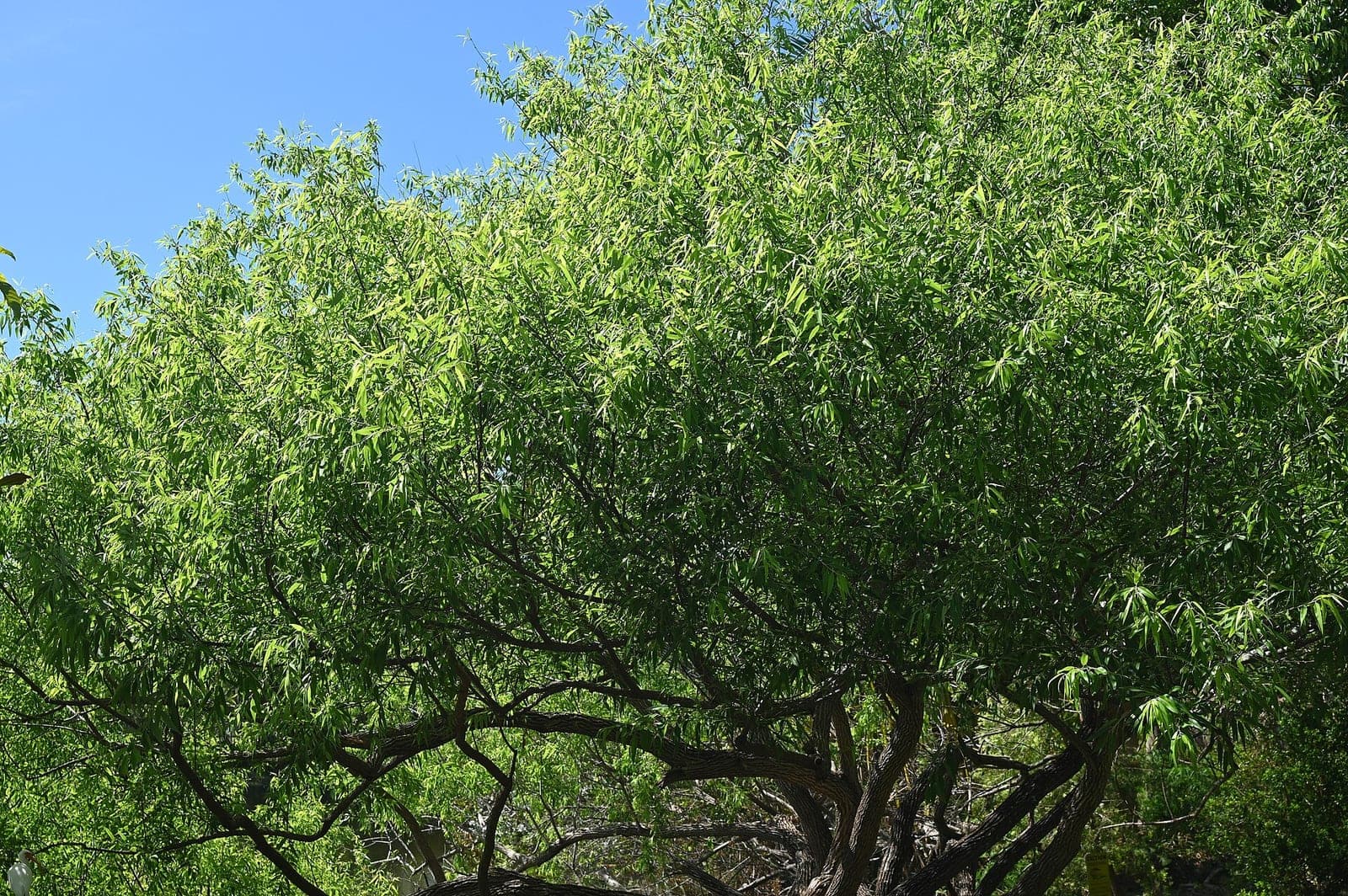
Coastal Plain Willow
Salix caroliniana
Zones 6a–10b · native to 23 states
Blooms Feb – Mar in zone 9b
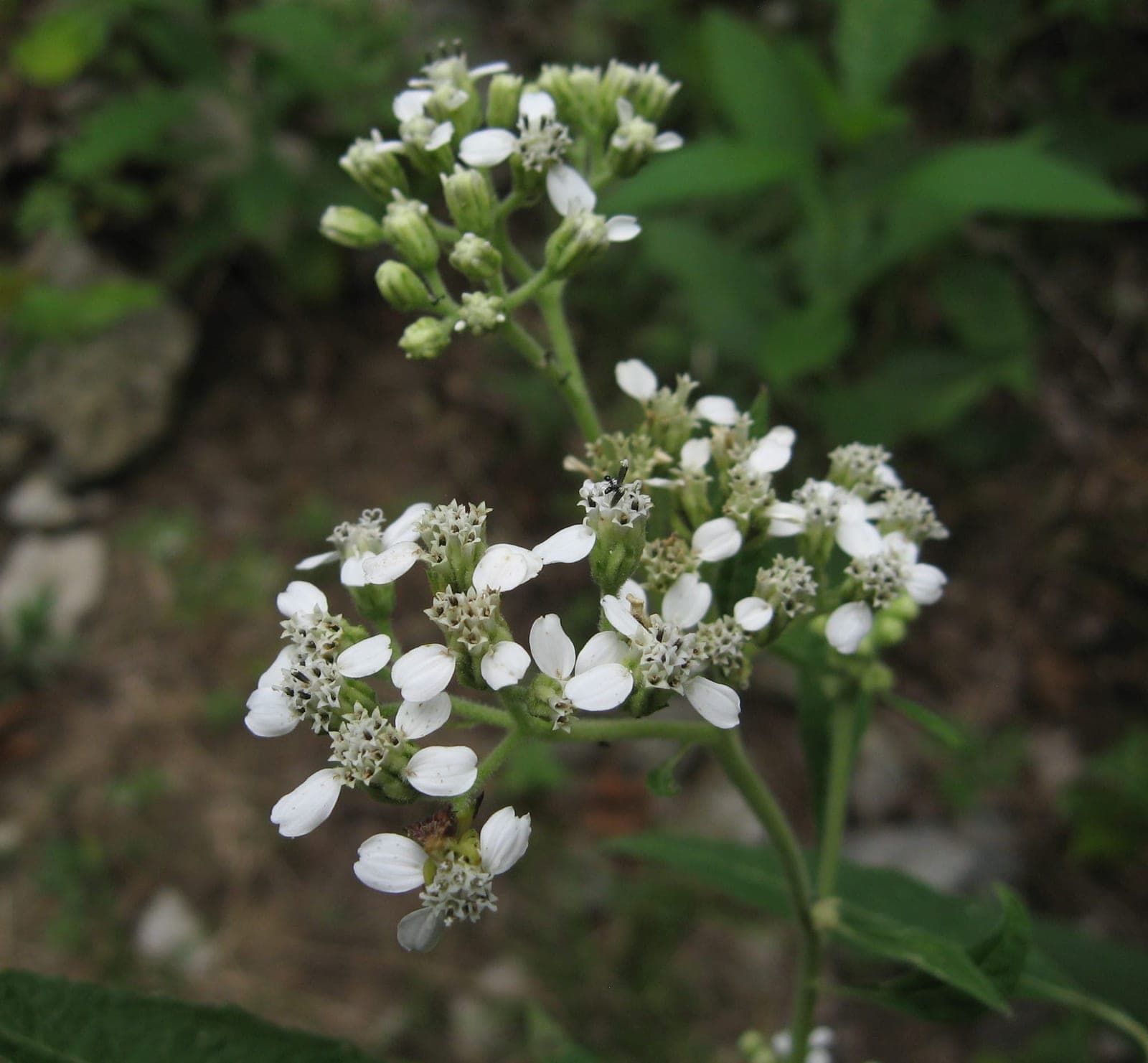
Frostweed
Verbesina virginica
Zones 6a–9b · native to 20 states
Blooms May – Jul in zone 9b
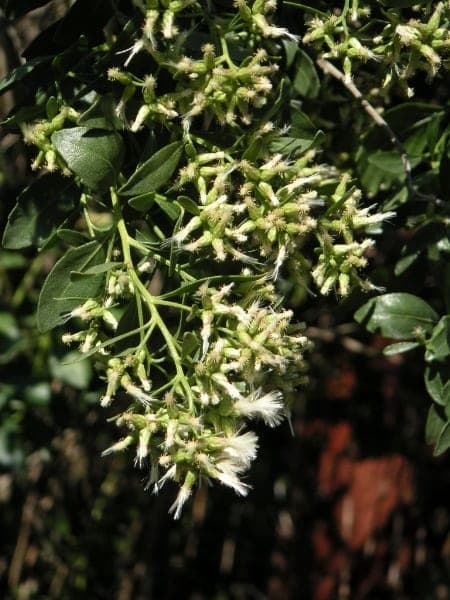
Groundsel Tree
Baccharis halimifolia
Zones 5a–9b · native to 20 states and provinces
Blooms Jun – Aug in zone 9b
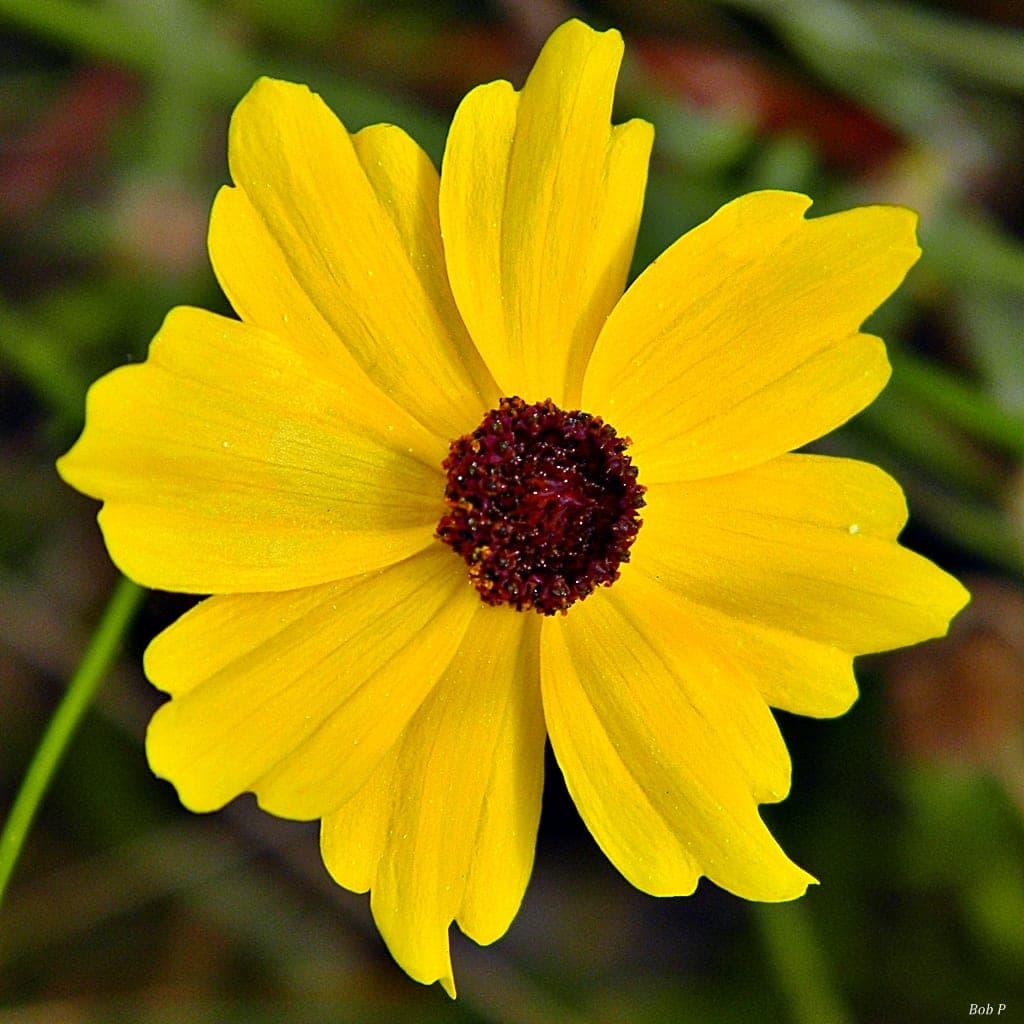
Leavenworth's Tickseed
Coreopsis leavenworthii
Zones 8a–11b
Blooms Mar – Dec in zone 9b
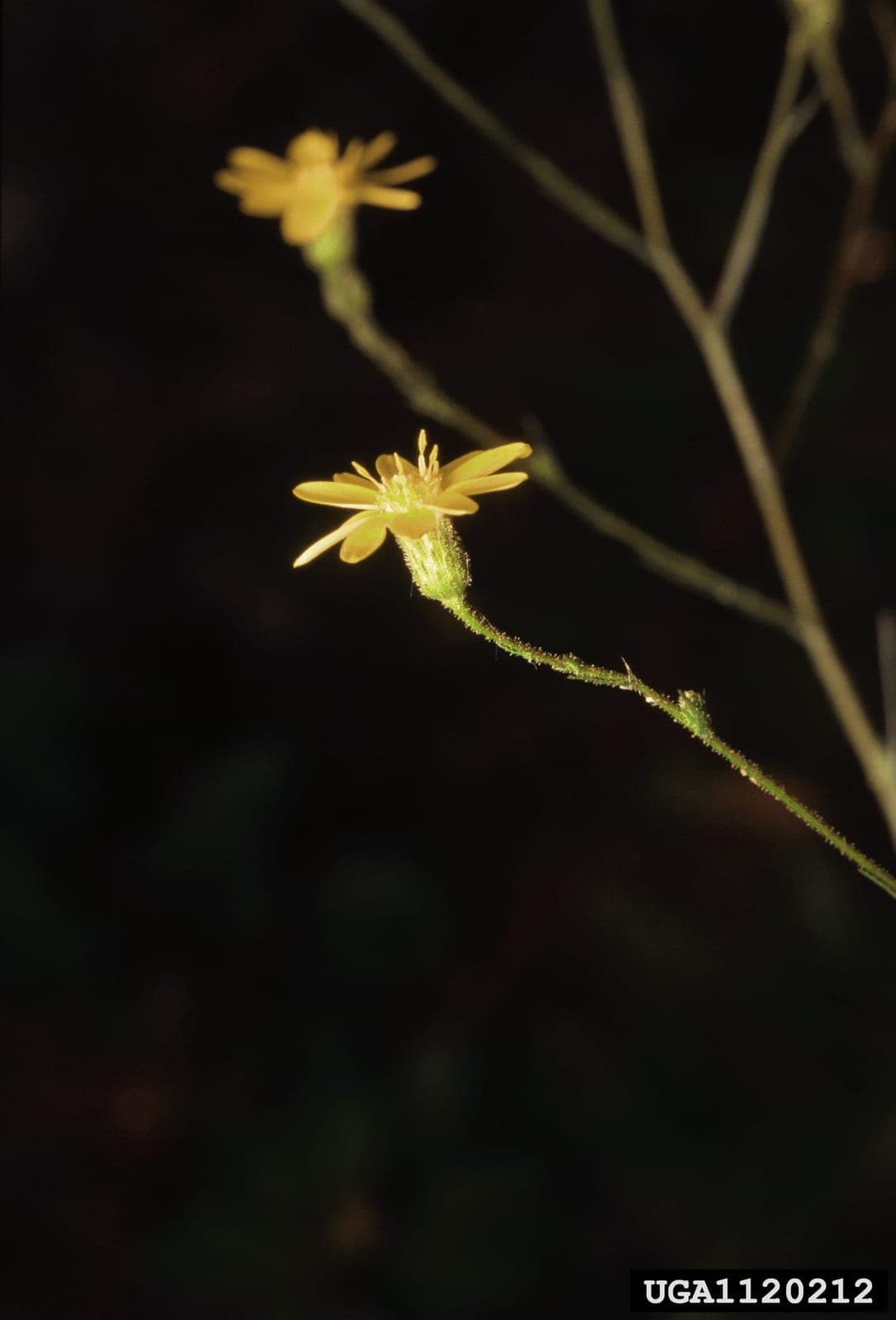
Narrowleaf Silkgrass
Pityopsis graminifolia
Zones 6a–10a · native to 17 states
Blooms May – Jul in zone 9b
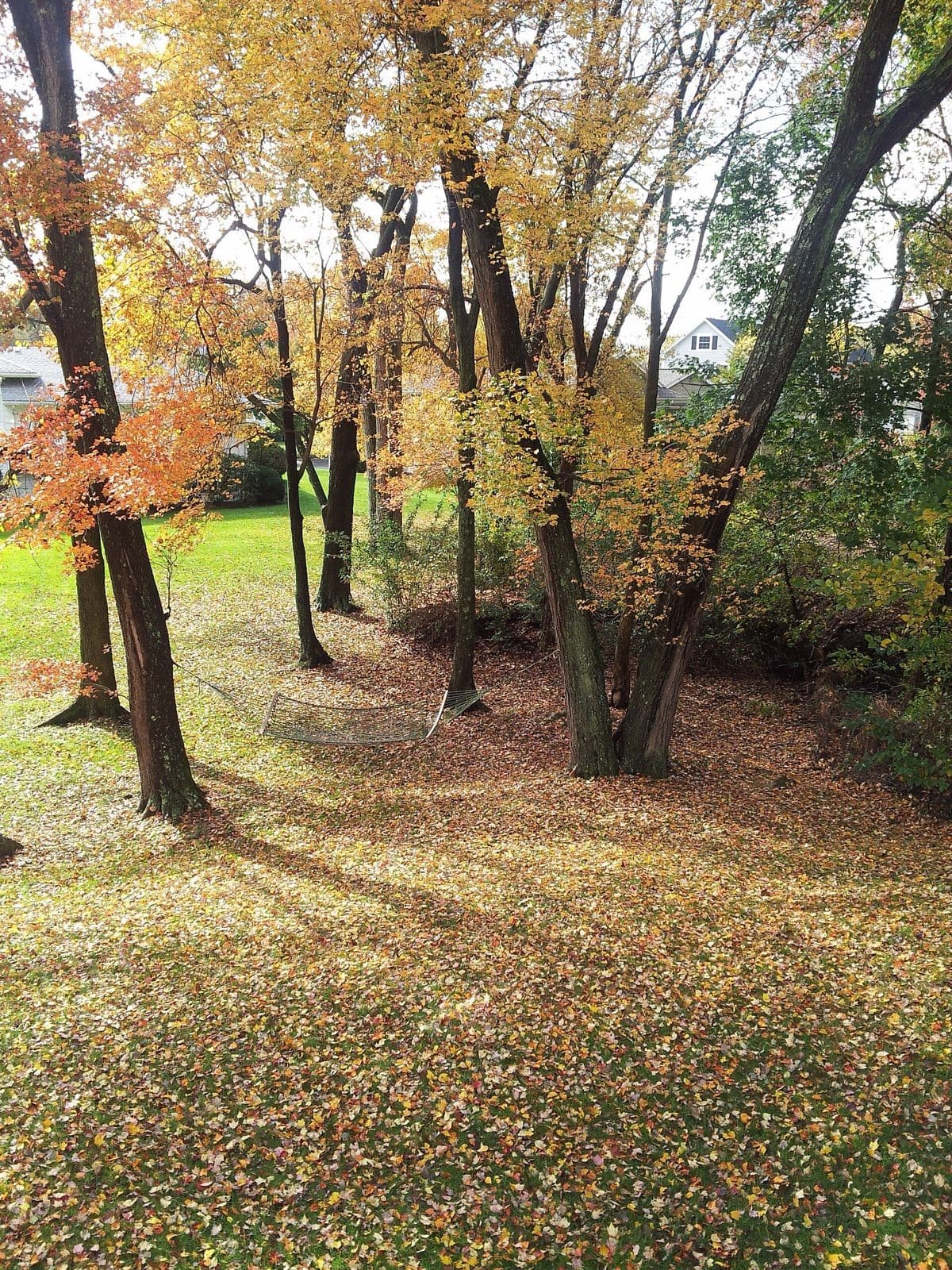
Red Maple
Acer rubrum
Zones 3a–9b · native to 40 states and provinces
Blooms Jan – Feb in zone 9b
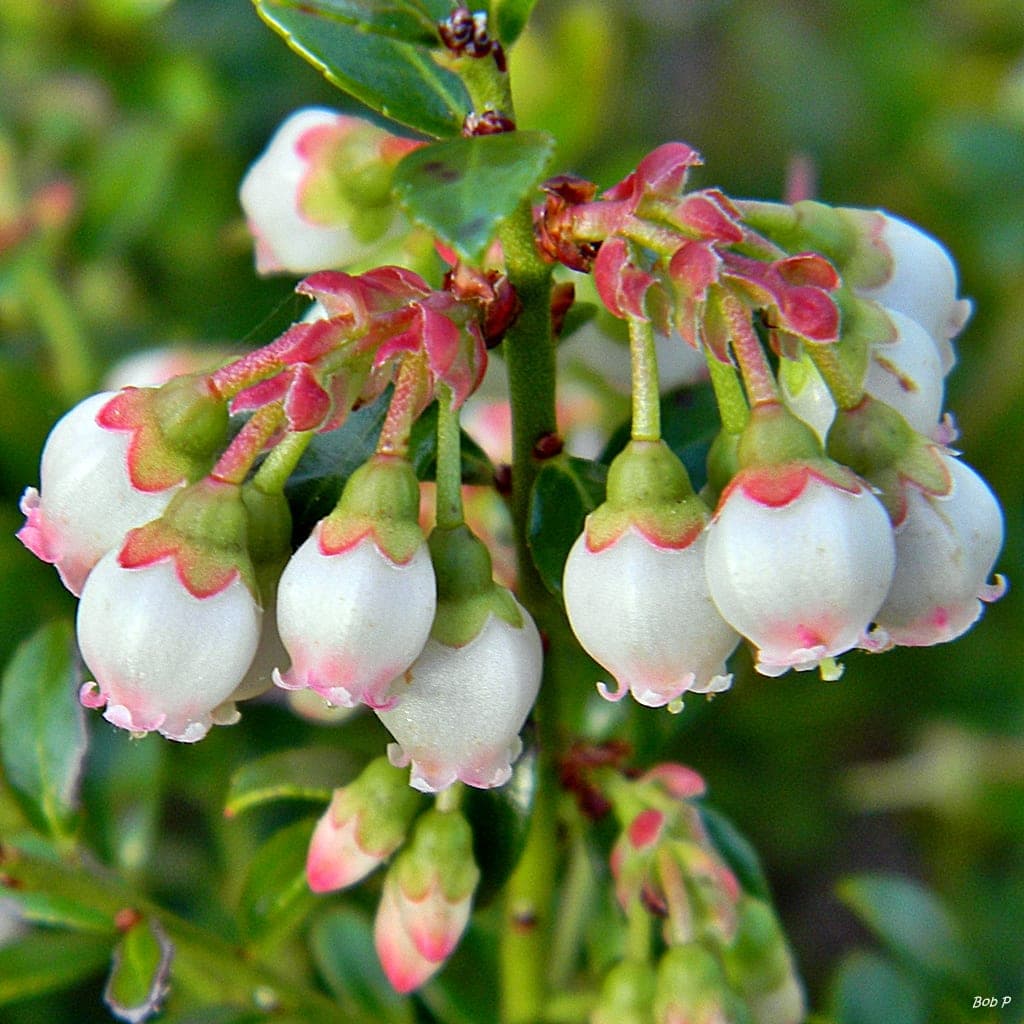
Shiny Blueberry
Vaccinium myrsinites
Zones 8a–10b · native to 4 states
Blooms Feb – Mar in zone 9b
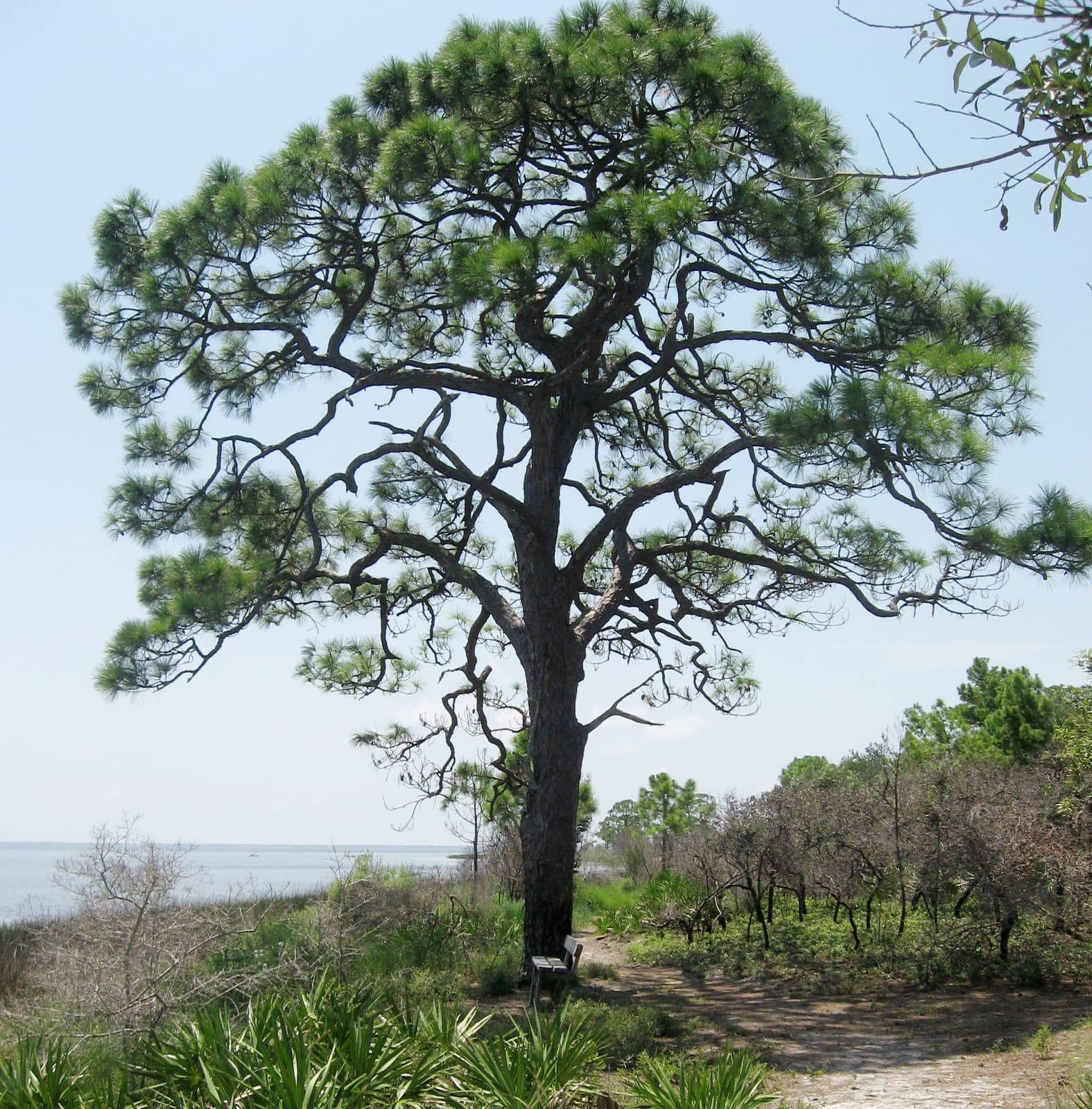
Slash Pine
Pinus elliottii
Zones 8a–10b · native to 6 states
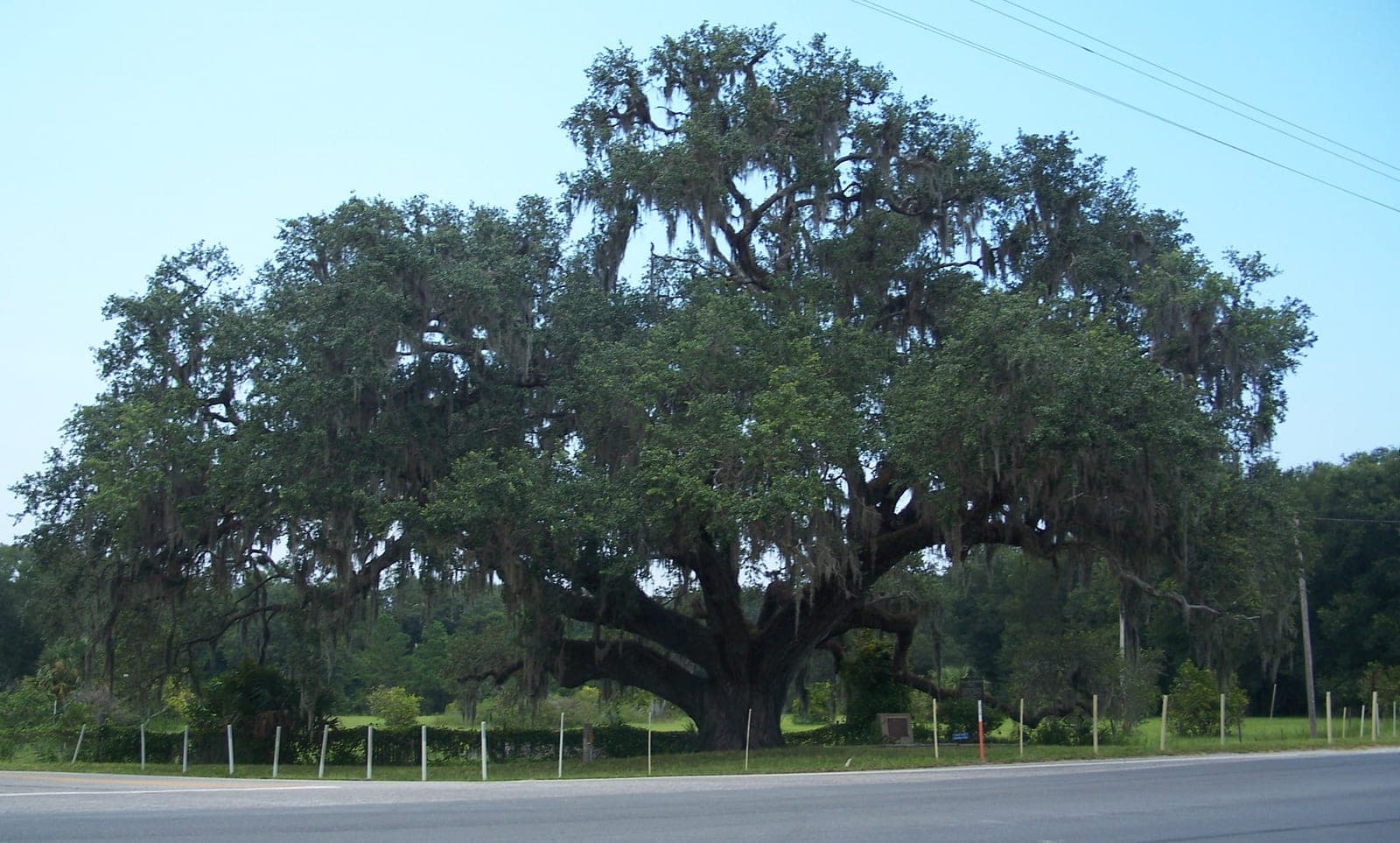
Southern Live Oak
Quercus virginiana
Zones 7b–10b · native to 9 states
The Keystone Web
How this region's plants, caterpillars, bees, fungi and birds hold together. Pick a species to pull its thread, or add plants to see what your garden would carry.
Caterpillars & bees it hosts1
Not every native pulls the same weight.
In the Tropical Wet Forests, 1 of these 3 plants are keystones: the native genera that feed the most caterpillars and specialist bees. The rest are good plants. These are load-bearing ones.
Insects that depend on them
Fungi of the region
Keystone rankings from the National Wildlife Federation, based on caterpillar host research by Doug Tallamy's lab at the University of Delaware (Narango, Tallamy & Shropshire, 2020) and specialist-bee research by Jarrod Fowler. Ecoregion boundaries: Commission for Environmental Cooperation, Level I.