
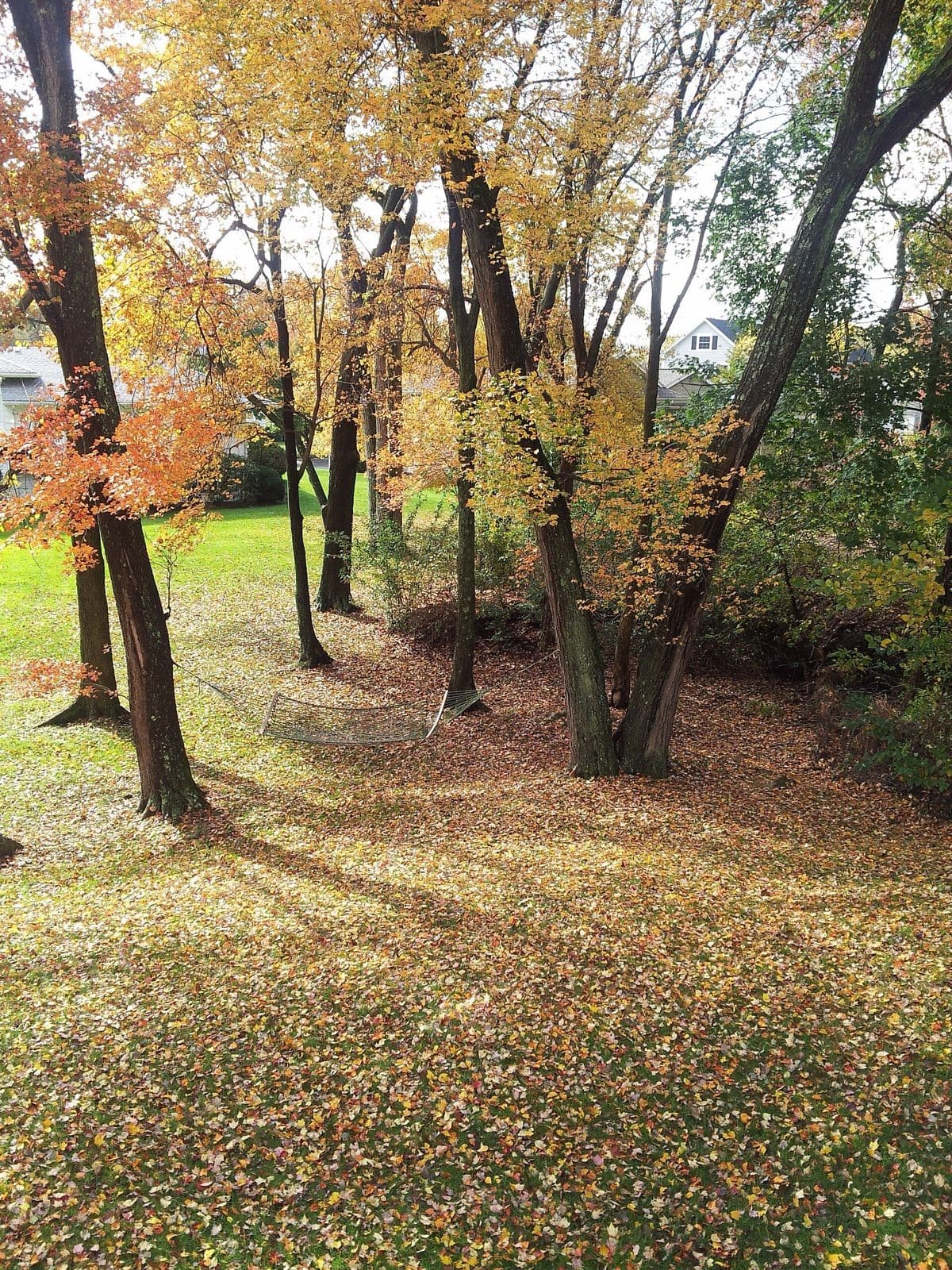
Red maple is the most abundant native tree in eastern North America, a distinction recognized by the U.S. Forest Service. It earns its name in every season: red buds and twigs through winter, small red flowers and winged samaras in early spring before leafout, and vivid scarlet-to-orange foliage in fall. Few native hardwoods match its seasonal range of color or its breadth of climate adaptability.
Naturally found in wet lowland forests and on drier upland slopes alike, red maple grows 3–5 ft per year in youth and begins producing samaras as early as year four. Samaras ripen and drop in late spring, weeks earlier than most maples, and germinate readily - remove fallen seed before seedlings root. The tree performs best in acidic to neutral soil; alkaline conditions cause iron chlorosis. Mulch to the drip line to retain moisture and protect the shallow, wide-spreading root system. Avoid planting in soil previously infested with verticillium.
Cherokee applied bark preparations externally for hives and skin irritation; Ojibwa used inner bark as an eyewash. The tree can be tapped for syrup, though sap sugar content is lower than sugar maple. Samaras ripen weeks ahead of most other seed crops, making them an early-spring food source for birds and small mammals when little else is available.
Ecoregions:Northern ForestsEastern Temperate ForestsGreat PlainsTropical Wet Forests
Maple Tar Spot
Pale yellow-green spots appear on upper leaf surfaces in early summer. By late summer they enlarge into raised, glossy black blotches up to 1 in across, closely resembling tar splashes. Caused by Rhytisma acerinum and related species.
Rake and destroy all fallen leaves in autumn to eliminate overwintering spores. Fungicide applications are rarely justified on established trees. Improve air circulation through selective pruning where practical.
Maple Anthracnose
Irregular brown or tan spots that follow and spread between leaf veins, giving leaves a scorched or blighted appearance. Severe infections cause premature leaf drop. In wet springs, small cankers may appear on young shoots.
Rake and remove fallen leaves each autumn to reduce overwintering fungal spores. Avoid overhead irrigation. Apply a copper-based fungicide at bud break during wet spring conditions. Prune selectively to improve canopy airflow.
Verticillium Wilt
Lower leaves yellow and wilt, often on one side of the plant, with brown streaking in the stem and crown tissue when cut open. Plants are stunted and decline over the season.
Remove and destroy affected plants. Avoid planting in soil that has grown infected tomatoes, peppers, or other susceptible crops. Rotate beds and improve drainage; there is no cure once a plant is infected.
Botryosphaeria Canker
Dark, sunken cankers on stems and major branches, most often occurring after drought stress or mechanical wounding. Bark peeled back from affected areas reveals brown, discolored wood beneath. Branch tips wilt and die back progressively inward.
Prune infected branches at least 6 inches below the visible canker margin using sterilized tools, and dispose of all cuttings away from the garden. Reduce plant stress by maintaining consistent irrigation during dry periods and avoiding bark wounds during maintenance. No curative fungicide is available; keeping plants vigorous is the primary preventive strategy.