
The oldest grape nobody toasts
It has none of the romance of a Bordeaux vine, yet the muscadine is the second oldest cultivated grape in the world, and it has been growing wild on this land far longer than the people who named it.
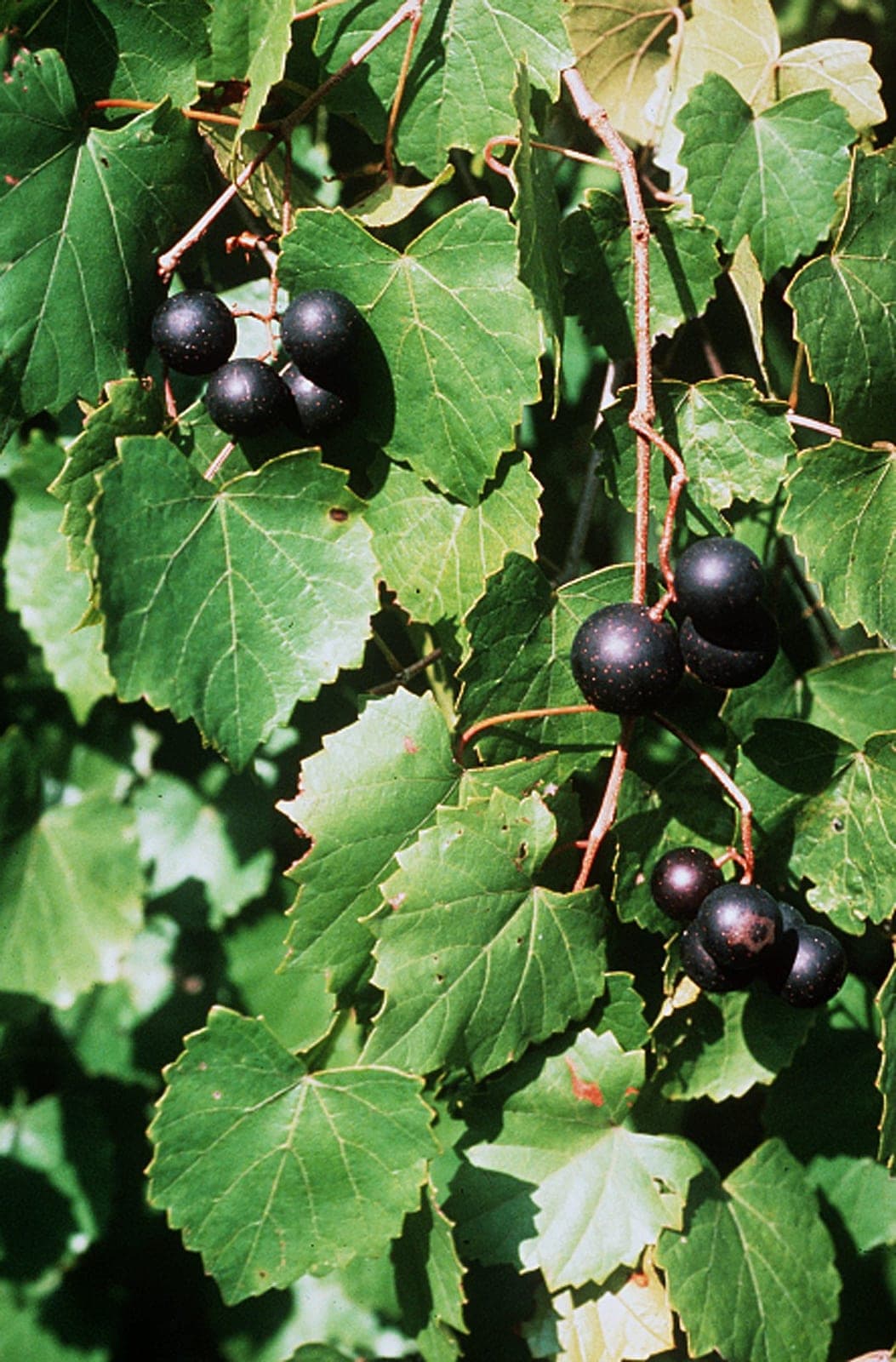
This grape gets no respect. The muscadine - Vitis rotundifolia - carries none of the romance we have wrapped around the European wine grape: no chateaux, no sommelier's hush, no centuries of French hillsides photographed at golden hour. It is a thick-skinned, musky, sprawling Southern thing, and yet it holds a claim none of the celebrated vinifera vines can touch. It is the second oldest cultivated grape in the world. There is a mother vine on Roanoke Island, the Scuppernong, reckoned to be more than four hundred years old and still fruiting - older than any winery in California, older than the United States, planted before the first European colony on this coast had properly failed.
The vine was here long before anyone thought to cultivate it. Muscadine is native to the southeastern United States, and the Indigenous peoples of what is now North Carolina gathered and dried its fruit for generations before the explorer Verrazzano sailed into these waters in 1524 and wrote, with some astonishment, of grapes growing wild in such profusion that the vines ran up into the trees. The Roanoke colonists found the same abundance. The bronze, greenish-gold form we now call the Scuppernong takes its name from a river in the eastern part of the state, and for a long time it was simply what grape meant here - not a cultivated novelty but a fact of the landscape, like the pines and the heat.
What makes the muscadine worth growing is precisely what makes it unfashionable. It shrugs off the humidity and fungal pressure that would rot a vinifera vine to the ground in a single Southern summer, and it asks for almost no spraying to do it. The fruit is not built for a thin-skinned, seedless supermarket ideal; it is built for flavour and resilience. You eat it by pressing the skin until the sweet pulp slips into your mouth and spitting the seeds - which is exactly how I learned to, as a child, standing under my aunt Gatsy's backyard vine. It grew up over a sagging wire and into the trees the way Verrazzano described, and we would reach up and pull the warm bronze globes down by the handful, biting through the tough skin to the musky sweetness inside and spitting the pips into the grass. I have never tasted a cultivated grape that comes close to it; the memory of that vine is half the reason I take the muscadine's part at all. You can do far more with the fruit, of course - turn it into wine, juice, jelly, and pie. The skins and seeds most of us discard are among the richest plant sources of ellagic acid and resveratrol known, which is why the winemaking pomace now ends up in supplement capsules. If you want to grow your own, the muscadine wants a sturdy trellis, a dormant pruning every winter back to a few buds, and - this is the one trap - attention to pollination, since many of the best cultivars are female and need a self-fertile vine planted nearby to set fruit. Given these things, and a south-facing slope - it will outlive you.
I think the muscadine deserves better than its reputation as a country grape, the thing your grandfather grew over the shed. It is North Carolina's own - the official state fruit, the vine that fed the first people here and the first colonists after them, the second oldest cultivated grape still standing anywhere on earth. It will never have the respect of the Bordeaux vines, and it does not seem to mind. It just keeps fruiting, summer after summer, on the same patient roots.