
Native plants of the Mediterranean California
Coastal and Central Valley California, wet in winter and dry all summer: chaparral, oak woodland and grassland.
An ecoregion groups land by climate, soil and the plants and animals that live there, so its keystone plants are the same from one end to the other, whatever the hardiness zone. 207 plants in the field guide are native here; the 52 below carry most of the caterpillars and specialist bees.
Covers:CaliforniaBaja California
Keystone plants · 52
Keystone rankings follow the National Wildlife Federation's list for this region. Every date below moves with your zone.
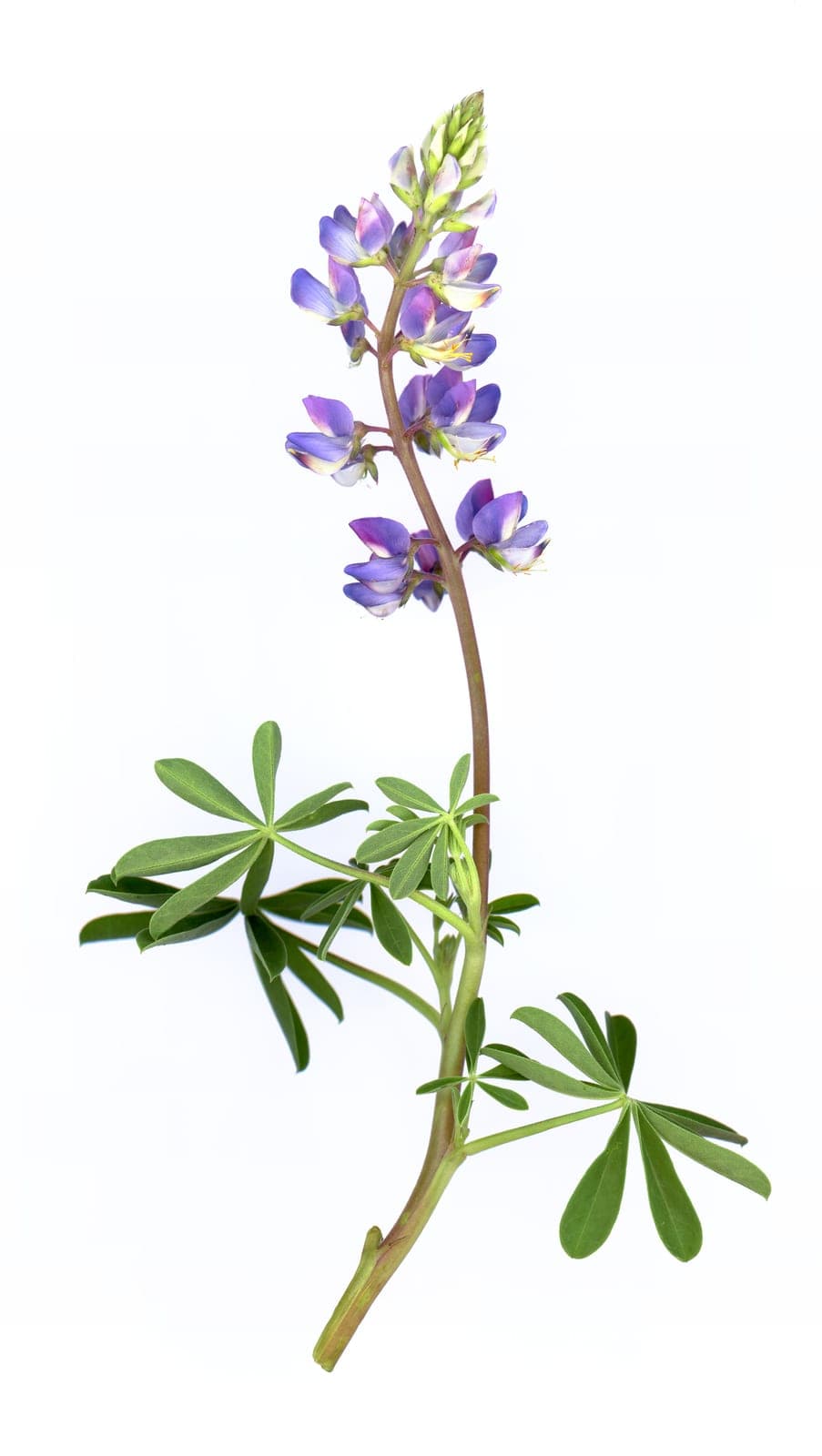
Arroyo Lupine
Lupinus succulentus
Zones 8a–11b · native to 2 states
Blooms Feb – Apr in zone 9b
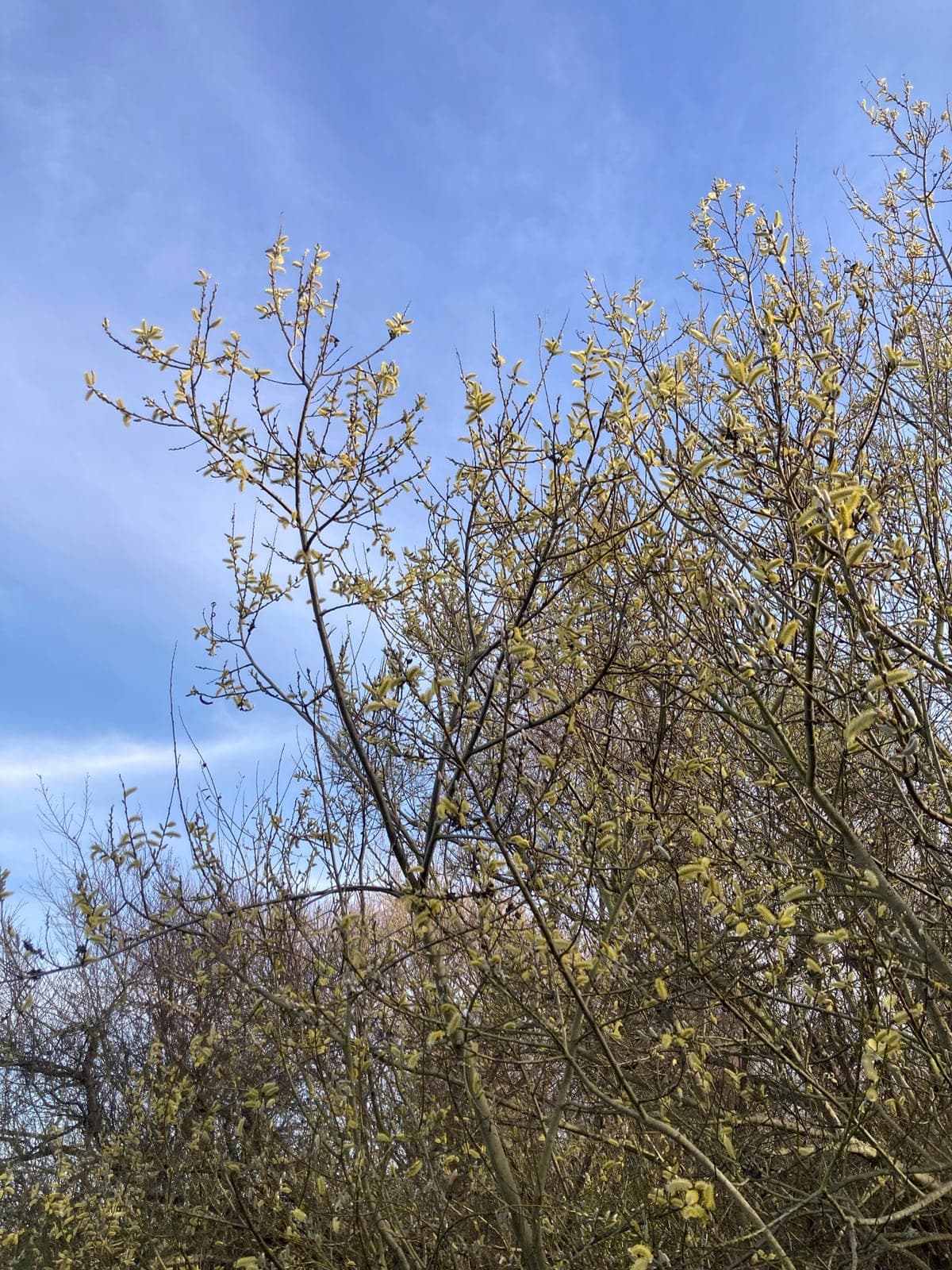
Arroyo Willow
Salix lasiolepis
Zones 6a–10b · native to 9 states
Blooms Jan – Mar in zone 9b
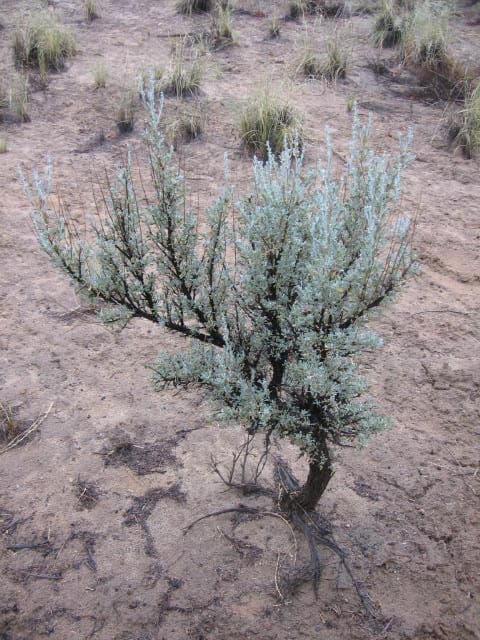
Big Sagebrush
Artemisia tridentata
Zones 4a–9b · native to 16 states and provinces
Blooms May – Aug in zone 9b
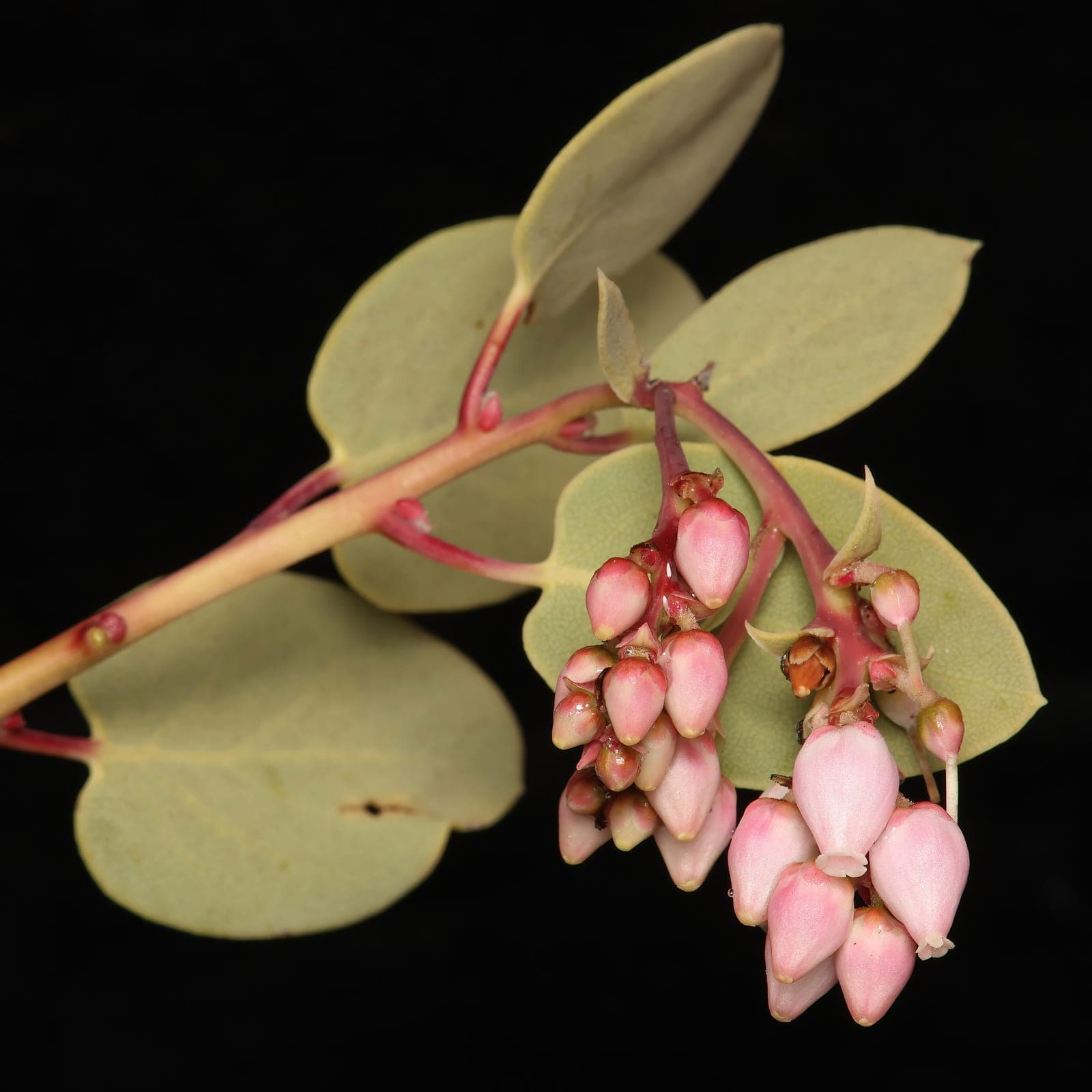
Bigberry Manzanita
Arctostaphylos glauca
Zones 8a–10b
Blooms Nov – Mar in zone 9b
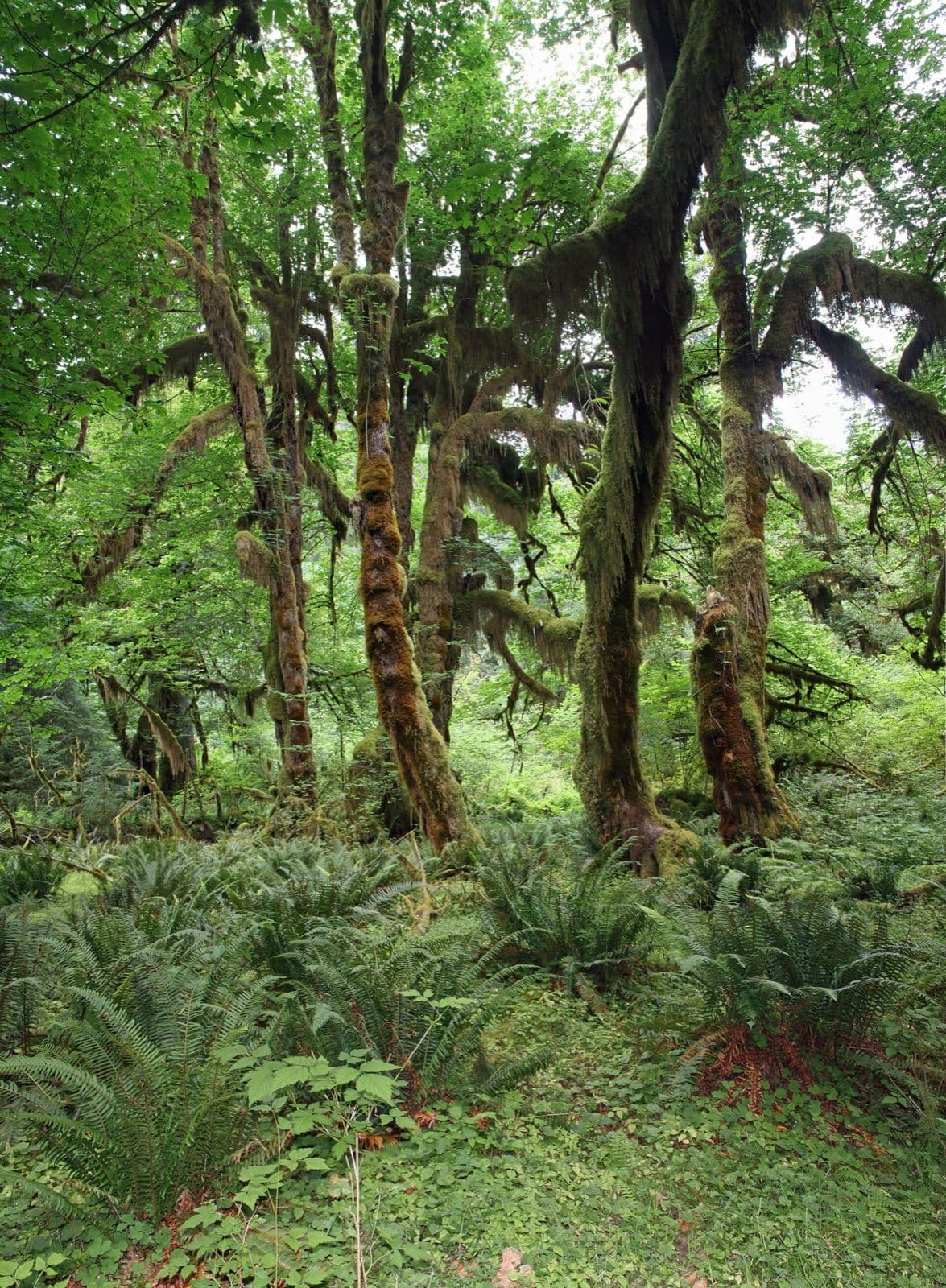
Bigleaf Maple
Acer macrophyllum
Zones 6a–9a · native to 4 states and provinces
Blooms Feb – Mar in zone 9b
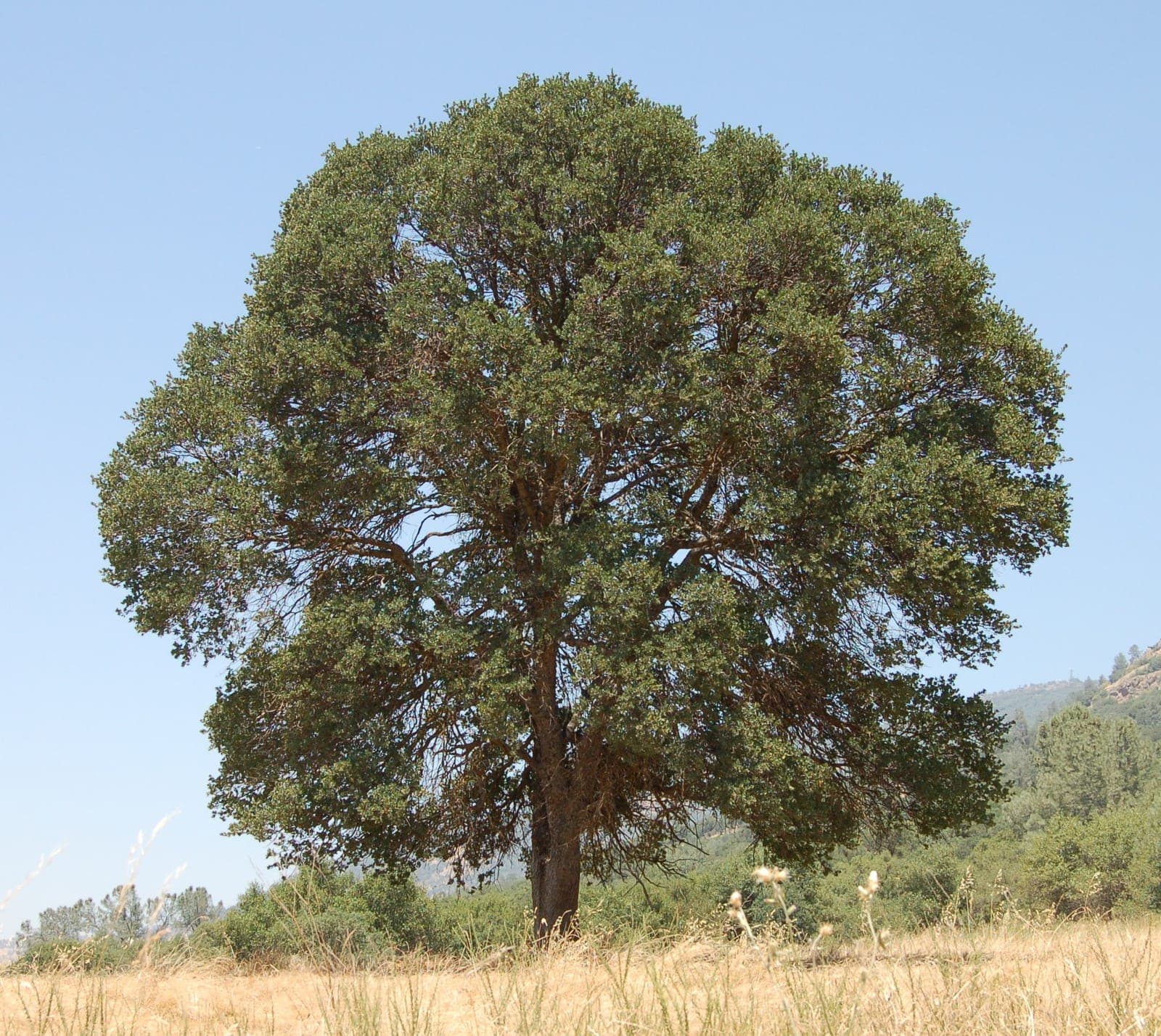
Blue Oak
Quercus douglasii
Zones 7a–10a
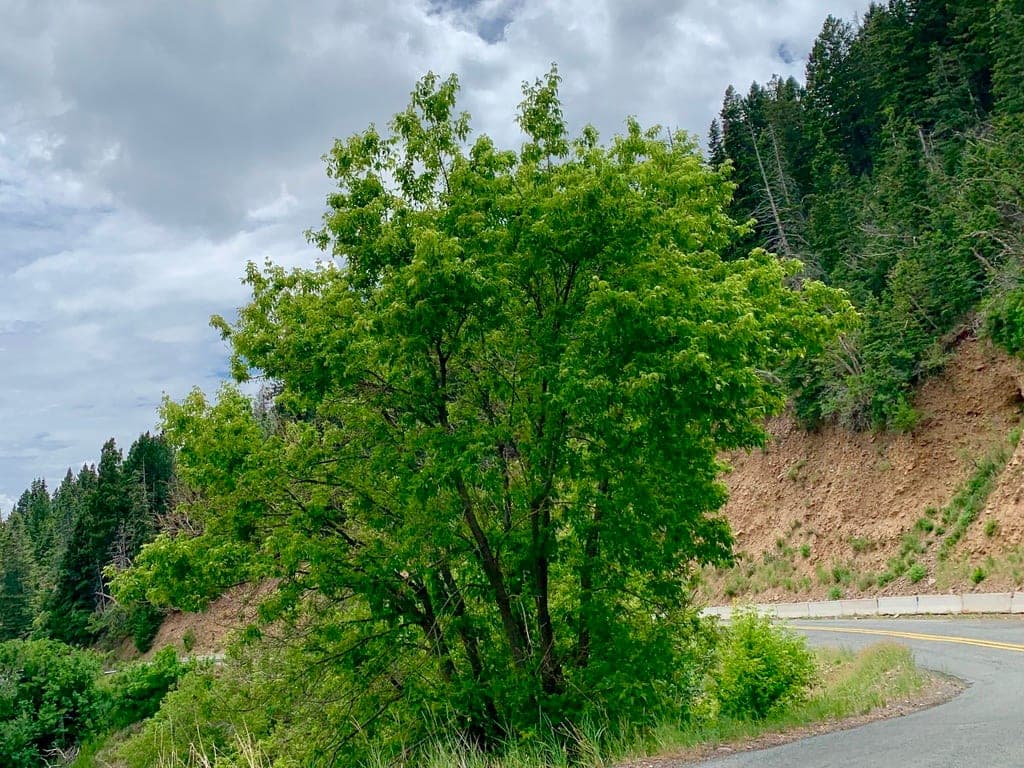
Boxelder
Acer negundo
Zones 2a–9b · native to 48 states and provinces
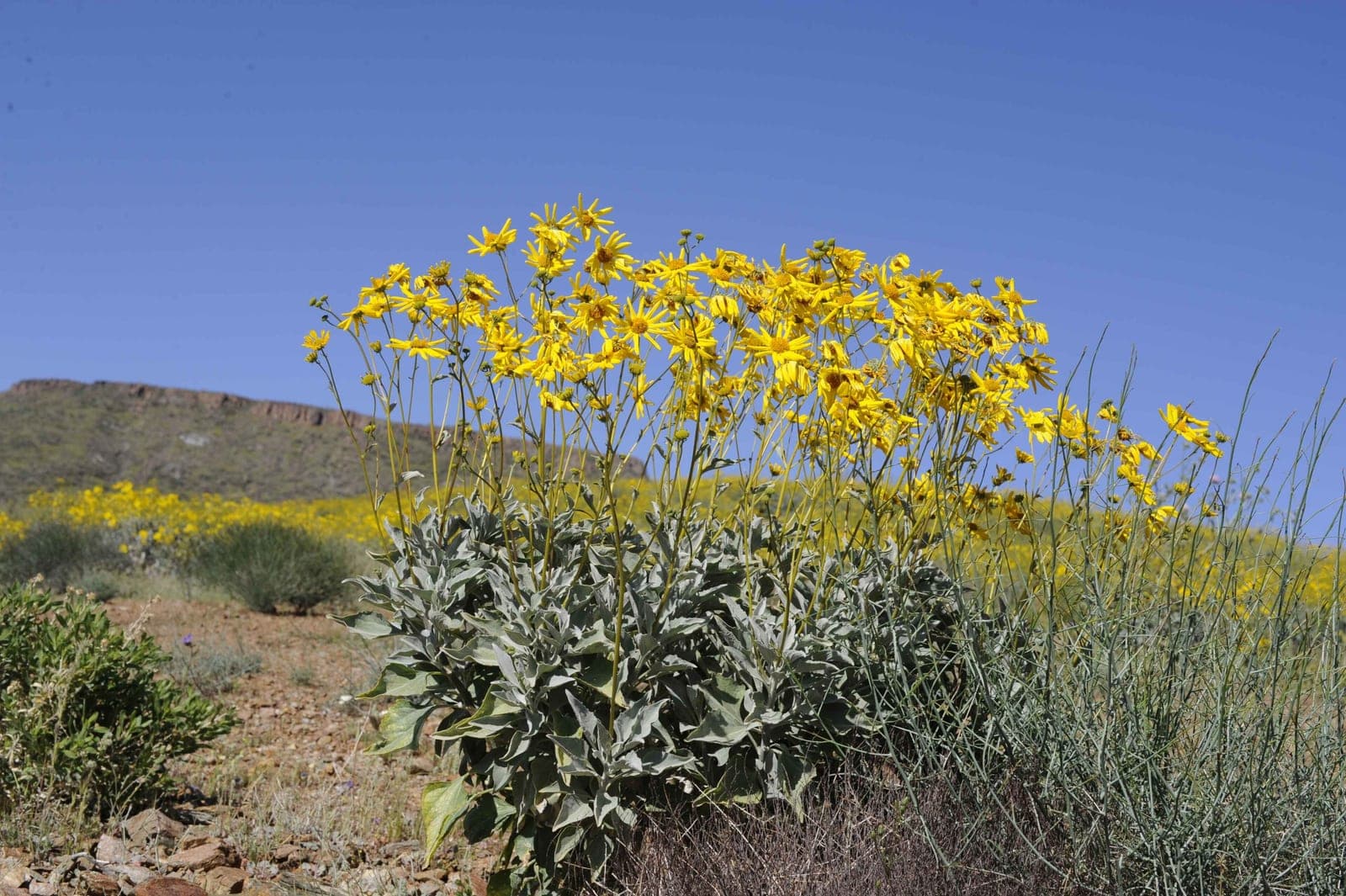
Brittlebush
Encelia farinosa
Zones 8a–11b · native to 6 states
Blooms Apr – Jul in zone 9b

Broadleaf Lupine
Lupinus latifolius
Zones 5a–9a · native to 10 states and provinces
Blooms Mar – May in zone 9b
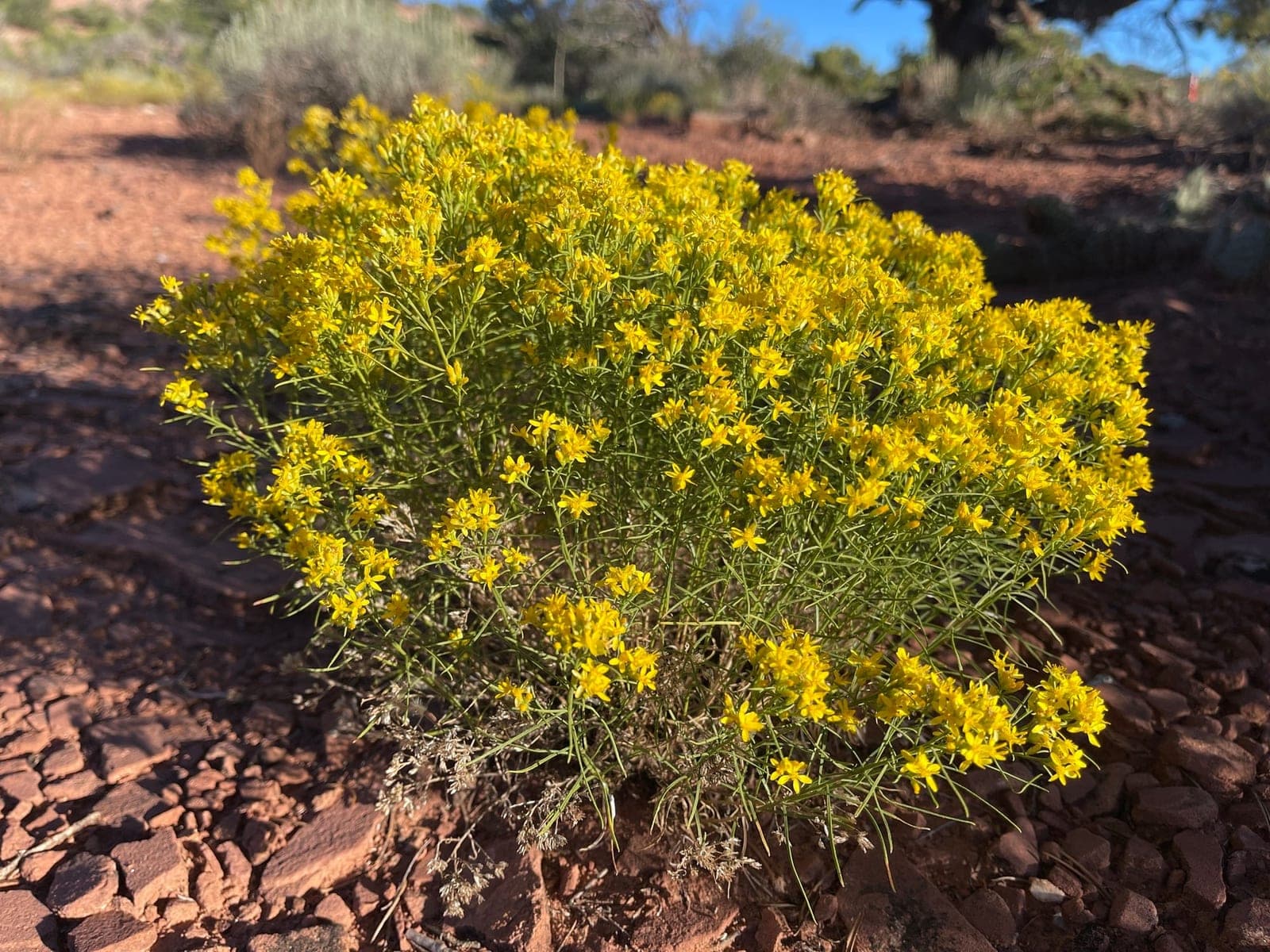
Broom Snakeweed
Gutierrezia sarothrae
Zones 4a–9b · native to 21 states and provinces
Blooms May – Jul in zone 9b
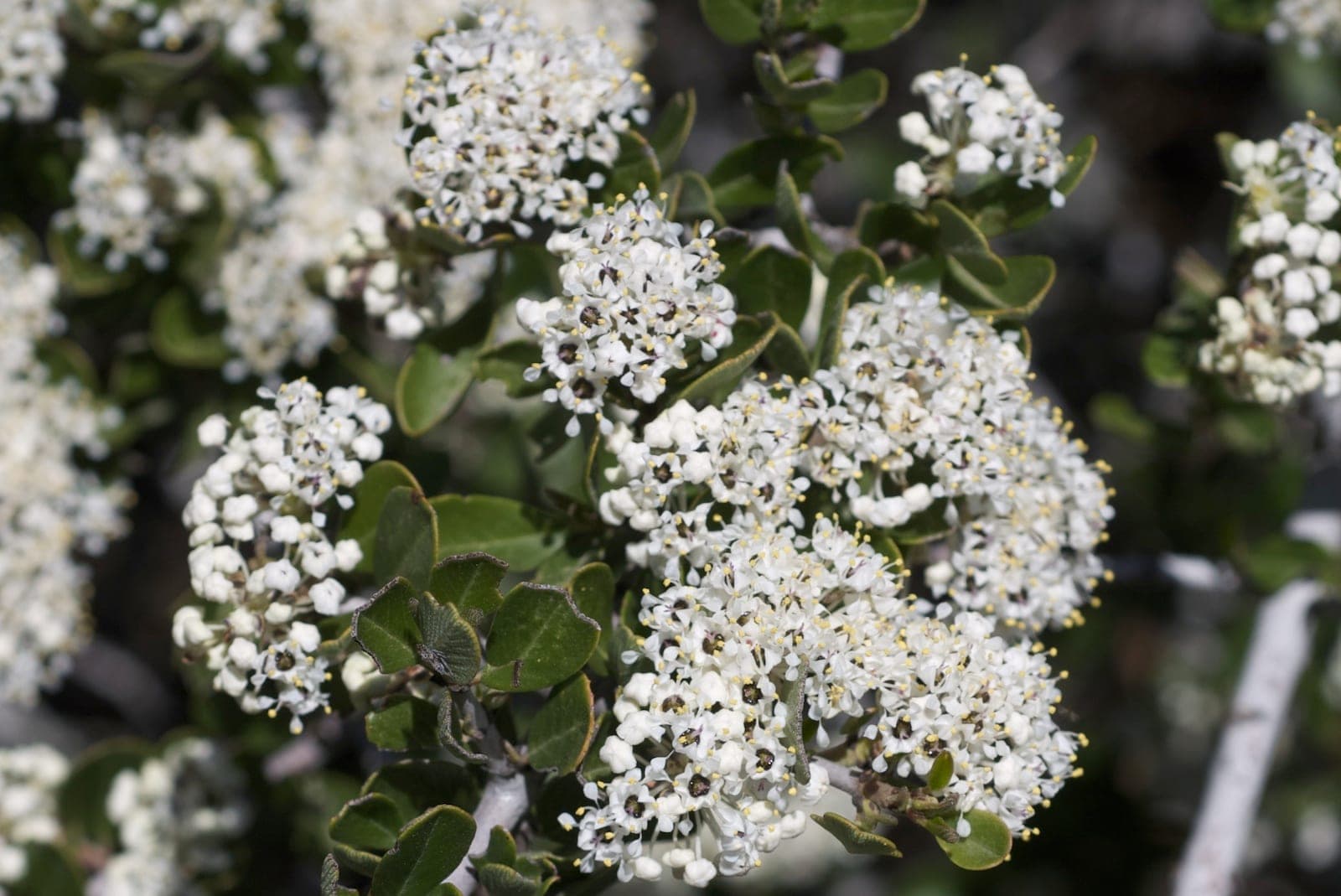
Buckbrush
Ceanothus cuneatus
Zones 7a–10b · native to 2 states
Blooms Feb – Apr in zone 9b
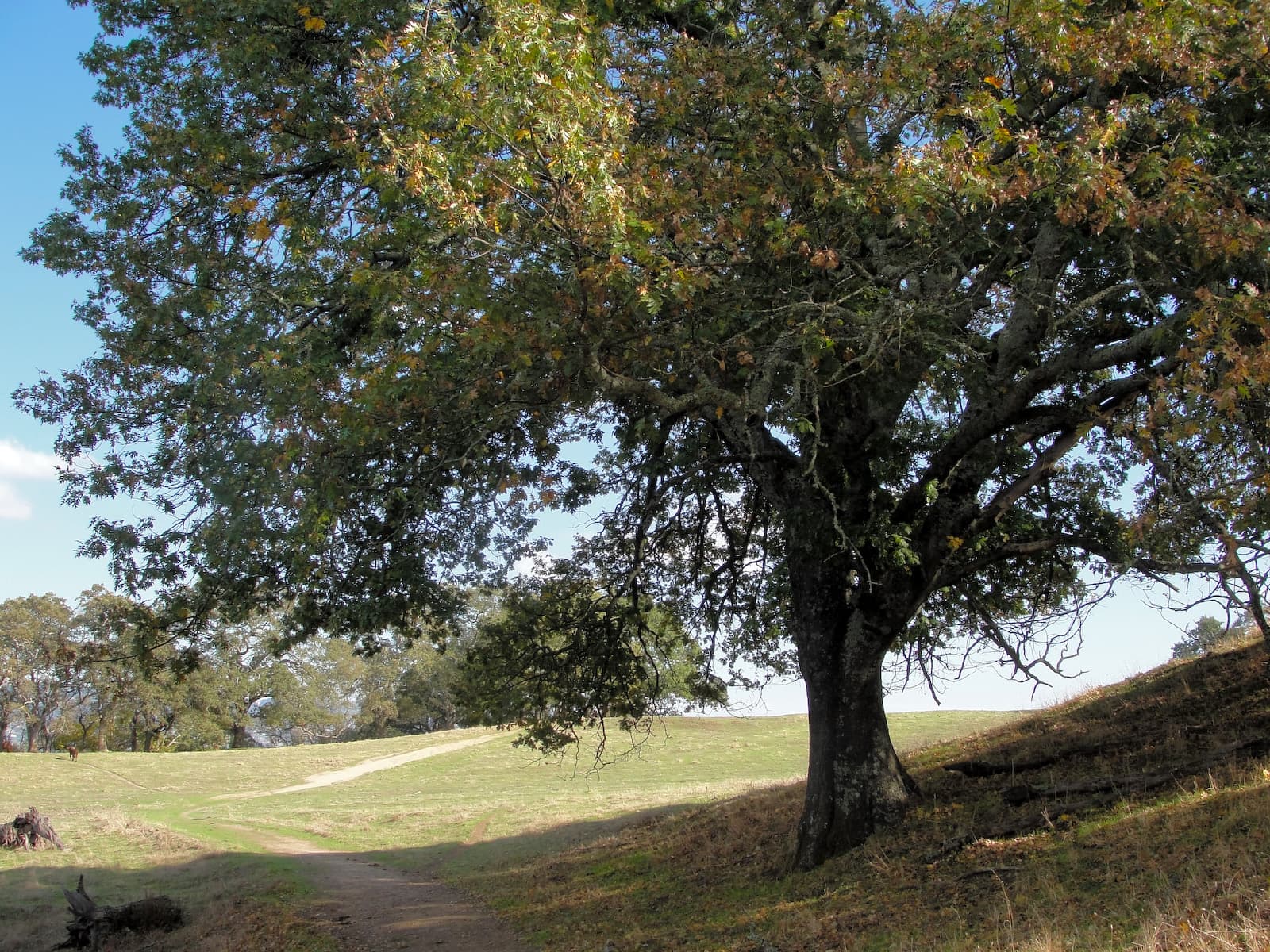
California Black Oak
Quercus kelloggii
Zones 7a–9b · native to 2 states
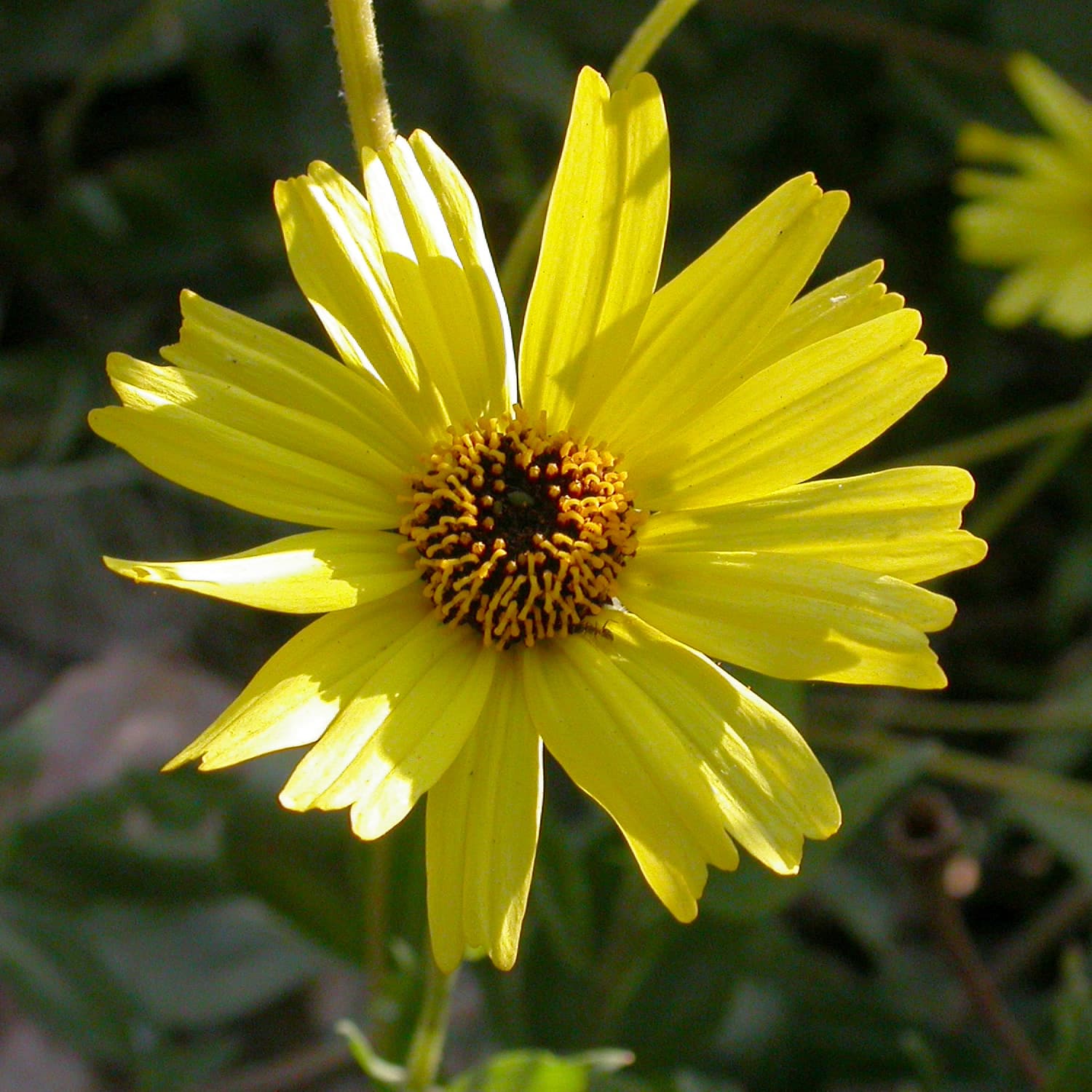
California Bush Sunflower
Encelia californica
Zones 9a–11a
Blooms Mar – Jul in zone 9b
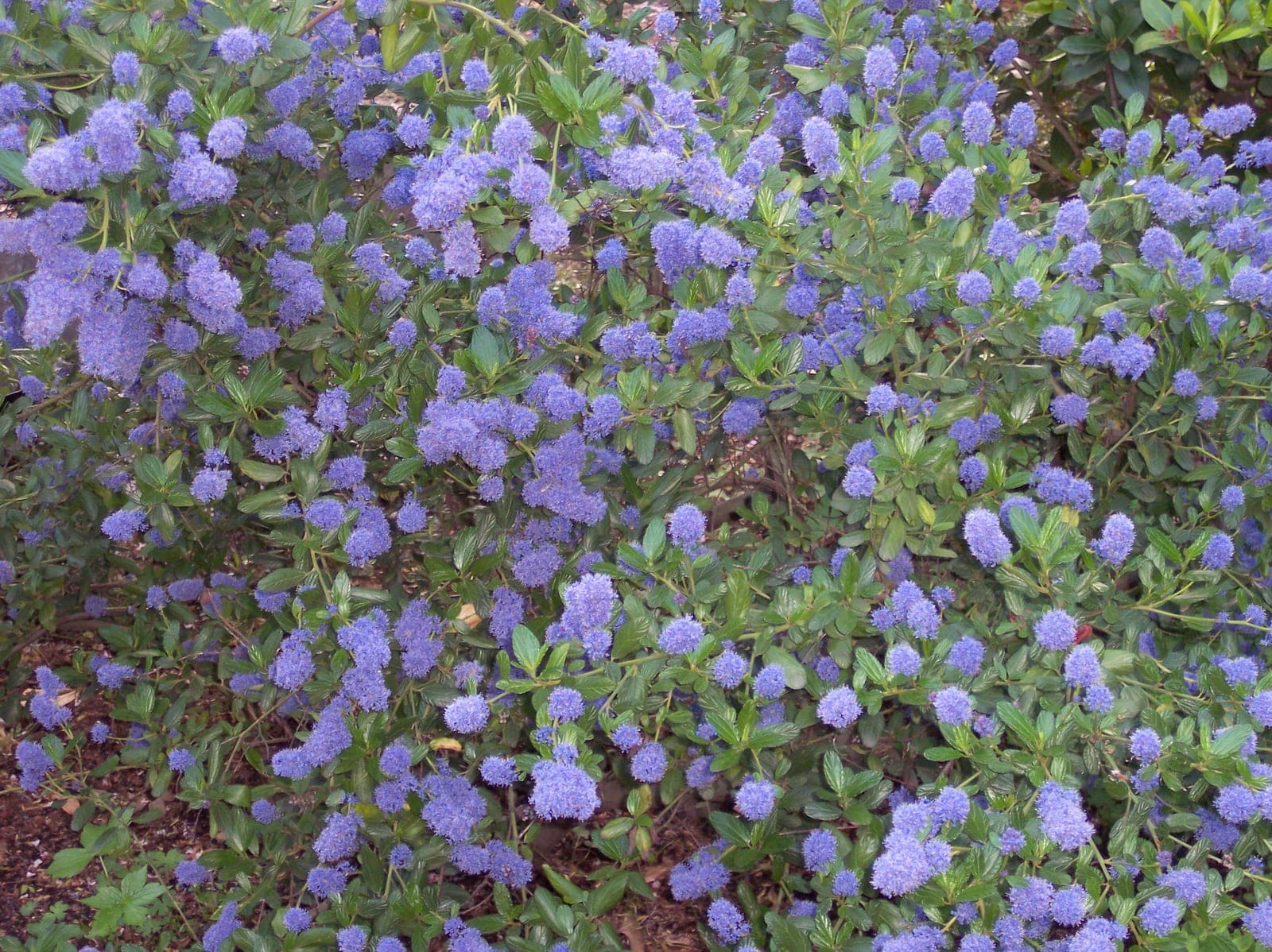
California Lilac
Ceanothus thyrsiflorus
Zones 8a–10b · native to 2 states
Blooms Feb – Apr in zone 9b
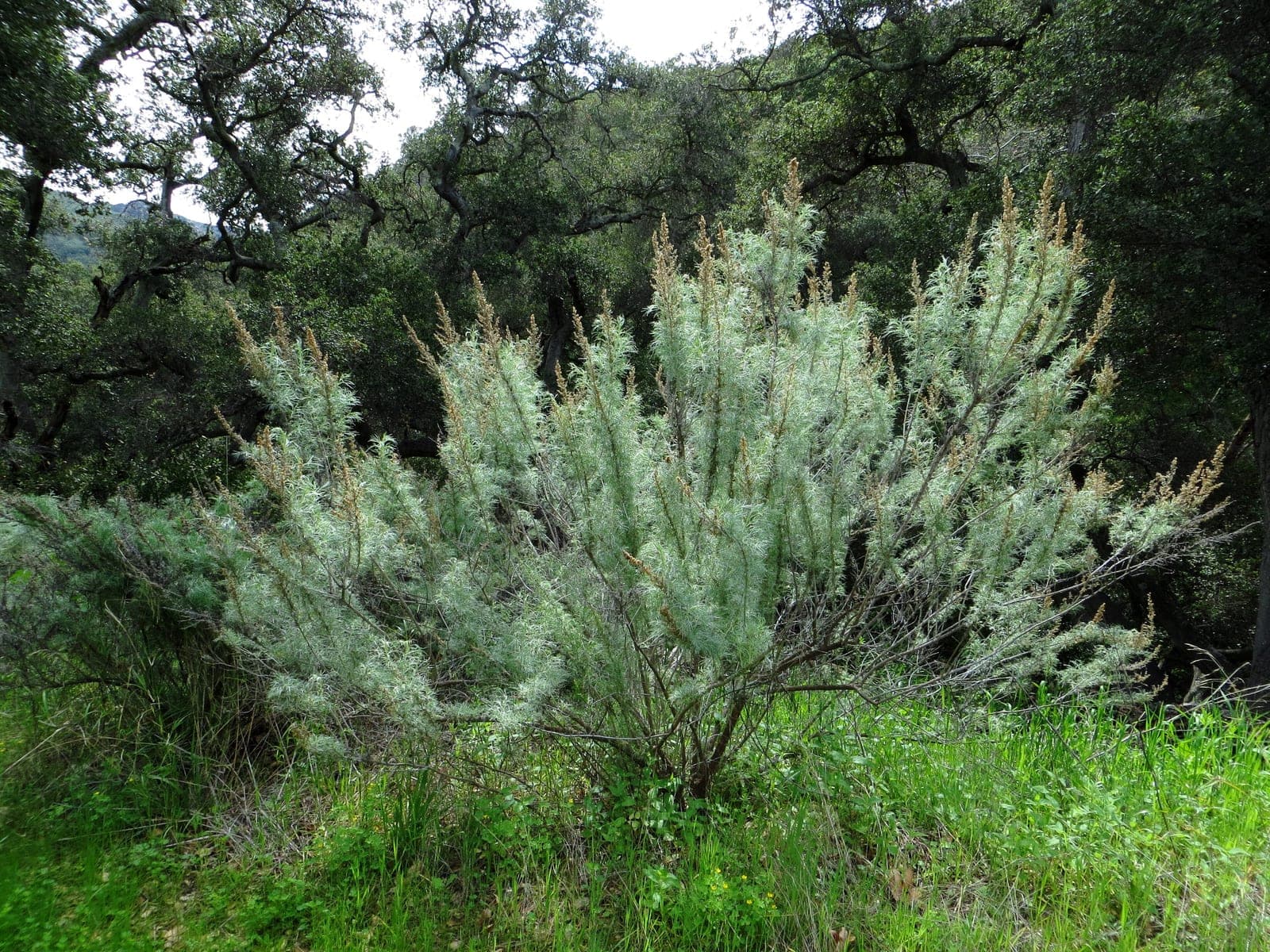
California Sagebrush
Artemisia californica
Zones 8a–10b
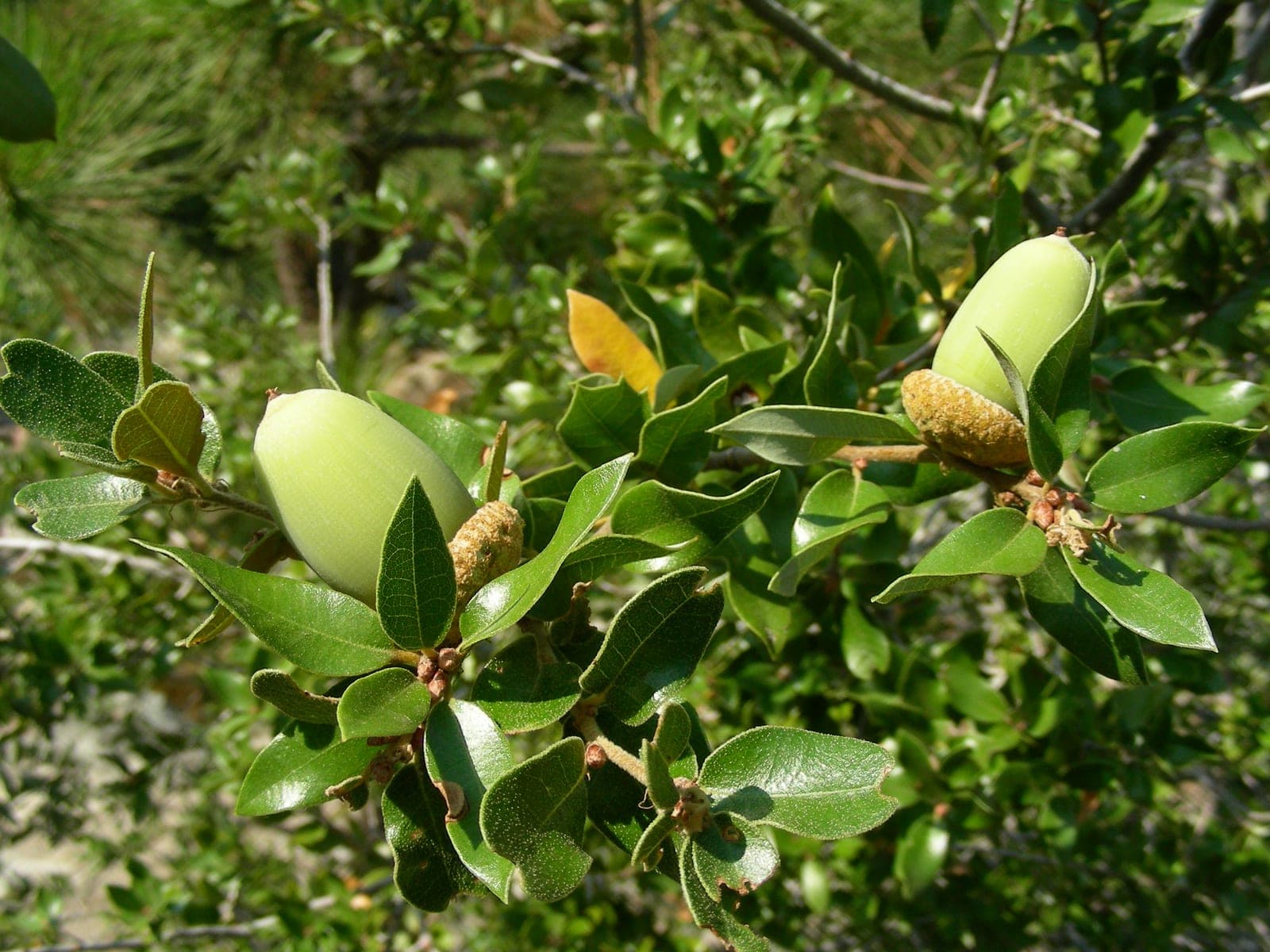
Canyon Live Oak
Quercus chrysolepis
Zones 7a–9b · native to 6 states
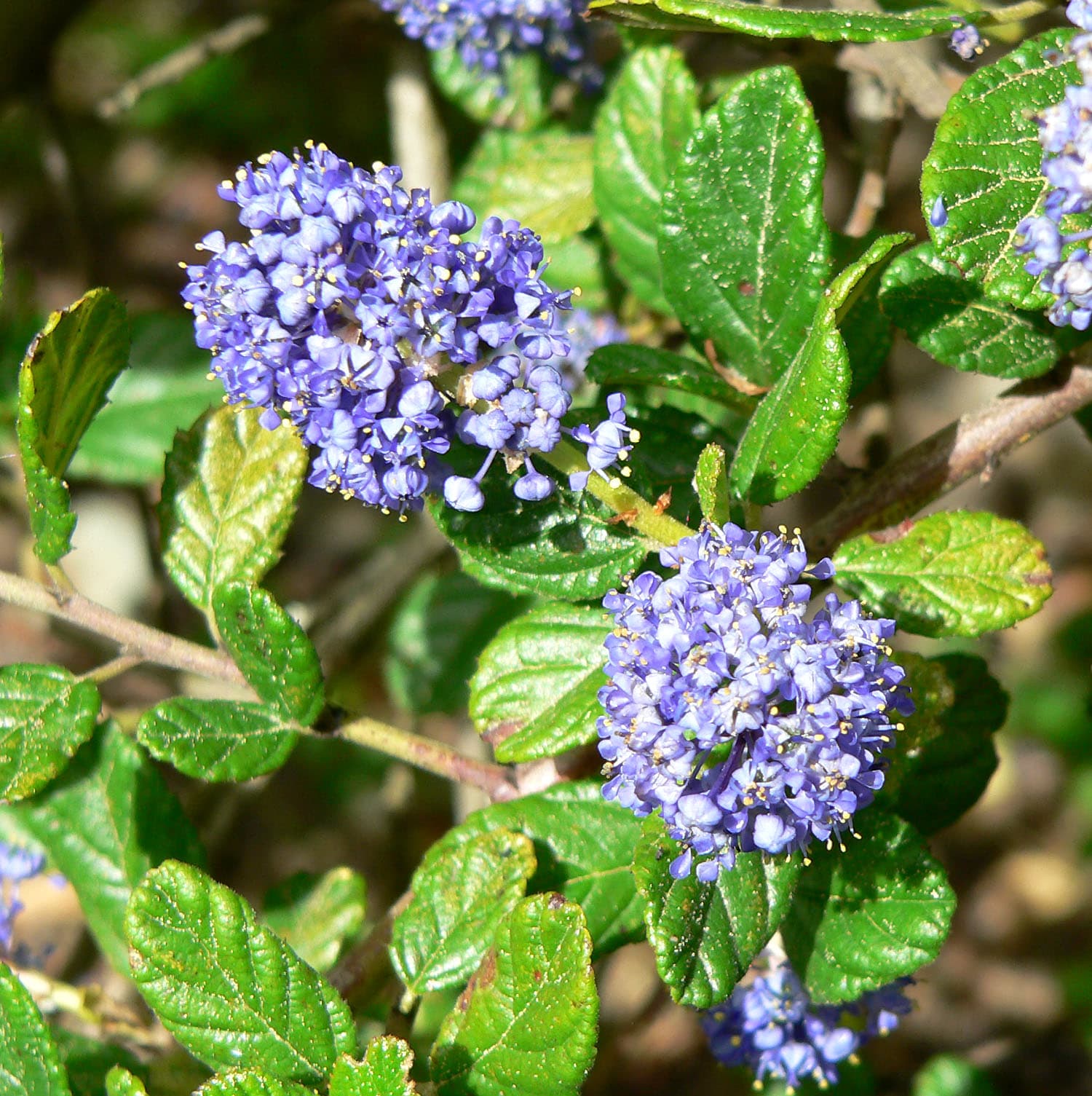
Carmel Creeper
Ceanothus griseus var. horizontalis
Zones 8a–10b
Blooms Feb – Apr in zone 9b
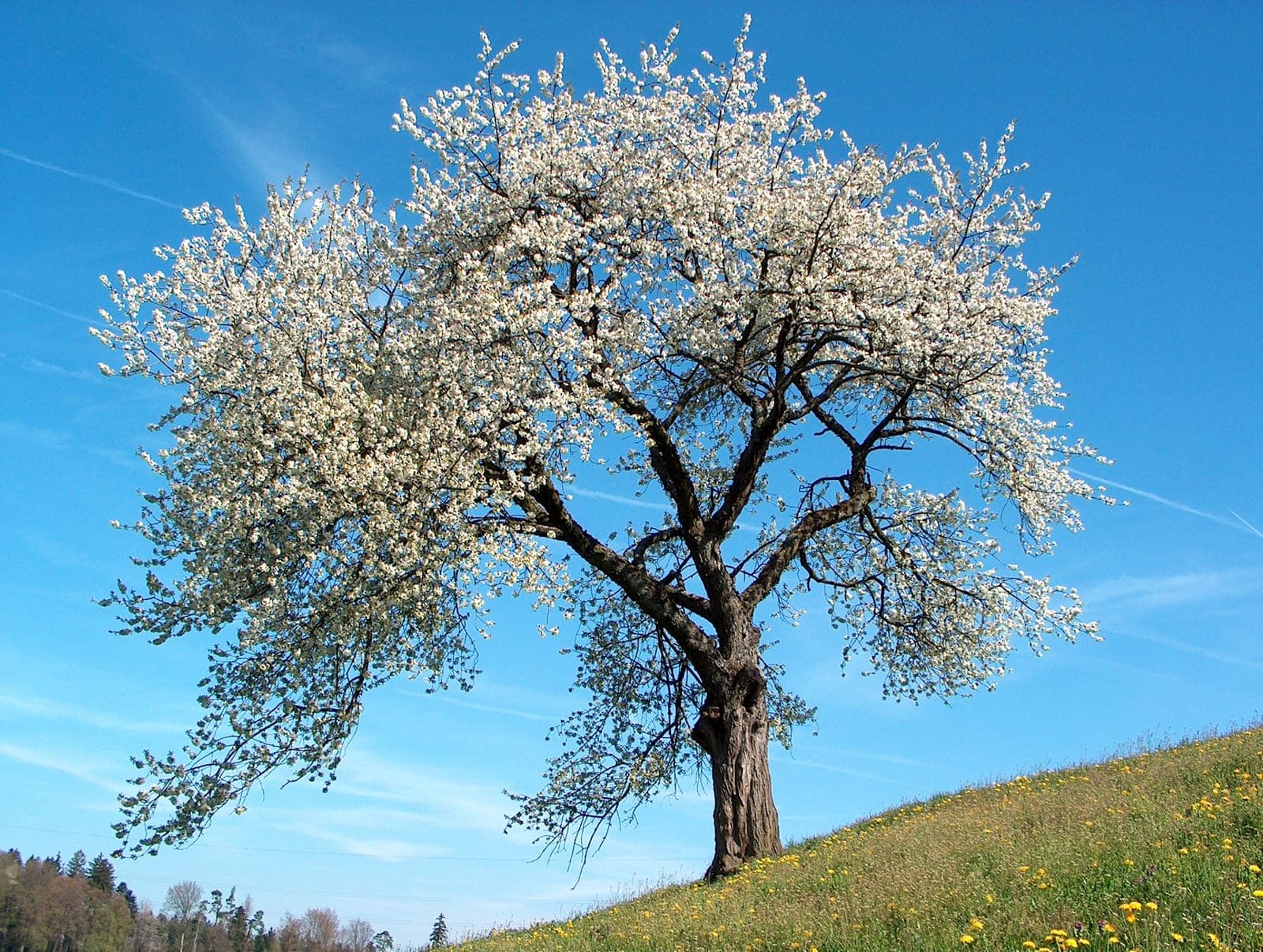
Catalina Cherry
Prunus ilicifolia ssp. lyonii
Zones 8a–10b
Blooms Mar – May in zone 9b
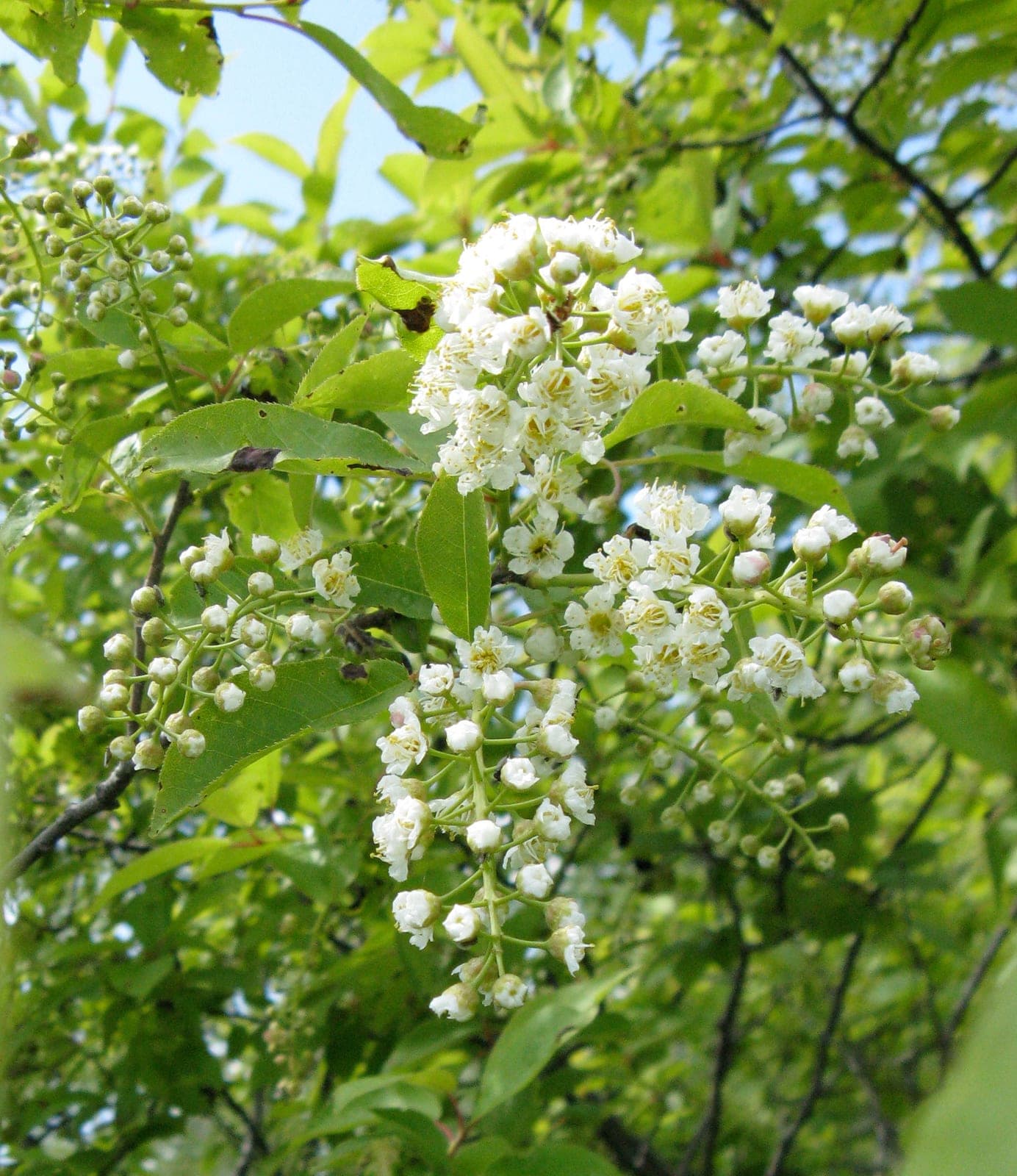
Chokecherry
Prunus virginiana
Zones 2a–7b · native to 55 states and provinces
Blooms Feb – Mar in zone 9b
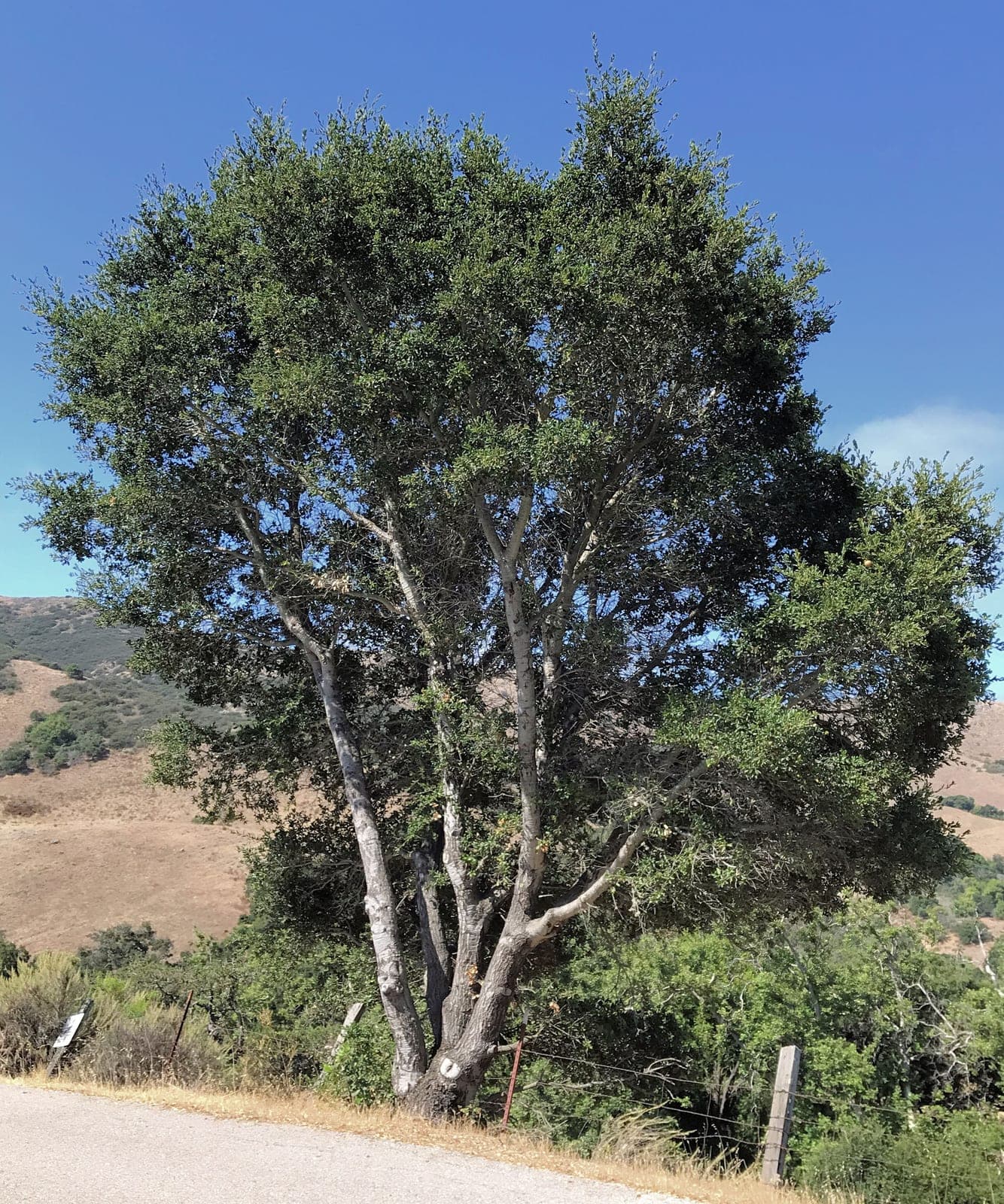
Coast Live Oak
Quercus agrifolia
Zones 9a–10b
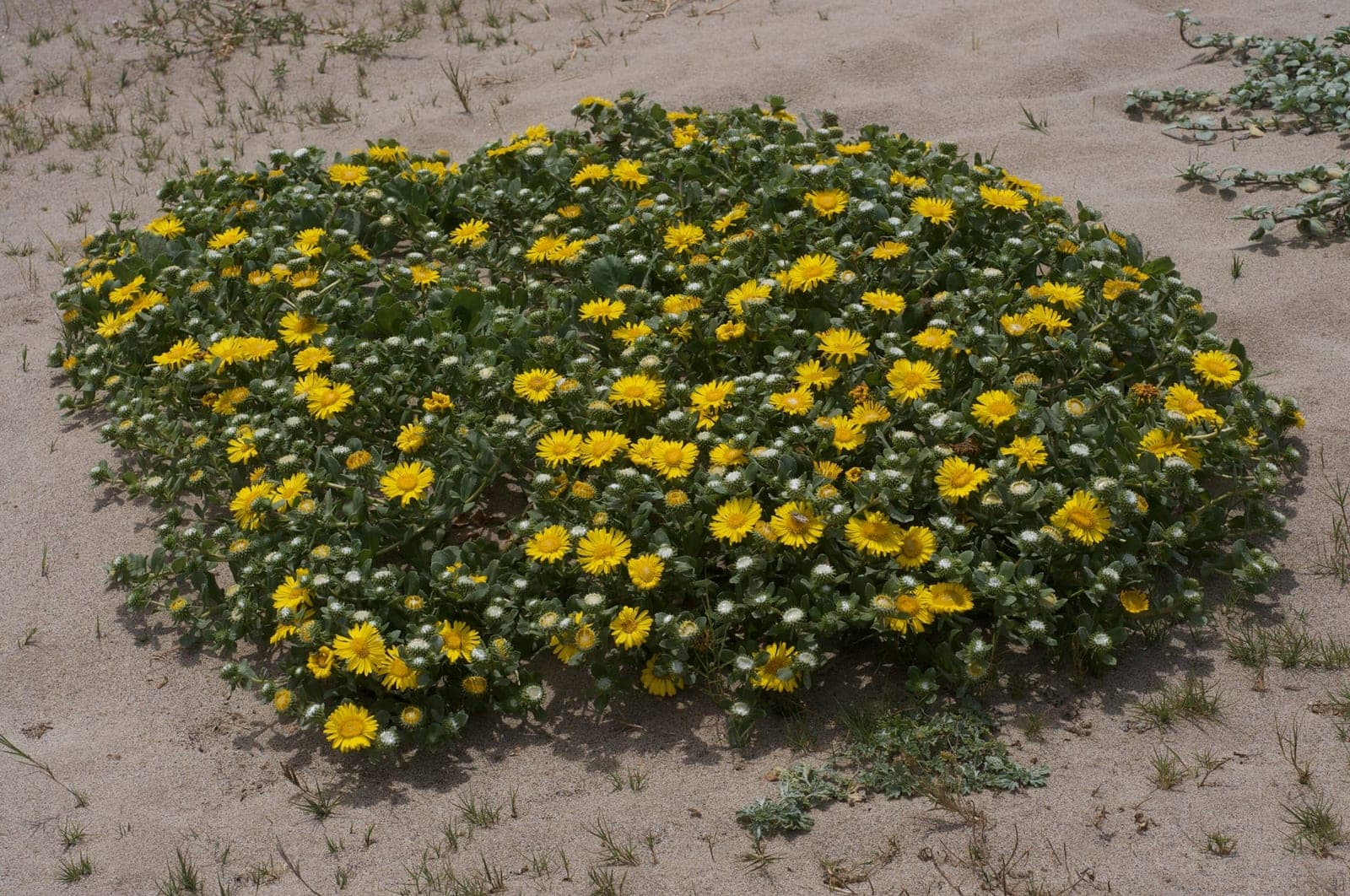
Coastal Gumweed
Grindelia stricta
Zones 7a–10b · native to 4 states and provinces
Blooms Apr – Aug in zone 9b
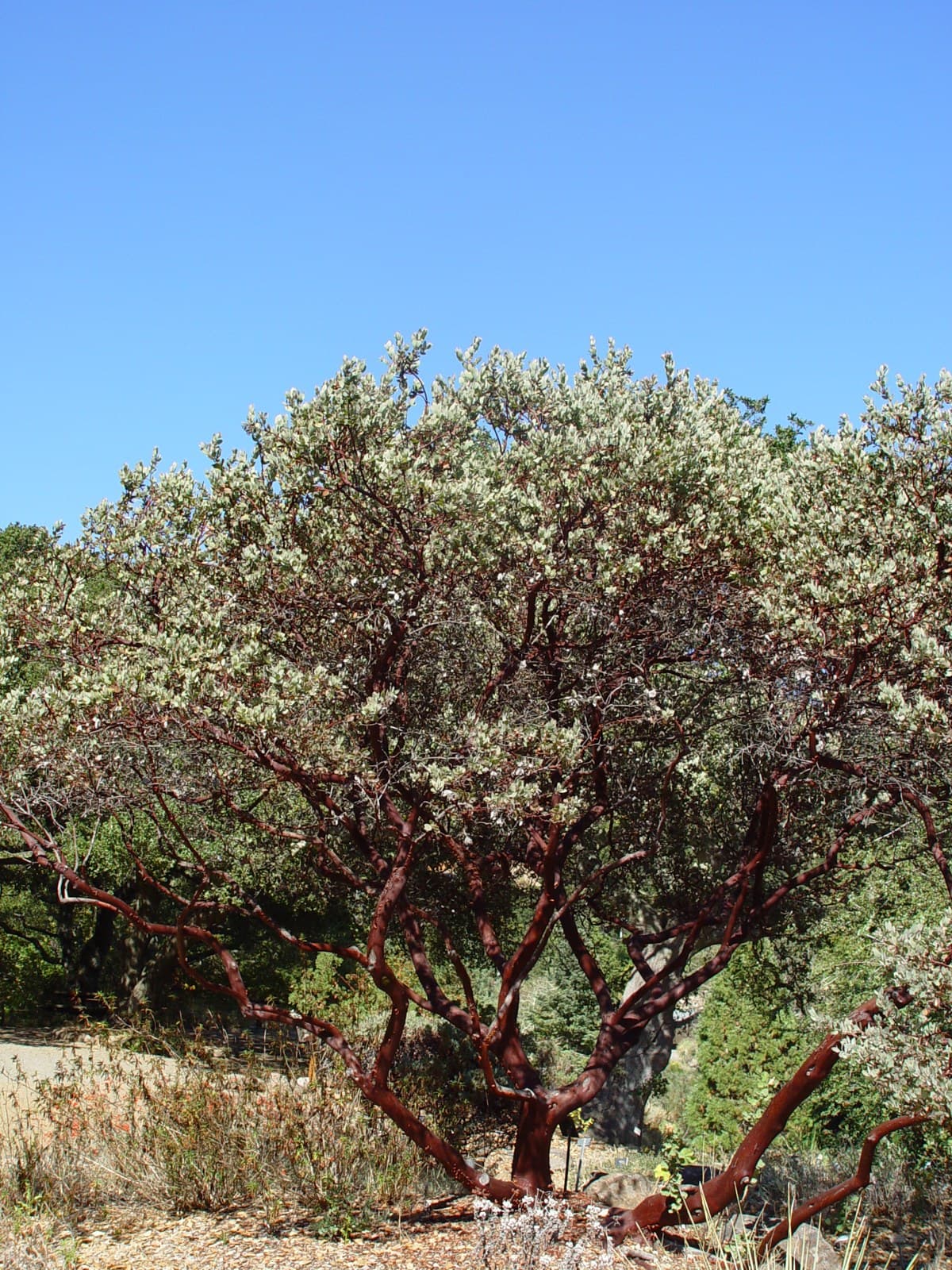
Common Manzanita
Arctostaphylos manzanita
Zones 7a–10b
Blooms Dec – Mar in zone 9b
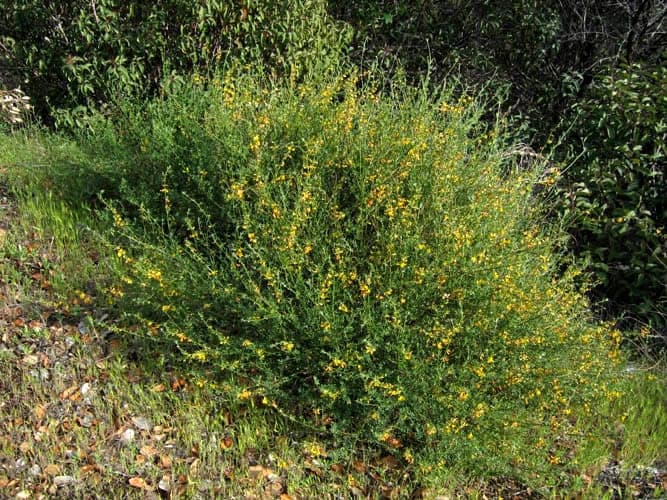
Deerweed
Acmispon glaber
Zones 8a–10b · native to 2 states
Blooms Jan – Mar in zone 9b
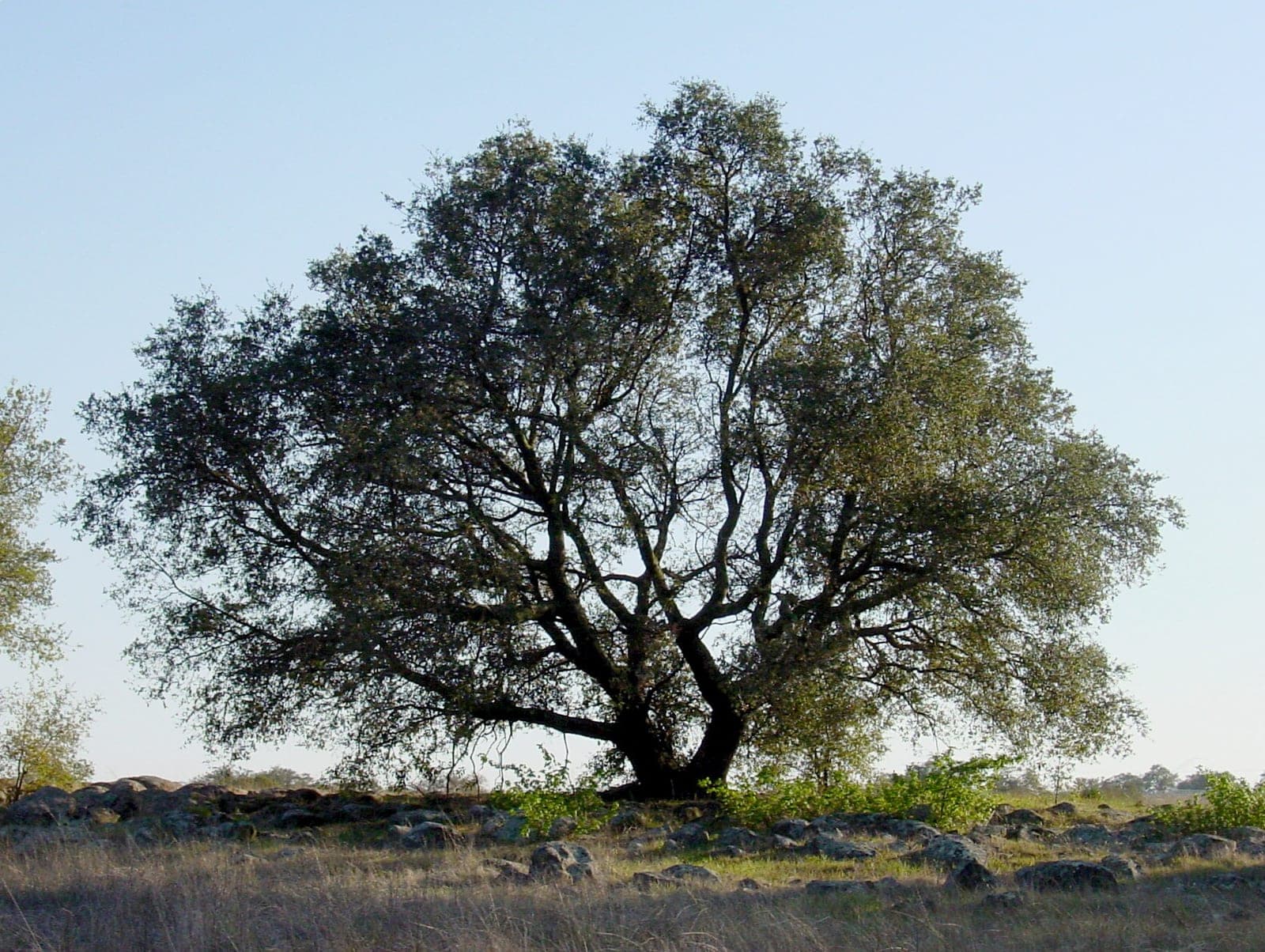
Engelmann Oak
Quercus engelmannii
Zones 8a–10b
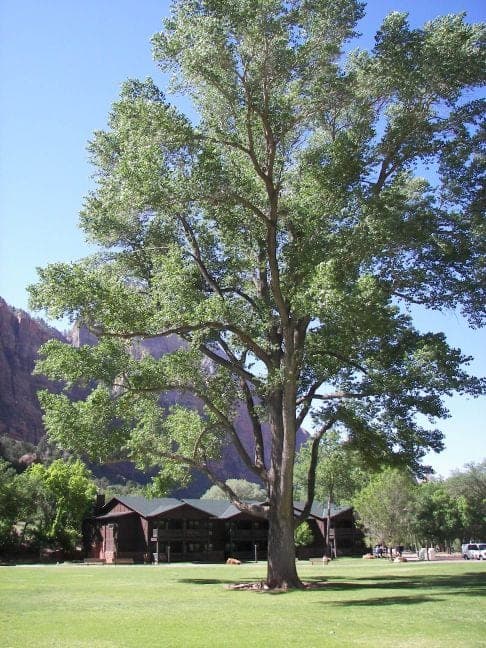
Fremont Cottonwood
Populus fremontii
Zones 5a–9b · native to 7 states
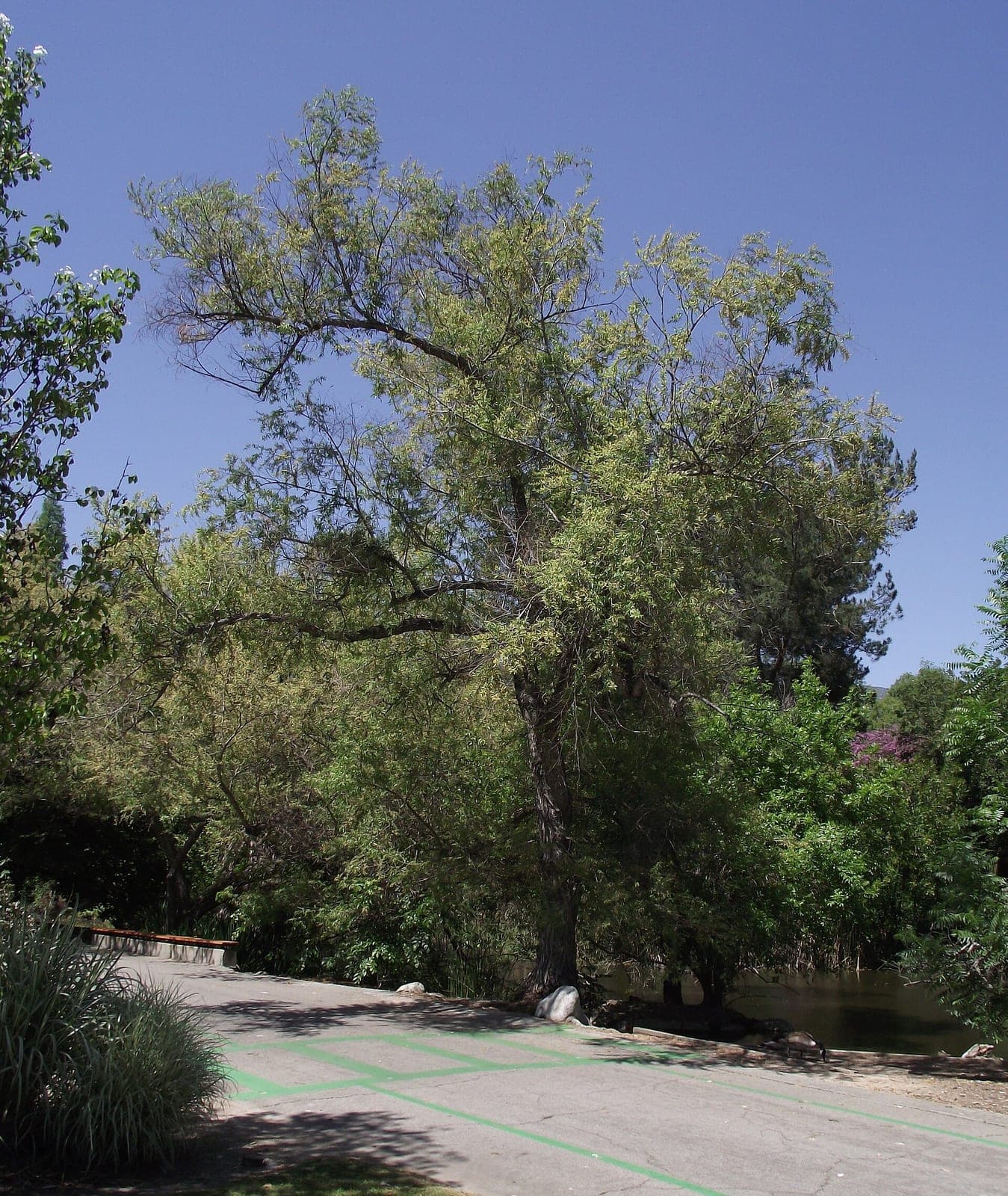
Goodding's Willow
Salix gooddingii
Zones 6a–10b · native to 8 states
Blooms Jan – Mar in zone 9b
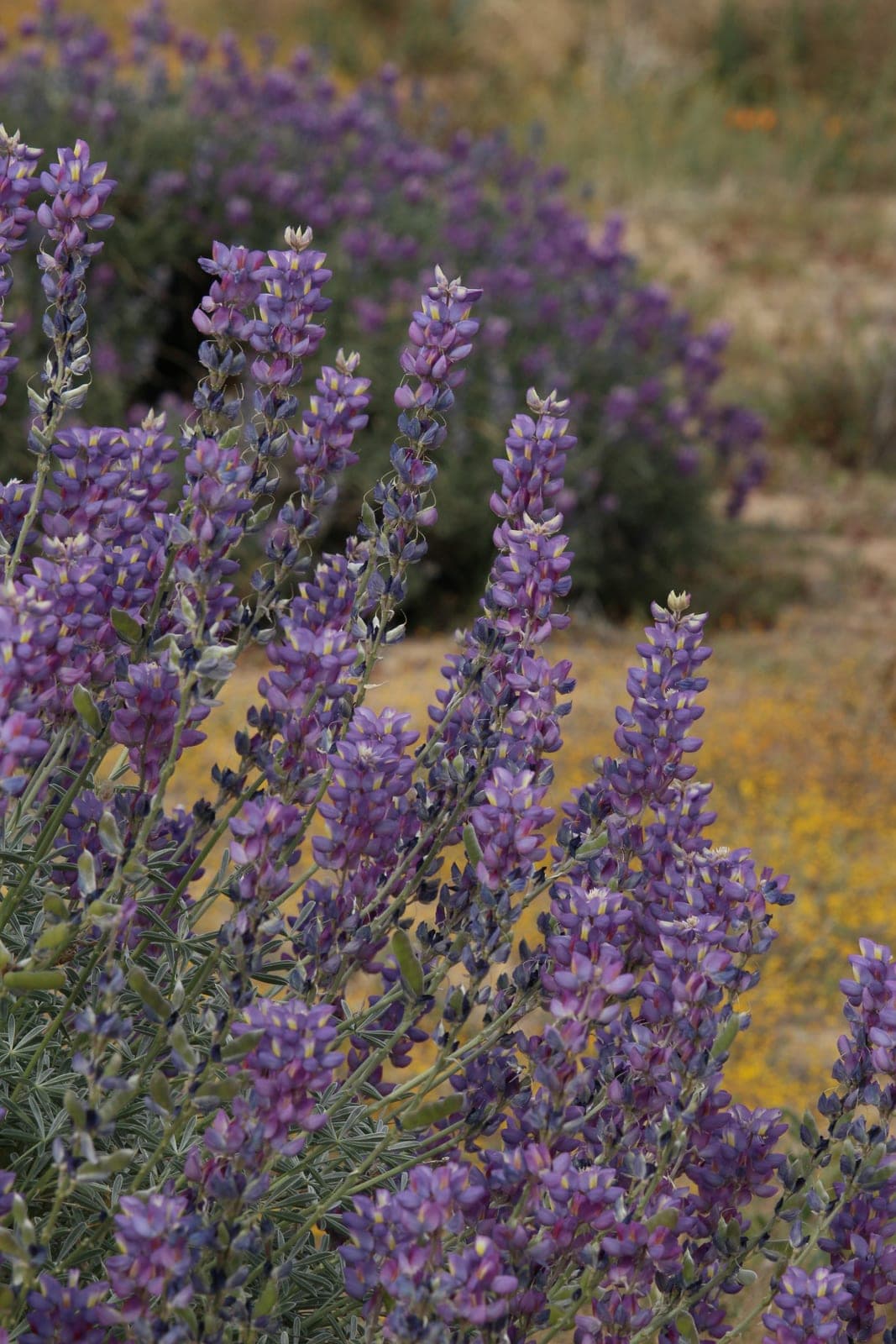
Grape Soda Lupine
Lupinus excubitus
Zones 7a–10b · native to 3 states
Blooms Mar – Jul in zone 9b

Harlequin Lupine
Lupinus stiversii
Zones 7a–10a
Blooms Feb – Apr in zone 9b
Hollyleaf Cherry
Prunus ilicifolia ssp. ilicifolia
Zones 8a–10b
Blooms Mar – May in zone 9b
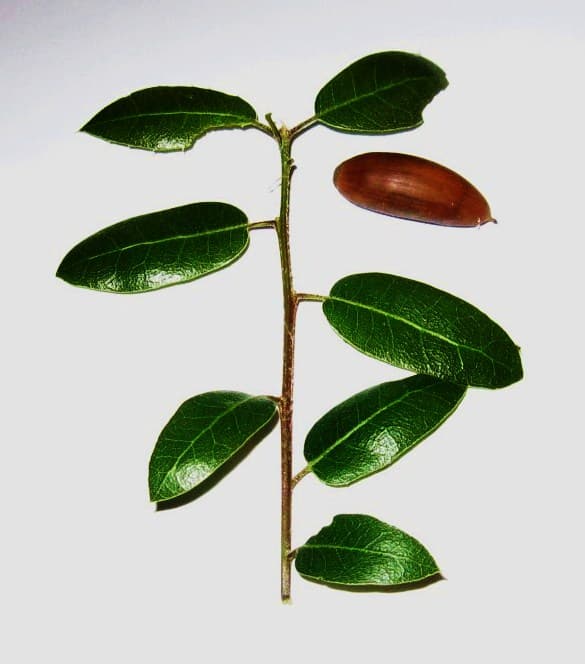
Interior Live Oak
Quercus wislizeni
Zones 7b–10a
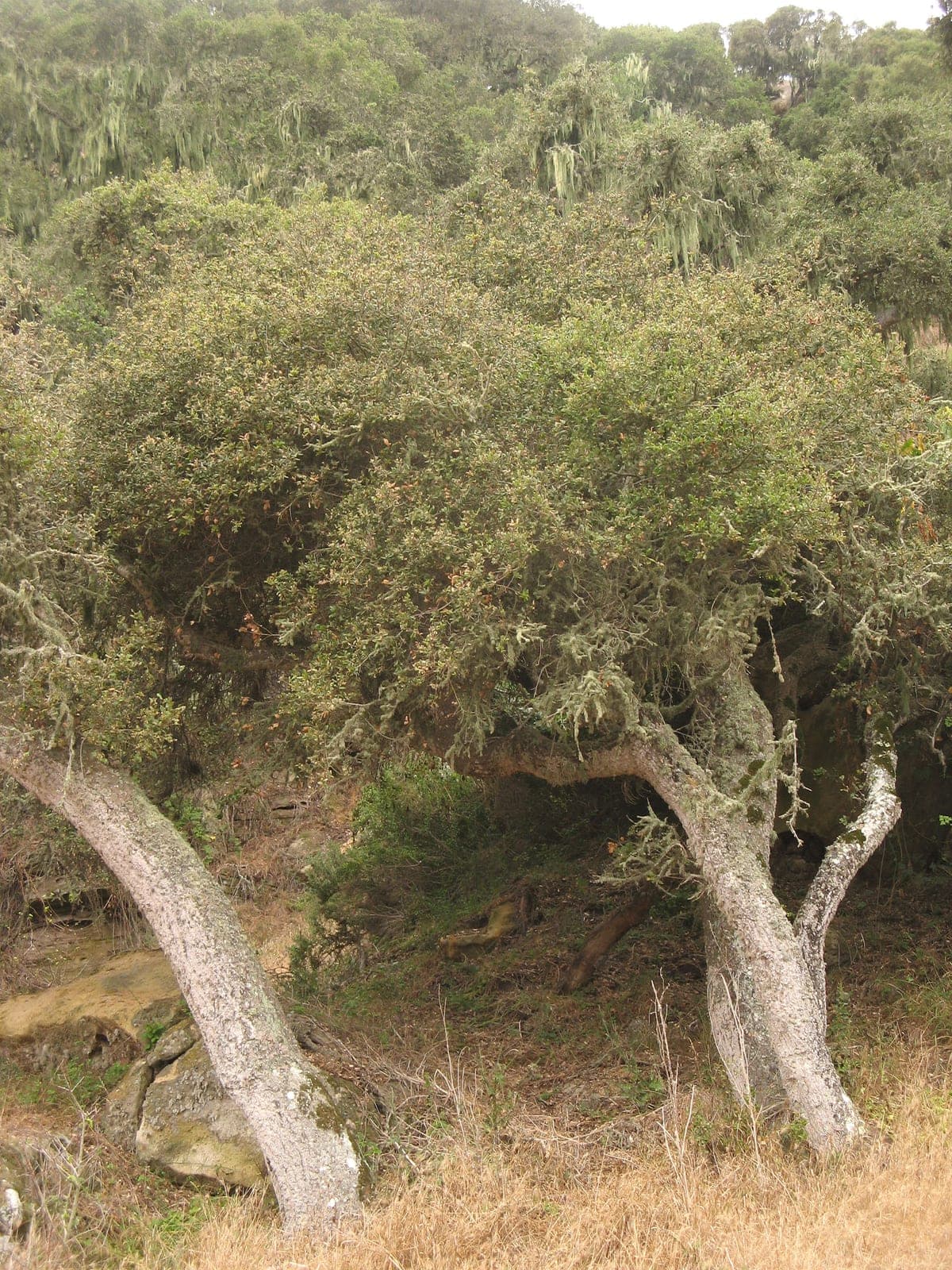
Island Oak
Quercus tomentella
Zones 9a–10b
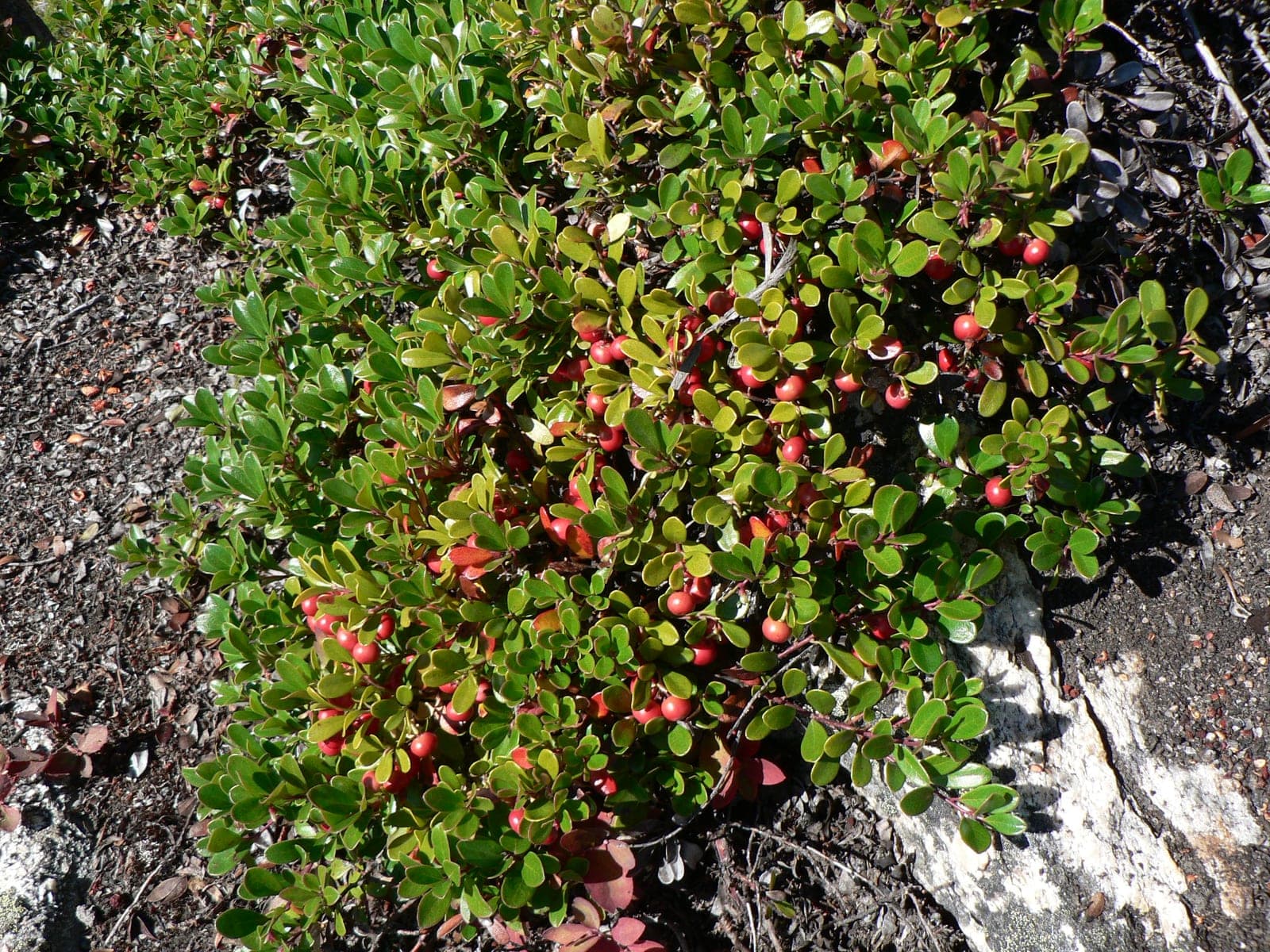
Kinnikinnick
Arctostaphylos uva-ursi
Zones 2a–8b · native to 42 states and provinces
Blooms Feb – Mar in zone 9b
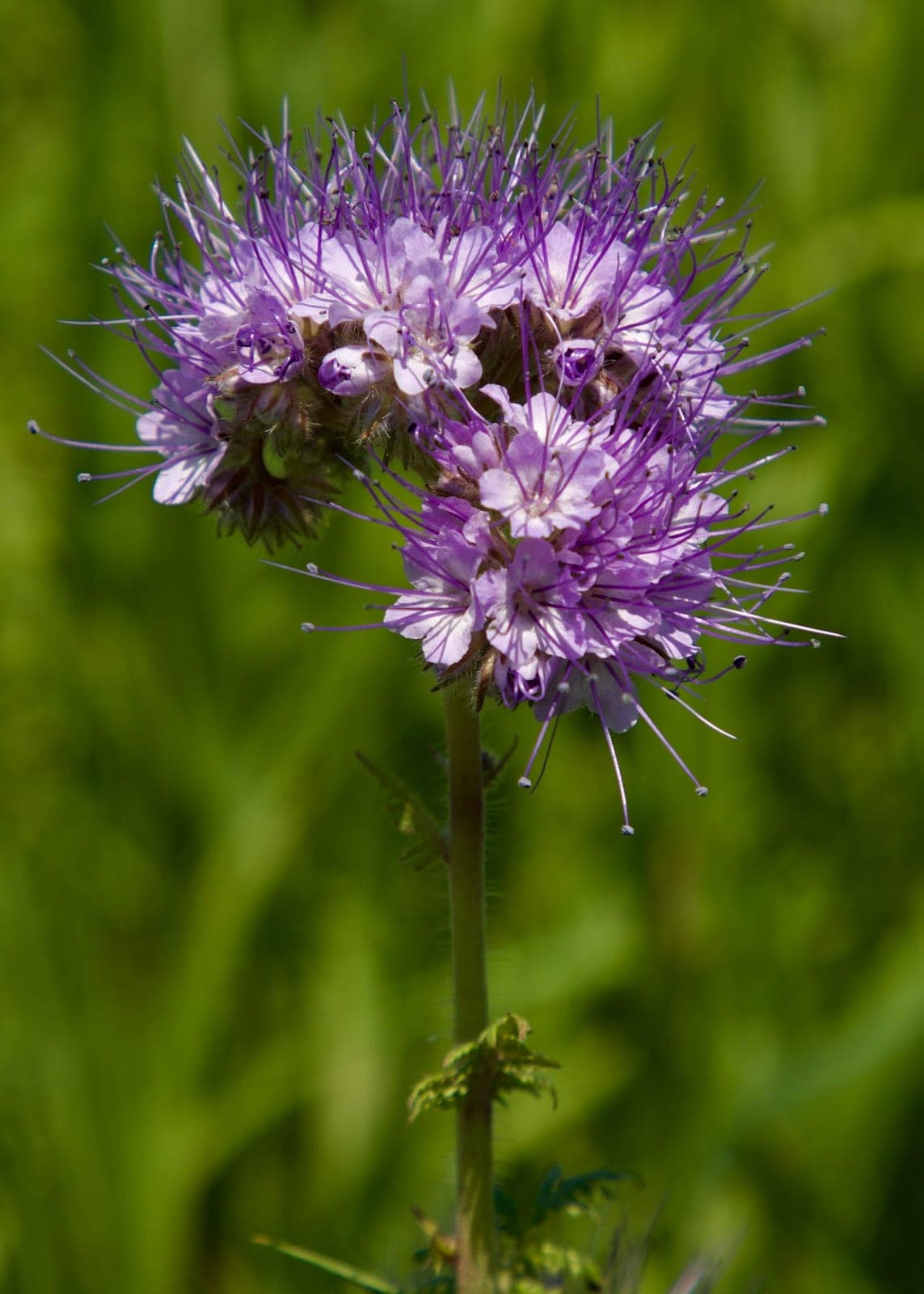
Lacy Phacelia
Phacelia tanacetifolia
Zones 3a–10b · native to 3 states
Blooms Mar – May in zone 9b
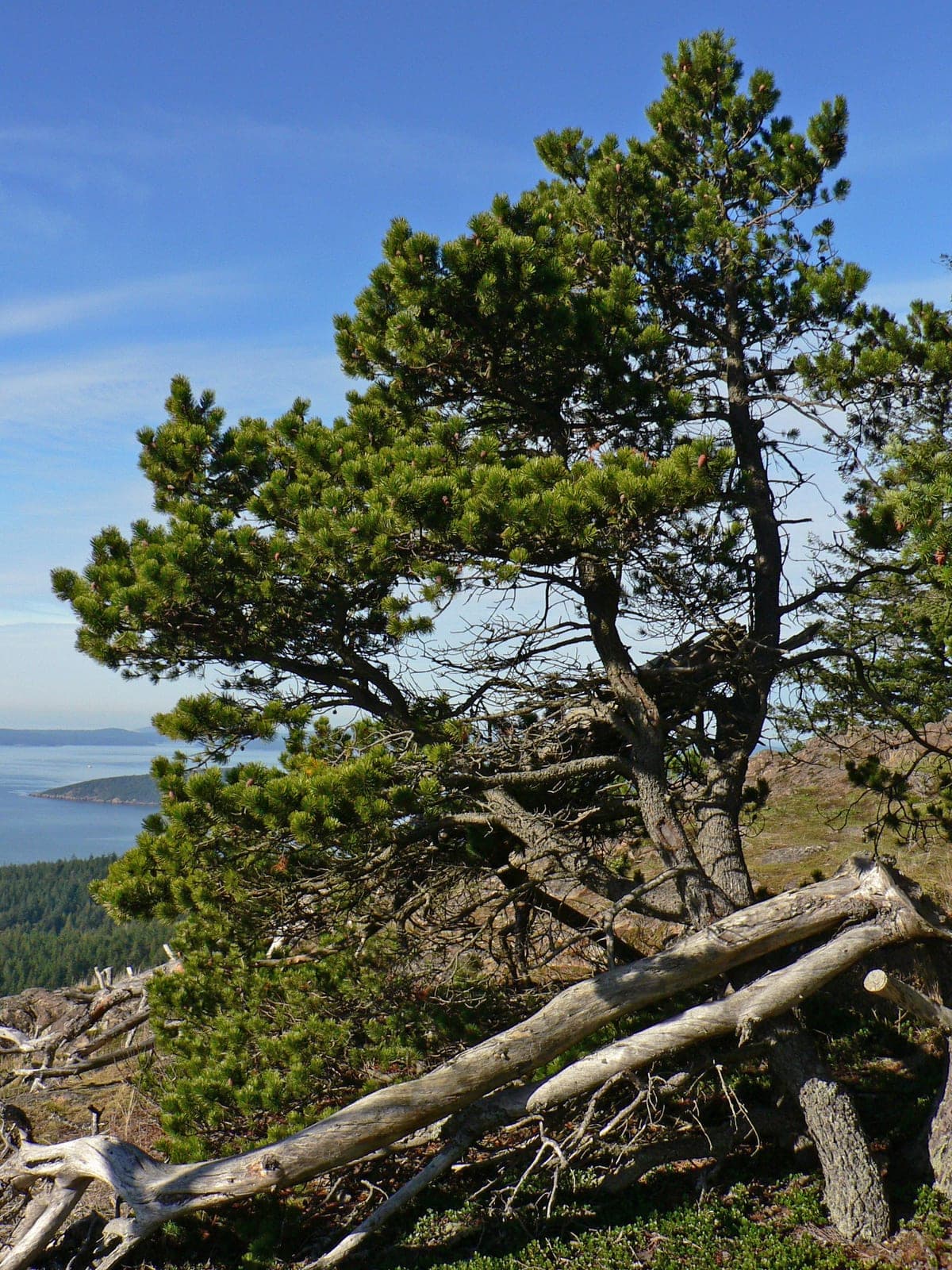
Lodgepole Pine
Pinus contorta
Zones 4a–7b · native to 14 states and provinces

Lupin
Lupinus polyphyllus
Zones 3a–7b · native to 7 states and provinces
Blooms Mar – May in zone 9b
Direct-sow ~4 wks before your last spring frost
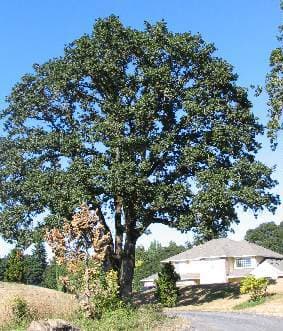
Oregon White Oak
Quercus garryana
Zones 6a–9b · native to 4 states and provinces
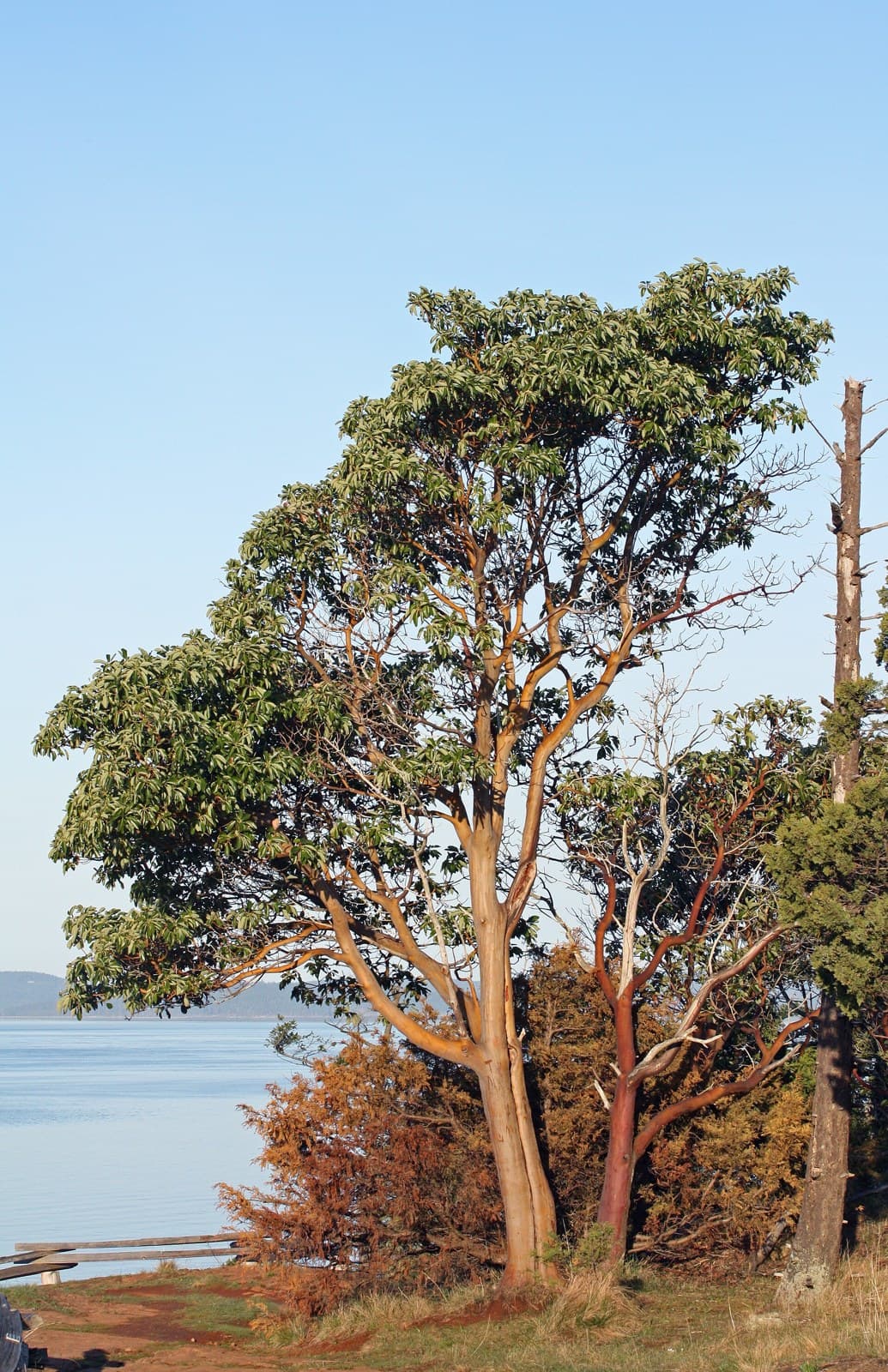
Pacific Madrone
Arbutus menziesii
Zones 7a–9b · native to 4 states and provinces
Blooms Jan – Feb in zone 9b
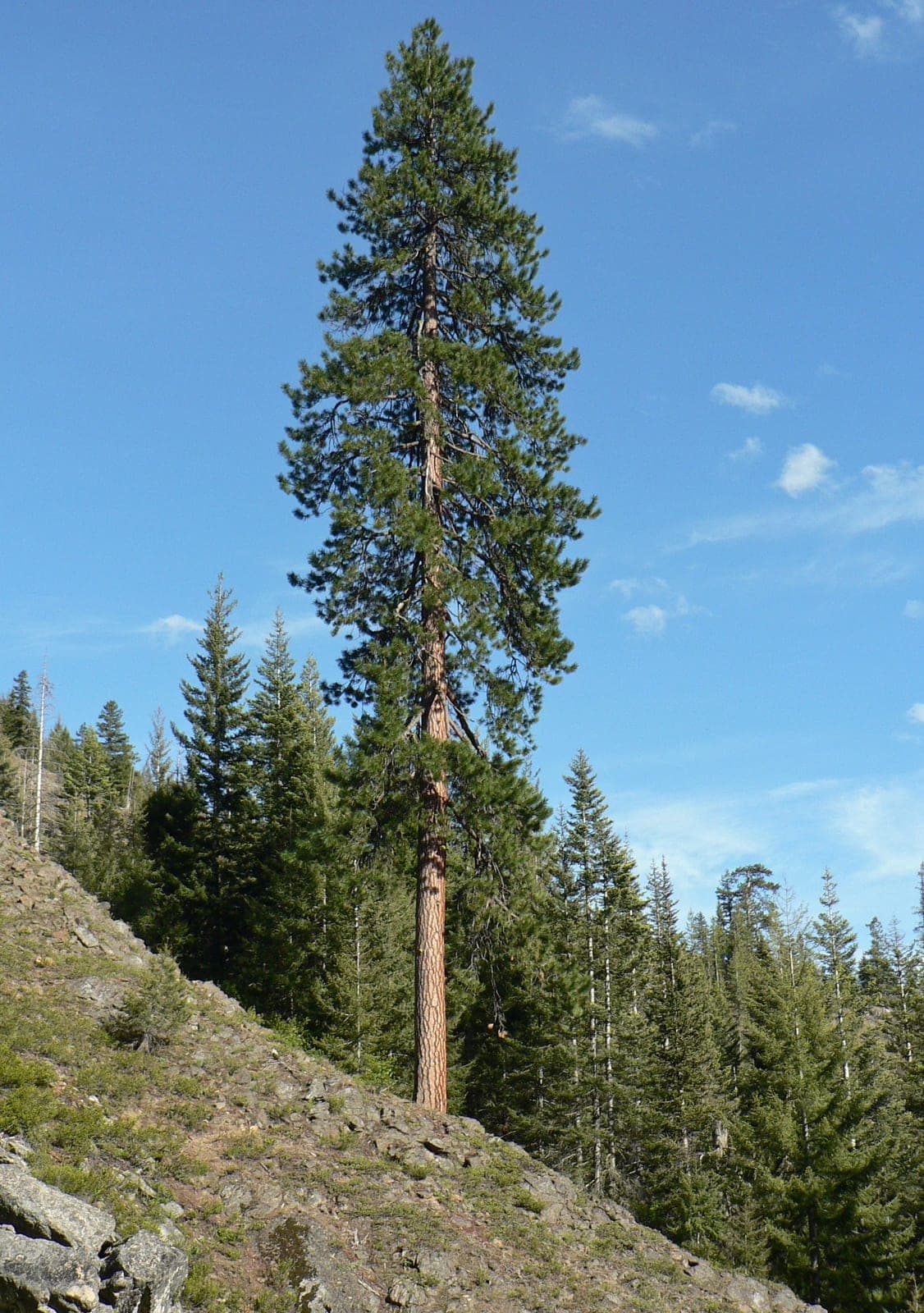
Ponderosa Pine
Pinus ponderosa
Zones 3b–7b · native to 17 states and provinces
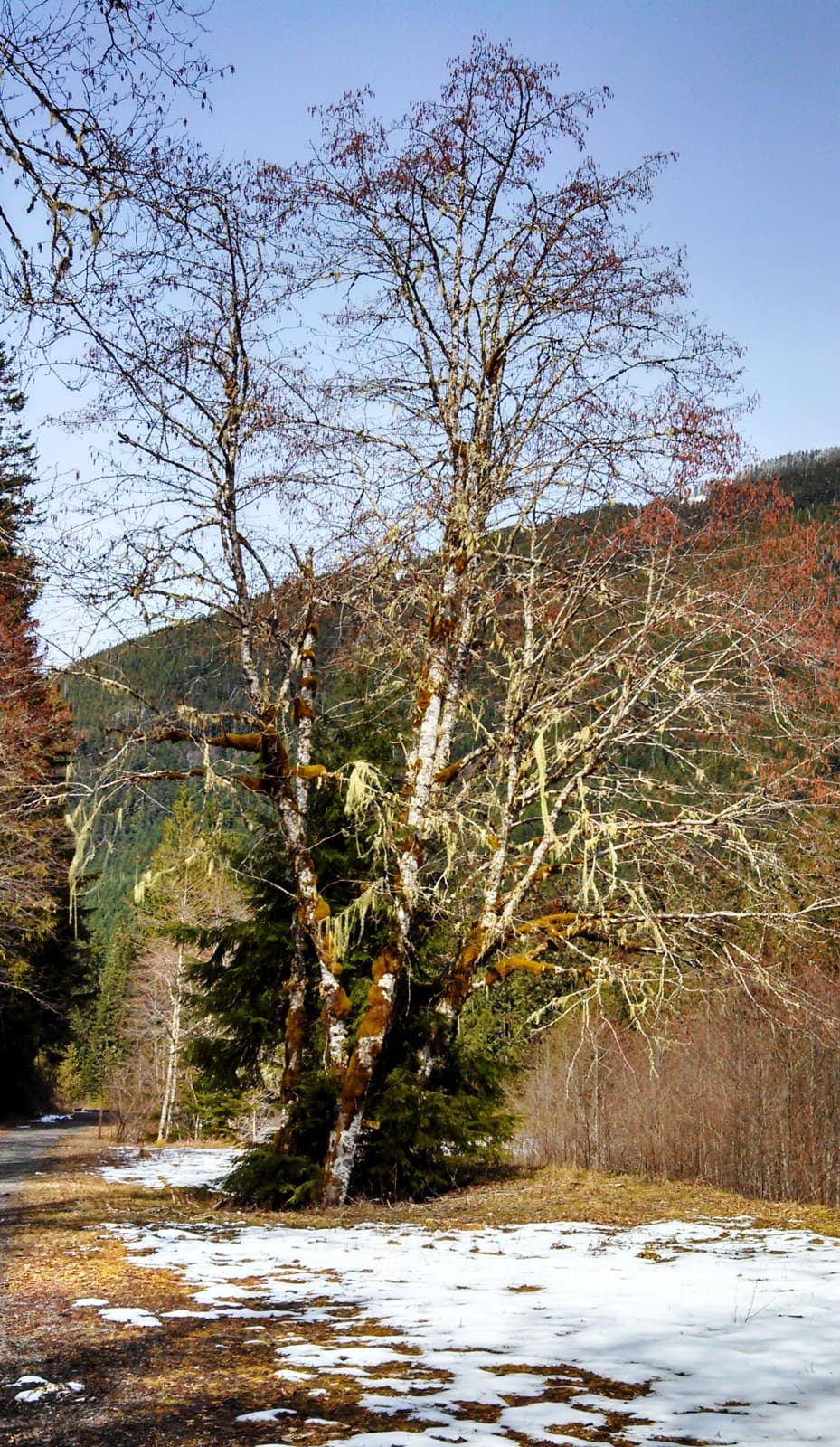
Red Alder
Alnus rubra
Zones 6a–9b · native to 7 states and provinces
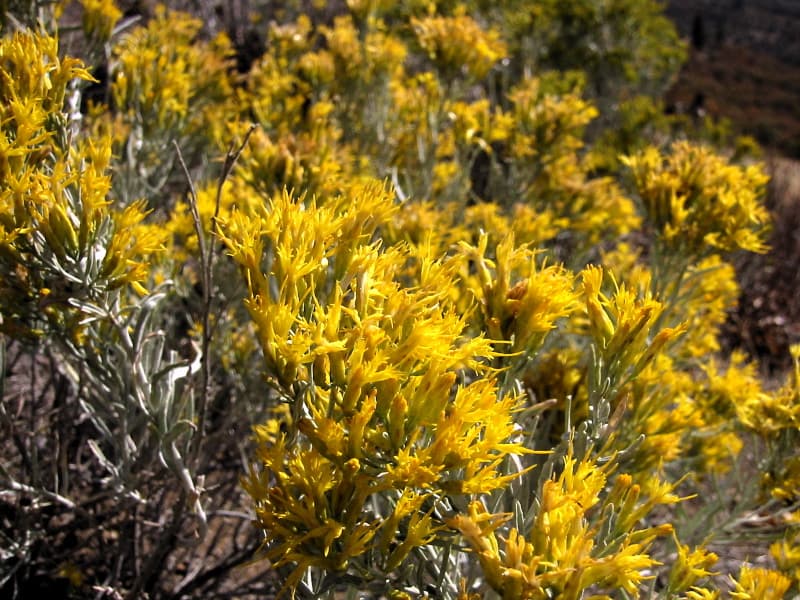
Rubber Rabbitbrush
Ericameria nauseosa
Zones 4a–9b · native to 20 states and provinces
Blooms May – Aug in zone 9b
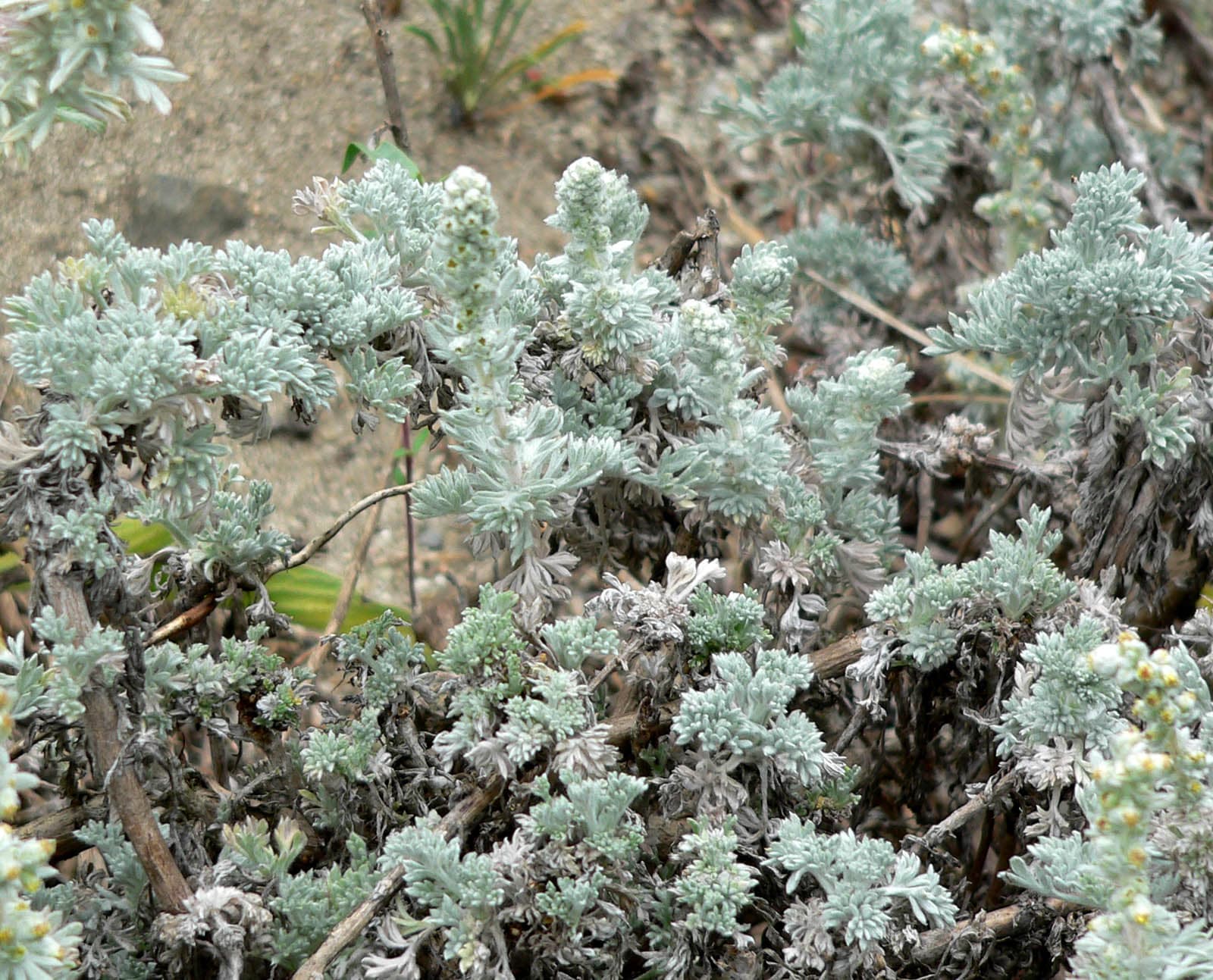
Sandhill Sage
Artemisia pycnocephala
Zones 8a–10b · native to 2 states
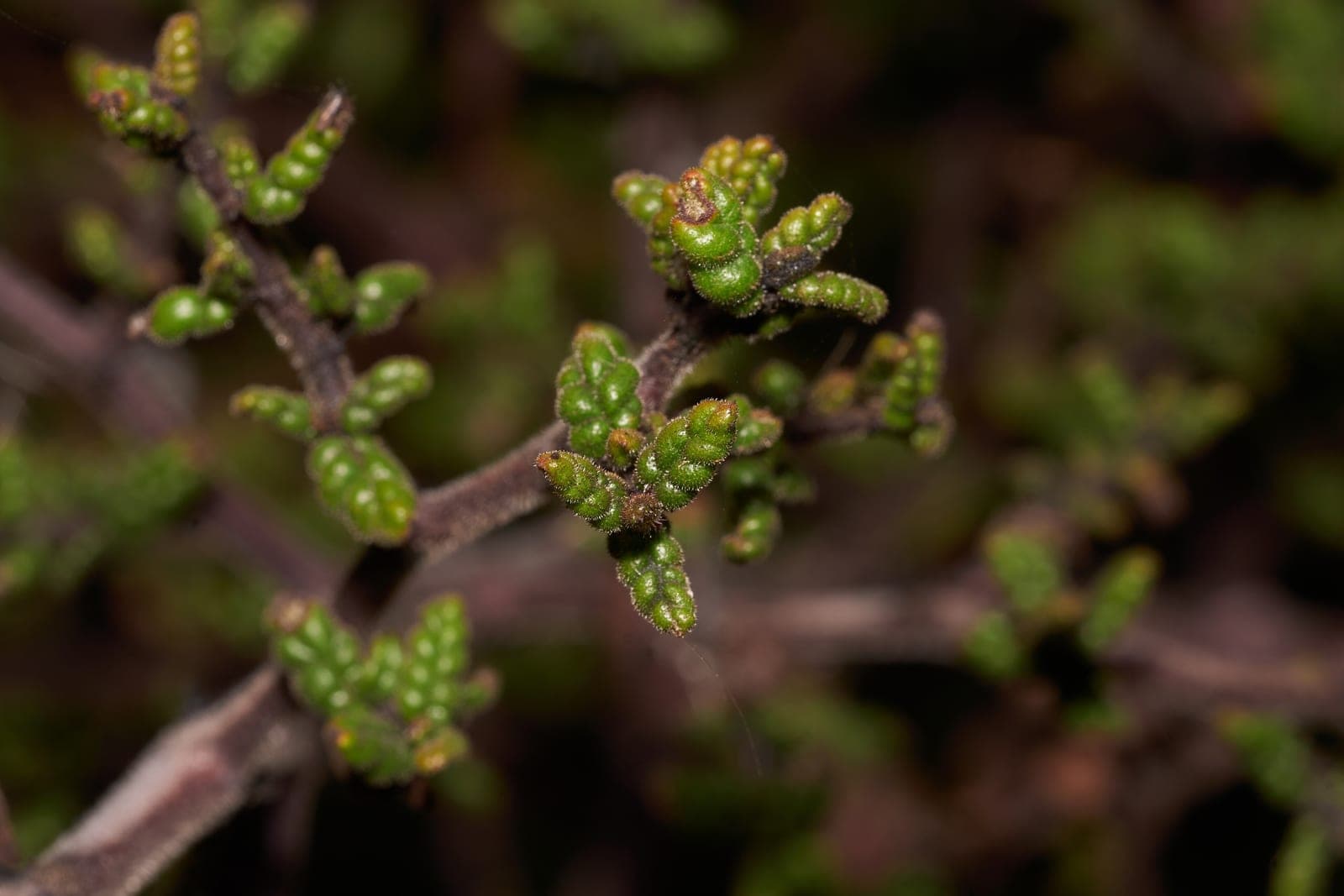
Santa Barbara Ceanothus
Ceanothus impressus
Zones 8a–10b
Blooms Feb – Apr in zone 9b
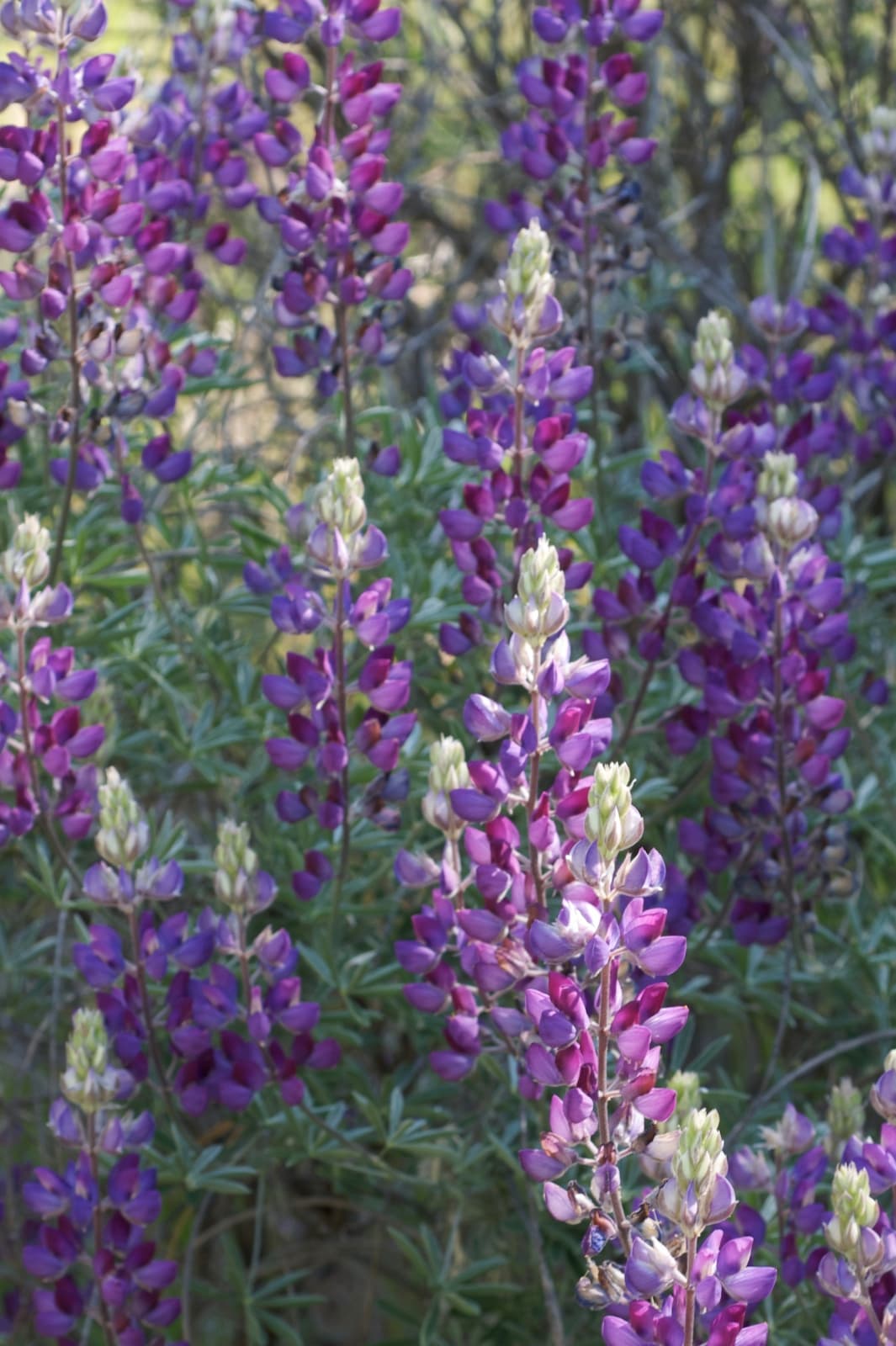
Silver Bush Lupine
Lupinus albifrons
Zones 7a–10b · native to 2 states
Blooms Mar – Jul in zone 9b

Sky Lupine
Lupinus nanus
Zones 7a–10b · native to 2 states
Blooms Feb – Mar in zone 9b
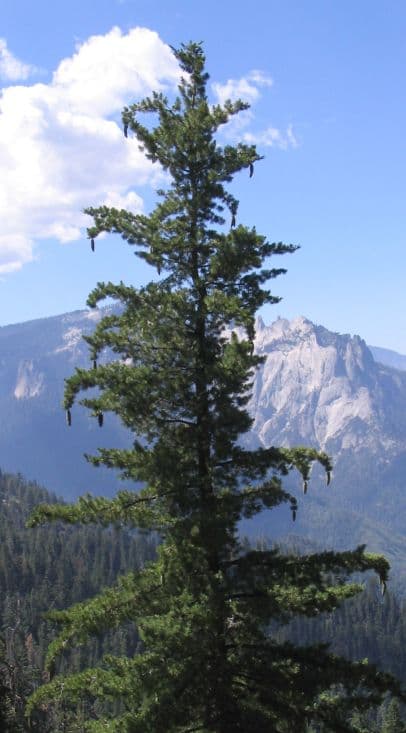
Sugar Pine
Pinus lambertiana
Zones 6a–8b · native to 3 states

Summer Lupine
Lupinus formosus
Zones 7a–10a · native to 2 states
Blooms Mar – May in zone 9b

Sunflower
Helianthus annuus
Zones 2a–11b · native to 22 states
Blooms Apr – Jul in zone 9b
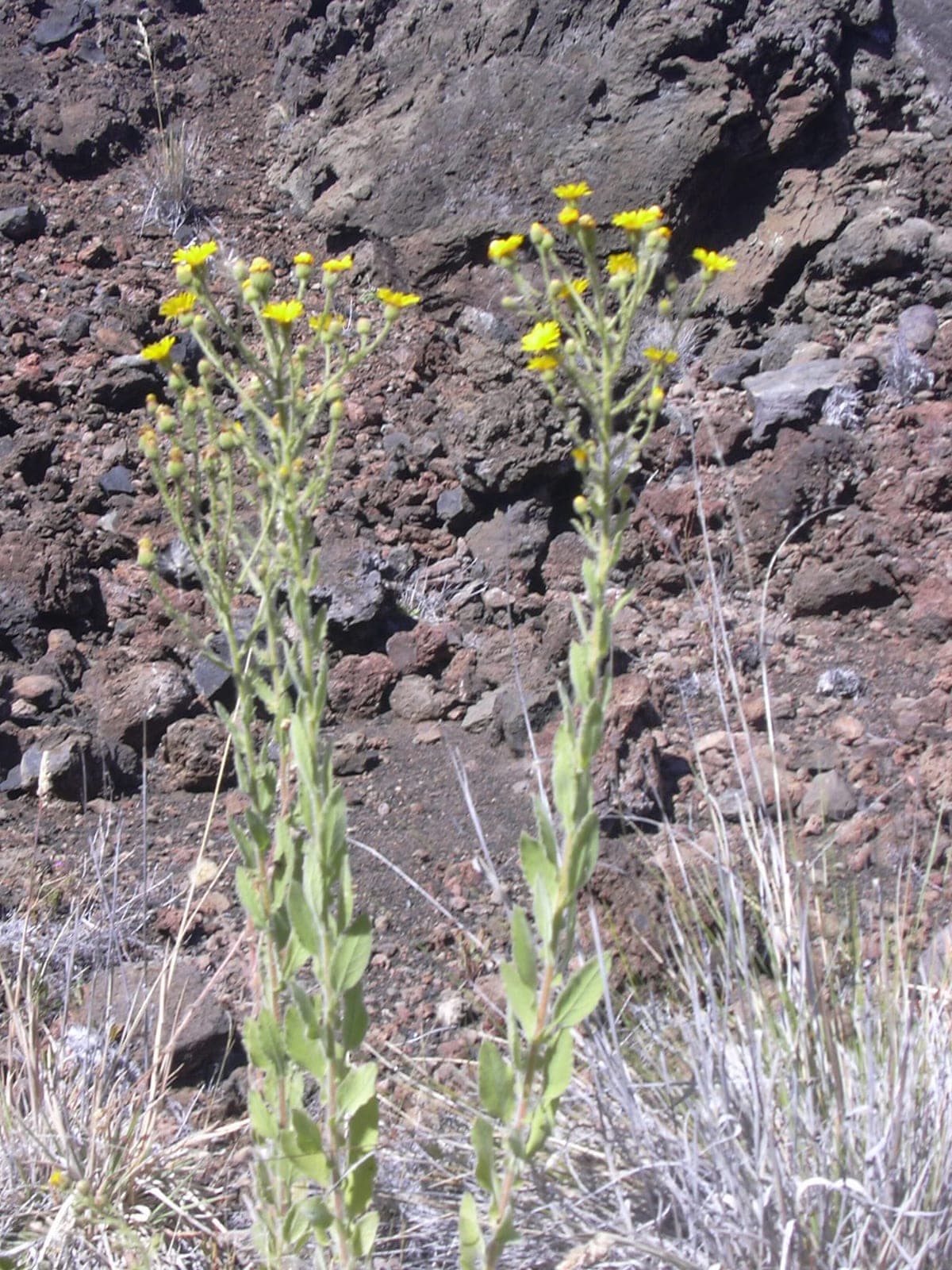
Telegraphweed
Heterotheca grandiflora
Zones 8a–10b
Blooms Apr – Aug in zone 9b
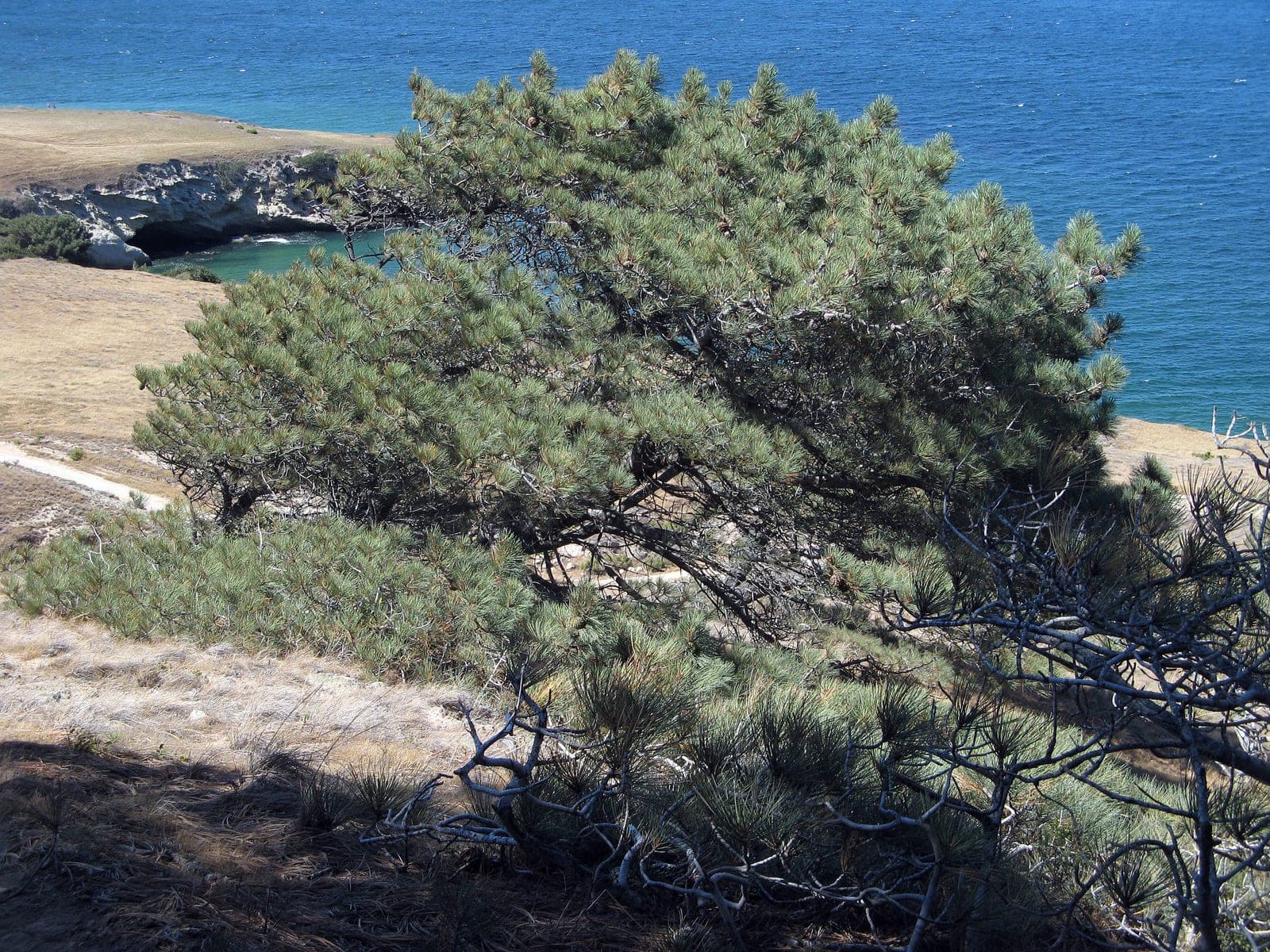
Torrey Pine
Pinus torreyana
Zones 8a–10b
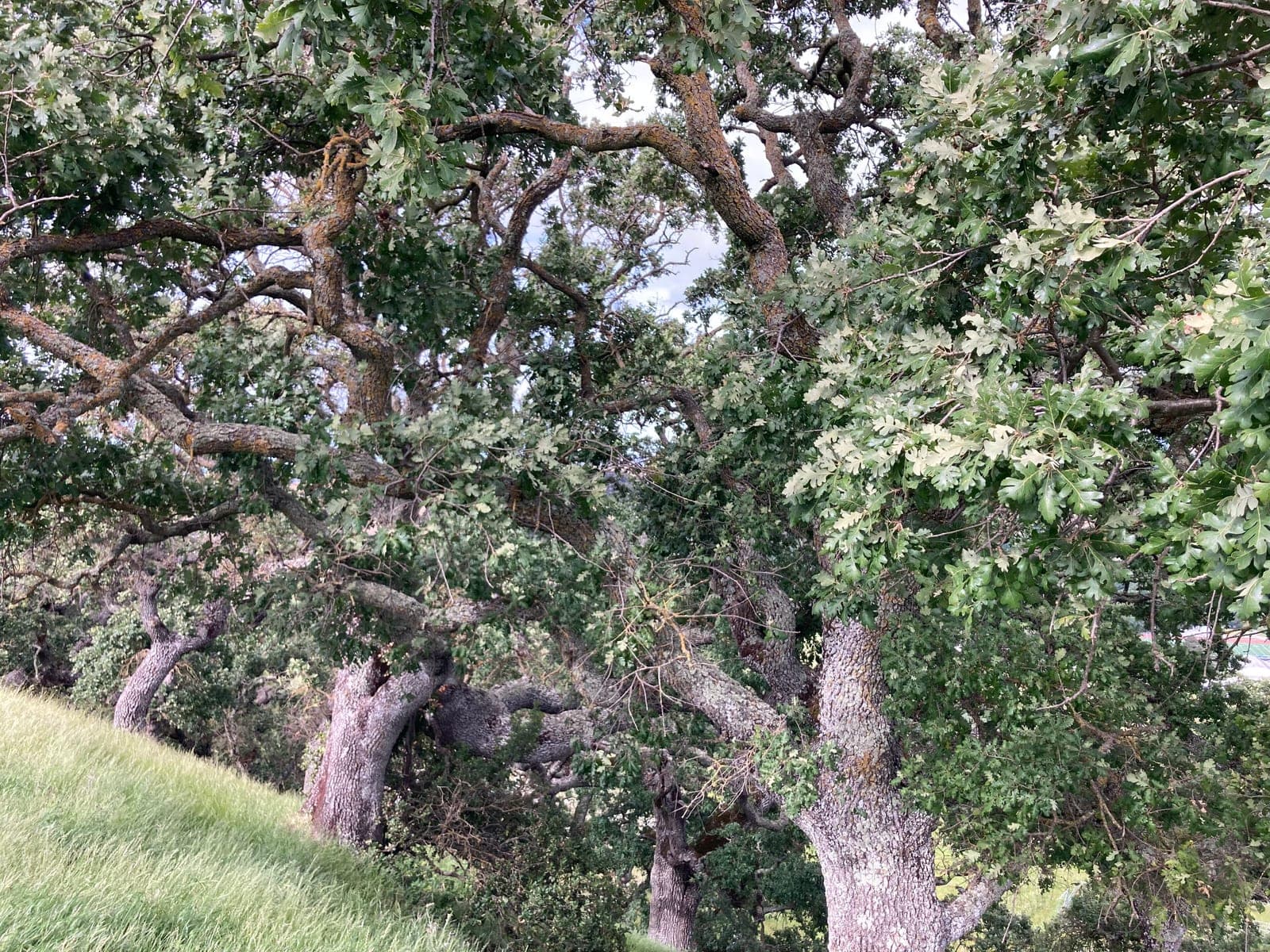
Valley Oak
Quercus lobata
Zones 7a–10b
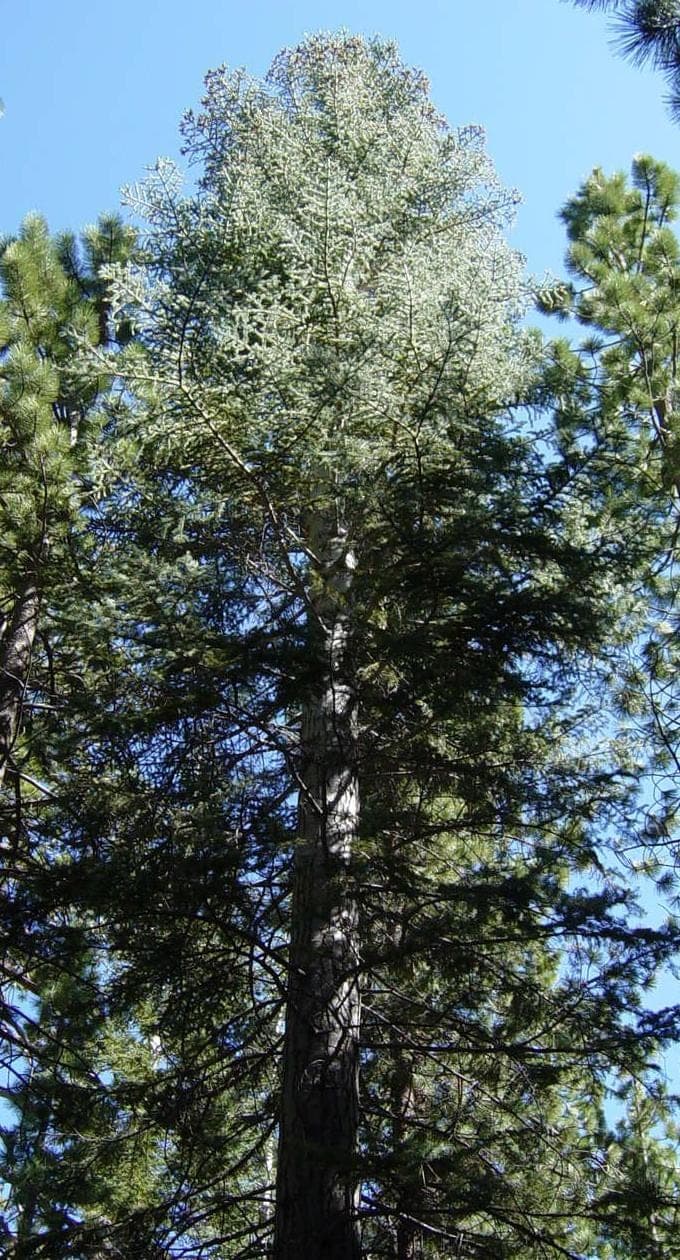
White Fir
Abies concolor
Zones 4a–7b · native to 8 states
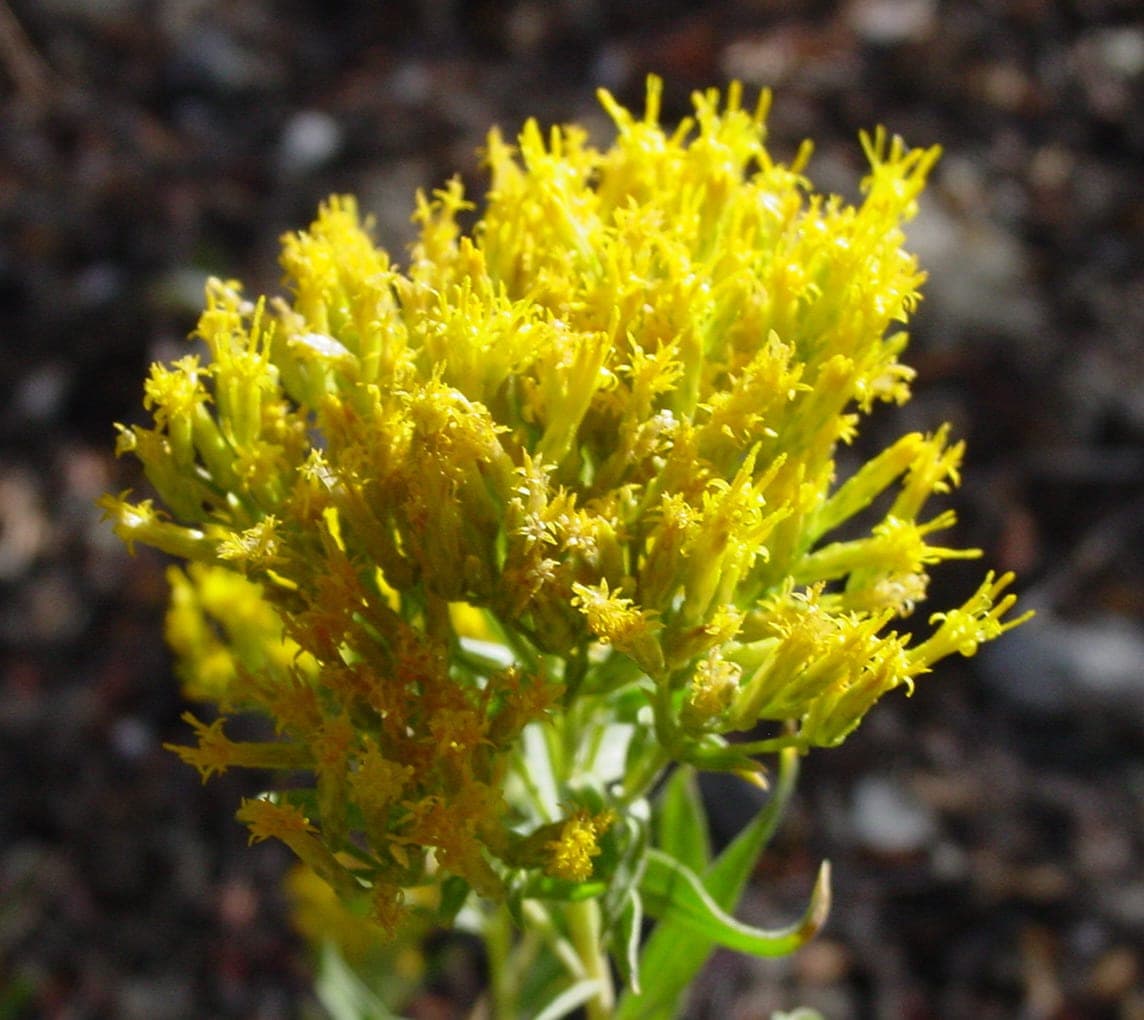
Yellow Rabbitbrush
Chrysothamnus viscidiflorus
Zones 4a–8b · native to 14 states and provinces
Blooms May – Jul in zone 9b
The Keystone Web
How this region's plants, caterpillars, bees, fungi and birds hold together. Pick a species to pull its thread, or add plants to see what your garden would carry.
Birds & mammals it feeds4
Caterpillars & bees it hosts0
Not every native pulls the same weight.
In the Mediterranean California, 8 of these 10 plants are keystones: the native genera that feed the most caterpillars and specialist bees. The rest are good plants. These are load-bearing ones.
Insects that depend on them
Keystone rankings from the National Wildlife Federation, based on caterpillar host research by Doug Tallamy's lab at the University of Delaware (Narango, Tallamy & Shropshire, 2020) and specialist-bee research by Jarrod Fowler. Ecoregion boundaries: Commission for Environmental Cooperation, Level I.