
Native plants of the North American Deserts
The Great Basin, Mojave, Sonoran and Chihuahuan deserts: sagebrush, creosote and cactus country.
An ecoregion groups land by climate, soil and the plants and animals that live there, so its keystone plants are the same from one end to the other, whatever the hardiness zone. 204 plants in the field guide are native here; the 32 below carry most of the caterpillars and specialist bees.
Covers:CoahuilaSan Luis PotosíChihuahuaSonoraArizonaDurangoUtahNevadaNew MexicoBaja California SurIdahoBaja CaliforniaWashingtonCaliforniaTexasZacatecasColoradoWyomingNuevo LeónOregonBritish Columbia
Keystone plants · 32
Keystone rankings follow the National Wildlife Federation's list for this region. Every date below moves with your zone.
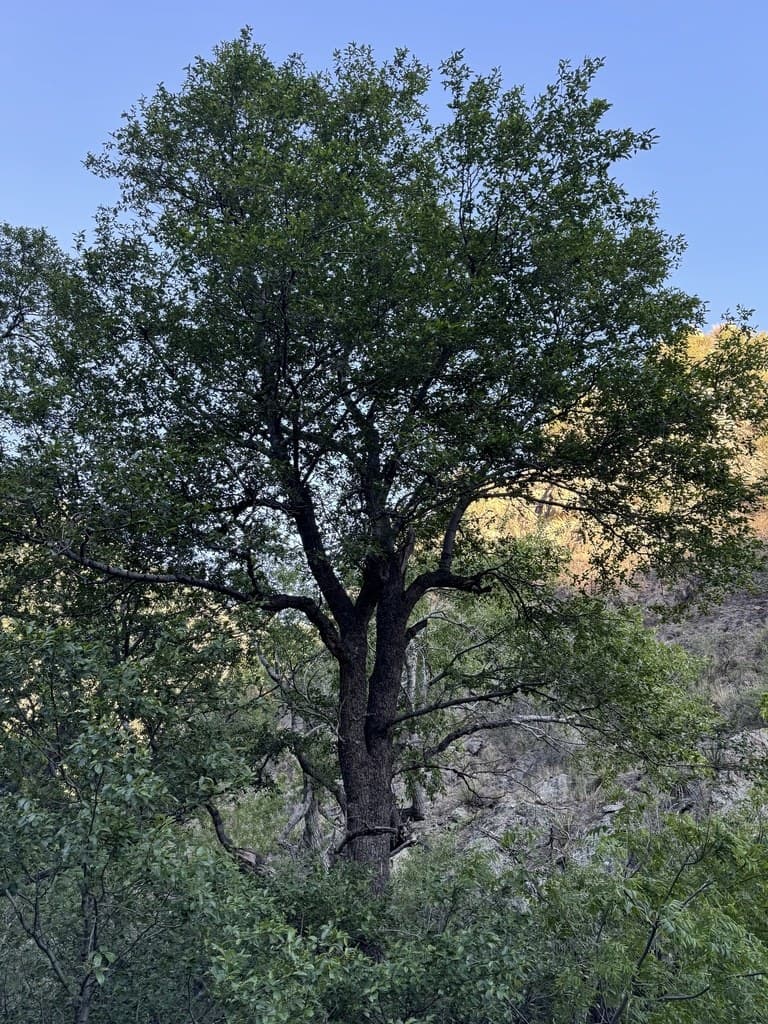
Arizona Alder
Alnus oblongifolia
Zones 6a–9a · native to 2 states
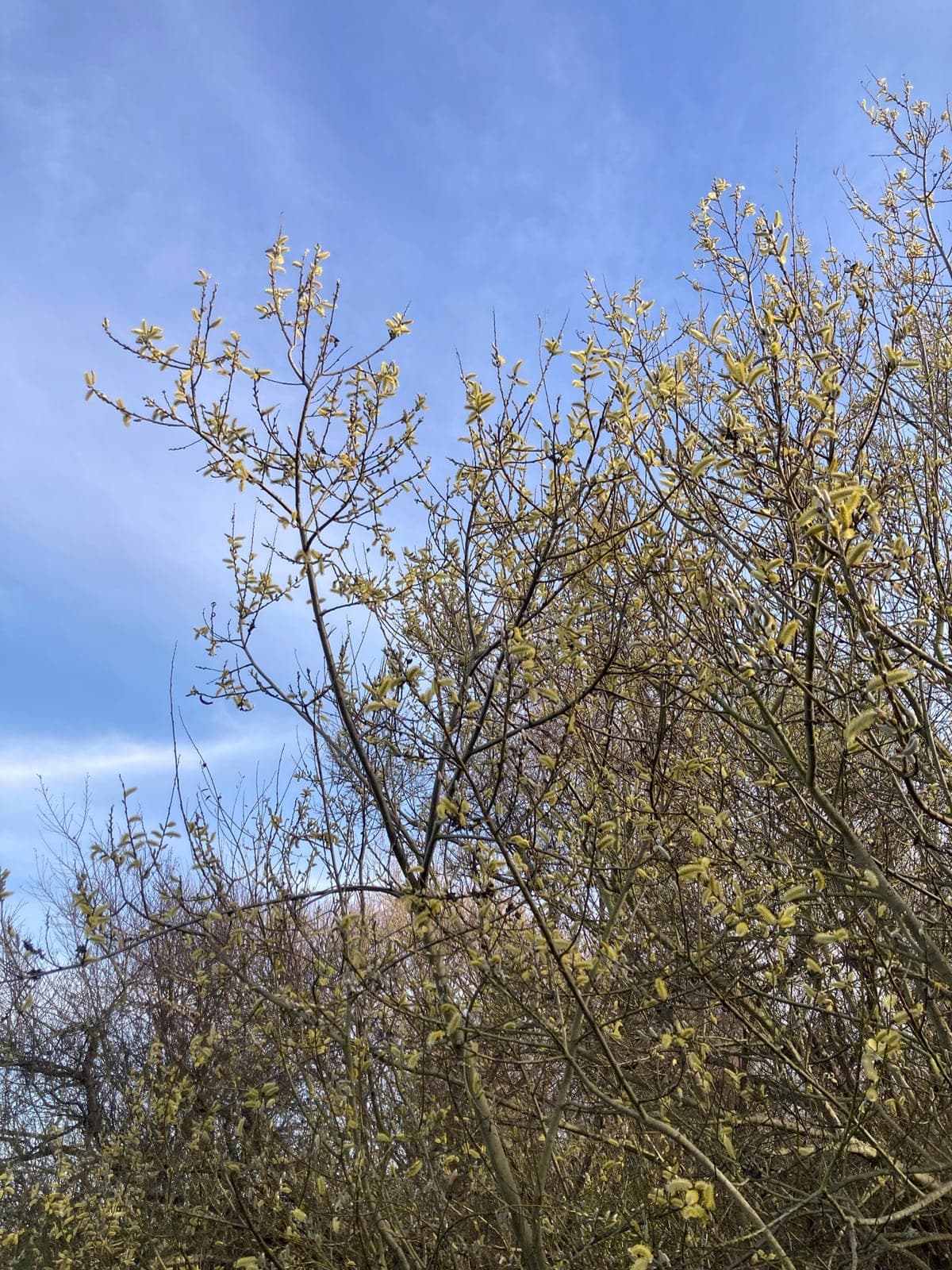
Arroyo Willow
Salix lasiolepis
Zones 6a–10b · native to 9 states
Blooms Jan – Feb in zone 9a
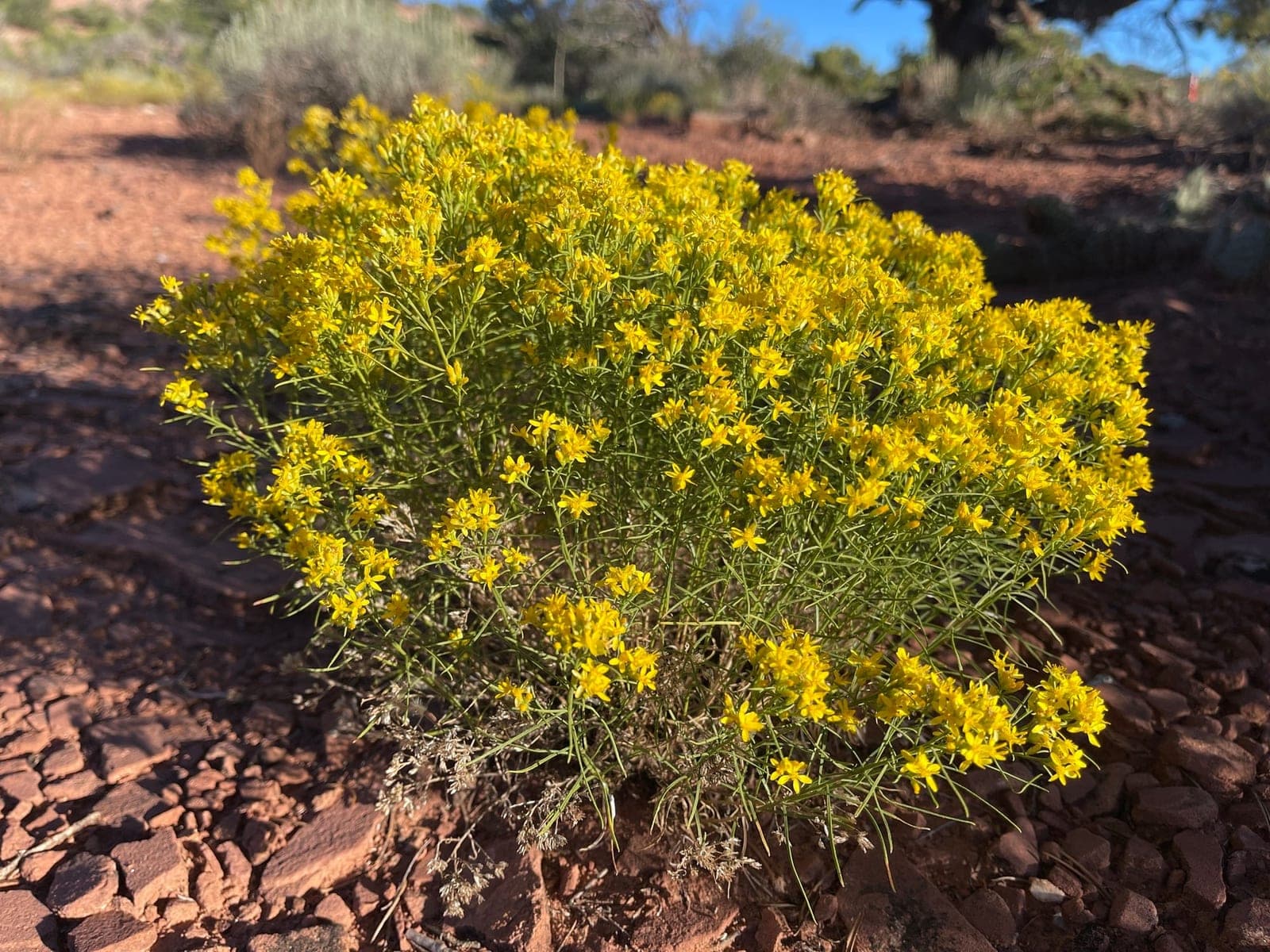
Broom Snakeweed
Gutierrezia sarothrae
Zones 4a–9b · native to 21 states and provinces
Blooms Apr – Jun in zone 9a
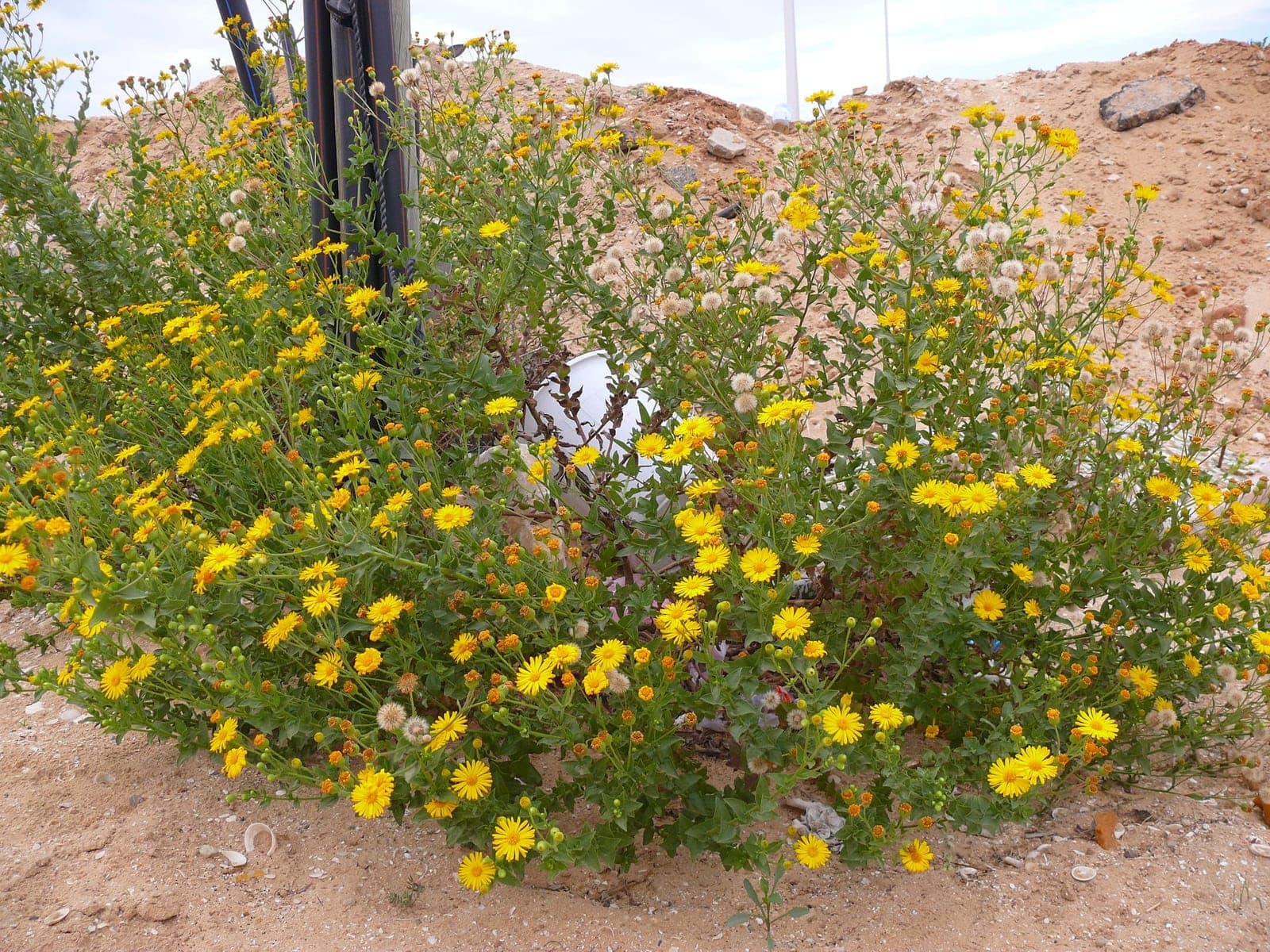
Camphorweed
Heterotheca subaxillaris
Zones 6a–10b · native to 31 states
Blooms Apr – Jul in zone 9a
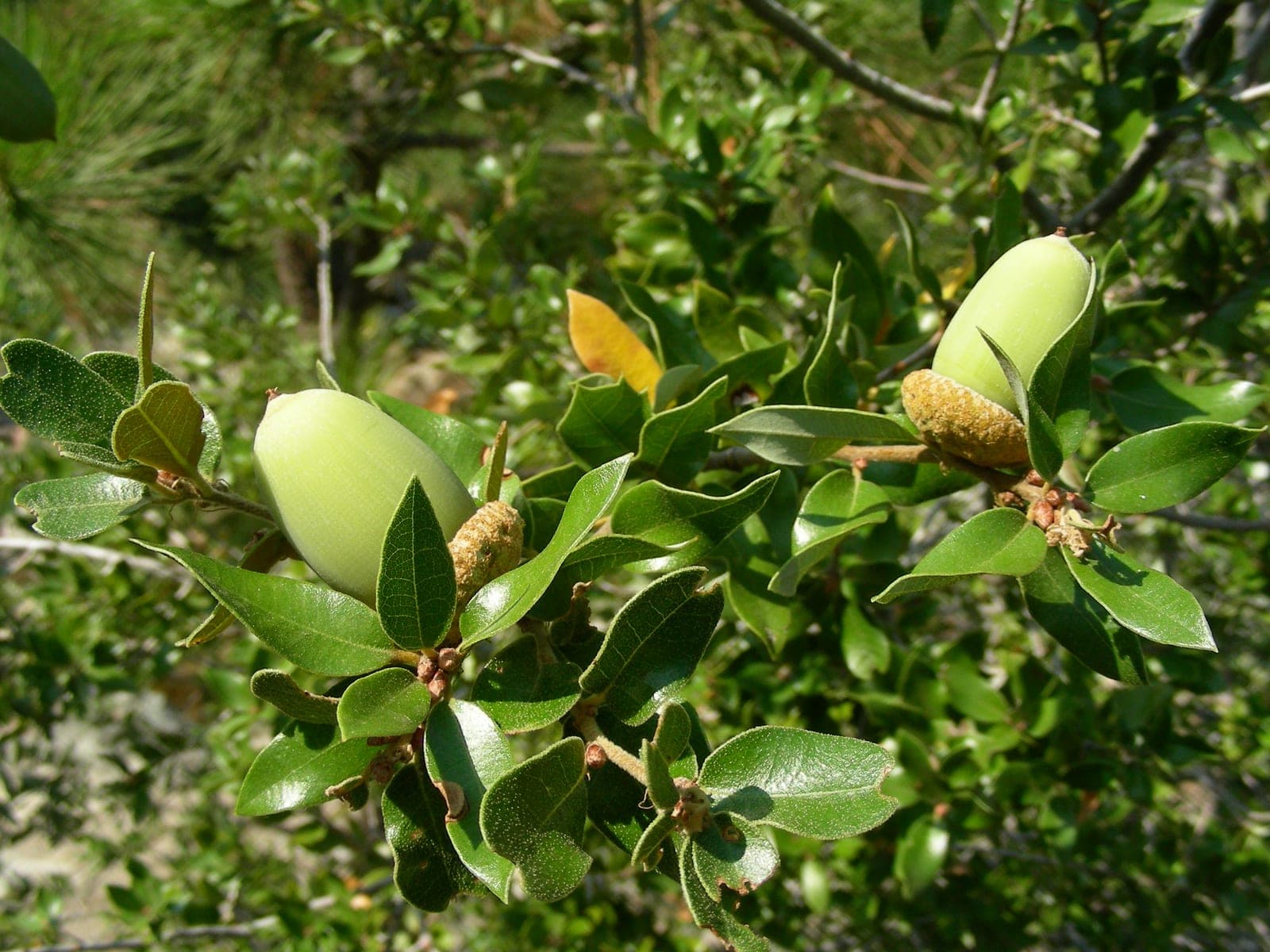
Canyon Live Oak
Quercus chrysolepis
Zones 7a–9b · native to 6 states
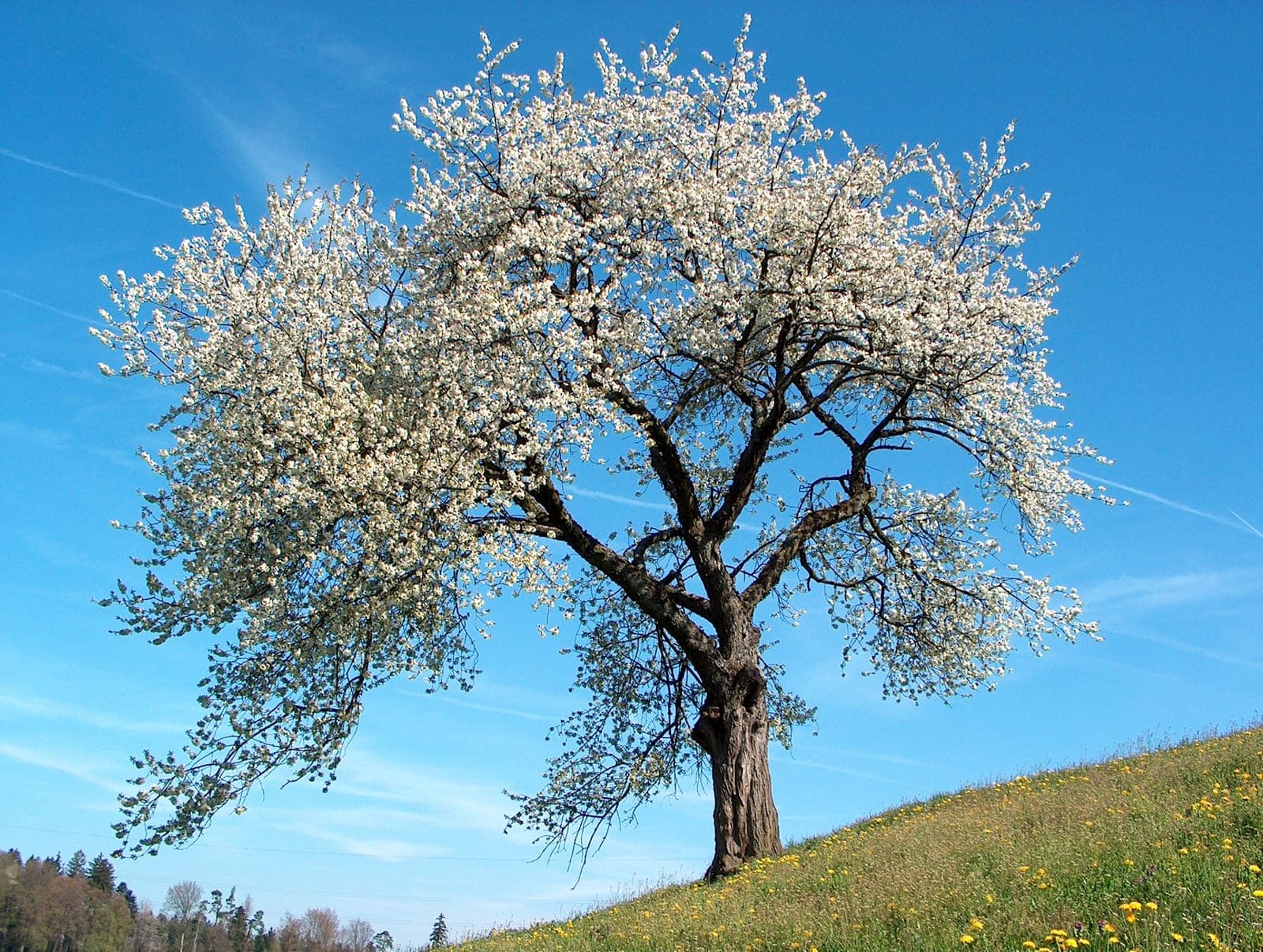
Catalina Cherry
Prunus ilicifolia ssp. lyonii
Zones 8a–10b
Blooms Feb – May in zone 9a
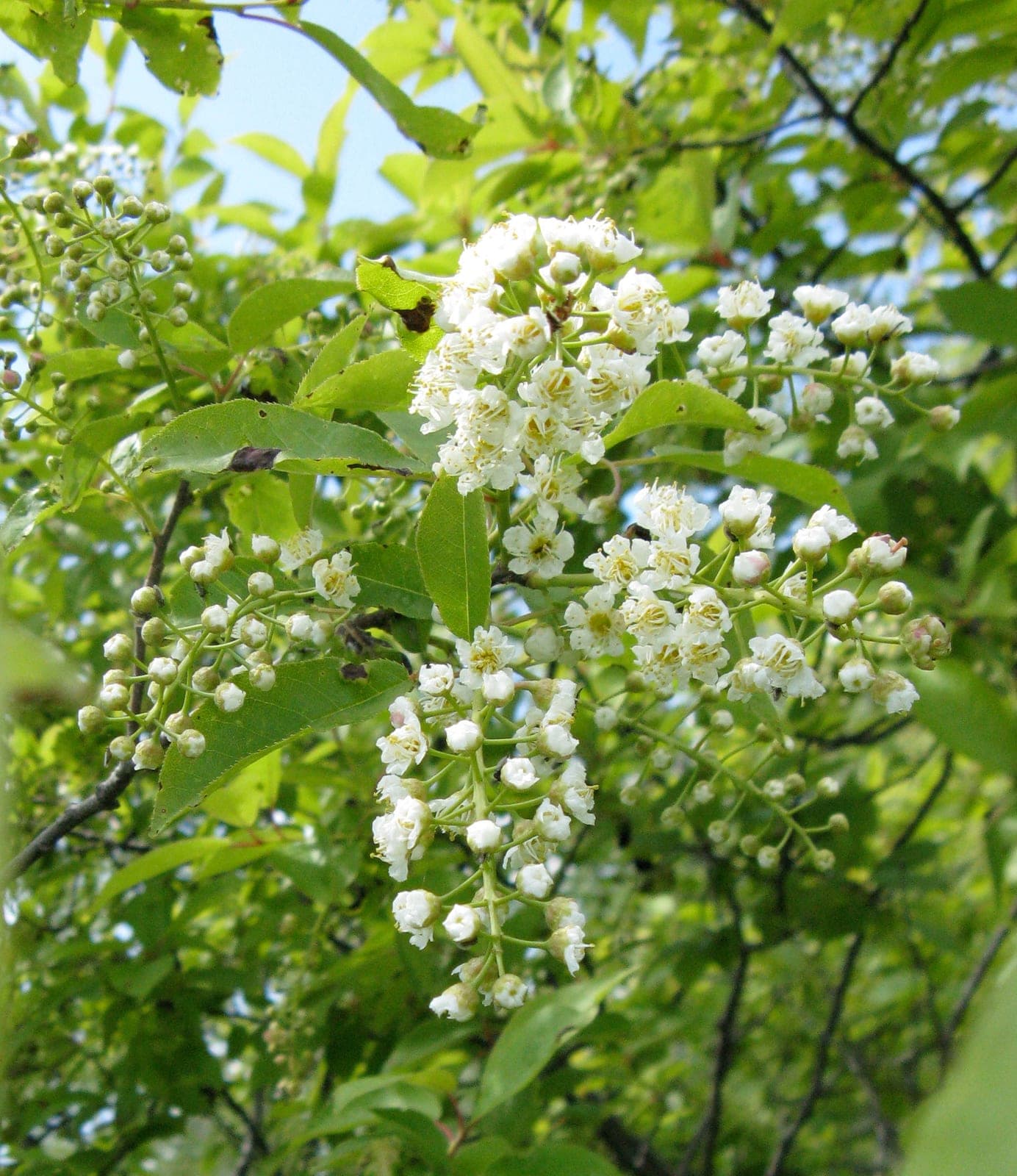
Chokecherry
Prunus virginiana
Zones 2a–7b · native to 55 states and provinces
Blooms Jan – Mar in zone 9a
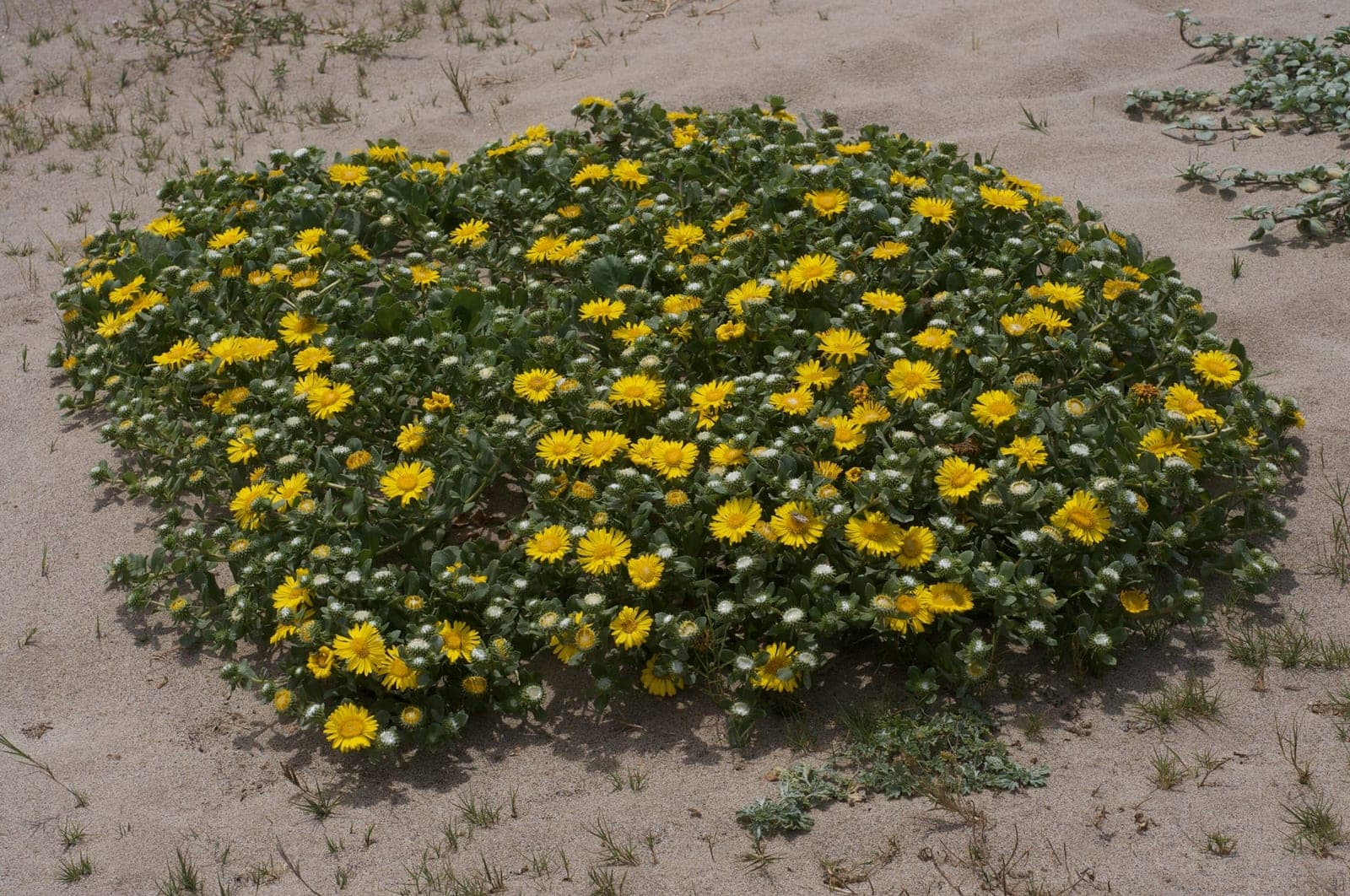
Coastal Gumweed
Grindelia stricta
Zones 7a–10b · native to 4 states and provinces
Blooms Apr – Jul in zone 9a
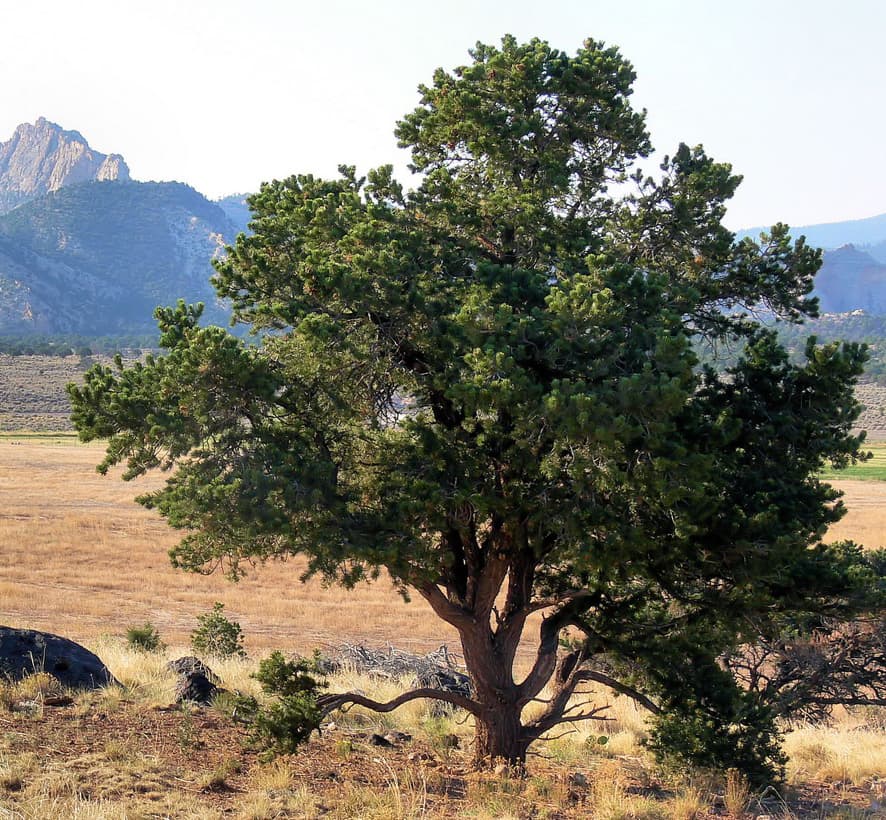
Colorado Pinyon
Pinus edulis
Zones 4b–8a · native to 8 states
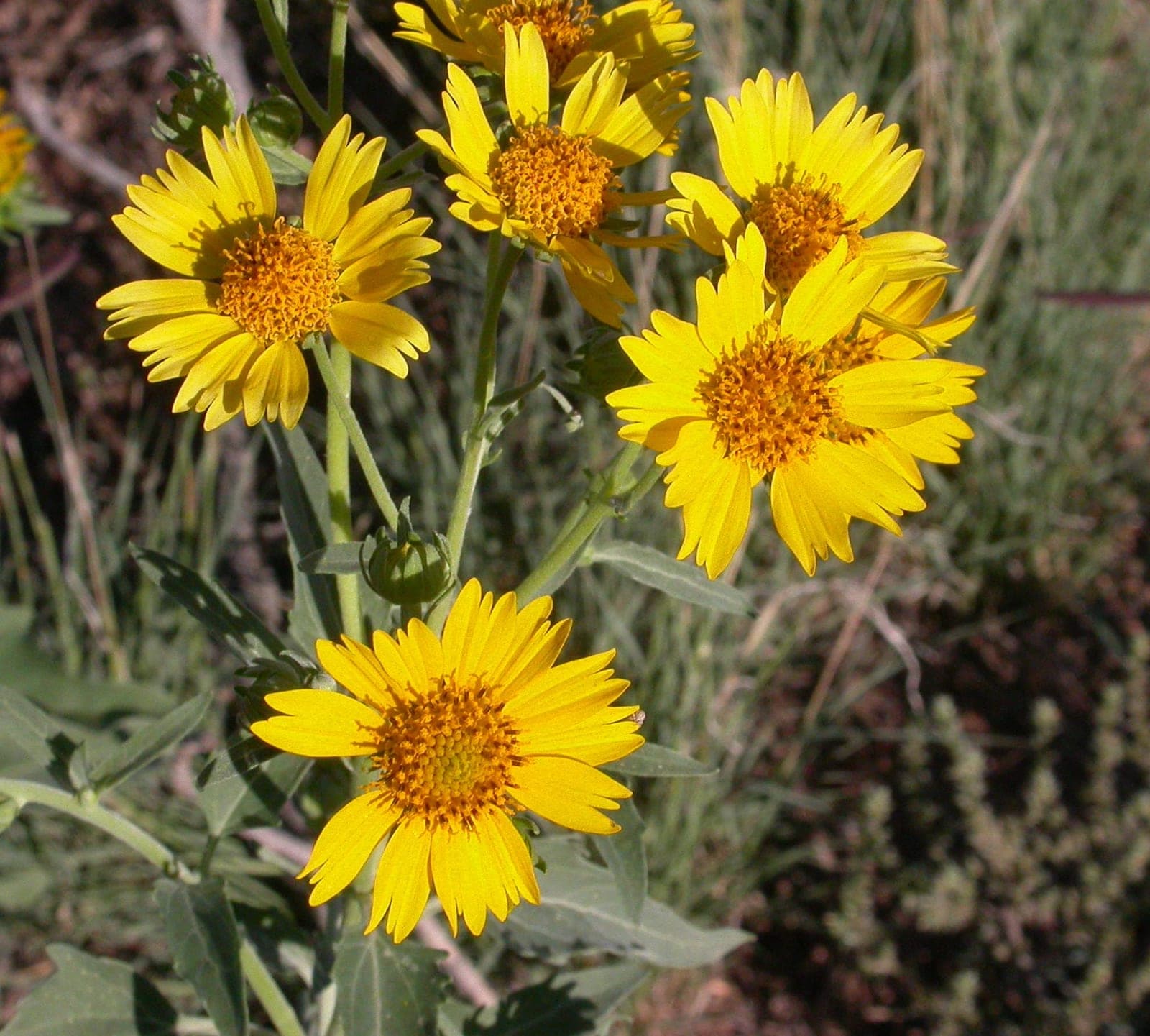
Cowpen Daisy
Verbesina encelioides
Zones 5a–10b · native to 26 states
Blooms Mar – Dec in zone 9a
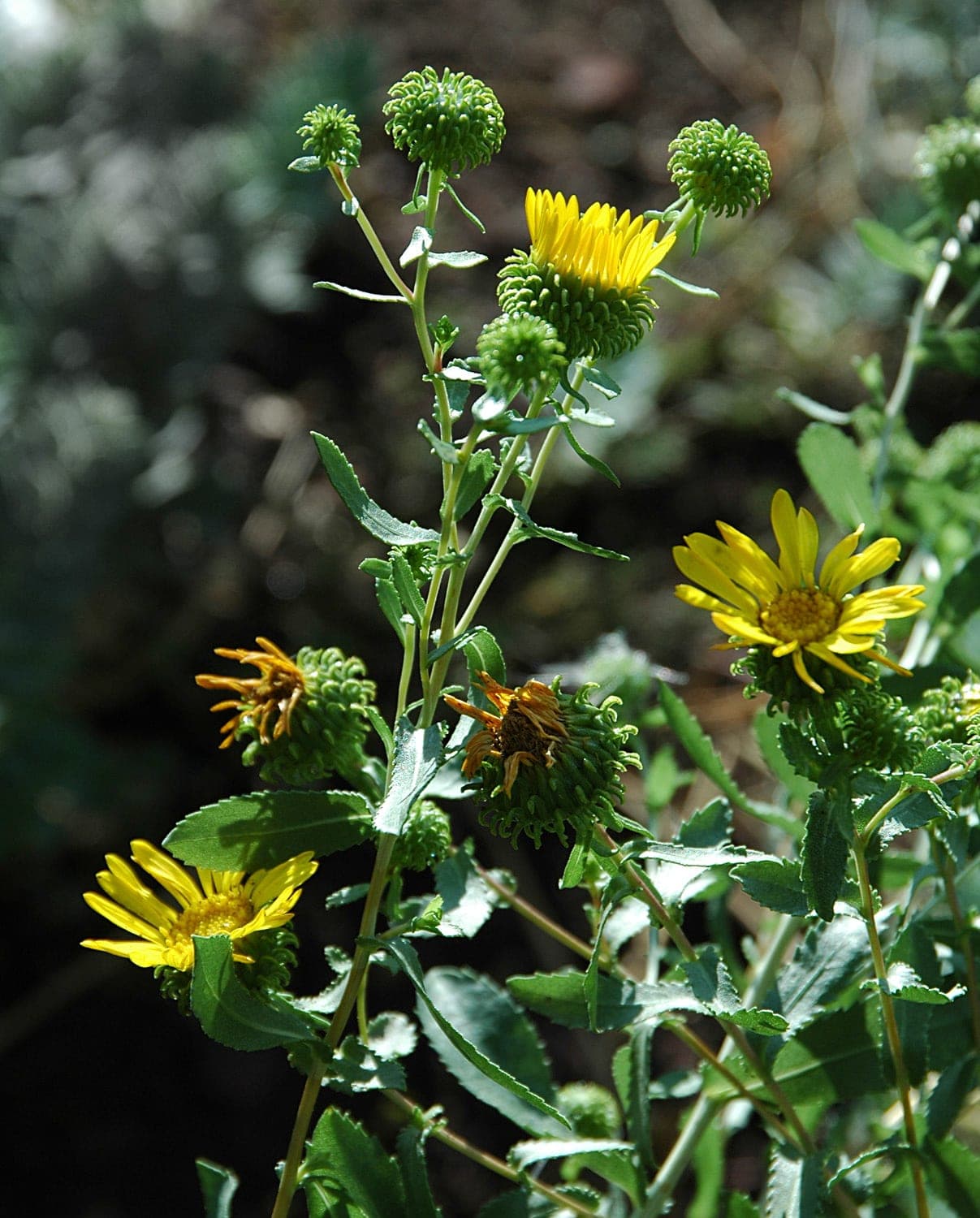
Curlycup Gumweed
Grindelia squarrosa
Zones 3a–9a · native to 44 states and provinces
Blooms Mar – Jun in zone 9a
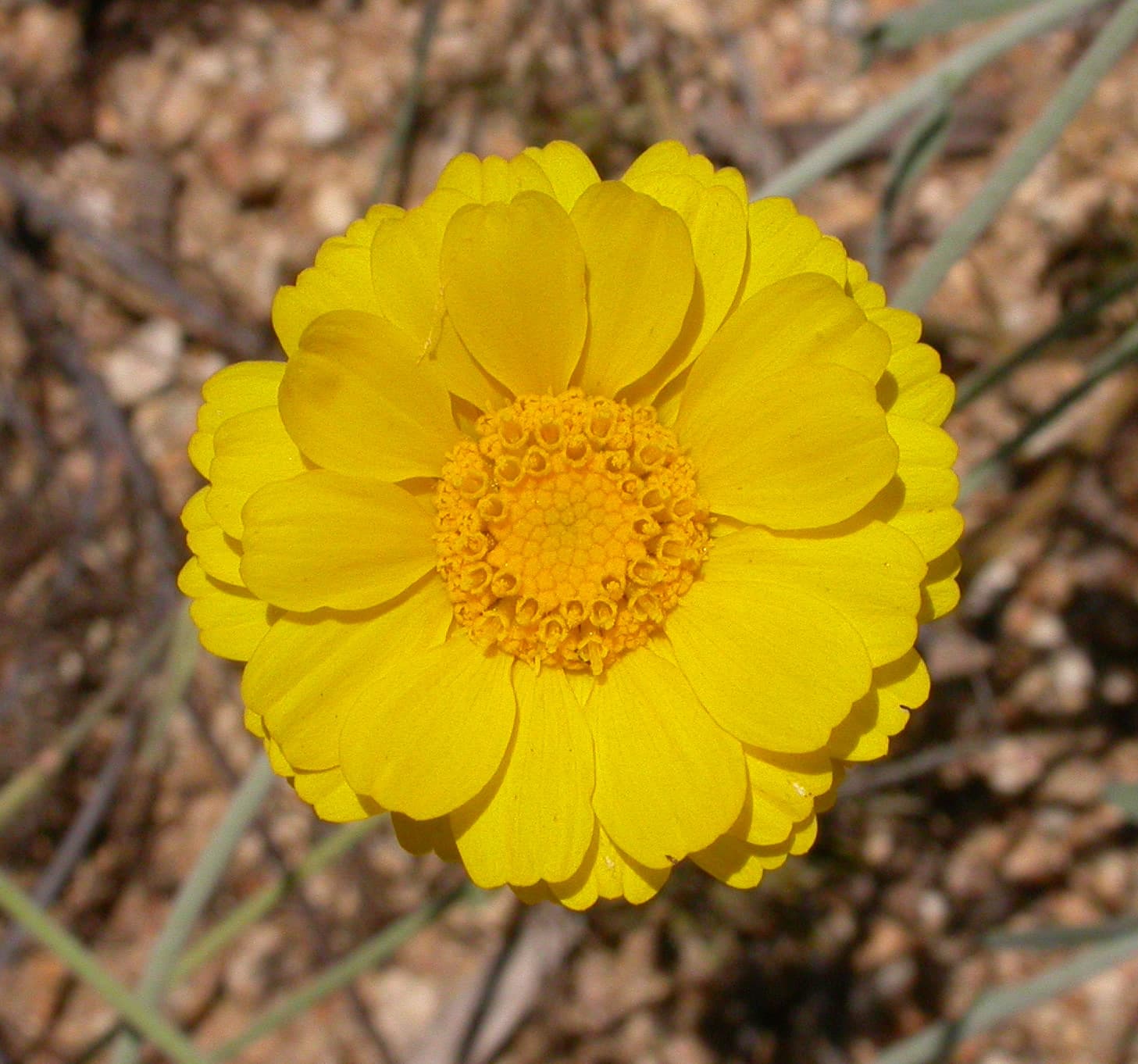
Desert Marigold
Baileya multiradiata
Zones 7a–11b · native to 6 states
Blooms May – Dec in zone 9a
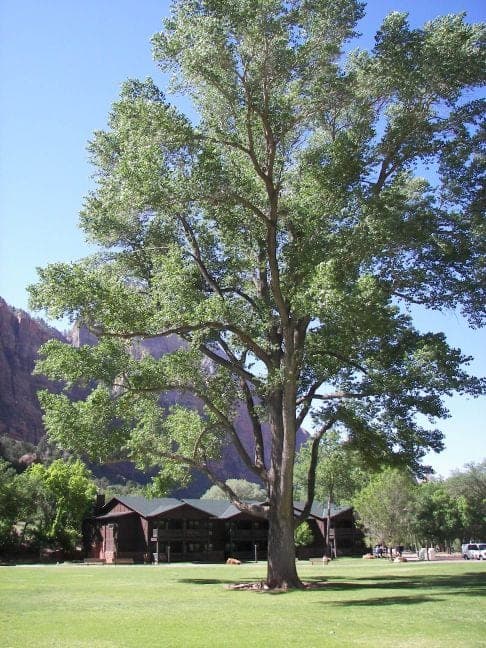
Fremont Cottonwood
Populus fremontii
Zones 5a–9b · native to 7 states
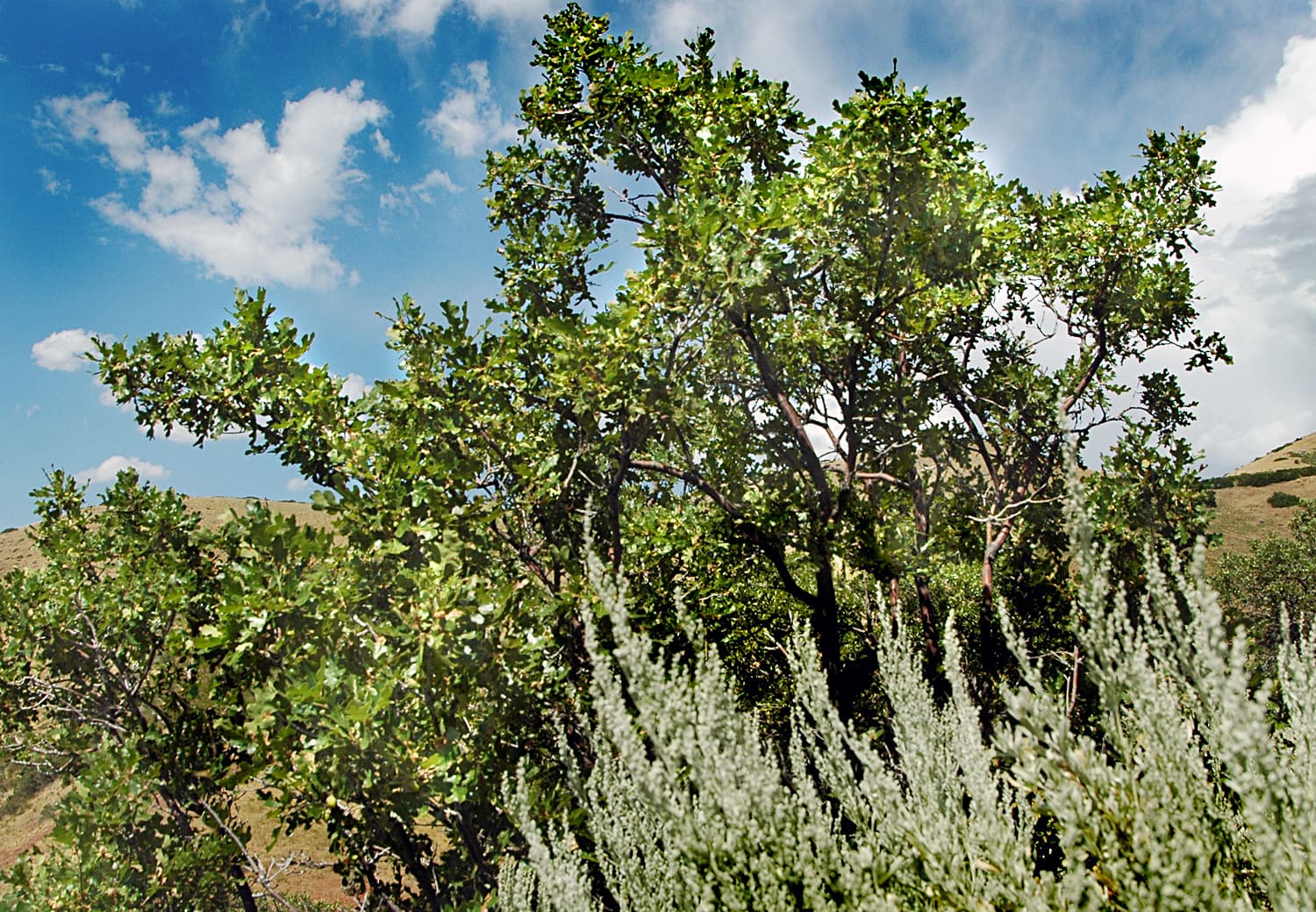
Gambel Oak
Quercus gambelii
Zones 4a–8a · native to 9 states
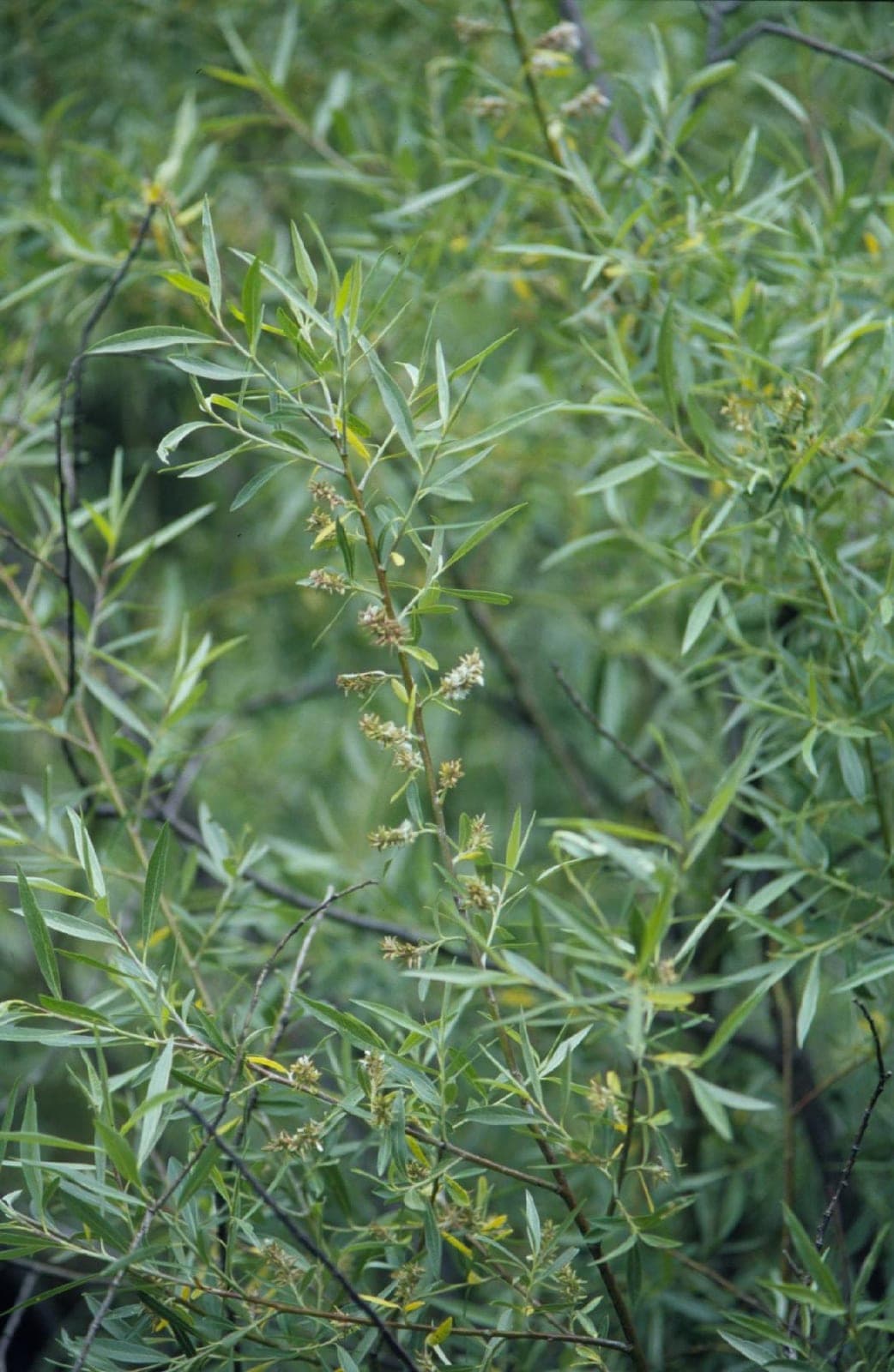
Geyer Willow
Salix geyeriana
Zones 3a–7b · native to 11 states and provinces
Blooms Jan – Feb in zone 9a
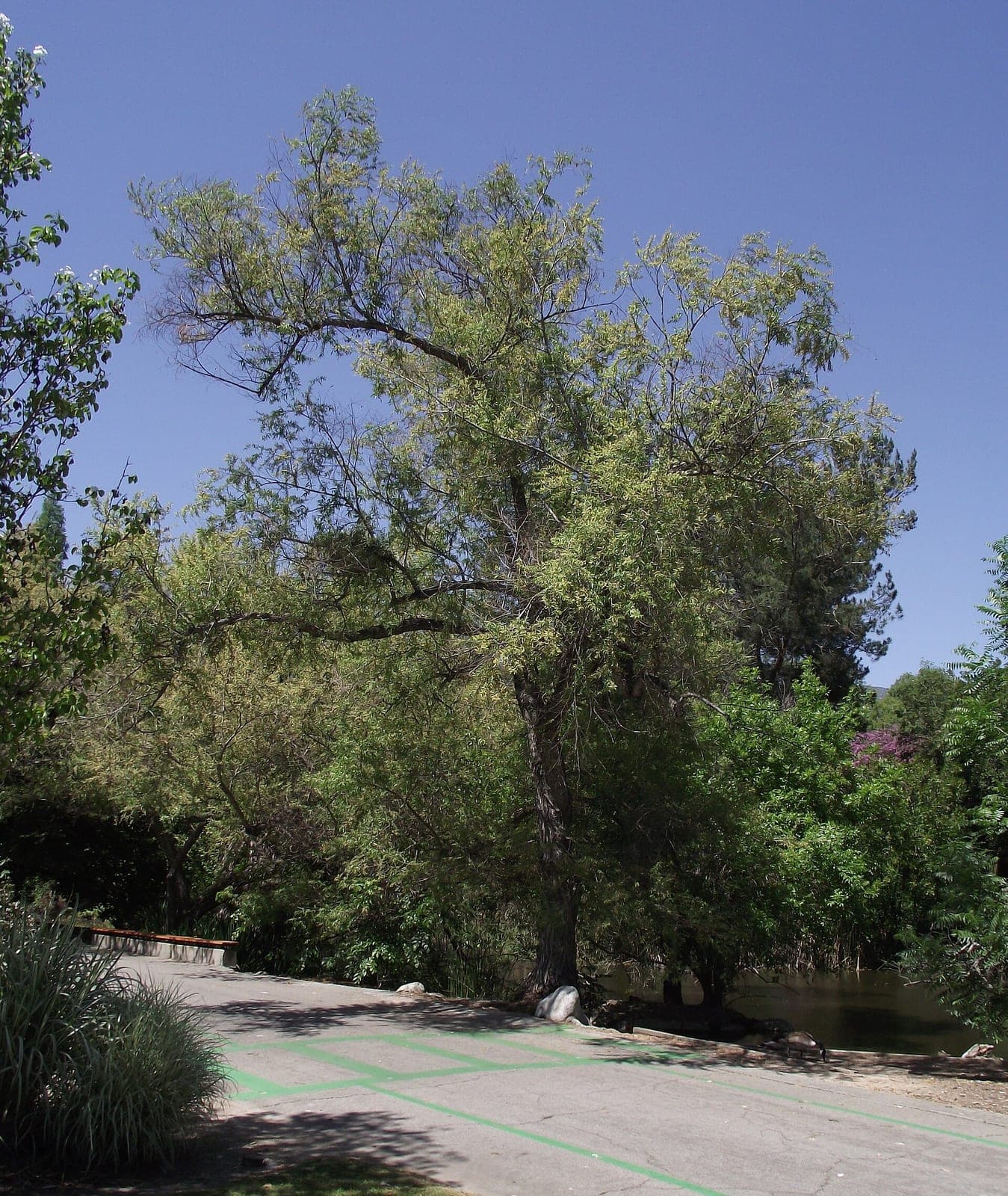
Goodding's Willow
Salix gooddingii
Zones 6a–10b · native to 8 states
Blooms Jan – Feb in zone 9a
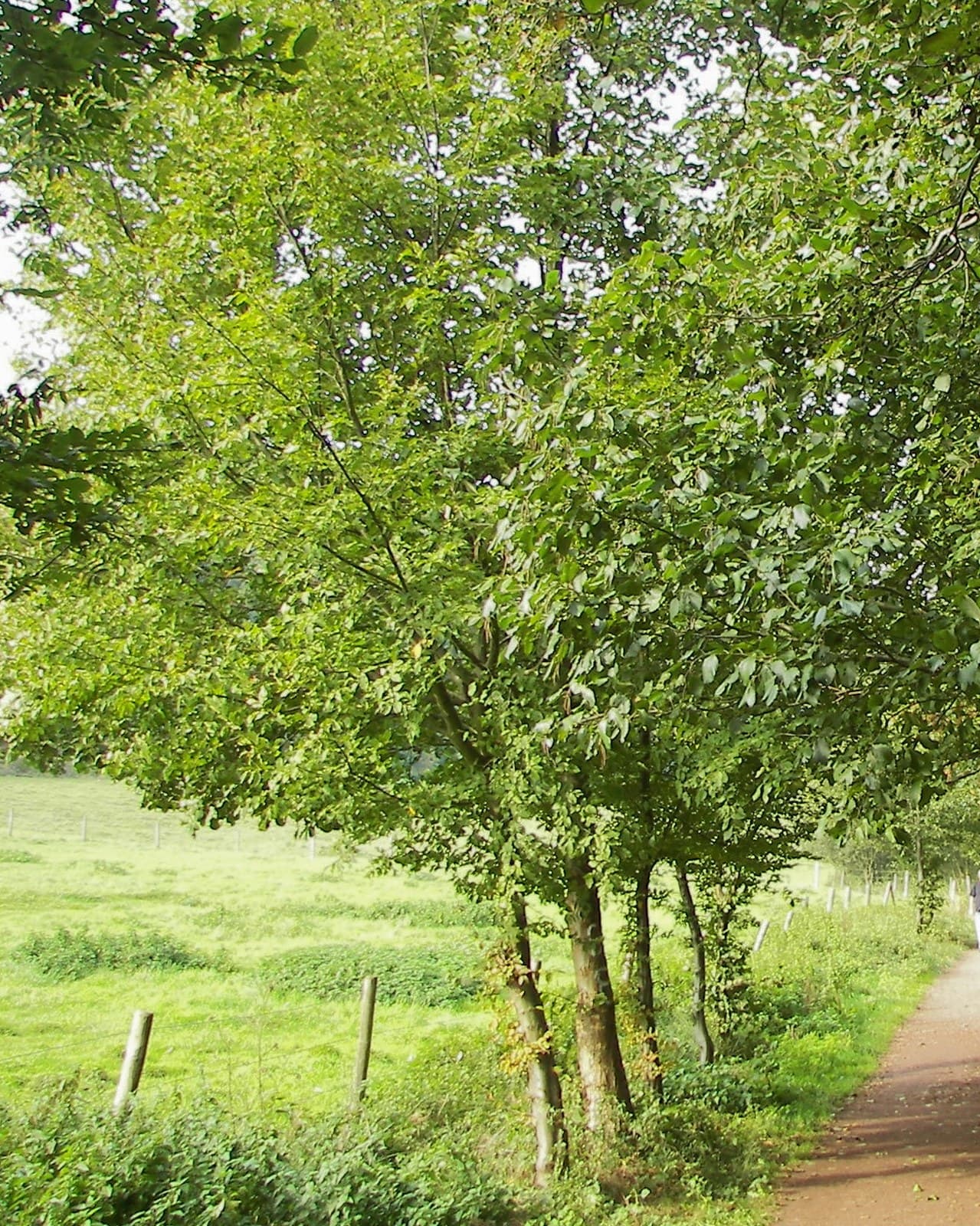
Gray Alder
Alnus incana
Zones 3a–6b · native to 44 states and provinces
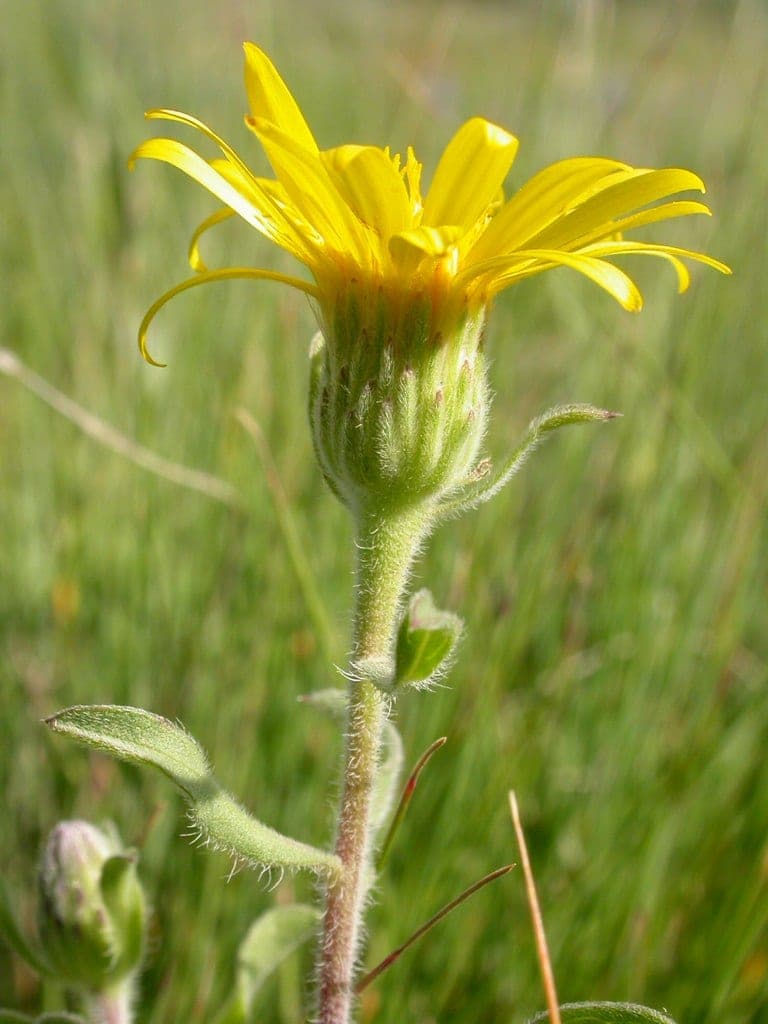
Hairy False Goldenaster
Heterotheca villosa
Zones 4a–9a · native to 20 states and provinces
Blooms Mar – Jun in zone 9a
Hollyleaf Cherry
Prunus ilicifolia ssp. ilicifolia
Zones 8a–10b
Blooms Mar – May in zone 9a
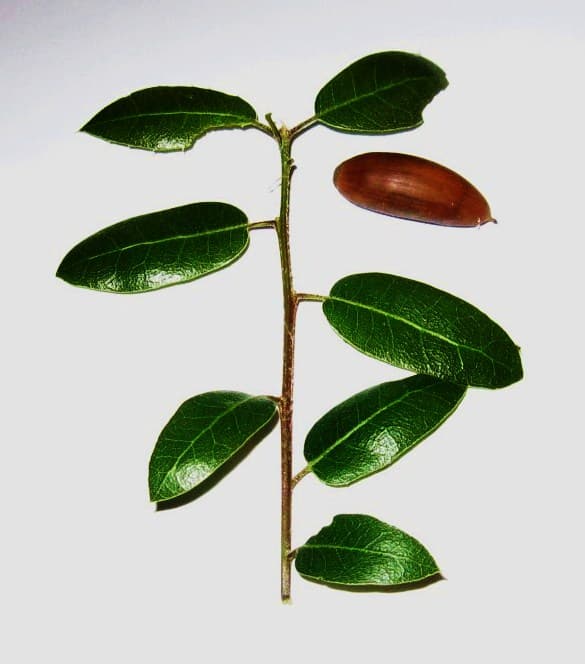
Interior Live Oak
Quercus wislizeni
Zones 7b–10a
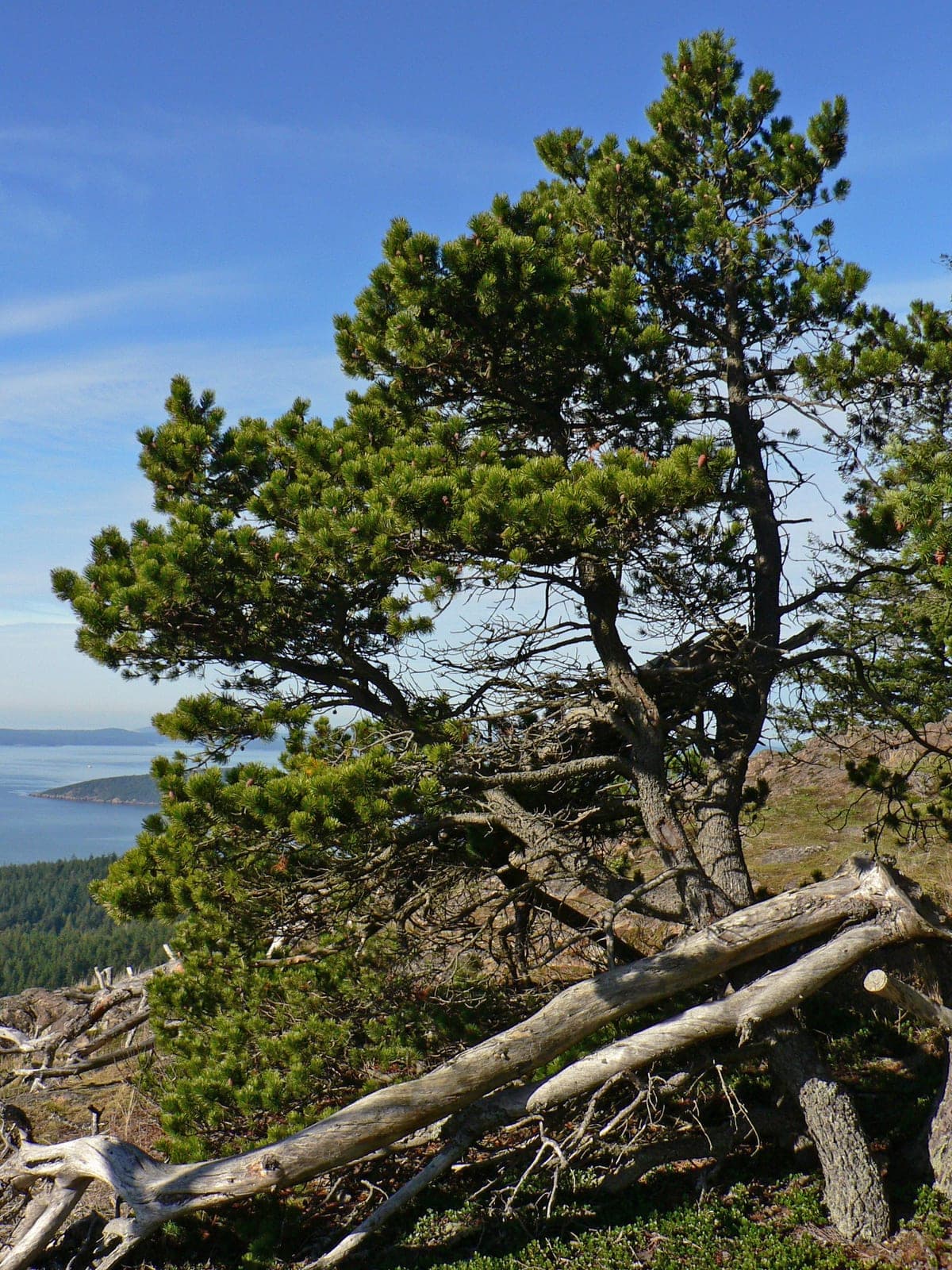
Lodgepole Pine
Pinus contorta
Zones 4a–7b · native to 14 states and provinces
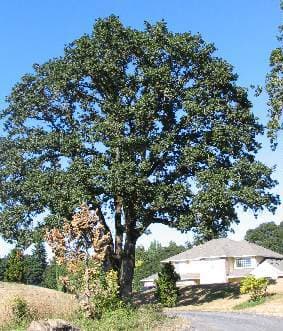
Oregon White Oak
Quercus garryana
Zones 6a–9b · native to 4 states and provinces
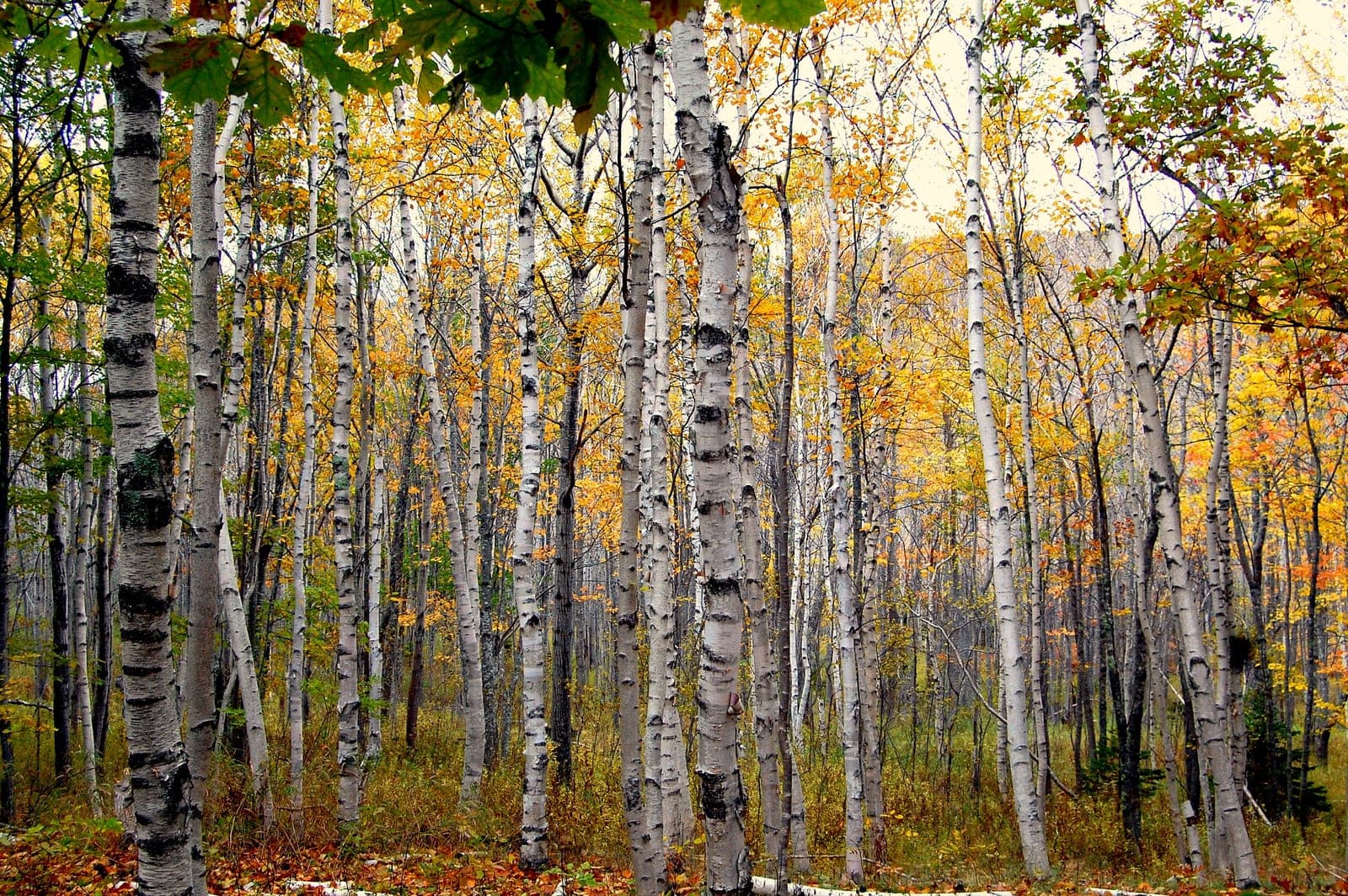
Paper Birch
Betula papyrifera
Zones 2a–7a · native to 32 states and provinces
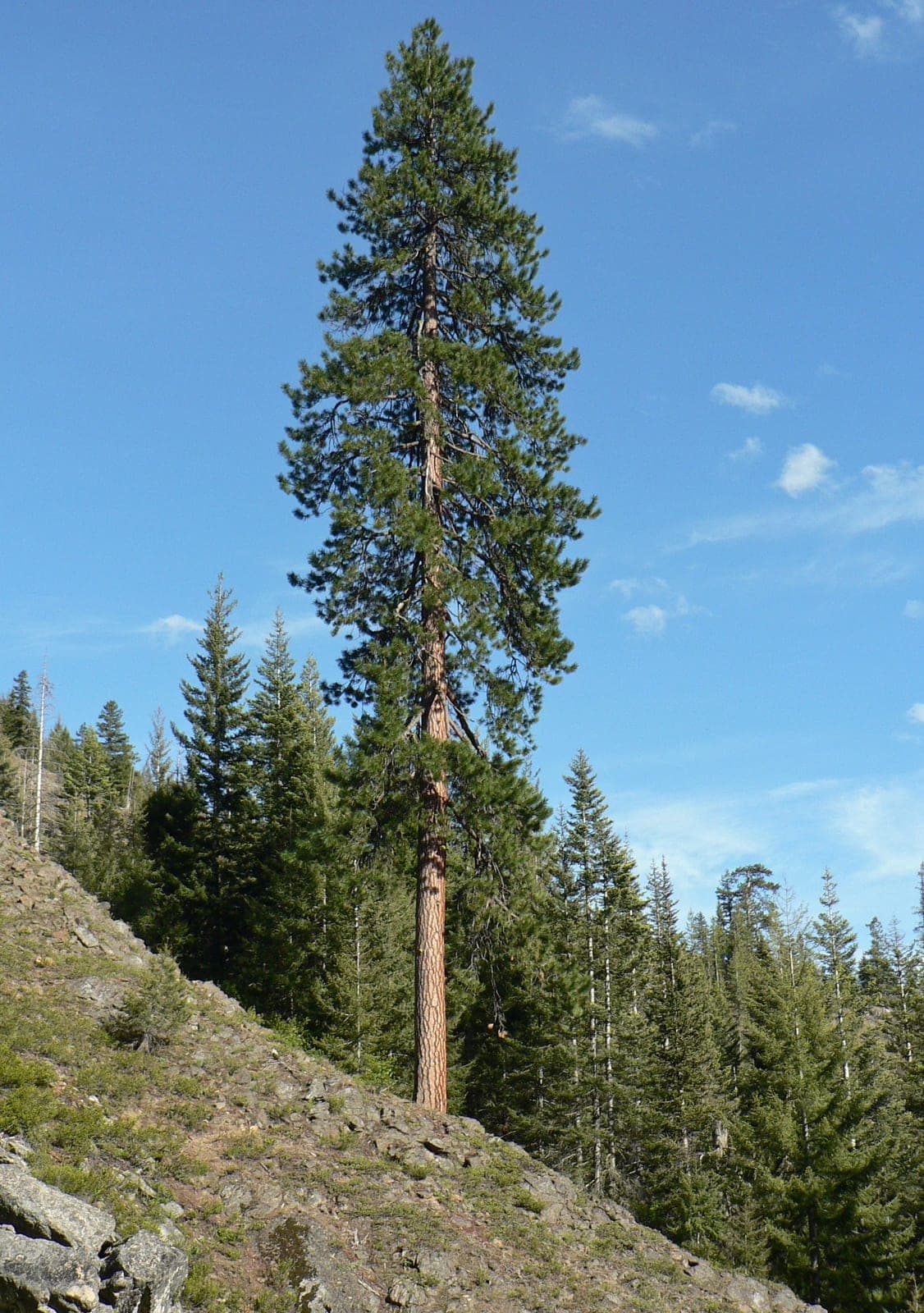
Ponderosa Pine
Pinus ponderosa
Zones 3b–7b · native to 17 states and provinces
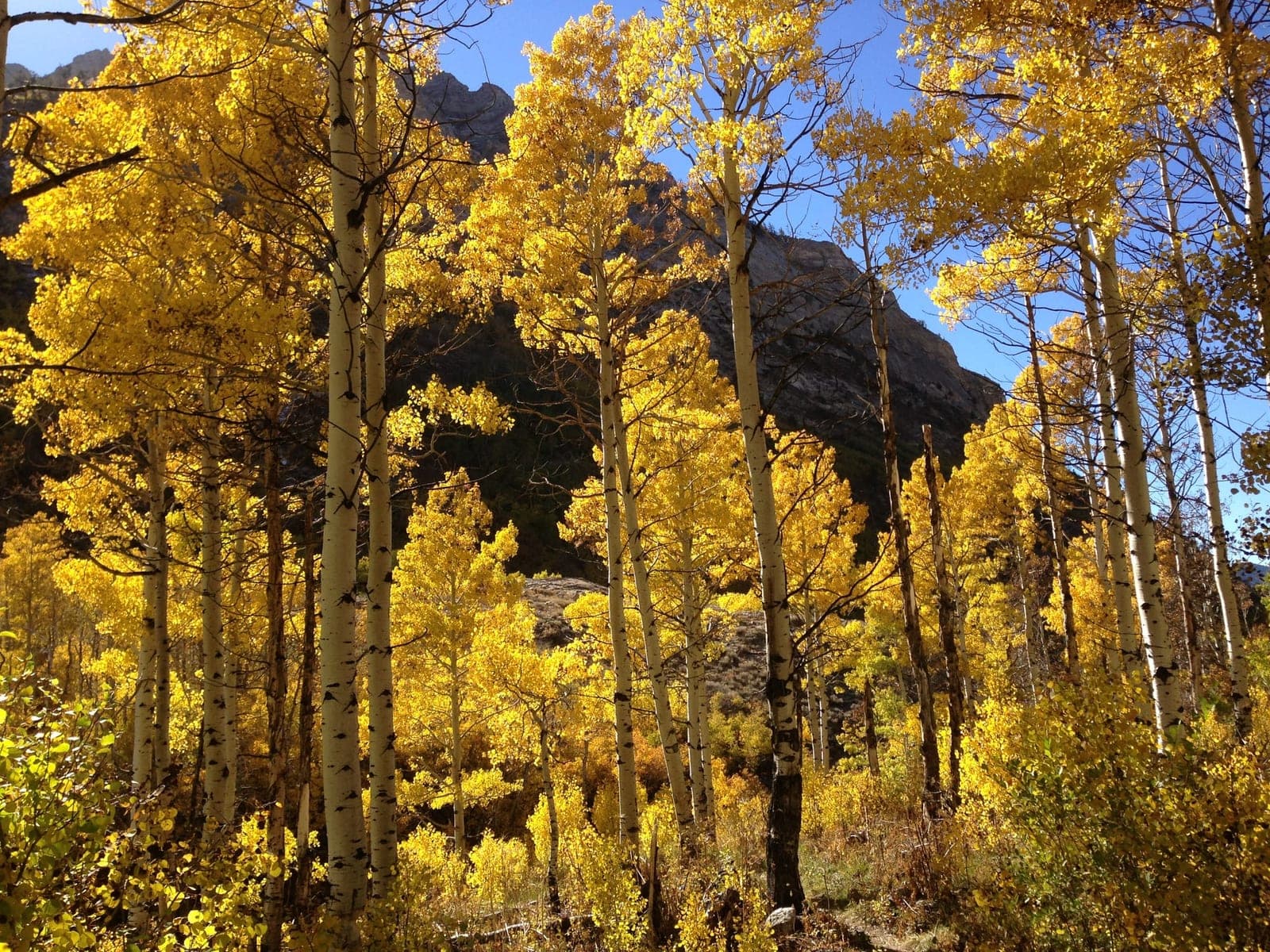
Quaking Aspen
Populus tremuloides
Zones 2a–6b · native to 49 states and provinces
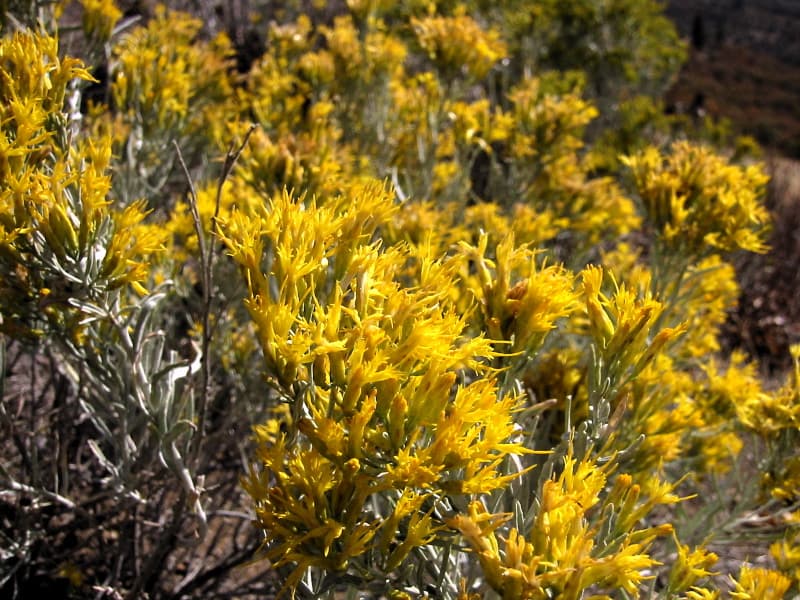
Rubber Rabbitbrush
Ericameria nauseosa
Zones 4a–9b · native to 20 states and provinces
Blooms May – Jul in zone 9a

Sunflower
Helianthus annuus
Zones 2a–11b · native to 22 states
Blooms Mar – Jun in zone 9a
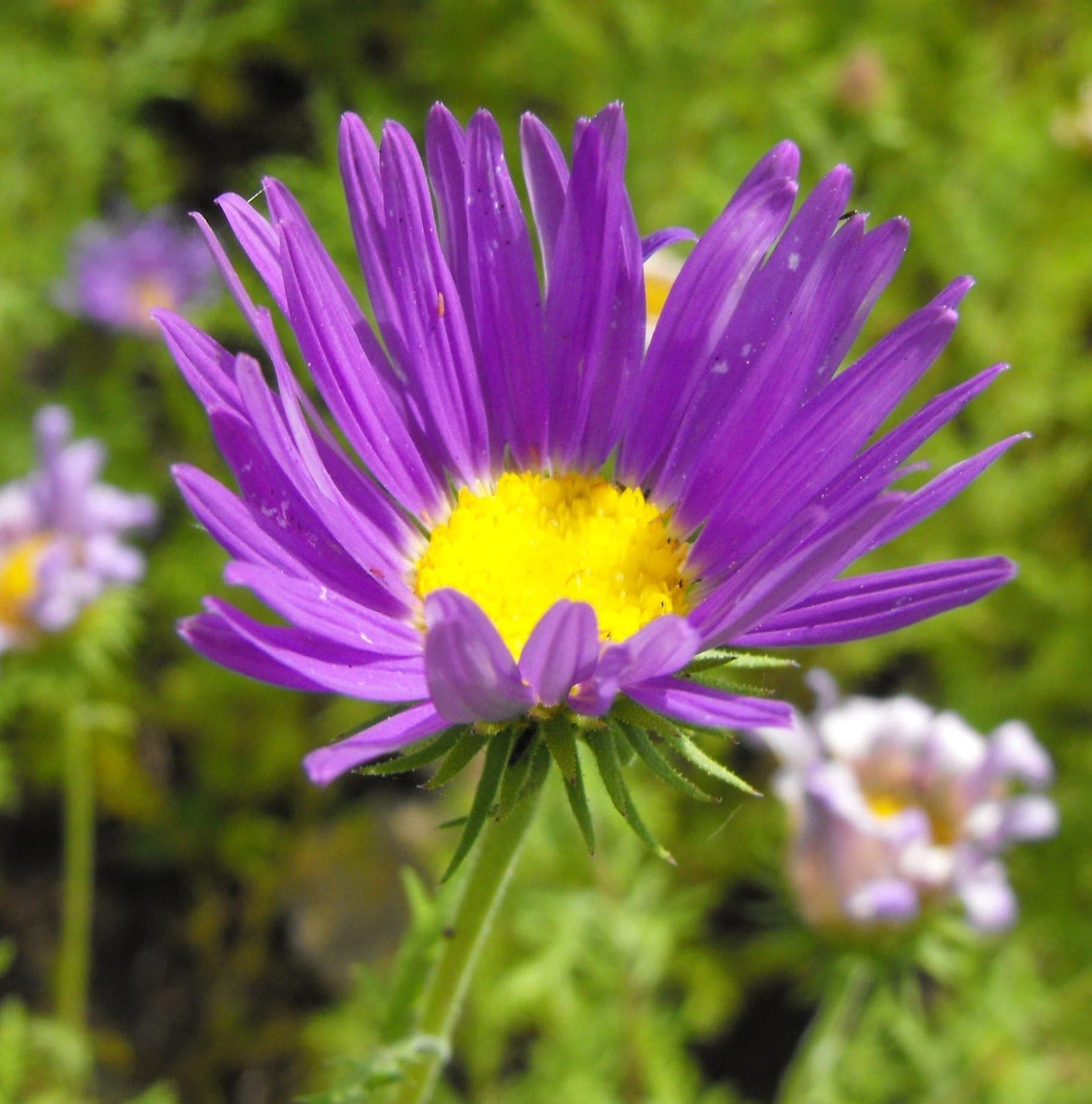
Tahoka Daisy
Machaeranthera tanacetifolia
Zones 4a–9b · native to 14 states and provinces
Blooms Mar – Jun in zone 9a
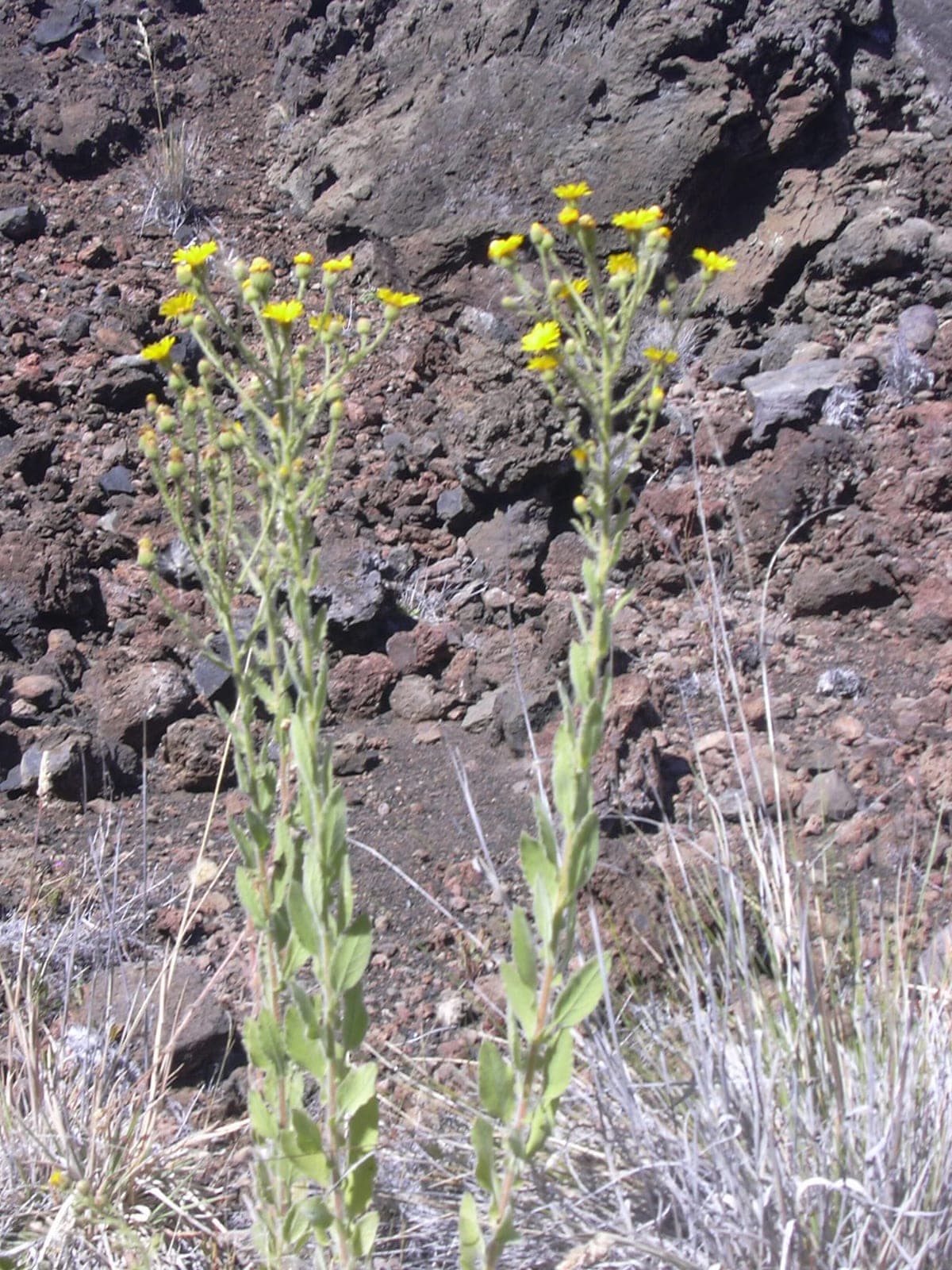
Telegraphweed
Heterotheca grandiflora
Zones 8a–10b
Blooms Apr – Jul in zone 9a
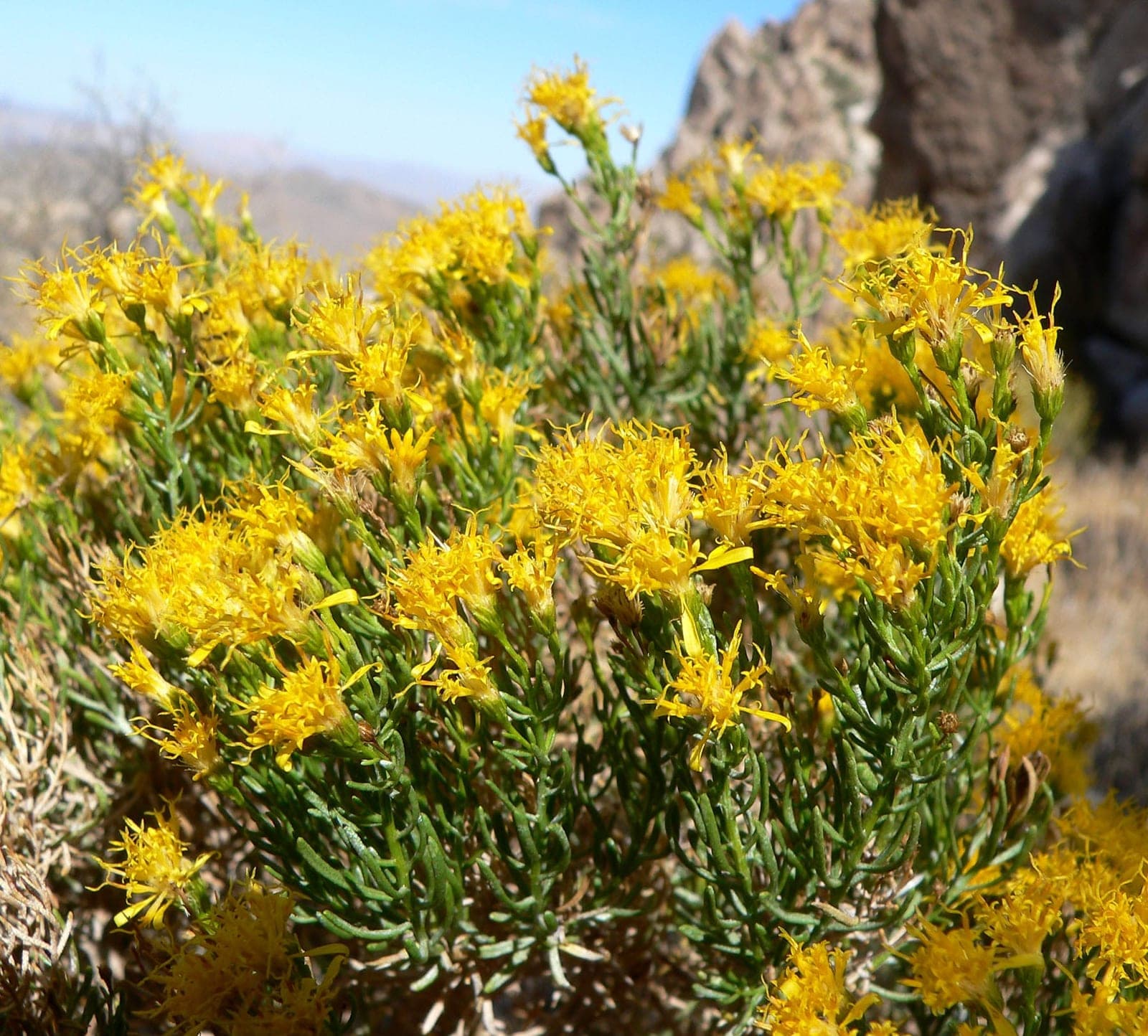
Turpentine Bush
Ericameria laricifolia
Zones 7a–10b · native to 6 states
Blooms Jun – Aug in zone 9a
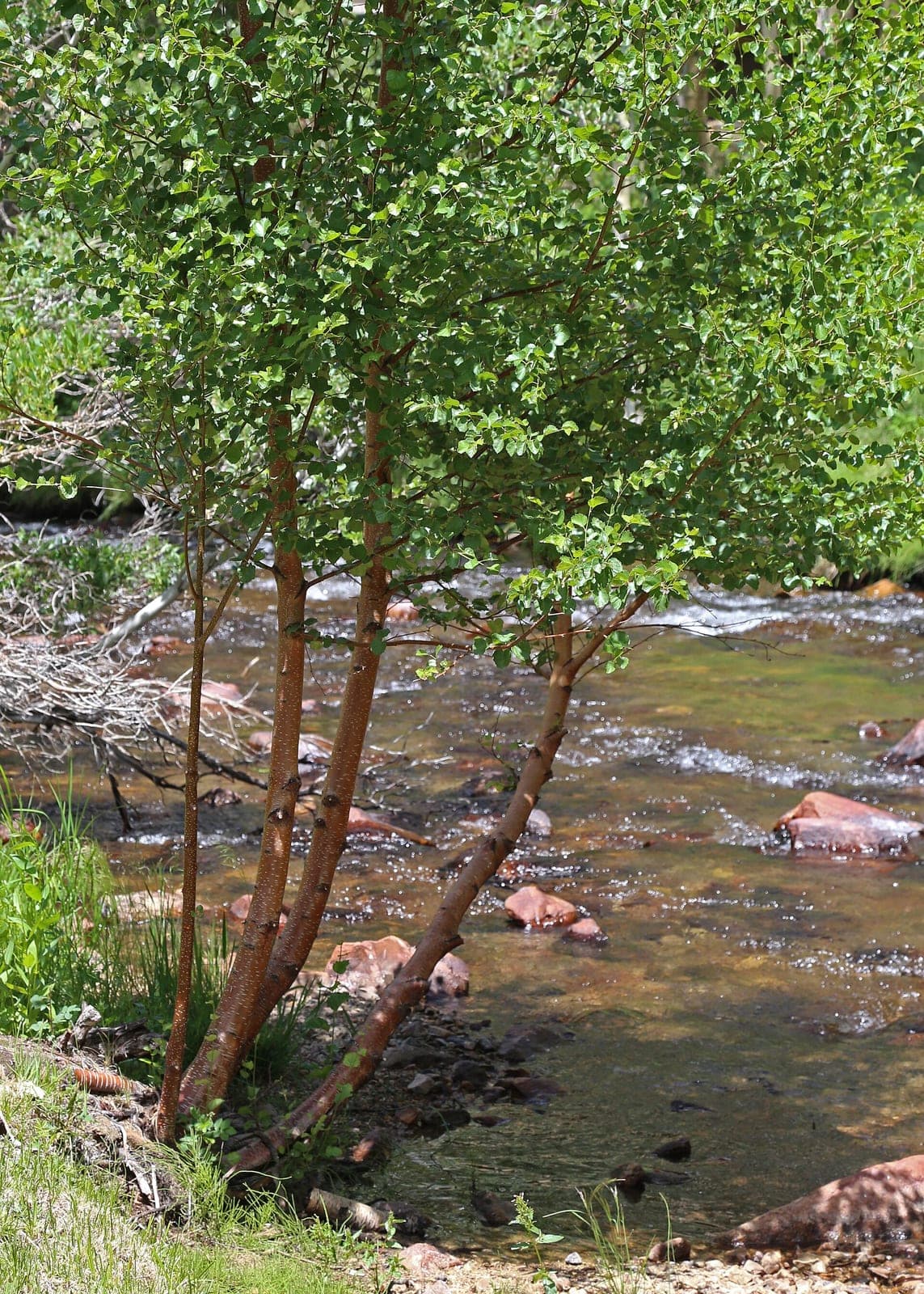
Water Birch
Betula occidentalis
Zones 3a–7b · native to 22 states and provinces
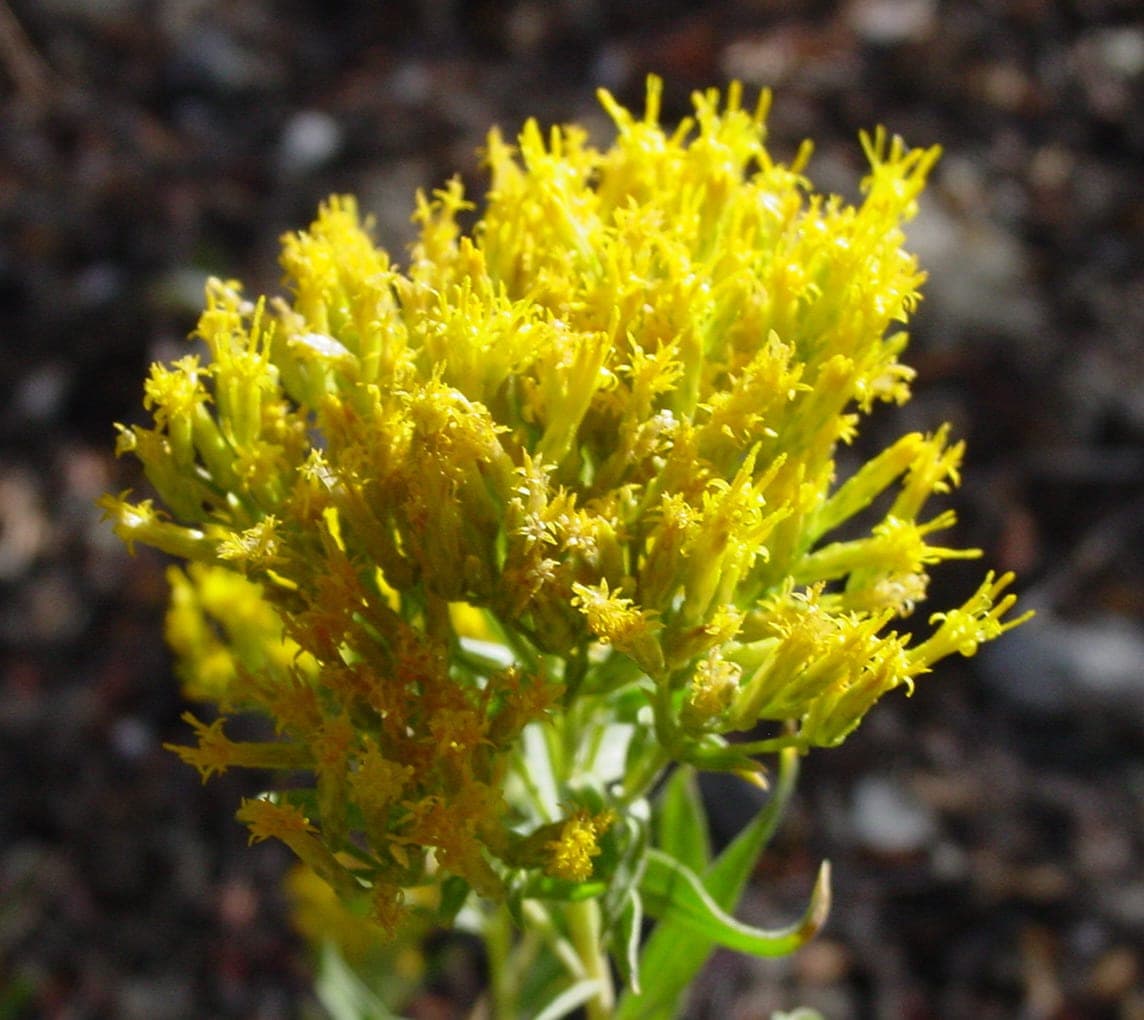
Yellow Rabbitbrush
Chrysothamnus viscidiflorus
Zones 4a–8b · native to 14 states and provinces
Blooms Apr – Jun in zone 9a
The Keystone Web
How this region's plants, caterpillars, bees, fungi and birds hold together. Pick a species to pull its thread, or add plants to see what your garden would carry.
Birds & mammals it feeds4
Caterpillars & bees it hosts2
Not every native pulls the same weight.
In the North American Deserts, 7 of these 10 plants are keystones: the native genera that feed the most caterpillars and specialist bees. The rest are good plants. These are load-bearing ones.
Insects that depend on them
Keystone rankings from the National Wildlife Federation, based on caterpillar host research by Doug Tallamy's lab at the University of Delaware (Narango, Tallamy & Shropshire, 2020) and specialist-bee research by Jarrod Fowler. Ecoregion boundaries: Commission for Environmental Cooperation, Level I.