
Native plants of the Marine West Coast Forest
The wet, mild coast from northern California to southeast Alaska: Douglas fir, hemlock and cedar.
An ecoregion groups land by climate, soil and the plants and animals that live there, so its keystone plants are the same from one end to the other, whatever the hardiness zone. 173 plants in the field guide are native here; the 36 below carry most of the caterpillars and specialist bees.
Covers:WashingtonOregonBritish ColumbiaAlaskaCalifornia
Keystone plants · 36
Keystone rankings follow the National Wildlife Federation's list for this region. Every date below moves with your zone.
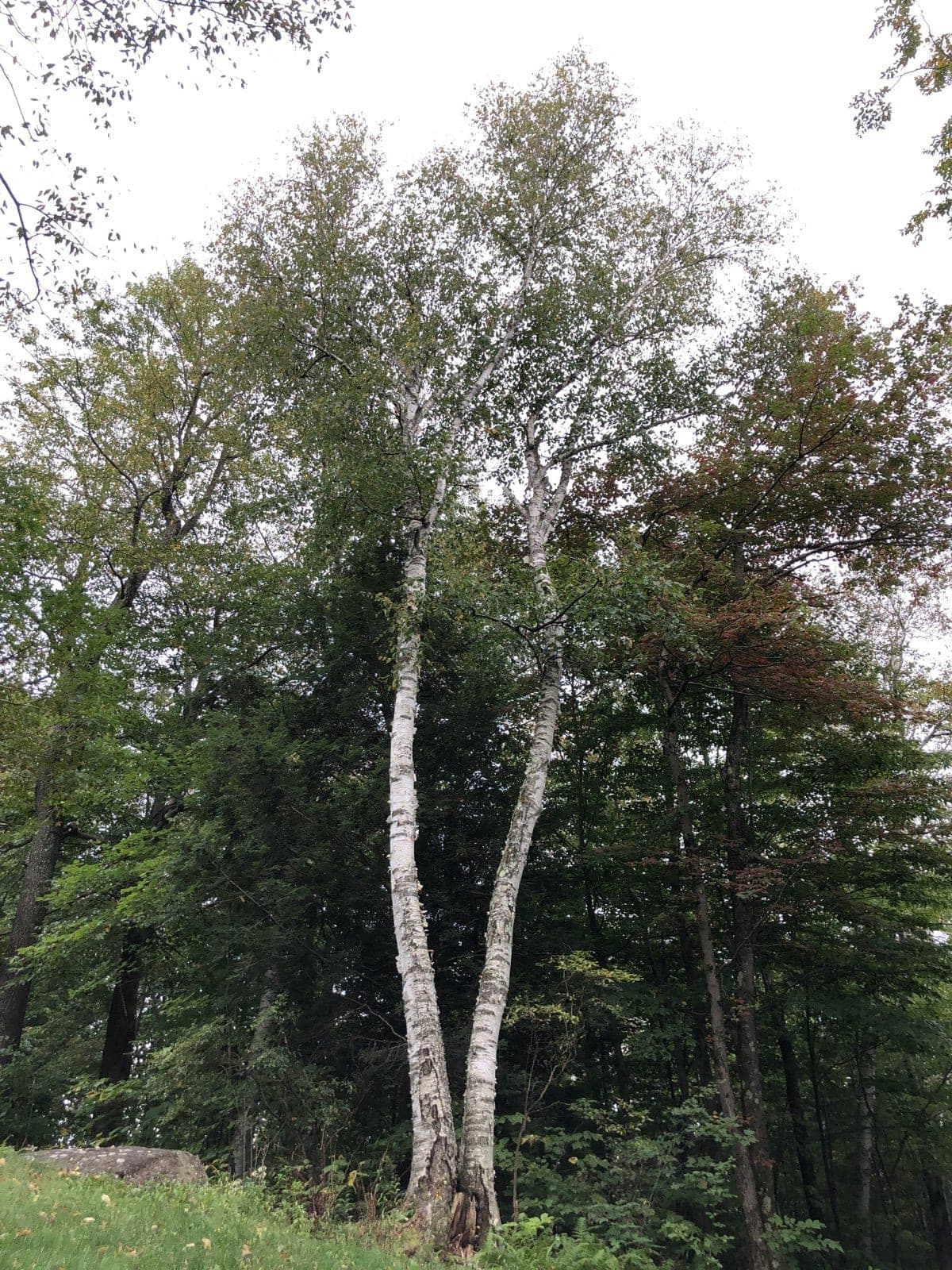
Alaska Paper Birch
Betula neoalaskana
Zones 2a–6b · native to 7 states and provinces
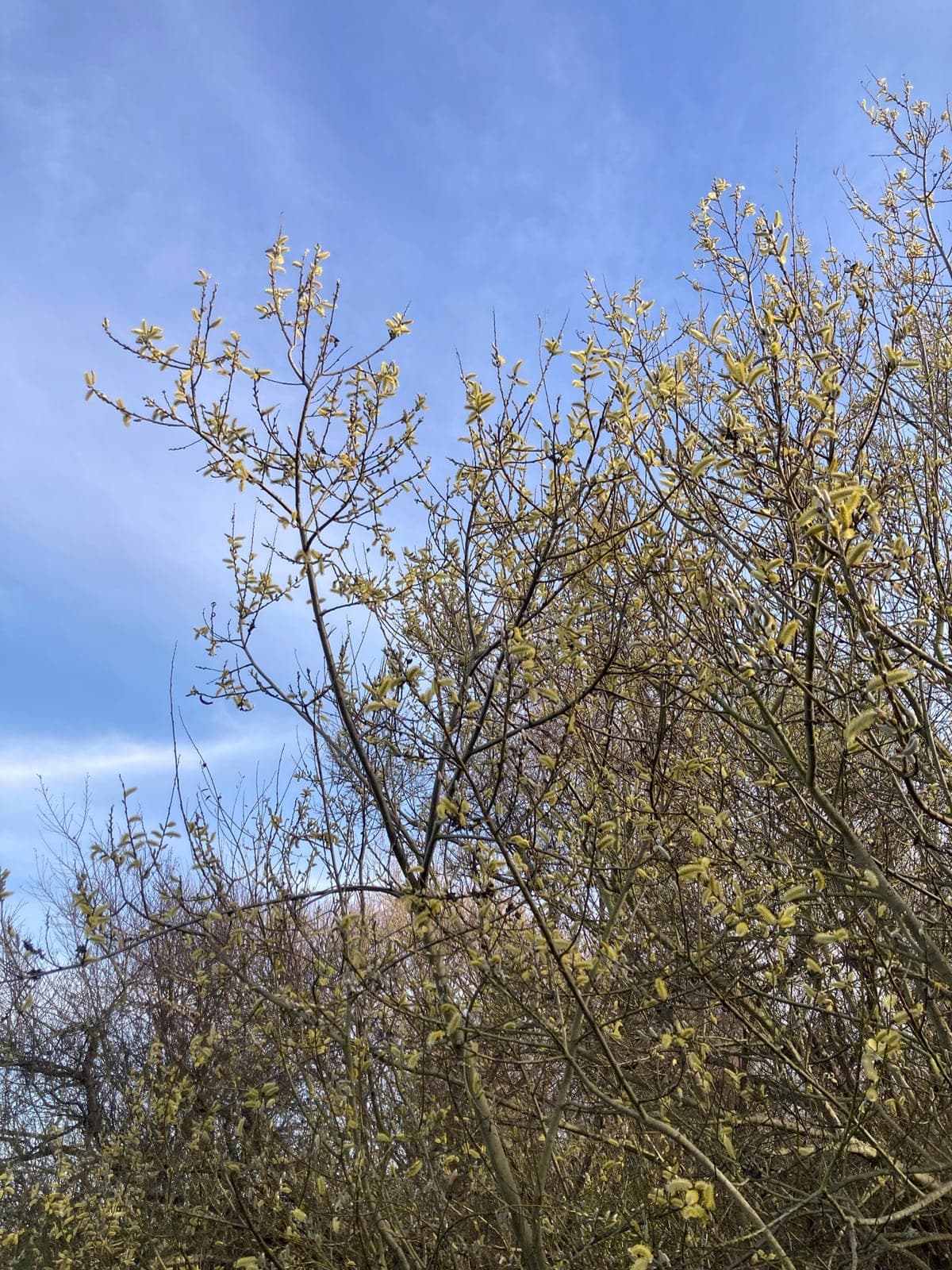
Arroyo Willow
Salix lasiolepis
Zones 6a–10b · native to 9 states
Blooms Feb – Mar in zone 8b
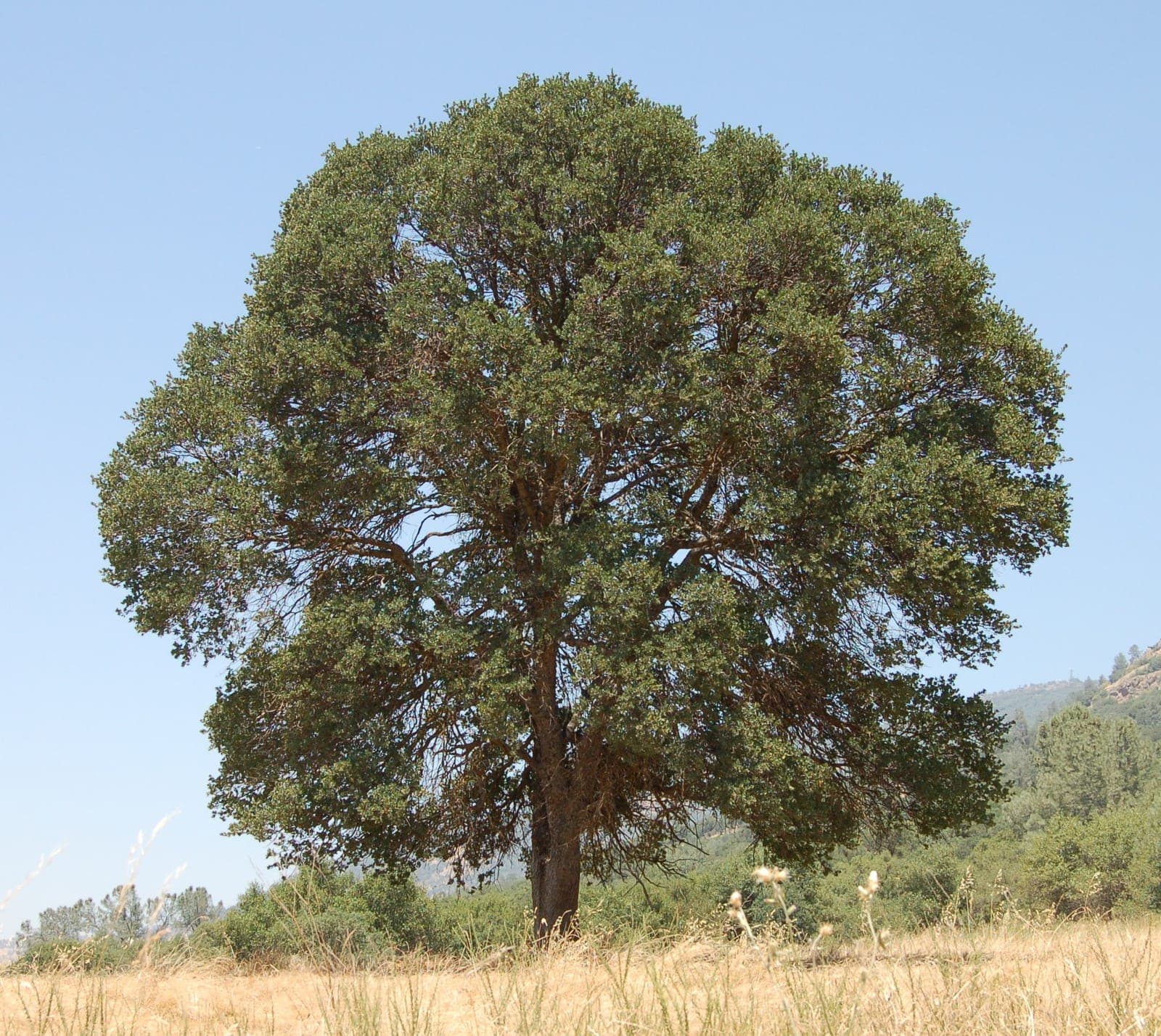
Blue Oak
Quercus douglasii
Zones 7a–10a
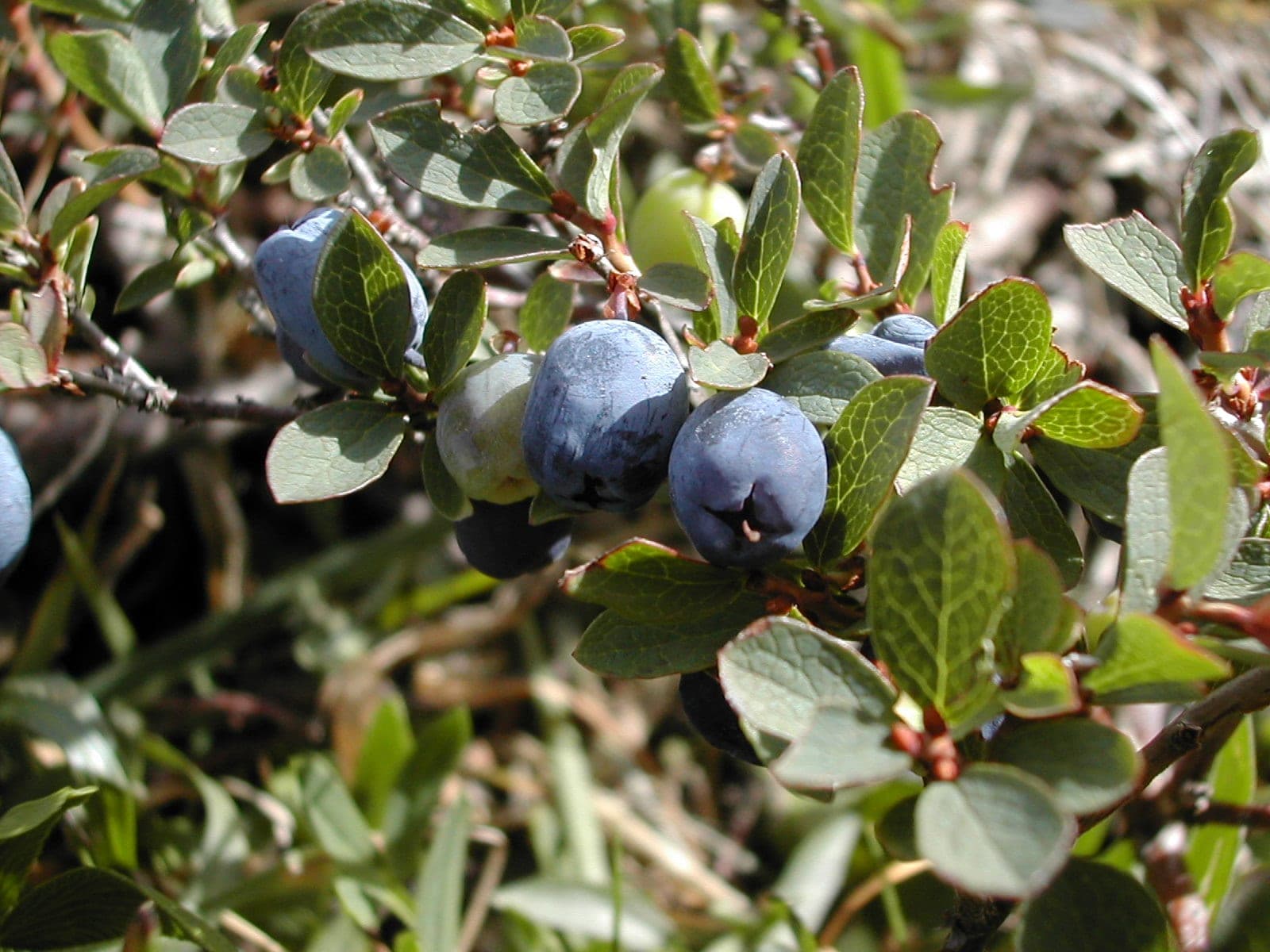
Bog Blueberry
Vaccinium uliginosum
Zones 2a–6b · native to 26 states and provinces
Blooms Mar – May in zone 8b
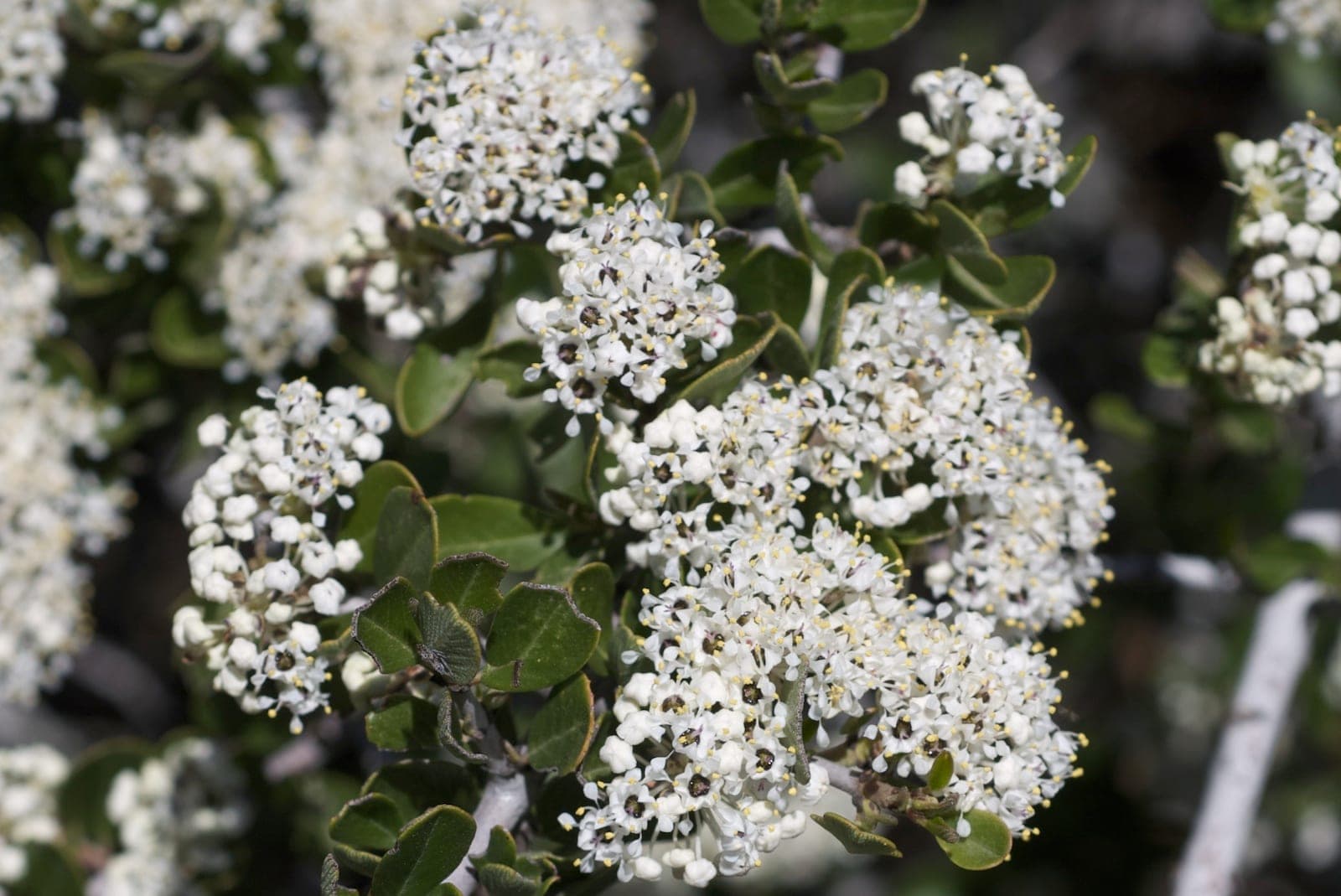
Buckbrush
Ceanothus cuneatus
Zones 7a–10b · native to 2 states
Blooms Mar – May in zone 8b
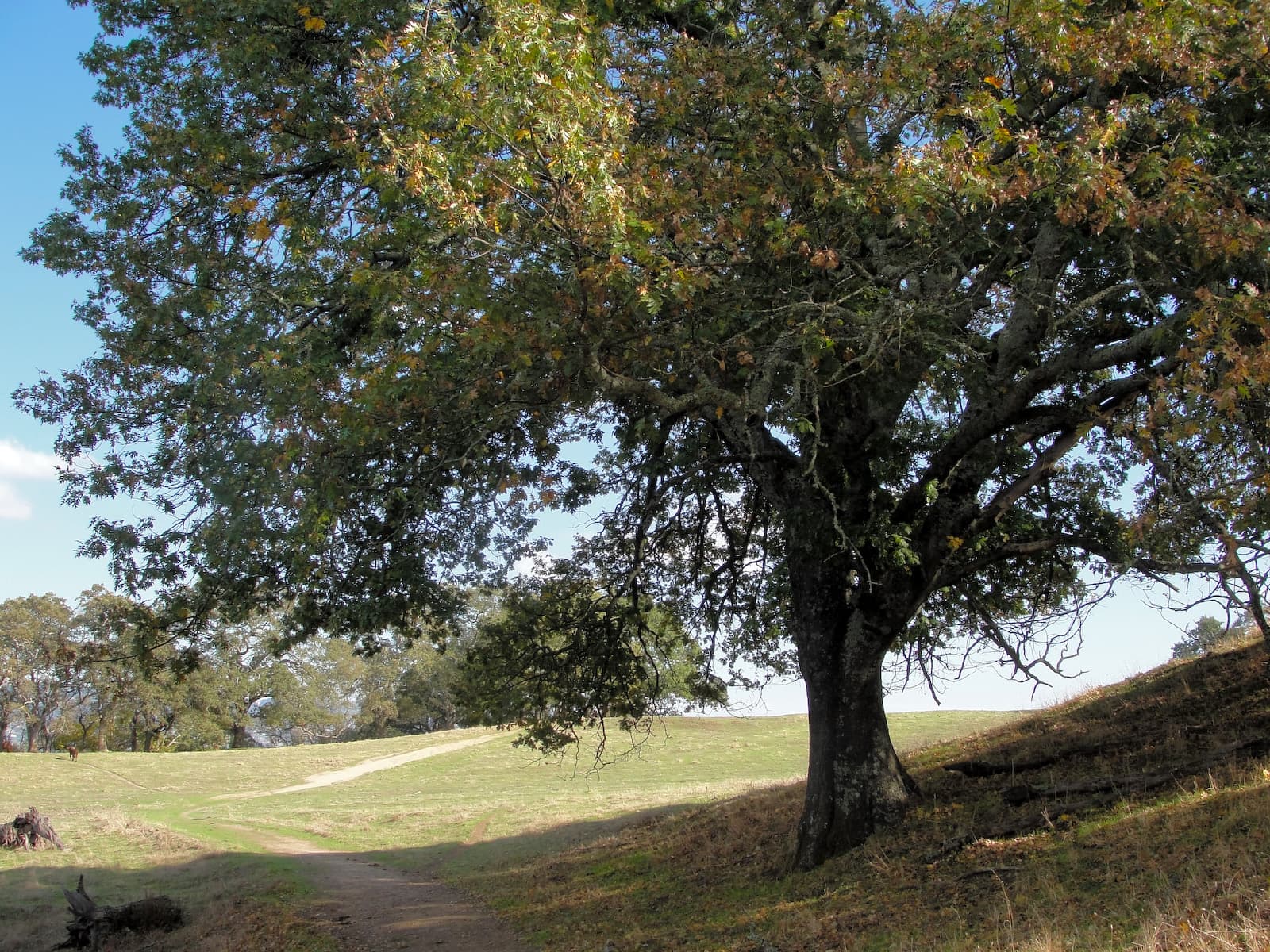
California Black Oak
Quercus kelloggii
Zones 7a–9b · native to 2 states
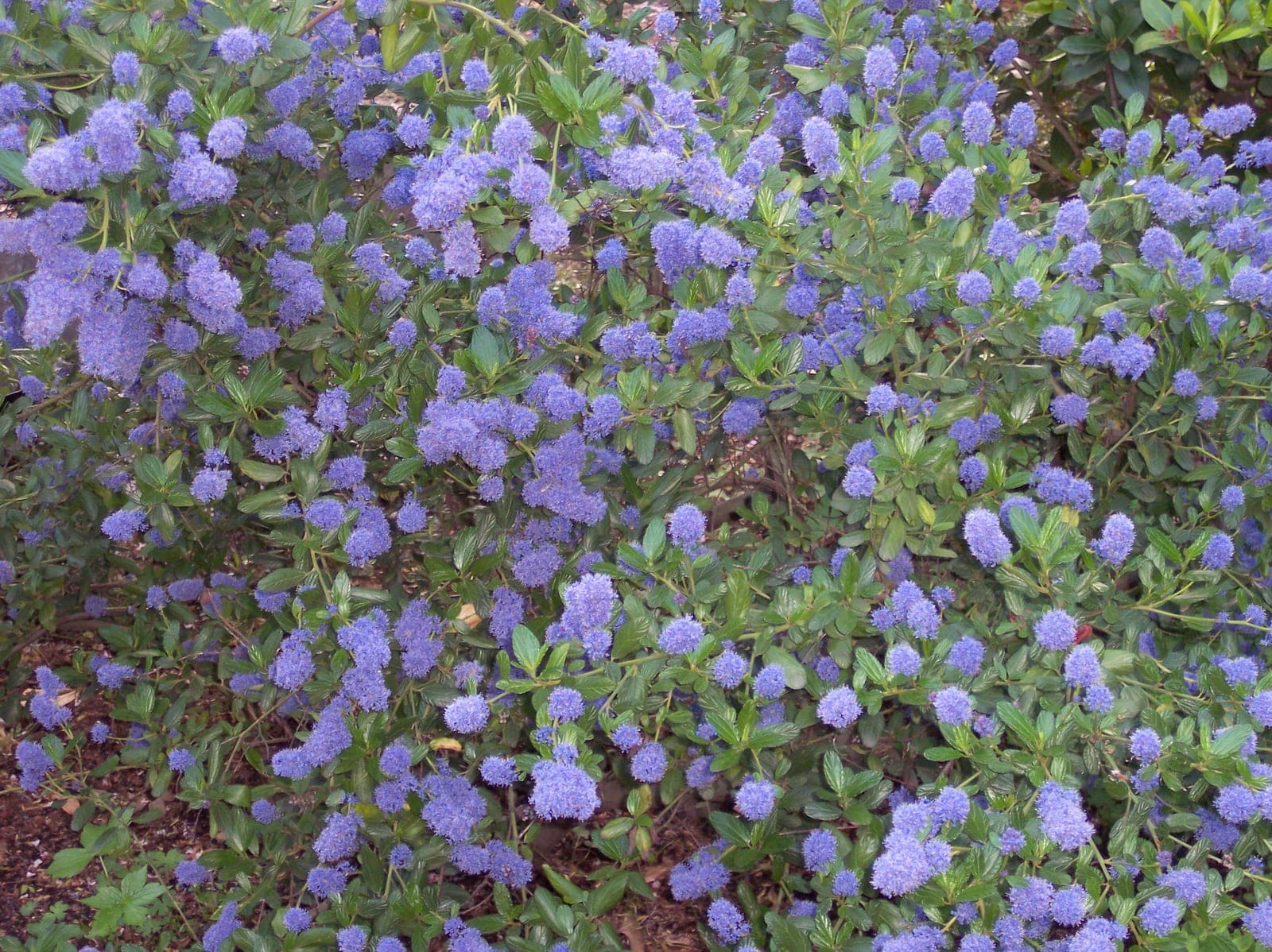
California Lilac
Ceanothus thyrsiflorus
Zones 8a–10b · native to 2 states
Blooms Mar – May in zone 8b
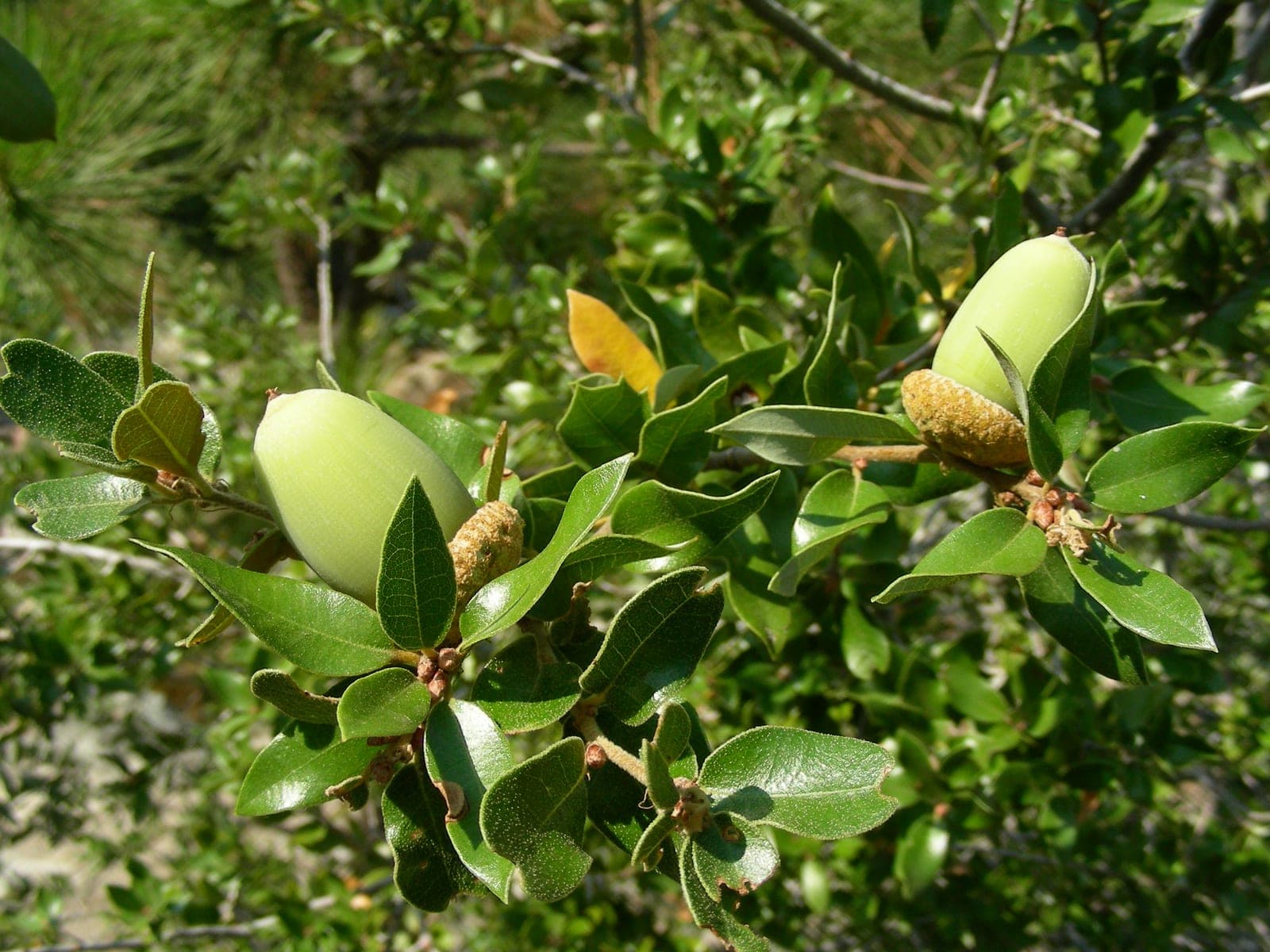
Canyon Live Oak
Quercus chrysolepis
Zones 7a–9b · native to 6 states
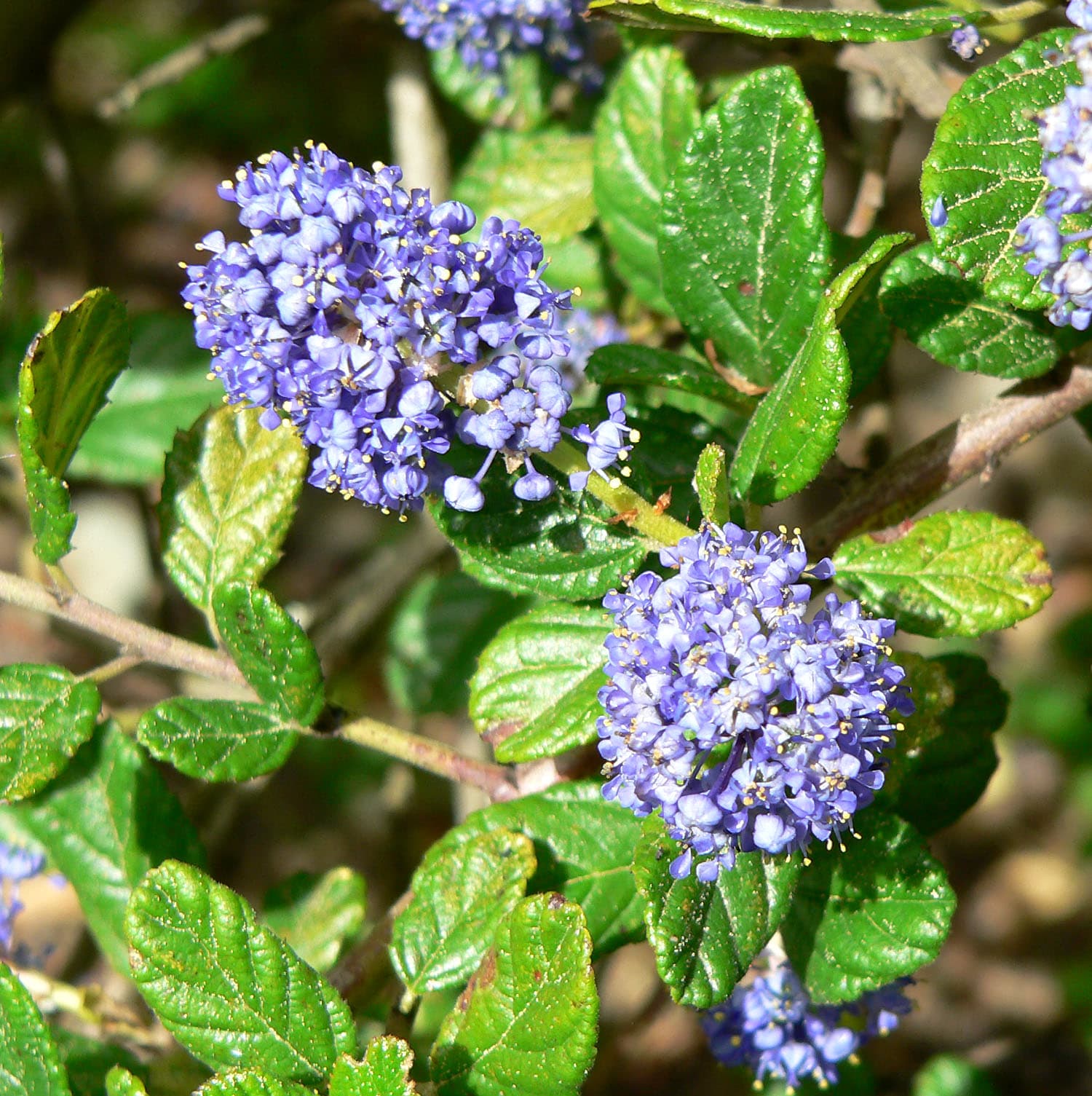
Carmel Creeper
Ceanothus griseus var. horizontalis
Zones 8a–10b
Blooms Mar – May in zone 8b
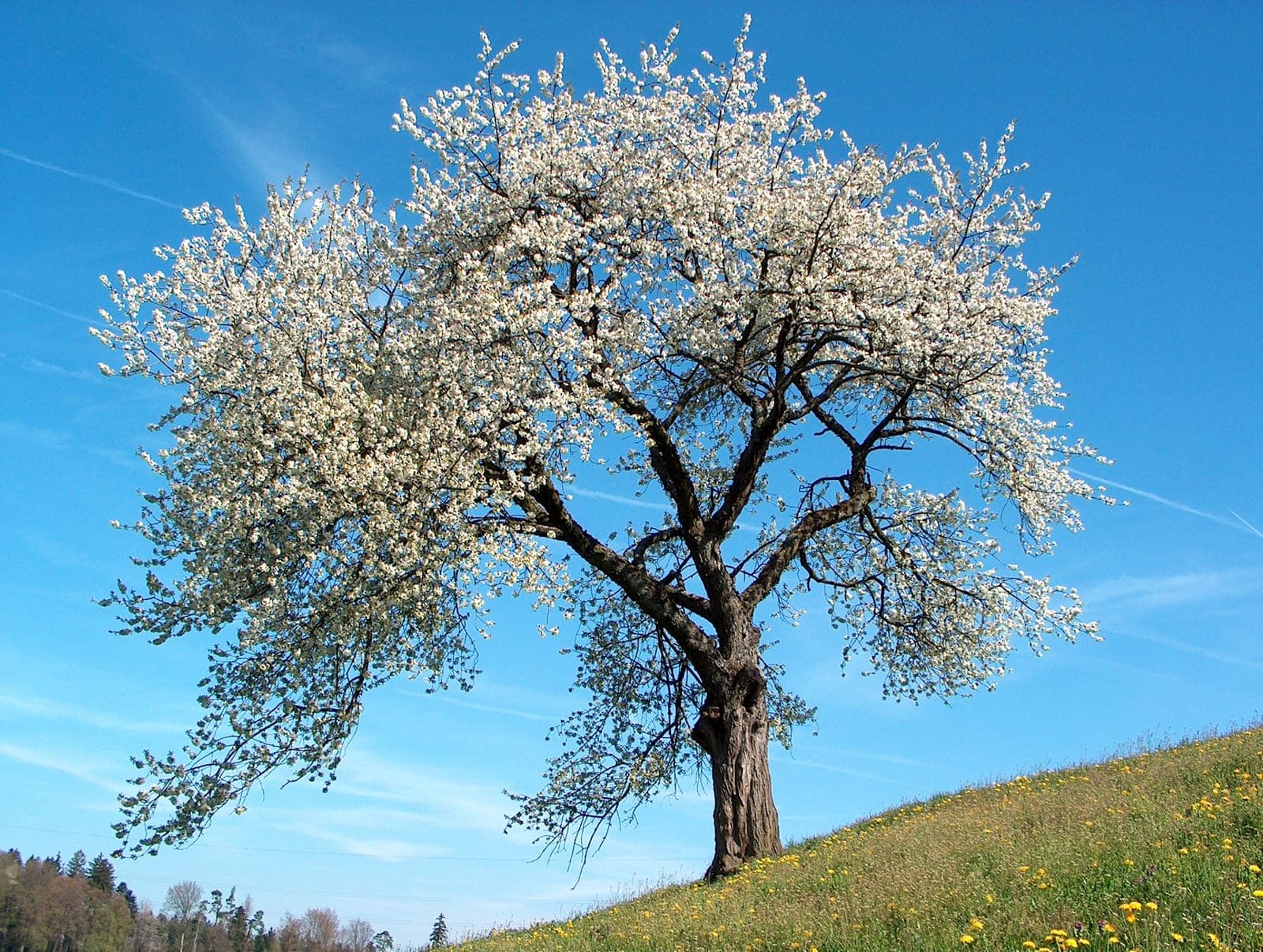
Catalina Cherry
Prunus ilicifolia ssp. lyonii
Zones 8a–10b
Blooms Mar – Jun in zone 8b
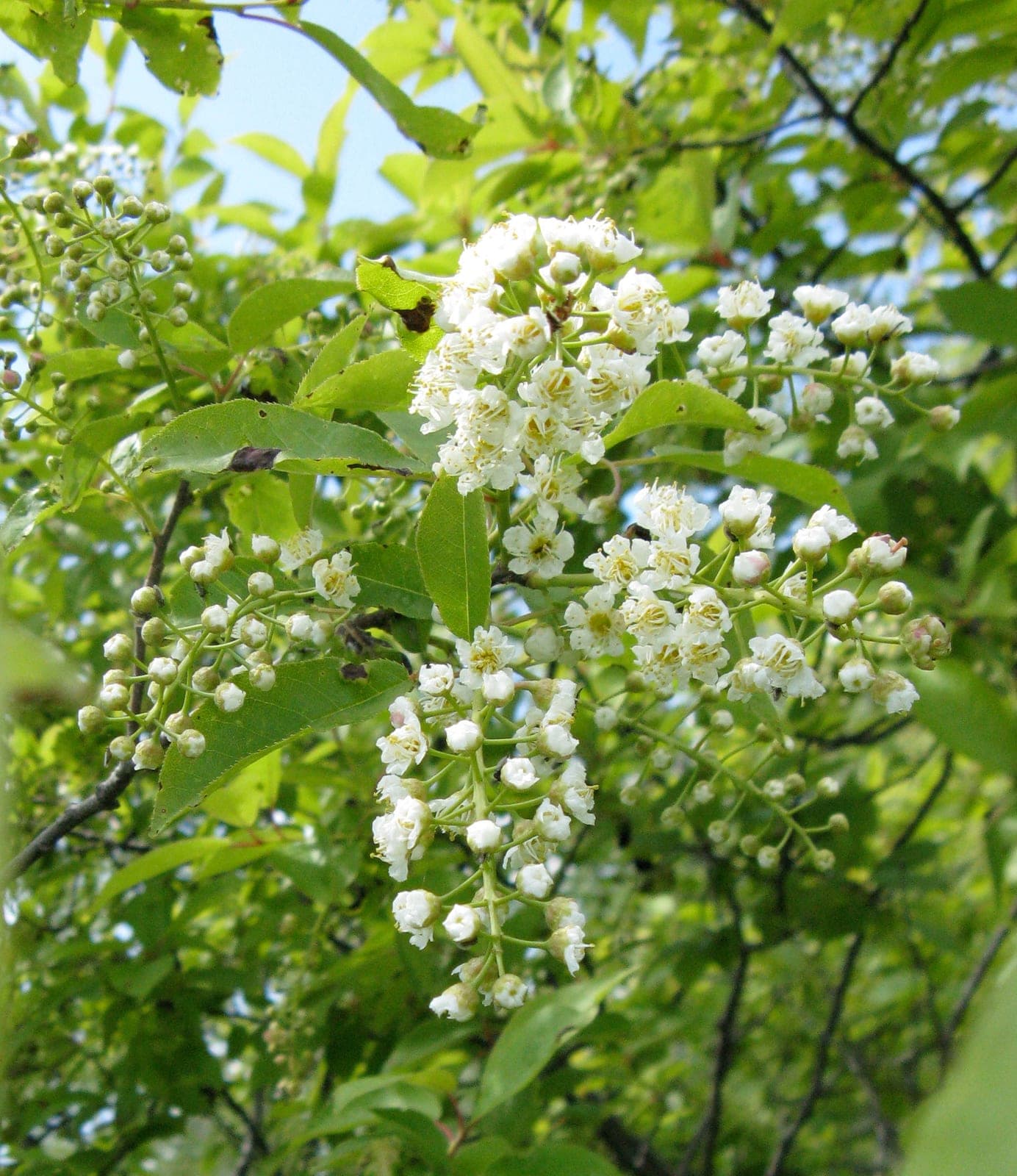
Chokecherry
Prunus virginiana
Zones 2a–7b · native to 55 states and provinces
Blooms Mar – Apr in zone 8b
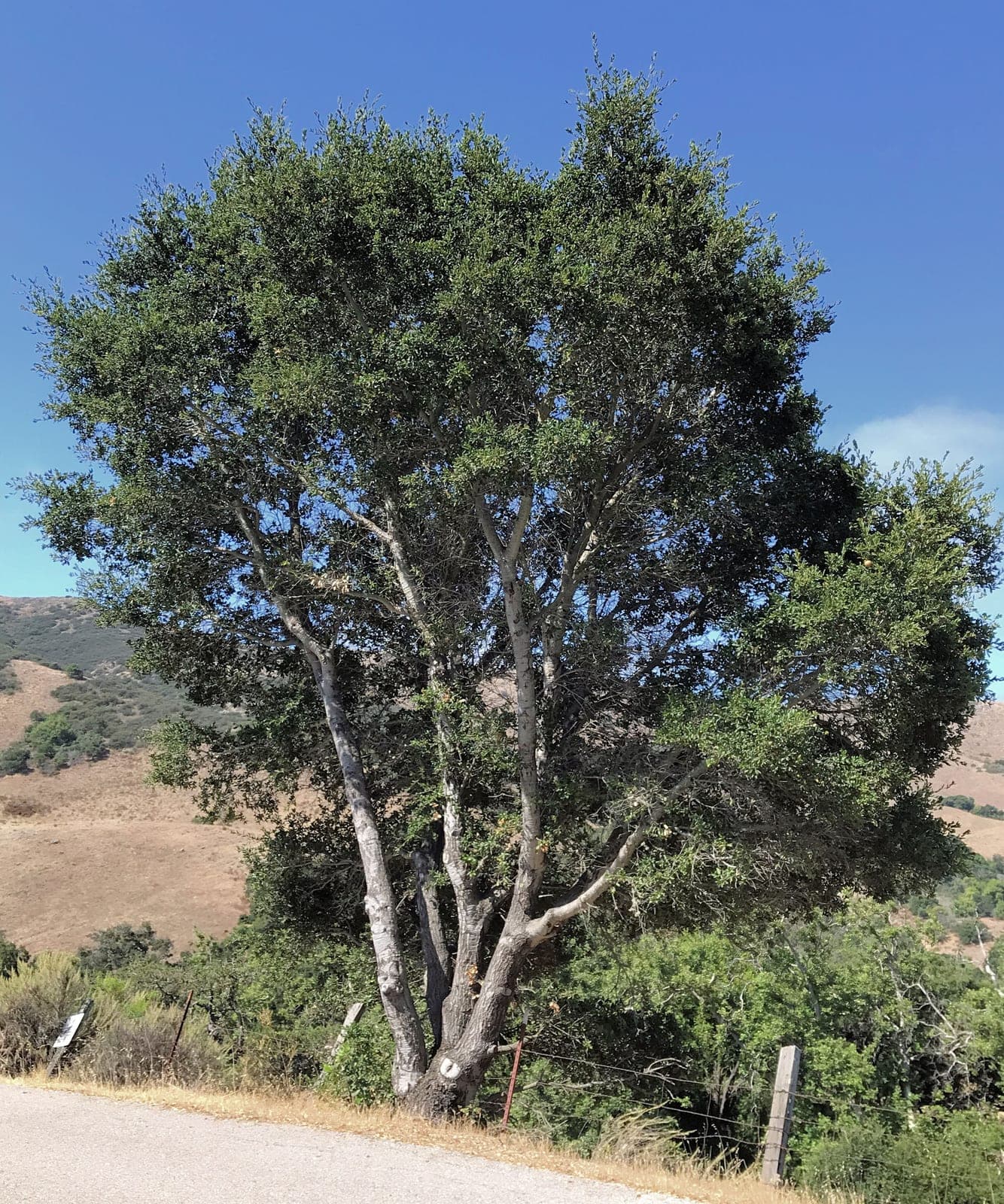
Coast Live Oak
Quercus agrifolia
Zones 9a–10b
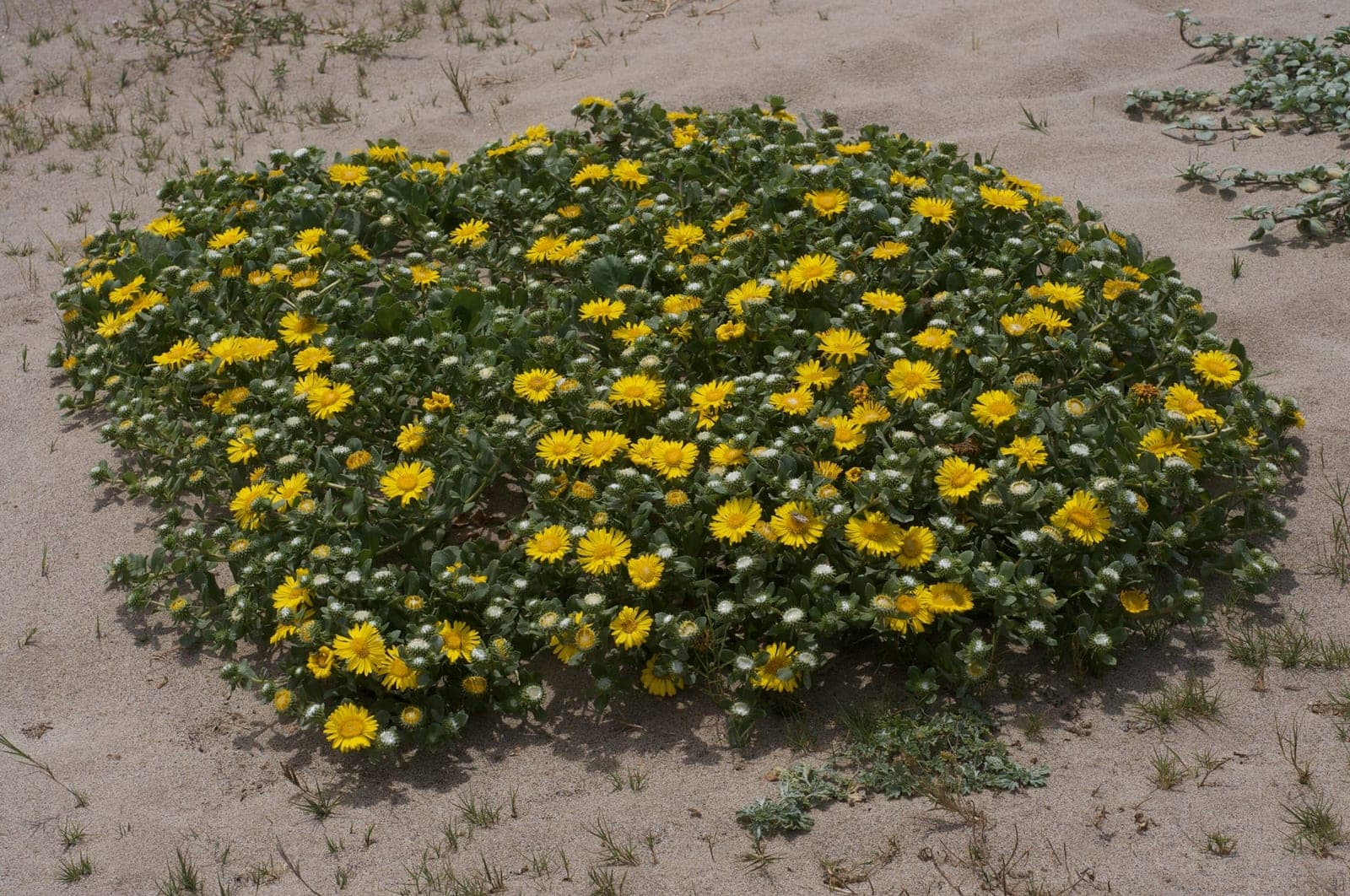
Coastal Gumweed
Grindelia stricta
Zones 7a–10b · native to 4 states and provinces
Blooms May – Aug in zone 8b
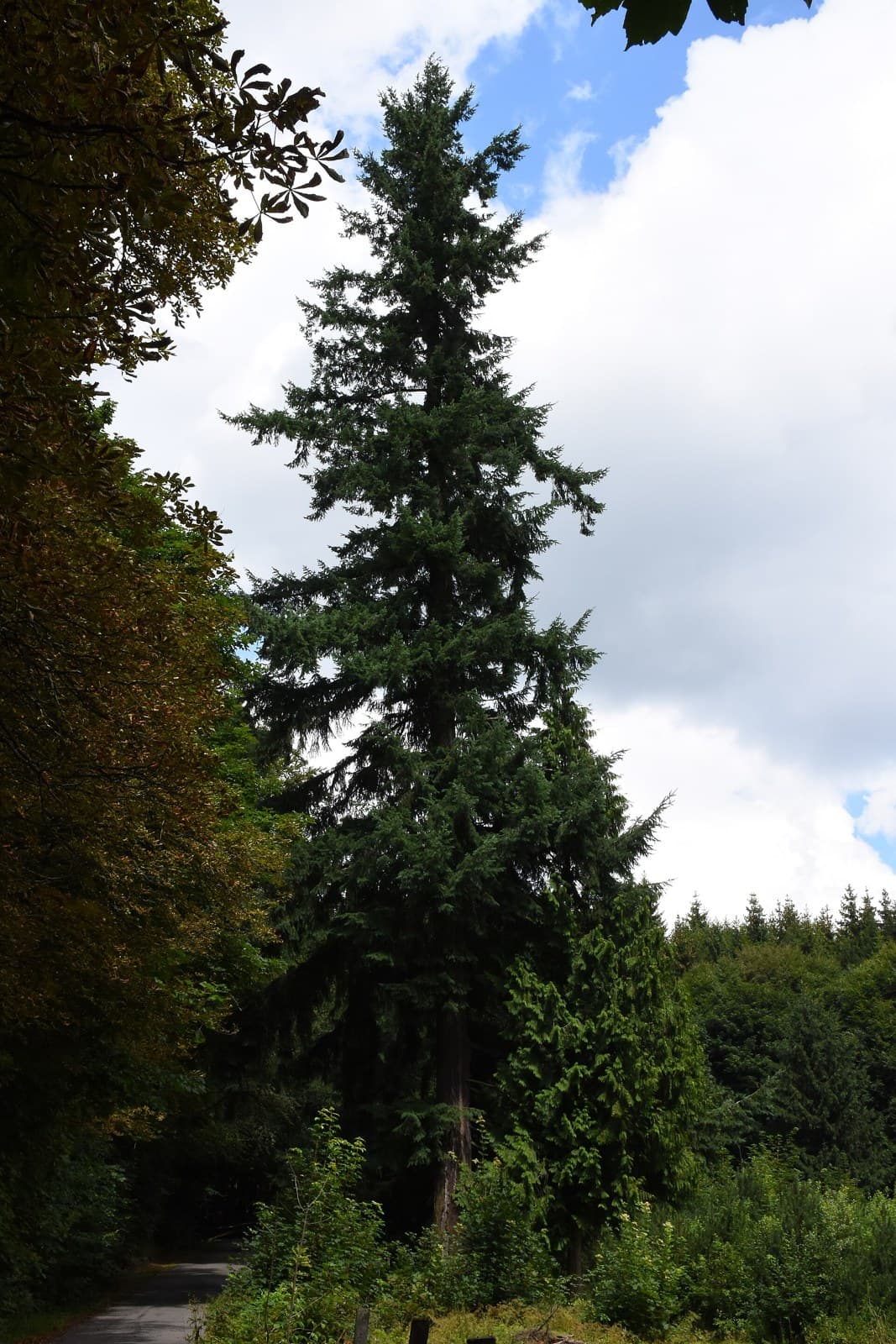
Douglas Fir
Pseudotsuga menziesii
Zones 4a–7b · native to 15 states and provinces
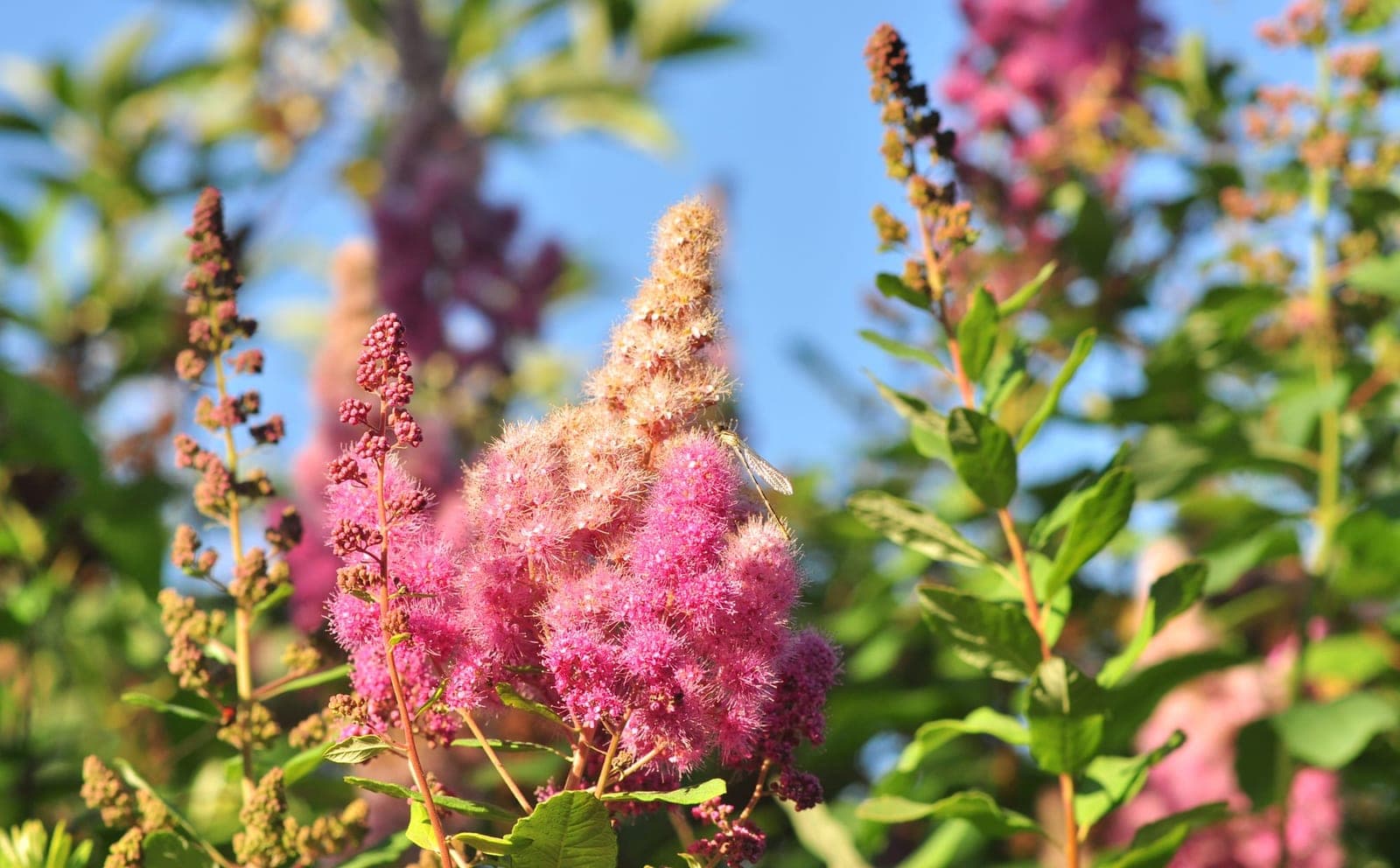
Douglas Spirea
Spiraea douglasii
Zones 5a–8b · native to 8 states and provinces
Blooms Apr – Jun in zone 8b
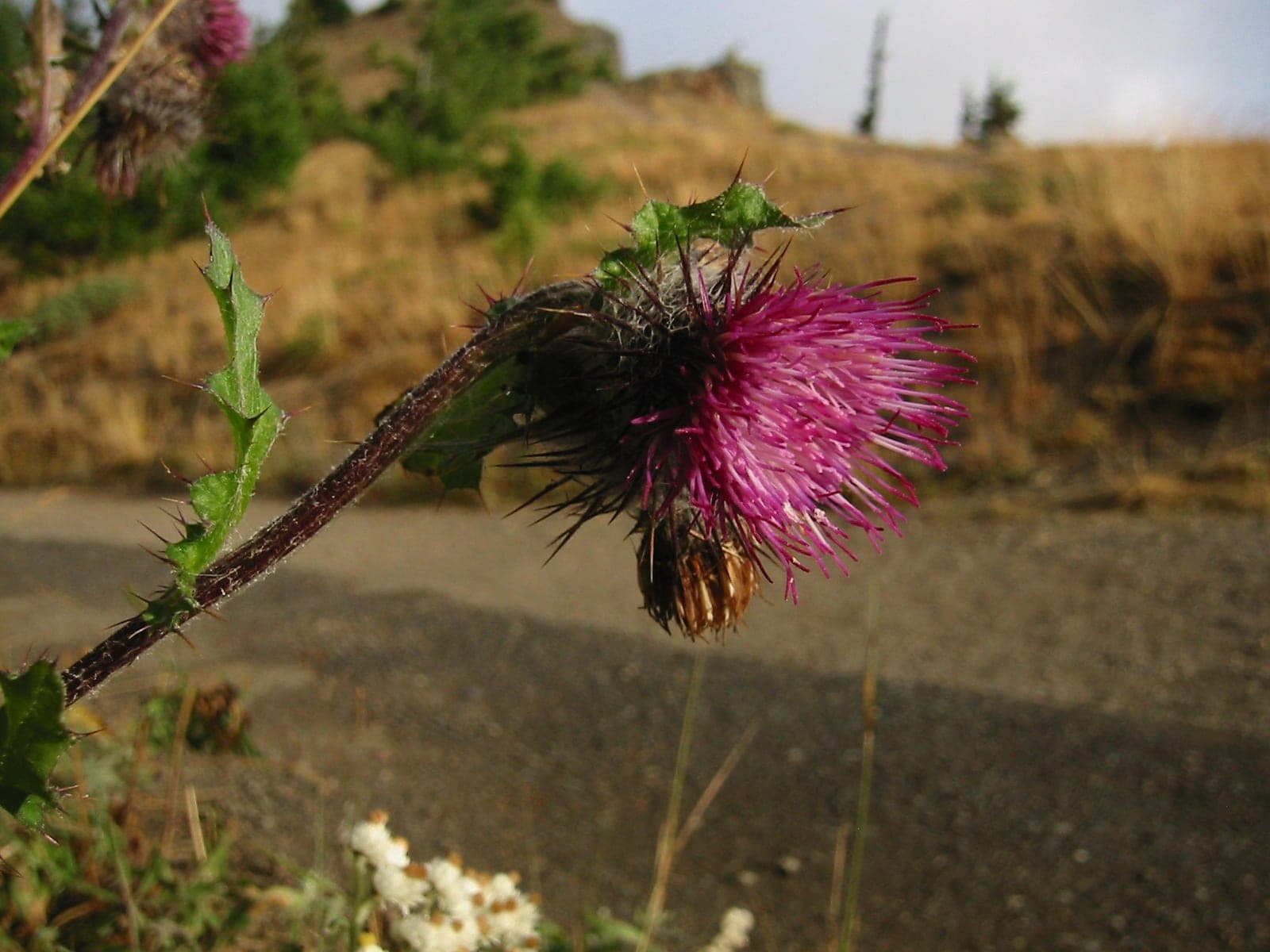
Edible Thistle
Cirsium edule
Zones 5a–8b · native to 5 states and provinces
Blooms Jun – Jul in zone 8b
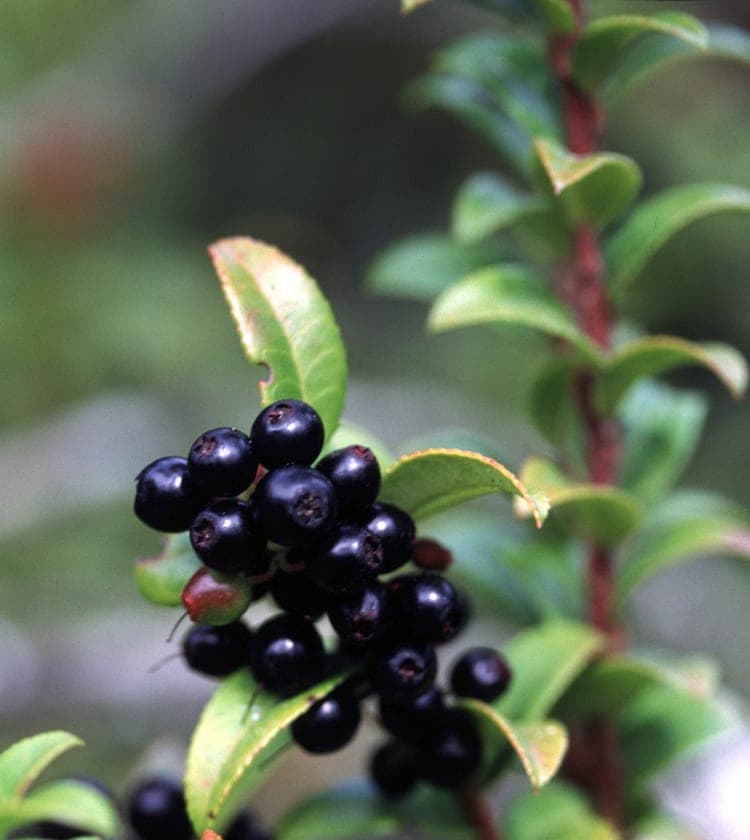
Evergreen Huckleberry
Vaccinium ovatum
Zones 7a–9b · native to 4 states and provinces
Blooms Mar – May in zone 8b
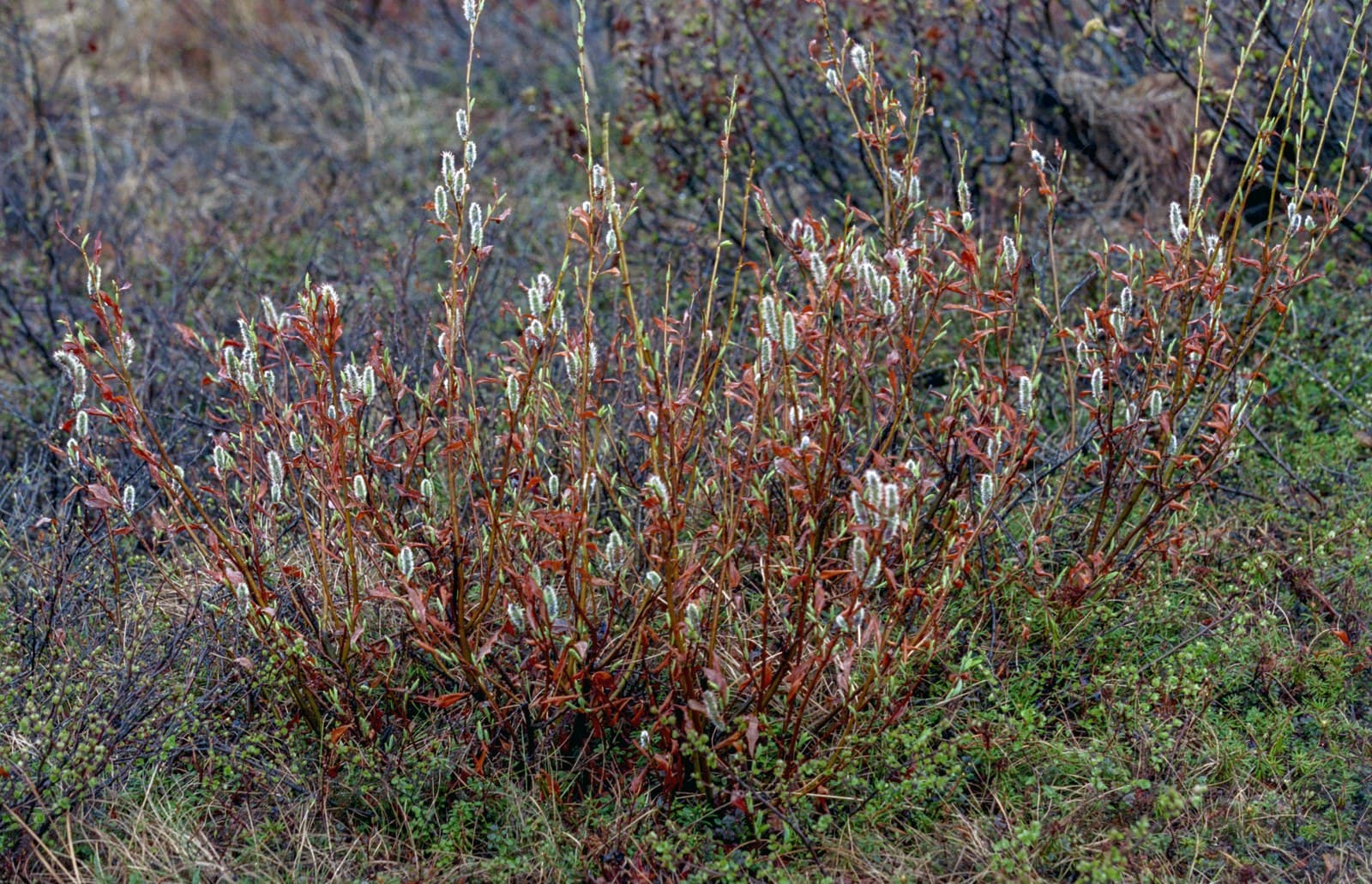
Feltleaf Willow
Salix alaxensis
Zones 2a–6b · native to 7 states and provinces
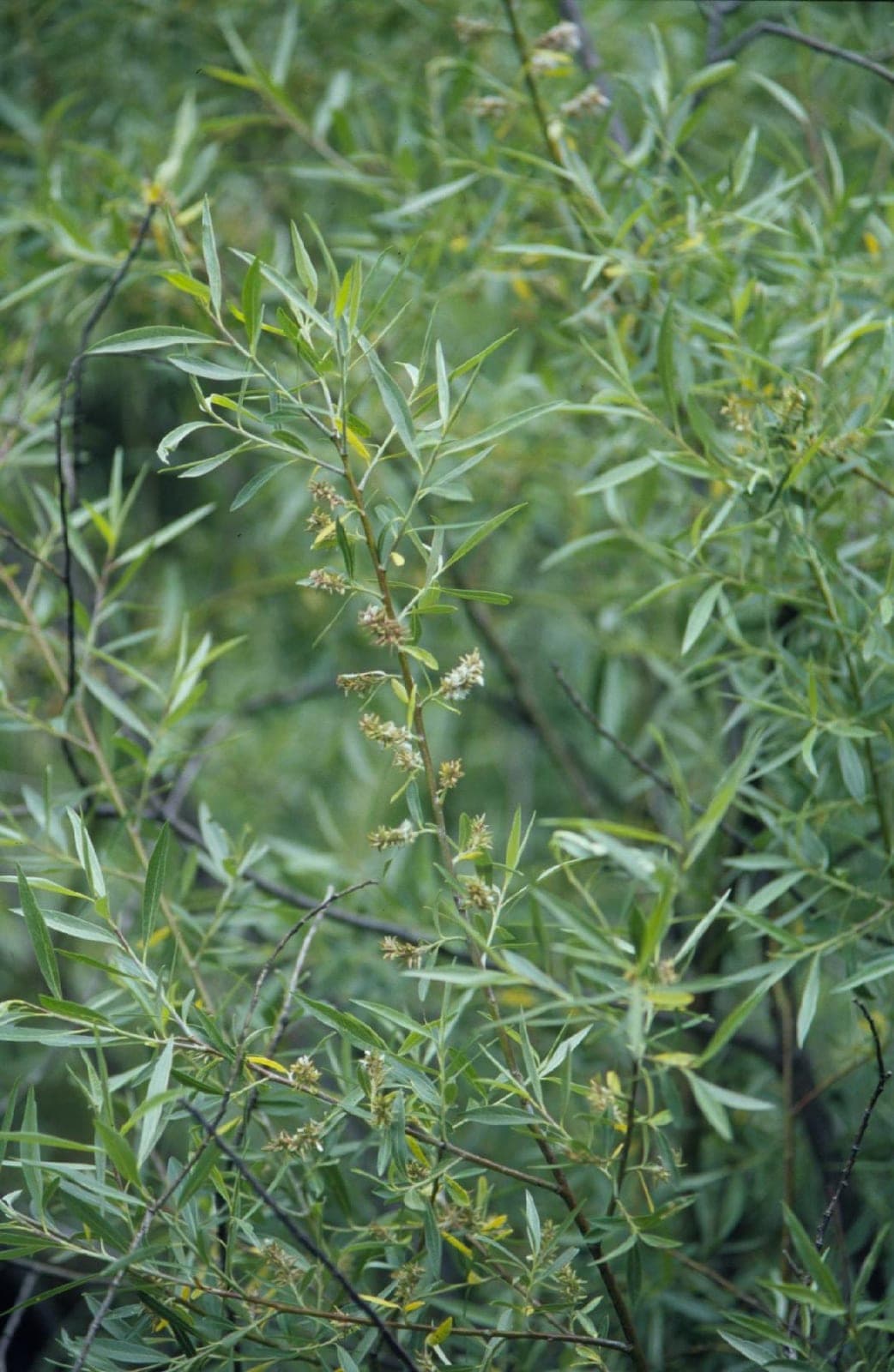
Geyer Willow
Salix geyeriana
Zones 3a–7b · native to 11 states and provinces
Blooms Feb – Mar in zone 8b

Goldenrod
Solidago canadensis
Zones 3a–9a · native to 57 states and provinces
Blooms Jun – Nov in zone 8b
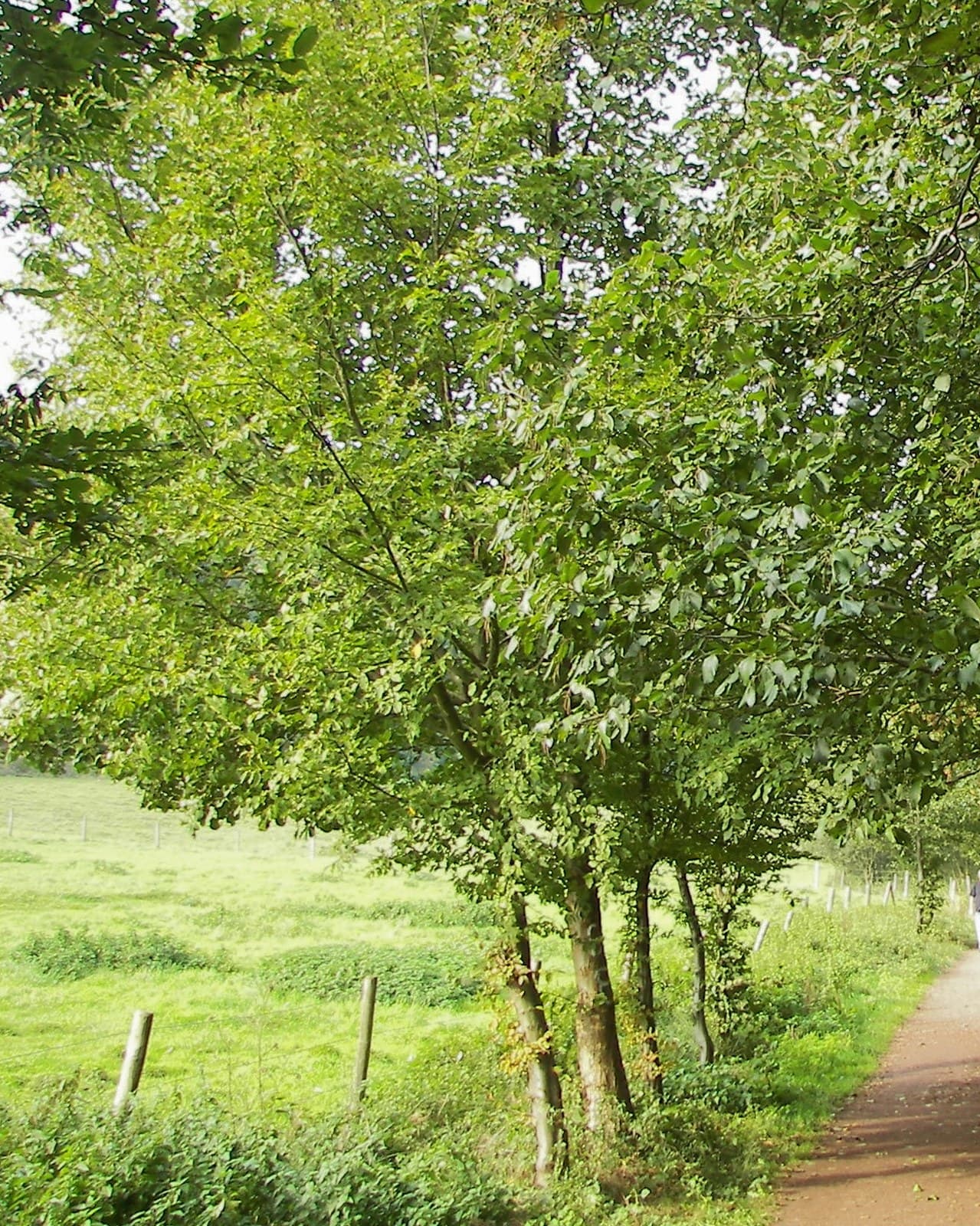
Gray Alder
Alnus incana
Zones 3a–6b · native to 44 states and provinces
Hollyleaf Cherry
Prunus ilicifolia ssp. ilicifolia
Zones 8a–10b
Blooms Apr – Jun in zone 8b
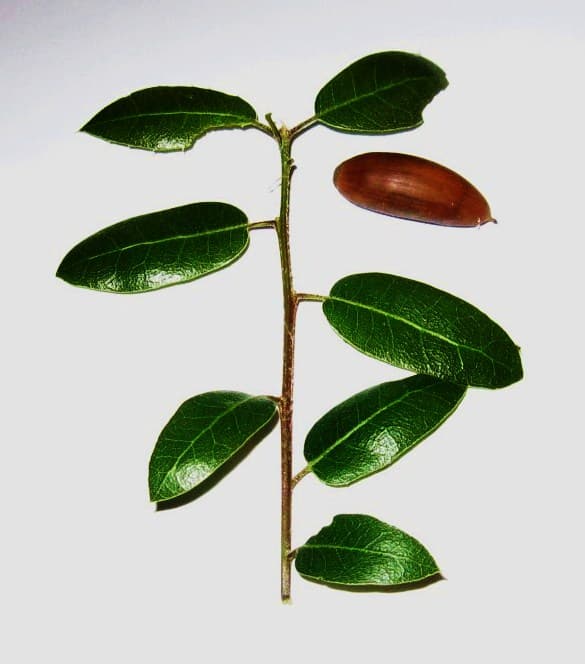
Interior Live Oak
Quercus wislizeni
Zones 7b–10a
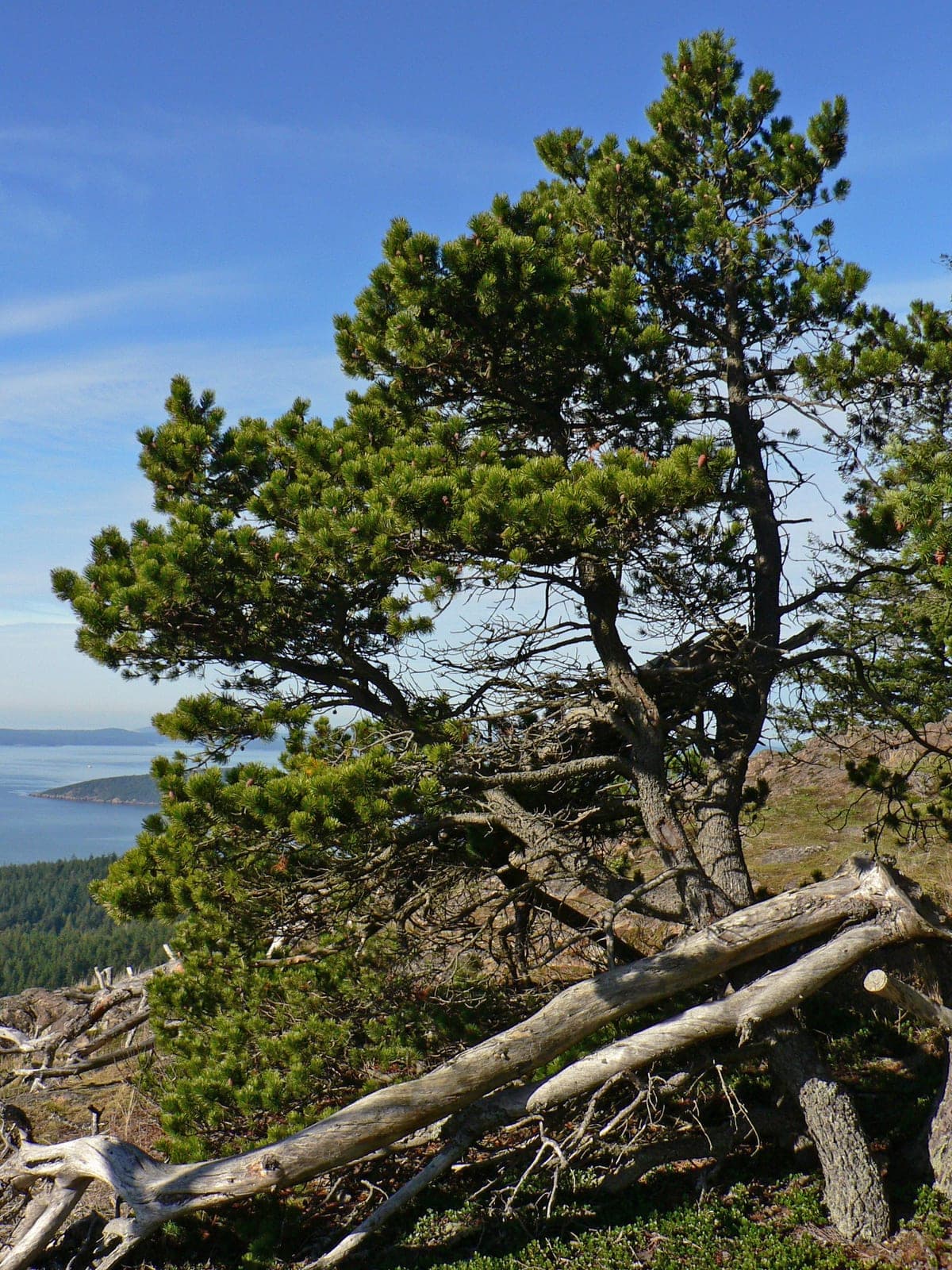
Lodgepole Pine
Pinus contorta
Zones 4a–7b · native to 14 states and provinces
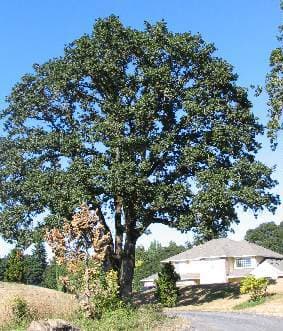
Oregon White Oak
Quercus garryana
Zones 6a–9b · native to 4 states and provinces
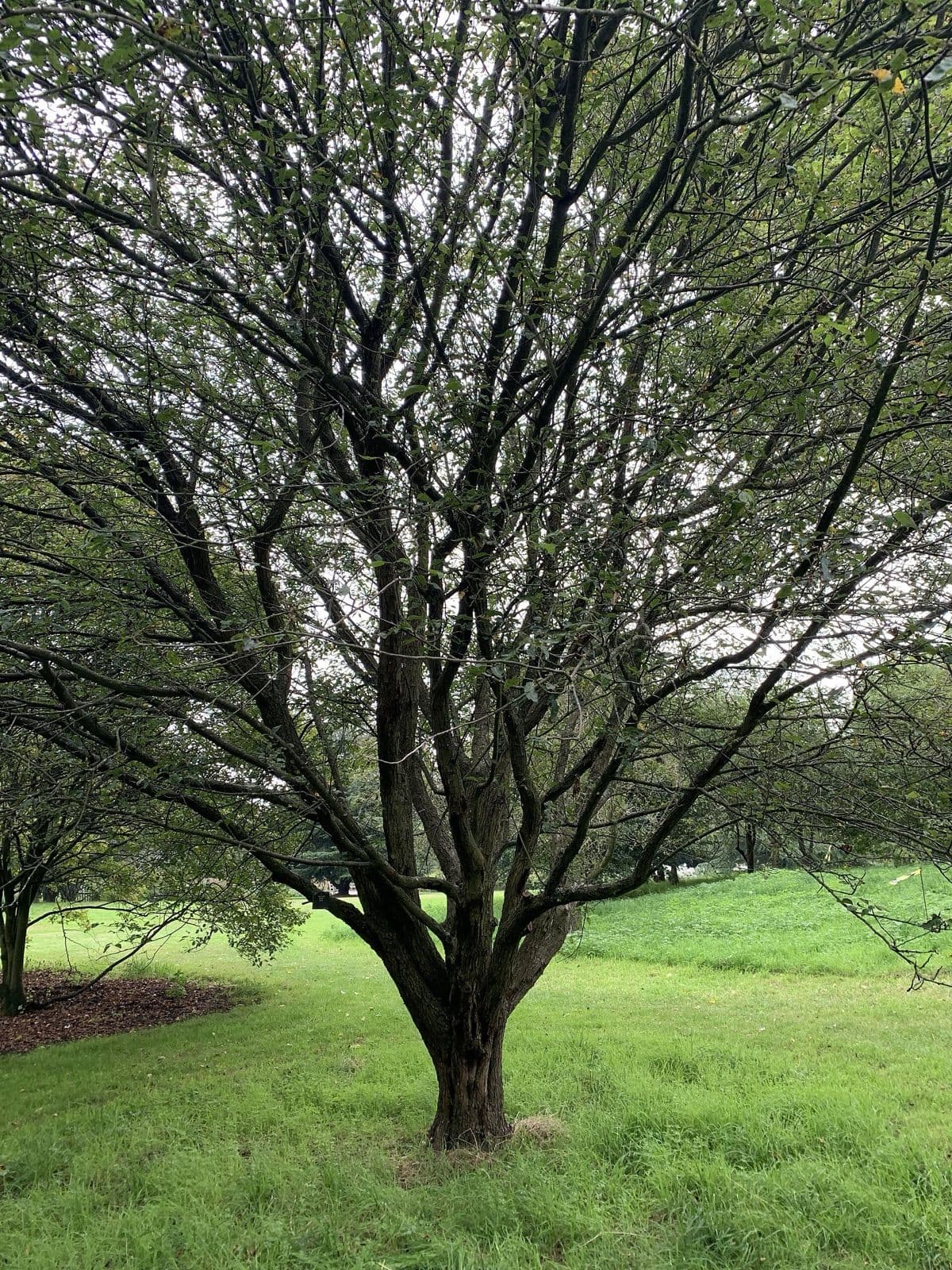
Pacific Crabapple
Malus fusca
Zones 5a–9b · native to 5 states and provinces
Blooms Mar – Apr in zone 8b
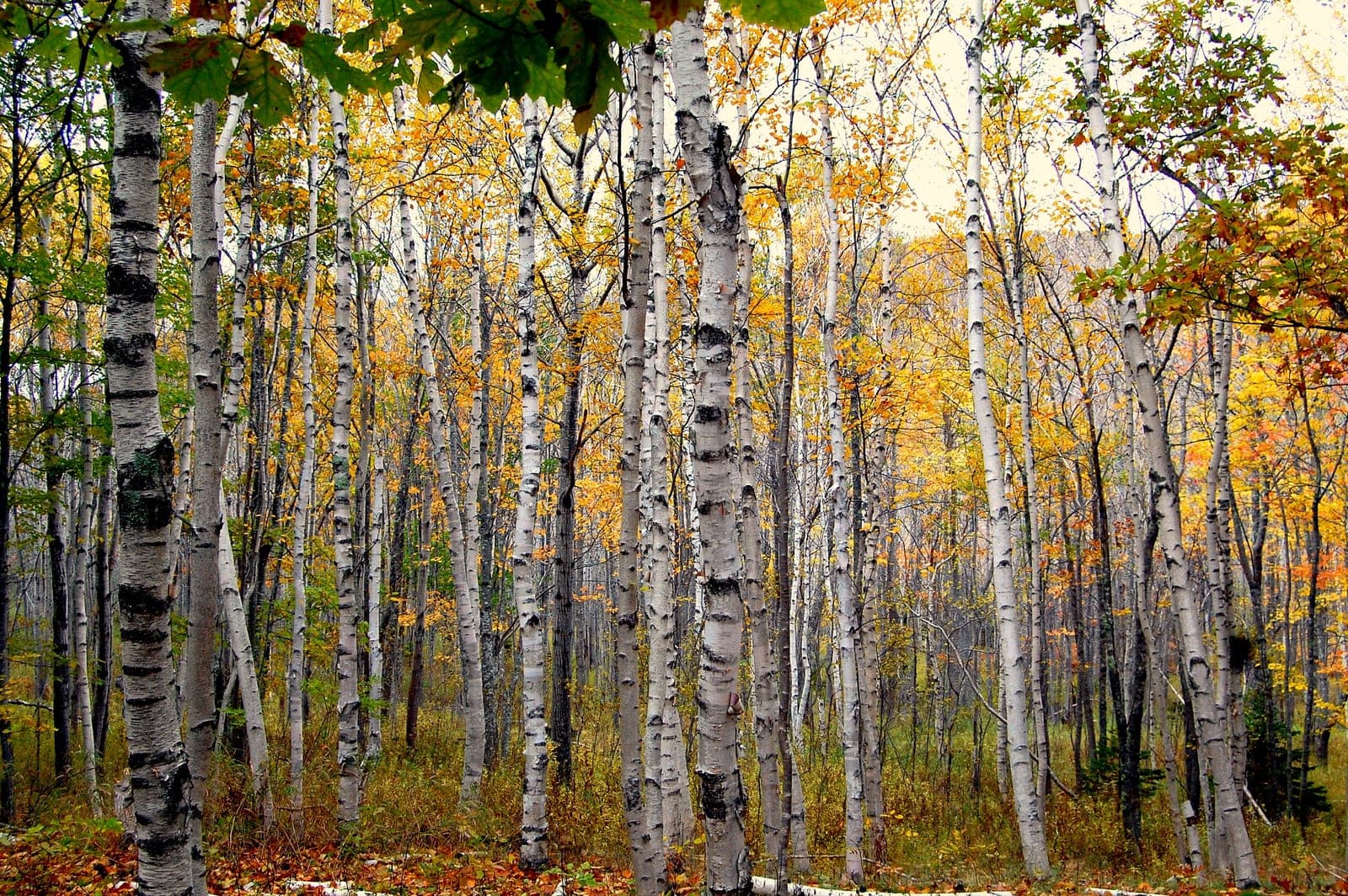
Paper Birch
Betula papyrifera
Zones 2a–7a · native to 32 states and provinces
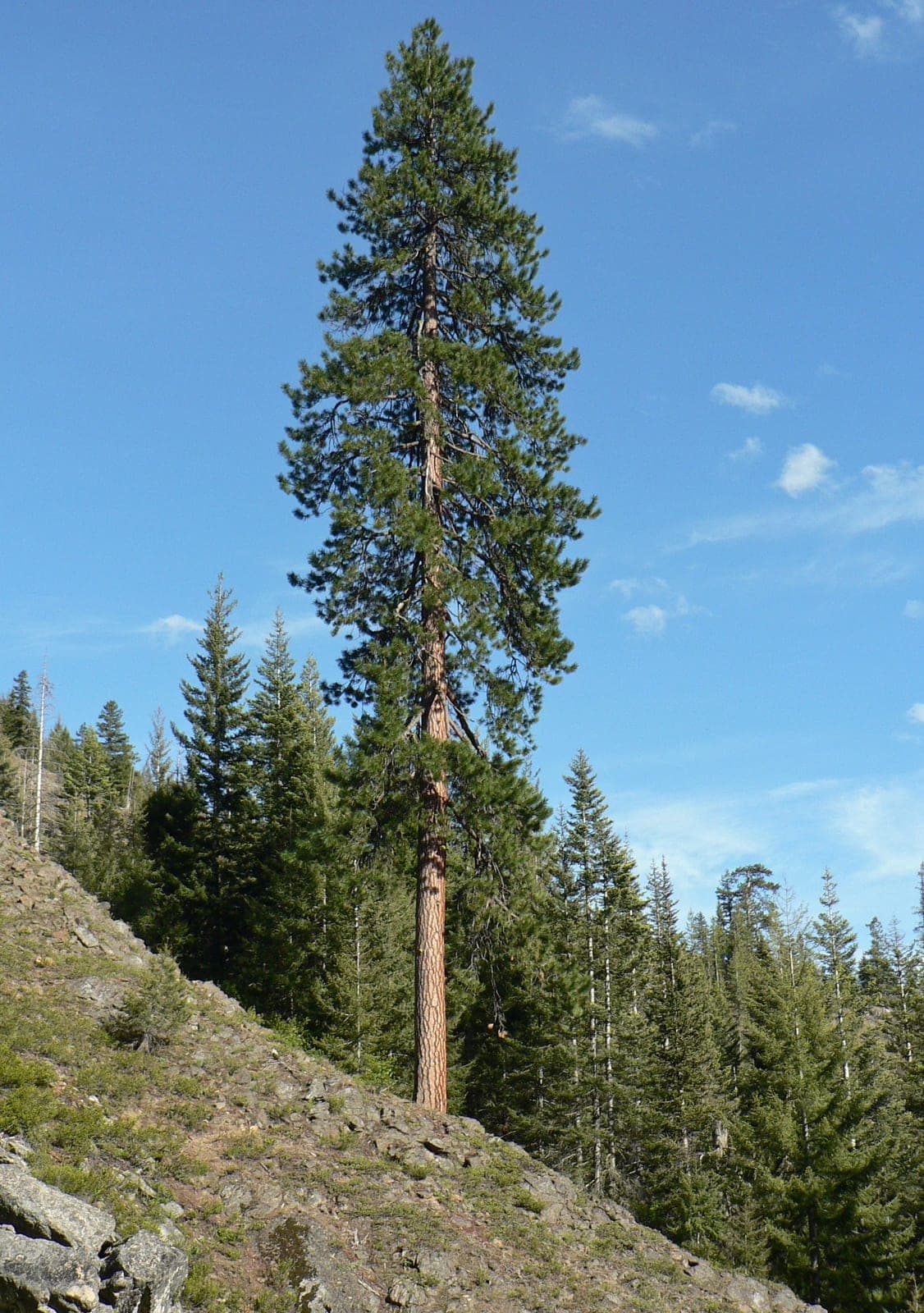
Ponderosa Pine
Pinus ponderosa
Zones 3b–7b · native to 17 states and provinces
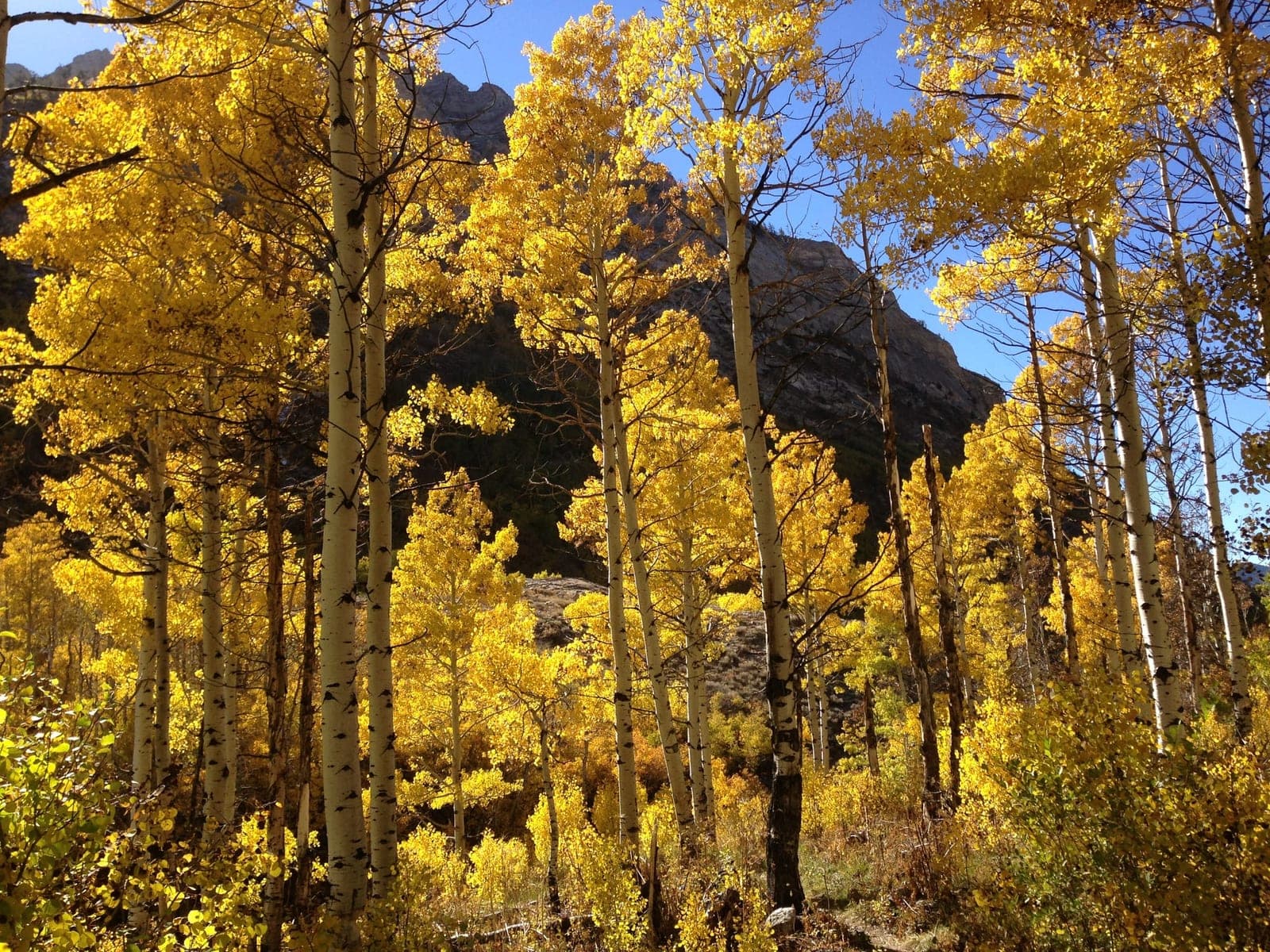
Quaking Aspen
Populus tremuloides
Zones 2a–6b · native to 49 states and provinces
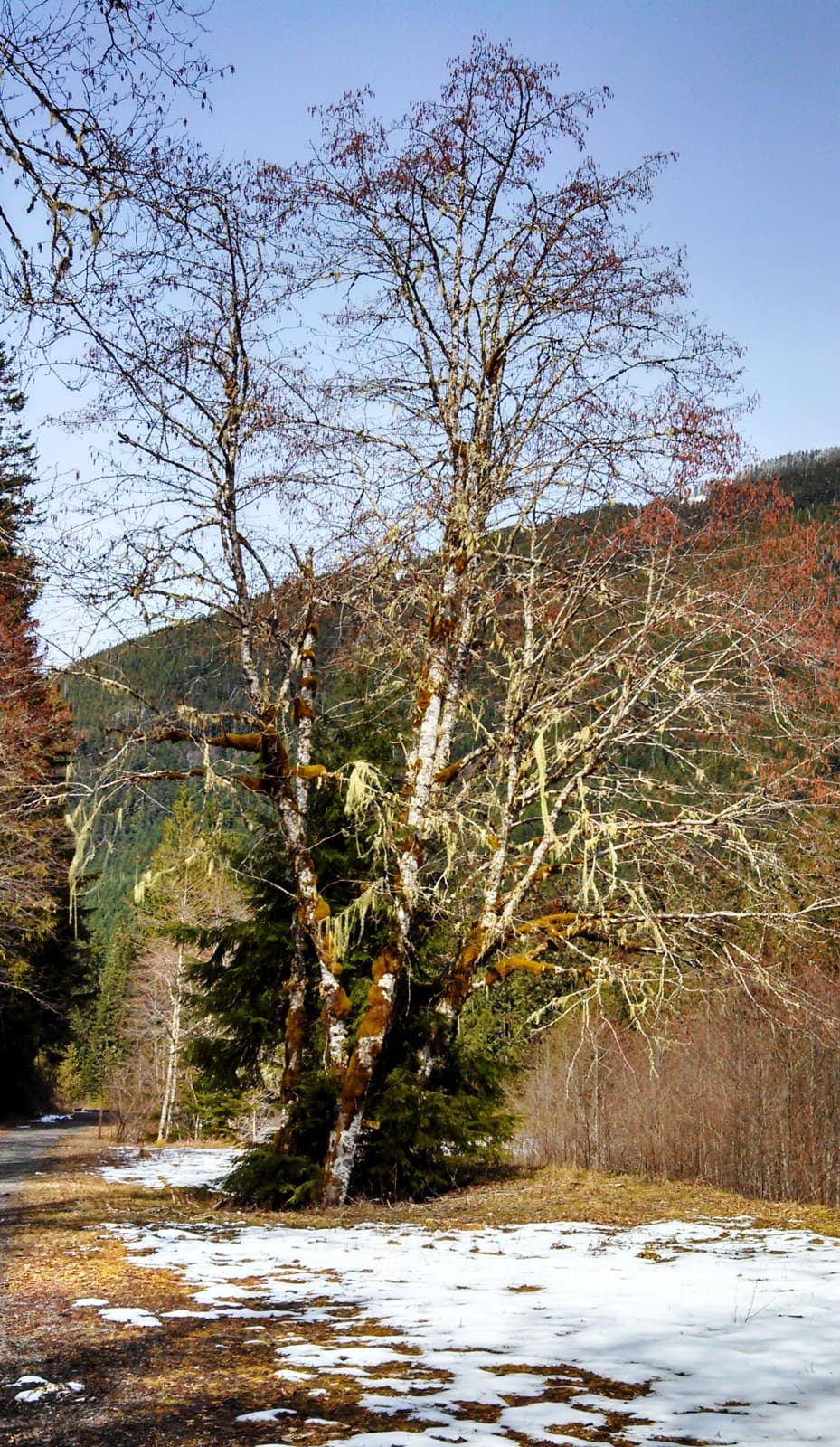
Red Alder
Alnus rubra
Zones 6a–9b · native to 7 states and provinces
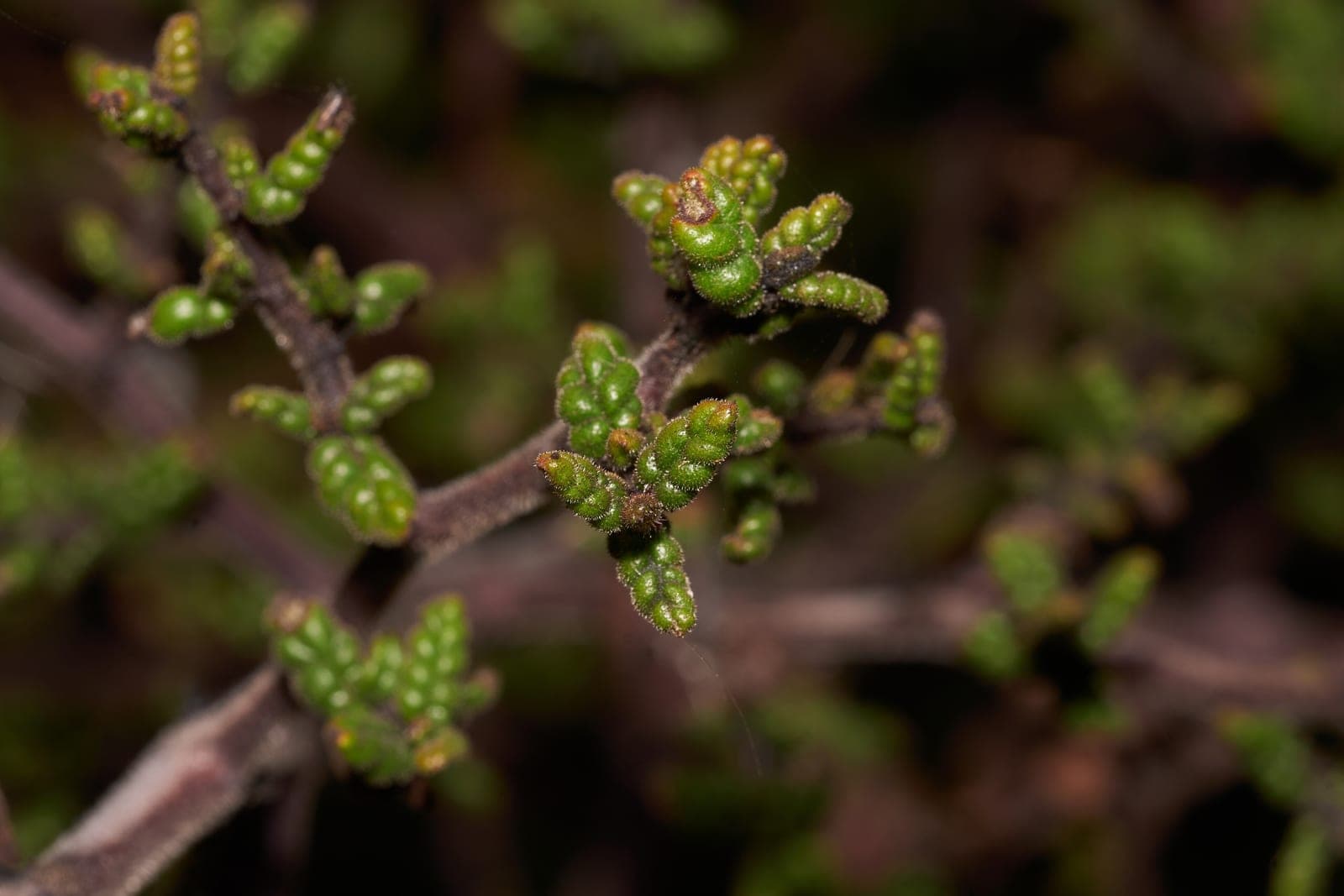
Santa Barbara Ceanothus
Ceanothus impressus
Zones 8a–10b
Blooms Mar – May in zone 8b
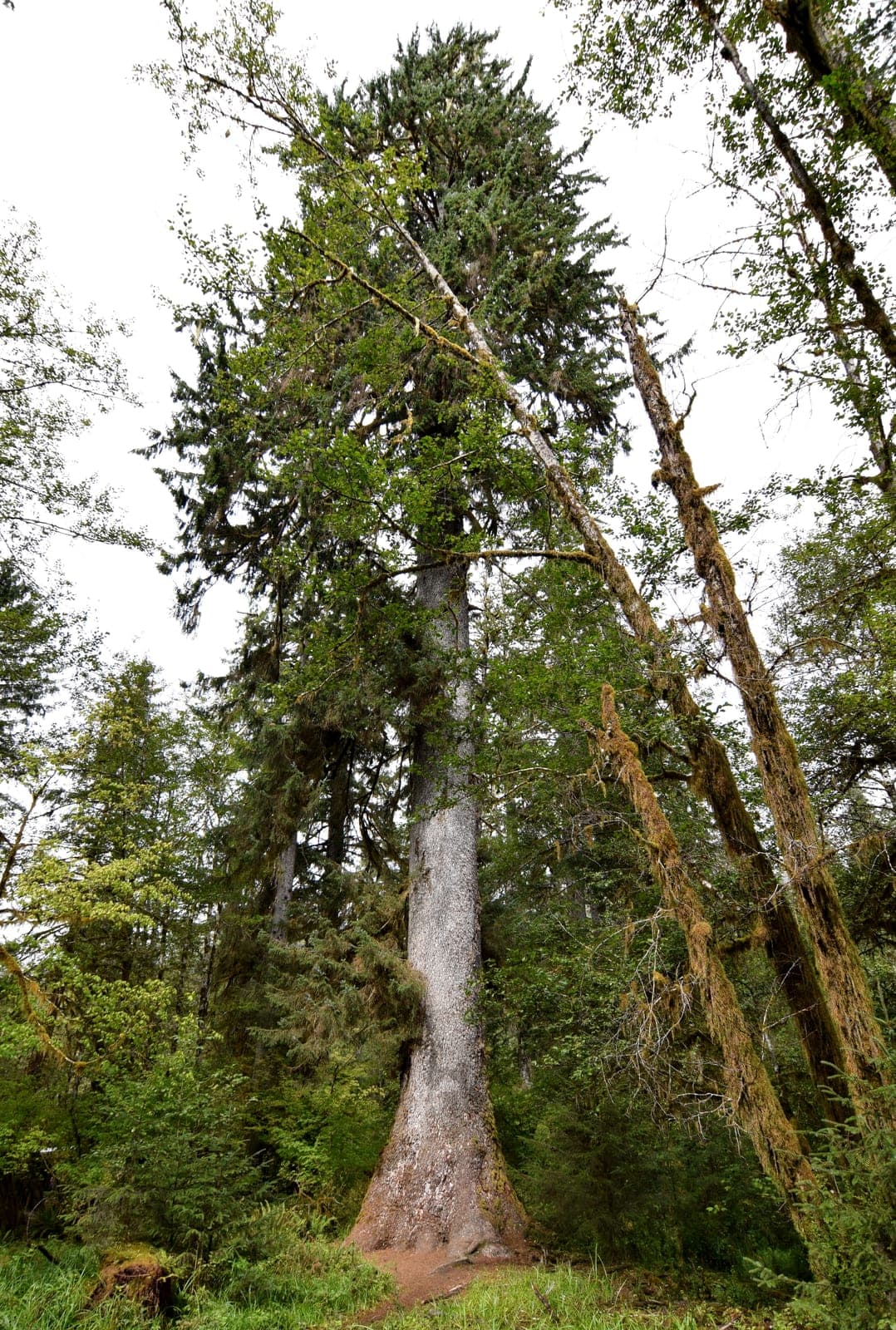
Sitka Spruce
Picea sitchensis
Zones 6a–8b · native to 5 states and provinces
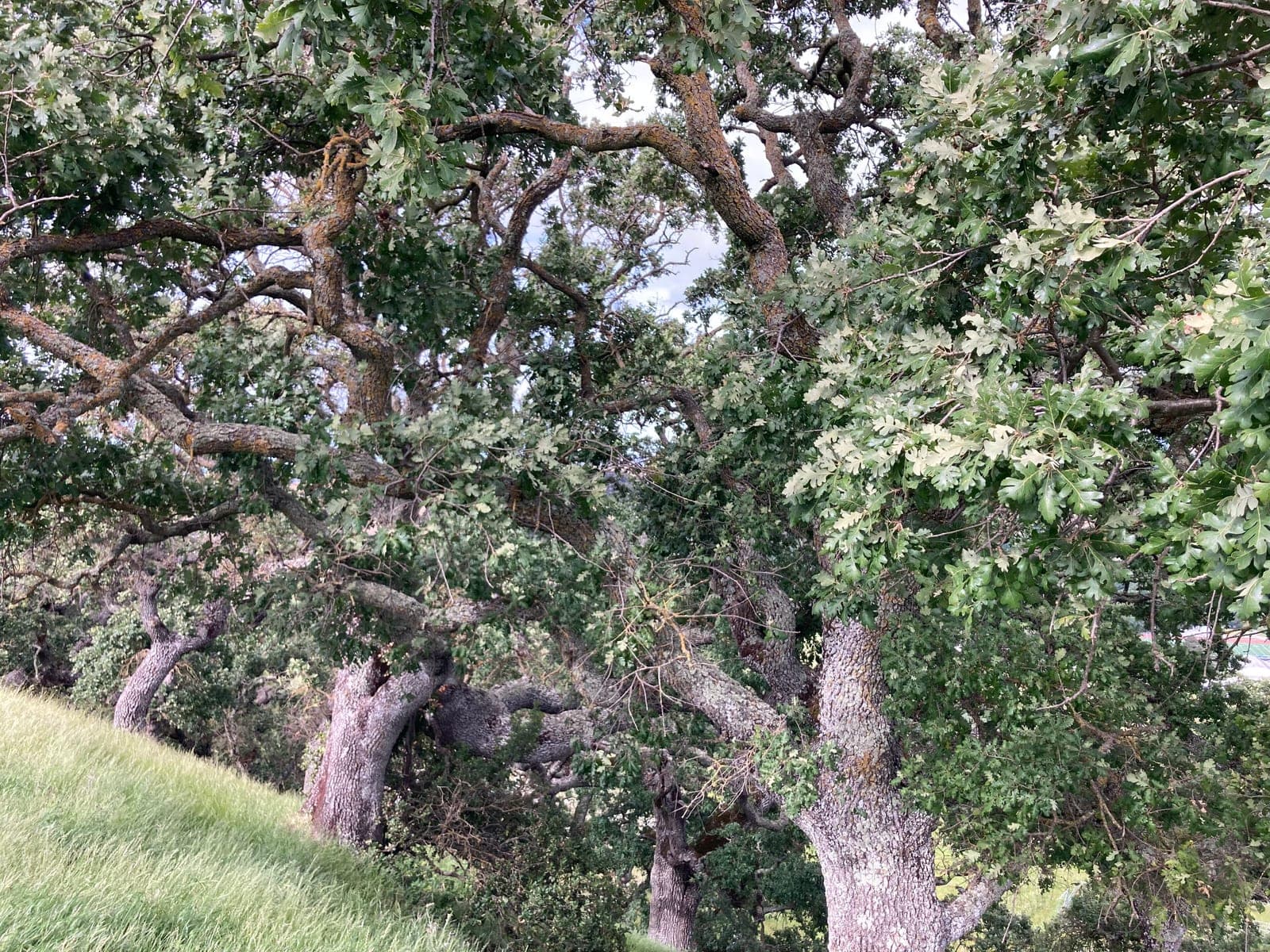
Valley Oak
Quercus lobata
Zones 7a–10b
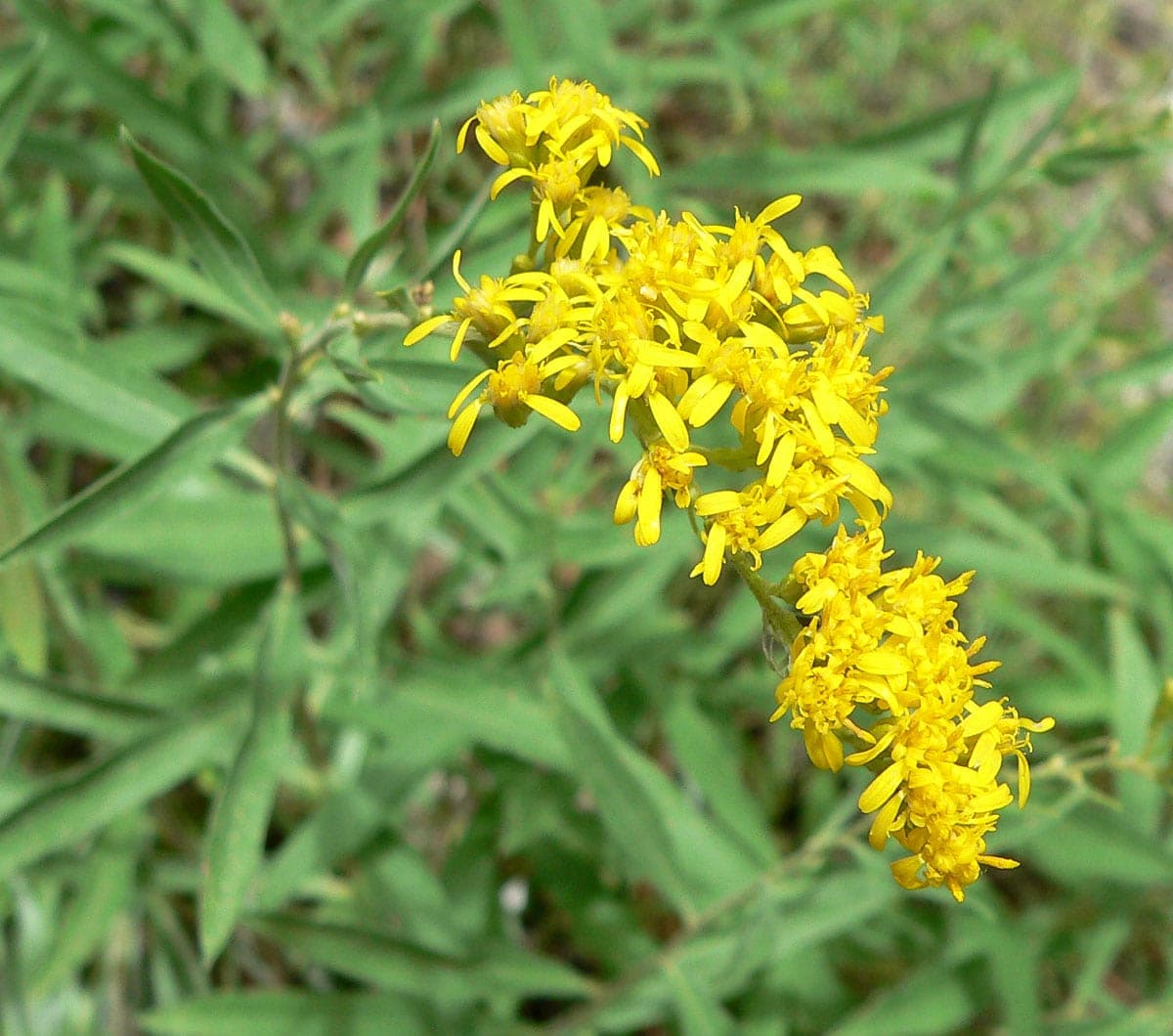
Velvety Goldenrod
Solidago velutina
Zones 4a–9b · native to 10 states
Blooms Jun – Aug in zone 8b
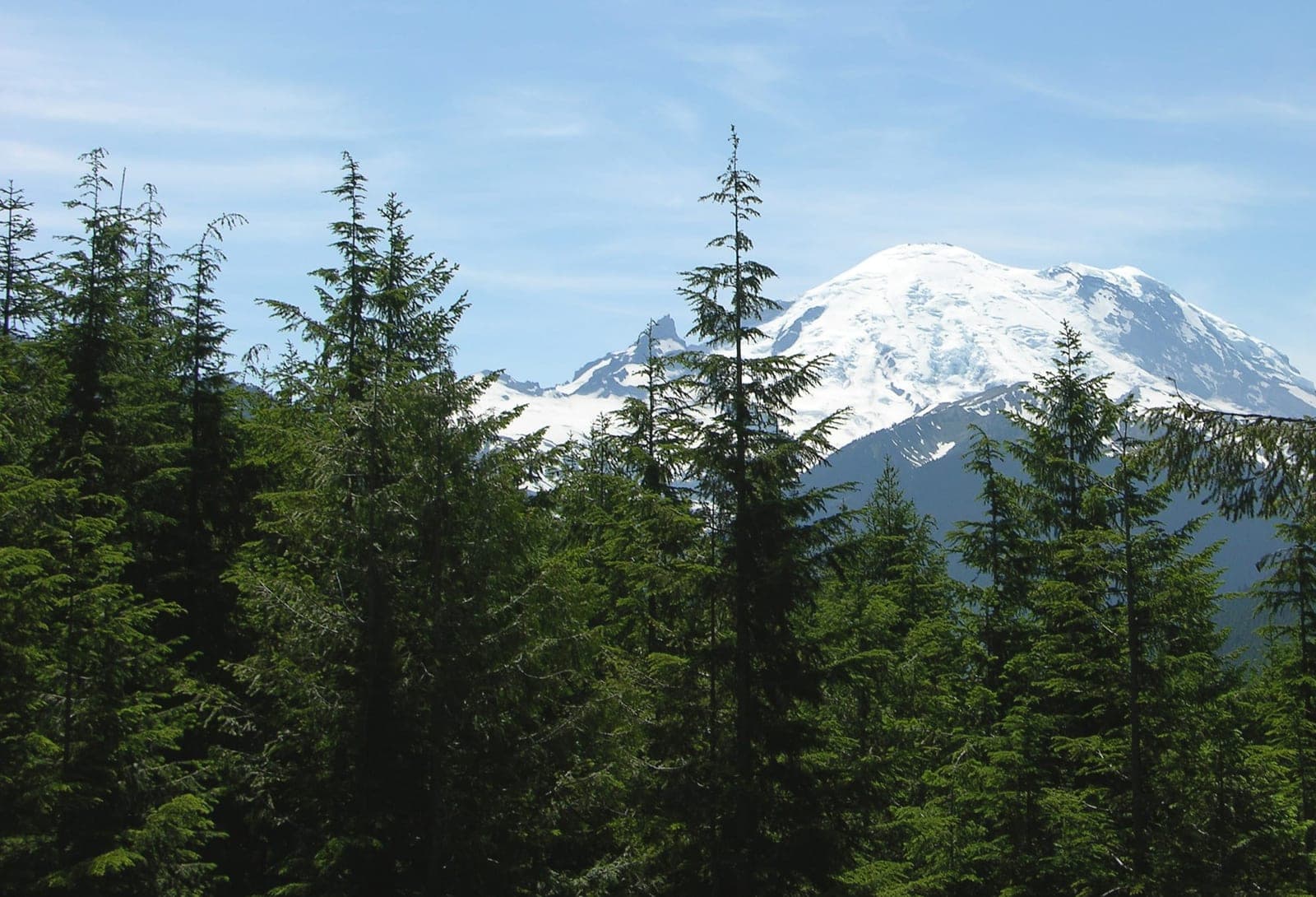
Western Hemlock
Tsuga heterophylla
Zones 6a–8b · native to 8 states and provinces
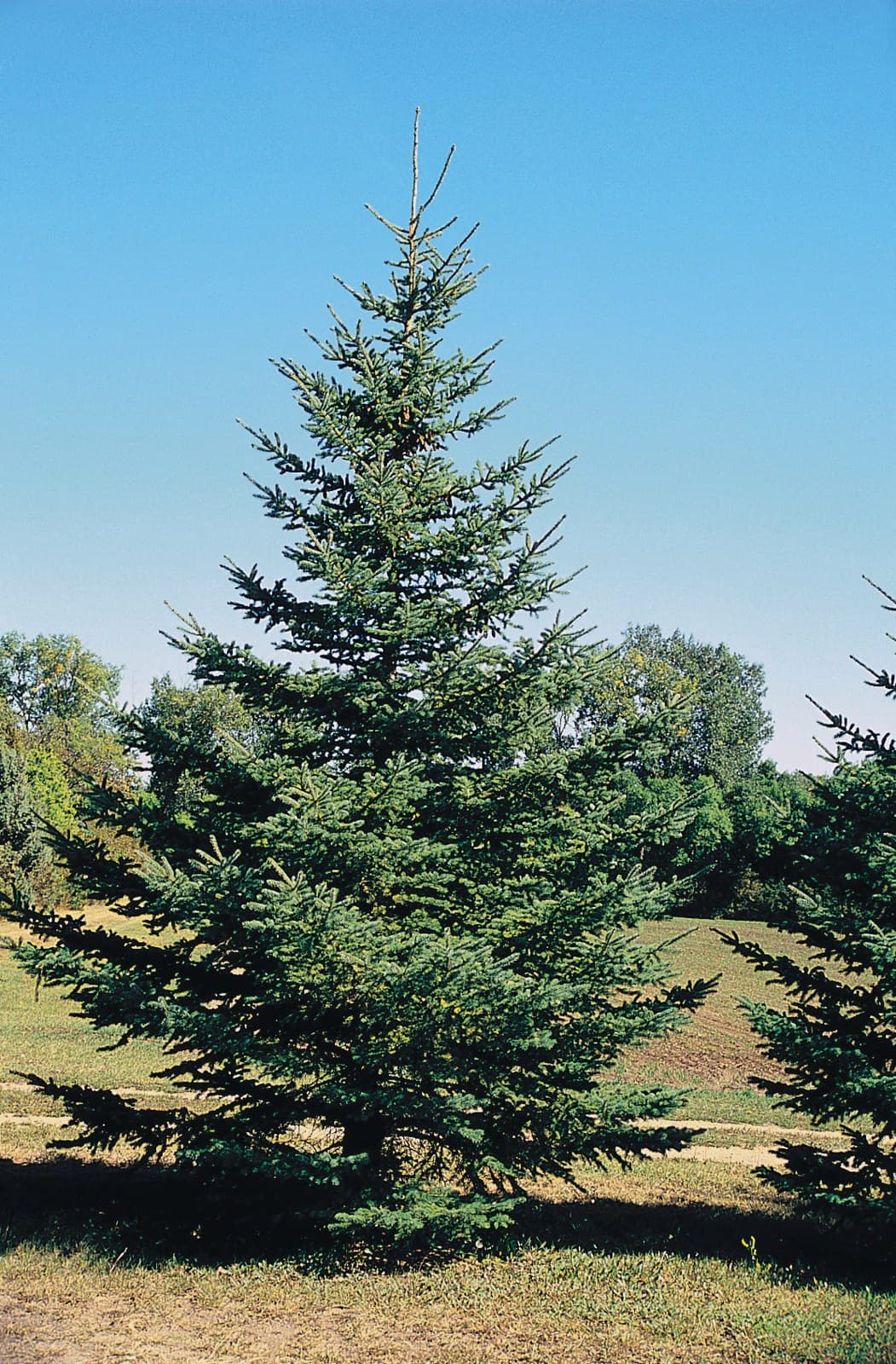
White Spruce
Picea glauca
Zones 2a–6b · native to 27 states and provinces
The Keystone Web
How this region's plants, caterpillars, bees, fungi and birds hold together. Pick a species to pull its thread, or add plants to see what your garden would carry.
Birds & mammals it feeds3
Caterpillars & bees it hosts0
Not every native pulls the same weight.
In the Marine West Coast Forest, 8 of these 10 plants are keystones: the native genera that feed the most caterpillars and specialist bees. The rest are good plants. These are load-bearing ones.
Insects that depend on them
Keystone rankings from the National Wildlife Federation, based on caterpillar host research by Doug Tallamy's lab at the University of Delaware (Narango, Tallamy & Shropshire, 2020) and specialist-bee research by Jarrod Fowler. Ecoregion boundaries: Commission for Environmental Cooperation, Level I.