
Native plants of the Southern Semi-Arid Highlands
High grassland of southeast Arizona and southwest New Mexico, between the desert floor and the mountains.
An ecoregion groups land by climate, soil and the plants and animals that live there, so its keystone plants are the same from one end to the other, whatever the hardiness zone. 59 plants in the field guide are native here; the 18 below carry most of the caterpillars and specialist bees.
Covers:GuanajuatoJaliscoMichoacánZacatecasChihuahuaQuerétaroAguascalientesDurangoHidalgoSonoraArizonaSan Luis Potosí
Keystone plants · 18
Keystone rankings follow the National Wildlife Federation's list for this region. Every date below moves with your zone.
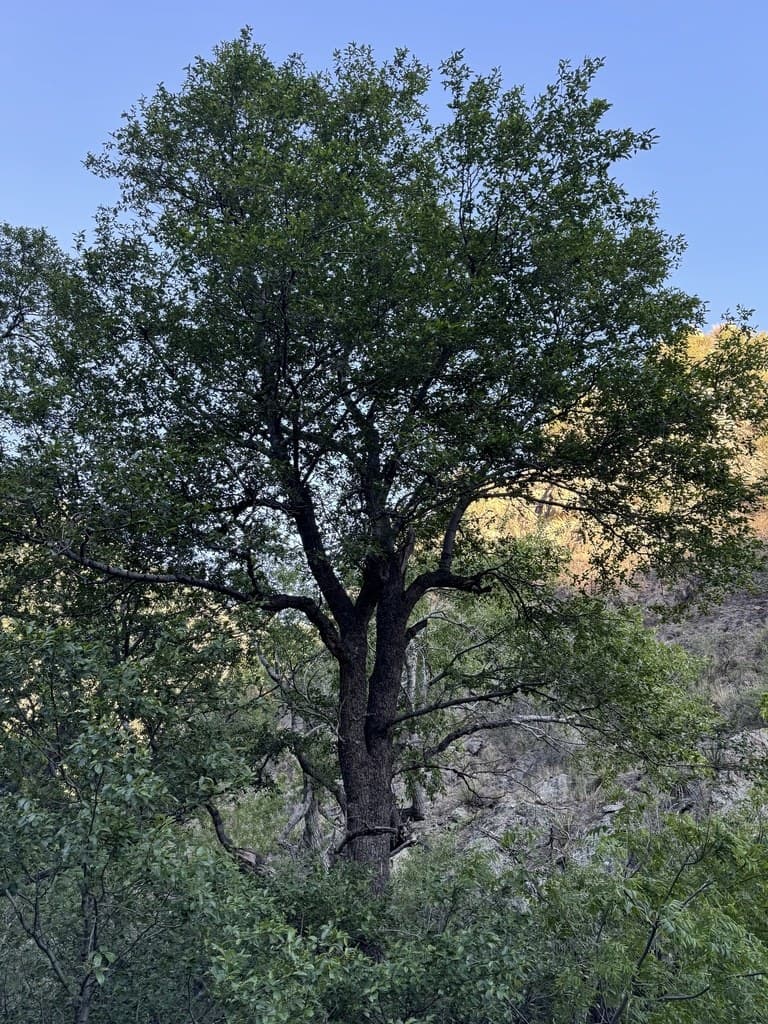
Arizona Alder
Alnus oblongifolia
Zones 6a–9a · native to 2 states
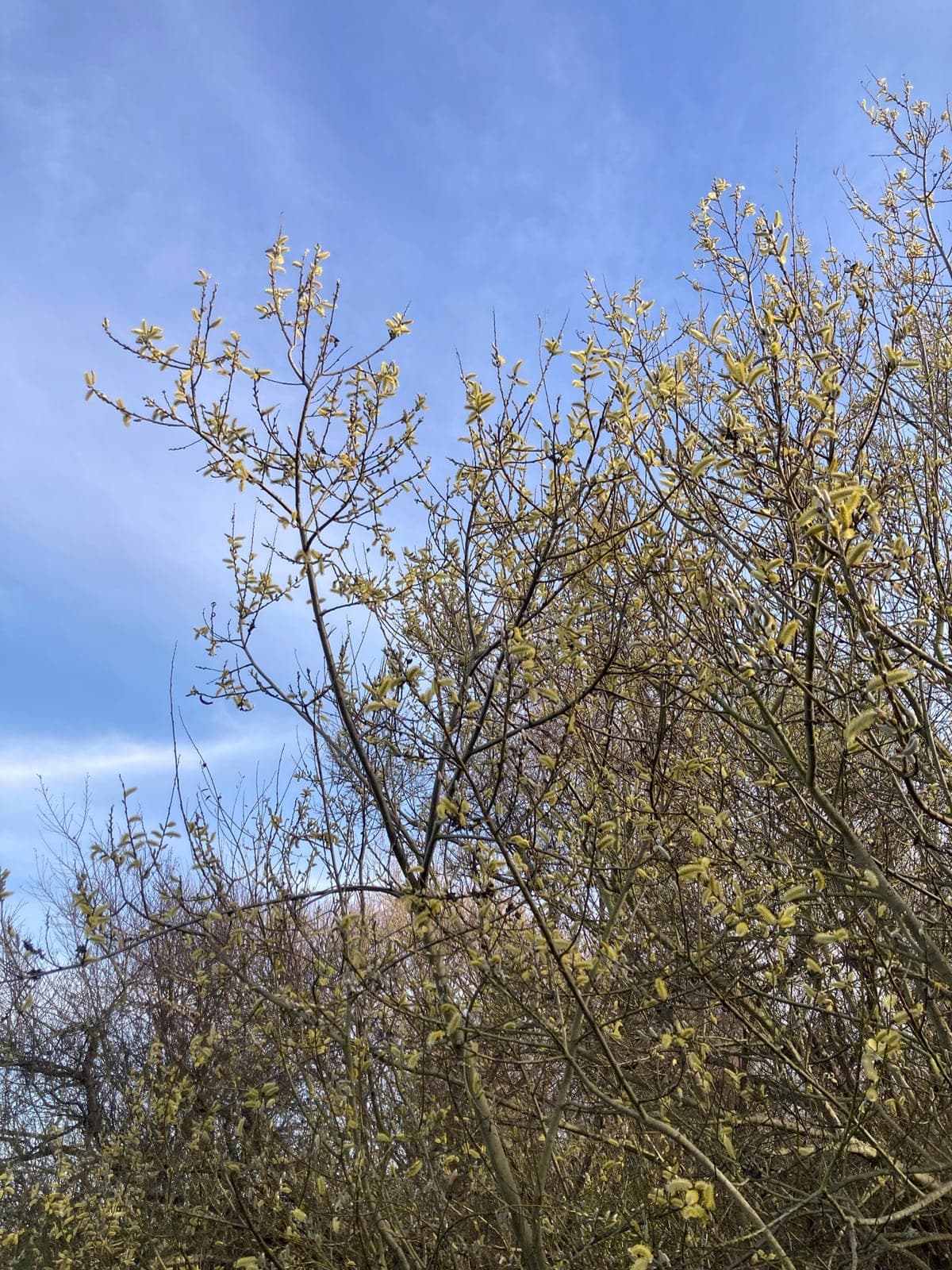
Arroyo Willow
Salix lasiolepis
Zones 6a–10b · native to 9 states
Blooms Jan – Feb in zone 9a
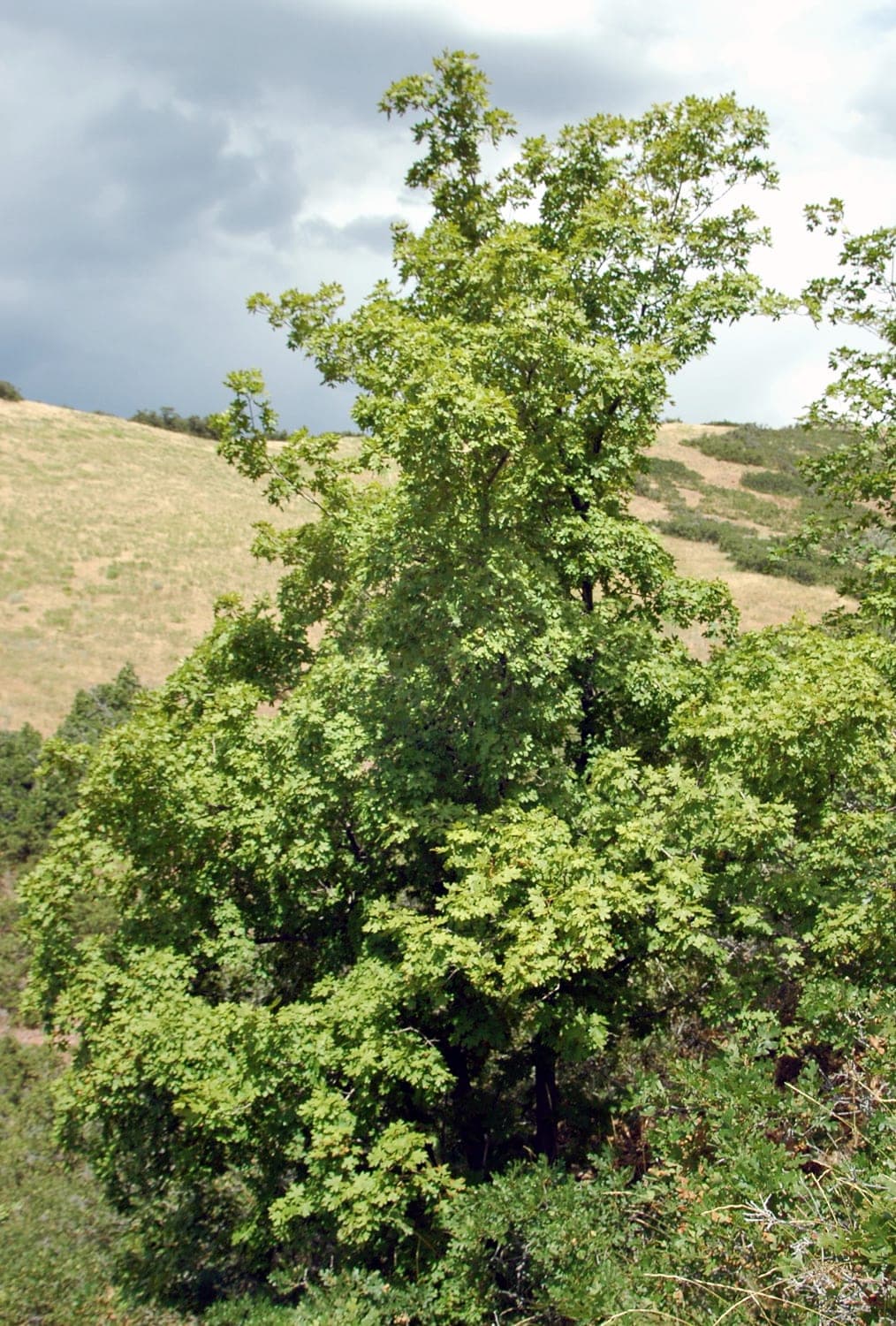
Bigtooth Maple
Acer grandidentatum
Zones 4a–8b · native to 8 states
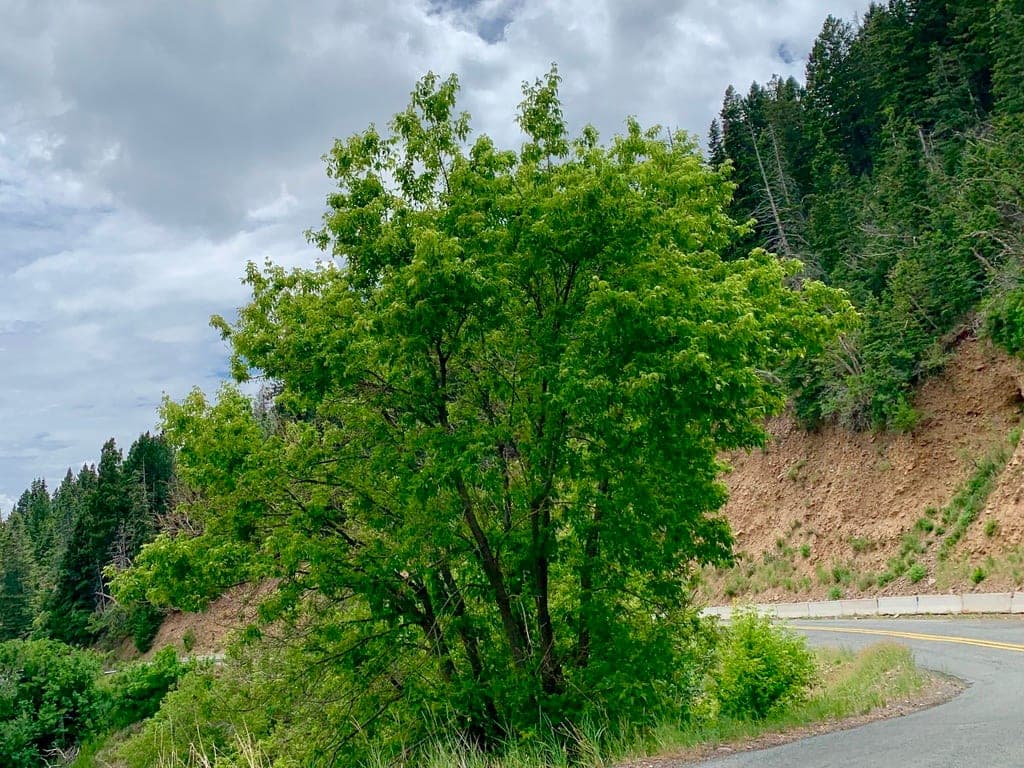
Boxelder
Acer negundo
Zones 2a–9b · native to 48 states and provinces
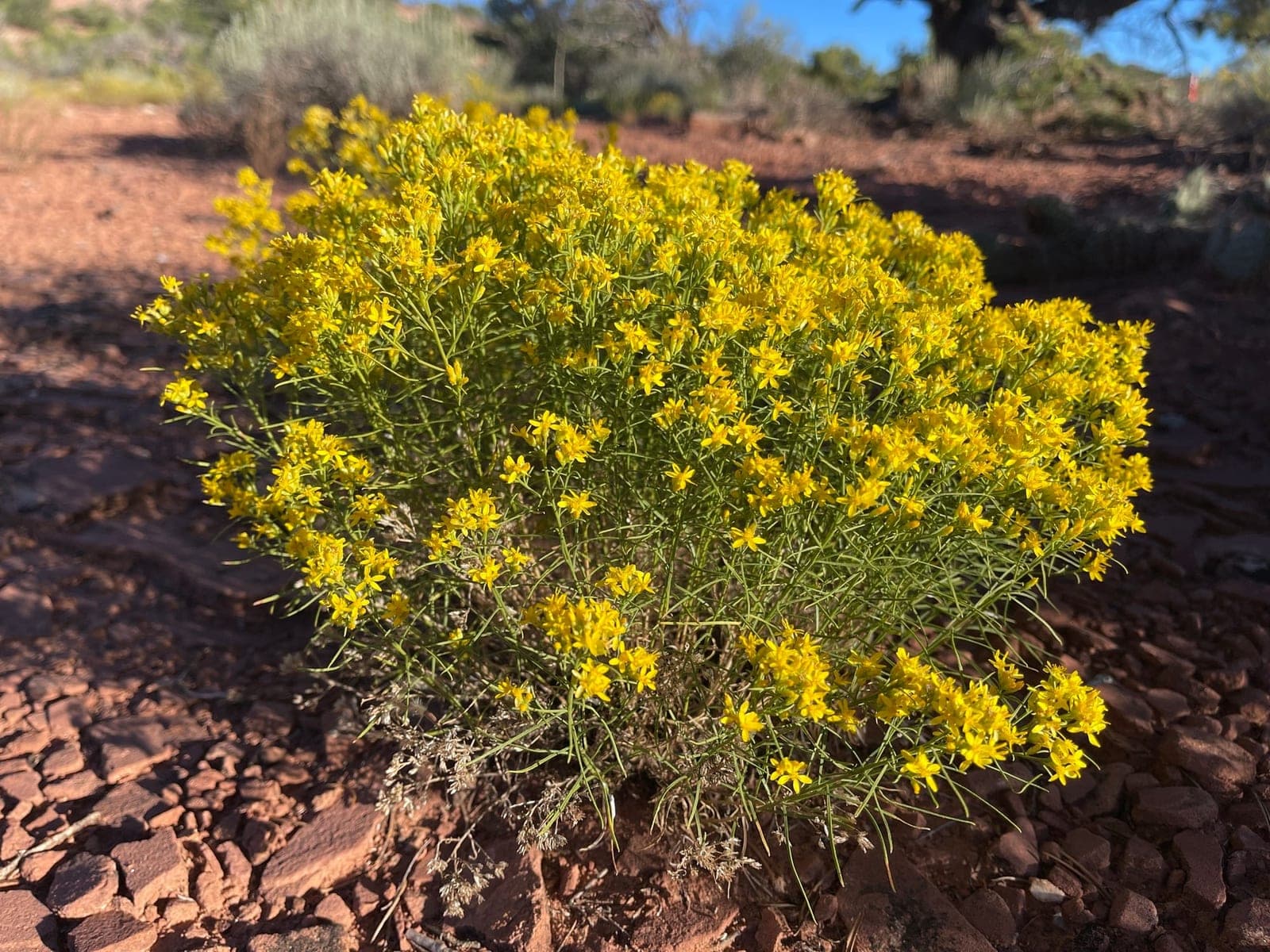
Broom Snakeweed
Gutierrezia sarothrae
Zones 4a–9b · native to 21 states and provinces
Blooms Apr – Jun in zone 9a
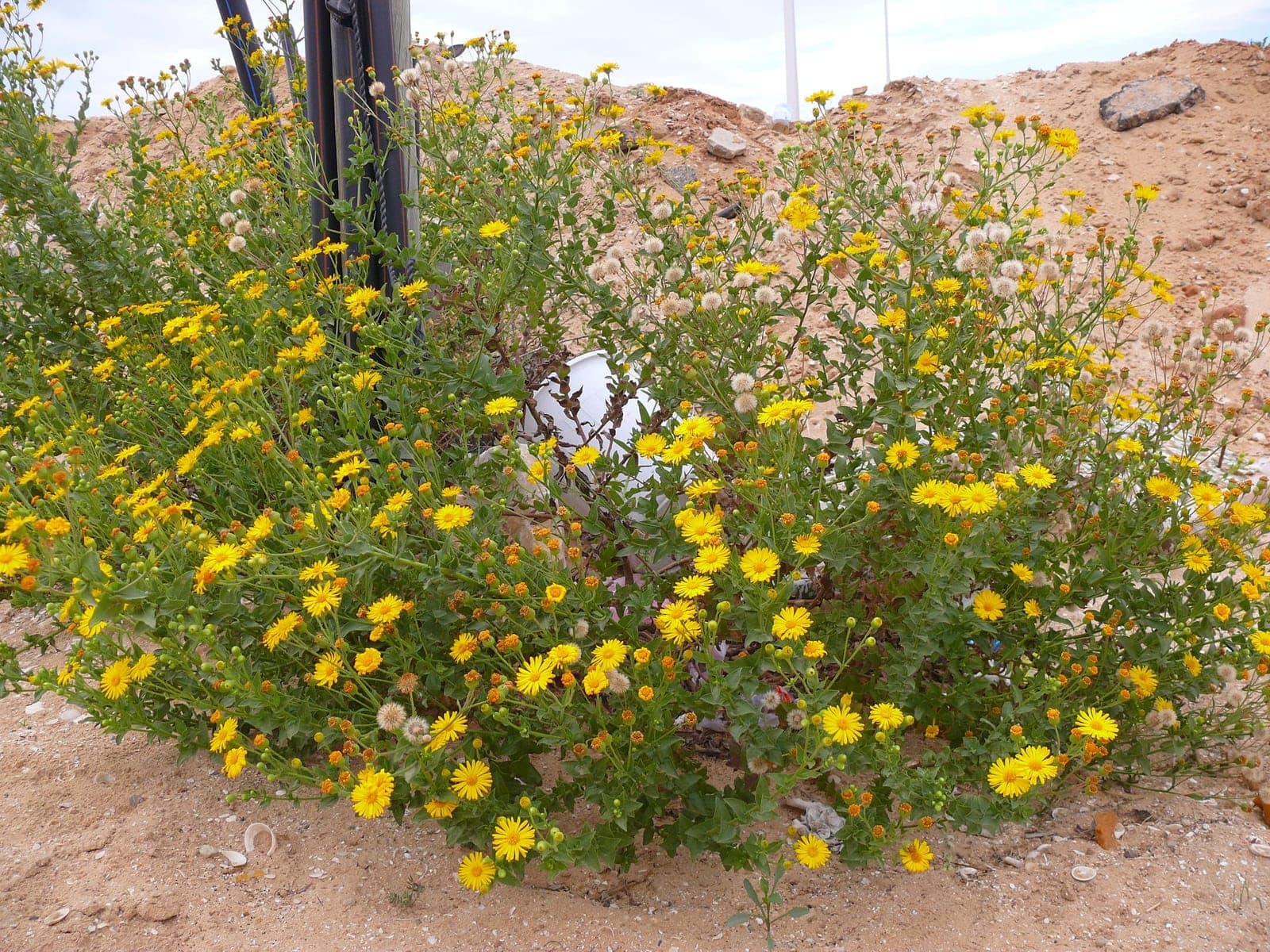
Camphorweed
Heterotheca subaxillaris
Zones 6a–10b · native to 31 states
Blooms Apr – Jul in zone 9a
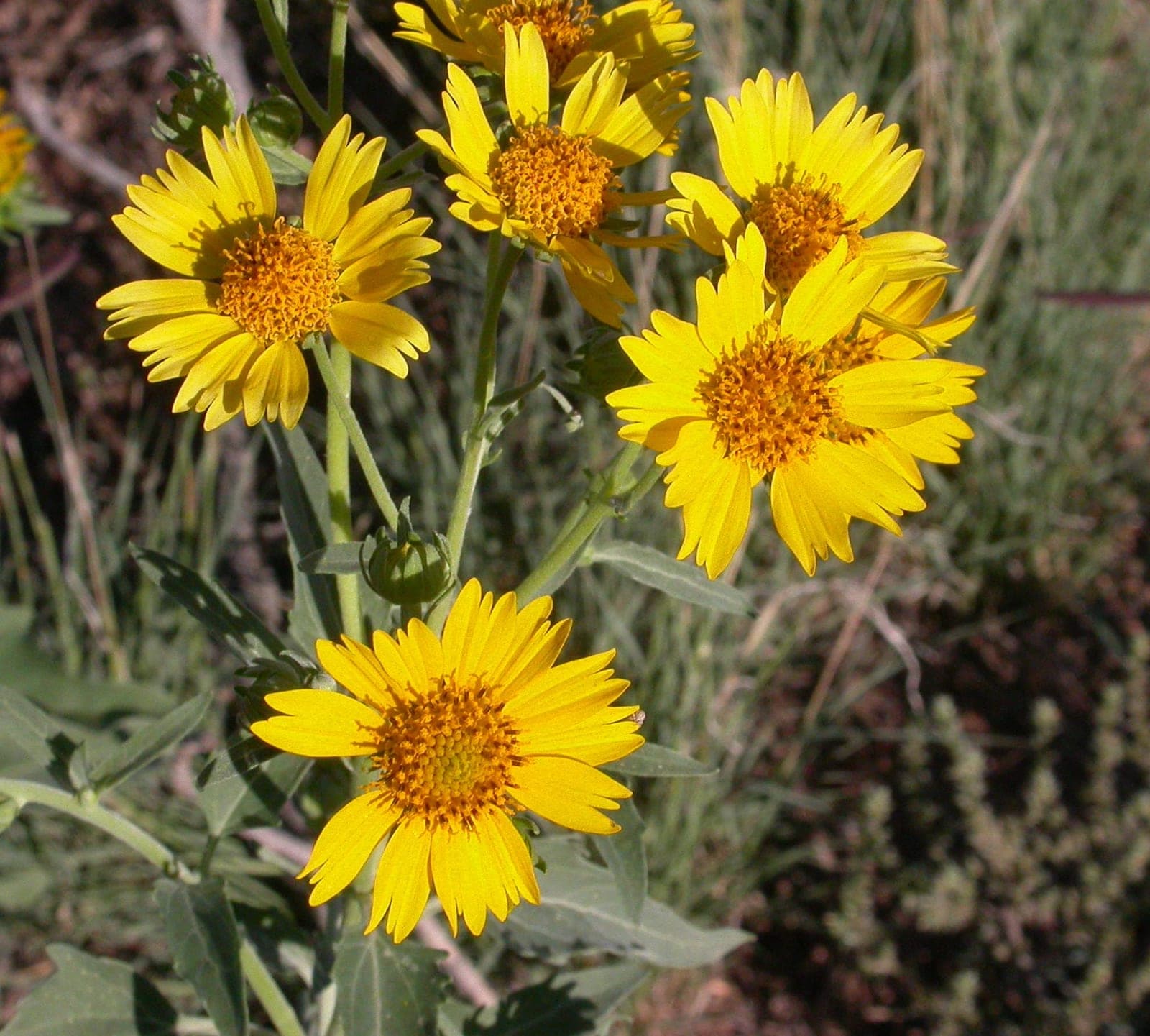
Cowpen Daisy
Verbesina encelioides
Zones 5a–10b · native to 26 states
Blooms Mar – Dec in zone 9a
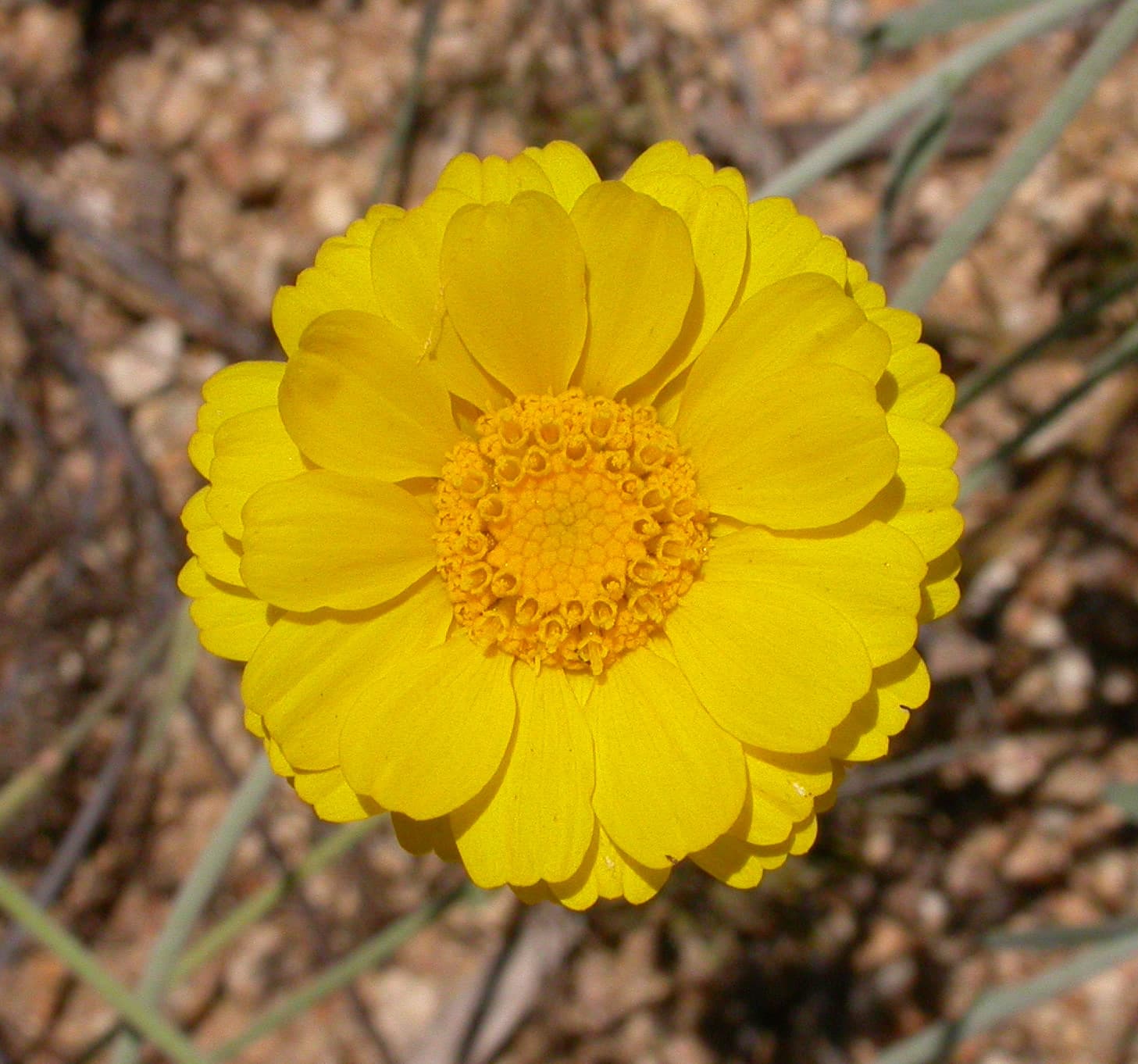
Desert Marigold
Baileya multiradiata
Zones 7a–11b · native to 6 states
Blooms May – Dec in zone 9a
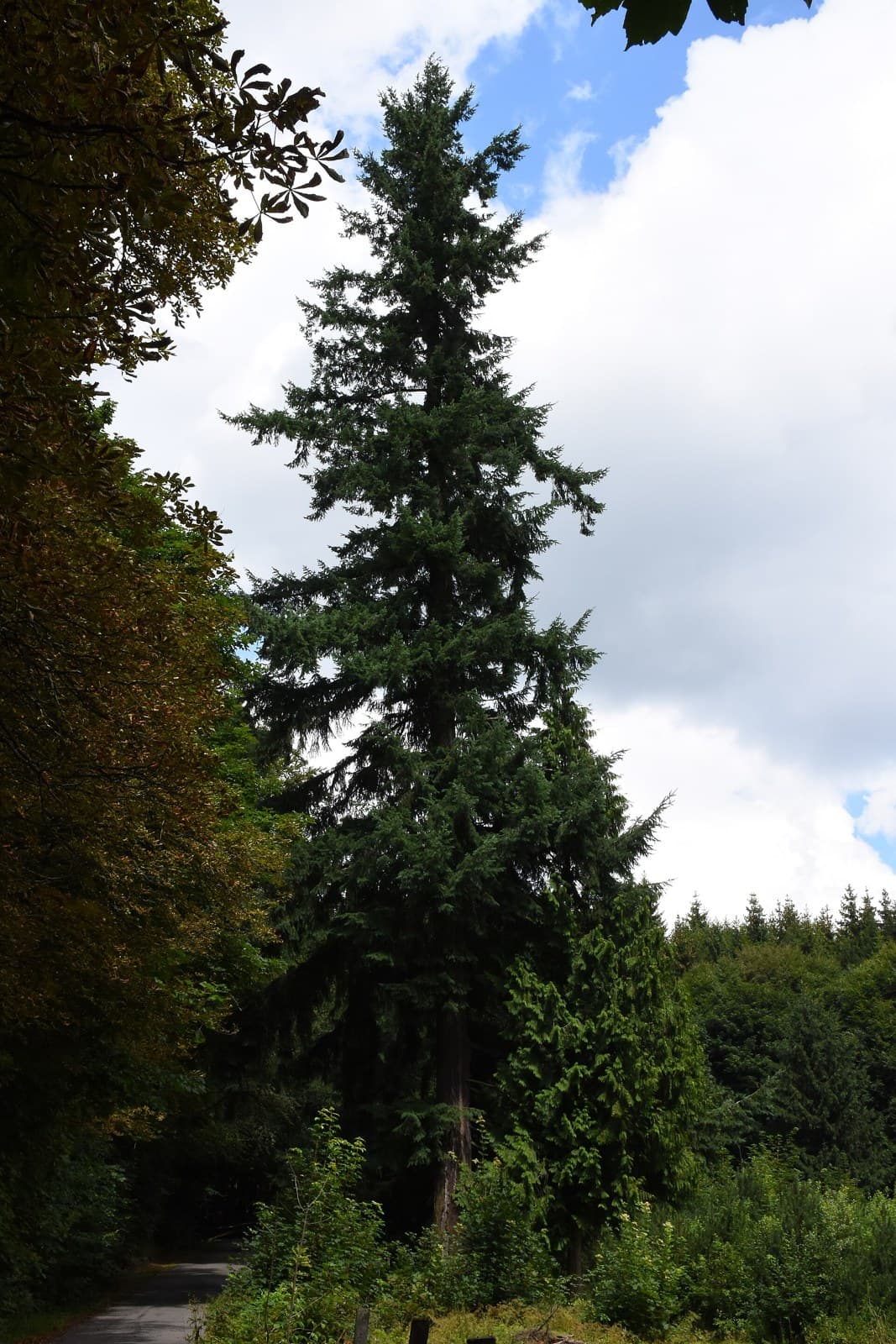
Douglas Fir
Pseudotsuga menziesii
Zones 4a–7b · native to 15 states and provinces
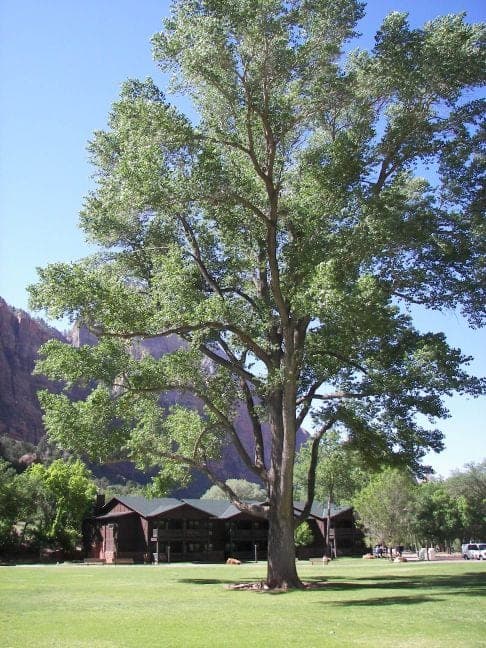
Fremont Cottonwood
Populus fremontii
Zones 5a–9b · native to 7 states
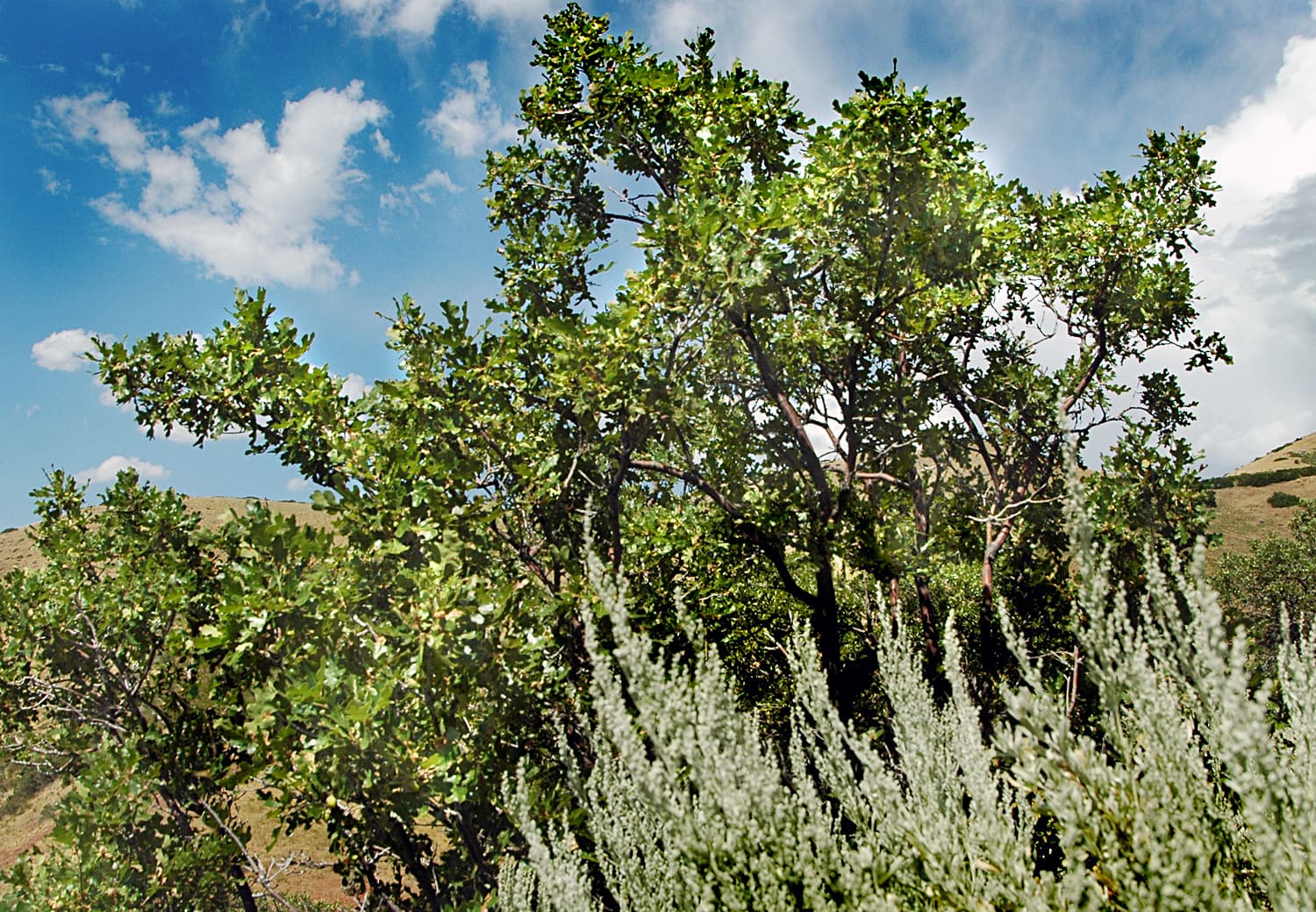
Gambel Oak
Quercus gambelii
Zones 4a–8a · native to 9 states
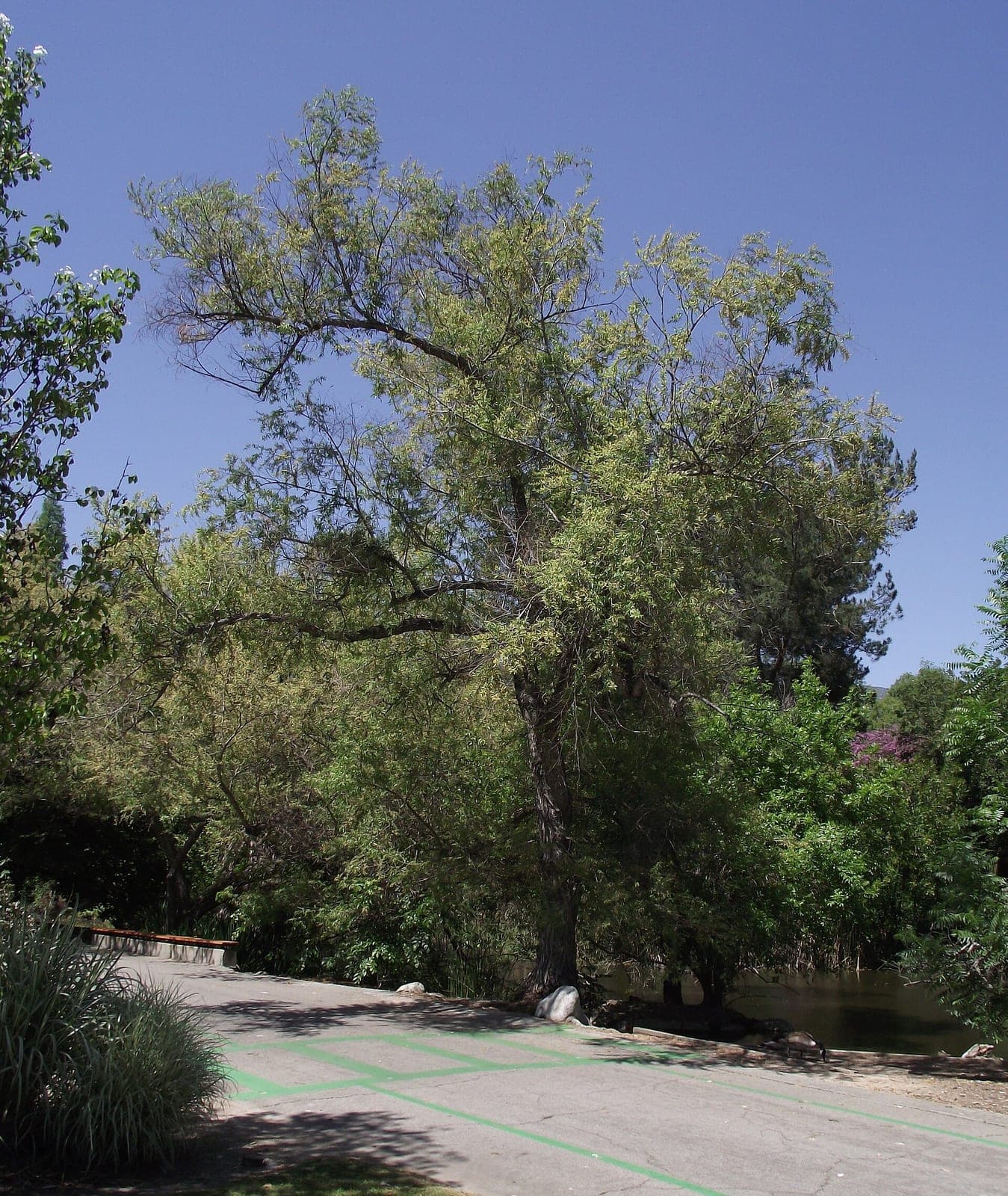
Goodding's Willow
Salix gooddingii
Zones 6a–10b · native to 8 states
Blooms Jan – Feb in zone 9a
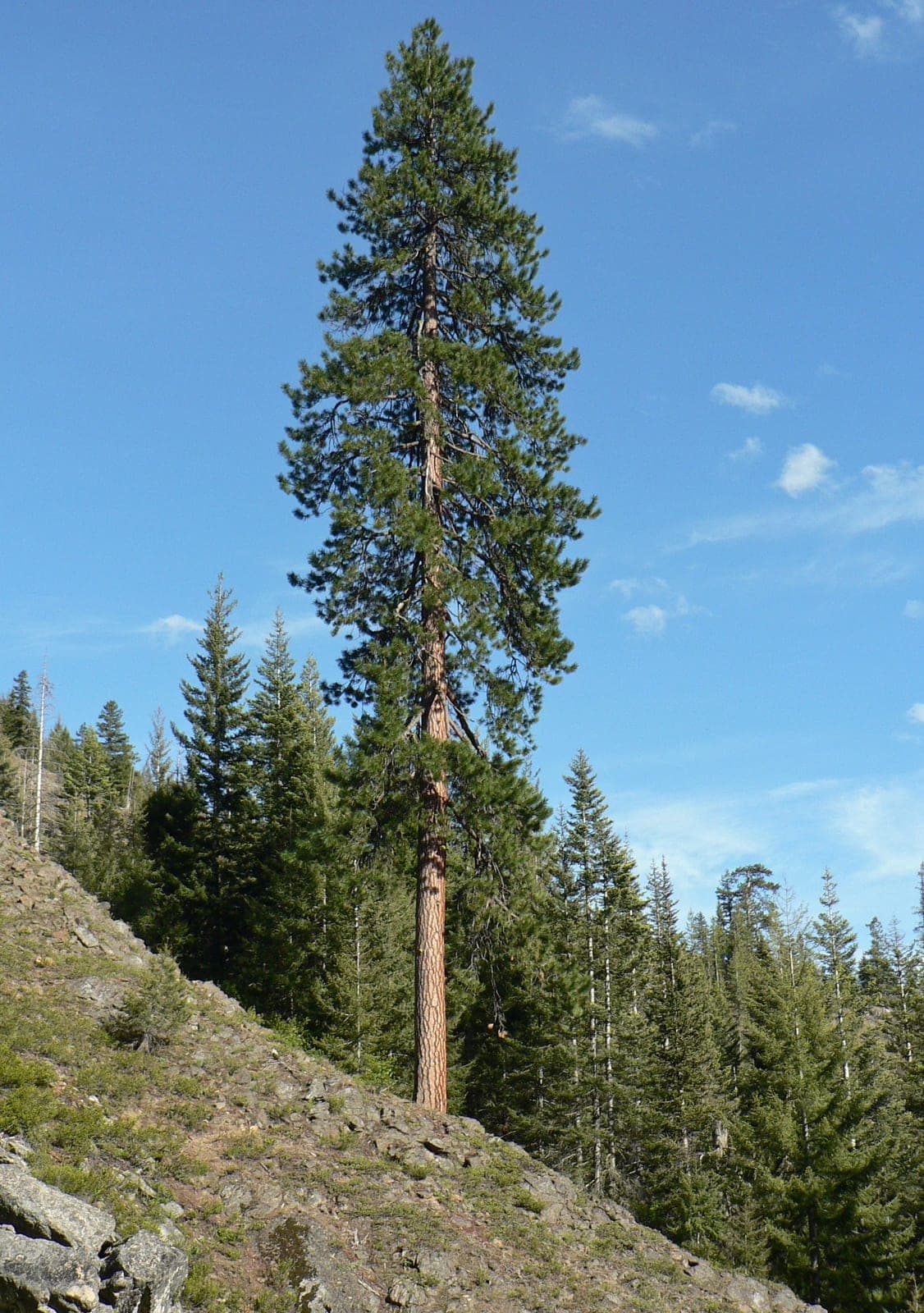
Ponderosa Pine
Pinus ponderosa
Zones 3b–7b · native to 17 states and provinces
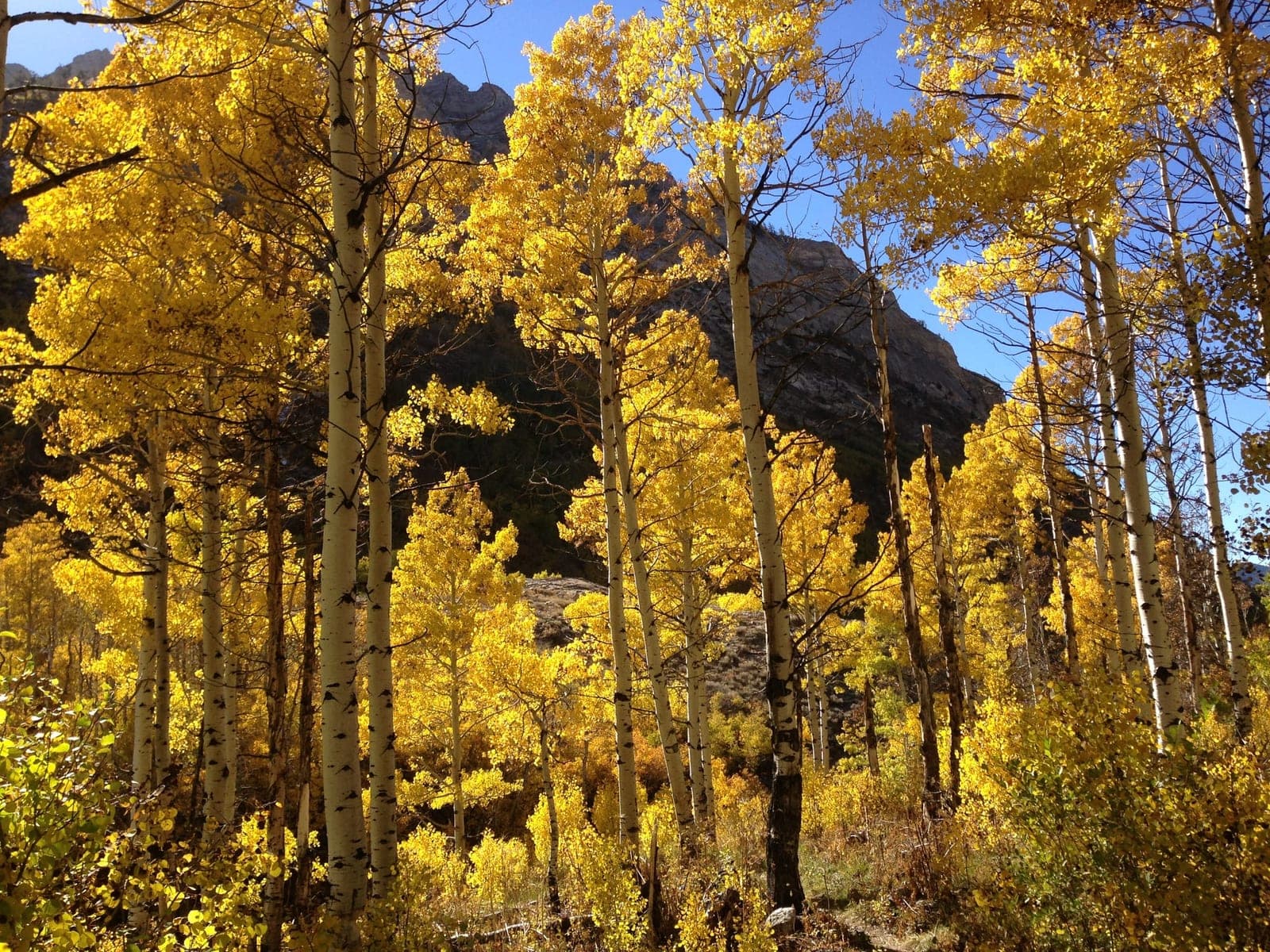
Quaking Aspen
Populus tremuloides
Zones 2a–6b · native to 49 states and provinces
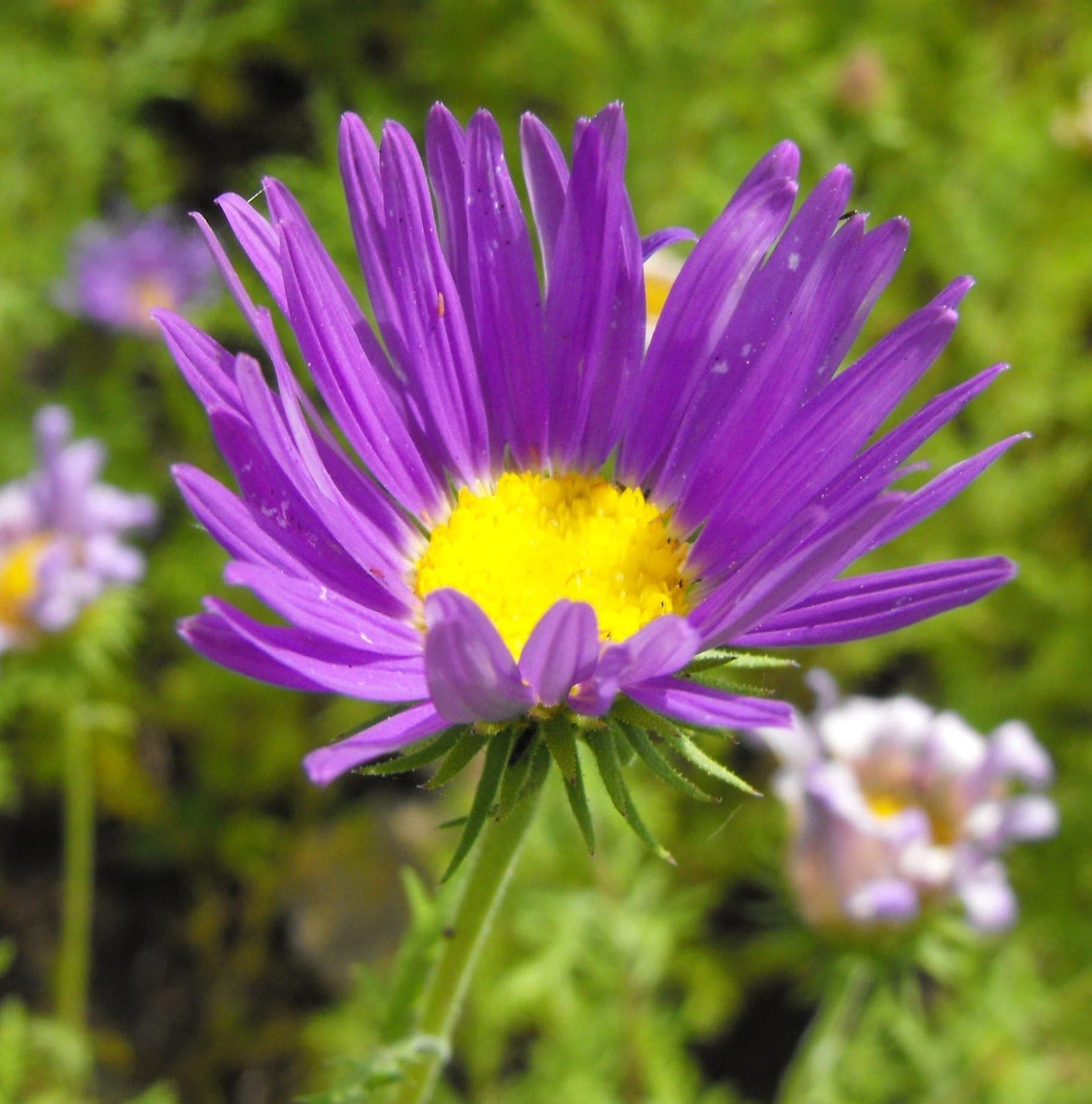
Tahoka Daisy
Machaeranthera tanacetifolia
Zones 4a–9b · native to 14 states and provinces
Blooms Mar – Jun in zone 9a
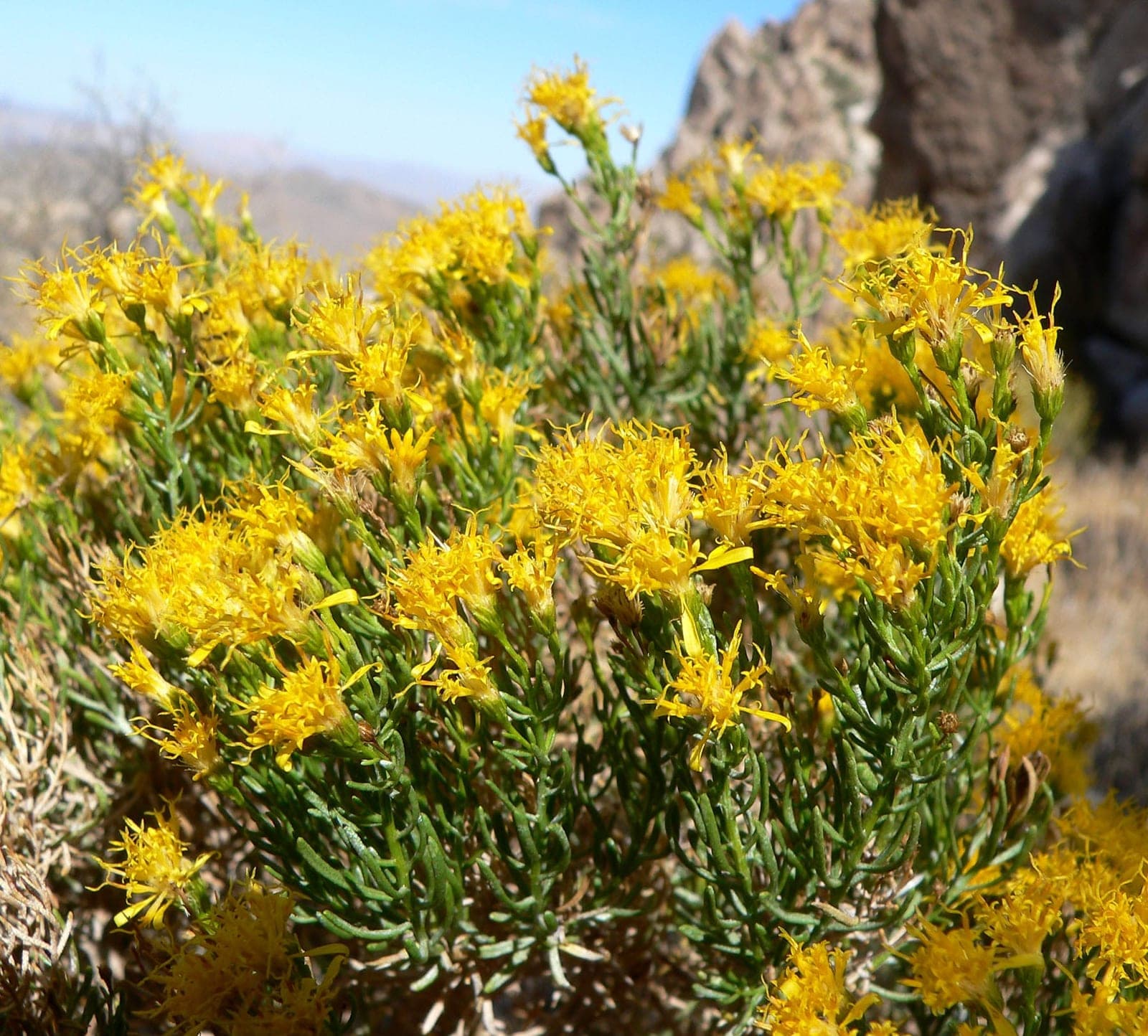
Turpentine Bush
Ericameria laricifolia
Zones 7a–10b · native to 6 states
Blooms Jun – Aug in zone 9a
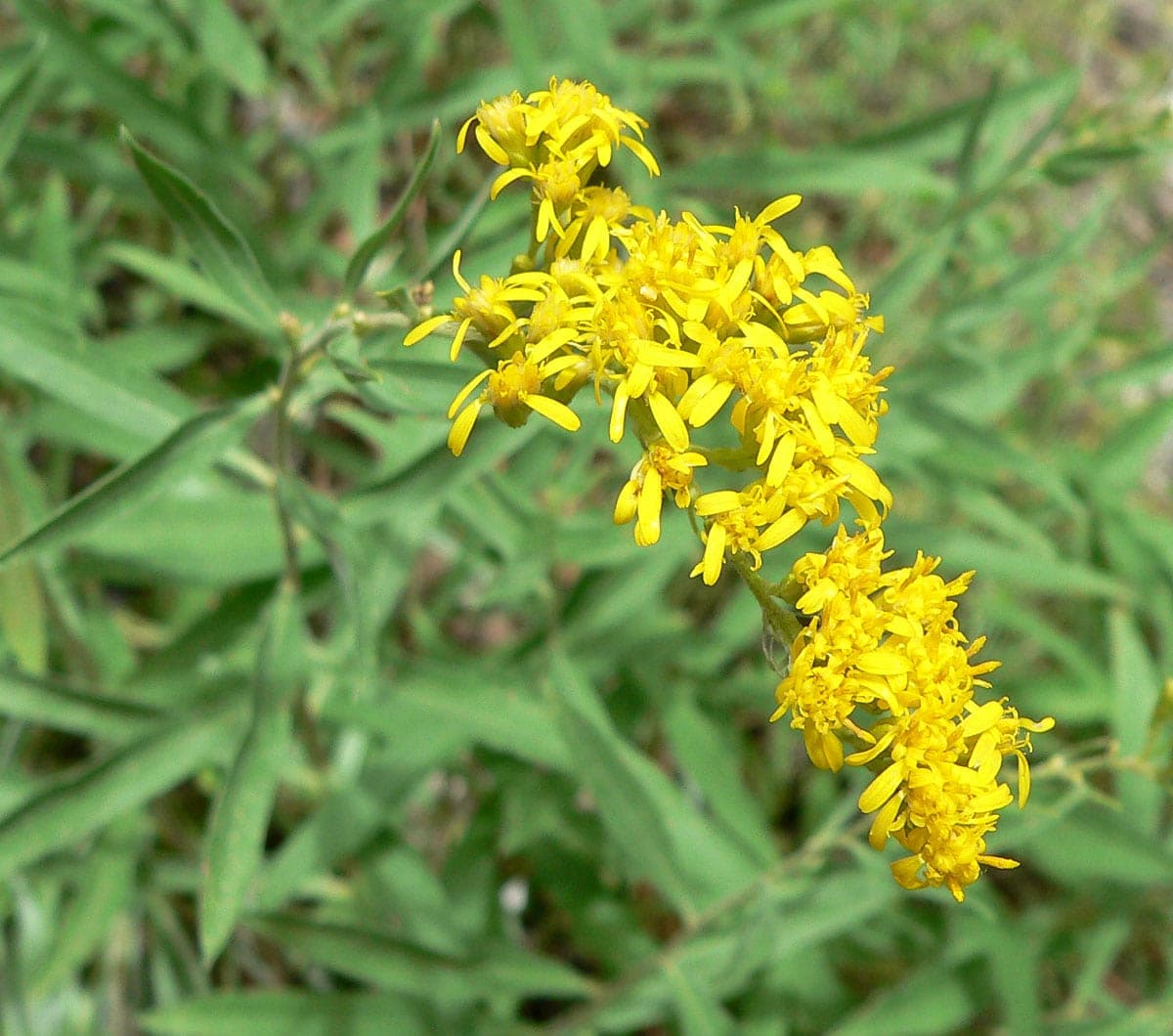
Velvety Goldenrod
Solidago velutina
Zones 4a–9b · native to 10 states
Blooms May – Jul in zone 9a
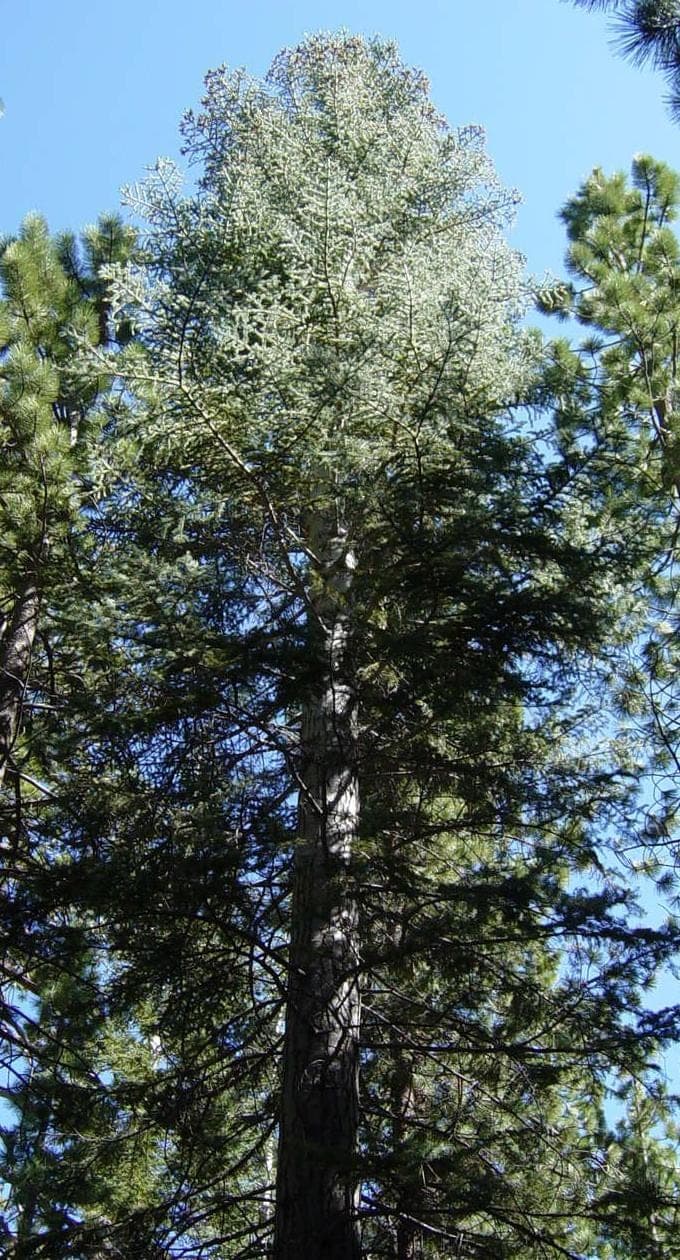
White Fir
Abies concolor
Zones 4a–7b · native to 8 states
The Keystone Web
How this region's plants, caterpillars, bees, fungi and birds hold together. Pick a species to pull its thread, or add plants to see what your garden would carry.
Birds & mammals it feeds4
Caterpillars & bees it hosts1
Not every native pulls the same weight.
In the Southern Semi-Arid Highlands, 5 of these 8 plants are keystones: the native genera that feed the most caterpillars and specialist bees. The rest are good plants. These are load-bearing ones.
Insects that depend on them
Fungi of the region
Keystone rankings from the National Wildlife Federation, based on caterpillar host research by Doug Tallamy's lab at the University of Delaware (Narango, Tallamy & Shropshire, 2020) and specialist-bee research by Jarrod Fowler. Ecoregion boundaries: Commission for Environmental Cooperation, Level I.