
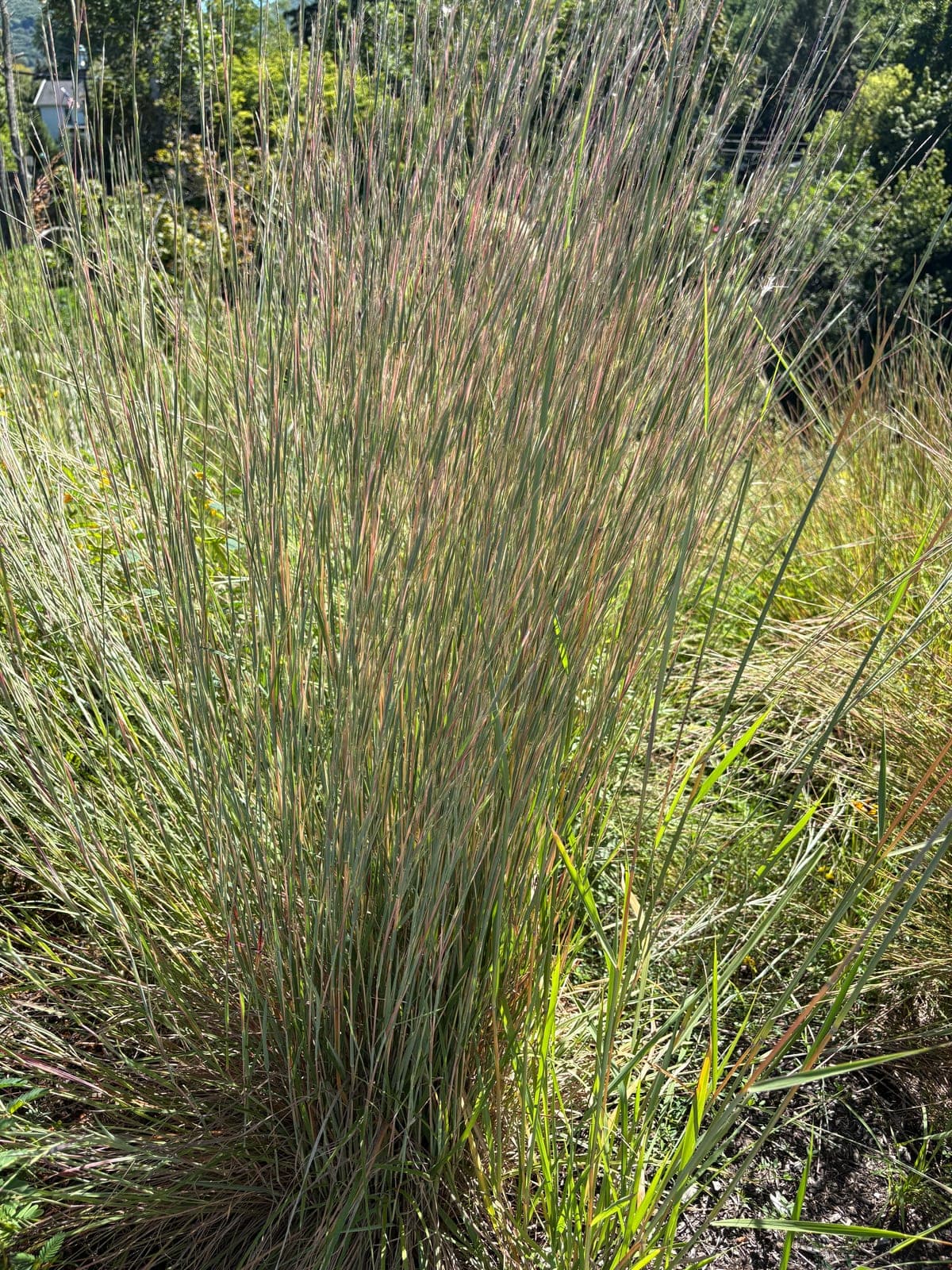
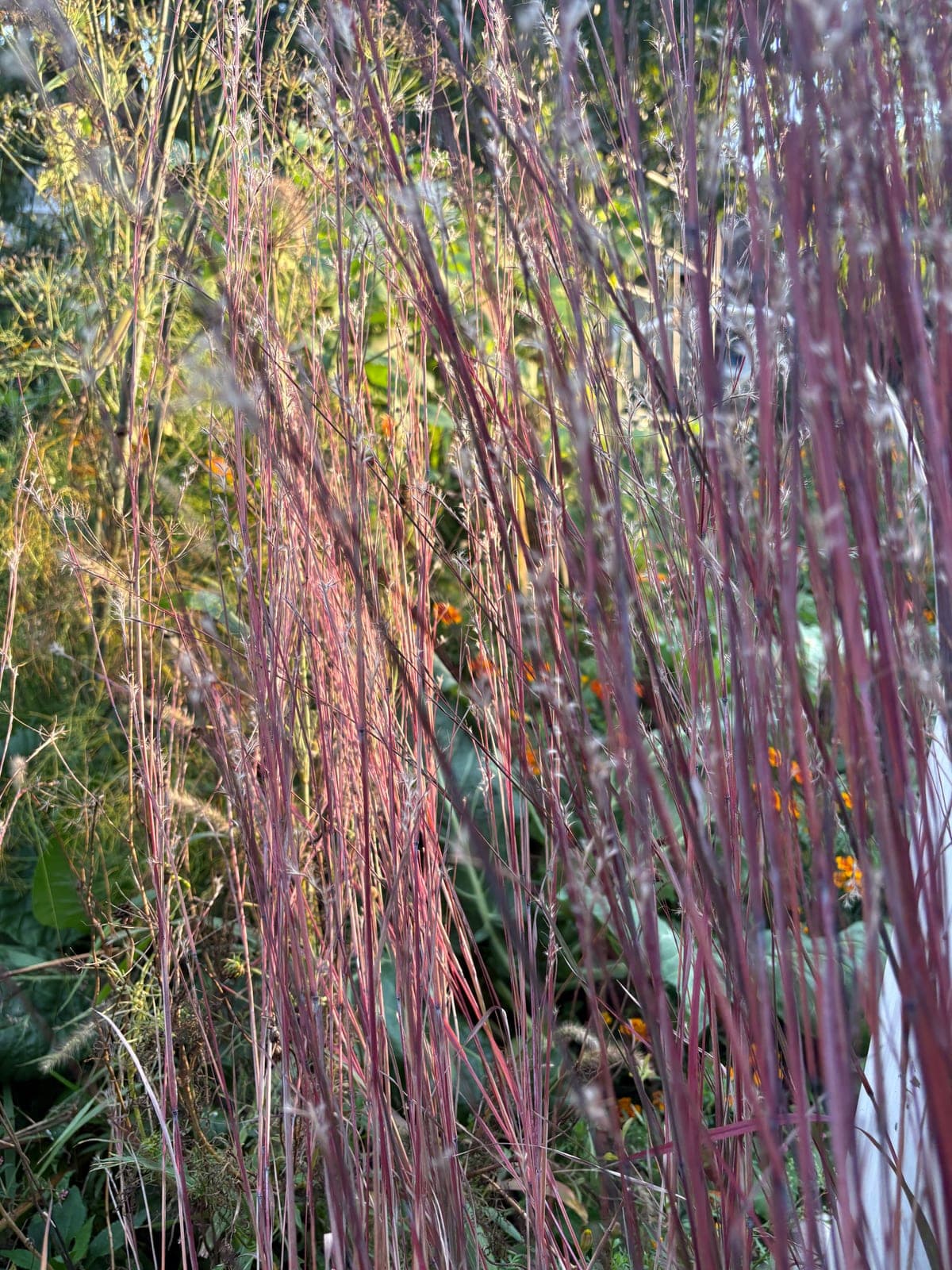
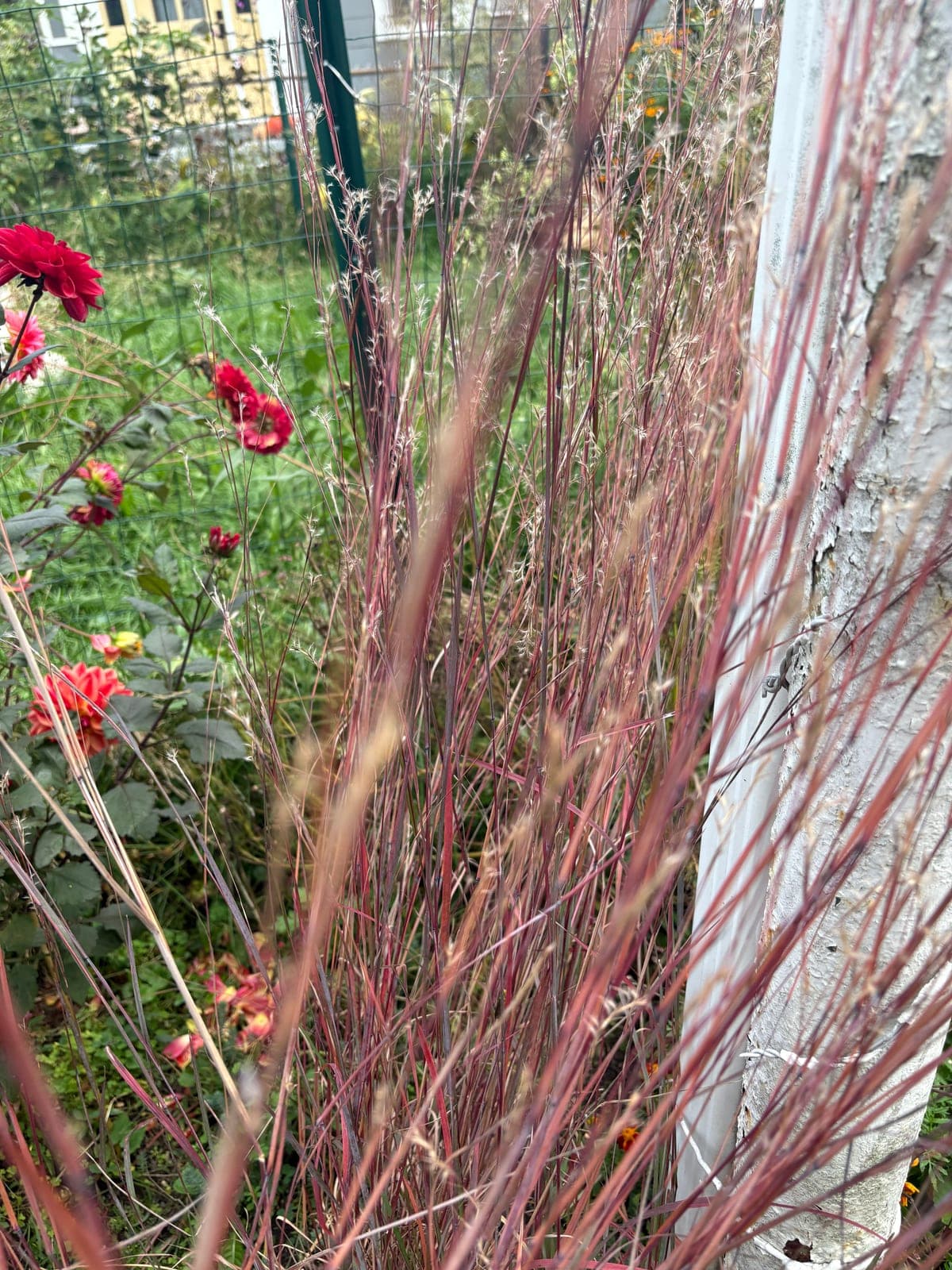
'Blue Heaven' is a cultivar of little bluestem selected for an unusually upright, non-flopping habit and intensely silver-blue summer foliage. The species is one of the dominant grasses of North American tallgrass and mixed-grass prairies, native across most of the contiguous United States from the eastern seaboard to the Rockies. Foliage shifts to rich copper-red in fall and feathery seedheads persist through winter, giving the plant four-season ornamental value.
A warm-season grass, it breaks dormancy in late spring and grows most vigorously through summer. It performs best in lean, well-drained soil with full sun; fertile or moist conditions cause flopping - the very trait 'Blue Heaven' was bred to resist. No supplemental fertilizer is needed. Cut stems to 4–6 inches in late winter before new growth appears. Division every three to four years when the center begins to die out rejuvenates clumps. The species tolerates soil pH from slightly acidic to slightly alkaline and is one of the most drought-tolerant native grasses available to gardeners.
Little bluestem ranks among the most ecologically significant grasses in North America. Seeds are consumed by sparrows, juncos, and finches through winter. Dense clumps provide thermal cover and nesting sites for ground-nesting birds and small mammals. Foliage hosts skipper butterfly larvae and supports a broad range of prairie-specialist insects.
Ecoregions:Northern ForestsNorthwestern Forested MountainsEastern Temperate ForestsGreat PlainsNorth American Deserts
Rust
Orange to brown raised pustules on the undersides of leaves, with yellow spotting on the upper surface. Heavy infections cause leaves to yellow and drop.
Remove and destroy infected leaves. Avoid overhead watering and improve air circulation. Apply a sulfur or copper-based fungicide if it spreads. Clear plant debris in fall.
Crown Rot
Lower leaves yellow and wilt; the base of the rosette turns brown and soft, sometimes with white fungal threads at the soil line. Plants collapse in wet conditions.
Remove and destroy affected plants. Improve drainage and avoid overhead watering. Do not mulch directly against the crown. Space plants for airflow and avoid replanting in the same wet spot.