
 Batten Blooms
Growing figs
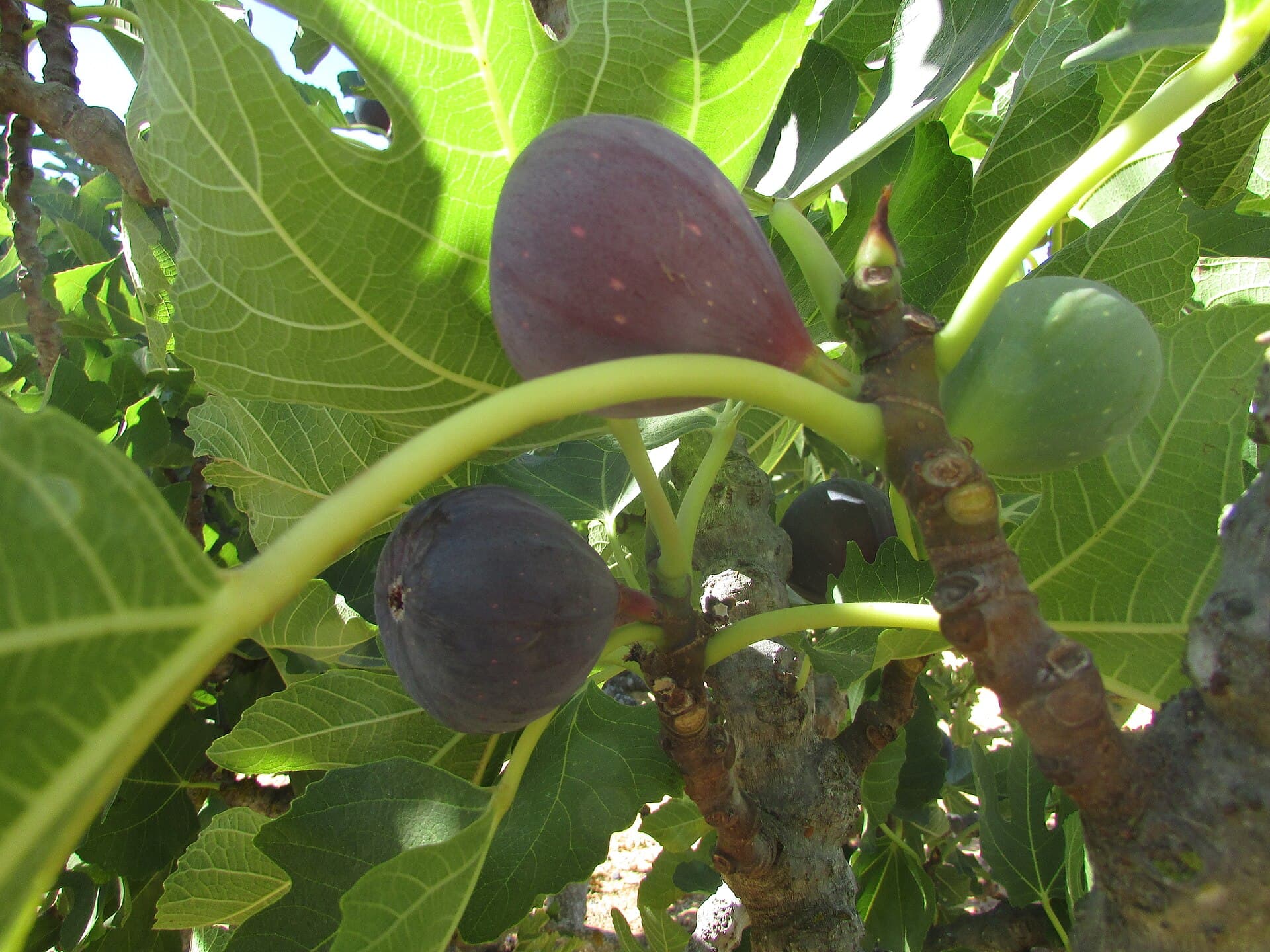
Figs want sun, heat, and lean soil, and little else. Pick a cultivar that suits your winters, give it a warm spot, and go light on water and feed. Here is the whole fig year, the types worth buying, how to protect the plant for winter in zones 7 and below, and how to grow one in a pot - all timed to your own frost dates.
From pruning to harvest, timed to your frost dates
The front of the year counts forward from your last spring frost; the end counts backward from your first fall frost. Add your ZIP to translate every step into your own months and see which one is open now. Steps marked “zones 7 and below” or “zones 8 and up” apply only there.
Every step is timed to your frost dates, so the right week here is a different week elsewhere.
Prune to shape (zones 8 and up)
3–8 weeks before last frost
Where winters are mild, prune while the tree is dormant. Take out dead, crossed, and crowded wood, and keep some of last year's growth: the early crop forms on it. Cut hard only to renew an old or overgrown tree.
Uncover the plant (zones 7 and below)
around last frost (2 weeks before to 1 week after)
Take off winter protection in stages as the hard freezes end. Loosen the wrap first, then remove it. Figs wake up late, so there is no rush, but a plant left sealed too long rots. Move container figs back outside on mild days, and bring them in again for any frost.
Wait for buds, then cut dead wood (zones 7 and below)
2–6 weeks after last frost
Do not cut until the buds break. Wood that looks dead in early spring is often alive lower down. Once leaves show, cut back to where growth starts, and take out anything dead, crossed, or crowded. Keep three to five main stems.
Feed lightly and mulch
1–4 weeks after last frost
A little compost and a thin dose of balanced fertiliser is plenty. Rich soil and extra nitrogen grow leaves, not figs. Then lay mulch over the roots to hold moisture and keep the soil even.
Water through fruit swell
8–18 weeks after last frost
Dry spells make a fig drop its fruit. Water deeply once a week when it is hot, and more often for figs in pots. Ease off as the fruit starts to ripen: steady water then keeps the fruit sweet and stops it splitting.
Pinch the tips (zones 7 and below)
7–10 weeks before first frost
Where the season is short, pinch the growing tip off every branch. The plant stops making new leaves and puts what it has into ripening the figs already on it. Fruit that forms after this will not finish before frost.
Harvest
0–12 weeks before first frost
Figs do not ripen after picking, so wait. A ripe fig is soft, hangs down on a bent neck, and comes away with a gentle twist. Pick every day or two while they are coming. Figs still unripe at first frost will not finish: take them off.
Protect for winter (zones 7 and below)
2–8 weeks after first frost
Wait for the leaves to drop and a few hard frosts, then wrap, bury, or cage the plant (see the winter section). Move potted figs to an unheated garage or shed. Cover too early and it can rot; too late and the stems freeze.
The types, by how cold they can take it
Hardiness is the question that matters. Buy for the winters you actually have, and read the label for the cultivar name: a fig sold only as “fig” could be any of these.
Cold-hardy
Hardiness
Roots hardy to about zone 5; stems die back in hard winters
Fruit
Main crop on new wood, ripening before frost
Cultivars
The safest choice for zone 5 and 6. The top may freeze to the ground, but the plant regrows from the roots and fruits the same year. Treat it as a shrub, not a tree.
Moderately hardy
Hardiness
Zone 6 to 7 with winter protection
Fruit
Main crop, plus an early crop in mild years
Cultivars
Better fruit and flavour than the hardiest types. In zone 6 and 7 the stems need wrapping or burying to come through a cold winter; in zone 7 and 8 they often manage without. Celeste and Violette de Bordeaux ripen early, which helps in a short season. Desert King sets a heavy early crop and copes with cool summers.
Warm-zone
Hardiness
Zone 8 and warmer
Fruit
Two crops: an early one on last year's wood and a main crop
Cultivars
Big, sweet, and generous, with an early crop and a main crop where the stems survive the winter. They do not take a hard freeze, so colder than zone 8 they are best in a pot that comes indoors.
Needs a fig wasp
Hardiness
Not a hardiness question
Fruit
Fruit drops unless pollinated
Cultivars
Calimyrna, Sari Lop
Smyrna figs only set fruit when a tiny fig wasp carries pollen in, and the wasp does not live in most gardens. Skip them. Every cultivar above sets fruit on its own, with no pollination.
More on the plant itself in the fig field-guide entry.
How to grow them
Heat, sun, and a light hand. Figs do best a little neglected.
Full sun and a warm spot
Figs want at least eight hours of sun and heat. A south or west wall is the best spot: it reflects warmth and shelters the plant, which also helps the stems through a cold winter. Shade gives leaves and very little fruit.
Lean, well-drained soil
Average soil that drains well is right. Standing water rots the roots, and rich soil grows a tall leafy plant that does not fruit. Skip heavy feeding, and keep the nitrogen low.
Plant after frost, at pot depth
Set the plant out after the last frost, at the depth it grew in the pot. Space plants 10 to 15 feet apart if you let them grow large, or closer if you keep them pruned to a shrub. Water in well and mulch.
Water deeply, not often
Established figs handle some drought, but dry spells during fruit swell make them drop fruit. Water deeply once a week in summer. Figs in pots dry out far faster and may need water every day in a hot spell.
One or two crops
A fig can fruit on two kinds of wood. The early crop (the breba) forms on last year's growth and ripens in early summer; the main crop forms on this year's growth and ripens late. Where winters freeze the stems, only the main crop is reliable. Where they do not, leave old wood on the tree and you get both.
Prune to a shape you can reach
Keep three to five main stems, take out dead, crossed, and crowded growth, and hold the plant to a size you can pick and cover. Where the stems freeze back every year, a hard prune costs you little; where they do not, prune lightly to protect the early crop.
Be patient
A young fig puts its energy into roots and stems. Expect little fruit in the first year or two, then more each year. Pot-grown figs often fruit sooner than ones in the ground.
Winter protection for zones 7 and below
In zones 7 and below this is the job that decides how much fruit you get. Keep the plant dry, wrap it after it has gone dormant, and take the cover off in stages. In zones 8 and warmer, skip this section.
Why it matters
Stems of most figs are injured in the low teens (F), and the hardiest types die back below that. The roots, kept dry and mulched, take more. Protection saves the stems you already have, so the plant fruits earlier and more next year. In zones 8 and warmer you can skip all of this.
Wait for dormancy
Do not wrap while the leaves are still on. Wait until they have dropped and the plant has had a few hard frosts. A fig wrapped too early stays warm and damp inside and rots.
Wrap and cage
Tie the stems loosely together, wrap with burlap or horticultural fleece, and surround with a wire cage packed with dry leaves or straw. Put a waterproof cap on top so the stuffing stays dry. Wet is the enemy, more than cold.
Bend and bury
For hardy types with flexible stems, dig a trench next to the plant, lay the stems down in it, and cover them with soil and then mulch. It is more work and it is the most reliable method. Lift the stems gently in spring.
Mulch the crown
Whichever method you pick, pile a deep layer of mulch over the base of the plant. If the stems freeze, the roots below will usually push up new growth in spring.
Uncover in stages
In spring, loosen the cover first, then remove it as the hard freezes end. If a late cold snap is forecast after the leaves emerge, throw a sheet over the plant for the night.
Pest and disease control
Figs have few serious problems. The animals that want the fruit are the biggest one. For the full picture on any of these, see the garden insect field guide.
Birds, squirrels, and wasps
The tell
Fruit pecked, bitten, or hollowed out just as it ripens.
What to do
Pick ripe fruit promptly and clear up anything that falls. Cover the plant with fine netting held clear of the fruit as figs start to colour. Fresh fruit attracts them within days.
Souring and fruit rot
The tell
Fruit splits, smells of vinegar, and has flies around the open eye at the base.
What to do
Pick often and remove rotting fruit right away. Water evenly, and avoid watering the plant overhead. Cultivars with a tight, closed eye are more resistant than those with an open one.
Fig rust
The tell
Small yellow-brown spots on the leaves that turn rusty, then the leaves yellow and drop early, usually in a humid summer.
What to do
Rake up and bin the fallen leaves each autumn. Water at the base, not over the leaves, and give the plant air by pruning out crowded growth. It rarely hurts the fruit, and the plant is usually fine the next year.
Mosaic virus and fig mites
The tell
Mottled, distorted leaves in yellow and green, sometimes with fruit that drops early.
What to do
There is no cure for the virus, and tiny fig mites spread it. Keep the plant healthy and, if a plant is badly affected, replace it. Buy plants from a reliable nursery.
Root-knot nematodes
The tell
Weak, slow growth and small knobby swellings on the roots when you dig.
What to do
These soil worms are mostly a problem in warm, sandy soil. A deep layer of mulch against the trunk and a spot against a wall help. In bad soil, grow the fig in a large pot of fresh mix.
The sap
The tell
Skin that reddens, blisters, or itches after pruning or picking on a sunny day.
What to do
The white sap on fig leaves and stems irritates skin, and sunlight makes it worse. Wear gloves and long sleeves when you prune, and wash off any sap.
What to plant alongside it
Keep the fig’s neighbours small, sun-loving, and lean. Low herbs and groundcovers suit it best.
Strawberry
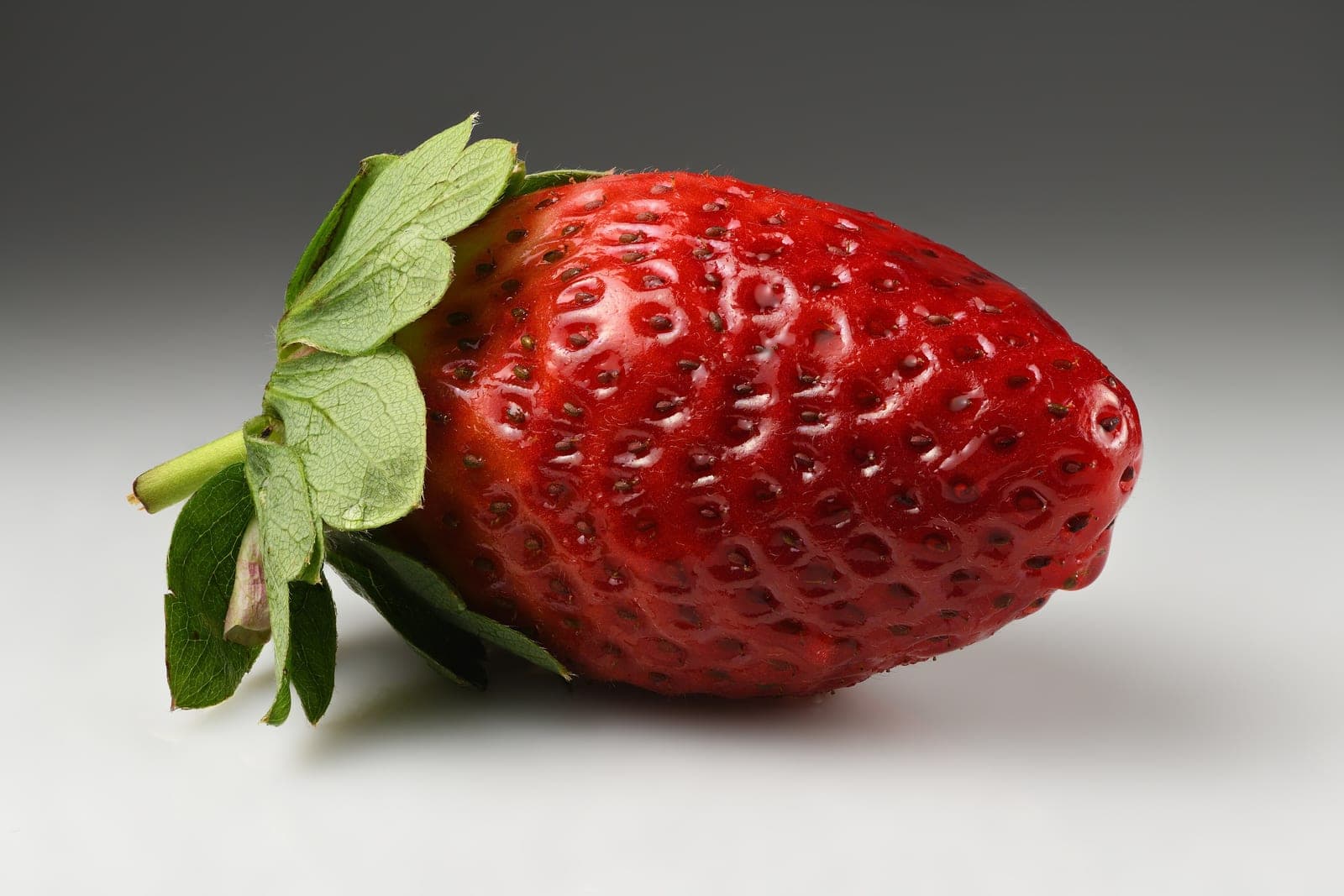
A low, shallow-rooted carpet that shades the soil under the fig and does not compete with its deeper roots.

Rosemary
Likes the same hot, lean, well-drained spot, and its strong scent is said to confuse insects that hunt by smell.
Thyme
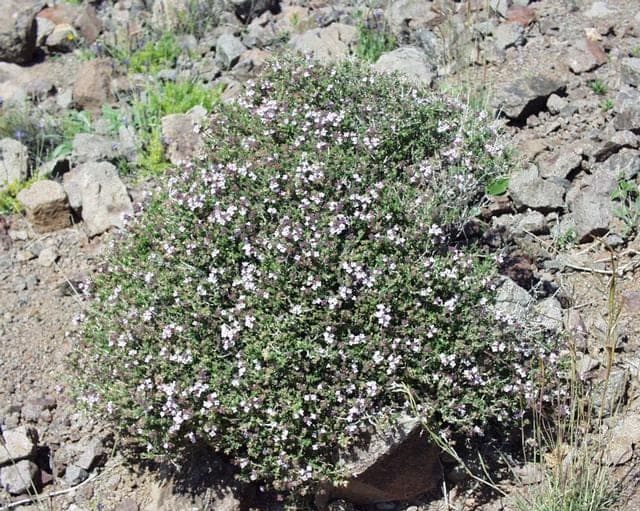
A low, tough groundcover that loves the same dry sun, holds the soil, and draws in small pollinators and beneficial insects.
Comfrey
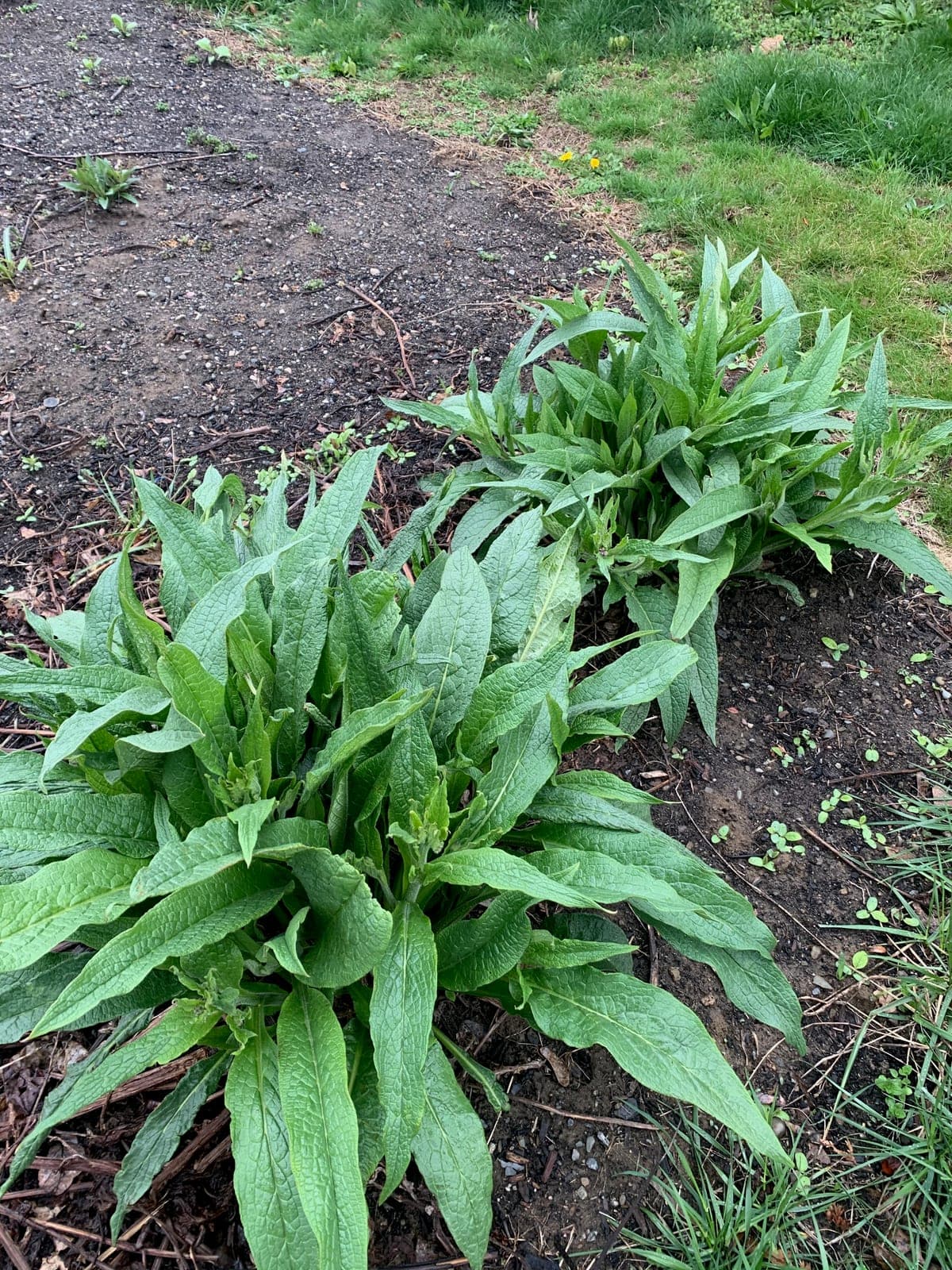
Its deep roots bring up nutrients, and the leaves make a feed-free mulch you can lay around the plant. Cut it back often so it does not shade the fig.
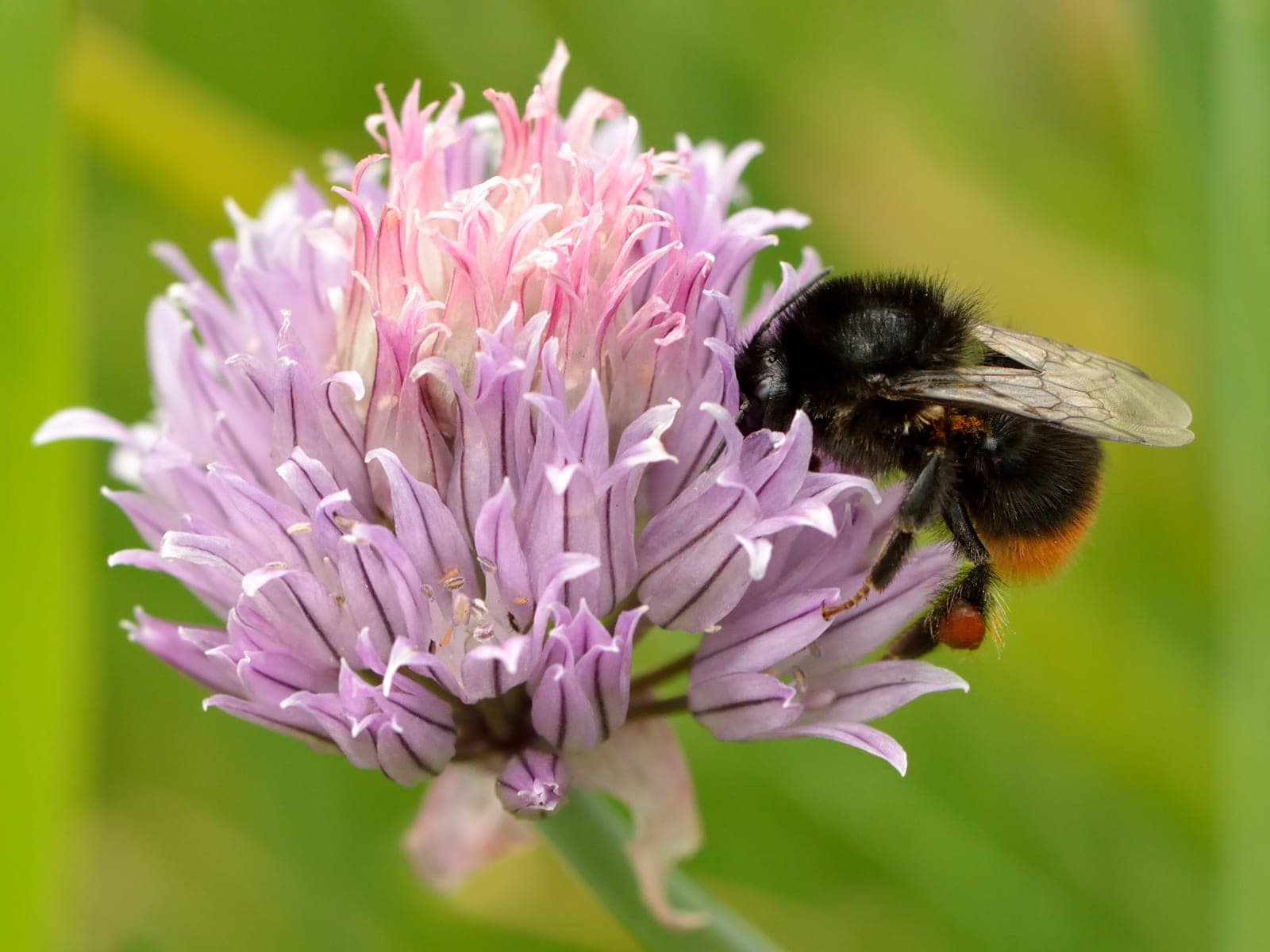
Chives
An easy edge plant whose oniony scent is said to put off pests, and whose flowers feed bees.
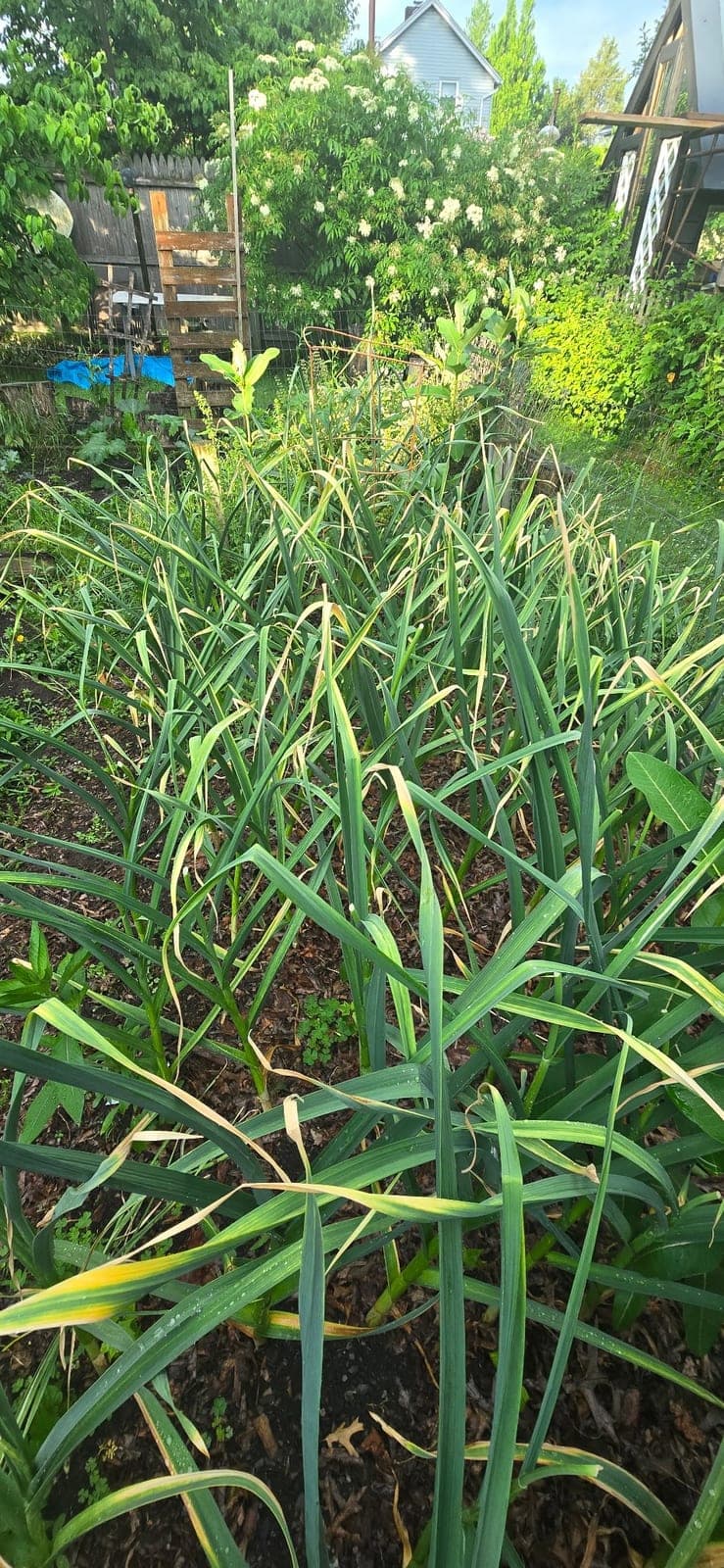
Garlic
Another sharp-scented plant that tucks in around the base without crowding the roots.
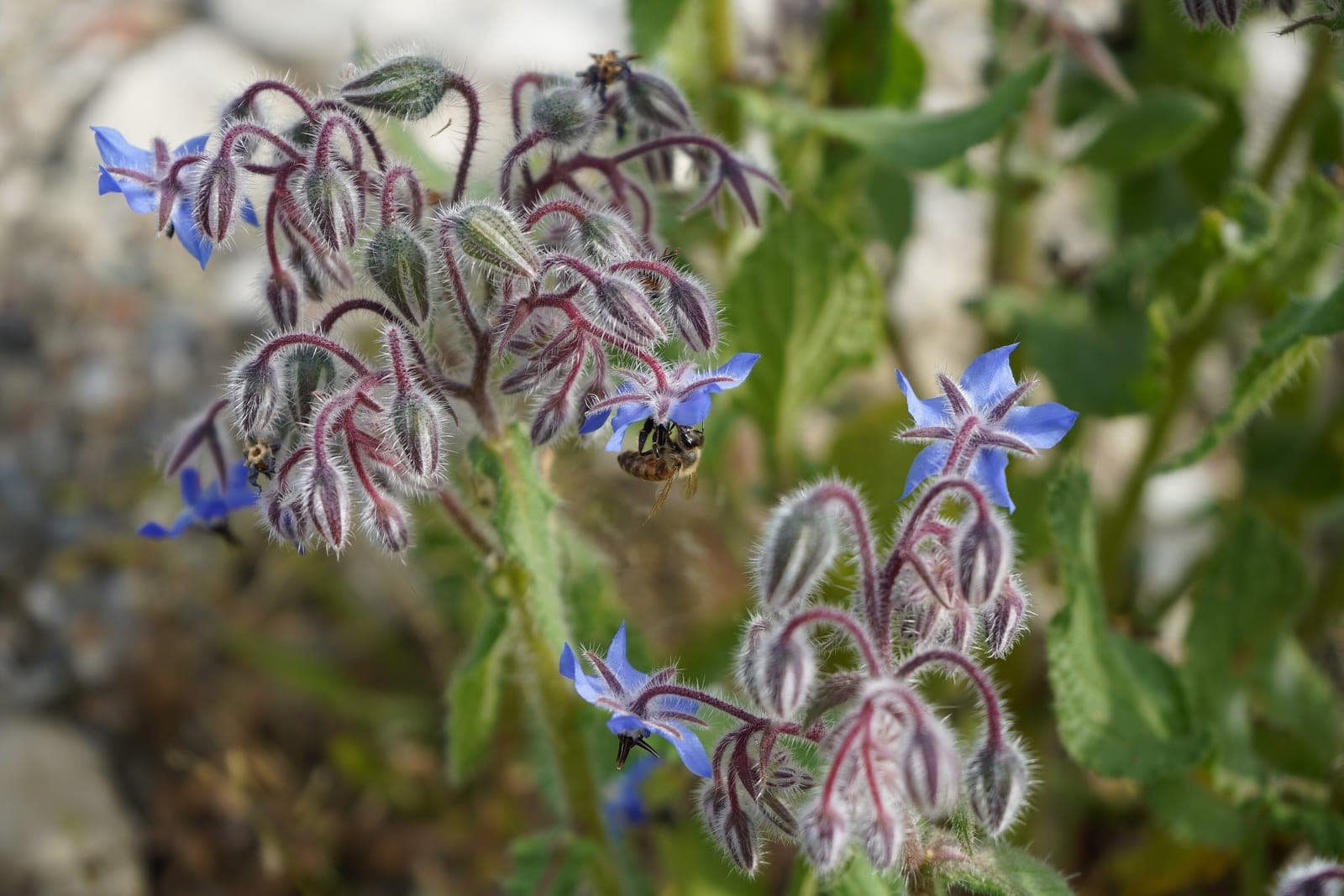
Borage
Draws in pollinators and the beneficial insects that eat pests, and its flowers are edible.
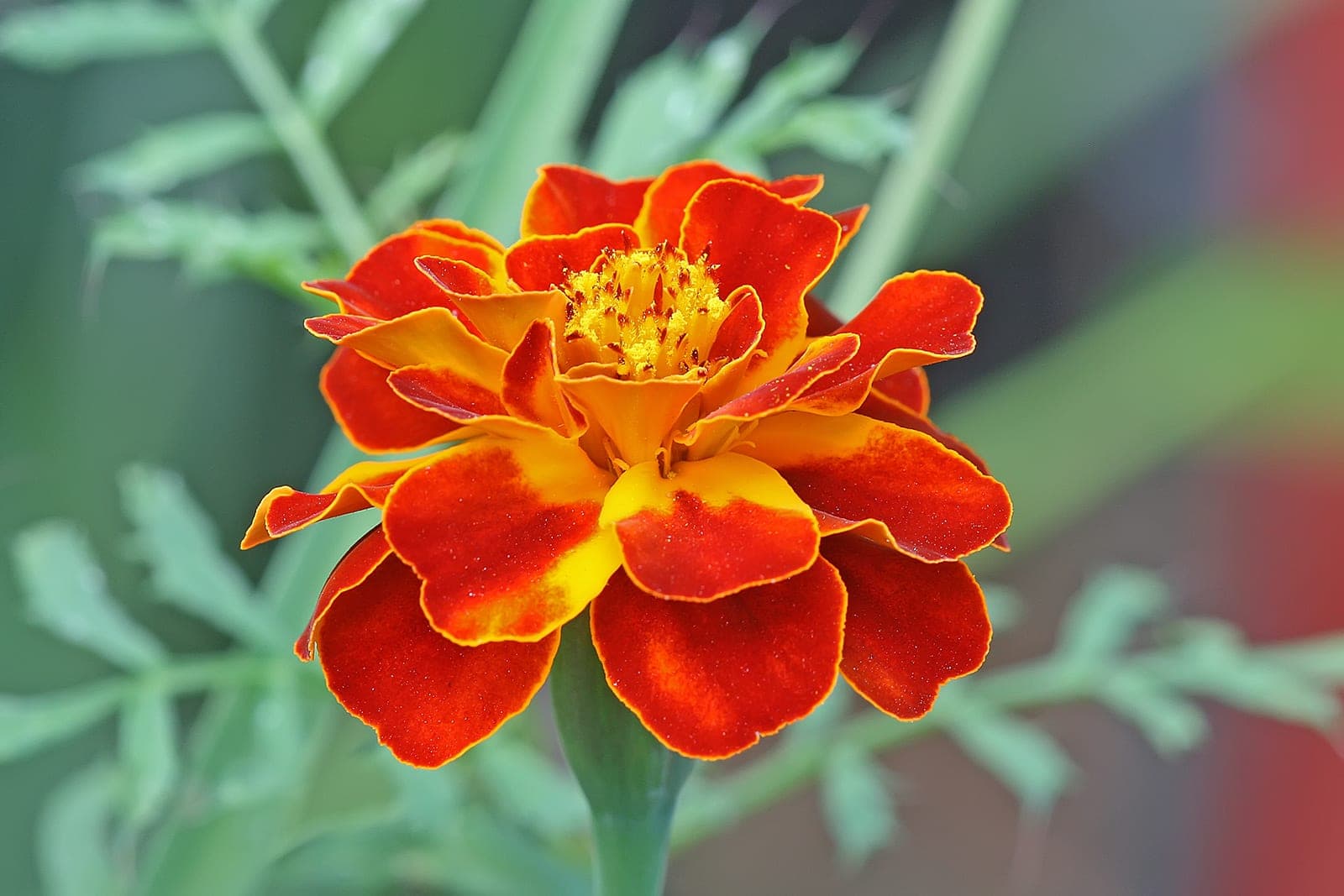
Marigold
Cheerful, easy, and often planted to discourage root-feeding nematodes around the plant.
What to keep away
- Heavily fed vegetable beds: the extra nitrogen grows a leafy fig that does not fruit.
- Tomatoes, carrots, and okra: all are hosts of root-knot nematodes, which also attack figs.
- Lawn grass up to the trunk: it competes for water and nutrients and makes watering and mulching harder.
- Tall plants on the south side: they shade the fig and take away the warmth it needs to ripen fruit.
Growing a fig in a pot
A fig does well in a pot in any zone. In zones 7 and below, a pot also means you can bring it indoors for winter instead of wrapping it outside.
Why a pot works
A fig in a pot stays smaller, and the restricted roots tend to fruit sooner. It works in any zone, and in zones 7 and below it comes indoors for winter, so you skip the wrapping and the cold damage altogether.
Pot size and mix
Start in a pot about 15 gallons and move up as the plant grows, to a maximum of around 25 gallons. Use a well-drained potting mix, and make sure the pot has drainage holes. A pot on wheels saves your back.
Water and feed more often
A pot dries out fast in summer, so check it daily in hot weather. Feed lightly every few weeks through the growing season, and stop feeding well before fall.
Overwinter cold and dark (zones 7 and below)
After the leaves drop, move the pot to an unheated garage, shed, or cellar that stays cold but above hard freezing. The plant is dormant and needs almost no light. Water just enough each month to keep the soil from drying out completely.
Bring it back out slowly
Once the last frost is past, set the pot outside in a sheltered spot for a few hours each day, and lengthen the time over a couple of weeks. Moving a fig straight into full sun can scorch the new leaves.
Looking for something?
Let us know and we will add it to the list for your garden plan.