
Peak bloom windowZone 6b · frost-offset weeks
Winter
Peak bloom
Spring
Not in bloom
Summer
Not in bloom
Fall
Not in bloom
Peak bloom
In bloom
Background
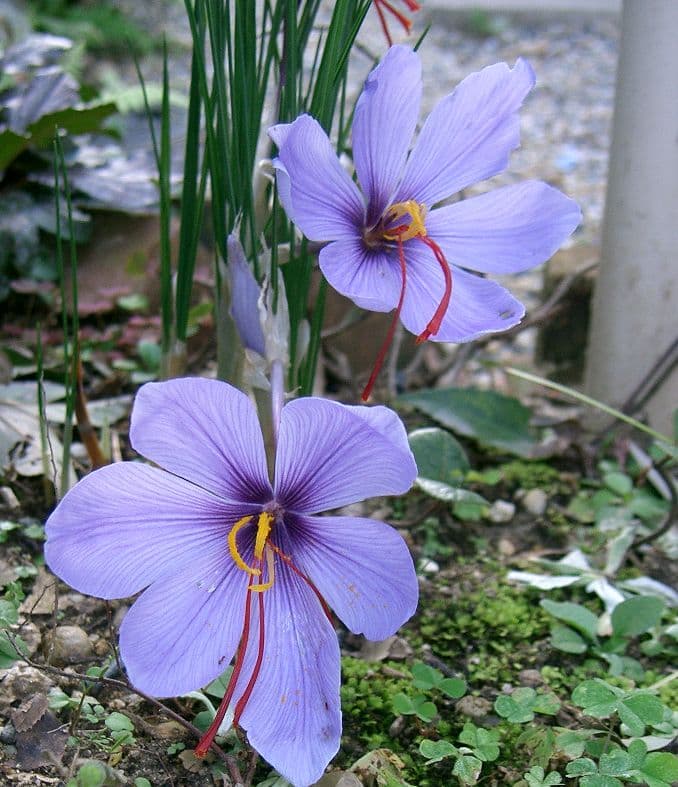
Crocus is the earliest herald of spring - delicate cup-shaped flowers in purple, yellow, and white that often emerge through snow in February and March. Plant bulbs (actually corms) in fall, 6–8 weeks before a hard frost, into well-drained soil. They require minimal maintenance and naturalize freely over years, spreading to form expanding drifts in lawns, woodland edges, and rock gardens.
Once established, leave crocuses undisturbed - they prefer to be left alone and will bloom faithfully each spring with increasing vigor. The foliage is short and disappears quickly as spring growth advances, so they work well tucked into borders where spring ephemerals fade before summer plants take over.
Squirrels, chipmunks and voles dig crocus corms, and rabbits nip the flowers. Mix them with bulbs animals leave alone - daffodils, crown imperial, allium, hyacinth, snowdrops, Siberian squill and glory-of-the-snow. It makes the bed less of a draw, though it won't stop a determined vole; for bulbs you can't lose, plant them in a wire bulb cage.
In these starter beds
Care guide
SunFull sun to partial shade
WaterLow once established
SoilWell-draining; dislikes waterlogged soil
Spacing2–3 inches
Height3–4 inches
Zone3a – 9b
WinterHardy bulb - leave in ground year-round.
Frost hardy
spring
watchAllow foliage to yellow naturally after blooming - it feeds the bulb for next year
summer
watchDivide congested clumps every 3–4 years after foliage dies back
buyOrder bulbs - about two months before planting; the best selection sells out early
plantPlant or move bulbs 2–3 inches deep and 2–3 inches apart, 6–8 weeks before hard frost