
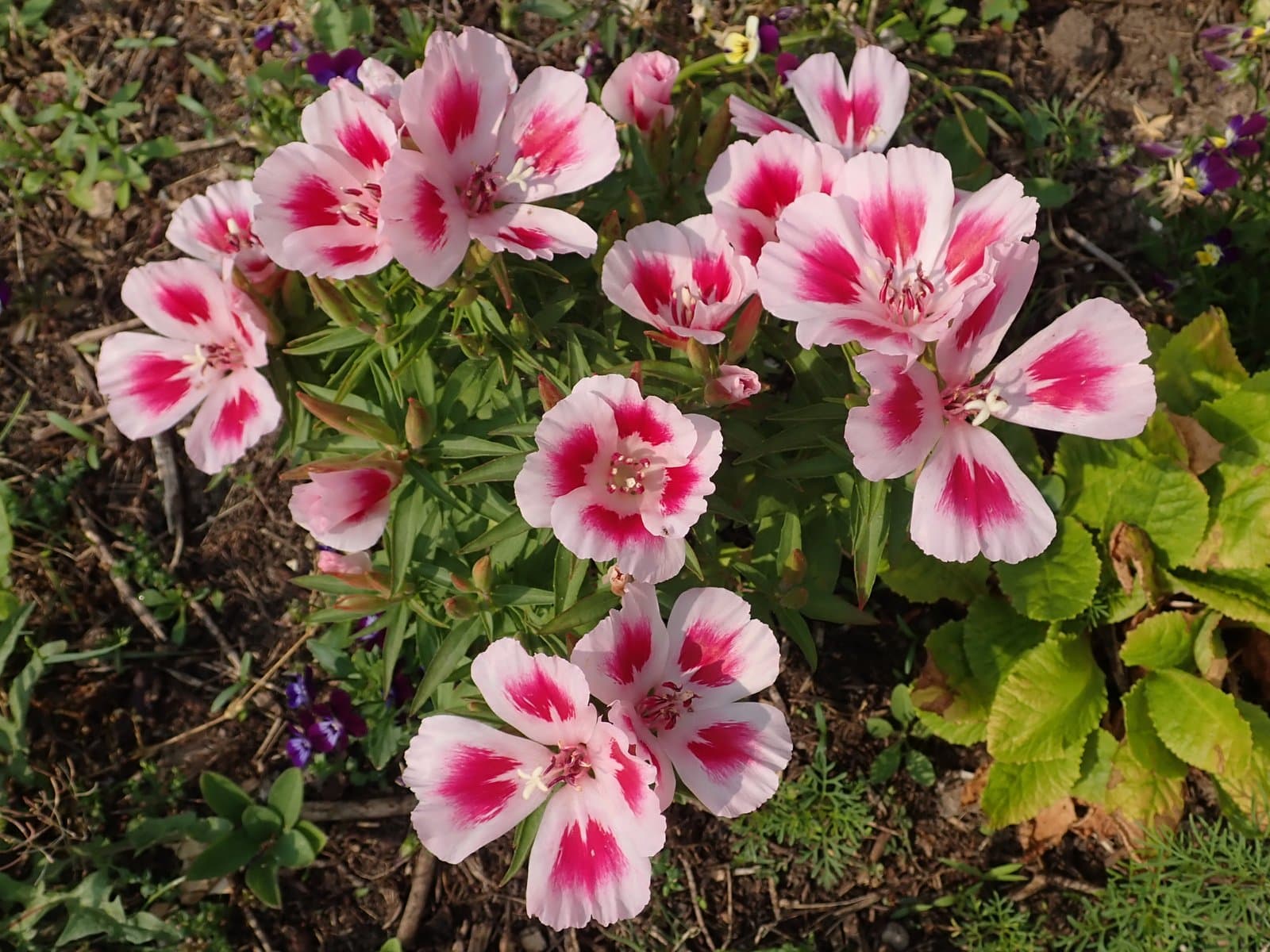
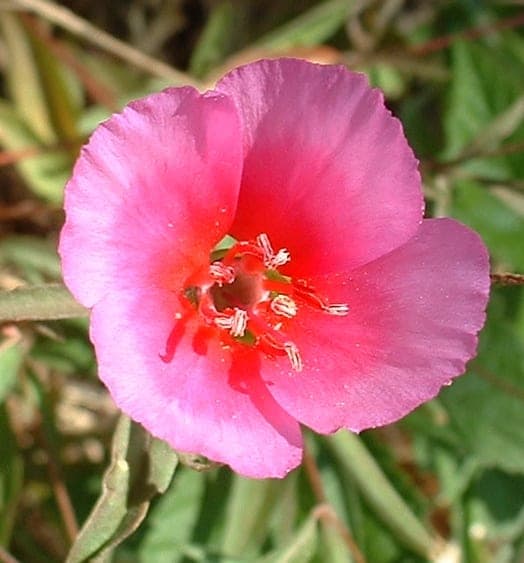
Clarkia amoena is a cool-season annual native to the Pacific coast of North America, ranging from British Columbia south to the San Francisco Bay Area. Its cup-shaped, satiny flowers in shades of pink, rose, lavender, and white appear in late spring and early summer, making it well suited to cutting gardens, wildflower meadows, and naturalized slopes.
It performs best in lean, well-drained soil; fertile or heavily amended ground promotes foliage at the expense of flowers. Direct sowing is strongly preferred, as root disturbance from transplanting stunts growth significantly. In zones 7 and warmer, fall sowing produces earlier, more vigorous spring plants. Where conditions suit it, Clarkia self-seeds reliably without becoming invasive.
Several California Native peoples gathered Clarkia seeds and ground them into a meal used for porridge and seed cakes, making it one of the few ornamental annuals with a documented indigenous food history in North America.
Ecoregions:Northwestern Forested MountainsMarine West Coast ForestMediterranean California
Powdery mildew
White or grey powdery coating on leaves - usually starting on older growth in humid conditions or when nights cool.
Improve air circulation by thinning plants. Apply neem oil or potassium bicarbonate spray at first sign. Avoid overhead watering.
Damping Off
Seedlings collapse at the soil line with thin, water-soaked stems; seeds may fail to emerge or rot before sprouting.
Sow in well-draining mix, avoid overwatering, and ensure good airflow. Remove affected seedlings and let the surface dry between waterings.
Botrytis (grey mould)
Grey fuzzy mould on petals and stems, worst in cool wet conditions.
Remove affected parts immediately. Improve air circulation. Avoid overhead watering. Apply copper fungicide if severe.