
Growing blueberries
Blueberries are one of the easiest fruits to grow and one of the most commonly killed — almost always for the same reason, soil that isn’t acid enough. Get the pH right and the rest is a short list: two spring feeds, a summer of netting and picking, and a late-winter prune. Here is the whole blueberry year, the acid-soil fix, how to keep the birds off, the feeding schedule, and which cultivars ripen when in succession across the season — all timed to your own frost dates.
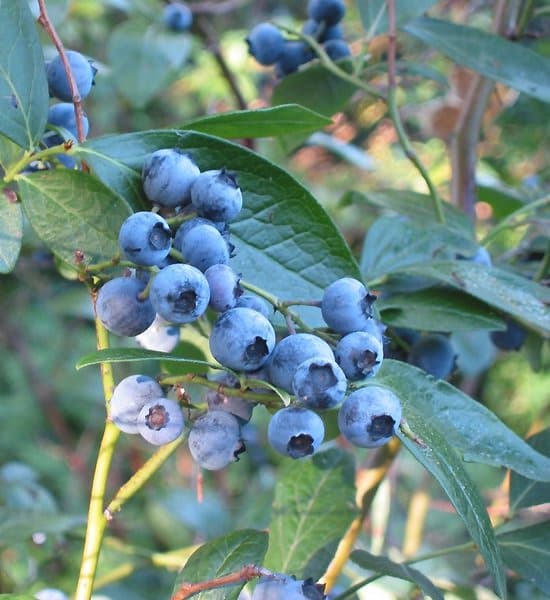
From soil test to harvest, timed to your frost dates
The front of the year counts forward from your last spring frost; the end counts backward from your first fall frost. Add your ZIP to translate every step into your own months and see which one is open now.
Every step is timed to your frost dates, so the right week here is a different week elsewhere.
Test and acidify the soil
4–10 weeks before last frost
The single most important job, and the one done too late by everyone who fails with blueberries. Test the soil pH; if it reads above 5.5, work in elemental sulphur now — it takes weeks to move the reading, so acidify in advance, not on planting day. Aim for pH 4.5–5.5 (see the acid-soil section below).
The main prune
3–8 weeks before last frost
Prune while the bush is still dormant. Take out dead and weak twigs first, then the oldest canes (the darkest, thickest, greyest wood) right to the base to make room for young growth. Keep six to eight strong main canes of mixed ages. Fruit comes on last year's wood, so don't shear the whole plant back.
First feed at bud break
0–3 weeks before last frost
As the buds swell, give the first feed of an acidifying fertiliser formulated for blueberries, rhododendrons, or azaleas. Never use a standard garden feed or lime — the wrong food undoes your soil work (see the feeding schedule below).
Bloom — protect the flowers
around last frost (2 weeks before to 3 weeks after)
Small white bell flowers open and feed early pollinators. Plant two or more cultivars near each other for cross-pollination and a heavier, longer crop. If a late frost threatens the open flowers, cover the bushes overnight — an open blueberry flower is killed at about 28°F.
Mulch the root zone
around last frost (1 weeks before to 4 weeks after)
Lay a thick 2–4 inch mulch of pine bark, pine needles, or sawdust over the shallow roots. It holds moisture even, suppresses weeds the surface roots can't compete with, and slowly acidifies as it breaks down. Keep it off the stems.
Net before the berries colour
5–12 weeks after last frost
The moment the first berries start to turn, the birds start counting — they will strip a bush within days of ripening. Net now, before colour, not after (see keeping the birds off, below). Left too late, you'll net an empty bush.
Harvest in succession
8–20 weeks after last frost
Early, mid, and late cultivars ripen in turn, so a good mix crops over a long stretch rather than all at once (see the ripening order below). Pick only fully blue, slightly soft berries that drop into your hand — a berry that resists is not ready, and colour alone comes days before real sweetness. Go over each bush every few days.
Second feed after fruit set
6–9 weeks after last frost
Split the season's feeding in two: a second, lighter dose of acidifying fertiliser about six weeks after the first supports the ripening crop and next year's buds without one heavy hit. Water it in well; blueberries are shallow-rooted and dislike drought during fruiting.
Stop feeding to harden off
6–8 weeks before first frost
Cut off feeding six to eight weeks before your first frost. A late feed pushes soft new growth that the cold only kills and can weaken the bush going into winter. Let it slow down and set its buds.
Fall colour and winter mulch
2–8 weeks after first frost
The foliage turns brilliant scarlet and orange — this is a four-season shrub, not just a crop. After leaf-fall, top up the mulch over the shallow roots for winter and clear away fallen leaves and any mummified berries, which carry disease into next year.
Acid soil, or nothing
Every other section in this guide is optional next to this one. Blueberries need acid soil, and most gardens don’t have it — so this is the job to get right before you buy a single bush.
Why blueberries need acid
Blueberries evolved on acid, peaty, woodland soils and can only take up iron and other nutrients when the soil is acidic. Above about pH 5.5 the leaves yellow between the veins (iron chlorosis), the plant starves in soil that looks perfectly fed, and it slowly dies. This — not cold, not pests — is why most blueberries fail.
The target: pH 4.5–5.5
Aim for a soil pH between 4.5 and 5.5, ideally near 4.8–5.2. Test before you plant with a cheap meter or a soil-lab kit; guessing is how people lose a bush. Most garden soil sits at 6.0–7.0, which is far too sweet — so nearly every garden needs deliberate acidifying first.
Lower pH with elemental sulphur
Elemental sulphur is the standard, lasting fix. Soil bacteria slowly convert it to acid, so it takes weeks to months to move the reading — apply it the season before planting, or at least a couple of months ahead, and re-test. Follow the rate on the bag for your soil type and starting pH; sandy soils shift faster than clay.
Keep it acid year to year
Acidifying is not one-and-done — soil drifts back toward neutral. Mulch with pine bark, pine needles, or sawdust; feed with an acidifying (ammonium-sulphate-based) fertiliser; and top up sulphur when the annual test creeps up. If your tap water is hard (alkaline), collect rainwater for irrigation where you can.
When the ground won't cooperate
On chalky or limestone soil that fights every attempt to acidify, stop battling the bed — grow blueberries in large pots or a raised bed of ericaceous (acid) compost instead. Half-high and compact highbush cultivars take well to containers, which also makes netting and winter protection easier.
How to grow them
With the soil sorted, the rest is straightforward. Blueberries want sun, steady moisture, a pollination partner, and a light hand — over-care does more harm than neglect.
Plant two or more cultivars
Blueberries fruit far more heavily with a pollination partner. Plant at least two different cultivars of the same type within a few feet of each other, and pick varieties whose bloom overlaps — an early, a mid, and a late highbush gives you both good cross-pollination and a harvest that runs the whole season.
Full sun and steady moisture
Give them at least six hours of direct sun for a real crop; less sun means fewer, smaller berries. The roots are fine, fibrous, and shallow, so they dry out fast — keep the soil consistently moist, especially through flowering and fruiting, and mulch to hold that moisture even.
Space and set them right
Set highbush bushes 4–6 feet apart, half-highs and lowbush closer. Plant at the depth they grew at the nursery, tease out any circling roots, and water in. Bare-root plants go in while dormant; container plants can go in through the season if kept watered.
Pinch the first year's flowers
It's worth removing the flowers in the first year after planting so the bush puts its energy into roots and canes rather than a token crop. You'll wait a season, but you trade it for a stronger plant and much heavier harvests from year three or four on.
Prune for young wood
Blueberries fruit best on wood two to four years old, so the prune is about renewal: each late winter take out the oldest, thickest canes at the base and any dead or twiggy growth, keeping six to eight strong canes of mixed ages. An unpruned bush slowly fills with old wood and small, sparse berries.
Watch the usual troubles
Netting handles the birds; beyond that, watch for spotted-wing drosophila (a fruit fly that lays in ripening berries — pick clean and often), mummy berry (remove and destroy shrivelled fruit and fallen mummies), and grey mould in wet spells. Good airflow, clean ground, and prompt picking prevent most of it. For the detail, see the field-guide entry.
The types, and when each ripens
No single cultivar covers the whole season. Plant across the types and across early, mid, and late varieties and you pick from one bush to the next for weeks instead of drowning in berries for a fortnight and going without the rest of the year. How long that run lasts depends on your climate.
Lowbush
Vaccinium angustifolium
Height
6–18 inches
Hardiness
Zone 2–6; the hardiest of all
Ripens
Mid-season
Cultivars
Burgundy, Peasley Blue, Ruby Carpet
The wild, ground-hugging blueberry of the north woods — a spreading carpet rather than a bush. Small, intensely flavoured berries and fiery fall colour; it doubles as an edible groundcover. Mow or burn a patch to the ground every few years to renew it.
Half-high
V. angustifolium × corymbosum
Height
1.5–4 feet
Hardiness
Zone 3–7; bred for cold and snow
Ripens
Mid-season
Cultivars
Polaris, Chippewa, Northcountry, Northblue, Northsky, St. Cloud
Crosses of lowbush and highbush, bred in Minnesota for gardens where highbush freezes out. Compact enough to sit under snow cover through a hard winter, with more and larger berries than lowbush. The best choice for the coldest gardens and for containers.
Highbush
Vaccinium corymbosum
Height
4–6 feet
Hardiness
Zone 4–7; the garden standard
Ripens
Early to late — the full spread
Cultivars
Duke, Patriot, Hannah's Choice, Blueray, Bluecrop, Bluegold, Elizabeth, Herbert, Liberty, Aurora
The familiar cultivated blueberry and the backbone of any planting — biggest berries, heaviest yields, and the widest spread of ripening dates. Plant an early (Duke, Patriot), a mid (Bluecrop, Blueray), and a late (Herbert, Liberty, Aurora) to pick from one bush to the next for the whole season.
Three-quarter high
V. corymbosum hybrids
Height
3–4 feet
Hardiness
Zone 4–7; hardier than full highbush
Ripens
Early to mid
Cultivars
Northland, Blue Jay, Huron, Draper, Toro, Bonus, Nelson, Rubel
A shorter, tougher highbush — most of the fruit quality of a full highbush on a more compact, cold-tolerant bush. A good middle path where full highbush is marginal but you want highbush-sized berries.
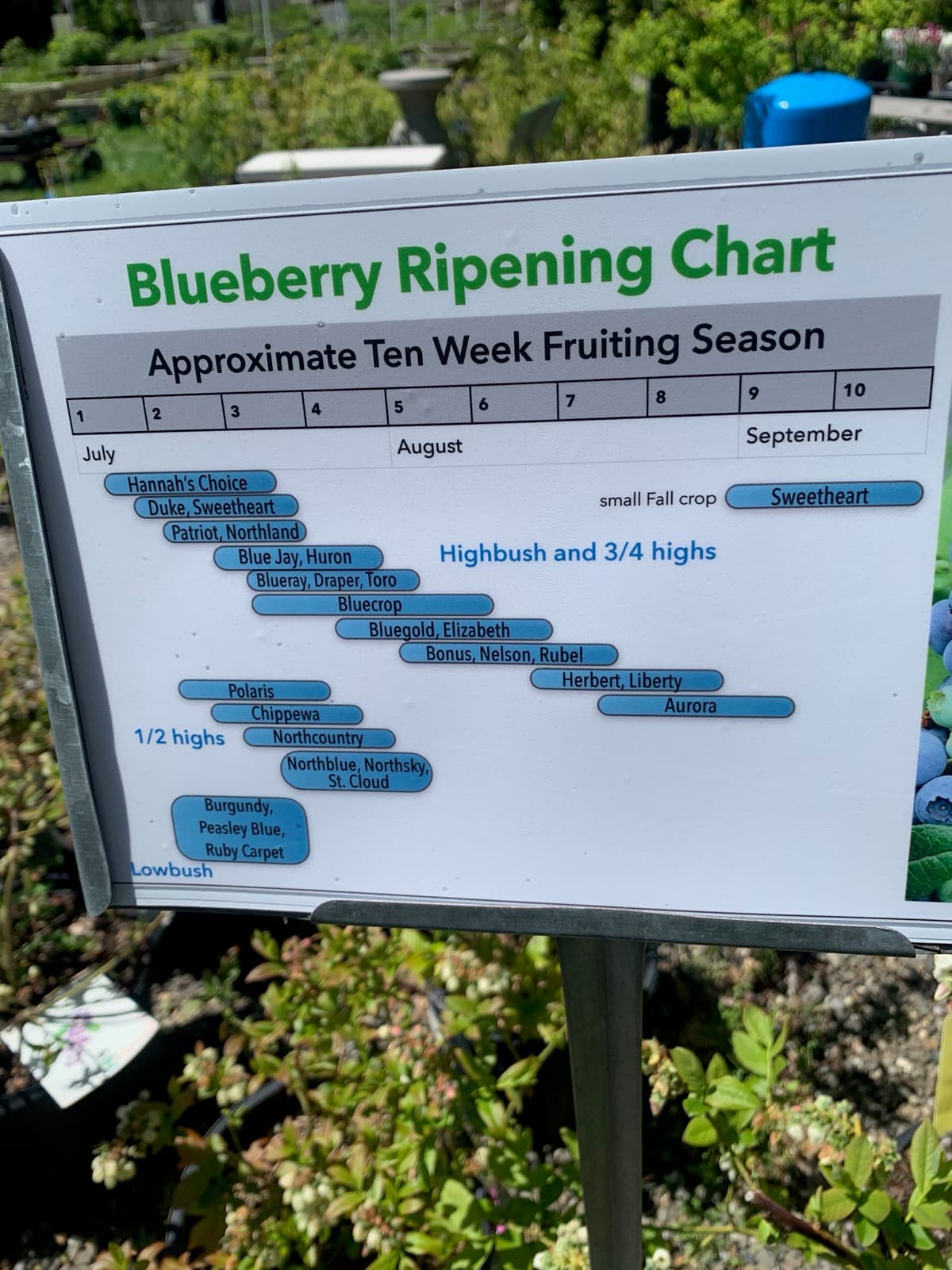
The ripening order
Earliest
Hannah's Choice, Duke, Sweetheart, Patriot, Northland
Early to mid
Blue Jay, Huron, Blueray, Draper, Toro
Mid-season
Bluecrop, Bluegold, Elizabeth, Bonus, Nelson, Rubel
Mid — half-highs & lowbush
Polaris, Chippewa, Northcountry, Northblue, Northsky, St. Cloud, Burgundy, Peasley Blue, Ruby Carpet
Late
Herbert, Liberty, Aurora
A small second flush
Sweetheart (a light fall crop where the season is long enough)
Weeks count from the start of your own fruiting season, not the calendar — so the order holds in any zone even though the dates shift. Pick each variety only when the berries are fully blue and drop into your hand.
Feeding — acid, twice, and lightly
Blueberries are light feeders with fine, salt-sensitive roots, so feeding is about the right food and the right timing far more than quantity. The wrong fertiliser will undo all your soil work.
Only acidifying fertilisers
Feed with a fertiliser made for blueberries, rhododendrons, azaleas, or other ericaceous plants — one built on ammonium sulphate, which feeds and acidifies at once. Never use a general garden feed, bone meal, mushroom compost, wood ash, or anything containing lime: they raise the pH and starve the plant even as they 'feed' it.
Feed twice, and split the dose
One feed as the buds break in early spring, a second lighter feed about six weeks later as the fruit sets. Splitting it into two smaller doses beats one heavy hit, which blueberries — with their fine, shallow, salt-sensitive roots — resent. Water every feed in well.
Stop early in the season
Give the last feed six to eight weeks before your first fall frost. Feeding into late summer pushes soft growth that won't harden before winter and can be killed back. After that the plant should be slowing down and setting next year's buds.
Go easy — less is more
Blueberries are light feeders with roots that scorch easily; over-feeding does more harm than under-feeding. Signs of too much are a flush of leafy growth with little fruit and scorched leaf margins. When in doubt, use the lower rate on the label.
Watch the leaves for the diagnosis
The plant tells you what's wrong. Yellow leaves with green veins mean the pH is too high and iron is locked out — re-test and add sulphur, not more fertiliser. Reddish, purpling leaves in the cool of spring or fall are usually just cold, not a deficiency. Overall pale, stunted growth points to genuine underfeeding.
Keeping the birds off
You will not out-argue a blackbird. Once the berries start to colour it is a race, and the only reliable finish line is a physical barrier — put on before the fruit turns, held clear of the bush.
Net before they colour, not after
Birds watch the crop ripen as closely as you do and will strip a bush in a day or two the moment the berries turn. The whole game is timing: get the netting on as the first berries start to blush, before they're fully blue. Netting an already-raided bush is closing the gate after the flock has left.
Drape over a frame, not the bush
Netting laid straight onto the foliage lets birds perch and peck the berries through the mesh, and traps them in the twigs. Build a simple frame — stakes and canes, hoops, or a walk-in fruit cage — and drape the net over that, held clear of the fruit, with the edges pinned to the ground so nothing gets underneath.
Use wildlife-safe netting
Fine mesh (around ¾ inch or smaller) keeps birds out without entangling them. Avoid loose, large-gauge netting that snares birds, and check any netting daily in case something has worked its way in — a fruit cage of rigid mesh sidesteps the problem entirely.
Scare tactics buy a little time
Flashing tape, old CDs, reflective streamers, and moving decoys help at the margins, but birds habituate within days — move and change them often, and treat them as a supplement to netting, never a replacement. There is no substitute for a physical barrier over ripening fruit.
A full cage is the lasting answer
If blueberries are a serious crop for you, a permanent walk-in fruit cage is the one investment that ends the battle — easy to pick inside, no daily net-wrestling, and it protects currants and other soft fruit at the same time.
What to plant alongside it
Almost nothing shares blueberries’ acid-soil requirement outright, so the strongest companions are fellow acid-loving natives and heath-family shrubs — plus a few ordinary sun-loving herbs that tolerate the low pH fine and pull their weight with pollinators or pest deterrence.
Design the Blueberry and Acidic Lovers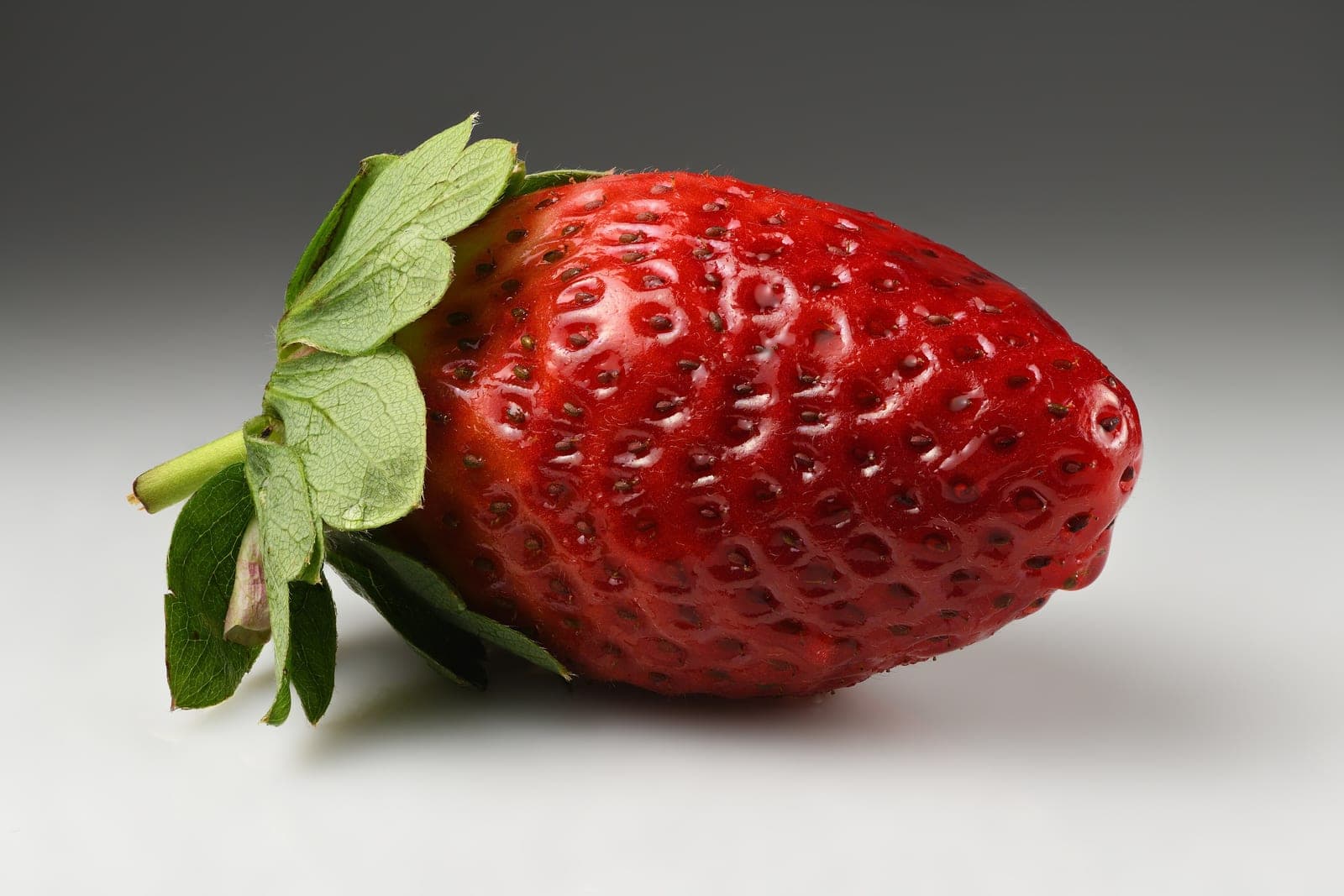
Strawberry
Shares blueberries' shallow, fibrous roots and acid-soil preference exactly, and its low habit makes a living mulch that shades the soil and keeps it from drying between waterings.
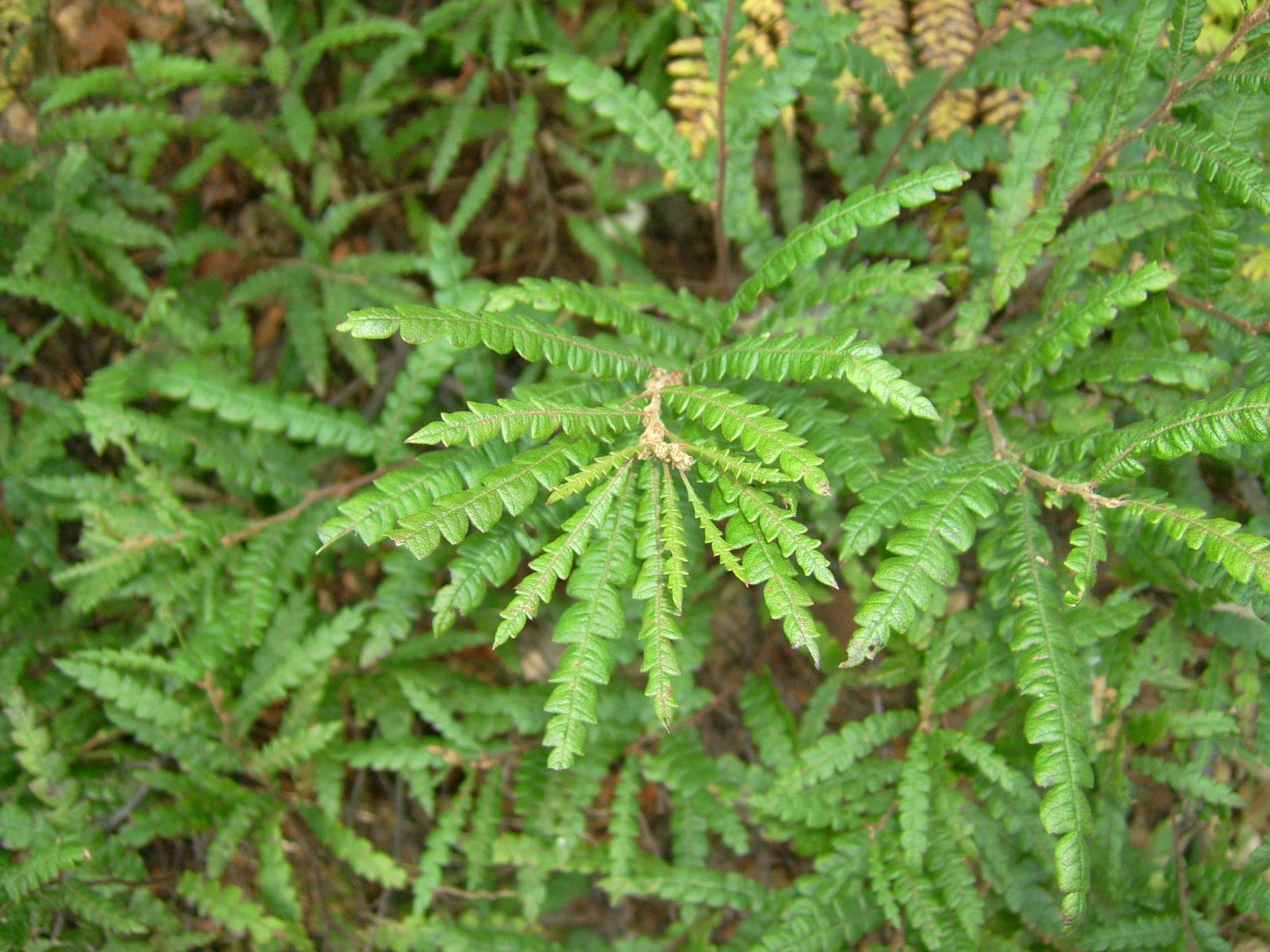
Sweet fern
A low, sandy-acid-soil native that genuinely shares blueberries' exact site preferences — full sun, poor dry soil, low pH — and fills the bed's edge without competing for water or feed.
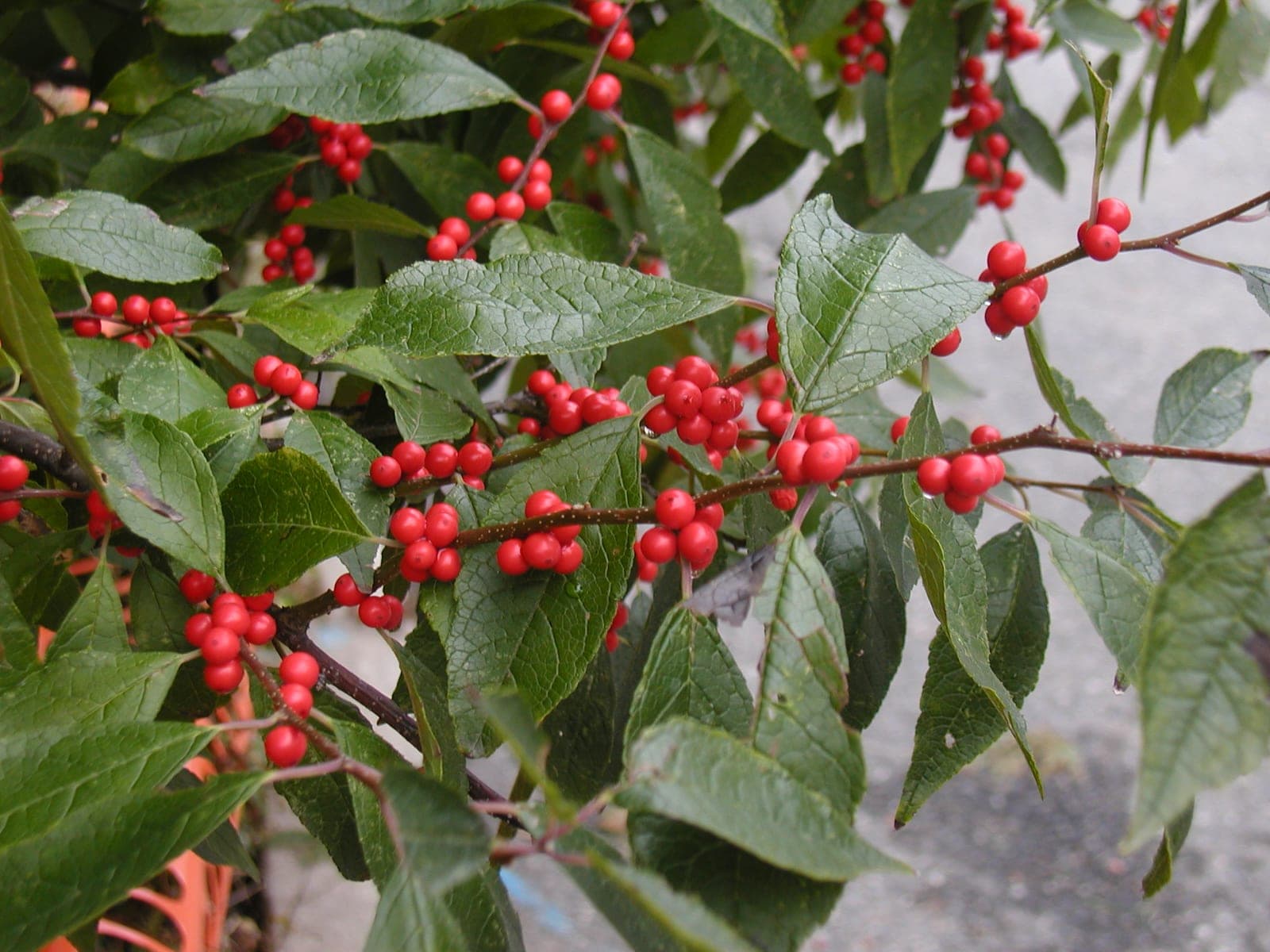
Winterberry holly
The same acid, moisture-loving profile as blueberry in a taller, structural shrub, with berries that hold red through winter — extends the bed's interest well past the blueberry harvest.
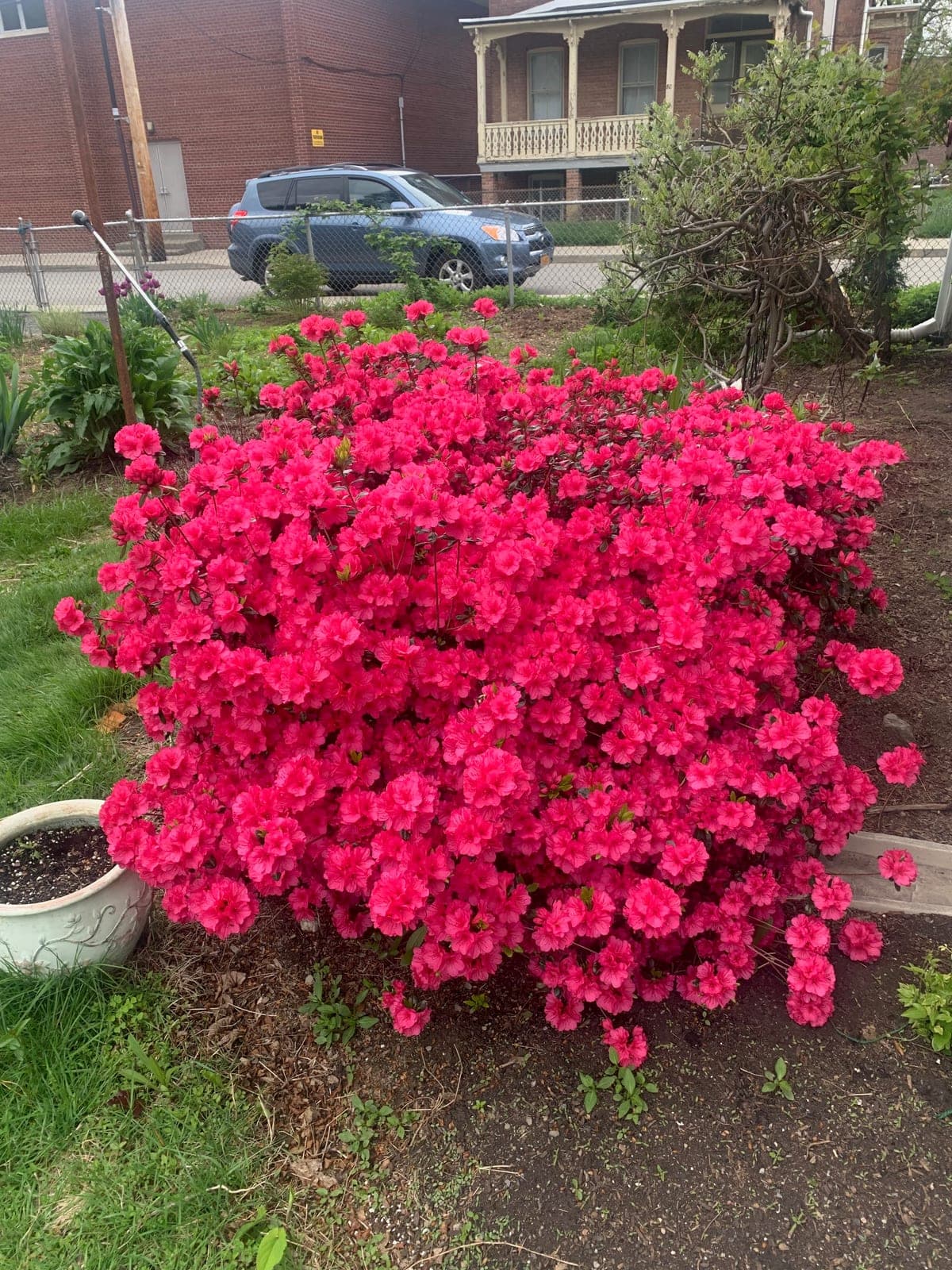
Azalea
A fellow member of the heath family with the same acid-soil, part-shade tolerance and shallow roots — plant them in the same amended bed and neither will ever need a different pH than the other.
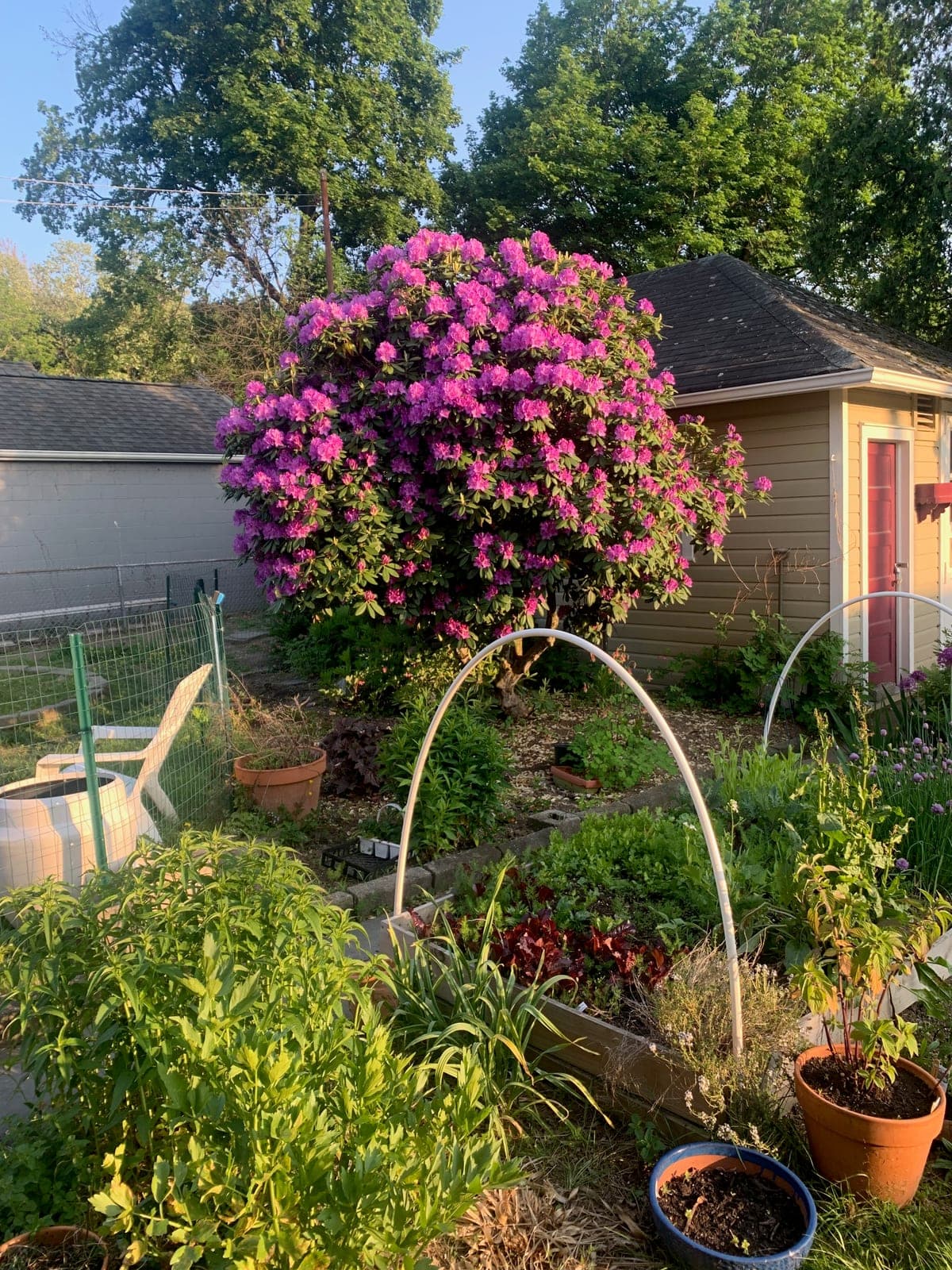
Rhododendron
The same Ericaceae family logic as azalea, at a larger scale — a good structural anchor for an acid bed, with blueberries filling in as the lower, fruiting layer beneath it.
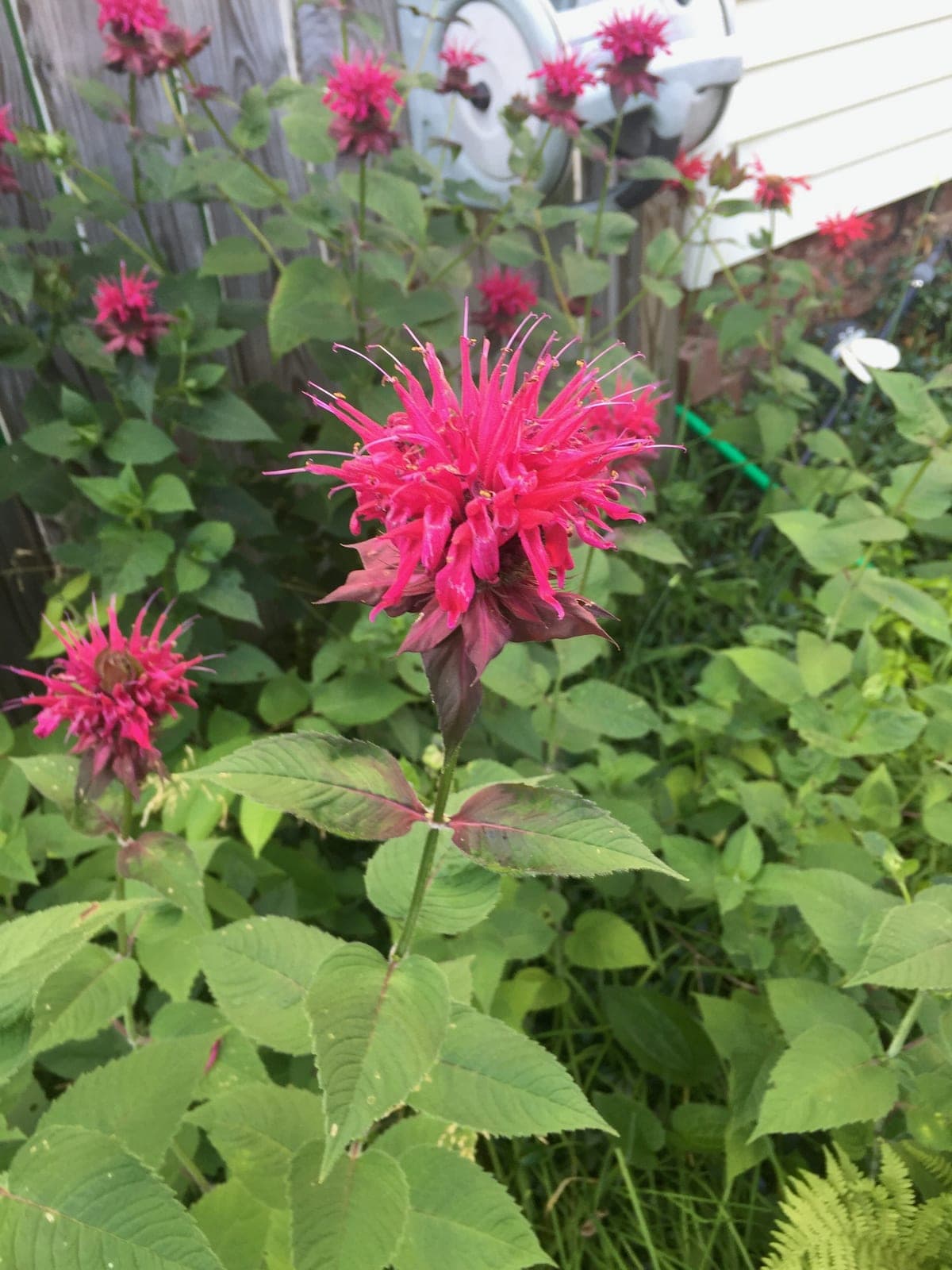
Bee balm
Tolerates the same moist, acid-leaning soil and pulls in the bees your blueberry flowers need to set fruit — plant it at the bed's edge where it won't shade the bush.
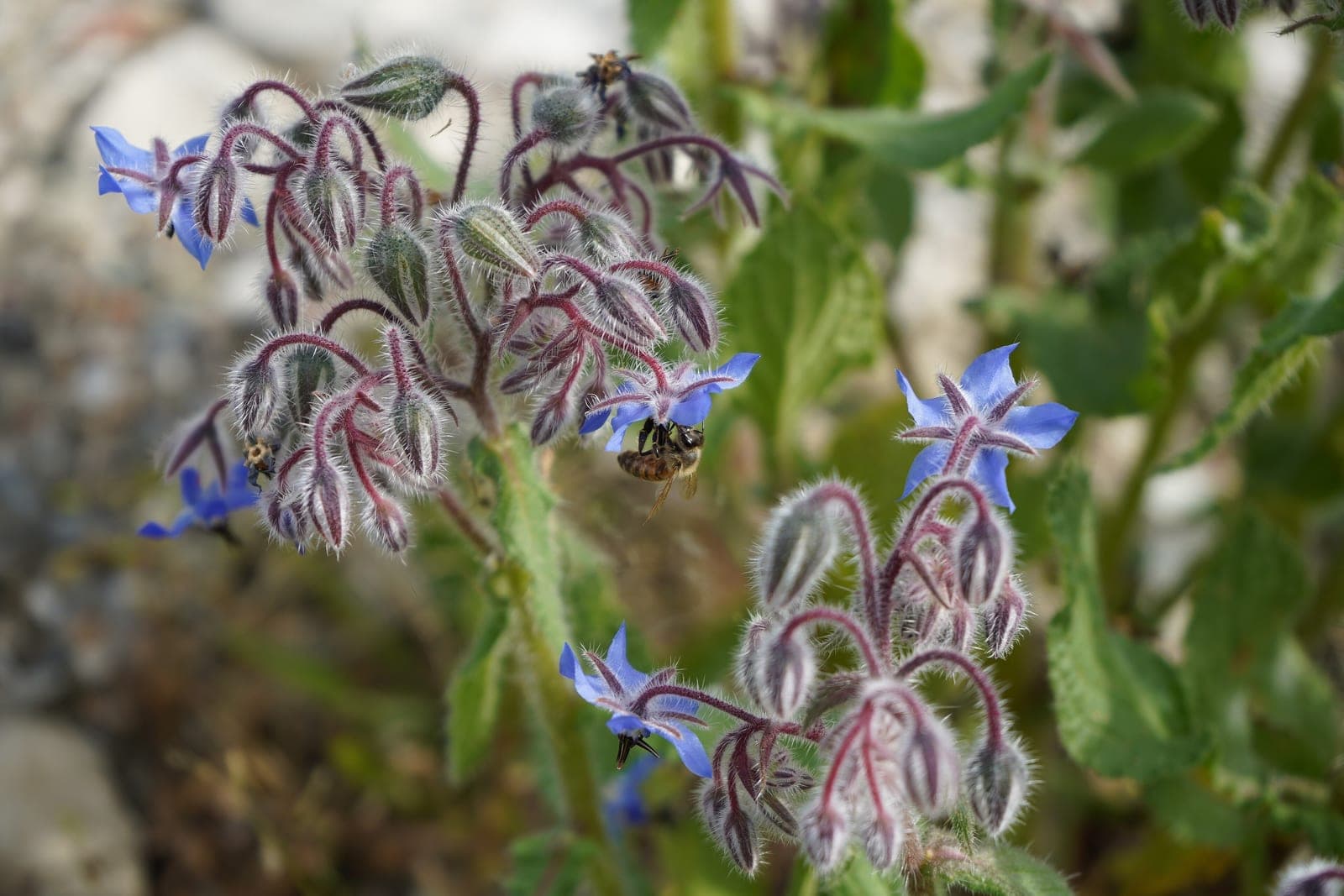
Borage
A favourite of ladybugs and the parasitic wasps that prey on blueberry pests, and it's said to add trace minerals to the soil around it as it grows.
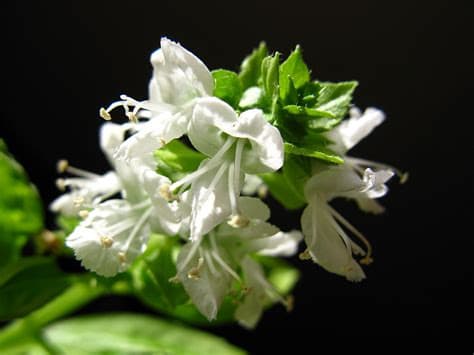
Basil
Repels the insect pests that go after ripening berries without competing for nutrients, and its low, bushy habit shades the soil at the base to help hold moisture.
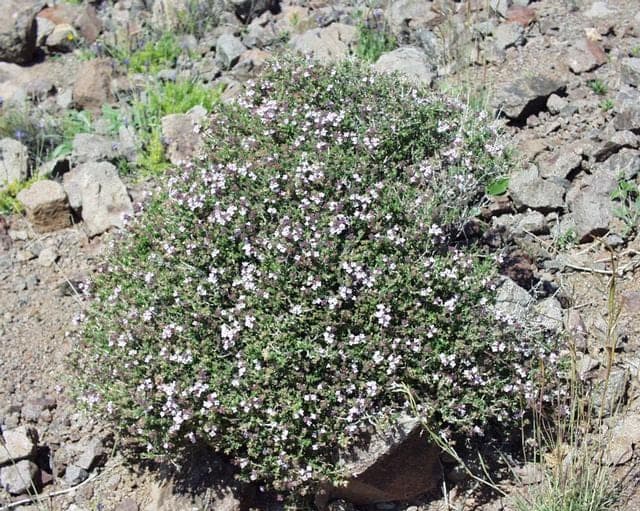
Thyme
Draws in the parasitic wasps that hunt garden pests, and a spreading planting doubles as living groundcover that holds moisture and crowds out weeds.
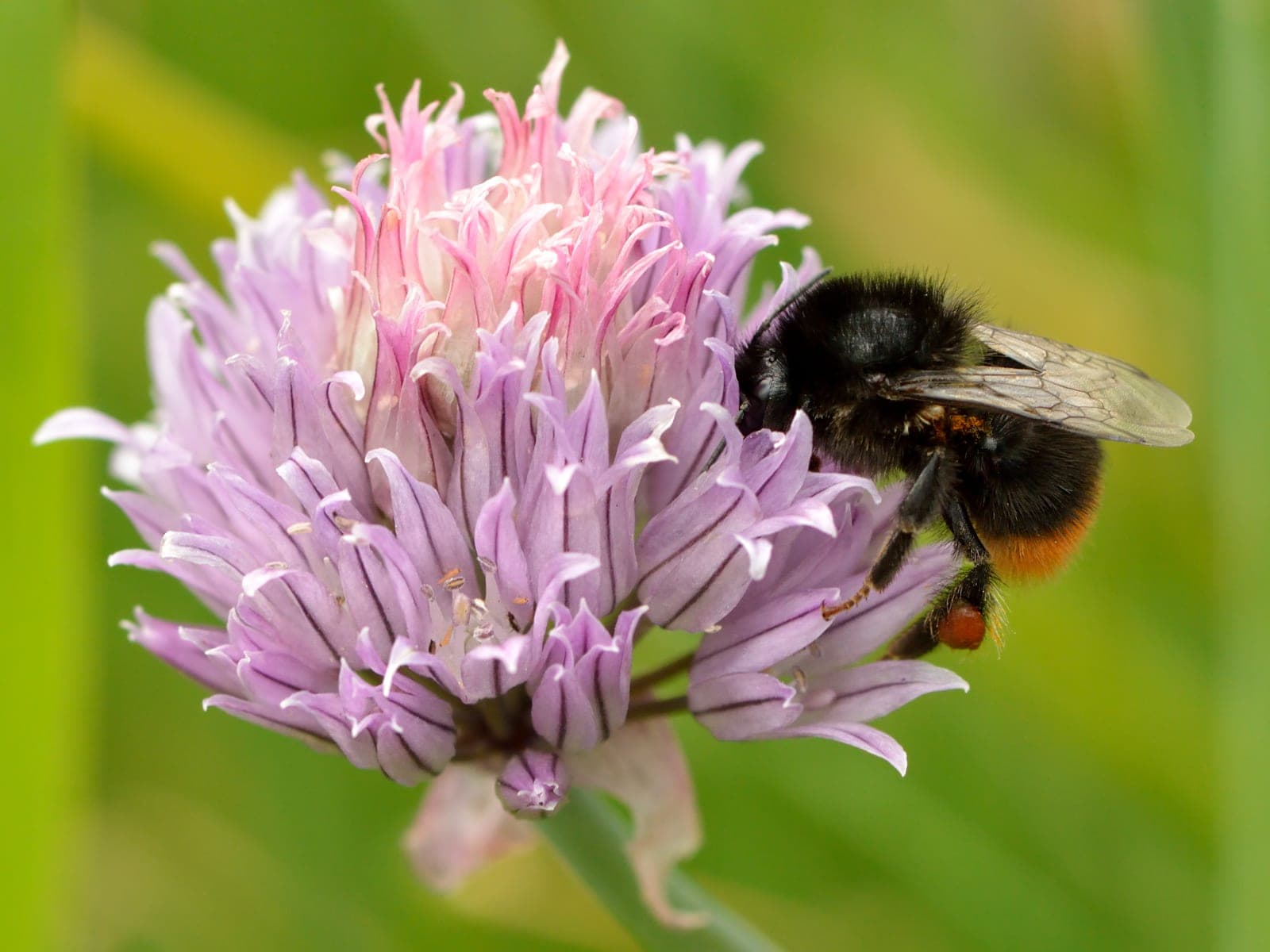
Chives
Its pungent, oniony scent is said to deter Japanese beetles, aphids, and even deer, and the purple flowers pull in the pollinators your berries need.
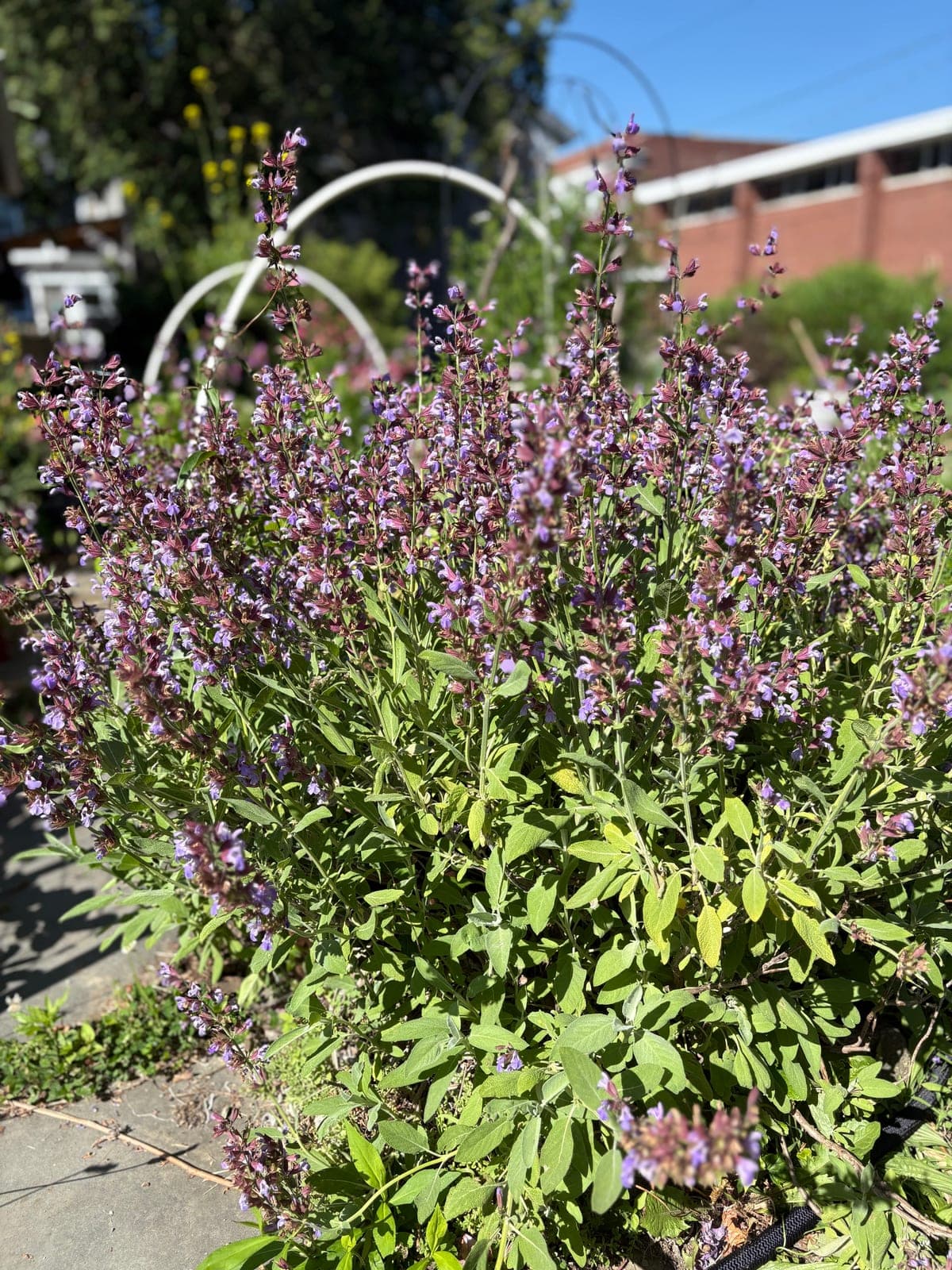
Common sage
Naturally leans toward neutral-to-alkaline soil, but tolerates blueberries' acid bed just fine — and its strong scent is said to confuse the flies, moths, and beetles hunting by smell.
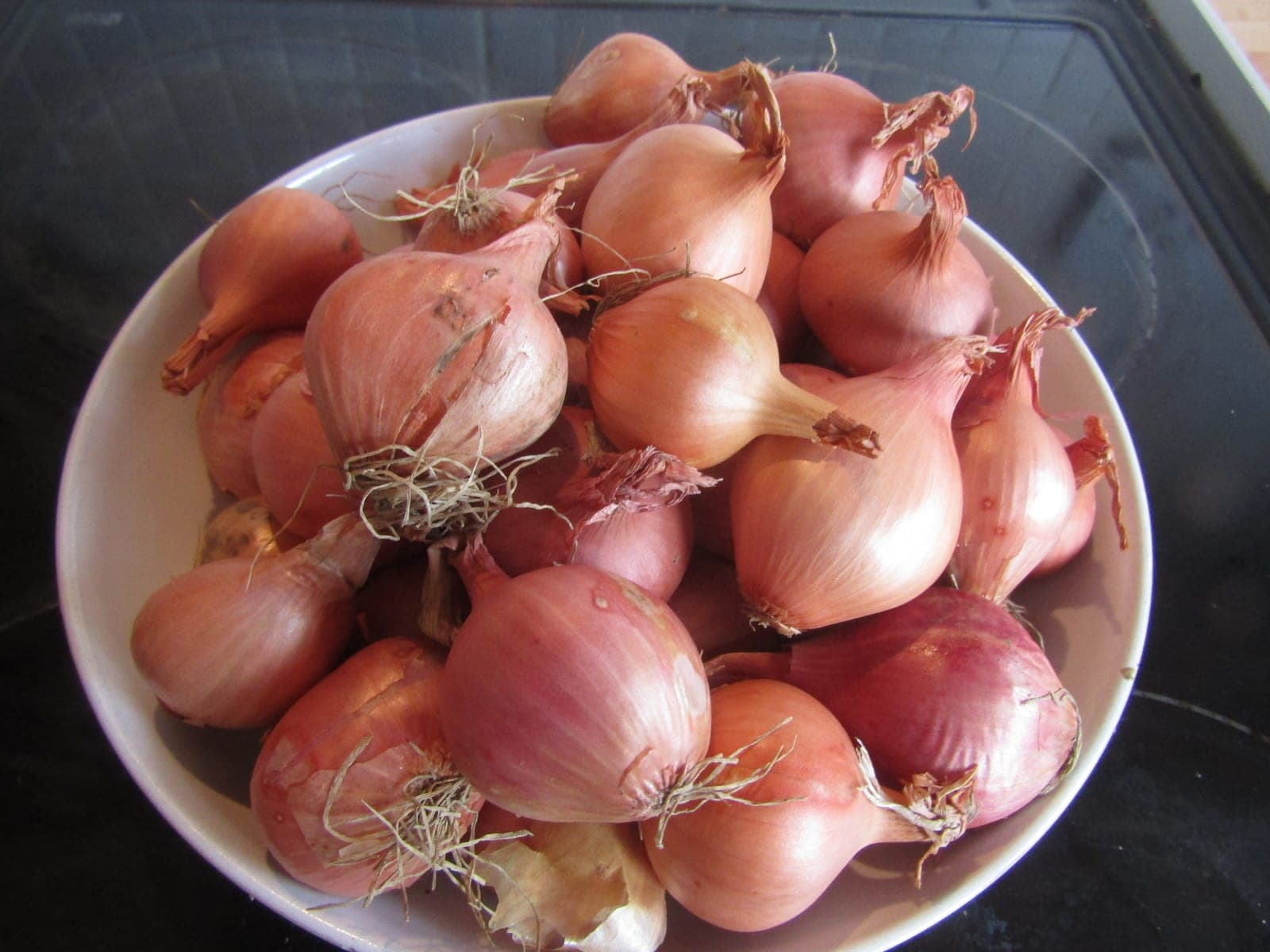
Onion
Its sharp, sulphurous scent is said to mask blueberries from the pests — Japanese beetles, aphids, even deer — that hunt them by smell, without competing much for root space.
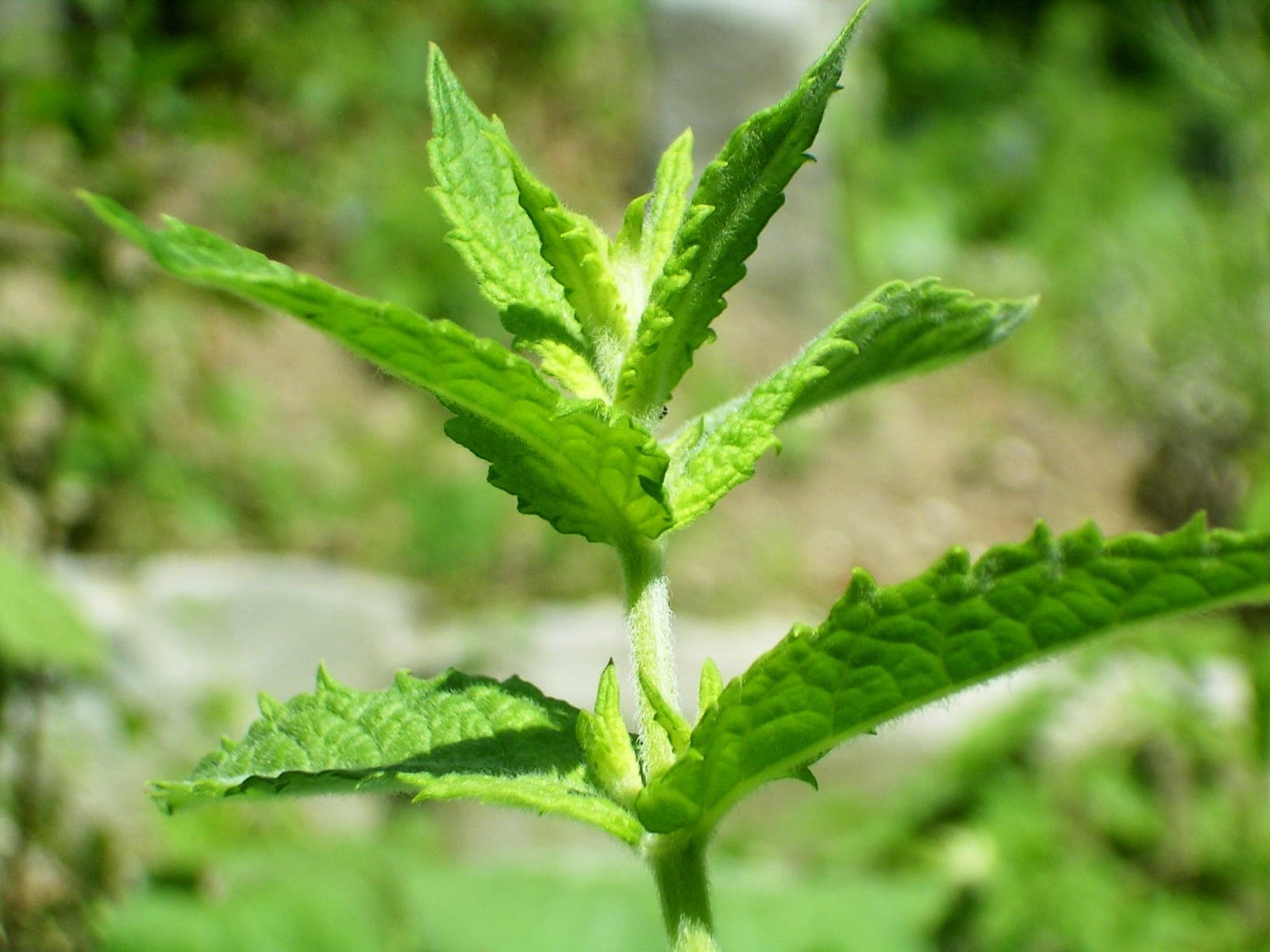
Mint
Its strong scent repels aphids and the blueberry maggot fly while drawing in bees — but mint spreads aggressively by runners, so grow it in a sunken pot rather than loose in the bed.
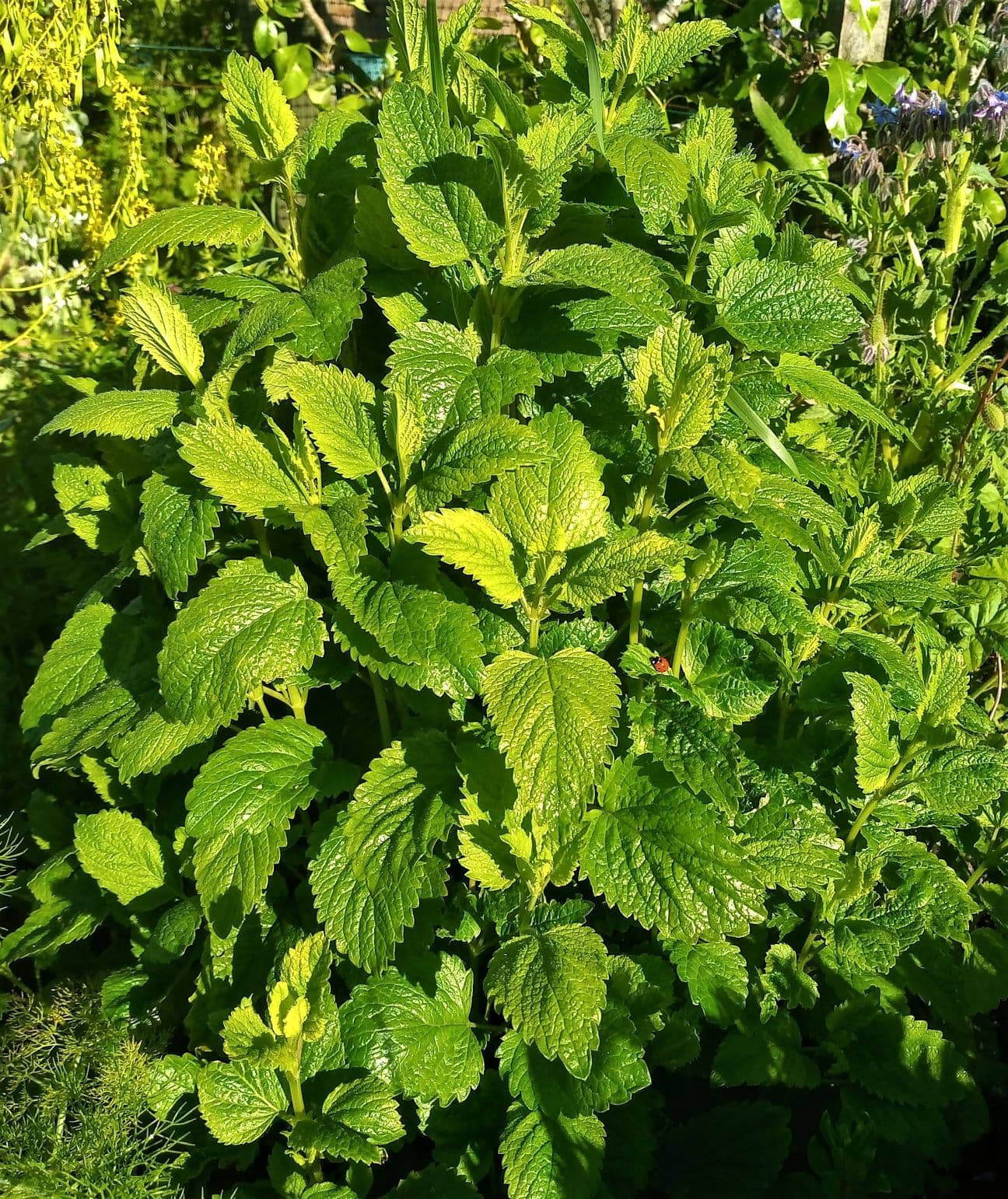
Lemon balm
A relative of mint with the same pest-repelling, pollinator-drawing scent — and the same aggressive spread, so give it a pot rather than open ground.
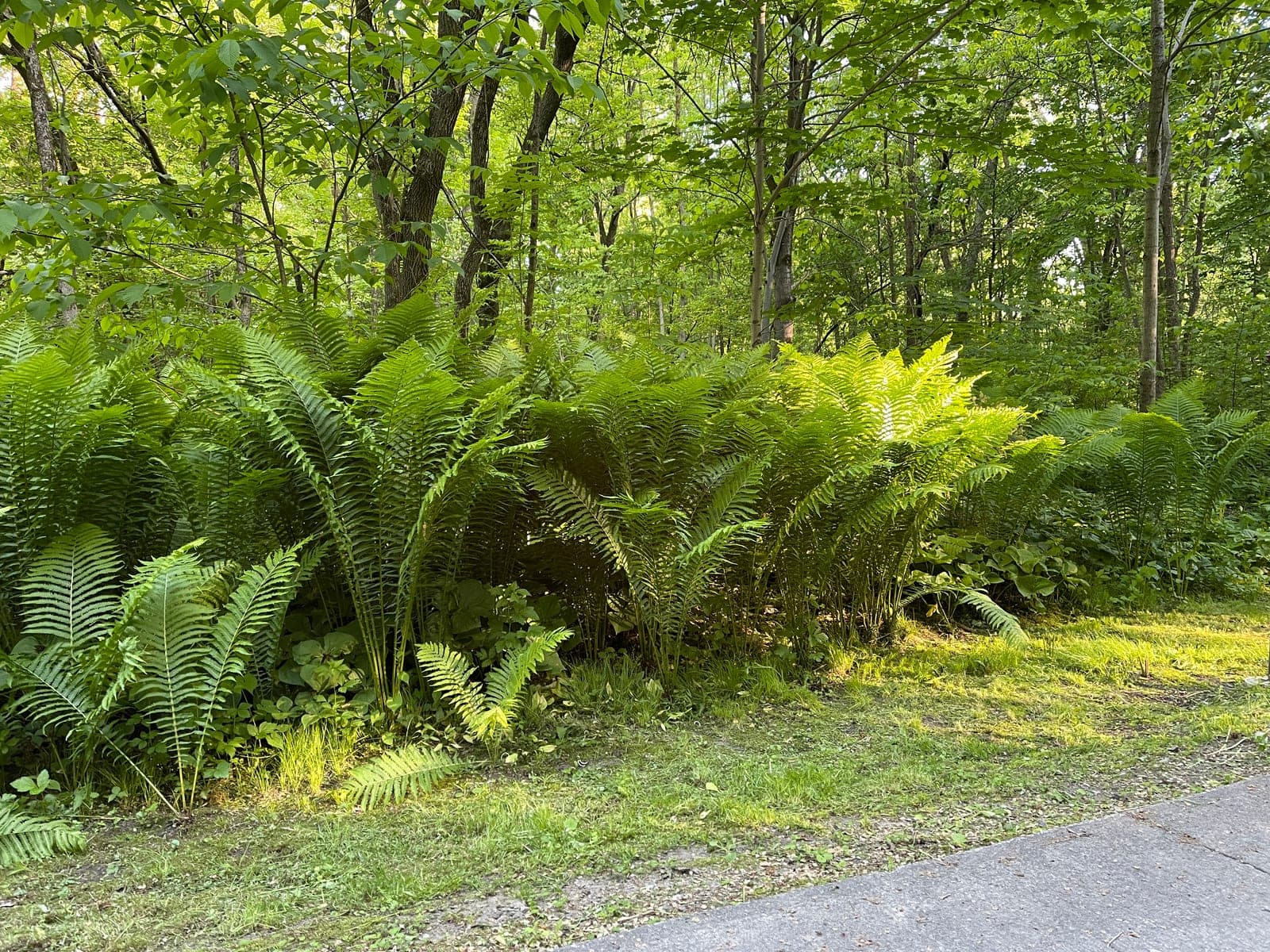
Ostrich fern
Tolerates the same moist, humus-rich soil and fills the shaded edge of the bed where sun-hungry blueberries themselves won't fruit well, without competing for the same light.
What to keep away
- Nightshades (tomato, pepper, eggplant) — they want full sun like blueberries do, but not acid soil, so one of the two never gets the pH it needs.
- Brassicas (broccoli, cabbage, kale) — heavy feeders with high water demands that compete hard against blueberries' fine, shallow roots.
- Ornamental grasses — their dense, fibrous root mats outcompete blueberries for both nutrients and water at the same shallow depth.
Get every blueberry step on time, for your exact zone.
The Garden Digest tier turns this guide into a weekly almanac built around your plant list and frost dates — telling you the week to acidify, feed, net, and pick, so you hit every step without watching the calendar.
Looking for something?
Let us know and we will add it to the list for your garden plan.