
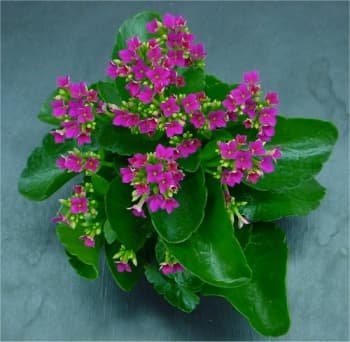
Kalanchoe prolifera is a large succulent from Madagascar in the Crassulaceae family. It can reach 5–6 feet tall with bold, pinnately compound leaves on a thick central stem and produces clusters of small tubular orange-red flowers in winter. The common name reflects its prolific production of vegetative plantlets along stems, each capable of rooting wherever it lands.
In frost-free gardens it works as a dramatic specimen or large container plant. It tolerates poor, dry soil and extended drought once established, needing very little supplemental water in humid tropical climates. Good drainage is non-negotiable; standing water at the root zone causes rapid decline.
K. prolifera is listed as invasive in Hawaii and parts of Australia, where shed plantlets establish readily in disturbed ground and coastal margins. Outside its native range, collecting and disposing of plantlets before they drop is an important part of responsible cultivation.
Root rot
Plants wilt, yellow, and stunt even in moist soil; lower stems and roots turn brown, soft, and mushy and the plant may collapse. Most common in heavy, wet, or poorly drained ground.
Improve drainage and stop overwatering, and never plant too deep. Lift and destroy badly affected plants along with the soil around the roots. Grow in raised or free-draining beds to prevent it returning.
Crown Rot
Lower leaves yellow and wilt; the base of the rosette turns brown and soft, sometimes with white fungal threads at the soil line. Plants collapse in wet conditions.
Remove and destroy affected plants. Improve drainage and avoid overhead watering. Do not mulch directly against the crown. Space plants for airflow and avoid replanting in the same wet spot.
Fungal leaf spot
Brown or purplish spots on the leaves, often ringed with a yellow halo, that spread and merge in warm, humid, or wet weather; heavily spotted leaves yellow and drop early.
Pick off spotted leaves and clear fallen debris to remove overwintering spores. Improve air circulation by thinning, and water at the base so foliage dries quickly. If it persists, apply a copper- or sulfur-based fungicide at the first sign.