
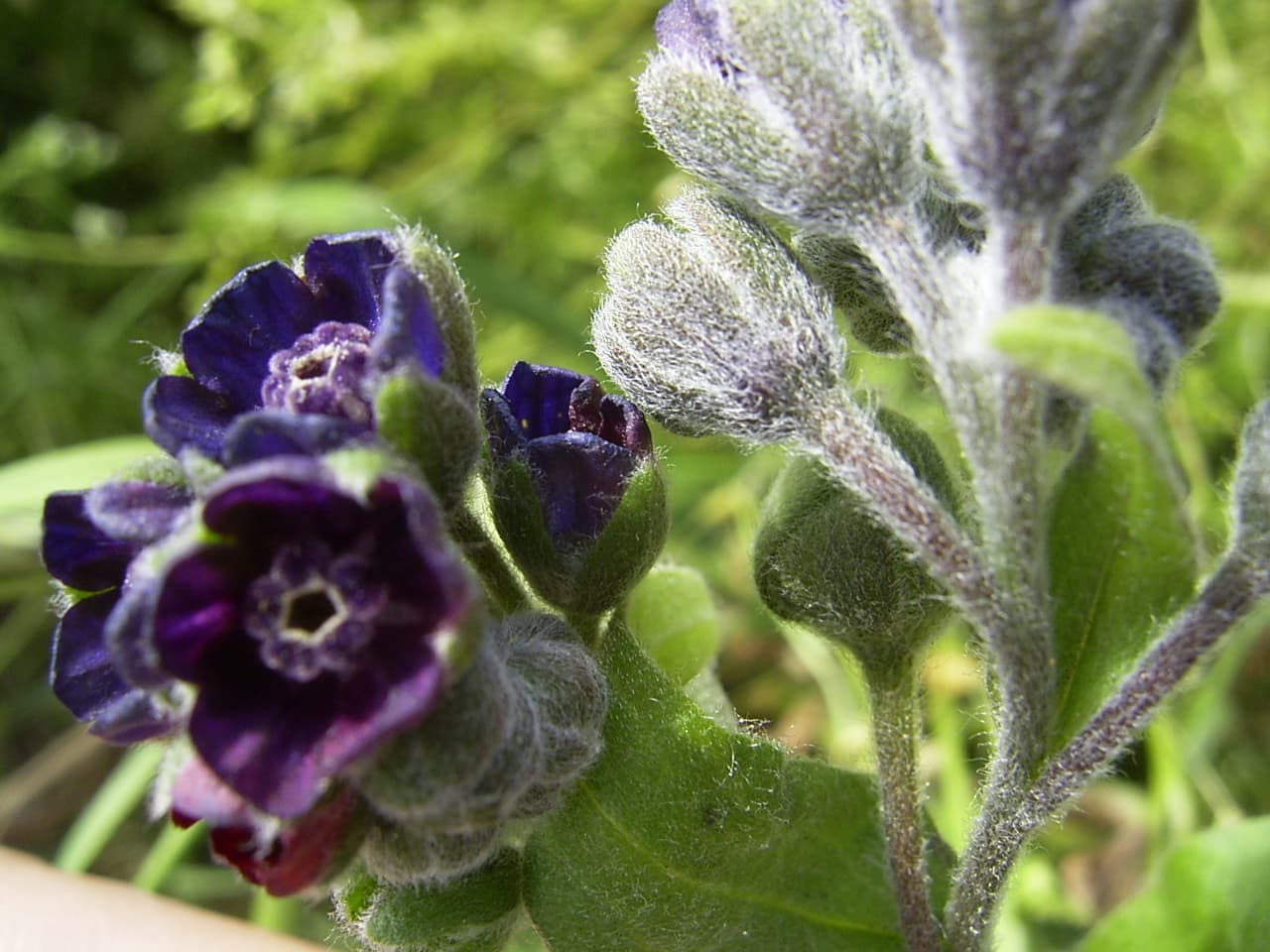
Cynoglossum amabile 'Mystery Rose' is a hardy annual in the borage family, native to China. It produces small, five-petaled rose-pink flowers on arching stems in late spring and early summer - a warm-toned departure from the species' more common sky-blue. It works well as a cottage border filler, cuts cleanly for arrangements, and self-sows freely enough to return without replanting.
Plants thrive in cool weather and decline as summer heat builds, making this most effective as a spring annual. Direct sow in fall in mild climates, or 4–6 weeks before last frost elsewhere. Seeds carry small hooked projections that catch on fur and fabric, aiding dispersal and contributing to prolific self-seeding. Moderately fertile, well-drained soil is preferred; overly rich soil shifts growth toward foliage. Aim for a soil pH of 6.0–7.0. Remove spent plants before seeds fully ripen if self-seeding needs managing.
Powdery mildew
White or grey powdery coating on leaves - usually starting on older growth in humid conditions or when nights cool.
Improve air circulation by thinning plants. Apply neem oil or potassium bicarbonate spray at first sign. Avoid overhead watering.
Botrytis (grey mould)
Grey fuzzy mould on petals and stems, worst in cool wet conditions.
Remove affected parts immediately. Improve air circulation. Avoid overhead watering. Apply copper fungicide if severe.
Damping Off
Seedlings collapse at the soil line with thin, water-soaked stems; seeds may fail to emerge or rot before sprouting.
Sow in well-draining mix, avoid overwatering, and ensure good airflow. Remove affected seedlings and let the surface dry between waterings.
Root rot
Plants wilt, yellow, and stunt even in moist soil; lower stems and roots turn brown, soft, and mushy and the plant may collapse. Most common in heavy, wet, or poorly drained ground.
Improve drainage and stop overwatering, and never plant too deep. Lift and destroy badly affected plants along with the soil around the roots. Grow in raised or free-draining beds to prevent it returning.