
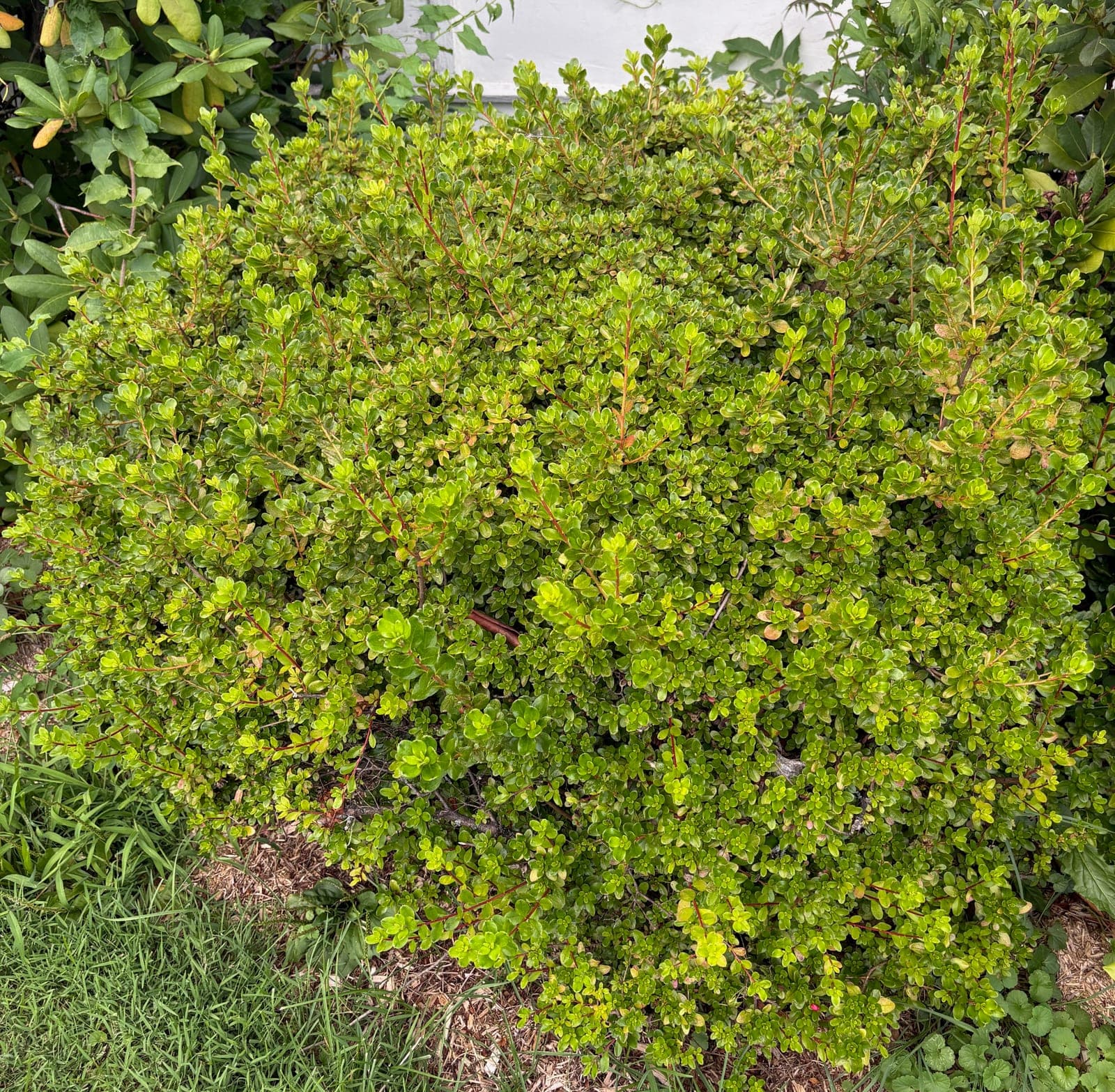
Boxwood 'Winter Gem'
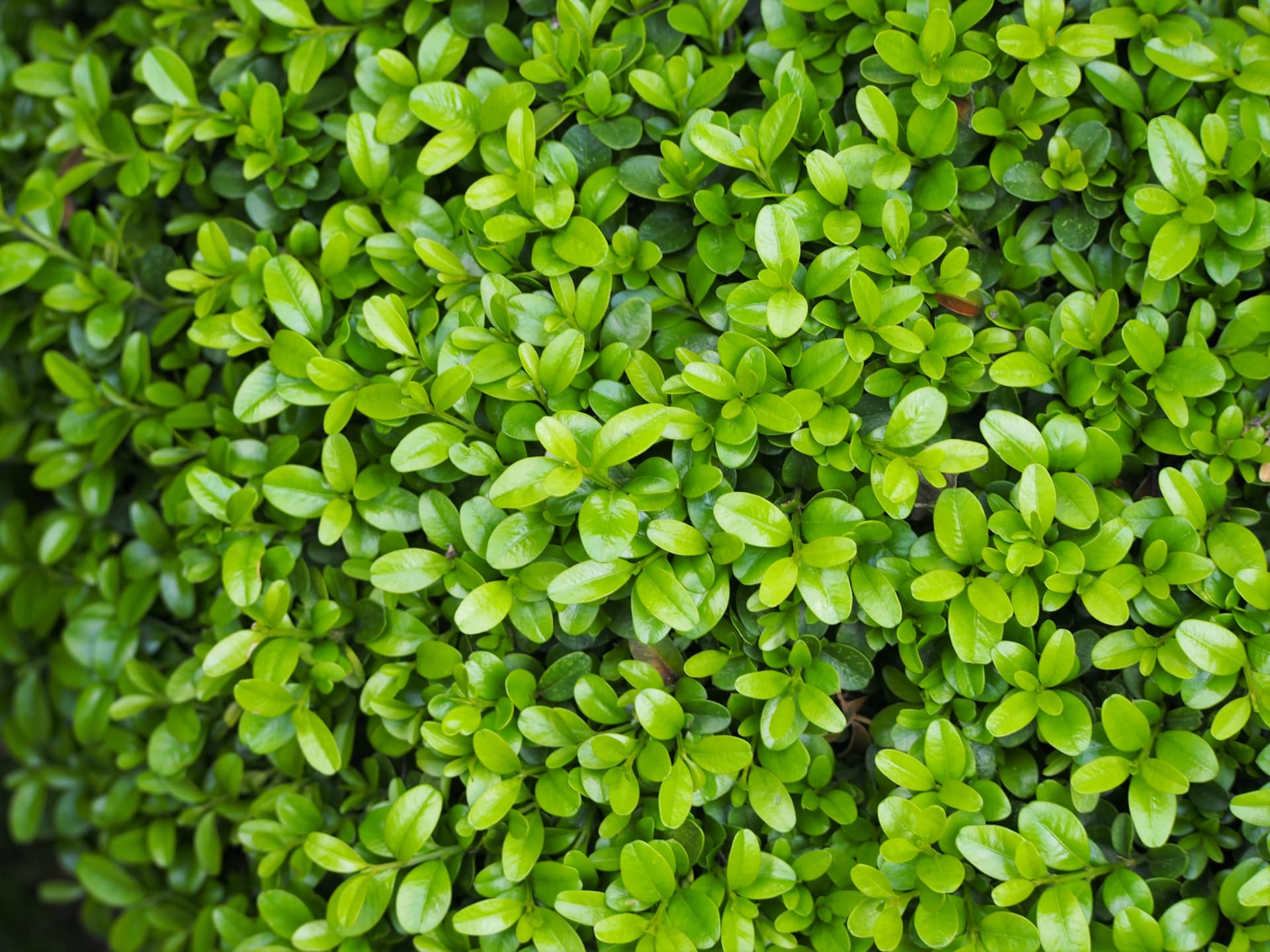 'Morris Midget' - an extra-dwarf, slow-growing selection with small, glossy leaves, staying under a foot tall for decades without shearing. Photo: Agnieszka Kwiecień, Nova, CC BY-SA 4.0.
Winter Gem is a compact Japanese boxwood cultivar selected specifically for cold hardiness, reliably holding dark green foliage through zone 4 winters with far less bronzing than standard Japanese boxwood. Its dense, naturally rounded habit makes it a consistent choice for formal hedges, low borders, foundation plantings, and container topiary across a wide climate range.
It is slow-growing, eventually reaching 4–5 feet in both height and spread without intervention, and tolerates hard shearing well. Plant in well-drained soil; roots are shallow and sensitive to both waterlogging and summer drought. A 2–3 inch mulch layer over the root zone retains moisture and moderates soil temperature-keep it pulled back from the stems to reduce fungal disease pressure. Prune after the first flush of new growth hardens in late spring and stop all cutting by mid-August to avoid stimulating soft growth that will not harden before frost.
Boxwood blight, caused by Calonectria pseudonaviculata, has spread broadly across North America and is the most serious threat to established plantings; it can defoliate a shrub within days during warm, wet weather. Strict sanitation-removing fallen leaves, disinfecting tools between plants, and avoiding overhead irrigation-is the primary line of defense. Volutella blight is a secondary opportunistic fungus that attacks stressed or winter-damaged wood and is managed by removing and destroying affected stems promptly.
Boxwood Blight
Circular dark spots with lighter centers appear on leaves, followed by rapid and widespread defoliation. Black, elongated lesions develop on green stems. In warm, humid weather, plants can be stripped of all foliage within days.
Remove and bag all affected plant material immediately; do not compost. Disinfect tools between cuts with 70% isopropyl alcohol. Apply preventive fungicide containing chlorothalonil or thiophanate-methyl at the start of warm, wet weather. Avoid overhead irrigation and working among wet plants to limit spore spread. Consider replacing severely affected specimens with resistant genera such as Ilex or Taxus.
Volutella Blight
Stems die back and turn tan or straw-colored. Salmon-pink spore masses form on dead stems during humid conditions. Affected leaves yellow, then turn brown and drop, often beginning with inner or lower foliage.
Prune all dead and dying stems back to healthy wood. Disinfect cutting tools between plants with 70% isopropyl alcohol. Thin dense growth to increase air circulation. Apply a copper-based fungicide after pruning. Remove all plant debris from the base and avoid overhead watering.
Phytophthora Root Rot
Wilting despite moist soil, yellowing leaves, stunted growth, and dark, decayed roots and crown tissue. Vines may collapse during hot weather.
Plant in well-draining soil and avoid waterlogging. Remove and destroy affected vines. Improve drainage with raised beds or amended soil and avoid overwatering.
Powdery mildew
White or grey powdery coating on leaves - usually starting on older growth in humid conditions or when nights cool.
Improve air circulation by thinning plants. Apply neem oil or potassium bicarbonate spray at first sign. Avoid overhead watering.
Fungal leaf spot
Brown or purplish spots on the leaves, often ringed with a yellow halo, that spread and merge in warm, humid, or wet weather; heavily spotted leaves yellow and drop early.
Pick off spotted leaves and clear fallen debris to remove overwintering spores. Improve air circulation by thinning, and water at the base so foliage dries quickly. If it persists, apply a copper- or sulfur-based fungicide at the first sign.