
 Batten Blooms
The Lavender Growing Guide
Lavender asks for almost nothing once it's happy — but getting it happy comes down to a short list of non-negotiables: sharp drainage, full sun, lean soil, and a prune that never cuts into old wood. Here is the whole lavender year, which species to plant for your zone, feeding and pest control, and what to grow alongside it. Every step is anchored to your own frost dates, so it works in any zone.
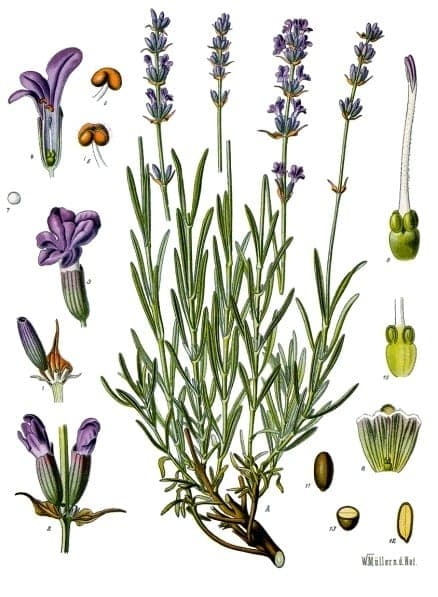
Plant, prune, and harvest, timed to your frost dates
The front of the year counts forward from your last spring frost; the end counts backward from your first fall frost. Add your ZIP to translate every step into your own months and see which one is open now.
Every step is timed to your frost dates, so the right week here is a different week elsewhere.
Plant into sharp drainage
2–6 weeks after last frost
Set out nursery plants or rooted cuttings once the soil has warmed and the last frost has passed. Choose the sunniest, best-drained spot in the garden — a raised bed, slope, or gravel mound if your native soil holds water. Lavender planted into wet ground rarely survives its first winter.
First light shear
around last frost (3 weeks before to 2 weeks after)
On established plants, shear off any winter-damaged tips and shape lightly just as new growth resumes — still cutting into green growth only, never into bare woody stems that won't regenerate.
Watch for root and crown rot
3–10 weeks after last frost
Spring rains are when lavender is most at risk. Check that water drains away from the crown within minutes of a hard rain, and keep mulch pulled back from the base — organic mulch against the stems holds moisture and invites rot.
Take softwood cuttings
2–10 weeks after last frost
Take 3–4 in non-flowering shoot tips and root them in gritty, well-drained propagation mix. This is the only reliable way to propagate the hybrids (lavandin) and named cultivars true to type — they don't come true from seed.
Harvest for drying
5–15 weeks after last frost
Cut stems when about a third of the florets on each spike have opened — this is the point of peak oil concentration. Cut in the morning after the dew has dried, gather into small bundles, and hang upside down somewhere dark, dry, and airy.
Shear after the main flush
12–16 weeks after last frost
Once flowering finishes, shear the whole plant back by about a third into green growth — never into old bare wood. This is the single most important habit for keeping lavender compact, dense, and productive for years instead of sprawling and going woody at the base.
Watch for lavender shab and grey mould
8–14 weeks before first frost
Humid late-summer weather is prime season for lavender shab (stems wilting and dying back from the tip) and botrytis grey mould. Scout weekly, and remove and destroy any affected stems immediately — cut well back into clean wood.
Stop pruning before frost
4–6 weeks before first frost
Make any last light tidy at least a month before your first frost. Pruning too close to frost pushes tender new growth that winter kills outright, and can weaken the whole plant.
Mulch marginal plants for winter
around first frost (1 weeks before to 3 weeks after)
In zones at the cold edge of a species' range, leave the season's growth in place (don't cut back) and mulch lightly around — not over — the crown after the ground begins to cool. The top growth itself is the best insulation the plant has.
Which lavender for your zone
Every lavender wants the same drainage and sun, but the species you choose is what decides whether it survives your winter. Start from your zone, then match the bloom shape you want.
Lavandula angustifolia
Zones 5a – 8b
The most cold-hardy true lavender and the one most people picture — narrow gray-green foliage and simple, unbracted flower spikes in early-to-midsummer. If you're not sure which to plant, plant this one first; it's the most forgiving of a genuinely cold winter.
Lavandula × intermedia
Zones 5a – 9b
A sterile hybrid of English lavender and spike lavender — bigger, later-blooming, and more heat- and humidity-tolerant than English lavender, with a longer stem that supplies most of the world's commercial lavender oil. This is what fills the famous Provence fields. Propagate by cuttings only; it sets no viable seed.
Lavandula stoechas
Zones 7a – 9b
Unmistakable — dense, pineapple-shaped flower heads topped with showy sterile bracts that flutter like rabbit ears or a butterfly's wings. Blooms earlier and over a longer stretch than English lavender, but needs a warmer winter; it isn't reliably hardy below zone 7.
Lavandula pedunculata
Zones 7b – 10b
Close kin to French lavender and often confused with it — the giveaway is the long, wiry stalk that lifts the bracted flower head well clear of the foliage. The most heat-loving of the four and the least cold-hardy; give it the warmest zone on this list or grow it in a pot you can move.
How to grow lavender, whatever the species
Lavender fails far more often from too much kindness — rich soil, frequent water, wet feet — than from neglect. These six rules cover nearly every question.
Drainage is the whole game
Nearly every lavender failure traces back to wet roots, not cold. Plant in a raised bed, on a slope, or in soil amended heavily with coarse sand or grit. If your soil holds water after rain, lavender will struggle no matter how sunny the spot.
Full sun, no exceptions
Lavender wants a minimum of 6 hours of direct sun, ideally 8 or more. In anything less it grows leggy, blooms sparsely, and becomes far more prone to fungal disease from the extra shade and moisture.
Lean and alkaline beats rich
Skip the compost and fertilizer — rich soil pushes soft, floppy growth at the expense of flowers and fragrance. Lavender is native to poor, rocky Mediterranean hillsides and performs best in average-to-lean soil at a neutral-to-alkaline pH.
Water deep, then leave it alone
Once established, lavender wants infrequent, deep watering rather than little and often. Let the top few inches of soil dry out completely between waterings — established plants in the ground often need no supplemental water at all outside of drought.
Never cut into old wood
Every prune, spring or summer, should stop in green, leafy growth. Cut into the bare brown wood below and that stem will not resprout — over-hard pruning is how a lavender plant goes permanently lopsided or dies outright at the crown.
Match the species to your winter
The single biggest planting decision is picking the right species for your zone — see the species section above. A French or butterfly lavender planted a zone too cold will not survive its first hard winter, however perfect the drainage.
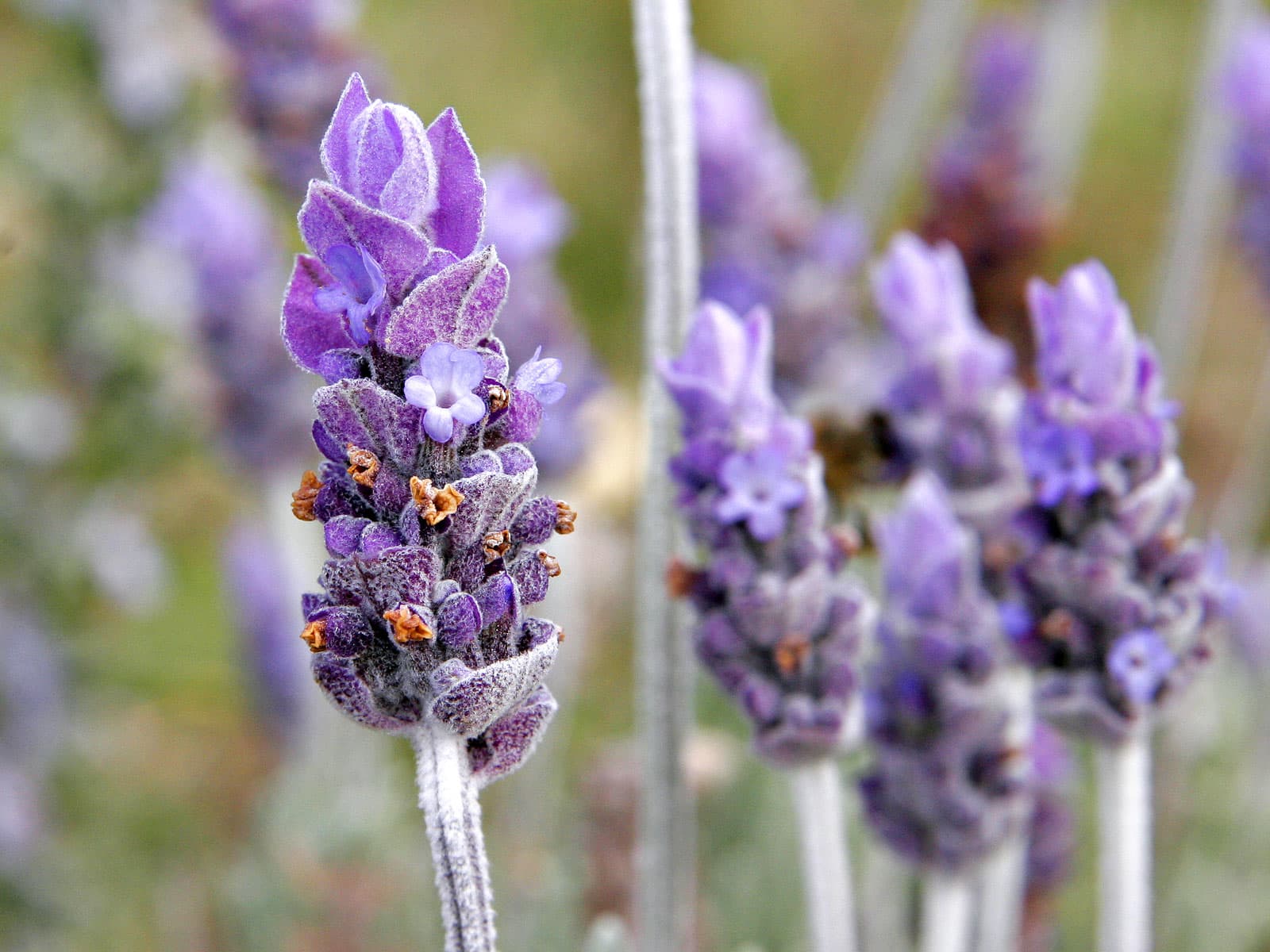
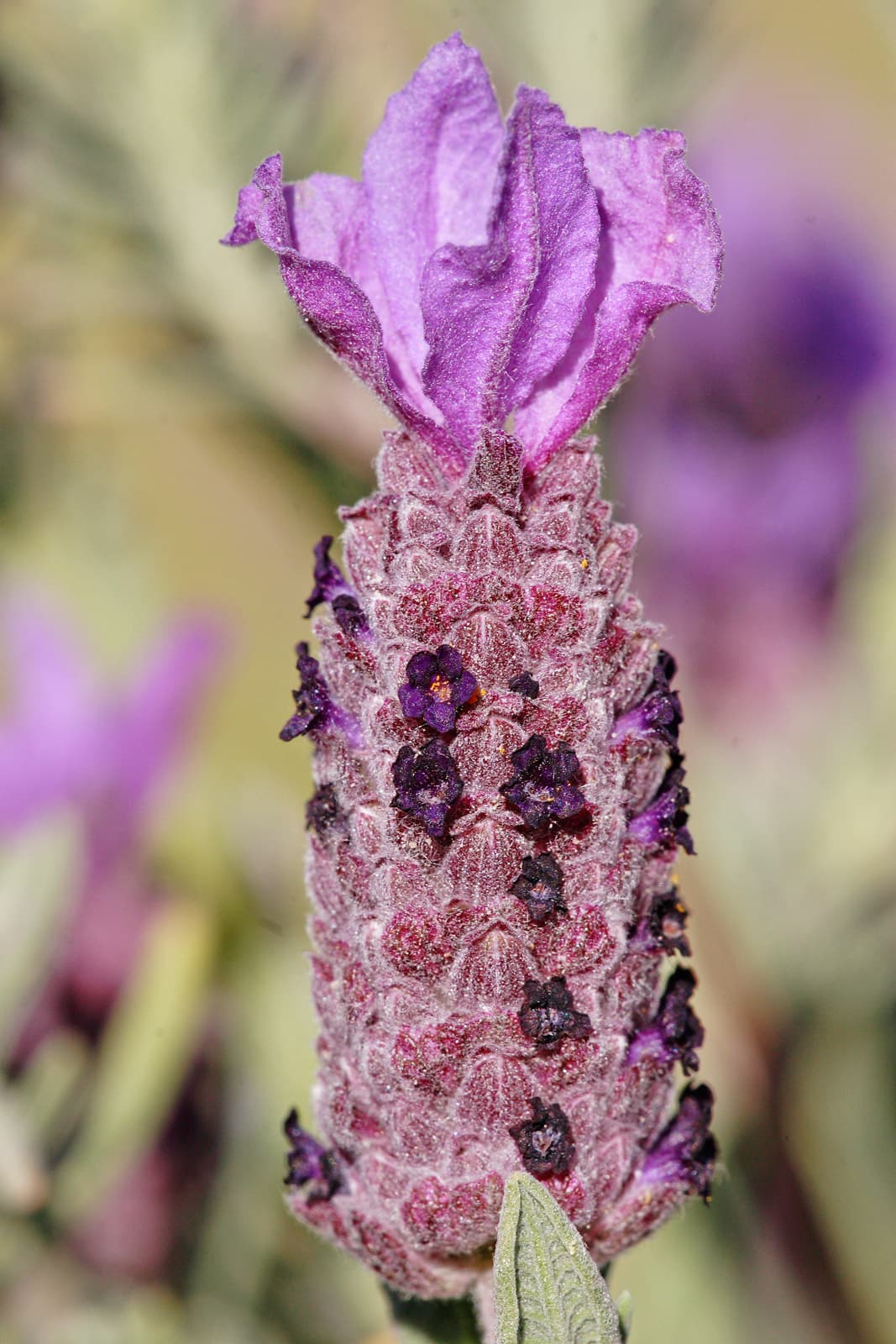
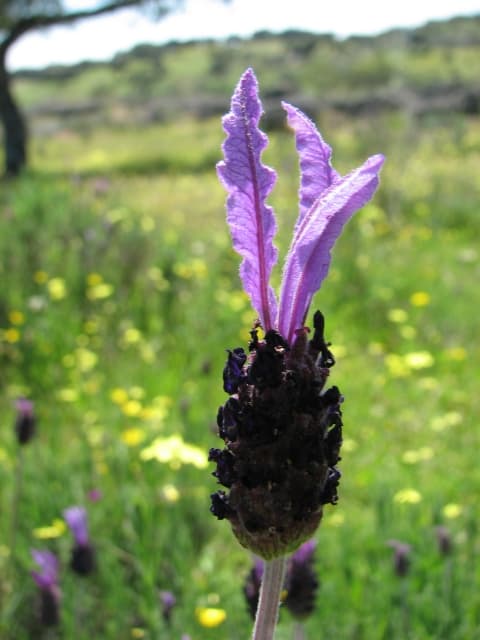
French lavender (left) and butterfly lavender (right) — the two bracted, warm-climate species, easy to tell apart once you know the tell: butterfly lavender lifts its flower head on a long, wiry stalk well clear of the foliage.
Pest and disease control
Lavender is remarkably trouble-free in the right spot — nearly every problem here traces back to too much moisture. For the full picture on any of these, see the garden insect field guide.
Root and crown rot (Phytophthora)
The tell
Sudden wilting and browning of whole stems or the entire plant, often after a wet spell, with a blackened, mushy crown at soil level.
What to do
There's no cure once it's set in — remove and discard the plant and avoid replanting lavender in the same spot. Prevent it by never planting in heavy, poorly drained soil and keeping mulch off the crown.
Lavender shab
The tell
Individual stems wilt and die back from the tip while the rest of the plant looks fine; cut the dead stem open and you'll often find dark staining inside.
What to do
Prune out and destroy affected stems well back into clean wood, disinfecting shears between cuts. Improve airflow around the plant and avoid overhead watering, which spreads the spores.
Botrytis (grey mould)
The tell
Fuzzy grey mould on stems and flower spikes during humid, still weather, especially on crowded plantings.
What to do
Remove and destroy affected material, space plants for airflow, and water at the base only. Thin out crowded neighboring plants if mould recurs each year.
Spittlebugs
The tell
Blobs of white foam ("cuckoo spit") on stems in late spring, hiding a small nymph feeding on sap beneath.
What to do
Mostly cosmetic and rarely worth treating — a strong blast of water dislodges them if the look bothers you. Healthy plants shrug off the damage.
Leafhoppers
The tell
Small, wedge-shaped, quick-moving insects on the foliage; a heavy infestation can vector the bacterium behind lavender's Xylella-related decline in some regions.
What to do
Encourage the lacewings and predatory insects that keep populations in check, and remove nearby weedy hosts. Report suspected Xylella symptoms (widespread scorch-like dieback) to local extension services rather than treating on your own.
What to plant alongside it
The best lavender companions share its exact preferences — full sun, lean soil, low water — so nothing in the bed gets accidentally overwatered chasing a thirstier neighbor.
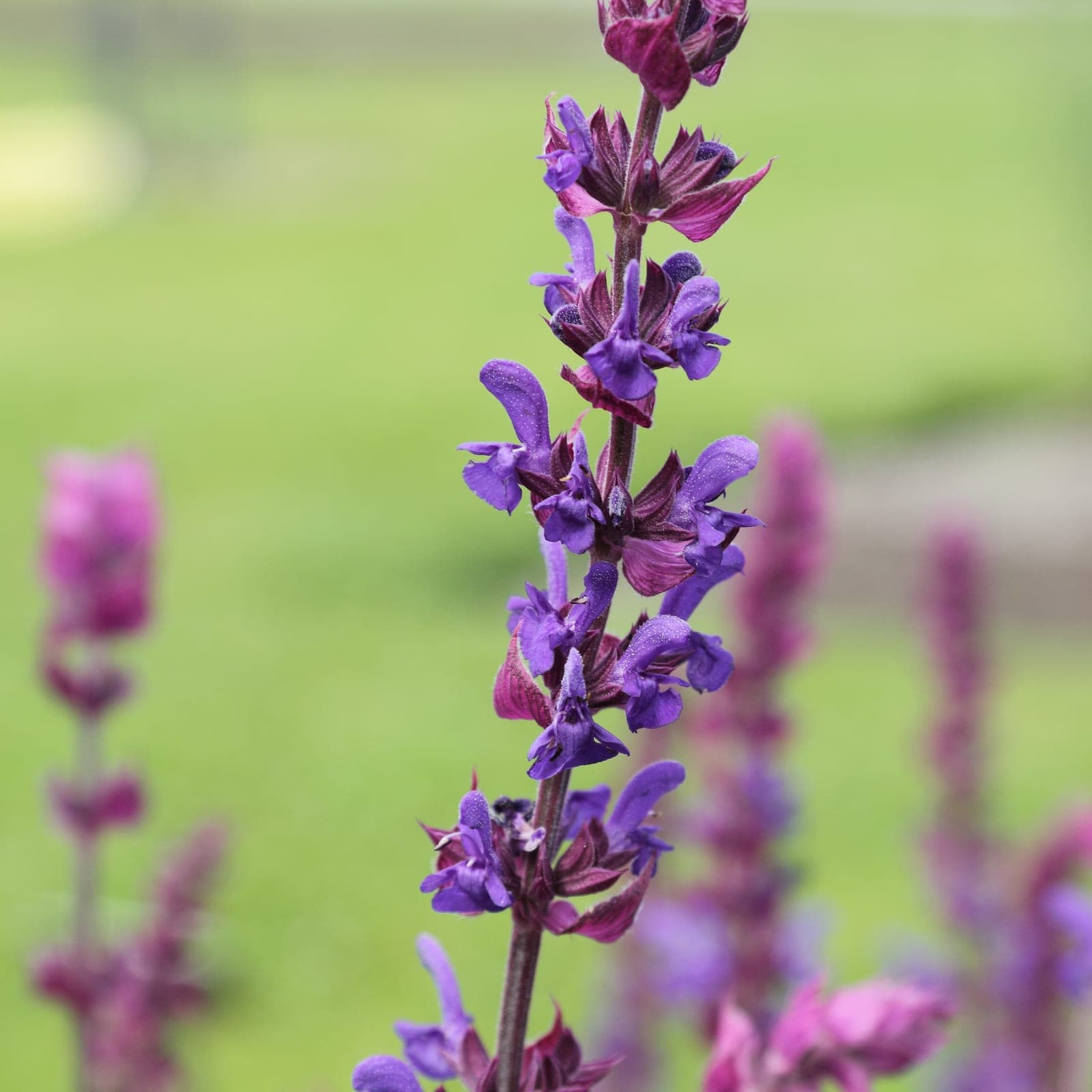
Salvia
Not a lavender at all — a different genus entirely in the mint family — but the classic dry-garden partner. Same sun, same lean soil, same low water once established, and its upright spikes echo lavender's form while extending bloom later into the season.
Rosemary & thyme
Fellow Mediterranean herbs with identical drainage and sun requirements — plant them in the same lean, gravelly bed and none will ever be overwatered by mistake.
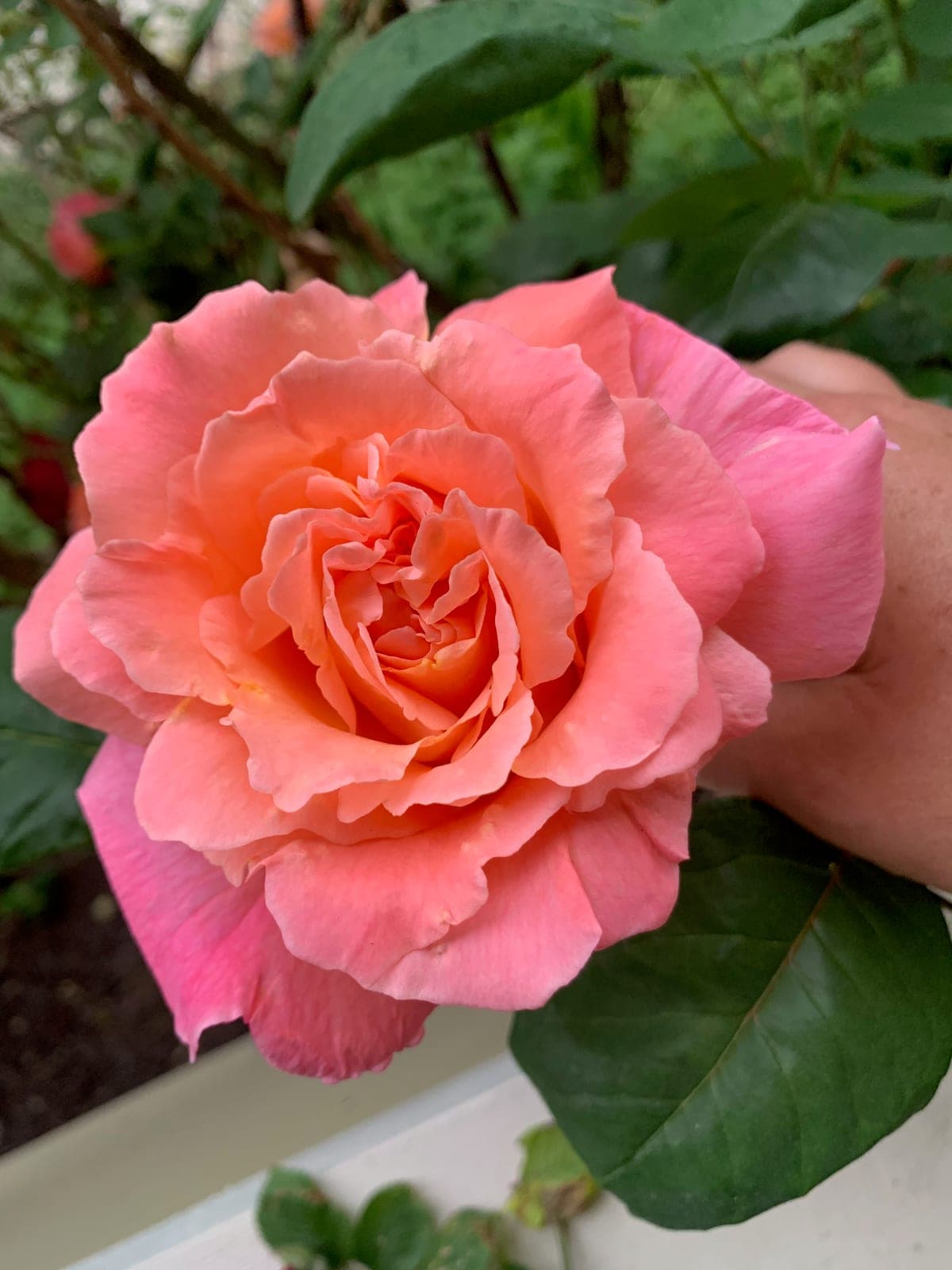
Roses
A classic cottage-garden pairing: lavender's low, silvery mound softens a rose's bare lower stems and its scent is said to help confuse pest insects hunting by smell.
Catmint (Nepeta)
Another silver-leaved, drought-tolerant bloomer that shares lavender's soil and light needs, and fills the gap when lavender is sheared back hard after its flush.
Yarrow & coneflower
Both tolerate the same lean, dry conditions and extend pollinator interest through late summer once lavender's main flush is over.
What to keep away
- Mint — spreads aggressively and wants far more water than lavender can tolerate at the root.
- Hostas, ferns, and other shade/moisture lovers — any plant that wants regular watering will force you to overwater the lavender alongside it.
- Heavy feeders like squash or leafy greens — their fertilizer and irrigation needs run opposite to lavender's lean, dry preference.
Get every lavender step on time, for your exact zone.
The Garden Digest tier turns this guide into a weekly almanac built around your plant list and frost dates — telling you the week to plant, shear, harvest, and protect, so you hit every step without watching the calendar.
Looking for something?
Let us know and we will add it to the list for your garden plan.