
 Batten Blooms
The Hydrangea Growing Guide
A hydrangea with no flowers usually isn't sick - it was pruned at the wrong time. Just like clematis, everything comes down to which wood it blooms on: old wood set the summer before, or new wood grown fresh each year. Here is how to tell your type apart and prune it on time, wherever you garden.
Old wood vs new wood
A hydrangea either flowers on stems it grew last year (old wood) or on growth it makes fresh this season (new wood) - or, for reblooming cultivars, both. That single fact decides everything about when you can safely cut it.
Timing is everything
Right cut, wrong week and you still lose the flowers. Each group has its own window - relative to your frost dates, not the calendar - so the correct week in a cold zone differs from a mild one.
When in doubt, wait
Not sure which type you have? Skip pruning for a year and watch when it flowers: early on old, thick stems points to old wood; later on this year's fresh green growth points to new wood.
Find your type, prune by your frost dates
Each pruning window below is anchored to your frost dates, not a fixed date - so it works wherever you garden. Add your ZIP to translate the windows into your own months and see which one is open now.
Every window is timed to your frost dates, so the right week here is a different week elsewhere.
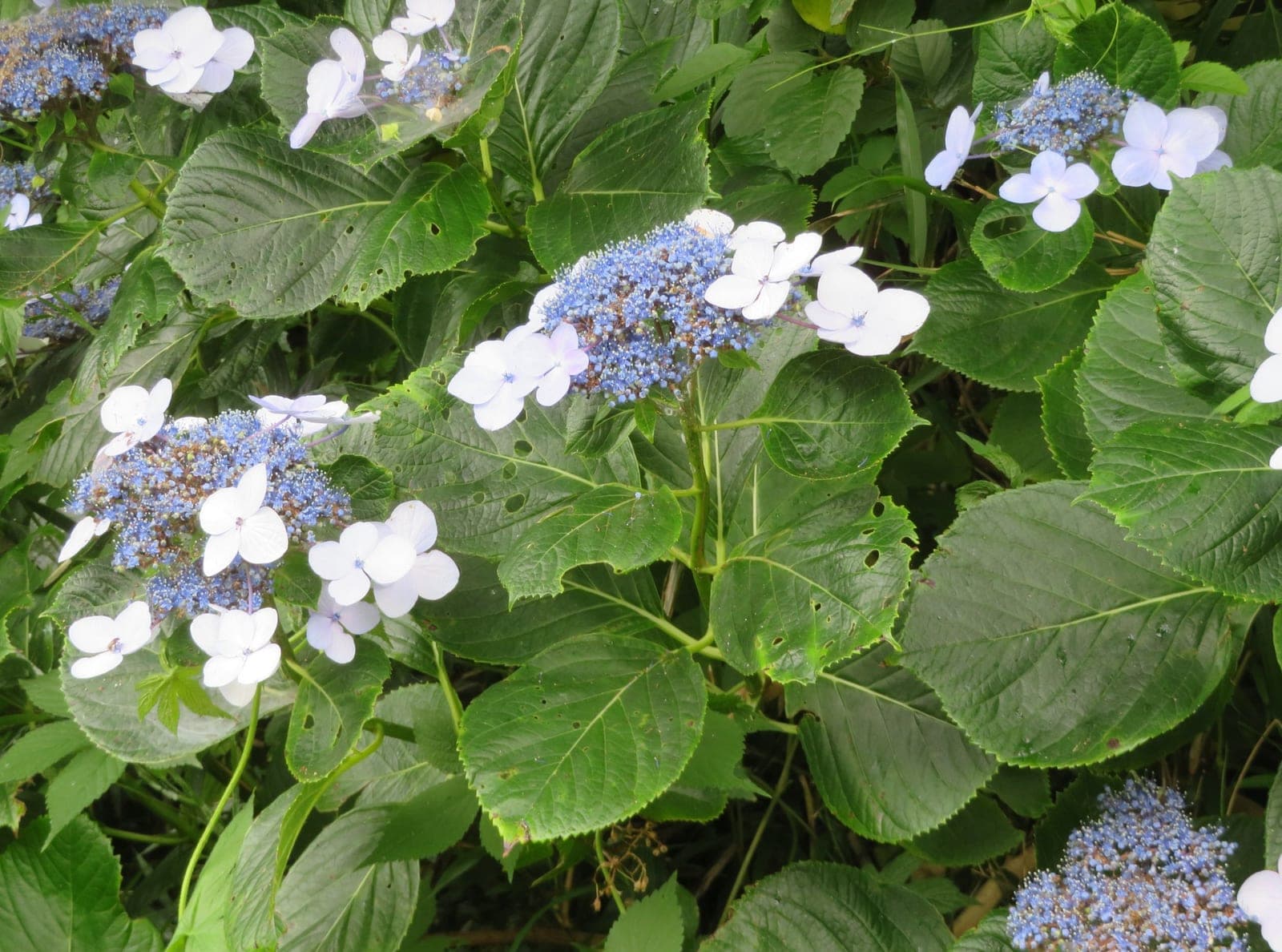
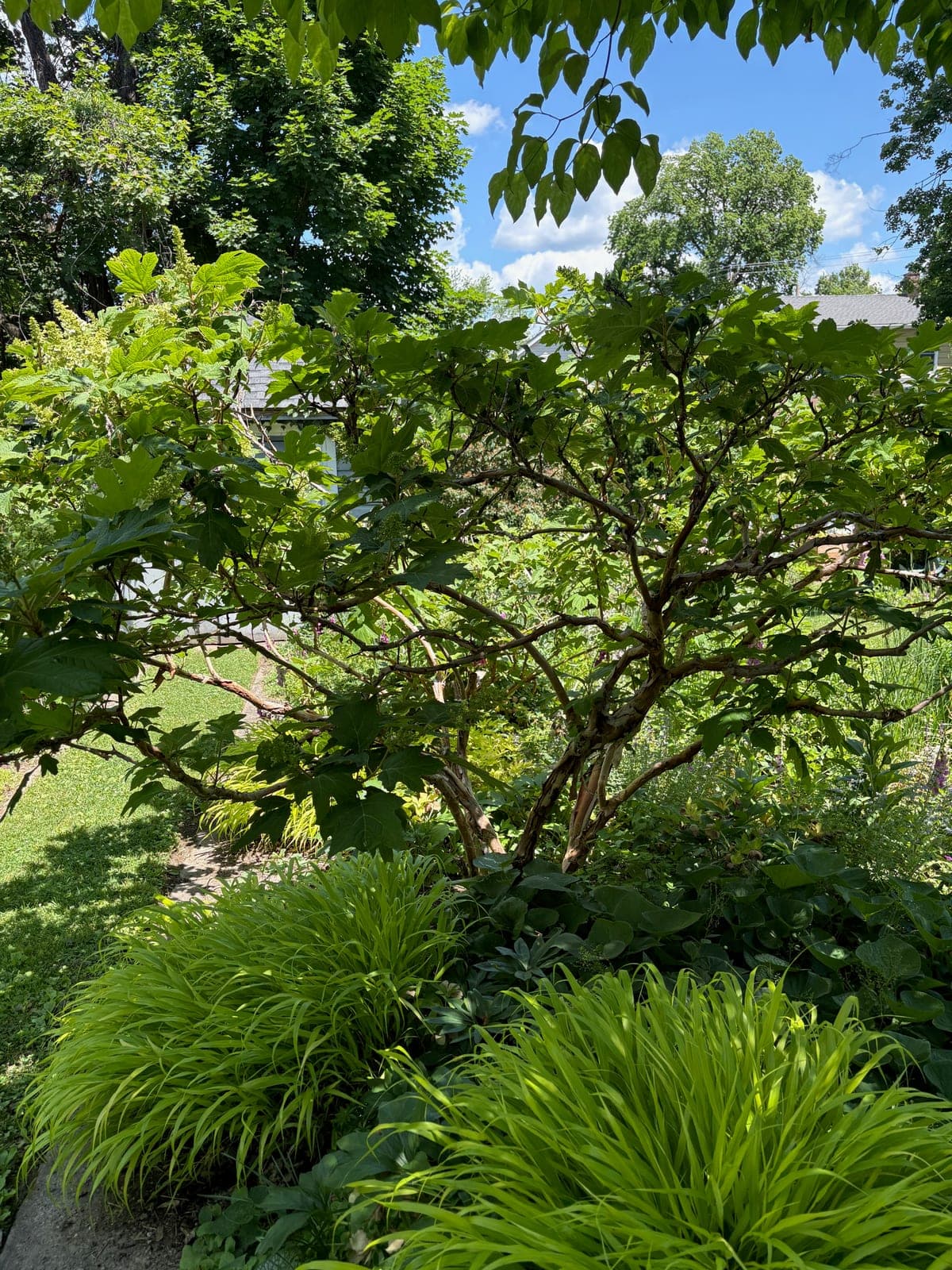
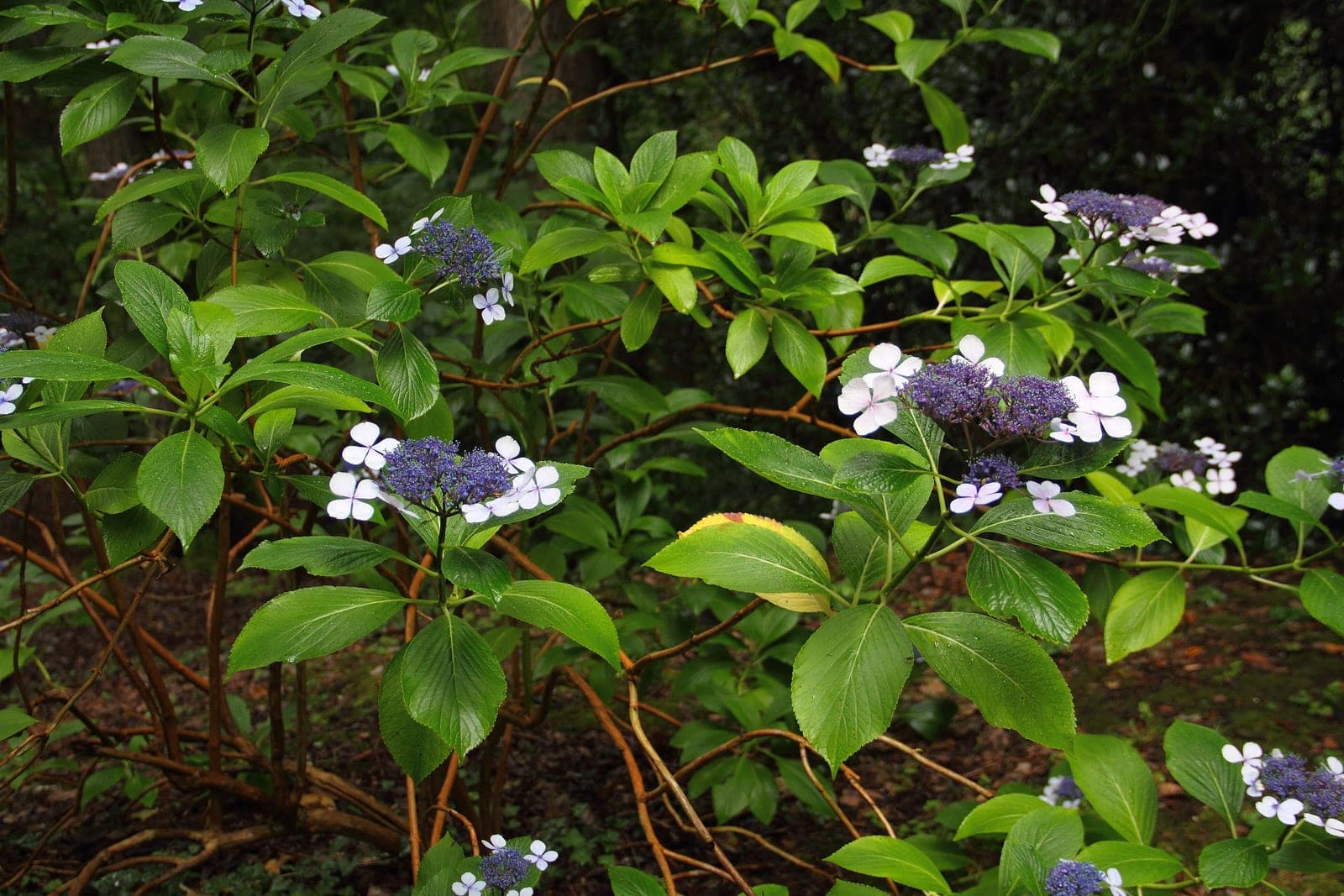
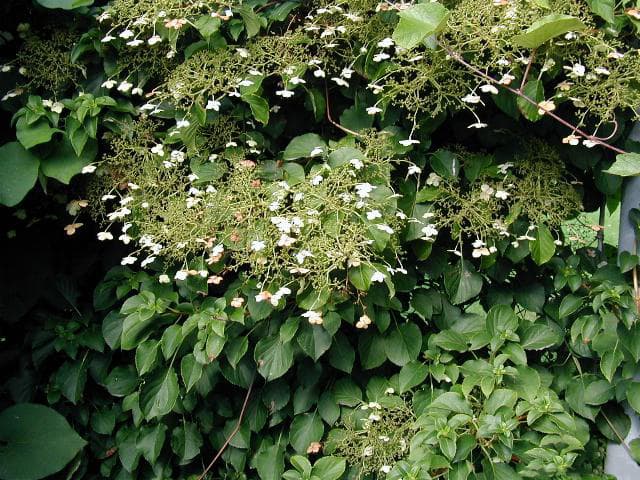
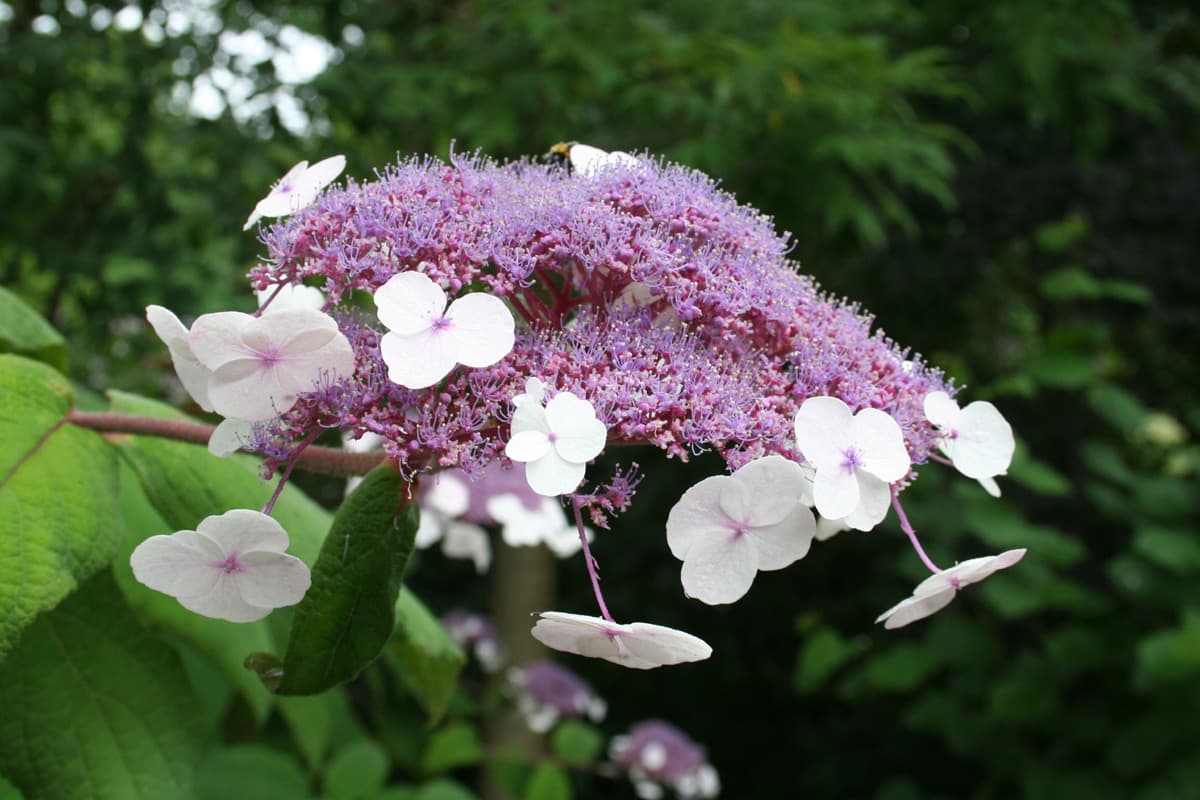
Old wood - mophead, lacecap, oakleaf, climbing
The types that set next year's flowers before summer ends.
Flowers on
Old wood - buds set the previous summer on stems that overwinter intact.
Blooms
Early to midsummer, from buds that have been waiting since last year.
Bigleaf and mountain hydrangeas (the classic mophead and lacecap types), oakleaf, and the self-clinging climbing hydrangea all set their flower buds in late summer, low down on that year's stems. Those buds ride out fall and winter on the plant itself. Anything that removes them - a hard fall cleanup, a late-winter prune, or a hard frost on unprotected wood - takes next summer's flowers with it.
The rule: Prune only right after flowering finishes, and only if needed - never in fall, winter, or spring.
When to prune
Only window - right after bloom
12–16 weeks before first frost
As soon as the flush fades, remove spent flower heads and any dead, weak, or crossing stems. This gives the plant the rest of the season to set next year's buds low on the new growth that follows - wait any longer and you risk cutting into the buds themselves.
Prune an old-wood hydrangea in fall or late winter - the classic mistake - and you cut off every bud that was about to become a flower. The plant leafs out fine and simply doesn't bloom that year.
New wood - panicle and smooth
The forgiving types that bloom on growth made the same year.
Flowers on
New wood - entirely this season's growth.
Blooms
Mid to late summer, on stems that emerged that spring.
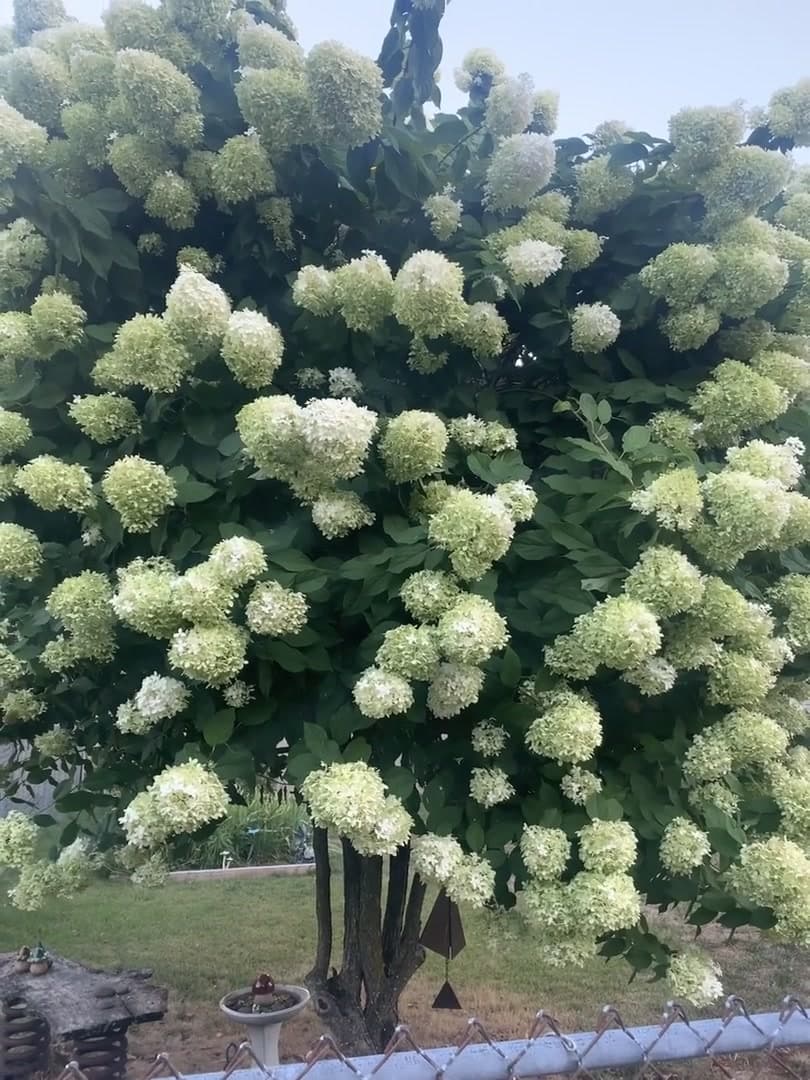
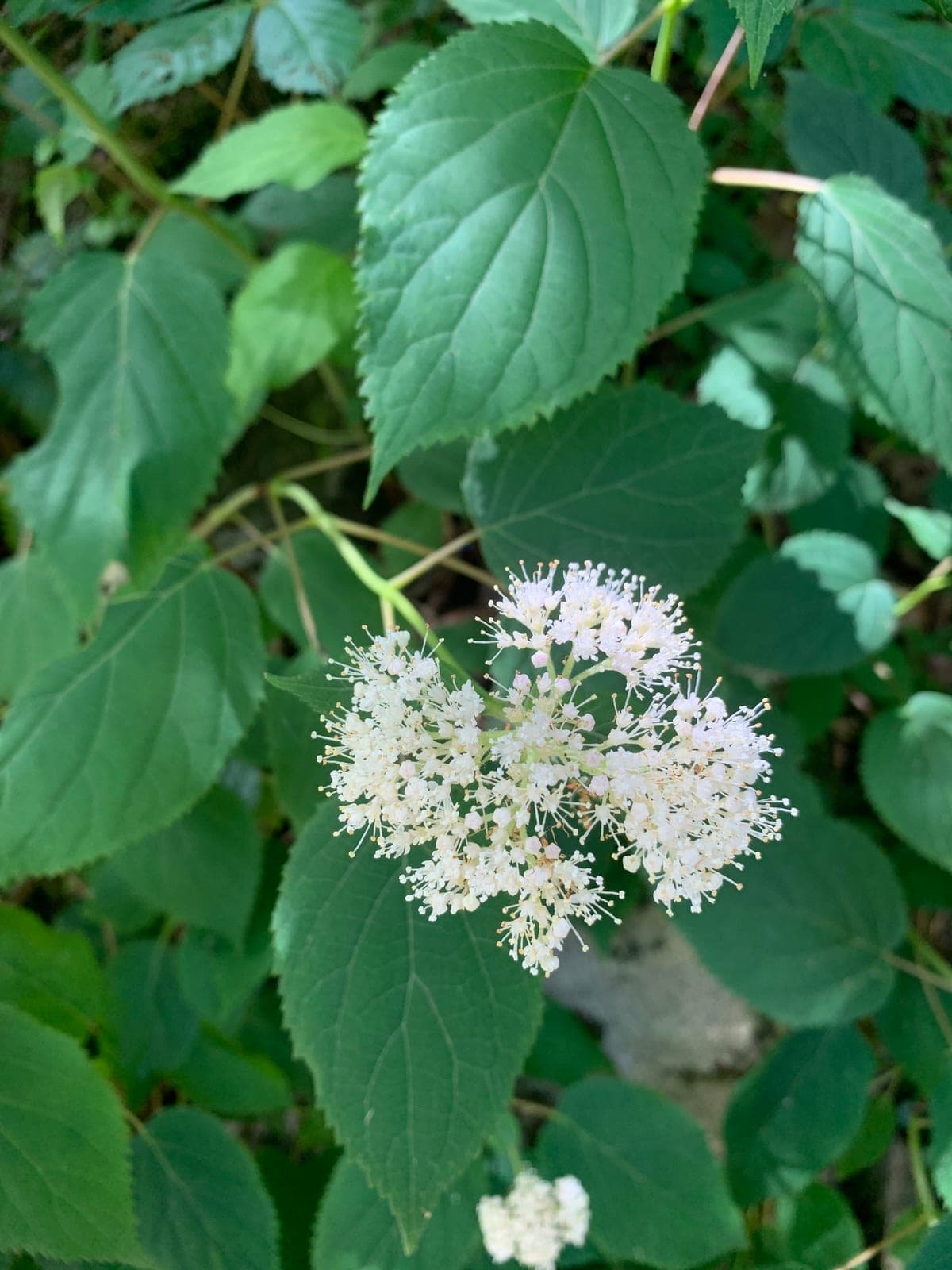
Panicle hydrangeas (like 'Limelight') and smooth hydrangeas (like 'Annabelle') throw their cone- or dome-shaped flower heads on wood they grow fresh each year. That makes them the easiest hydrangeas to prune correctly: there's no old wood to protect, so a hard cut in late winter simply produces a flush of vigorous new stems tipped with flowers a few months later.
The rule: Cut back hard while dormant, before new growth starts - by a third for panicle types, to 12–18 inches for smooth types.
When to prune
Main prune - late winter / early spring
2–6 weeks before last frost
While the plant is still bare, cut panicle types back by about a third to a strong pair of buds, and cut smooth types back hard to 12–18 inches from the ground. Remove anything dead or crossing at the same time. The harder the cut on a smooth hydrangea, the larger - and often floppier - the resulting flower heads.
Leaving a panicle or smooth hydrangea unpruned for several years doesn't cost you flowers, but it does produce smaller heads on a taller, woodier, more sprawling shrub - the opposite of what most gardeners want from these types.
Reblooming - sets buds on both
The safety net for cold zones where old wood doesn't always survive.
Flowers on
Both old wood and new wood.
Blooms
An early-summer flush on old wood, then a second flush on new growth into fall.
Reblooming cultivars (sold under names like 'Endless Summer') are bigleaf hydrangeas bred to also set buds on the current season's growth, so a winter that kills the old canes back to the ground still leaves a September flush. They're the reason gardeners in zone 5–6 can grow a mophead hydrangea without gambling the whole season on one hard freeze.
The rule: Treat the old wood gently - remove only dead stems and spent flower heads. Never cut it back hard; that trades away the earlier, usually bigger, first flush.
When to prune
Light tidy - right after the first flush
12–16 weeks before first frost
Deadhead the first flush and remove only stems that are clearly dead or damaged. Leave the rest of the framework alone - those living old stems are what carry next year's earlier bloom.
Because these cultivars still bloom even after a hard winter kill-back, it's easy to assume they're new-wood plants and prune them hard every spring - doing that every year sacrifices the earlier, larger old-wood flush for good.
Four rules every hydrangea lives by
When in doubt, don't cut
If you don't know which wood a hydrangea blooms on, the safest move is to remove only dead stems and spent flower heads until you've watched it through a full season. A missed prune costs you nothing; a wrong one costs you a year of flowers.
Blue or pink is a soil question
On bigleaf and mountain hydrangeas, flower color tracks soil pH, not genetics: acidic soil (below 6.0) makes aluminum available and turns flowers blue; alkaline soil (above 7.0) keeps them pink. White cultivars don't shift either way.
Mulch protects the buds, not just the roots
In cold zones, a thick mulch mound over the base of old-wood types after the ground freezes protects the low buds that survived pruning from a hard winter kill - the single biggest lever gardeners in zone 5–6 have over whether a mophead blooms next year.
Dried heads earn their keep through winter
Leave spent flower heads standing through fall and winter rather than deadheading for tidiness - they add structure to the winter garden and, on old-wood types, help shelter the buds just below them from the worst cold.
What to plant alongside it
The best hydrangea companions share the same part-shade, consistent-moisture conditions without competing for either.
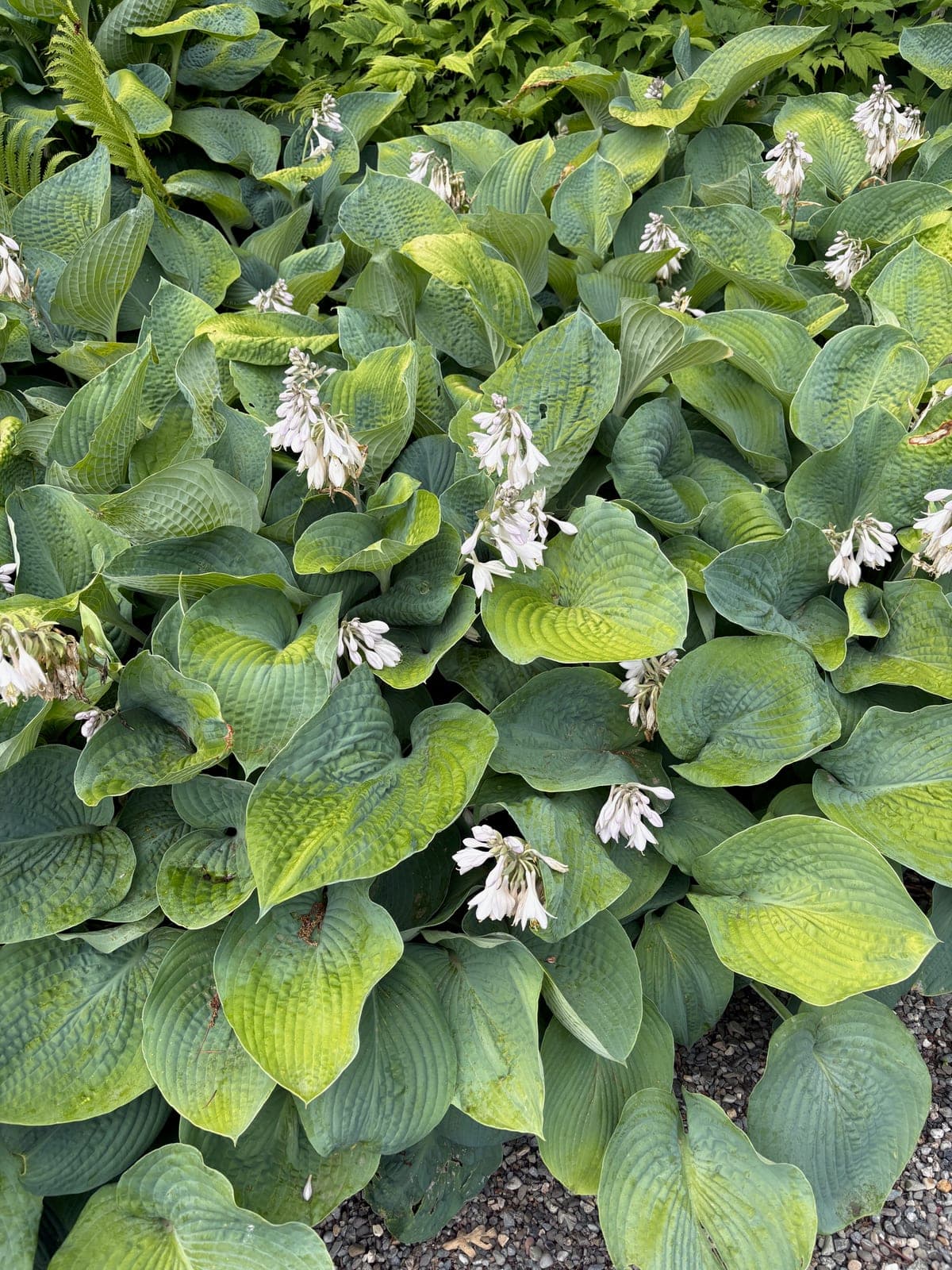
Hosta
The classic shade-bed pairing - both want consistent moisture and part shade, and hosta's broad leaves fill the bare lower stems a hydrangea leaves at its base.
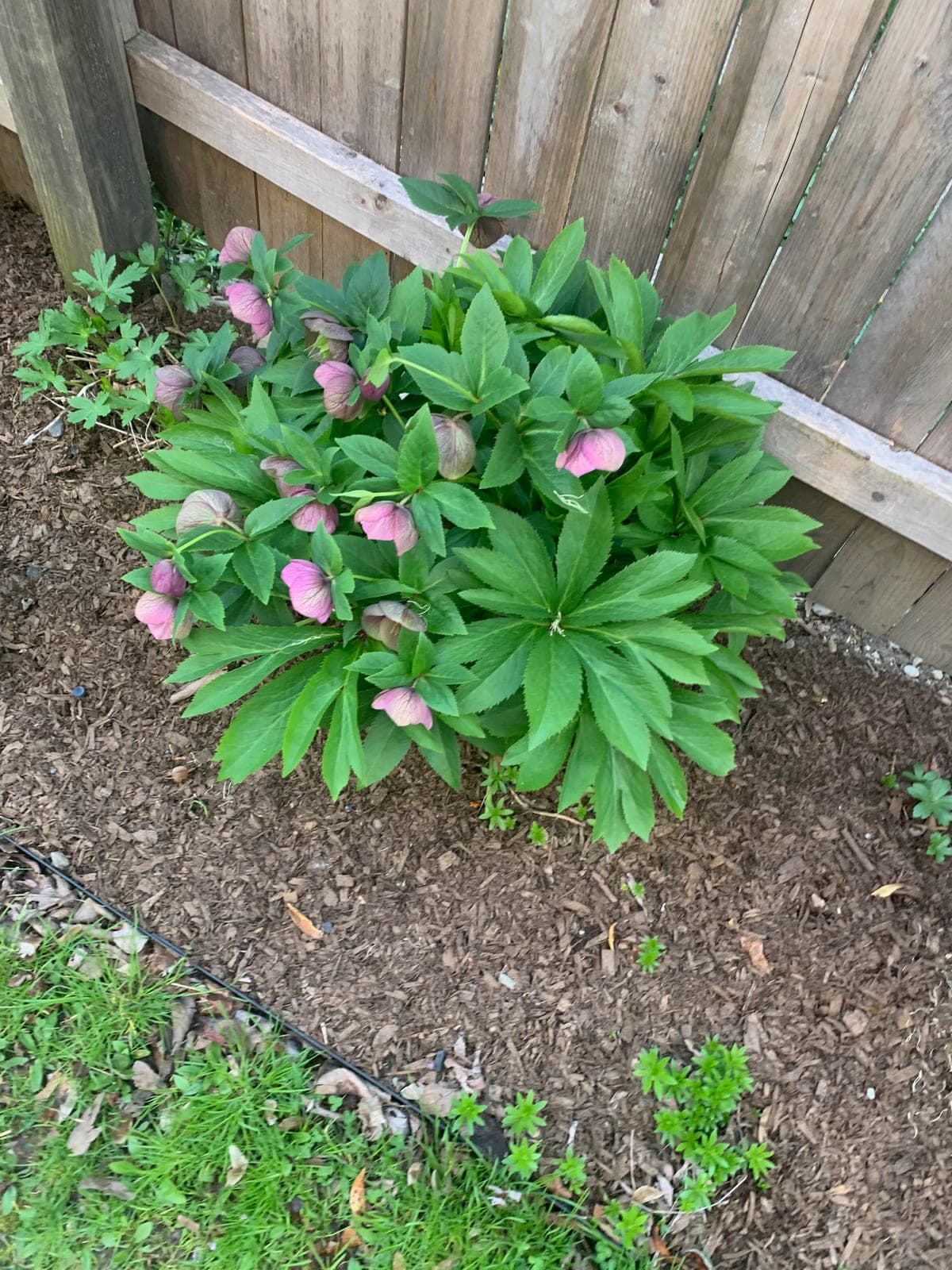
Hellebore
Blooms in late winter before the hydrangea has leafed out, then recedes quietly into the same shade and moisture a hydrangea wants all summer.
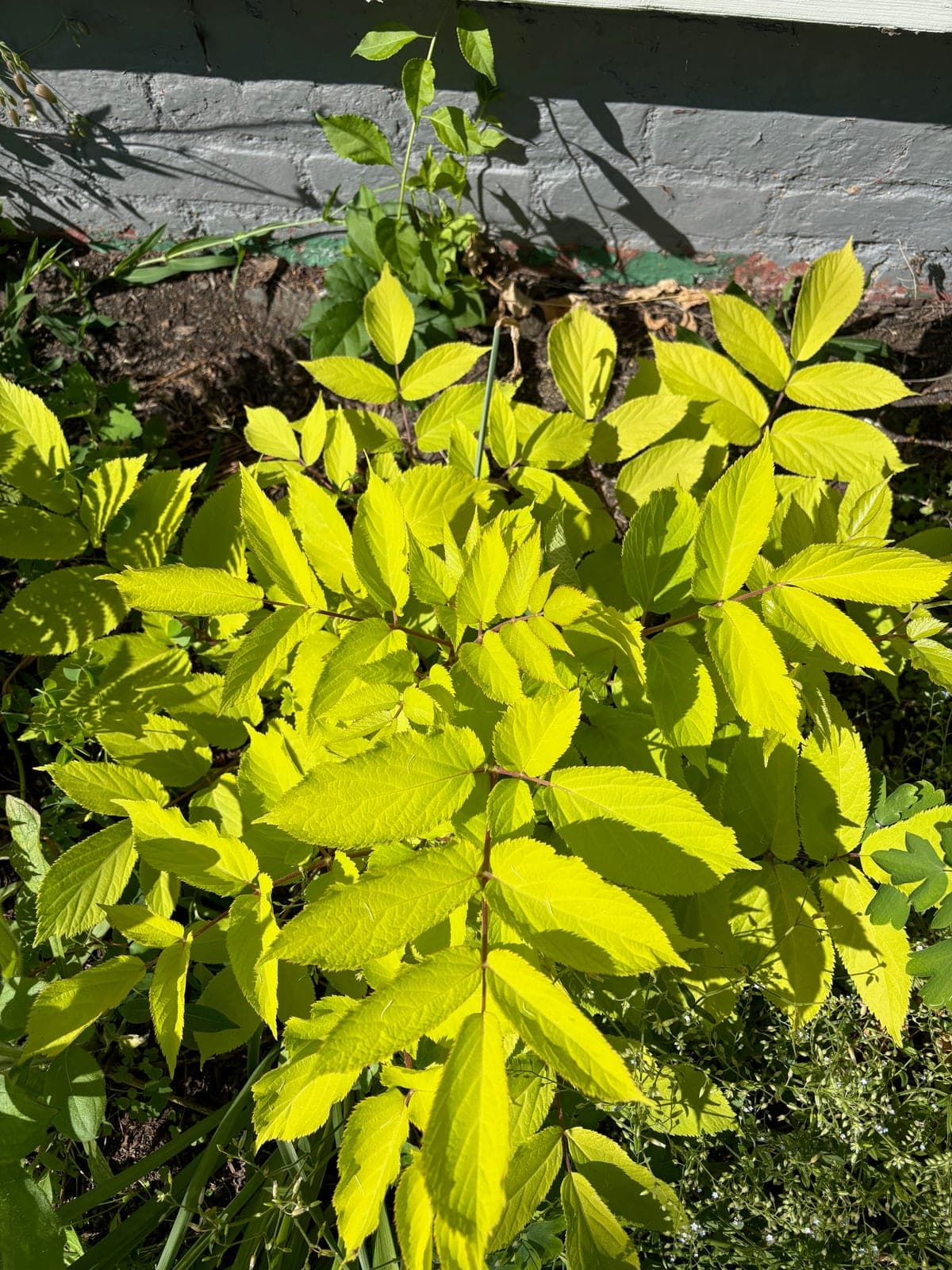
Japanese spikenard
A shade perennial with a similar architectural scale that shares a hydrangea's woodland-edge conditions without crowding its root run.
Ferns
Ferns fill the cool, damp shade at a hydrangea's base and ask for nothing a hydrangea isn't already providing overhead.
Looking for something?
Let us know and we will add it to the list for your garden plan.