
 Batten Blooms
The Dahlia Growing Guide
A dahlia's whole year comes down to three moves: get the tuber into warm soil, keep pinching and disbudding all summer for more and bigger stems, and - in any zone that gets a real frost - lift, cure, and store the tuber before the cold gets it. Here is the whole dahlia year, the flower forms, feeding and pest control, and the winter storage method that decides whether you have dahlias again next year, all timed to your own frost dates.
Tuber to storage, timed to your frost dates
The front of the year counts forward from your last spring frost; the end counts backward, then forward again, from your first fall frost. Add your ZIP to translate every step into your own months and see which one is open now.
Every step is timed to your frost dates, so the right week here is a different week elsewhere.
Plant tubers into warm soil
1–3 weeks after last frost
Wait until the soil is consistently above 60°F - dahlias planted into cold, wet ground rot before they ever sprout. Plant eyes up, 4–6 inches deep, and don't water again until the first shoots break the surface.
Stake before it's needed
1–4 weeks after last frost
Drive the stake in at planting time, not after the plant is 3 feet tall and flopping - going in later risks spearing the tuber you can no longer see. Taller dinnerplate types need a sturdy stake; compact bedding types can usually stand on their own.
Pinch the growing tip
5–8 weeks after last frost
Once the plant reaches about 12 inches, pinch out the growing tip just above a set of leaves. This forces the plant to branch into several stems instead of one, which means more - and eventually bigger - blooms.
Watch for aphids and slugs
6–11 weeks after last frost
Soft new growth draws aphids, and slugs and earwigs go straight for tender shoots and dark foliage overnight. Knock aphids off with a strong water spray and check under leaves at dusk for slug damage.
Disbud and deadhead through summer
9–20 weeks after last frost
For bigger show blooms, pinch off the two smaller side buds flanking each main bud, leaving one to develop. For more (smaller) blooms instead, skip disbudding and just deadhead spent flowers hard - cut back to the next set of leaves, not just the flower stem, to push the next round.
Cut for the vase
12–24 weeks after last frost
Cut in the cool of morning, just as a bloom fully opens - dahlias are one of the few cut flowers that will not keep opening in the vase once severed. Cut deep, to a strong set of leaves, which also does the summer's deadheading for you.
Watch the forecast
1 week before first frost
Unlike most of the garden, dahlias don't fade gradually - one hard frost blackens the foliage overnight and ends the season in a single night. Keep cutting and enjoying blooms right up until then.
Lift and cure the tubers
1 week after first frost
In any zone colder than the dahlia's hardiness (most of the country), lift the clump within a few days of the blackening frost, before hard ground makes digging difficult. Cut the stem back to a few inches, rinse off the soil, and let the tubers air-dry somewhere shaded and airy for about a week before storing - this is the single step that decides whether you have dahlias again next year.
Pack for winter storage
2–4 weeks after first frost
Once cured, pack the clumps in barely-damp vermiculite, peat, or sawdust inside a ventilated box or paper bag, and hold them at 40–50°F - a cool basement or unheated garage that never freezes is ideal. Check monthly through winter: mist lightly if they're shriveling, discard any tuber gone soft or mouldy before it spreads.
The dahlia flower forms
Every dahlia grows the same way - it's the flower that varies. Knowing the form tells you what a cultivar will look like in bloom before you ever see a photo of it open.
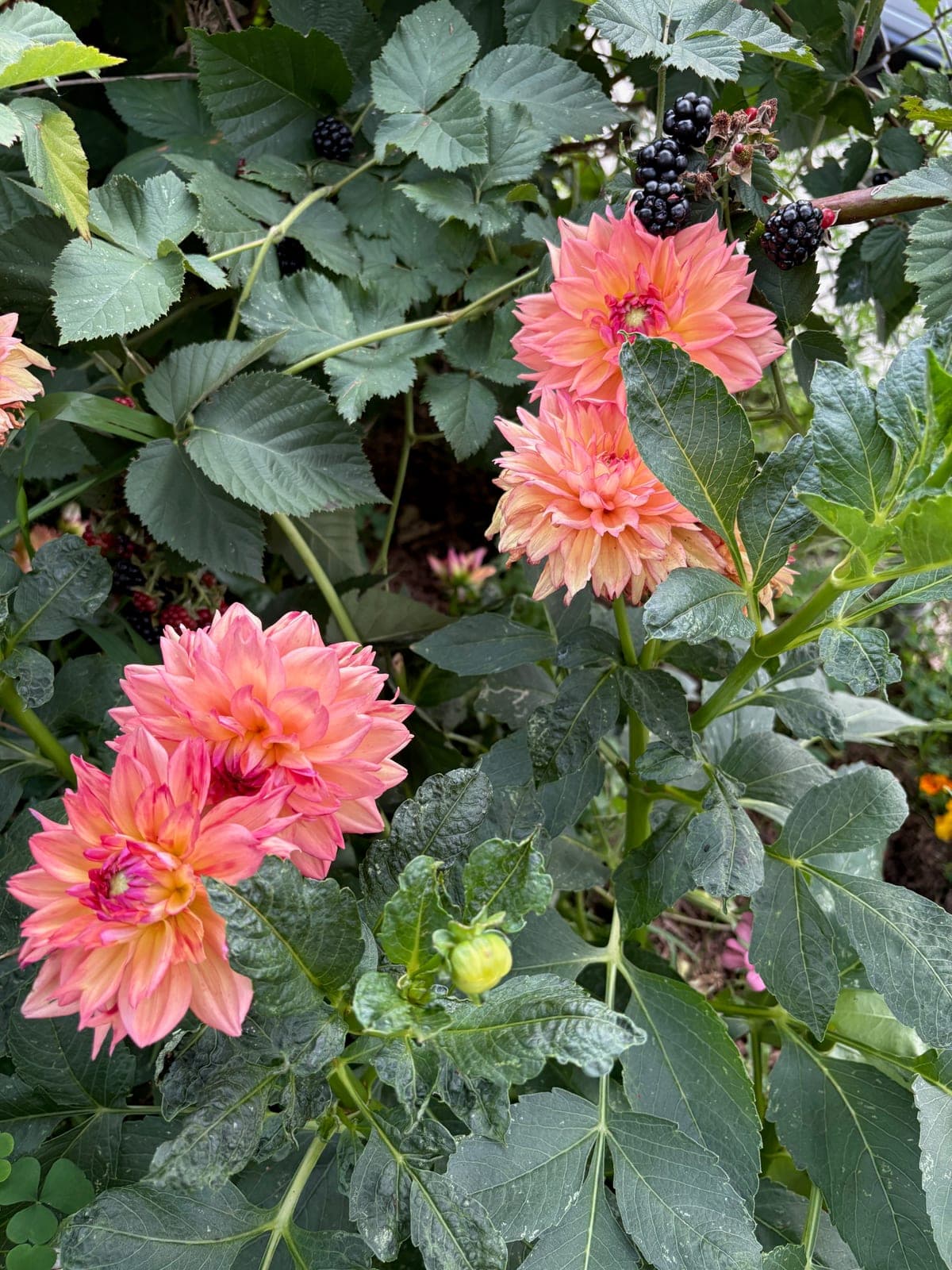
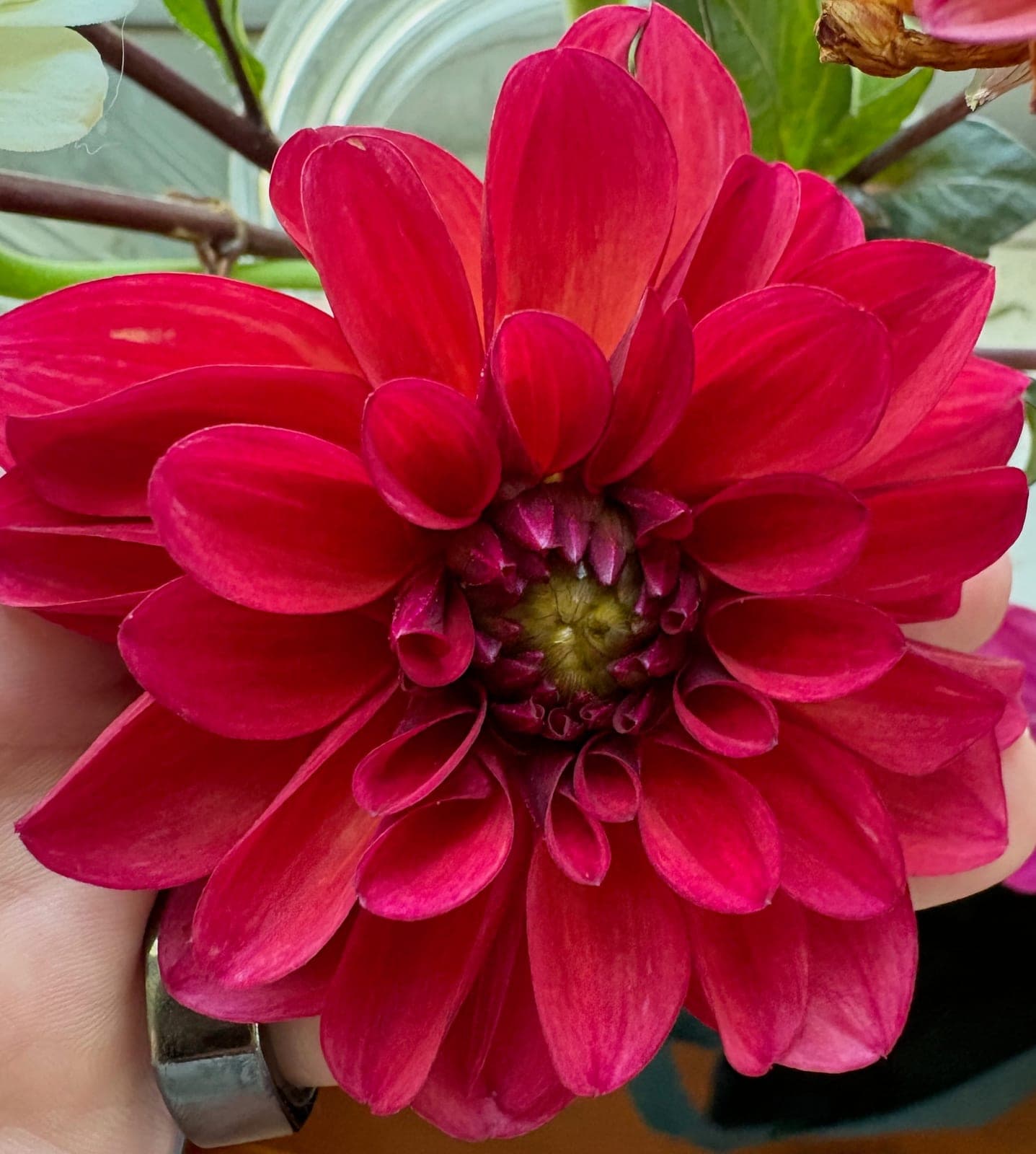
Decorative
Fully double, flat, broad petals with no visible center - the classic dahlia.
The most common form in the garden and the cutting patch - petals are broad and slightly twisted, overlapping in a neat, formal-looking flower with no disc visible at all.
Ball
Perfectly round, densely packed globes.
Almost spherical, with tightly spiralled, blunt-tipped petals - the miniature version (under 2 inches) is usually sold separately as "pompon."
Cactus
Spiky, quilled petals that curve backward.
Narrow petals roll back on themselves for most of their length, giving the bloom a spiky, star-burst look quite different from the smooth decoratives and balls.
Single
One ring of flat petals around an open center - the pollinator's favorite.
A simple daisy-like flower with a single row of petals around a visible central disc. Unfashionable for decades, now prized specifically because bees and other pollinators can actually reach the center - most double forms can't be reached at all.
Dinnerplate
Not a form of its own - any type bred oversized, 8–12+ inches across.
Usually a decorative or semi-cactus form bred for maximum size rather than flower count. Needs the sturdiest staking on this list and produces far fewer blooms per plant than a compact bedding type.
How to grow dahlias, whatever the form
Seven rules cover nearly every dahlia question - get these right and the flower forms above are just a matter of taste.
Don't water until you see shoots
A freshly planted tuber has no roots yet to take up water - it just sits in wet soil and rots. Plant into moist (not wet) soil and hold off watering entirely until the first green shoot appears above ground.
Feed light and low-nitrogen
Rich feeding pushes leafy growth at the expense of flowers and can make stems too soft to stand. A single balanced or slightly phosphorus-heavy feed at planting, then one more at bud set, is plenty - skip nitrogen-heavy lawn or vegetable fertiliser entirely.
Pinch early, disbud all summer
The single pinch at 12 inches is what turns one stem into a branching, productive plant - skip it and you get one tall stalk with a single bloom. From there, regular disbudding or hard deadheading is what keeps the stems coming.
Stake at planting, not after
By the time a dahlia is visibly flopping, it's too late to drive a stake in without spearing the tuber underground. Place the stake (or the cage, for bedding types) the same day you plant.
One hard frost ends everything
Dahlias don't fade the way most of the border does - the foliage blackens overnight at the first hard freeze. Keep cutting right up to that point, then move fast on the lift before the ground turns hard.
Cure before you store
A tuber packed away wet or straight out of the ground will rot in storage no matter how good the conditions are afterward. The week of air-drying in a shaded, airy spot is not optional - it's what makes the whole winter storage process actually work.
No perfect sun? You can still grow good dahlias
Full sun is ideal, but a bed with less light is workable if you plan for it. Expect taller, leggier plants, so stake early and allow extra effort when disbudding and cutting at height. Some cultivars sulk without full sun, and bloom count tends to drop as shade increases, so give the fussy ones your sunniest corner. The upside: stems come out long, reds hold their color instead of bleaching, a little shade buffers plants from peak summer heat, and nearby tree cover can take the edge off a light frost.
Inspired by a reel from @dahlia_ranch_k on Instagram.
Pest and disease control
For the full picture on any of these, see the garden insect field guide.
Aphids
The tell
Clusters of small, soft-bodied insects on new shoots and bud tips, often with sticky honeydew and sooty mould following behind.
What to do
A strong jet of water knocks most colonies off; for heavy infestations, insecticidal soap works without harming the pollinators visiting open blooms.
Slugs and earwigs
The tell
Ragged holes chewed in leaves and, worse, in the petals themselves - usually appearing overnight, with damage worst on the darkest-foliaged cultivars.
What to do
Hand-pick after dark with a flashlight, or set out shallow beer traps or crumpled damp newspaper the pests will hide under by day - check and clear it each morning.
Powdery mildew
The tell
A white, dusty coating on leaves, worst late in the season as nights cool and days stay warm and humid.
What to do
Water at the base only and space plants for airflow. It's rarely fatal this late in the season - remove the worst leaves and keep an eye on it rather than spraying.
Botrytis (grey mould)
The tell
Fuzzy grey mould on flower buds and stems during cool, damp, still weather, especially on the densest double forms.
What to do
Remove and destroy affected buds promptly, improve air circulation, and avoid overhead watering - wet petals sitting in still air is exactly what botrytis wants.
Dahlia tuber rot
The tell
Soft, mushy, foul-smelling patches on stored tubers, sometimes spreading to the whole clump if caught late.
What to do
Cut away any soft tissue back to firm, clean flesh with a sterile knife before storing, and never skip the curing week - most rot in storage traces back to a tuber packed away too wet.
Mosaic virus
The tell
Yellow mottling, ring patterns, or stunted, distorted new growth that doesn't clear up on its own.
What to do
There's no cure - remove and destroy the whole plant (don't compost it) to keep aphids, which spread it, from carrying it to healthy dahlias nearby. Buy certified virus-free tubers to avoid introducing it in the first place.
What to plant alongside it
The best dahlia companions share its full sun and rich, well-fed soil, or pull double duty drawing in the predatory insects and pollinators the dahlia patch benefits from.
Design the All-Summer Cutting Bed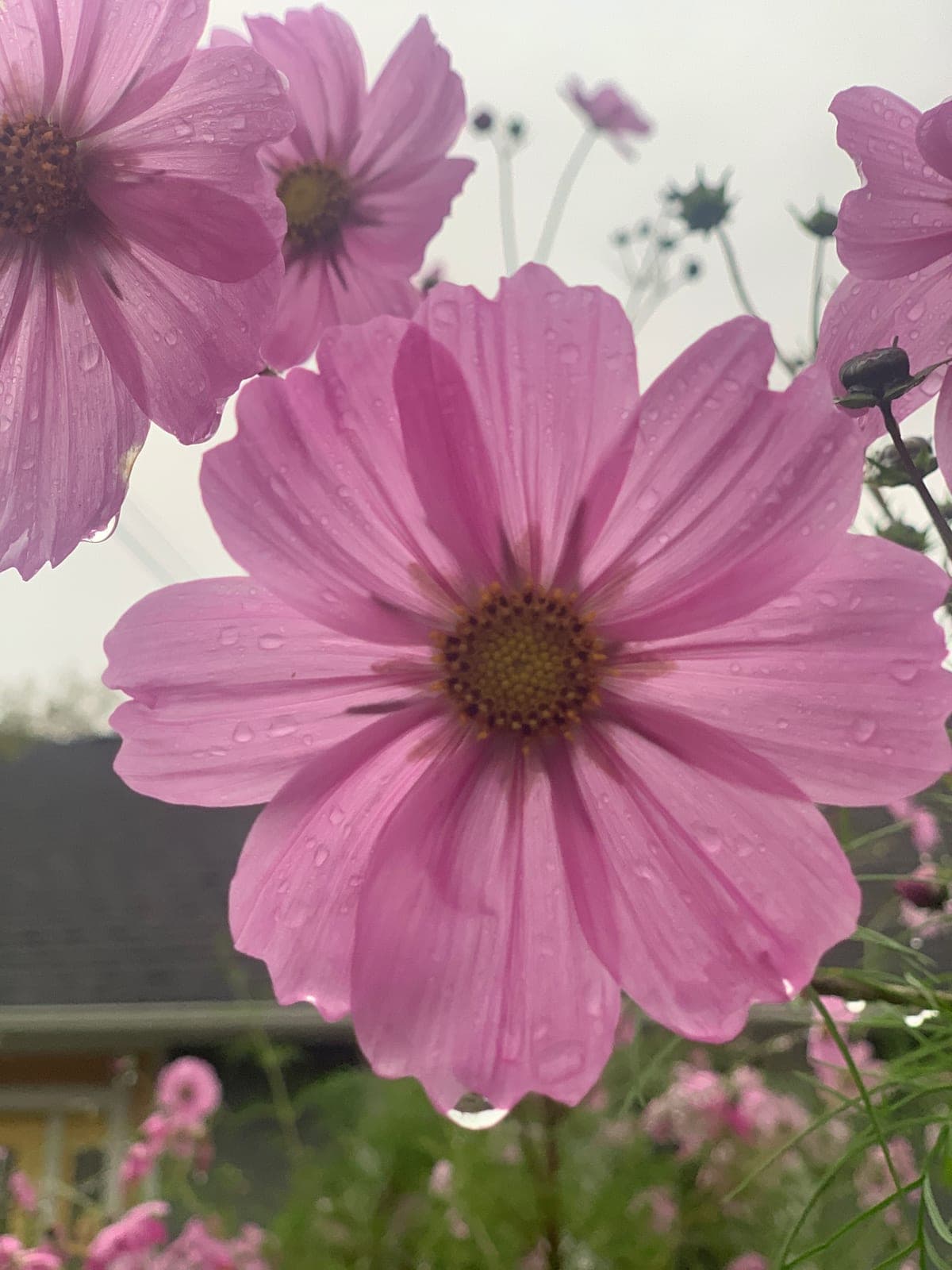
Cosmos
Same sunny, generous-cutting-garden habit and an almost identical bloom season, with a light, airy texture that softens a dahlia's heavier form.
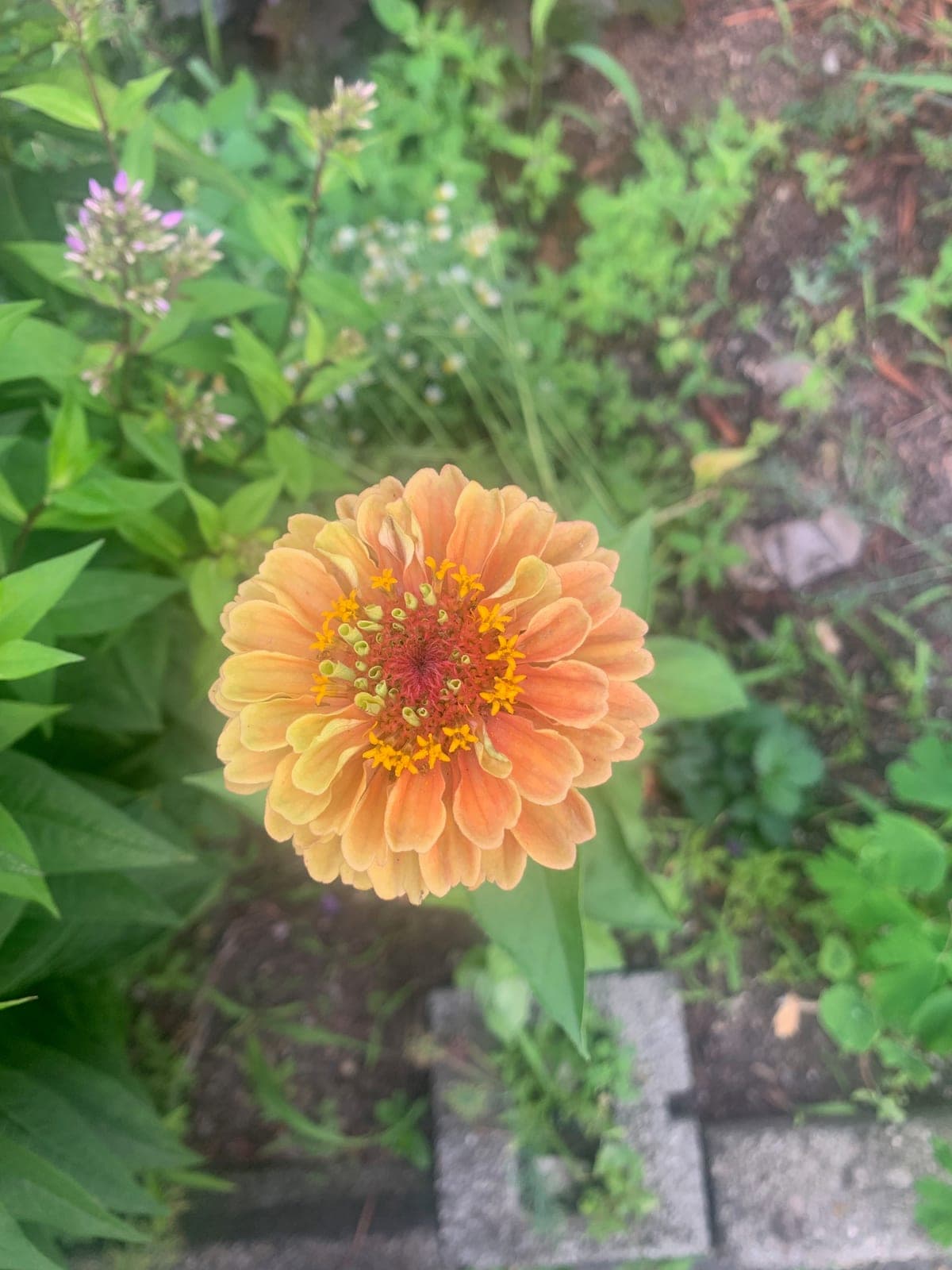
Zinnia
Another prolific summer-into-frost cutting flower with matching sun and water needs - planted together they carry a cutting garden from the first zinnia to the last dahlia.
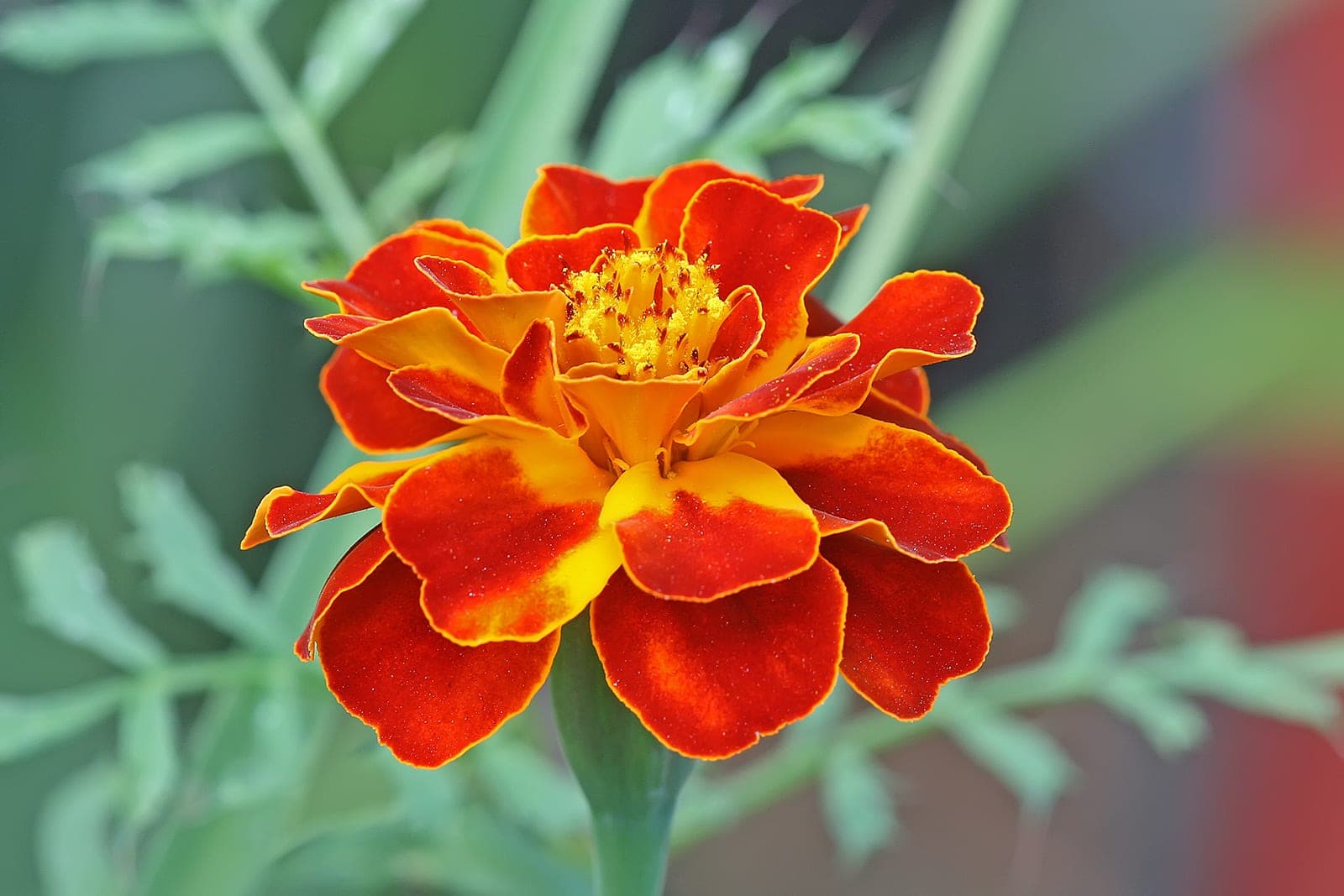
Marigold
A classic companion said to help repel aphids and other pests by scent, and its low, mounding habit fills the bare soil around a dahlia's bare lower stems.
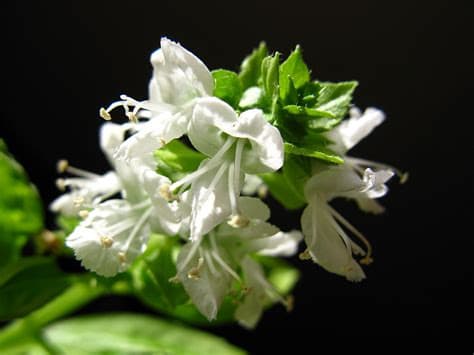
Basil
Shares full sun and a similar rich-soil, regular-water preference, and its scent is a mild deterrent to some of the same soft-bodied pests that trouble dahlias.
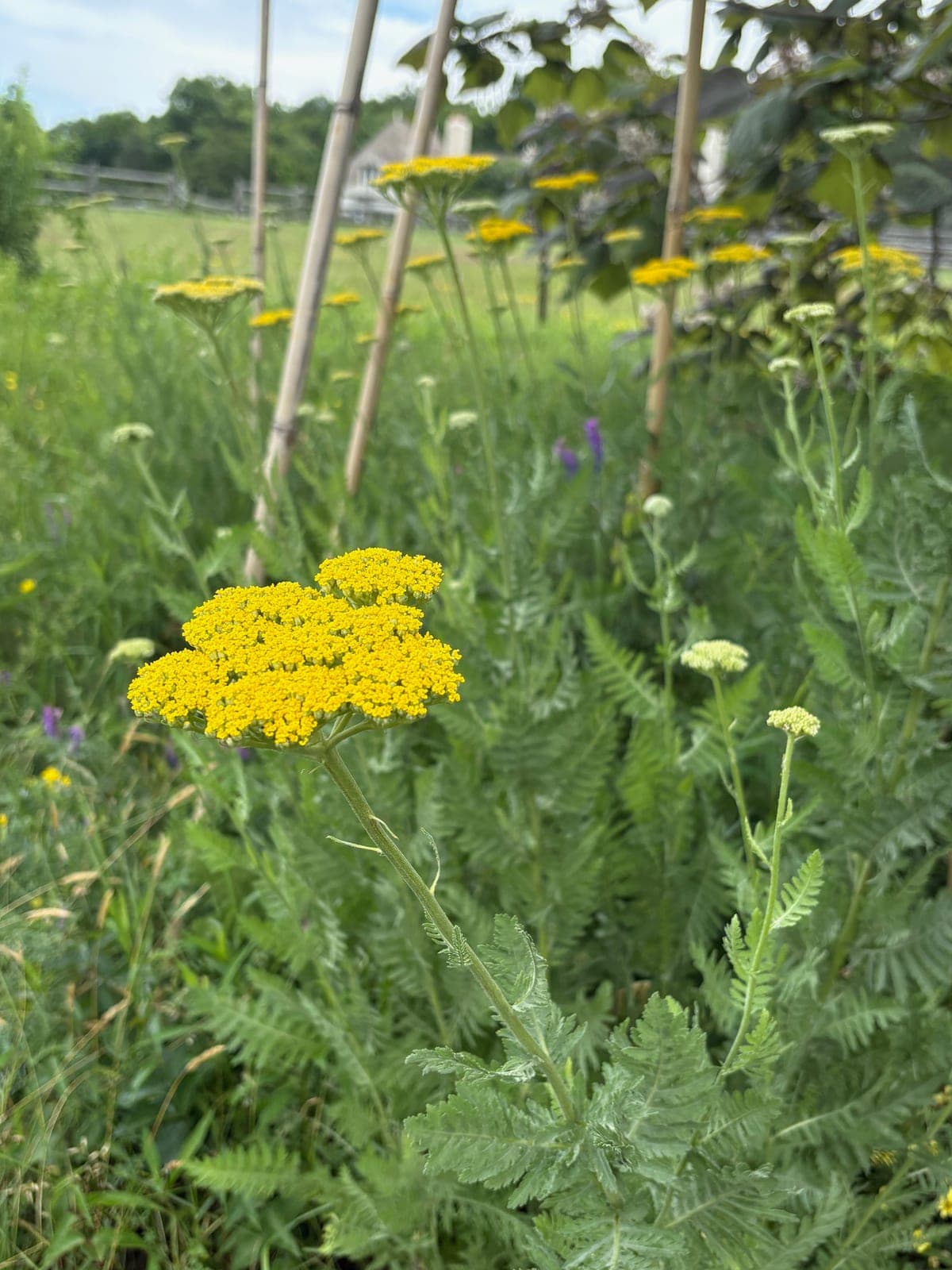
Yarrow
Drought-tolerant and airy where dahlias are lush and heavy - it draws in the predatory insects (lacewings, hoverflies) that keep aphid numbers down nearby.
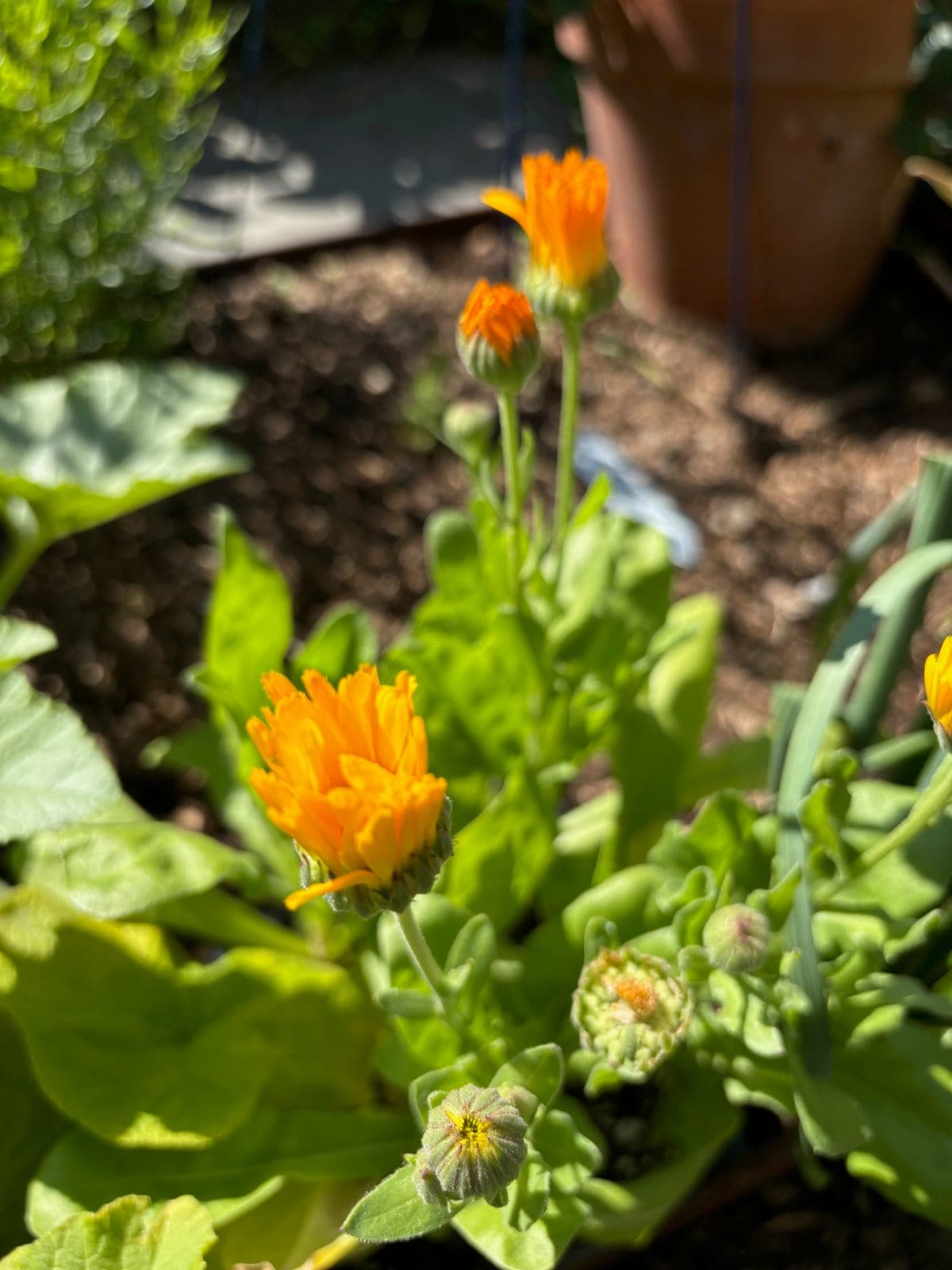
Calendula
Blooms right through the season on the same rich soil and full sun, and is a favorite trap crop for aphids, pulling them away from dahlia buds.
Looking for something?
Let us know and we will add it to the list for your garden plan.