
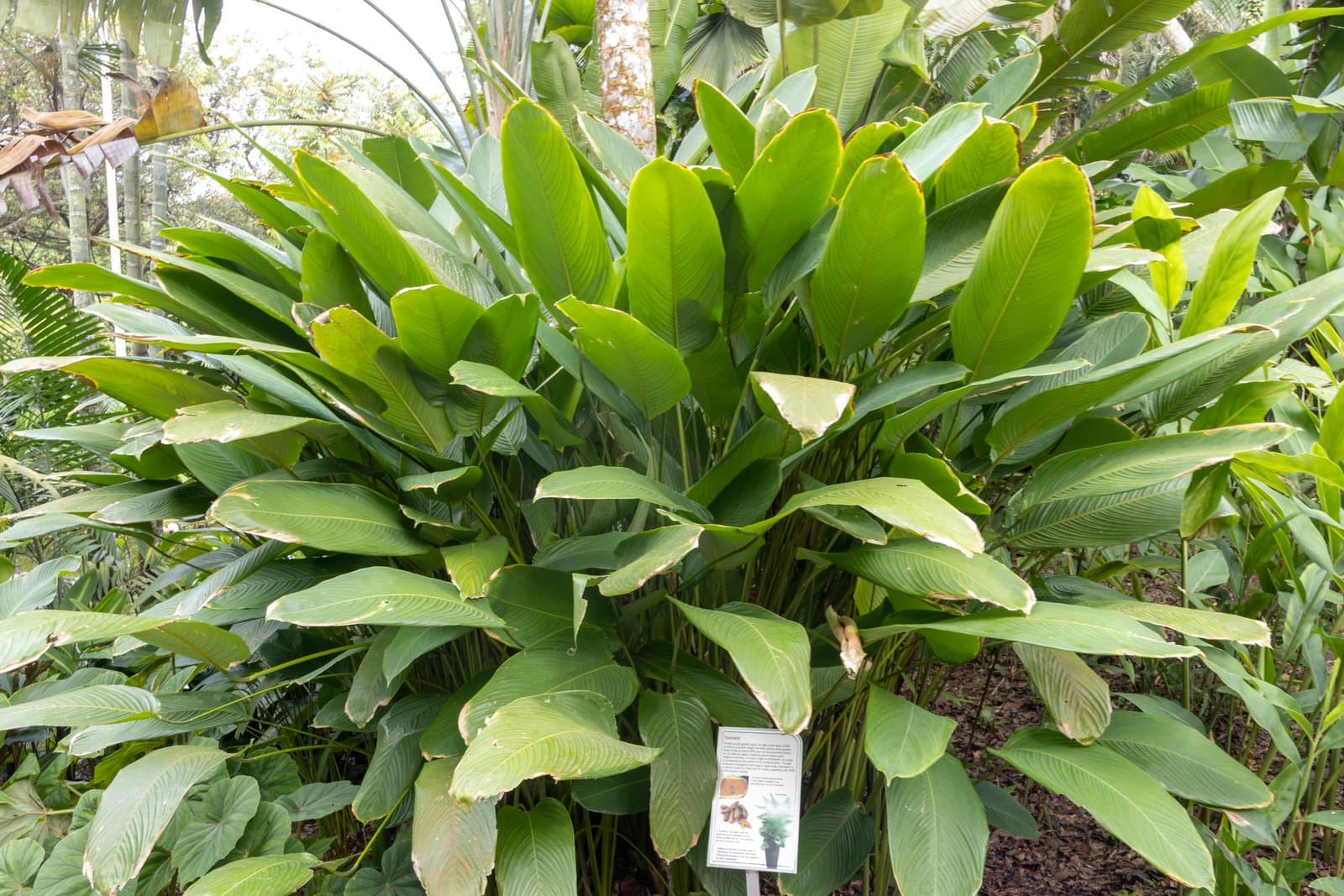
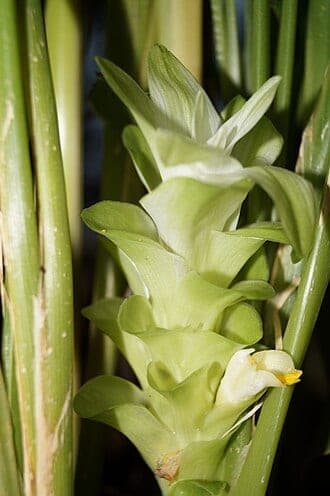
Turmeric is a tropical perennial herb in the ginger family, grown primarily for its vivid orange rhizomes, which are used fresh, dried, or powdered as a culinary spice and natural dye. Native to the Indian subcontinent and Southeast Asia, it produces tall, broad leaves and pale yellow tubular structures, but is cultivated almost entirely for its underground rhizomes, which are harvested each year as foliage dies back.
In zones 8 and warmer, rhizomes can remain in the ground year-round. In zones 5–7, start rhizome sections with at least one bud indoors 6–8 weeks before last frost and transplant once soil reaches 65°F. The plant requires 8–10 months to mature, making early indoor starts critical where summers are short. Rich, moisture-retentive soil with consistent irrigation is essential; heavy mulching protects roots and conserves moisture. Turmeric tolerates dappled shade and benefits from afternoon cover in regions with intense summer heat. Prefers a soil pH of 5.5–7.0.
Curcumin, the primary polyphenol in turmeric rhizomes, is among the most researched plant compounds for anti-inflammatory and antioxidant activity. Turmeric has been central to Ayurvedic and traditional Chinese medicine for centuries and is listed in multiple pharmacopoeias as a digestive aid and anti-inflammatory agent.
Ginger Bacterial Wilt
Rapid wilting and yellowing of lower leaves progressing up the pseudostem. Internal vascular tissue shows brown streaking. When a freshly cut stem is suspended in a glass of water, a milky or creamy bacterial ooze streams out - a diagnostic sign. Rhizomes may show internal browning and a foul odor.
No chemical cure once infection is established. Remove and destroy affected plants along with the surrounding 12 in of soil; do not compost. Source only certified disease-free seed rhizomes. Rotate planting sites on a minimum three-year cycle. Improve drainage and avoid working soil when wet to reduce spread.
Root rot
Plants wilt, yellow, and stunt even in moist soil; lower stems and roots turn brown, soft, and mushy and the plant may collapse. Most common in heavy, wet, or poorly drained ground.
Improve drainage and stop overwatering, and never plant too deep. Lift and destroy badly affected plants along with the soil around the roots. Grow in raised or free-draining beds to prevent it returning.
Fungal leaf spot
Brown or purplish spots on the leaves, often ringed with a yellow halo, that spread and merge in warm, humid, or wet weather; heavily spotted leaves yellow and drop early.
Pick off spotted leaves and clear fallen debris to remove overwintering spores. Improve air circulation by thinning, and water at the base so foliage dries quickly. If it persists, apply a copper- or sulfur-based fungicide at the first sign.
Root-Knot Nematode
Swollen galls on roots, poor vigor, wilting in heat, and reduced fruiting. Containers and sandy soils are more prone.
Use clean potting mix in containers. Avoid replanting in infested soil. Maintain plant vigor with mulch and steady watering. Solarize affected garden soil.