
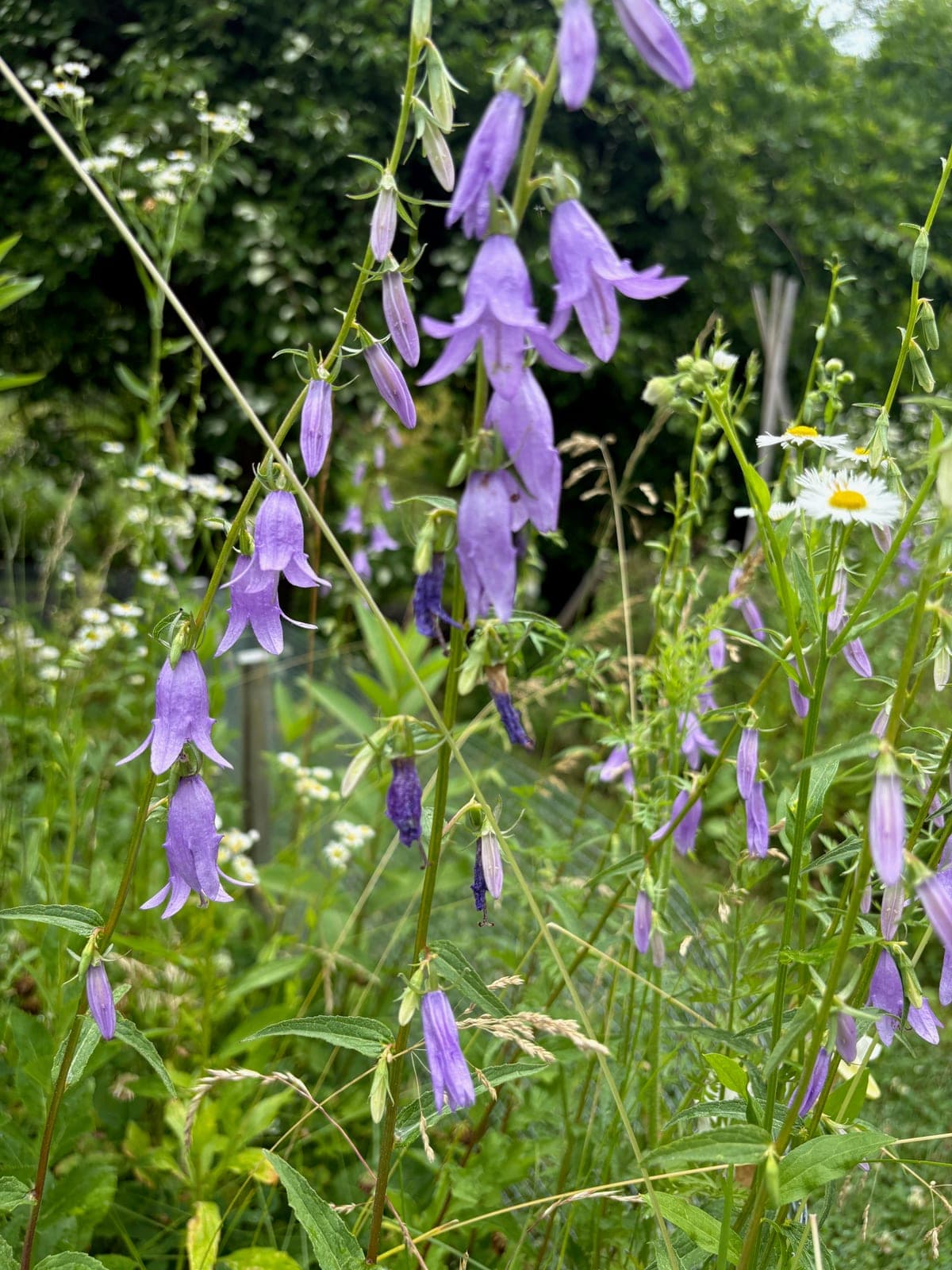
Venus Looking Glass (Triodanis perfoliata) is a delightful native North American annual that thrives on neglect - which makes it wonderfully rewarding once you understand what it wants. Start by resisting the urge to over-amend your soil; this plant evolved in lean, well-drained ground, and rich, heavily composted beds will push it toward leggy, floppy stems with fewer blooms. Sow seeds directly outdoors in early spring, as soon as the soil can be worked - even a light frost won't hurt them. In fact, a period of cold and moisture after sowing genuinely improves germination, so a winter surface-sowing works beautifully if you want to let nature do the stratification for you. Just press seeds gently into the soil surface and resist covering them, as they need light to germinate. The most common mistake gardeners make is starting these indoors; they resent transplanting and will almost always sulk compared to direct-sown plants. Thin seedlings to about 6–9 inches apart once they're established, and then genuinely leave them alone - no fussing required.
Beyond its easygoing nature in the garden, Triodanis perfoliata has a quiet but interesting place in traditional herbal knowledge. Various Indigenous peoples of North America used preparations of the plant for treating skin irritations and as a general tonic, though it has never entered mainstream herbal practice and should be approached with caution rather than enthusiasm as a home remedy. There are no established culinary uses, and it's best appreciated as a garden plant rather than a pantry one. What it excels at is ecological generosity - it produces both open, cross-pollinated flowers and self-fertilizing cleistogamous flowers along its stem, meaning it sets seed reliably even in poor conditions. Let a few plants go to seed at the end of the season and you'll build a self-sustaining colony that returns faithfully each spring. Pair it with calendula or yarrow for a loose, naturalistic planting that pollinators will absolutely love.