
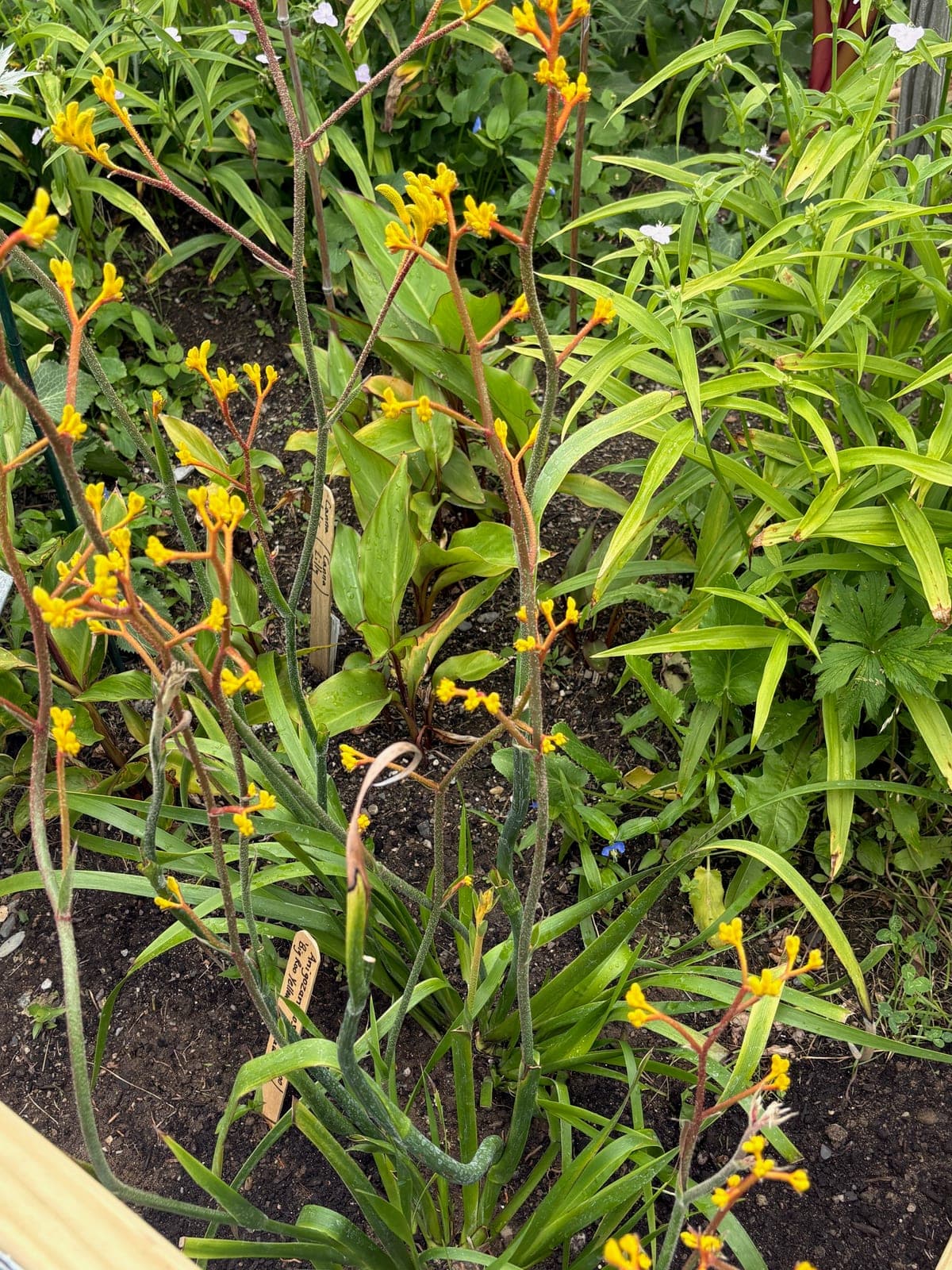
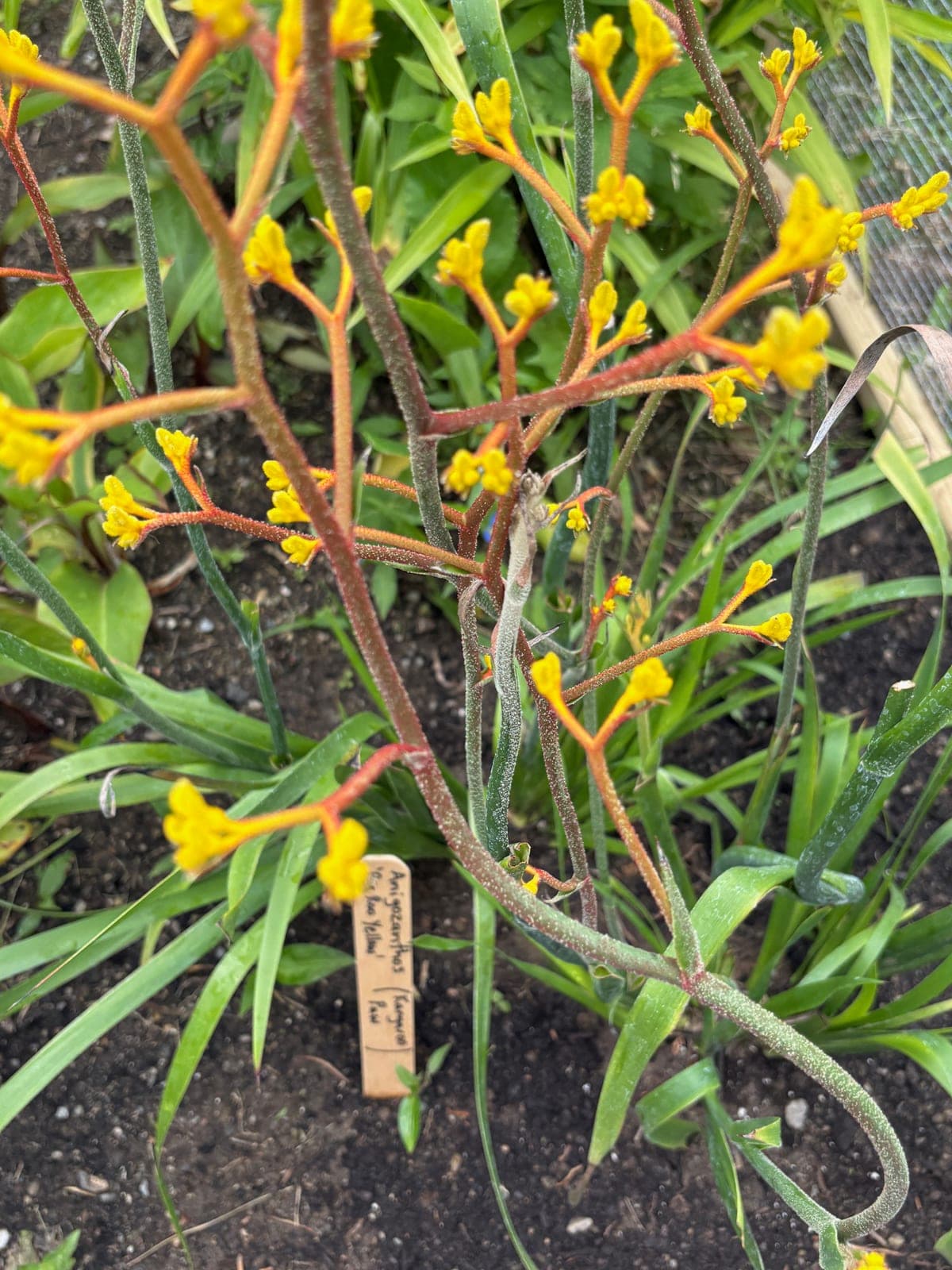
Getting kangaroo paw to really perform comes down to two non-negotiables: drainage and sun. These Australian natives evolved in sandy, nutrient-poor soils under blazing conditions, so the worst thing you can do is plant them in heavy clay or rich compost-loaded beds - they'll sulk, rot at the crown, and succumb to ink disease before you've had a chance to enjoy a single bloom. Prepare your bed with a generous mix of coarse sand or fine grit worked through a loamy base, and resist the urge to fertilise heavily; a slow-release low-phosphorus fertiliser applied once in early spring is plenty. Plant out after all frost risk has passed, in the warmest, most open spot you have. Division every two to three years in late winter keeps clumps vigorous and prevents the centre from dying out - a common mistake gardeners make when they leave plants untouched for too long. In cooler zones, grow them in terracotta pots you can bring under cover for winter; they're not going to forgive a hard freeze.
Traditionally, several Aboriginal Australian communities used species within the Anigozanthos genus for practical and medicinal purposes - the rhizomes of some related Haemodoraceae family members have been used to treat minor skin complaints, though kangaroo paw itself is not widely documented as a medicinal plant in the clinical sense. There are no established culinary uses for Anigozanthos. What it does offer is a genuinely tough, rewarding garden plant for those in warmer, drier climates who want bold vertical structure and colour from late spring through summer. Pair it with other low-water plants that appreciate similar conditions - yarrow makes a wonderful neighbour, sharing the same love of lean soil and full sun while attracting beneficial insects that help keep pest pressure down across the whole bed.