
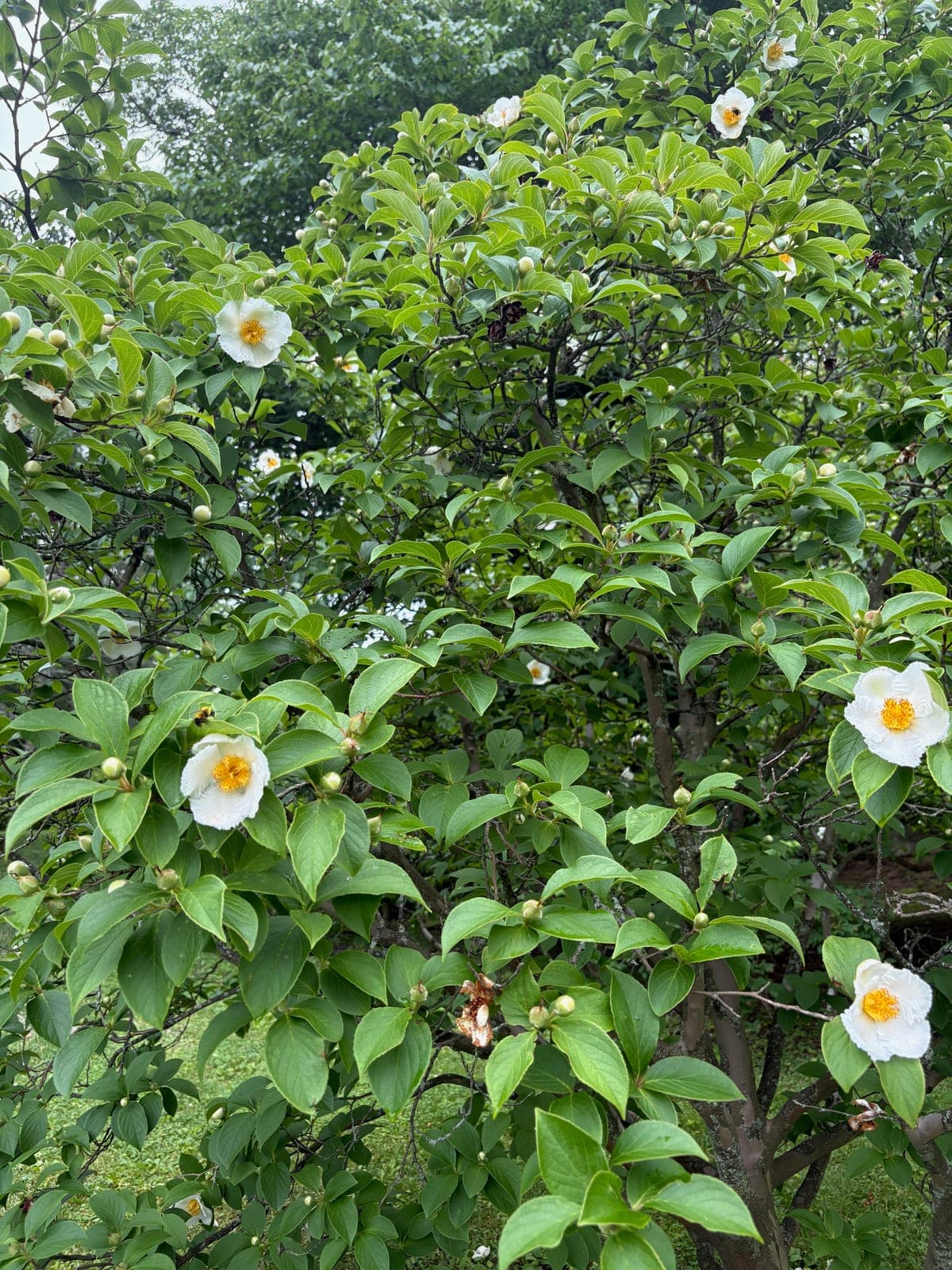
Getting a Japanese Stewartia established is the whole game - once it settles in, it rewards you for decades with almost no fuss. Site selection is critical: this tree does not like to be moved, so take your time choosing a spot with dappled light or morning sun and protection from harsh afternoon heat, especially in zones 6b and 7. Amend your planting hole generously with leaf mold, pine bark fines, or composted oak leaves to bring the pH down into that 4.5–6.0 sweet spot. Plant in spring once frost danger has passed, and mulch heavily with 3–4 inches of shredded bark to retain moisture and keep roots cool - Stewartia roots are shallow and absolutely hate drying out. The most common mistake gardeners make is planting too deep or in compacted, poorly drained soil; both will stall or kill the tree within a few seasons. Water consistently through the first two or three summers, and resist the urge to fertilize heavily - a light top-dress of acidic compost in early spring is plenty.
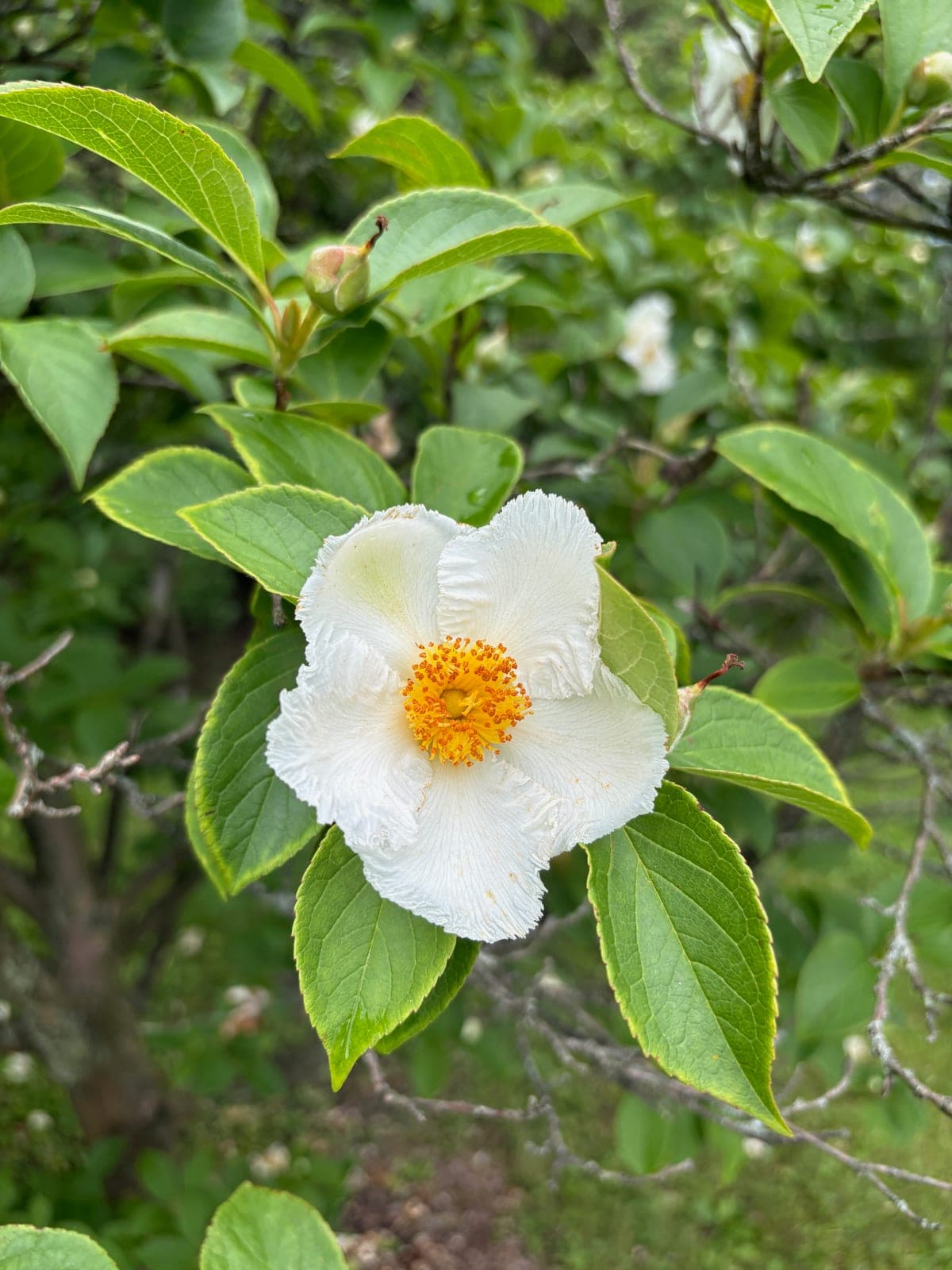
Stewartia pseudocamellia has no significant culinary uses, and while some traditional East Asian herbalists have noted astringent properties in related Camellia family members, there are no well-documented medicinal applications specific to this species that a home gardener should rely on. What it does offer is extraordinary multi-season beauty: white camellia-like flowers with orange-yellow stamens in midsummer, rich burgundy and scarlet fall foliage, and - the real showstopper - exfoliating bark that peels back in puzzle-piece plates of grey, orange, and cinnamon through winter. Seed propagation requires warm stratification followed by cold stratification over several months, so most gardeners source container-grown specimens from specialty nurseries. If you're patient and give it the acidic, moisture-retentive soil it craves, this is one of the most distinguished and underused trees you can grow in a temperate garden.