
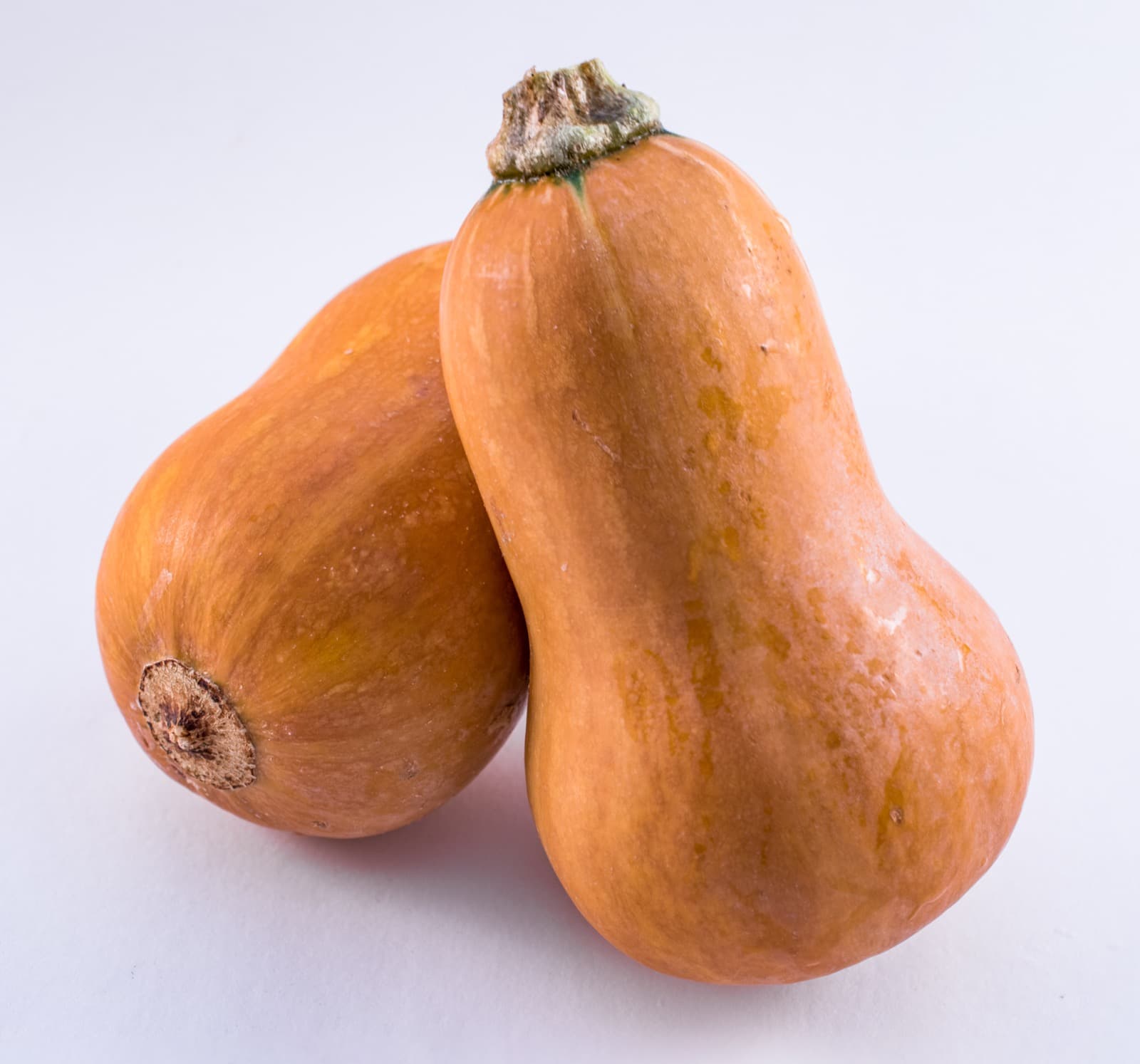
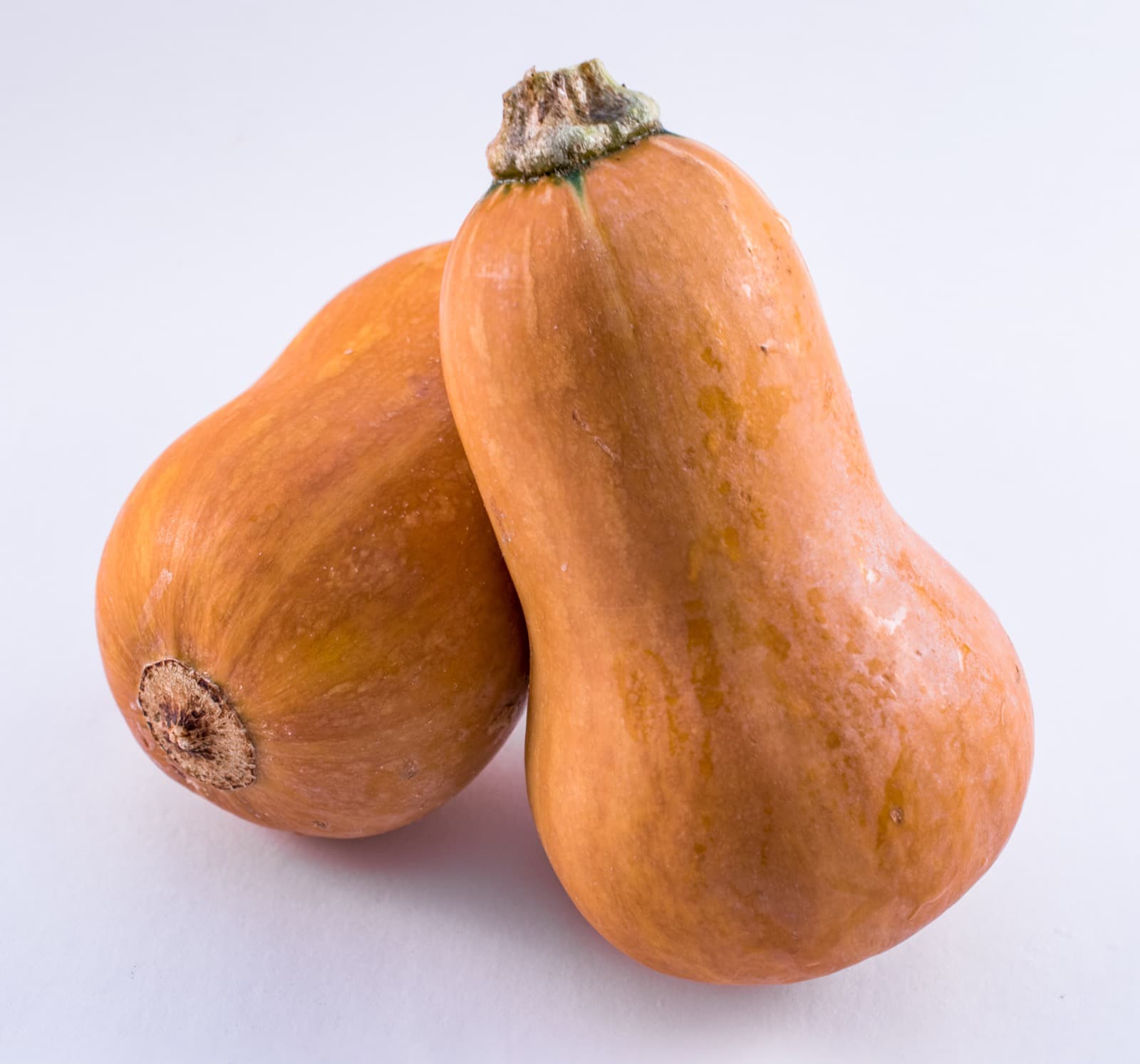
Honeynut is a miniature butternut - a single-serving squash about the size of a hand, bred at Cornell by Michael Mazourek with the chef Dan Barber to concentrate the sweetness and flavour of a full butternut into one fruit. The flesh is deep orange and notably sweeter than standard butternut, with two to three times the beta-carotene. A vigorous vine sets a heavy crop of small fruit, so a single plant yields generously.
Its most useful trait for the gardener is a built-in ripeness gauge: the skin starts green and turns a deep tan-orange only when the squash is fully ripe and at peak sweetness, so colour tells you exactly when to pick. Grow it like butternut - direct sow after the last frost into warm soil, give the vines room, and keep them fed and watered. Harvest in fall once the fruit has coloured fully and the skin has hardened, then cure for a week or two; it stores for a couple of months, though it is so good fresh it rarely lasts.
Powdery mildew
White or grey powdery coating on leaves - usually starting on older growth in humid conditions or when nights cool.
Improve air circulation by thinning plants. Apply neem oil or potassium bicarbonate spray at first sign. Avoid overhead watering.