
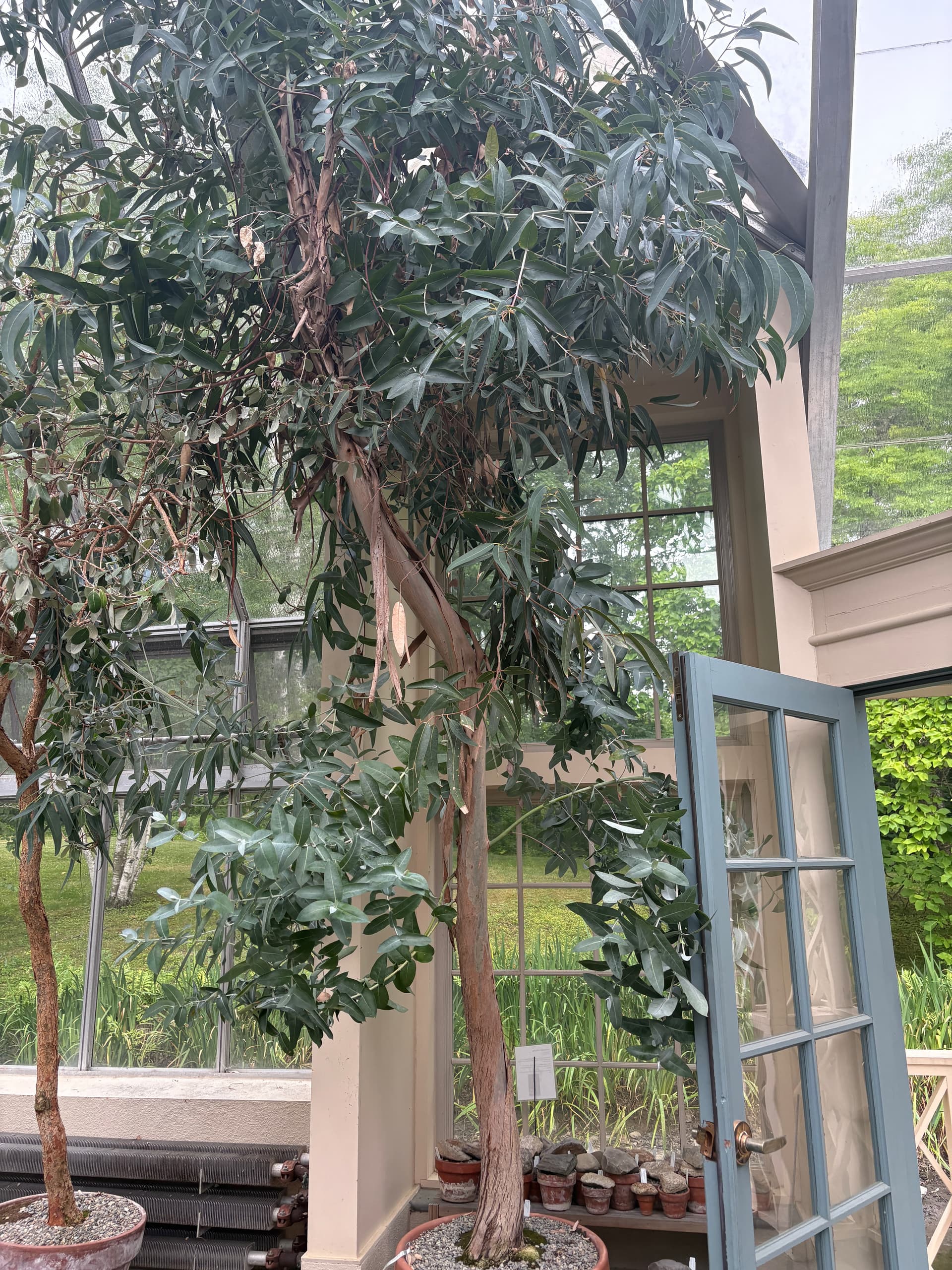
Eucalyptus gunnii, the Cider Gum, is one of the hardiest eucalyptus species you can grow in a temperate garden, and if you give it the right start it will reward you with years of that gorgeous silver-blue juvenile foliage. Soil preparation is everything here - this tree absolutely despises waterlogged roots, so dig in plenty of grit or horticultural sand if your ground holds moisture, and avoid rich, heavily amended beds which push on too-soft growth that's vulnerable to wind rock. Plant out in late spring once the soil has warmed, choosing a sheltered spot for the first year or two if you're near the colder end of zone 7. The biggest mistake gardeners make is planting too large a specimen - a small, young tree in a 1–2 litre pot will establish far faster and overtake a larger pot-bound plant within a single season. Stake firmly but not rigidly, allowing a little movement to encourage a strong root anchor, and water in well for the first summer but then largely leave it alone. If you want to keep it shrubby and maximise that juvenile foliage, coppice hard to around 30 cm each spring - it pushes back vigorously and the young rounded leaves are far more striking than the mature sickle-shaped ones.
Traditionally, eucalyptus leaves have a long history of medicinal use, particularly in steam inhalation for relieving respiratory congestion, sinusitis, and heavy colds - simply steep a handful of fresh or dried leaves in a bowl of just-boiled water and breathe in the vapour under a towel. The essential oil distilled from the leaves contains cineole, which has genuine antimicrobial and anti-inflammatory properties, and a few drops in a carrier oil make a warming rub for tired, aching muscles. Indigenous Australians used the resin and bark preparations for wound care and skin infections, and that tradition of topical use has carried into modern herbal practice. Culinary uses are quite niche but do exist - a single young leaf can be used to subtly perfume syrups, custards, or infused into honey, lending a clean, medicinal-floral note that pairs beautifully with lemon. Don't overdo it though; the flavour is potent and a little goes a long way. As a companion in the garden, Cider Gum's aromatic oils can deter some pest insects, making it a useful backdrop planting near yarrow or calendula where you want to encourage beneficial insects while keeping aphids at bay.
Growing it indoors up north? See the indoor care guide - light, water, and the rhythm that keeps it flowering as a houseplant.