
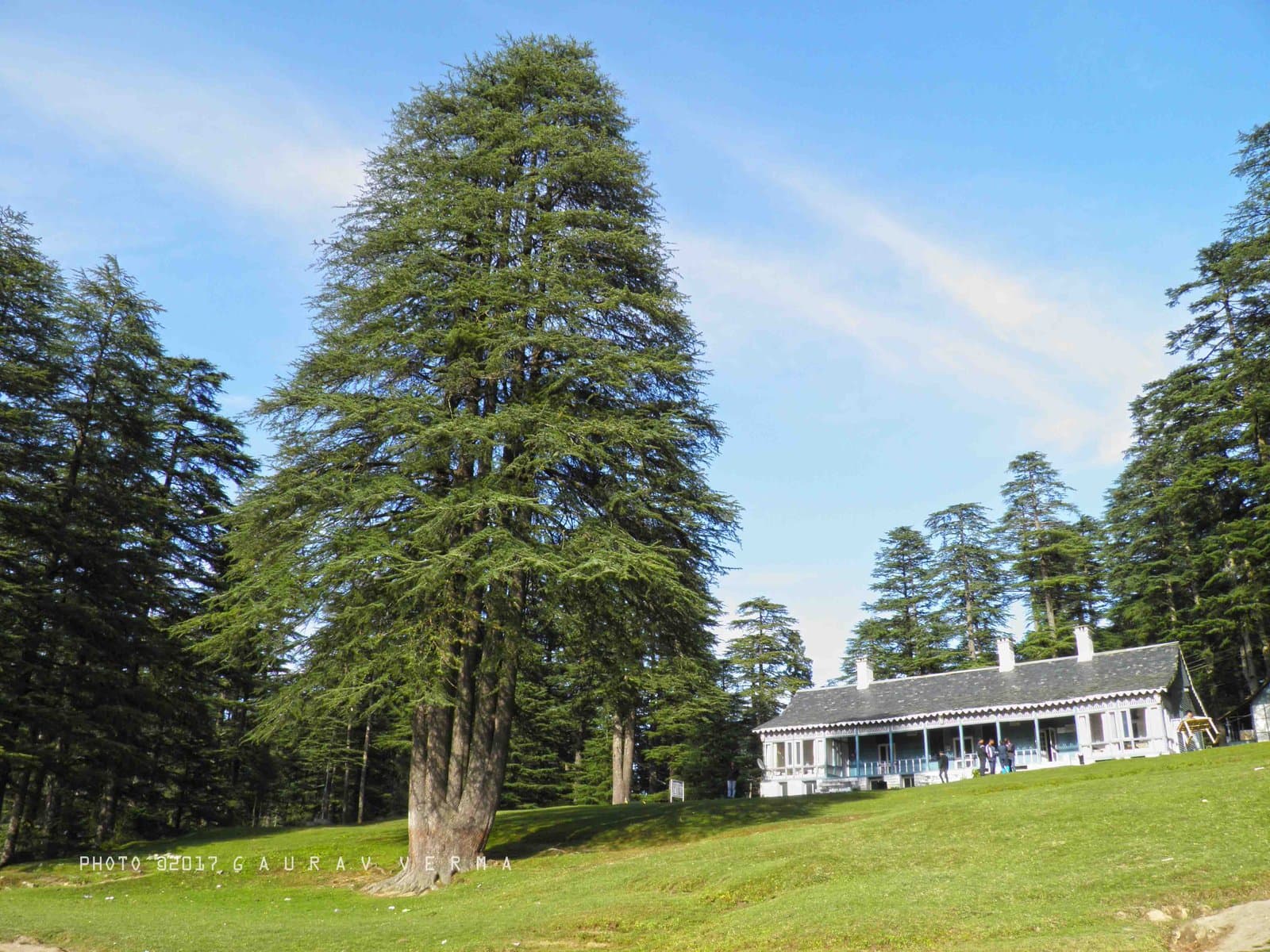
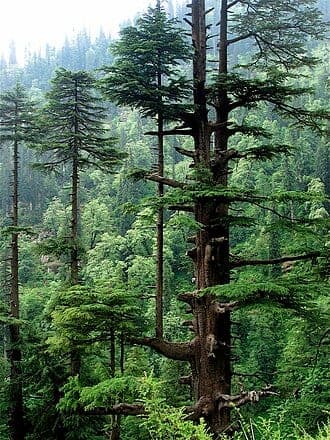
Cedrus deodara is a large evergreen conifer native to the western Himalayas, reaching 40–70 feet tall in cultivation with a broad pyramidal form and distinctively drooping branch tips. Its name comes from the Sanskrit devadāru, meaning timber of the gods, reflecting both its cultural importance and the exceptional durability of its aromatic wood. It is widely used as a specimen tree, large-scale screen, or windbreak in zones 7–9.
Once established, deodar cedar is notably drought-tolerant and adaptable to a range of soil types, provided drainage is good. It declines in waterlogged or compacted sites and can develop root rot in areas with persistent standing water. In hot inland climates, partial afternoon shade eases establishment; in milder coastal conditions it performs well in full sun. Avoid planting in low spots. Mulching the root zone through the first two winters speeds establishment and buffers temperature extremes in zone 7.
The heartwood and its distilled oil have a documented history in Ayurvedic medicine, applied externally for joint and skin complaints and used in preparations for respiratory and urinary conditions. Laboratory studies have confirmed antimicrobial and anti-inflammatory activity in the oil.
Diplodia Tip Blight
New shoot tips wilt and collapse in spring while needles are still expanding, turning brown and remaining stunted. Small black fungal fruiting bodies (pycnidia) form at the base of infected needles and on cone scales. Resinous lesions may develop at the base of infected branches. Repeated infections cause progressive dieback from branch tips inward.
Apply a registered fungicide (thiophanate-methyl or copper-based) beginning at bud swell, before candles begin to elongate, and repeat at 10–14 day intervals through candle expansion. Prune and destroy all infected shoot tips. Avoid overhead irrigation. Rake and remove fallen needles and cones. Reduce tree stress through adequate soil moisture and avoiding mechanical injury, as the pathogen preferentially attacks weakened plants.
Phytophthora Root Rot
Wilting despite moist soil, yellowing leaves, stunted growth, and dark, decayed roots and crown tissue. Vines may collapse during hot weather.
Plant in well-draining soil and avoid waterlogging. Remove and destroy affected vines. Improve drainage with raised beds or amended soil and avoid overwatering.
Armillaria Root Rot
Thinning, yellowing canopy with progressive dieback; white, fan-shaped mycelial mats visible beneath bark at or just below the soil line; honey-colored mushroom clusters appearing at the trunk base or on surface roots in autumn.
No chemical cure exists. Improve drainage and avoid any injury to roots or trunk. Remove severely infected trees along with as much root material as possible. Do not replant susceptible species in the same spot.
Cytospora Canker
White or blue-white pitch masses ooze from bark on lower branches and the trunk. Affected branches die back progressively from the tip inward; bark beneath the resin is discolored brown and may have a resinous, sunken appearance.
Prune infected branches well below the canker margin into healthy wood and destroy all cuttings. Sterilize pruning tools with 70% isopropyl alcohol between each cut. No effective fungicide is available; prevent recurrence by avoiding drought stress, soil compaction, and mechanical bark injury.