
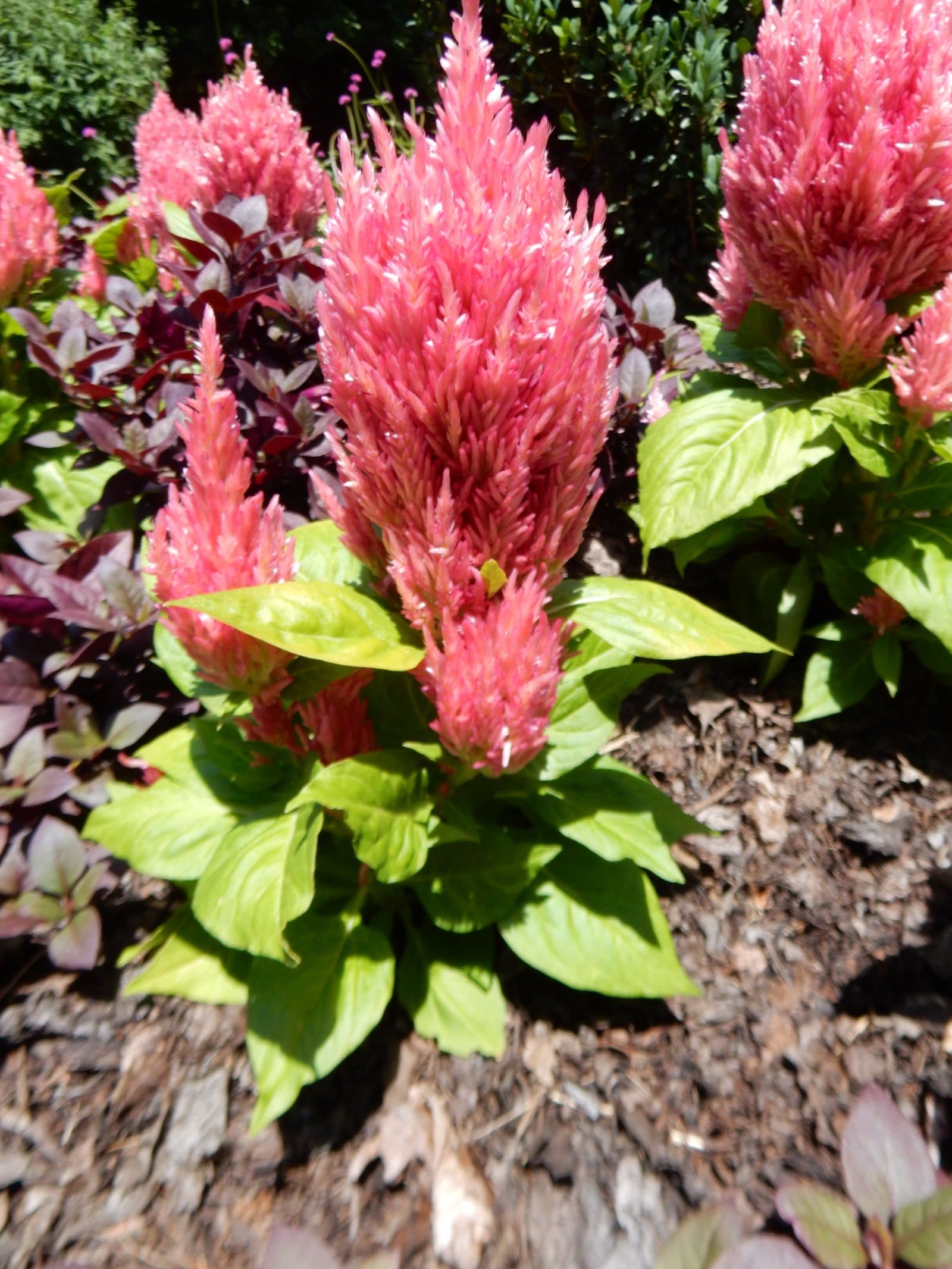
 'Castle Pink' - a plumed type with soft pink feathers. Photo: Shuvaev, CC BY 4.0.
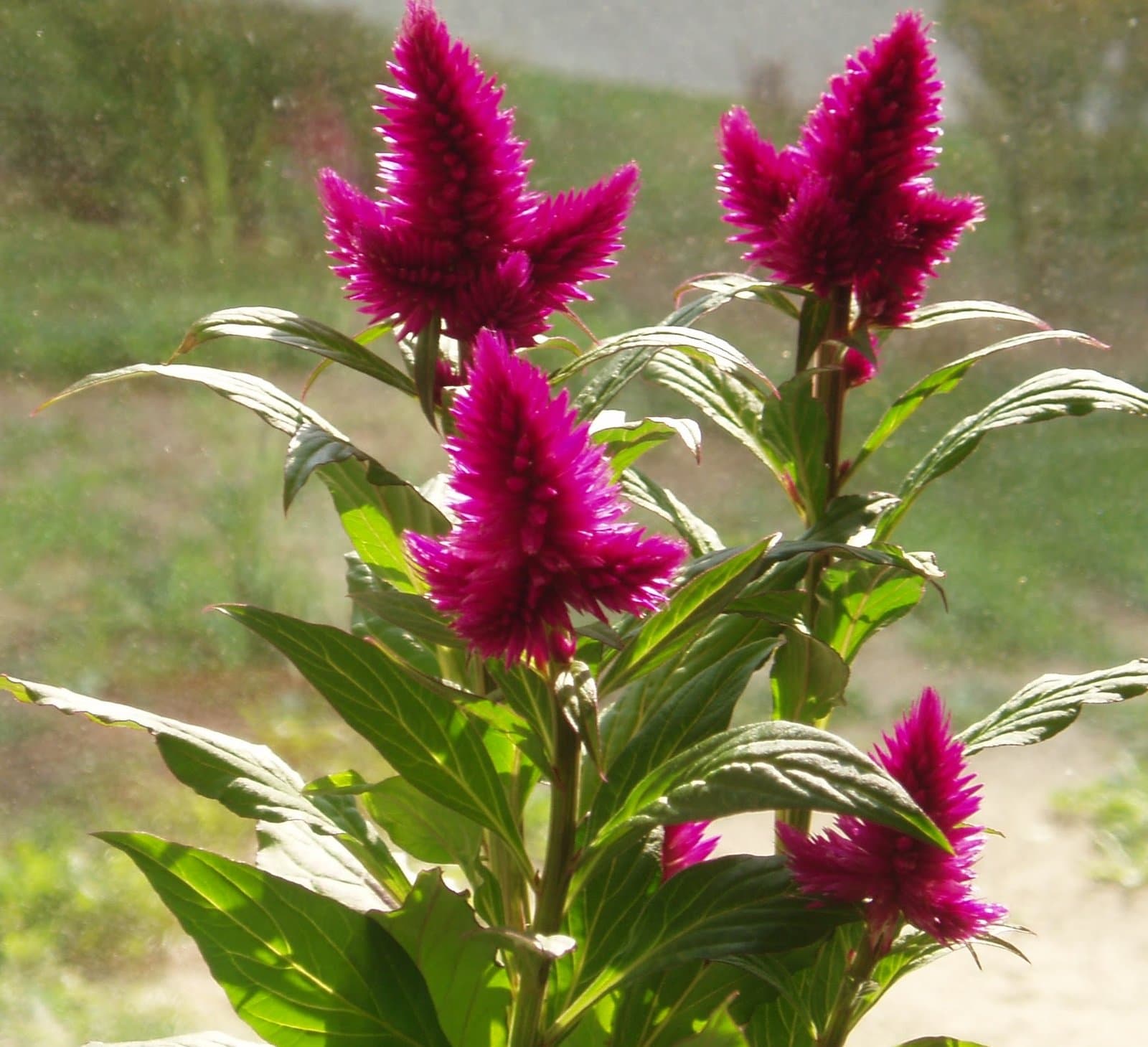 Plumed type in magenta. Photo: Marek Kluszczyński, CC BY-SA 4.0.
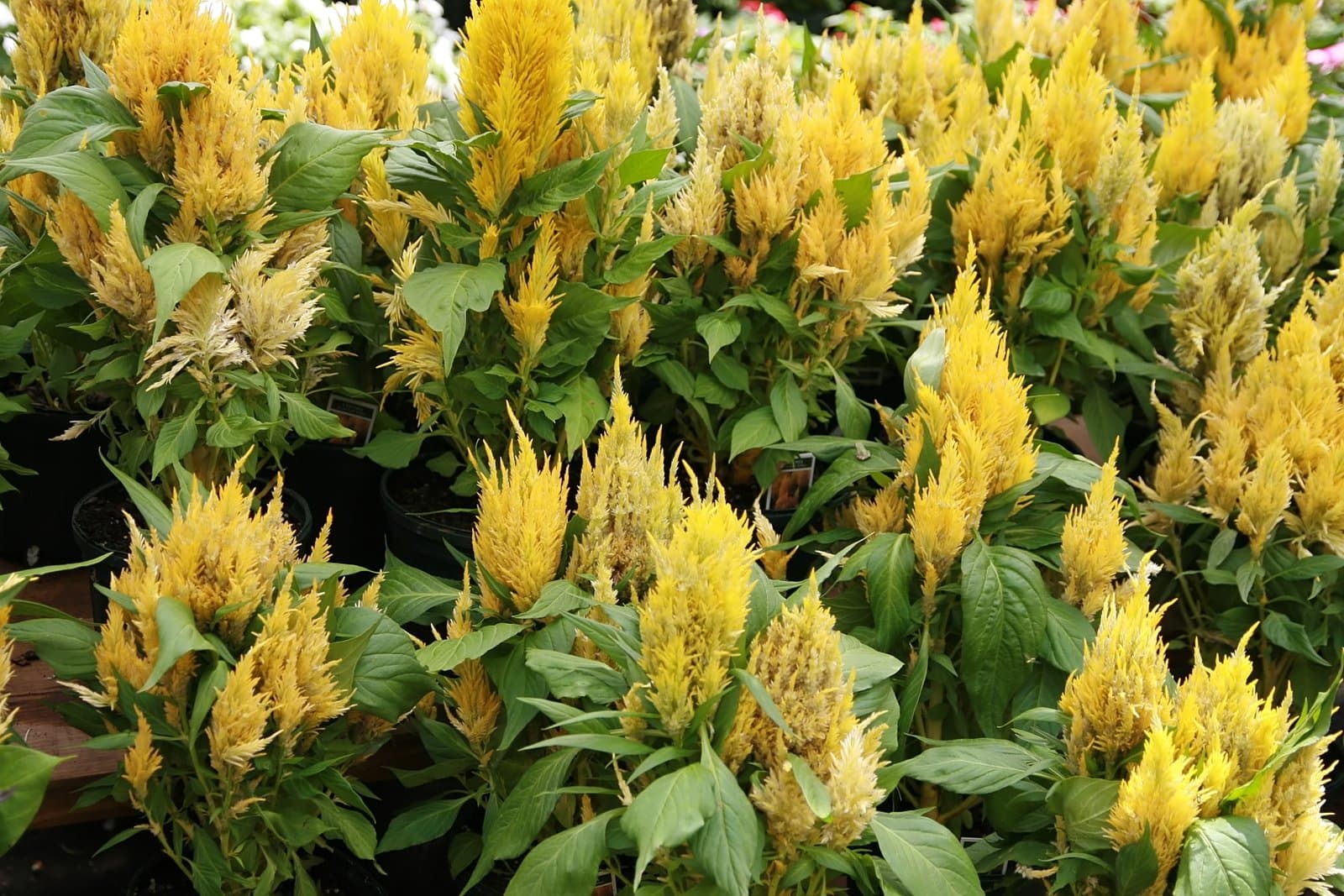 'Fresh Look Yellow' - a compact plumed type massed in a bed. Photo: Photo by David J. Stang, CC BY-SA 4.0.
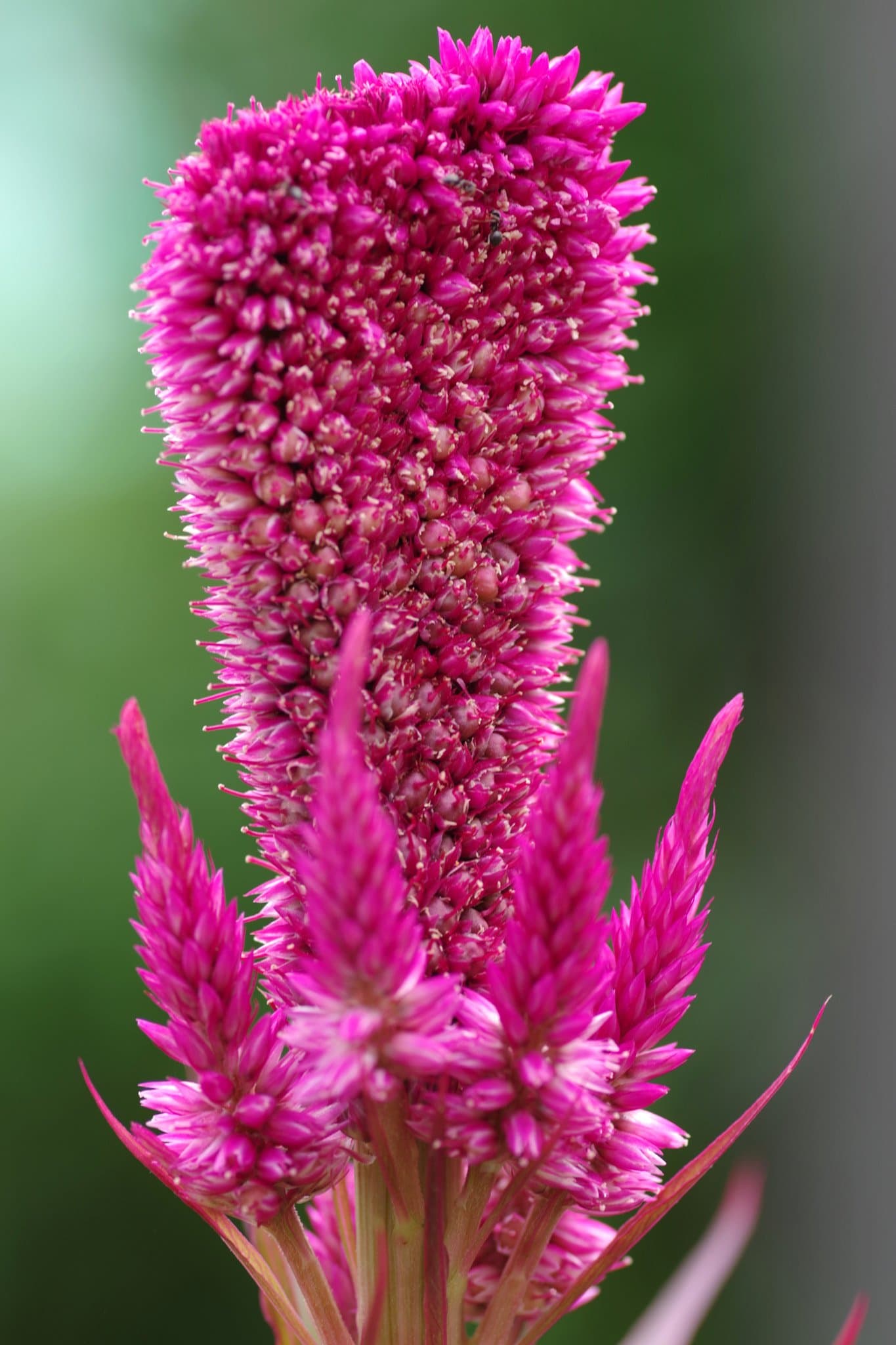 Wheat type (Spicata Group) - slim magenta spikes. Photo: Chihiro H, CC BY 3.0.
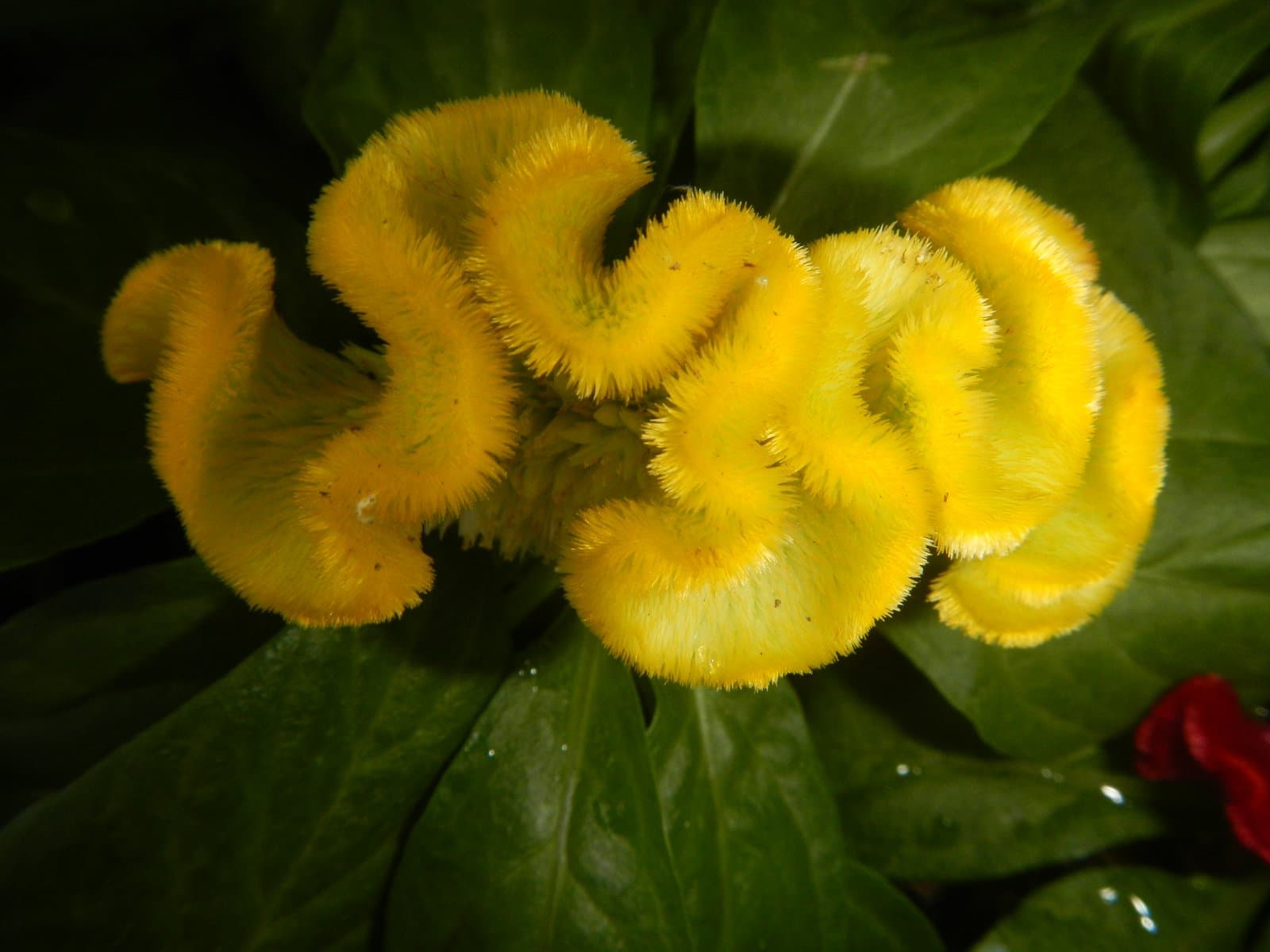 Cockscomb type (var. cristata) in yellow. Photo: Judgefloro, CC0.
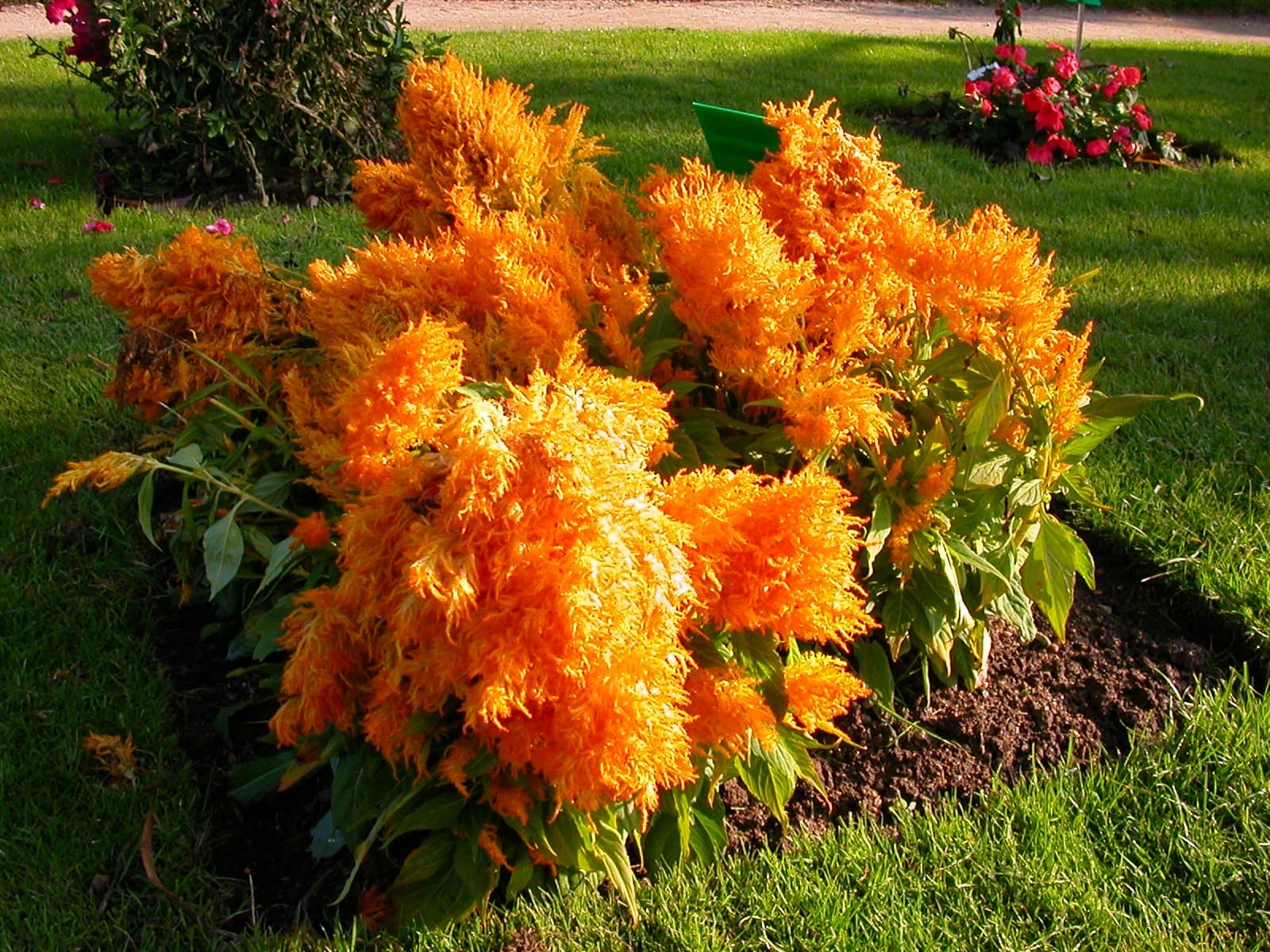
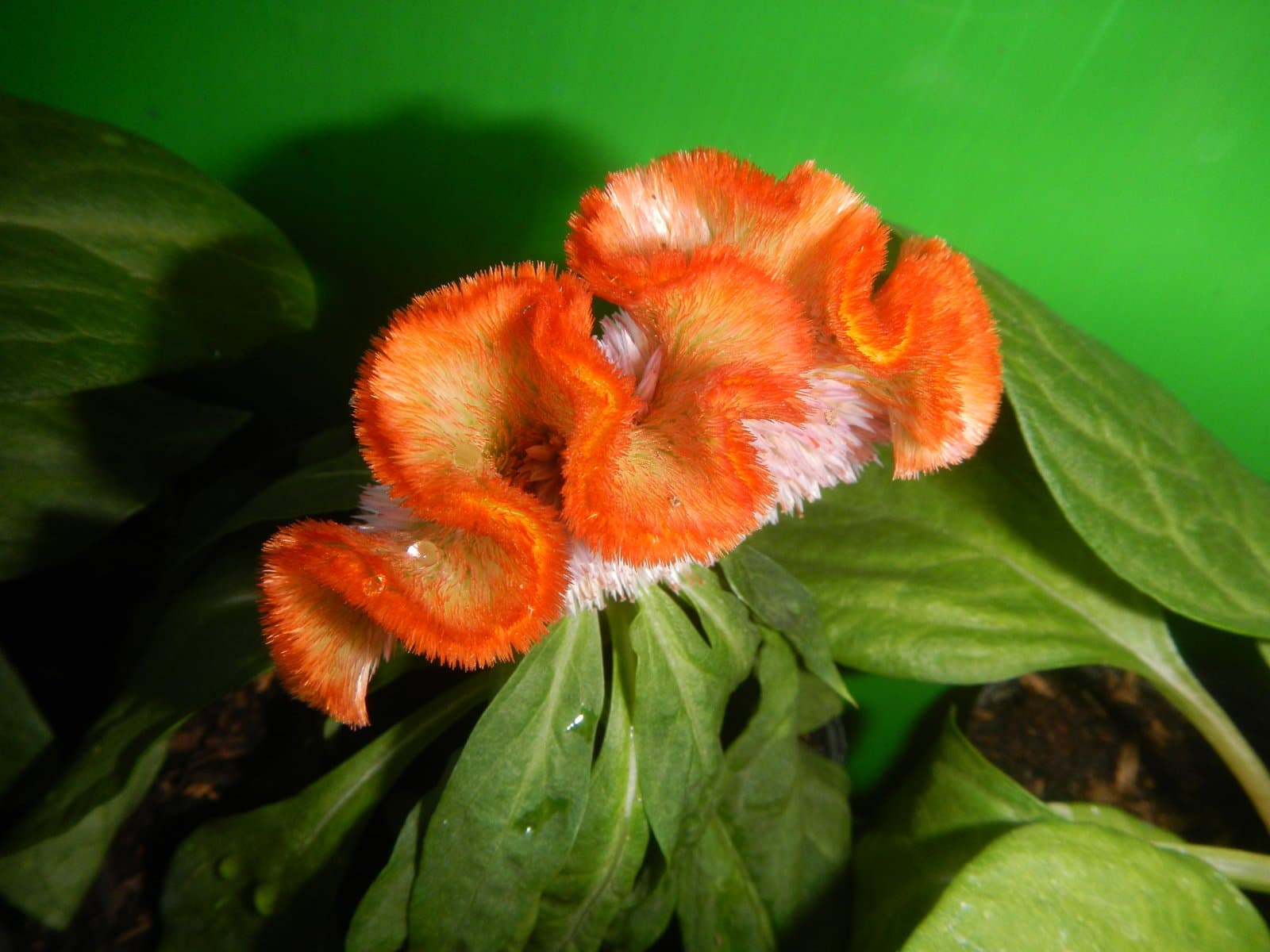 Cockscomb type (var. cristata) in orange. Photo: Judgefloro, CC0.
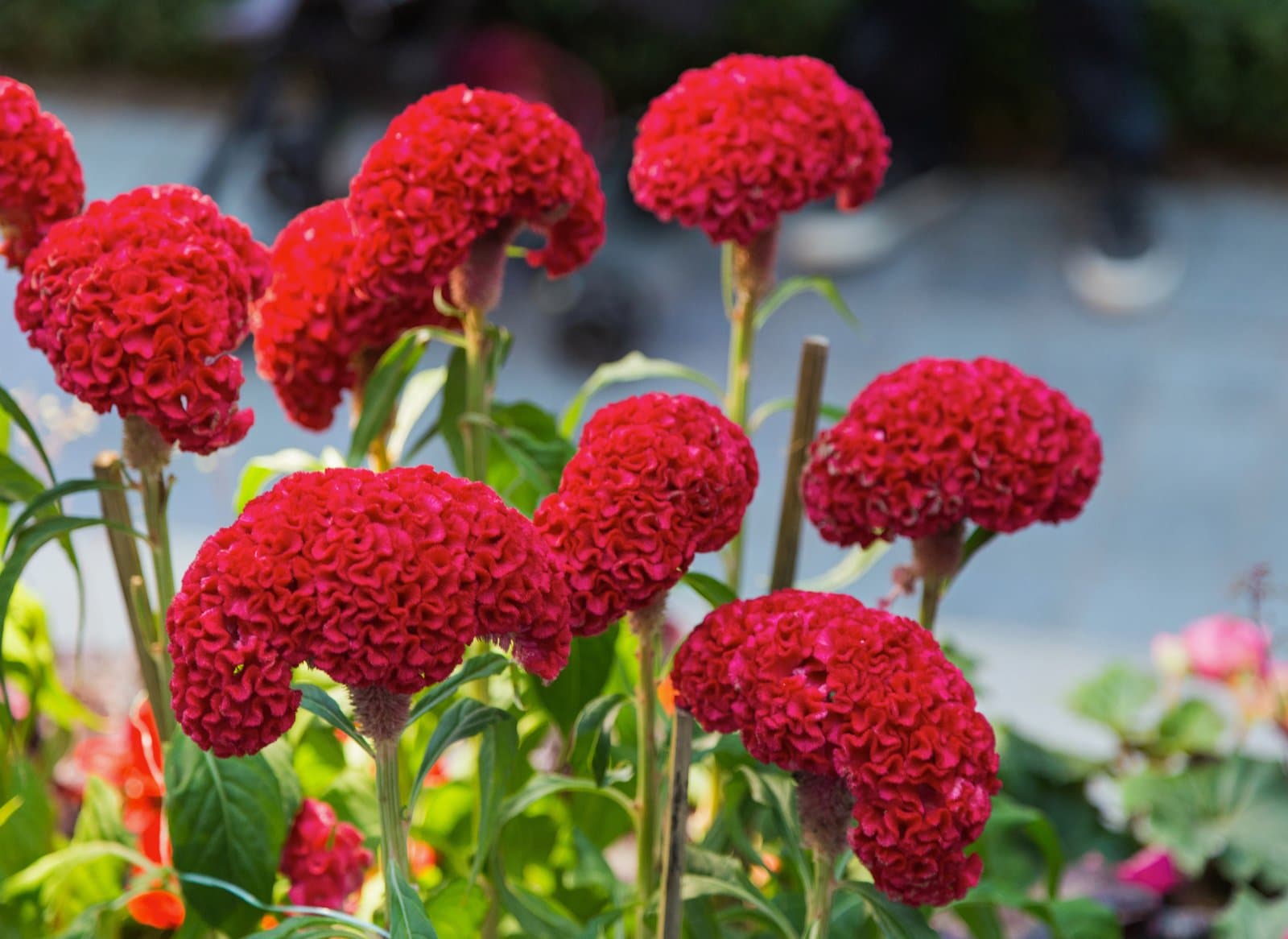 Cockscomb type (var. cristata) in red, planted as a bed. Photo: Marcin Konsek, CC BY-SA 4.0.
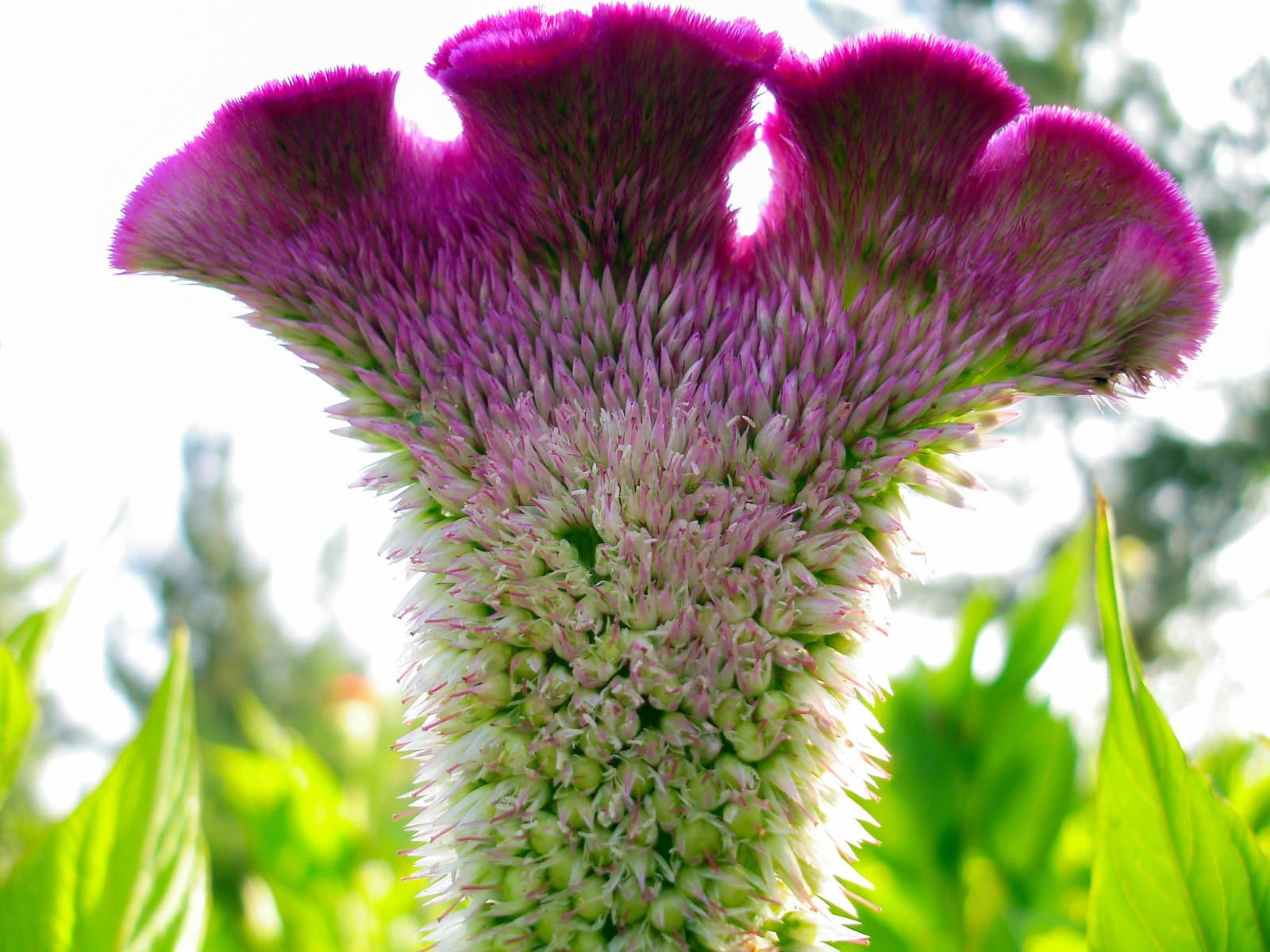 Fan-shaped cockscomb in purple. Photo: Mostafameraji, CC BY-SA 4.0.
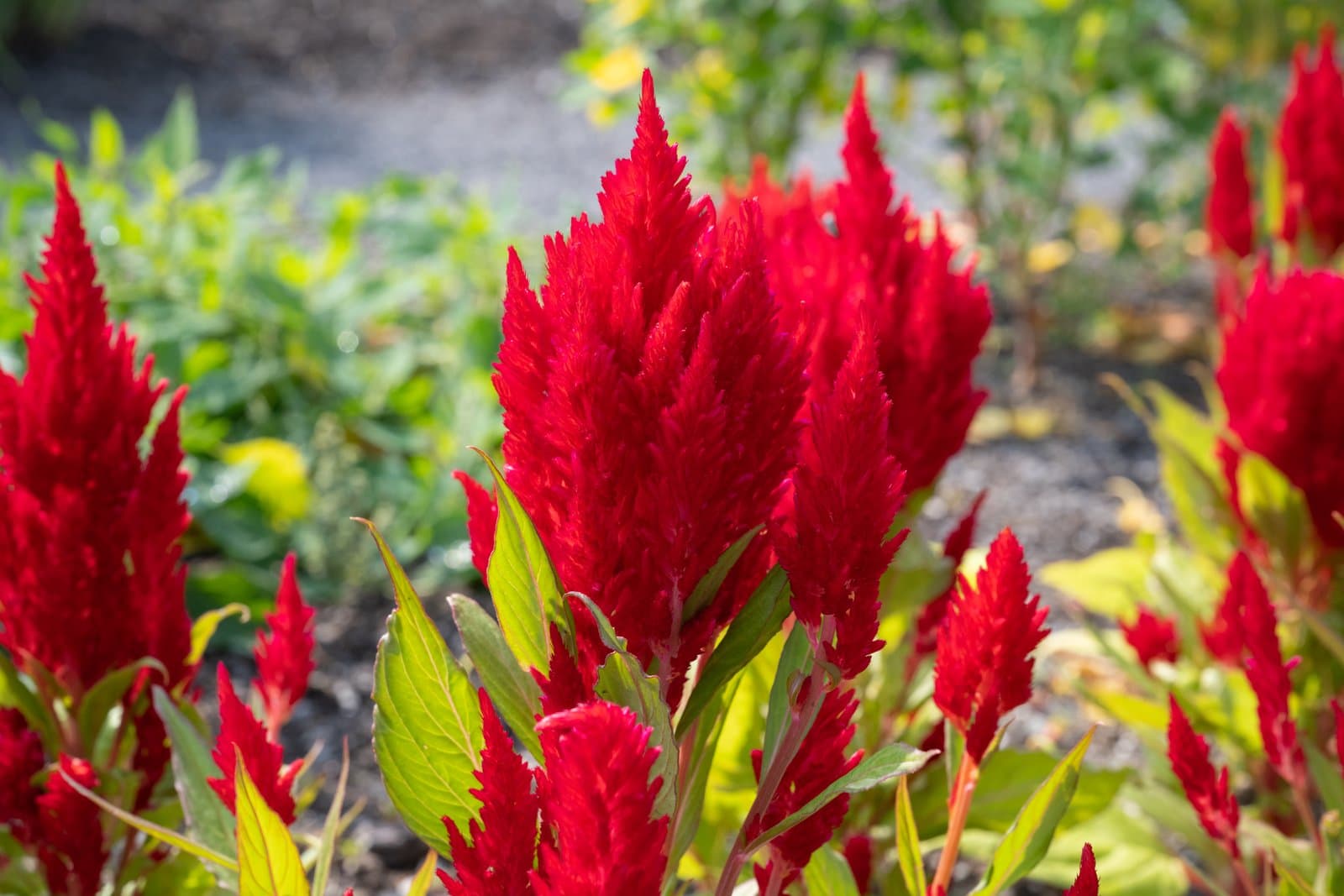 'Fresh Look Red' - a plumed type in deep red. Photo: Wilfredor, CC0.
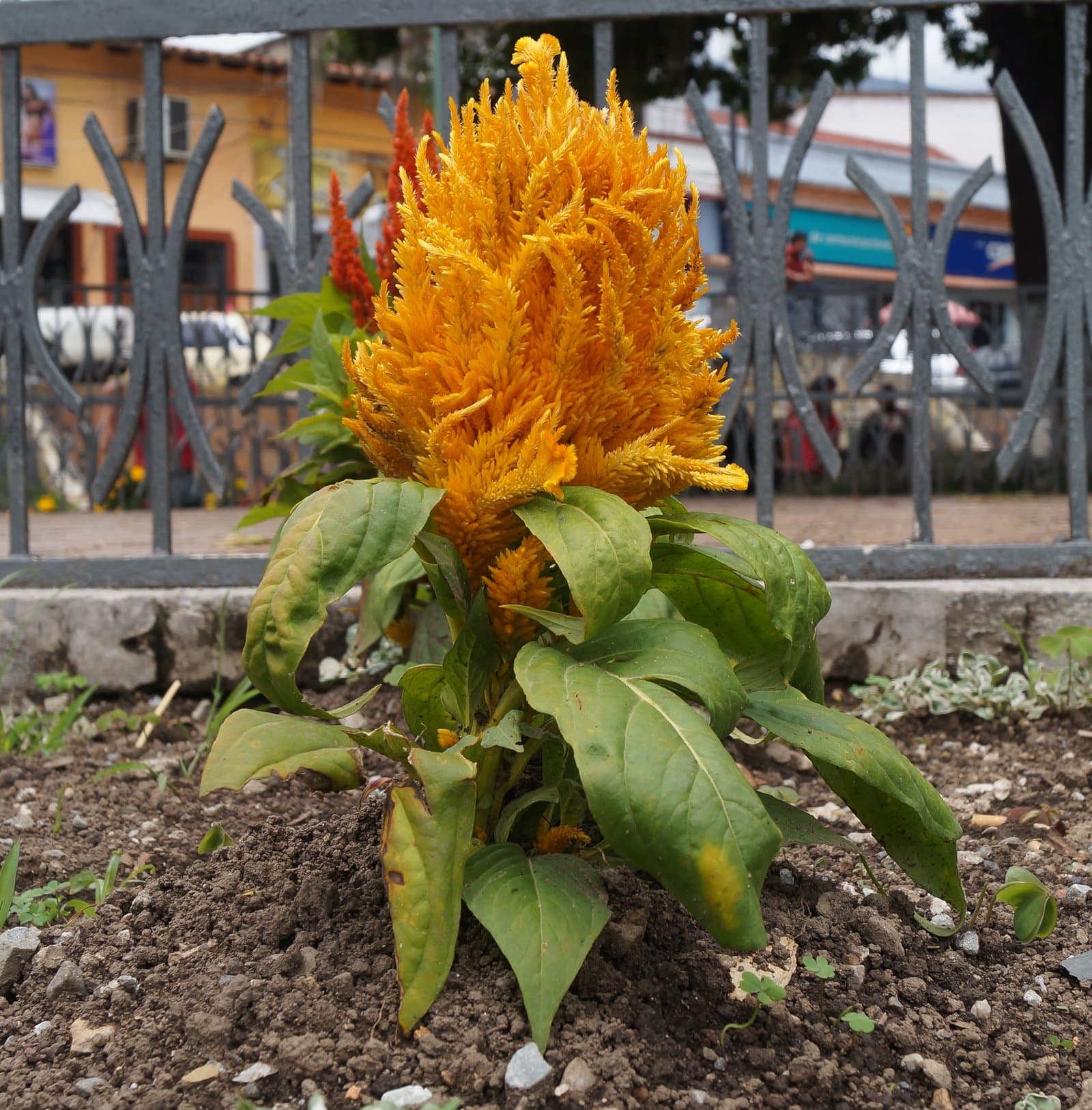 Plumed type in yellow. Photo: Rjcastillo, CC BY-SA 3.0.
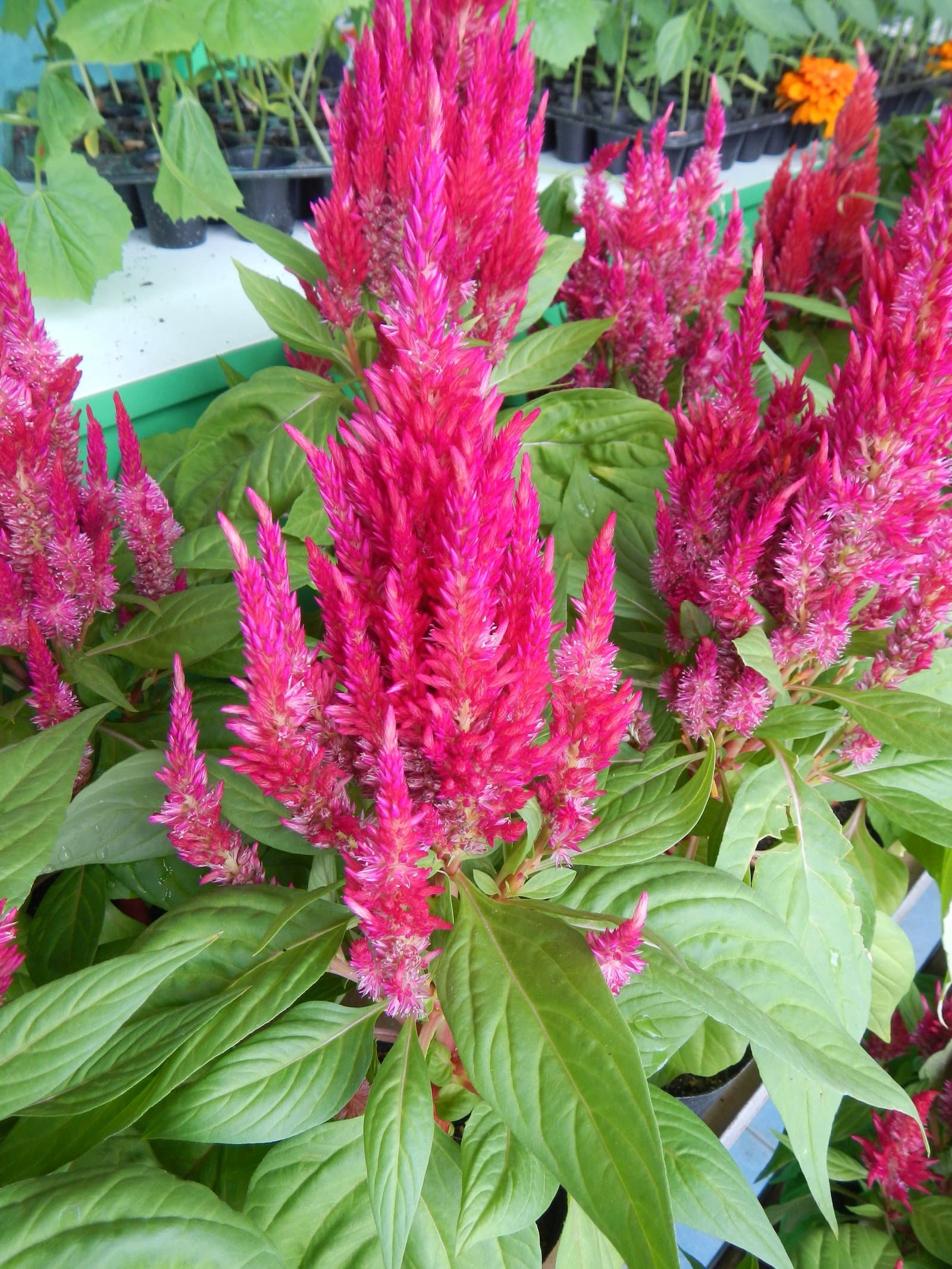 Plumed type in hot pink. Photo: Judgefloro, CC BY-SA 4.0.
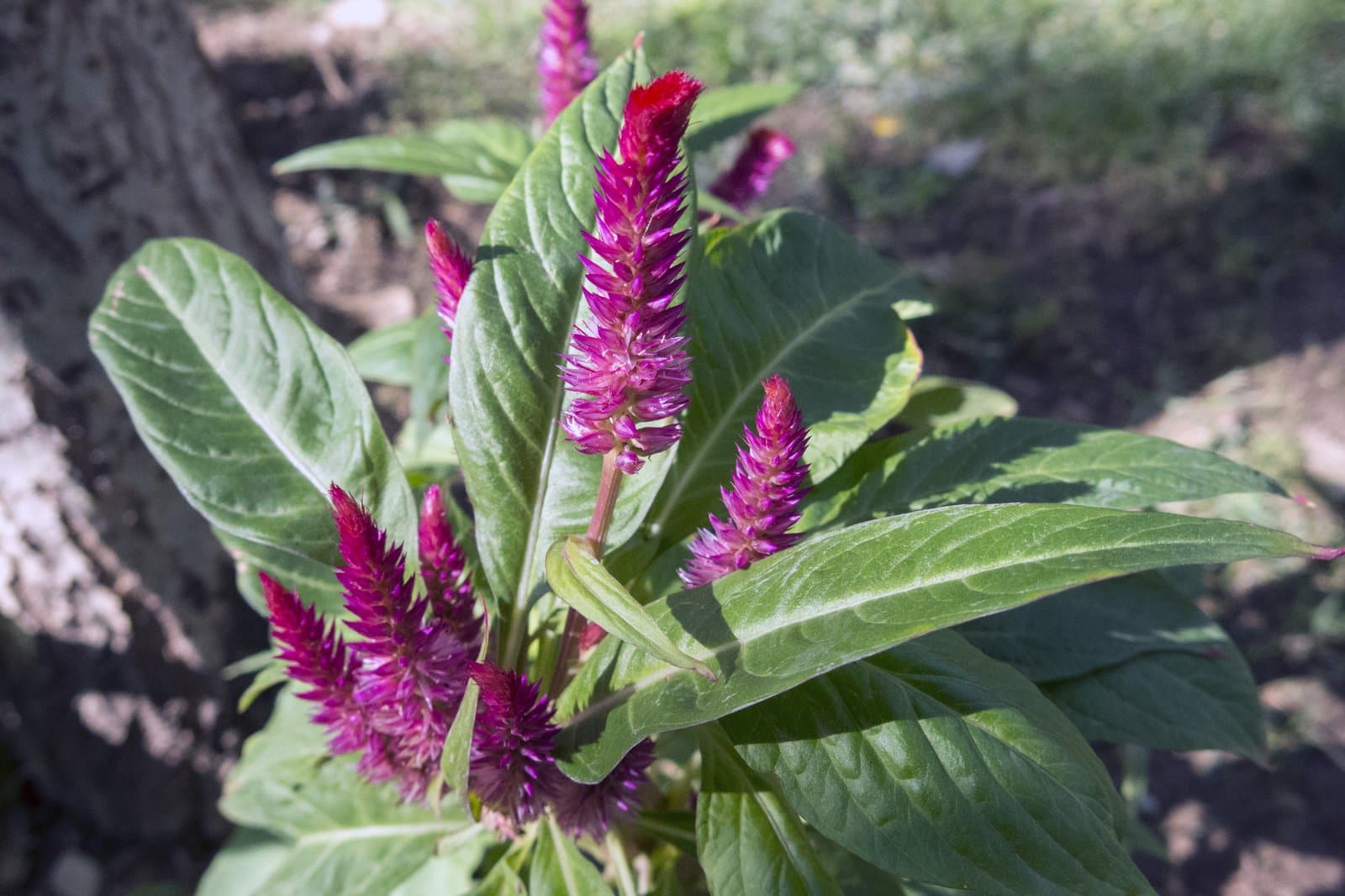 Plumed type in purple with dark foliage. Photo: Mahdikarimi70, CC BY-SA 4.0.
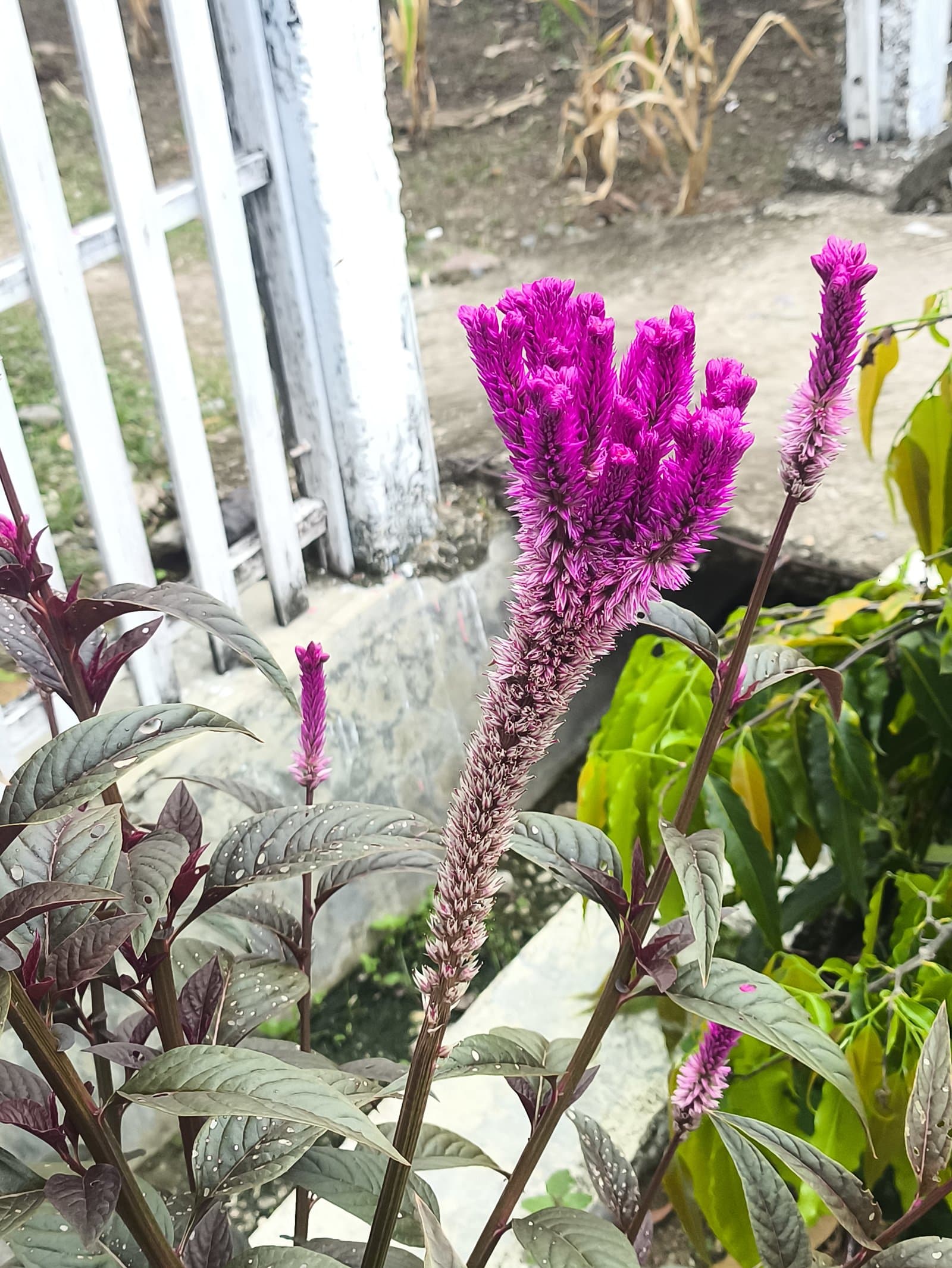 Wheat type (Spicata Group) in magenta, a tall cut-flower form. Photo: Nanad Coconad, CC BY 4.0.
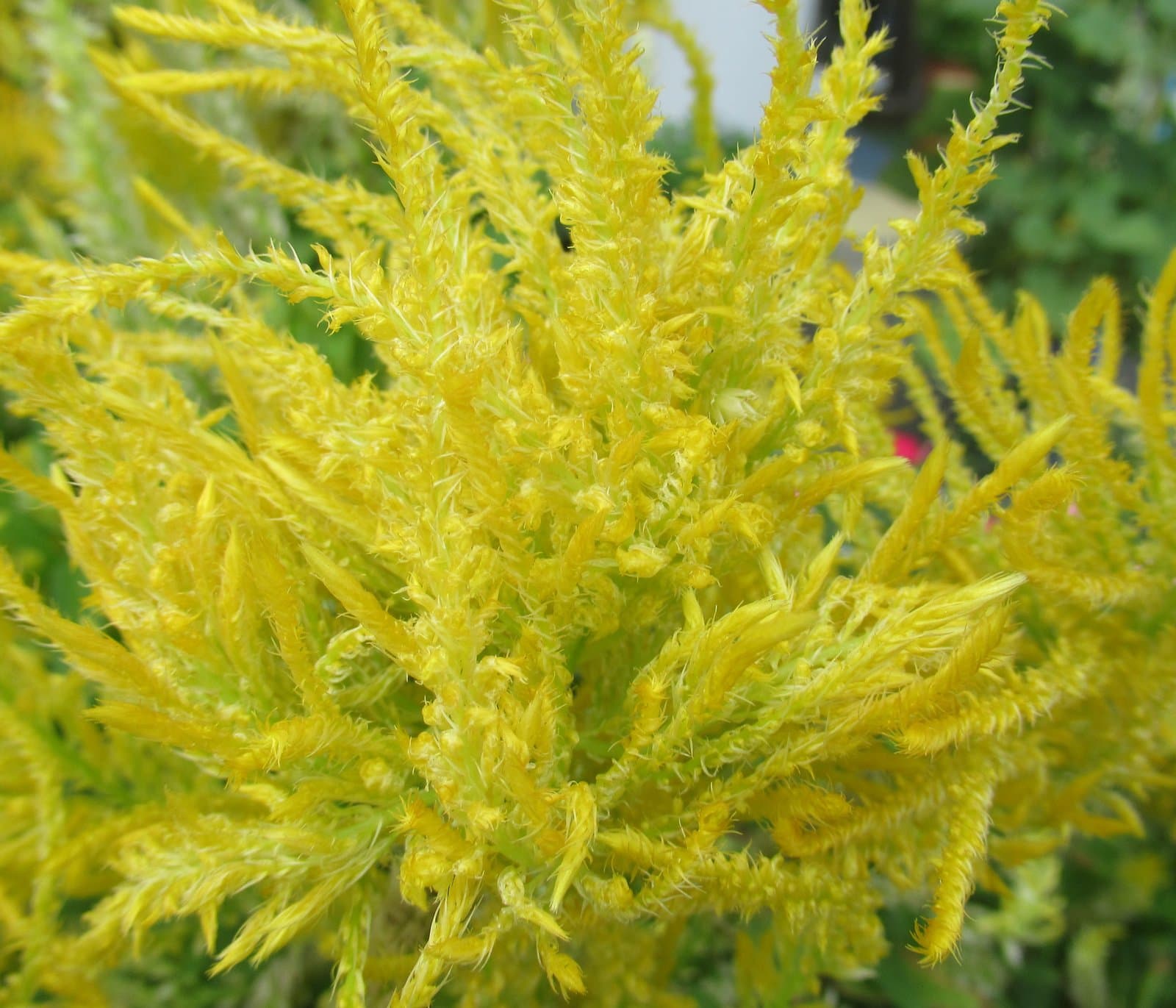 Plumed type in yellow, massed. Photo: SwarmCheng, CC BY-SA 4.0.
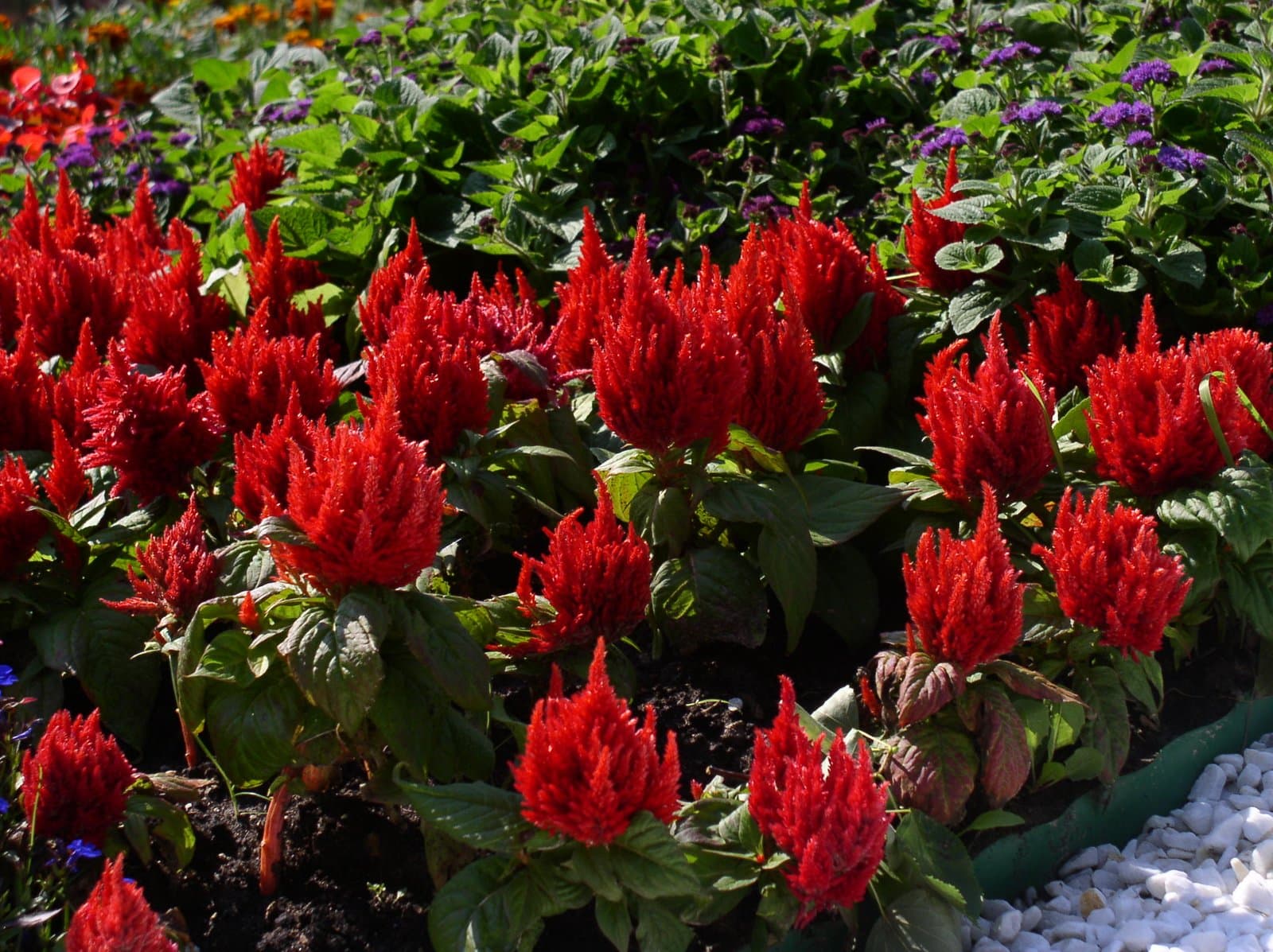 Plumed type in red, planted as a bed. Photo: Hanna Zelenko, CC BY-SA 4.0.
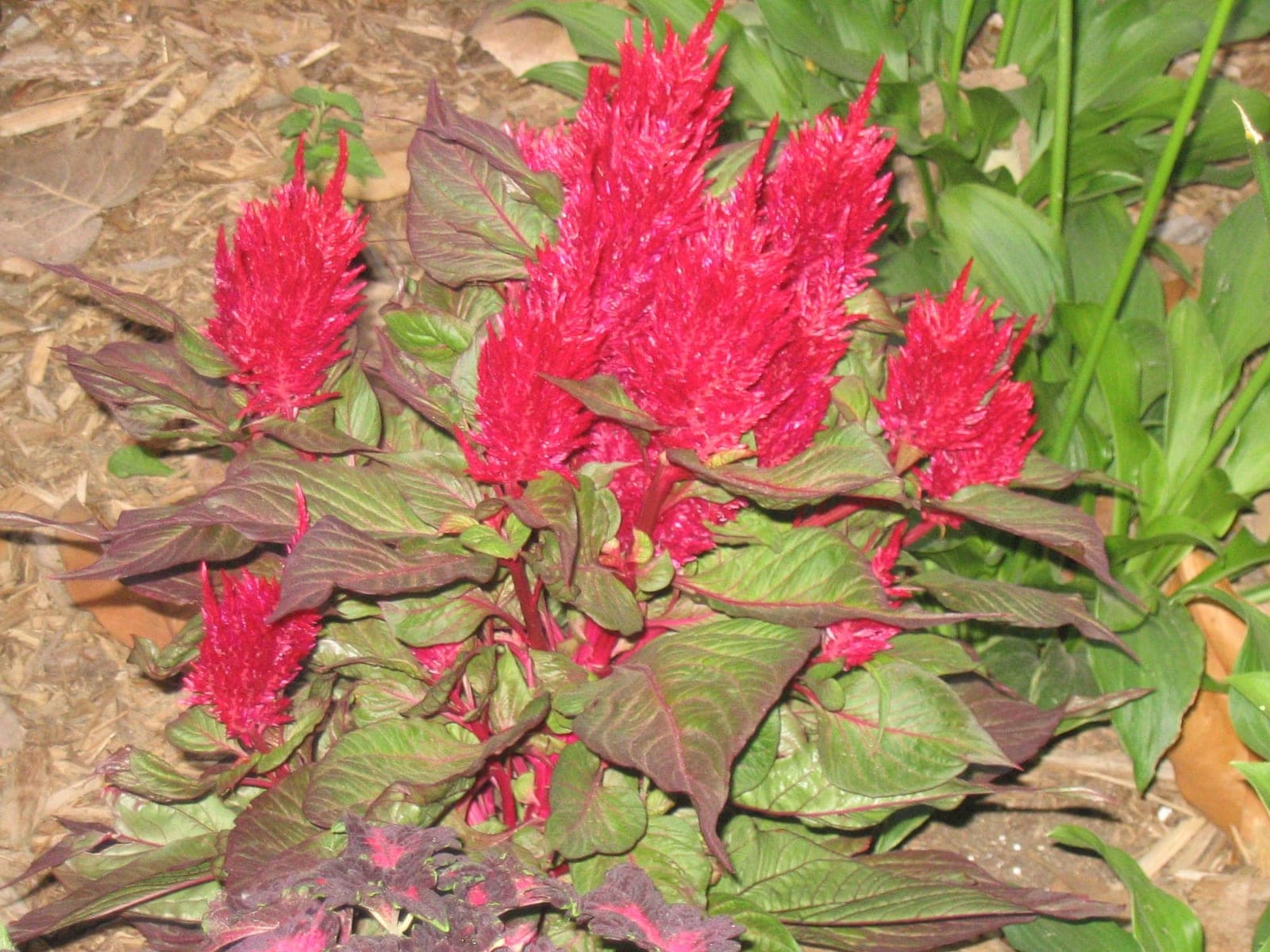
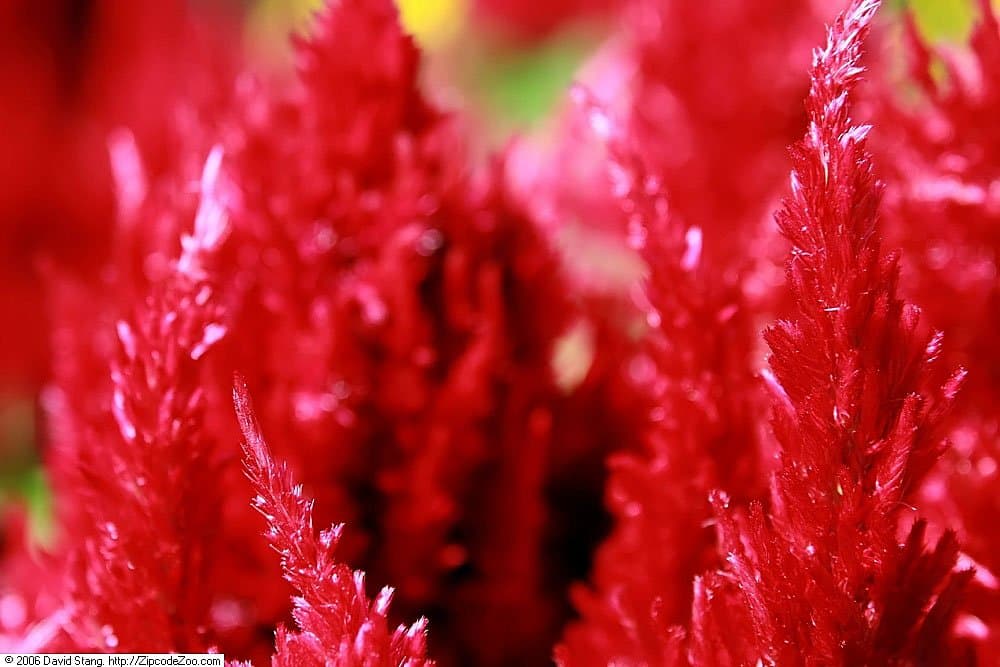 Plumed type in red, close up. Photo: Photo by David J. Stang, CC BY-SA 4.0.
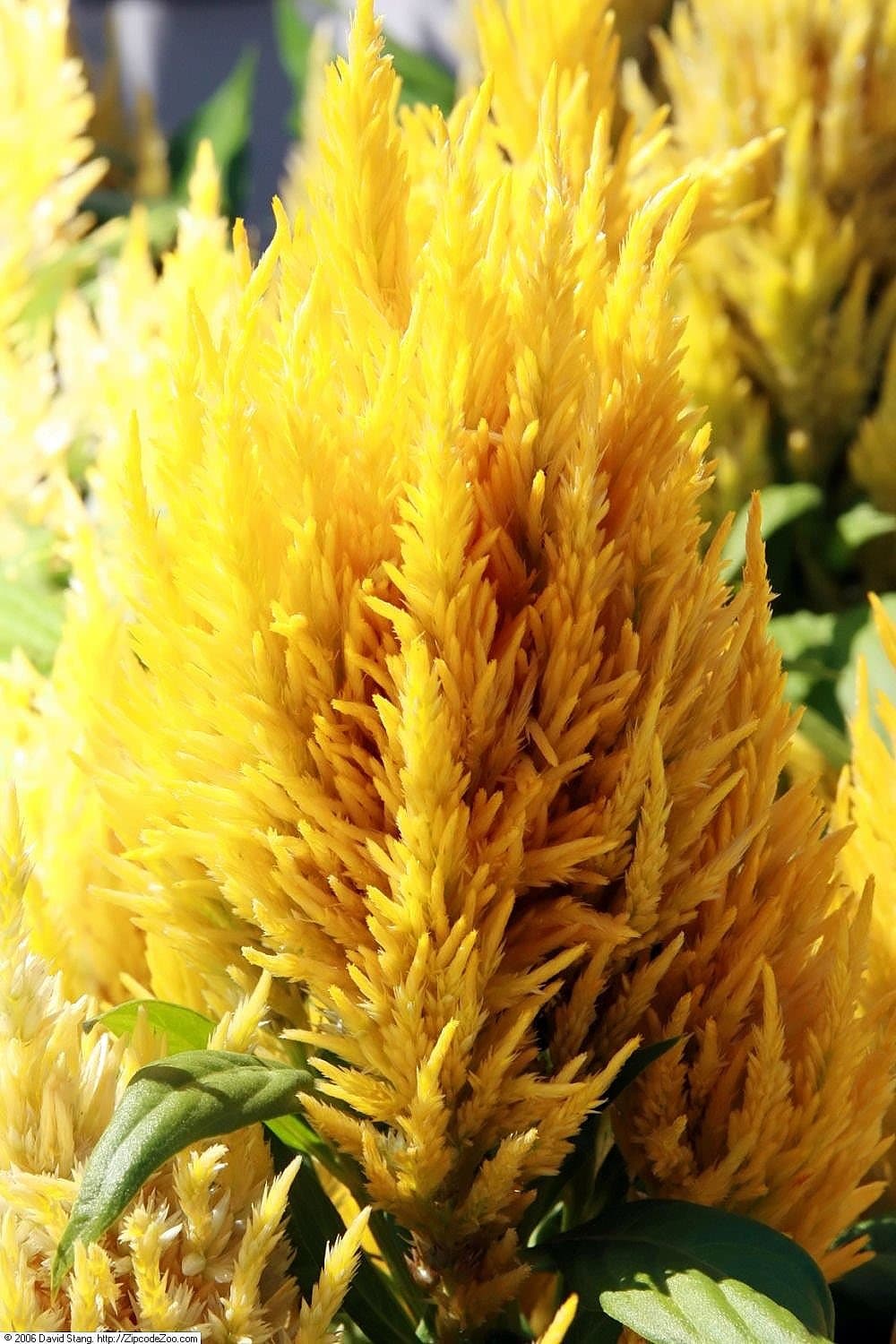 Plumed type in gold. Photo: Photo by David J. Stang, CC BY-SA 4.0.
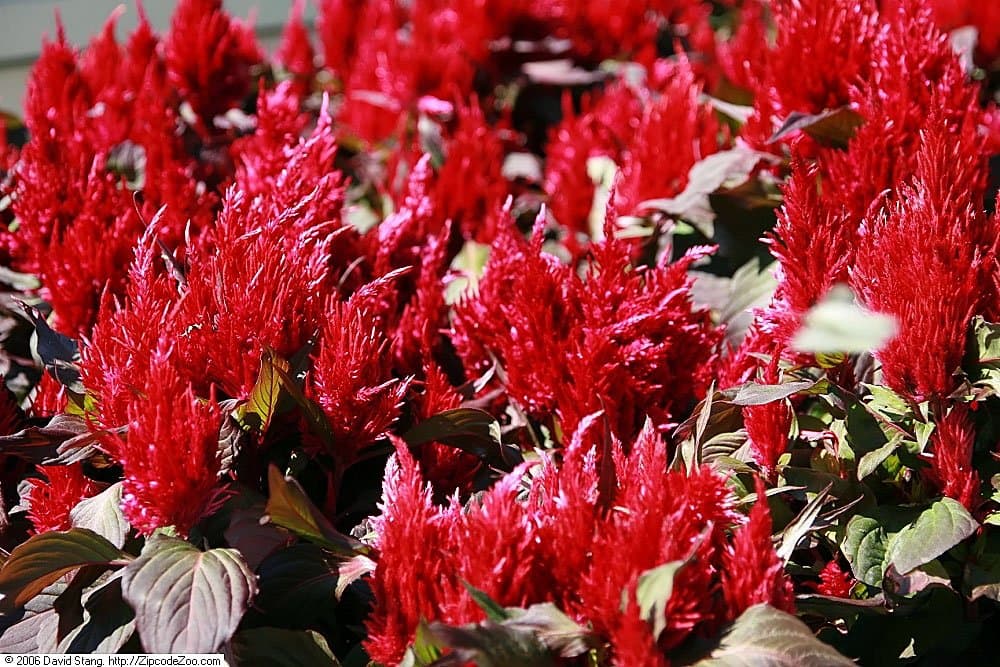 Plumed type in scarlet. Photo: Photo by David J. Stang, CC BY-SA 4.0.
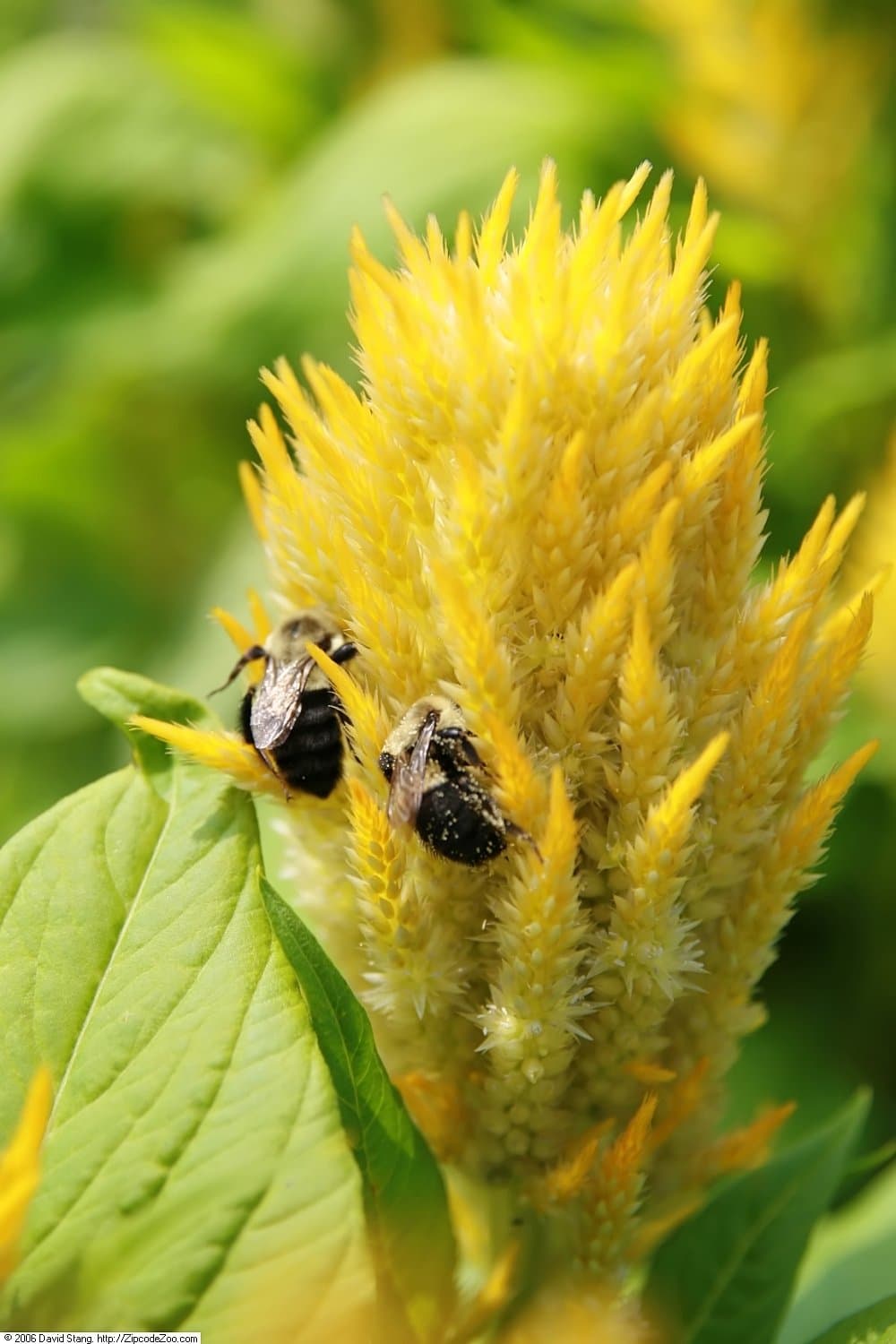 'Fresh Look Yellow' - a compact plumed type. Photo: Photo by David J. Stang, CC BY-SA 4.0.
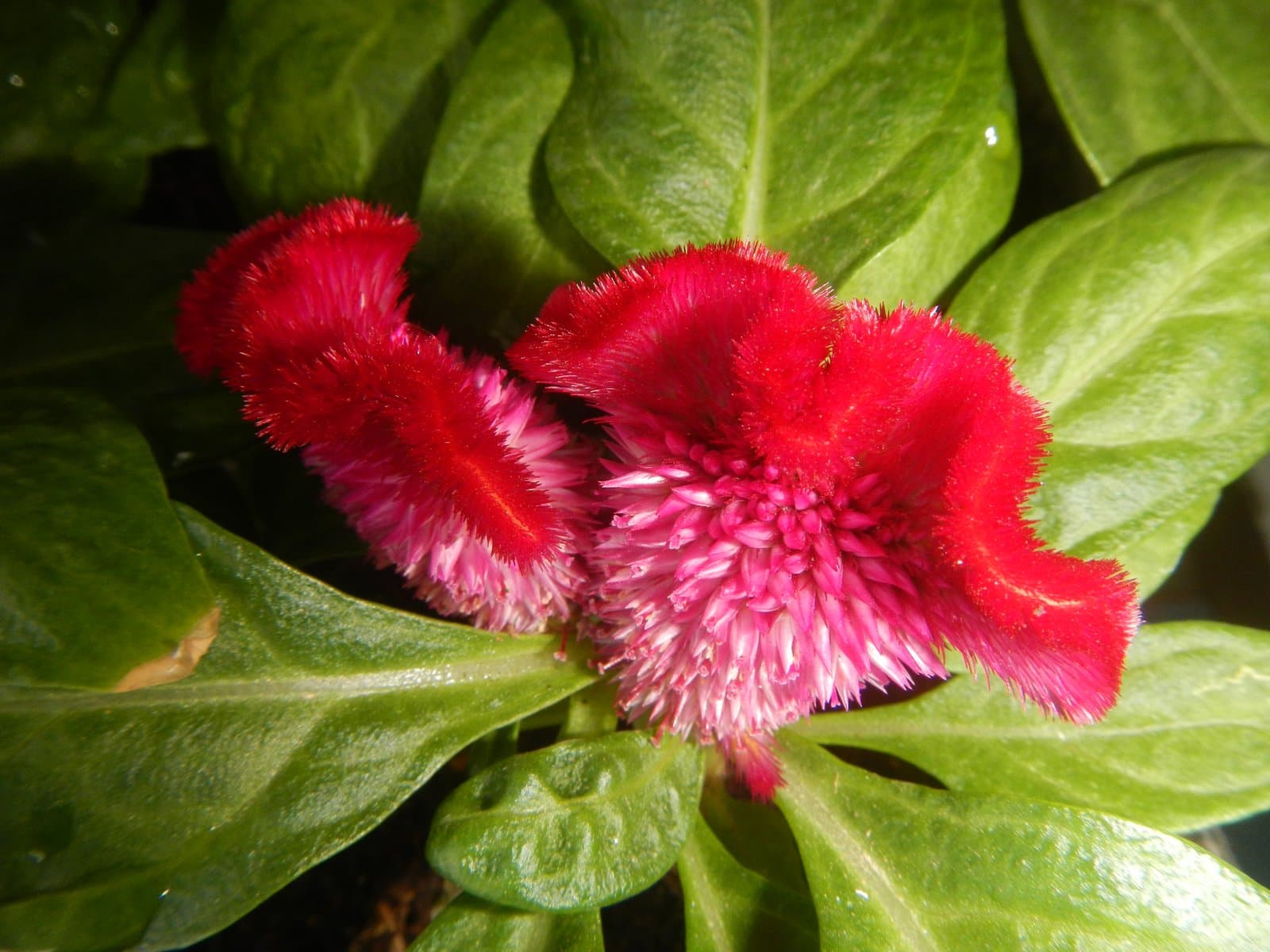 Cockscomb type (var. cristata) in pink. Photo: Judgefloro, CC0.
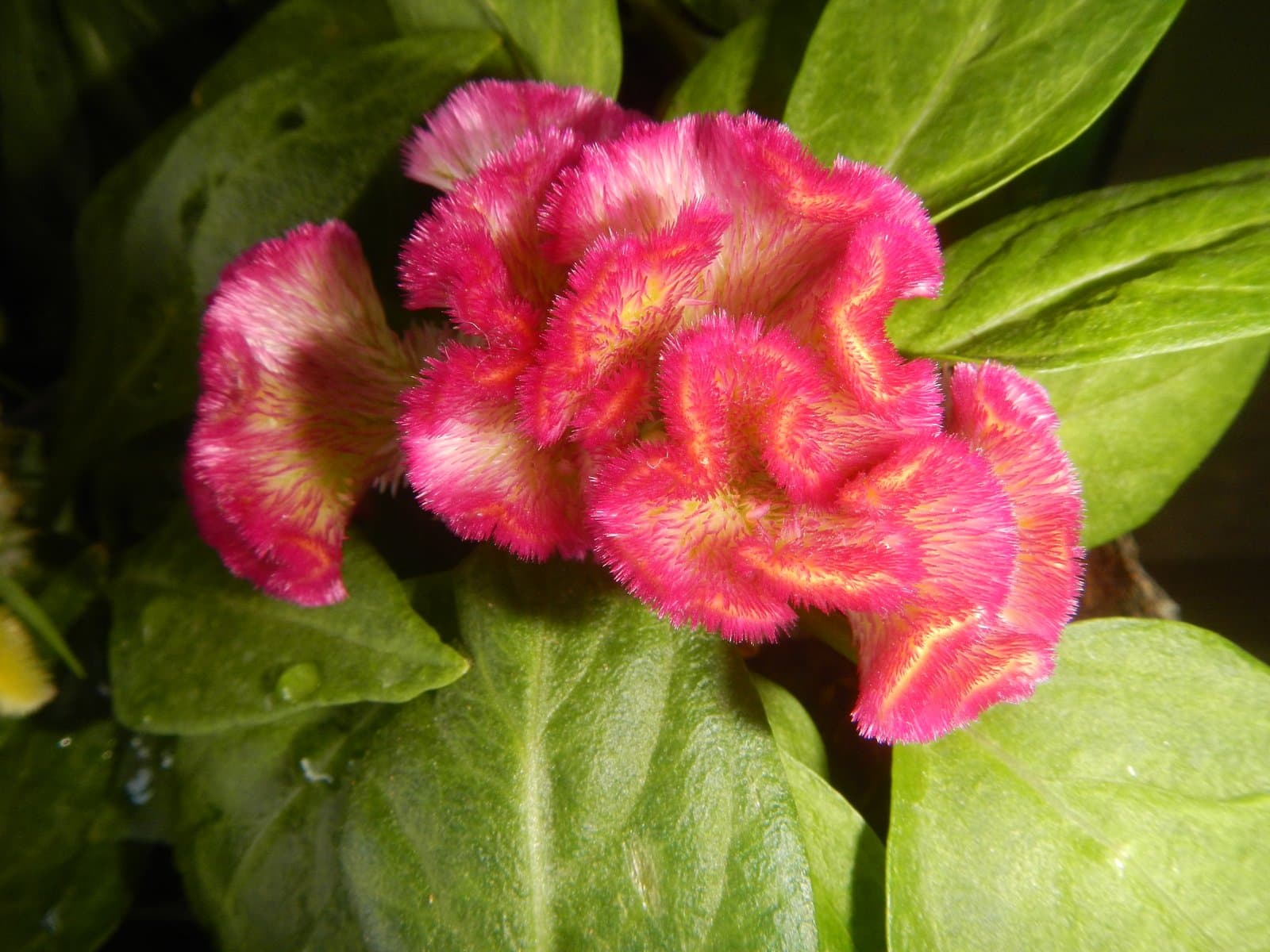 Cockscomb type (var. cristata) in two-tone pink. Photo: Judgefloro, CC0.
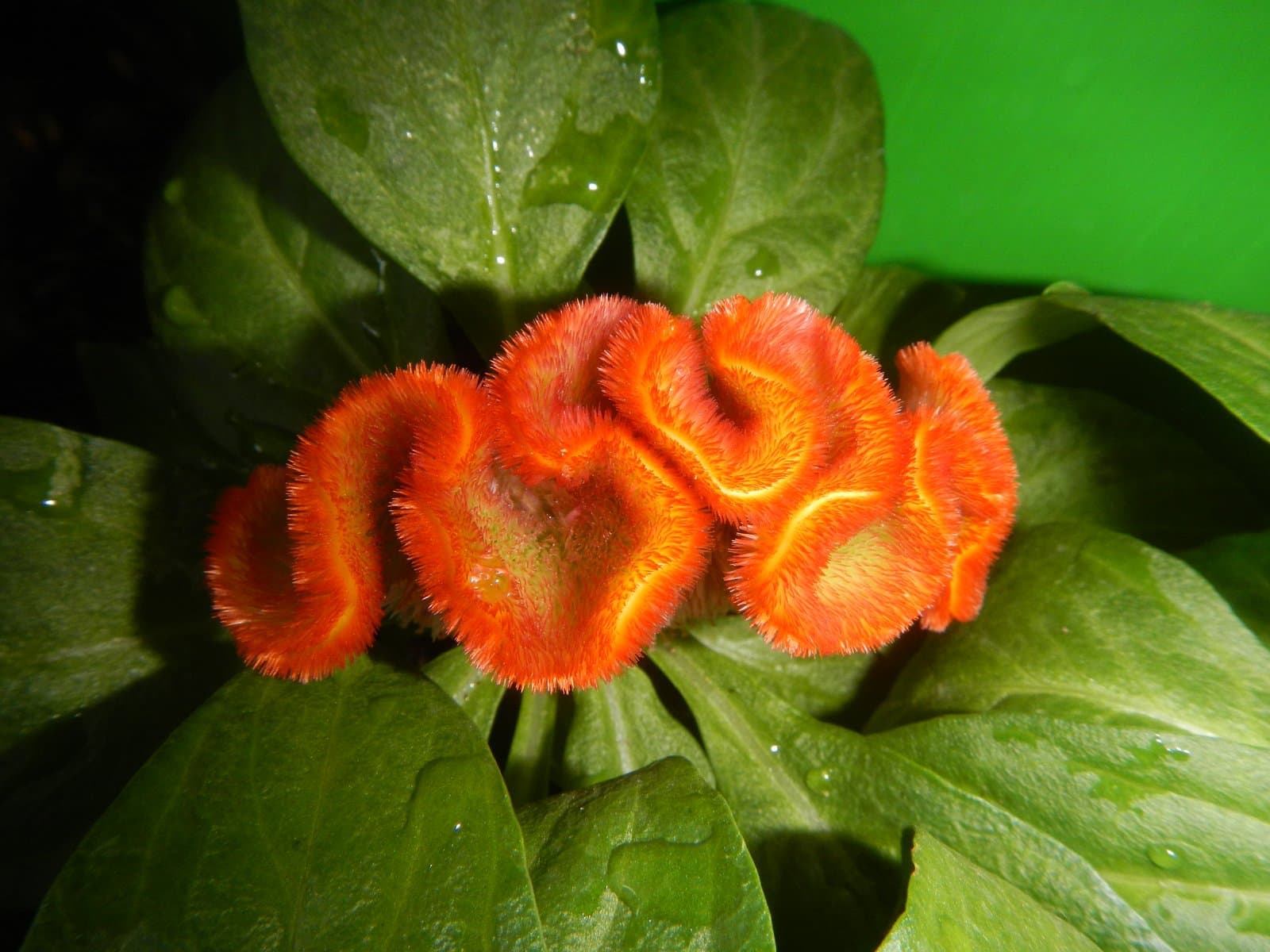 Cockscomb type (var. cristata) in lime-yellow. Photo: Judgefloro, CC0.
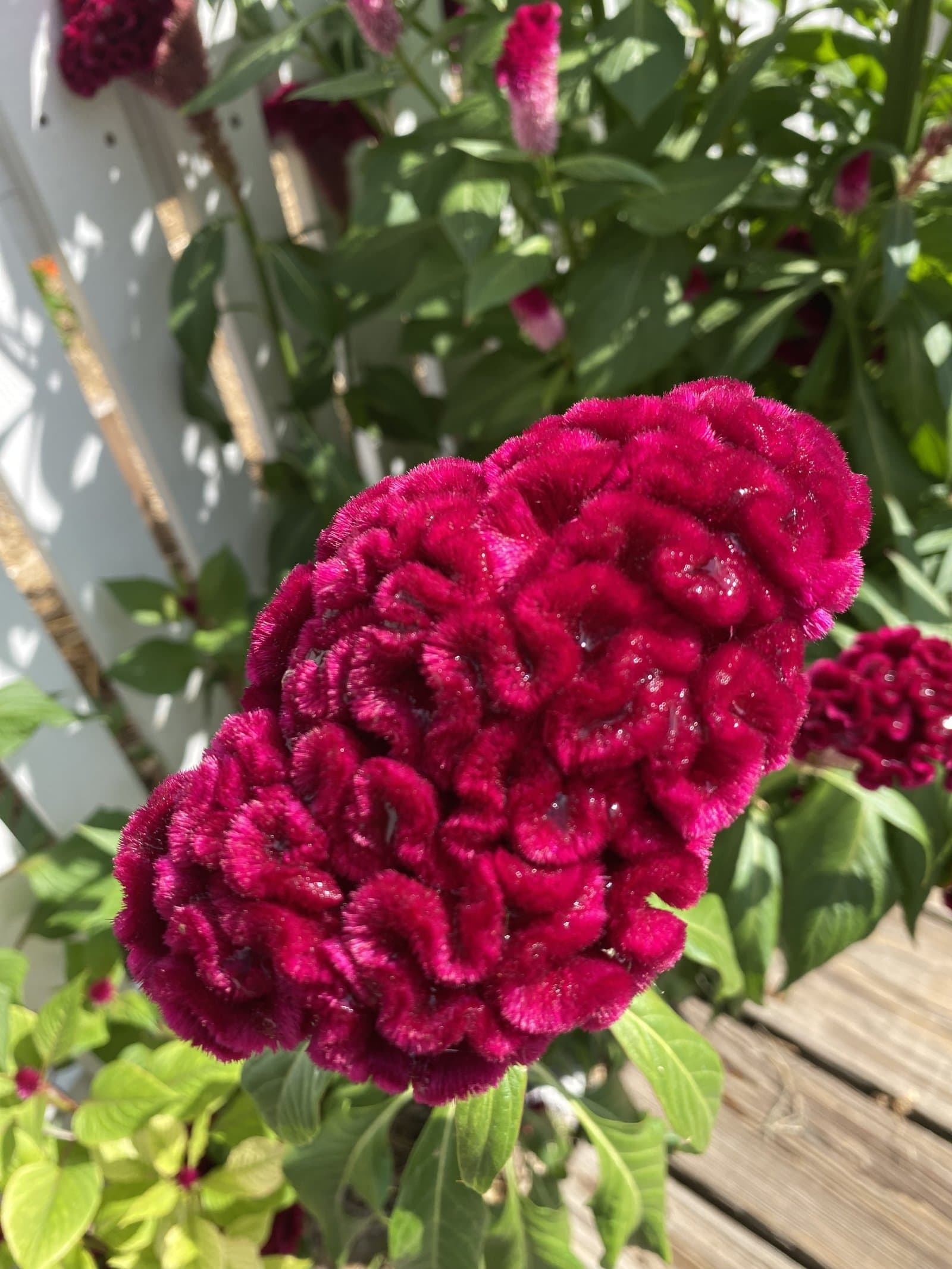 Cockscomb type (var. cristata) in crimson. Photo: NPS, Public domain.
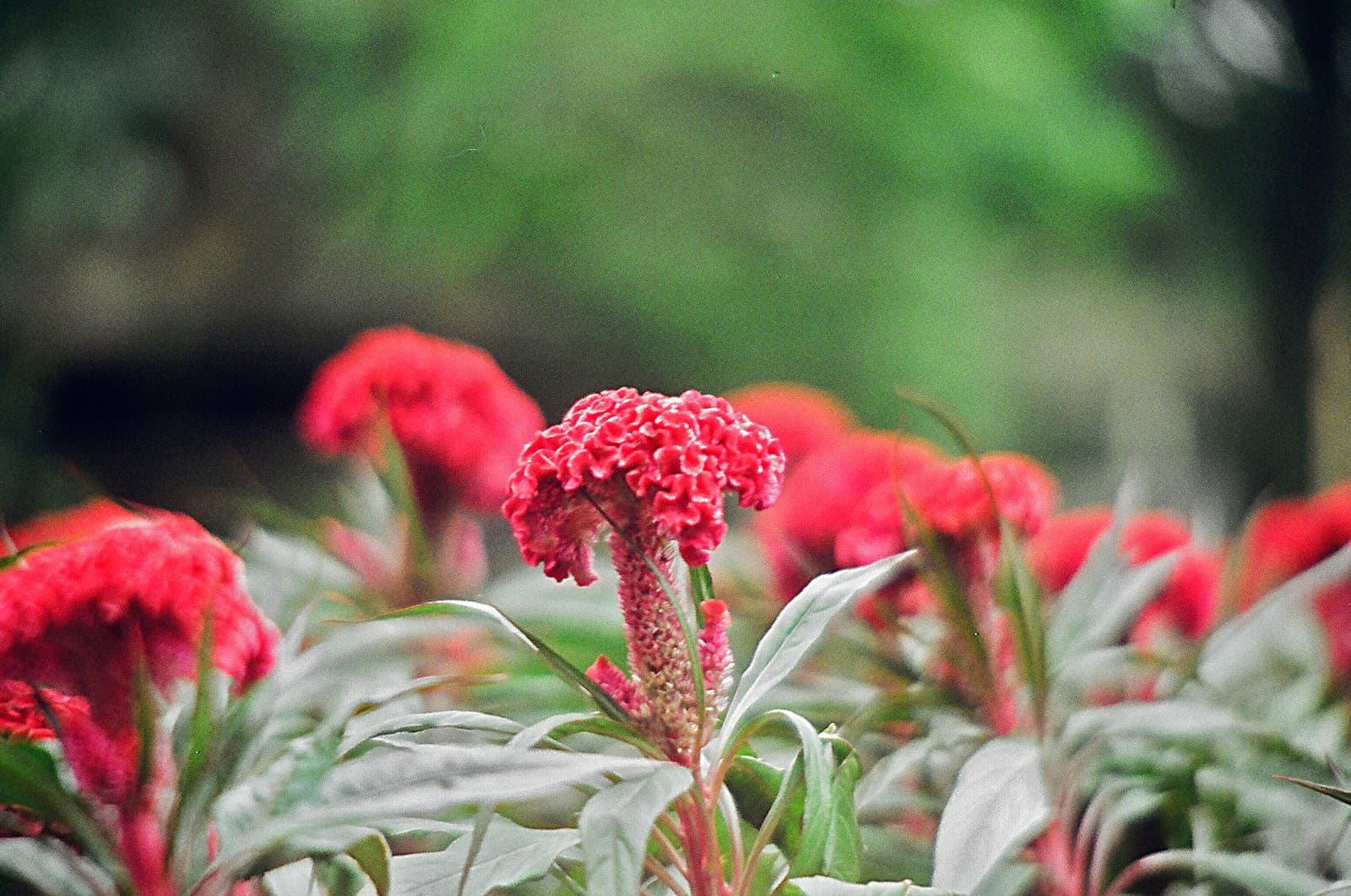 Cockscomb type (var. cristata) in red, on the plant. Photo: Quang Vũ Trương, CC BY 2.0.
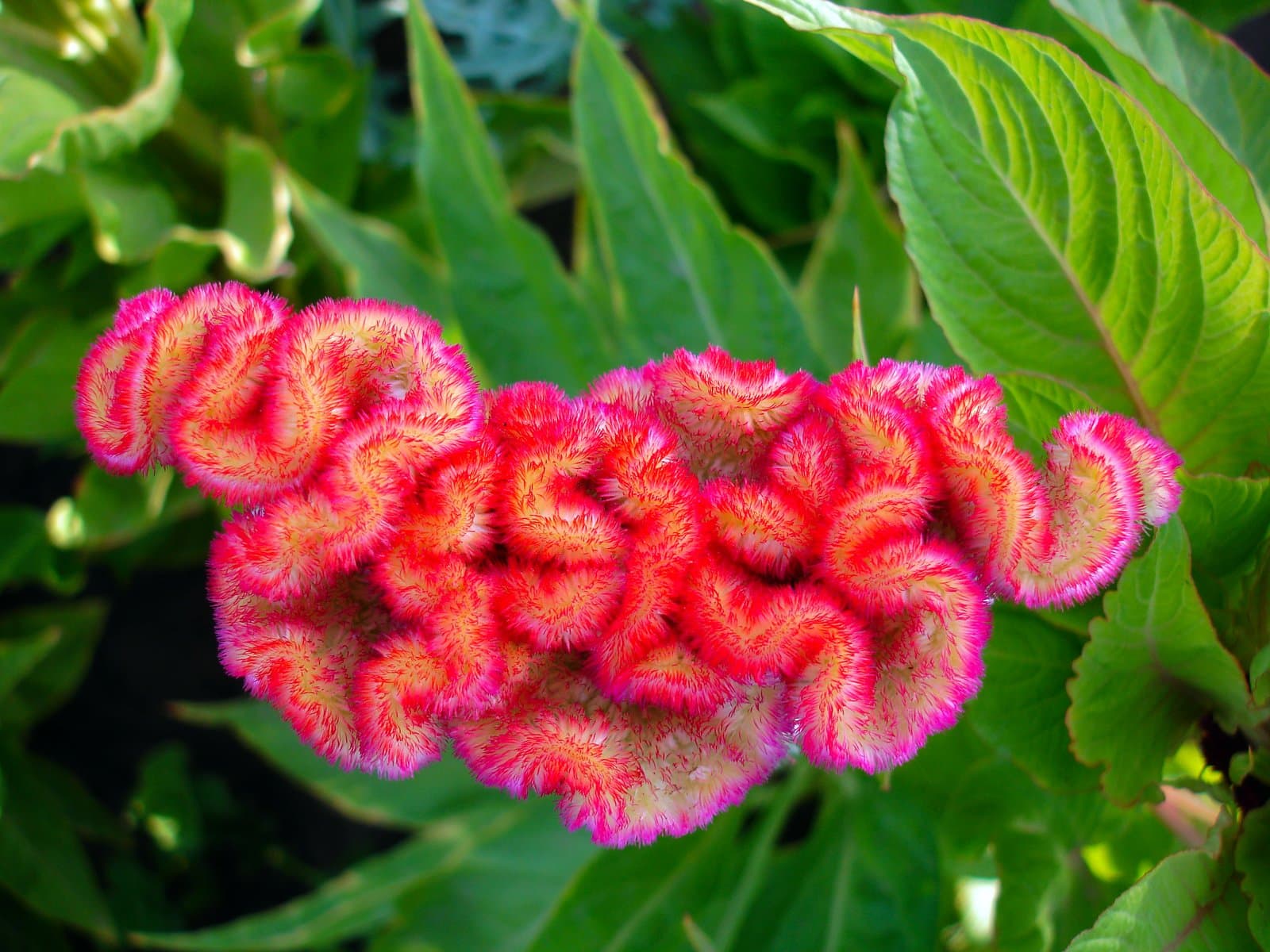 Cockscomb type (var. cristata) in red-pink. Photo: Mostafameraji, CC BY-SA 4.0.
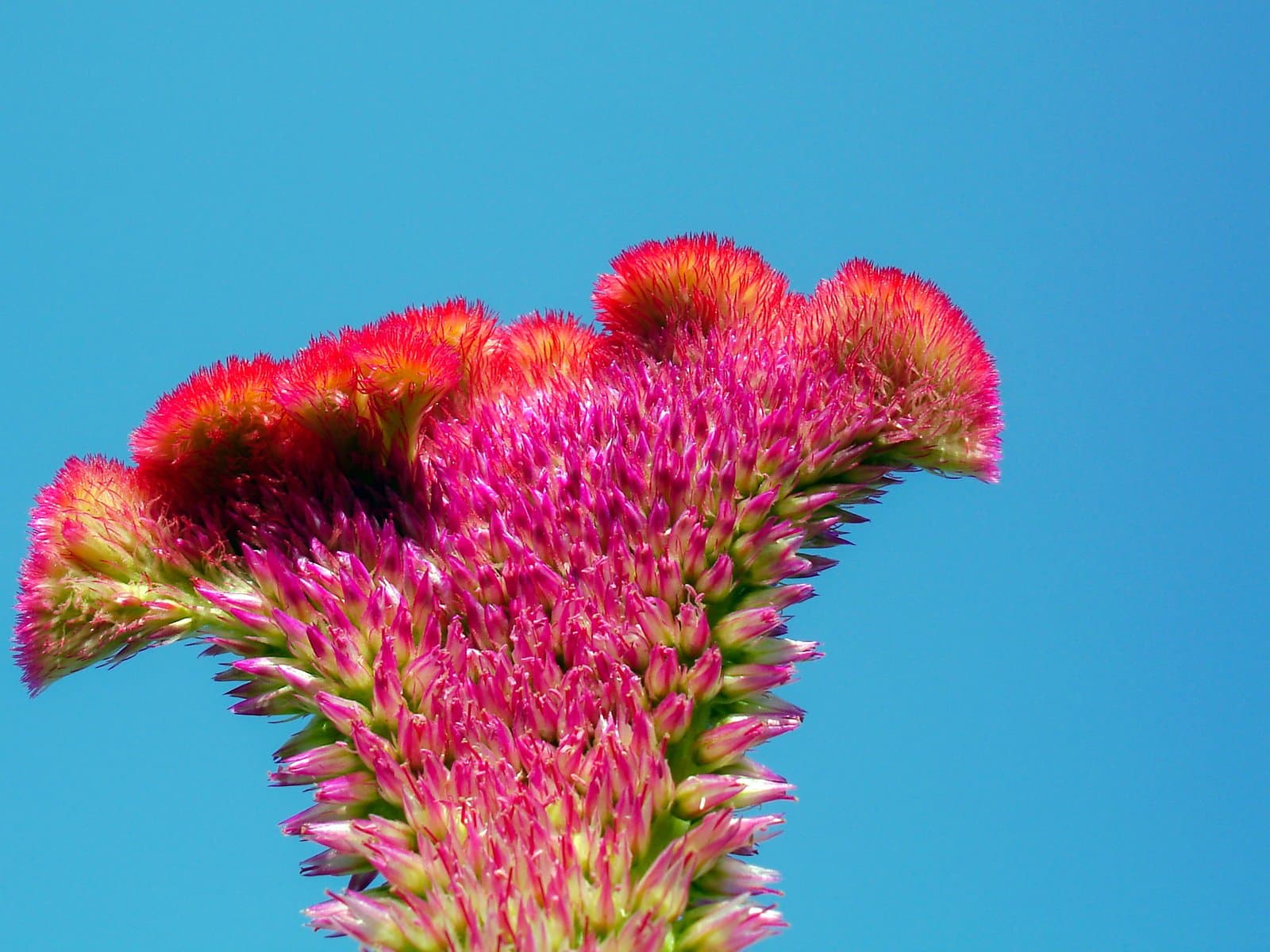 Fan-shaped cockscomb in pink. Photo: Mostafameraji, CC BY-SA 4.0.
Celosia argentea is a tender tropical annual grown for its intensely colored plumes and crested heads in red, orange, pink, yellow, and purple. It outperforms most summer bedding plants in heat and humidity, delivering continuous color from early summer until the first frost.
Plants demand warm soil to establish; transplanting into cool ground causes prolonged stunting. Celosia self-seeds freely in warm climates and is classified as a troublesome weed in parts of India and China. Stems dry well upright and retain color for months. Removing spent heads encourages branching and extends the display season.
Leaves, stems, and young shoots are eaten as a cooked vegetable across sub-Saharan Africa and parts of Asia, where the plant is valued for protein and vitamin content. Seeds are used in traditional Chinese medicine for eye inflammation; leaves have been used in folk remedies for dysentery and wound care.
Damping Off
Seedlings collapse at the soil line with thin, water-soaked stems; seeds may fail to emerge or rot before sprouting.
Sow in well-draining mix, avoid overwatering, and ensure good airflow. Remove affected seedlings and let the surface dry between waterings.
Root rot
Plants wilt, yellow, and stunt even in moist soil; lower stems and roots turn brown, soft, and mushy and the plant may collapse. Most common in heavy, wet, or poorly drained ground.
Improve drainage and stop overwatering, and never plant too deep. Lift and destroy badly affected plants along with the soil around the roots. Grow in raised or free-draining beds to prevent it returning.
Fungal leaf spot
Brown or purplish spots on the leaves, often ringed with a yellow halo, that spread and merge in warm, humid, or wet weather; heavily spotted leaves yellow and drop early.
Pick off spotted leaves and clear fallen debris to remove overwintering spores. Improve air circulation by thinning, and water at the base so foliage dries quickly. If it persists, apply a copper- or sulfur-based fungicide at the first sign.
Botrytis (grey mould)
Grey fuzzy mould on petals and stems, worst in cool wet conditions.
Remove affected parts immediately. Improve air circulation. Avoid overhead watering. Apply copper fungicide if severe.