
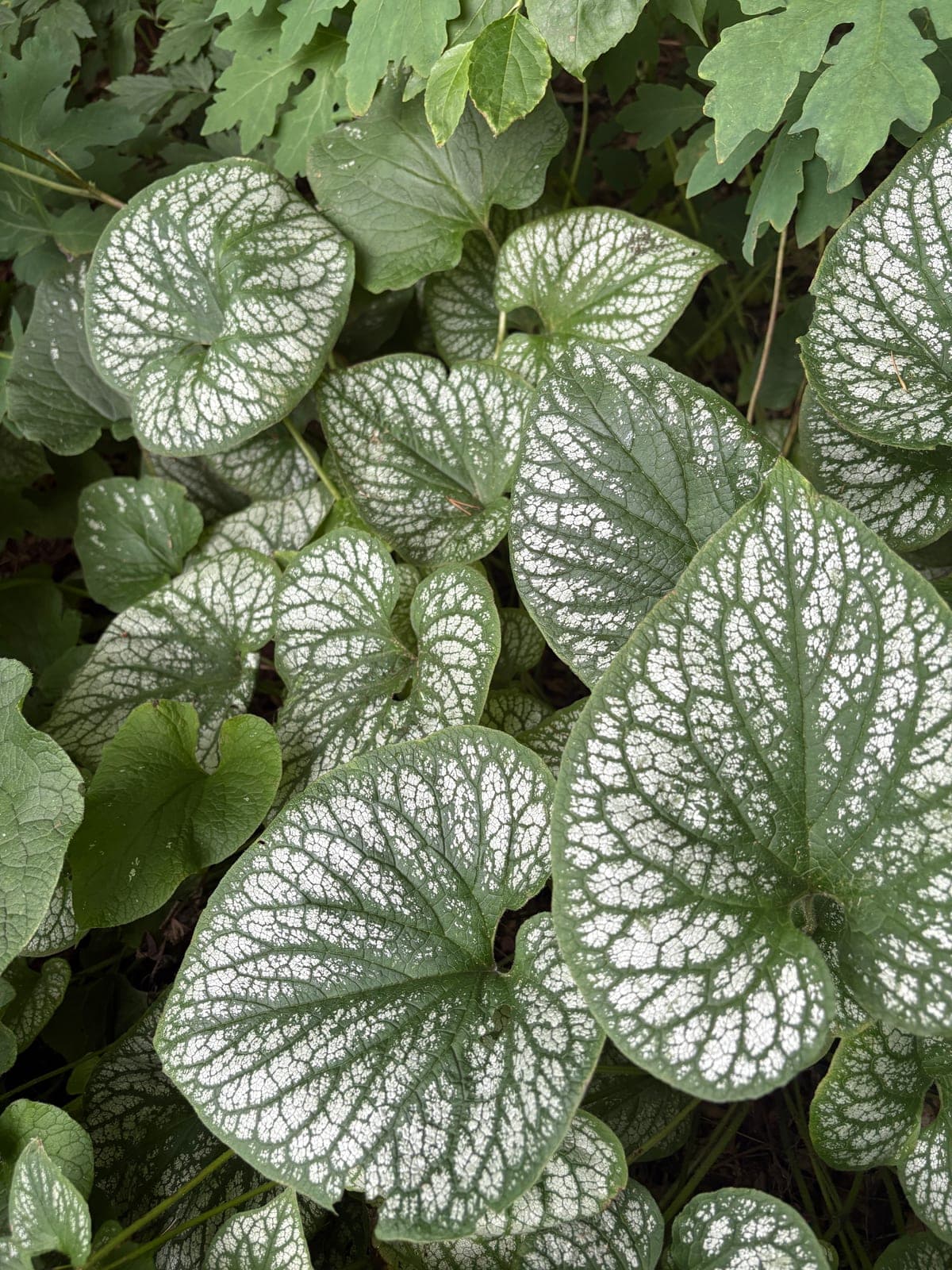
Brunnera macrophylla is one of those plants that earns its keep twice over - first with a flush of tiny sky-blue flowers in early spring that look remarkably like forget-me-nots, then all season long with those large, heart-shaped leaves that hold their presence even in the dog days of summer. It's a woodland native at heart, so your job is to mimic those conditions: dig in a good 3–4 inches of compost before planting, choose a spot that gets morning light but escapes harsh afternoon sun, and make sure the soil doesn't dry out. The most common mistake gardeners make is planting it somewhere too bright or too dry - you'll know quickly because the leaf edges will scorch and the whole plant looks sorry for itself by July. Division is your primary means of propagation; do it in early fall or early spring, and the clumps will re-establish without fuss. Seed-grown plants need cold stratification, so if you're starting from seed, a winter sowing or a few weeks in the fridge is non-negotiable.
There are no significant culinary uses for Brunnera, and it's not a plant with a strong tradition in herbal medicine - though it belongs to the Boraginaceae family, which includes some plants with historical medicinal use, Brunnera itself isn't used therapeutically in any well-documented way. What it does offer the garden is ecological generosity: the early blooms are genuinely valuable to bees and small pollinators emerging in spring before much else is open. Variegated selections like 'Jack Frost' and 'Looking Glass' are showier in the leaf department, but the species form is arguably tougher and more drought-tolerant once established. Pair it with hostas, ferns, and astilbes for a classic shade combination, or let it naturalize under deciduous trees where it will slowly spread into a weed-suppressing carpet. It's a plant that rewards a little patience and a good planting site - get those two things right and it will quietly thrive for years.