
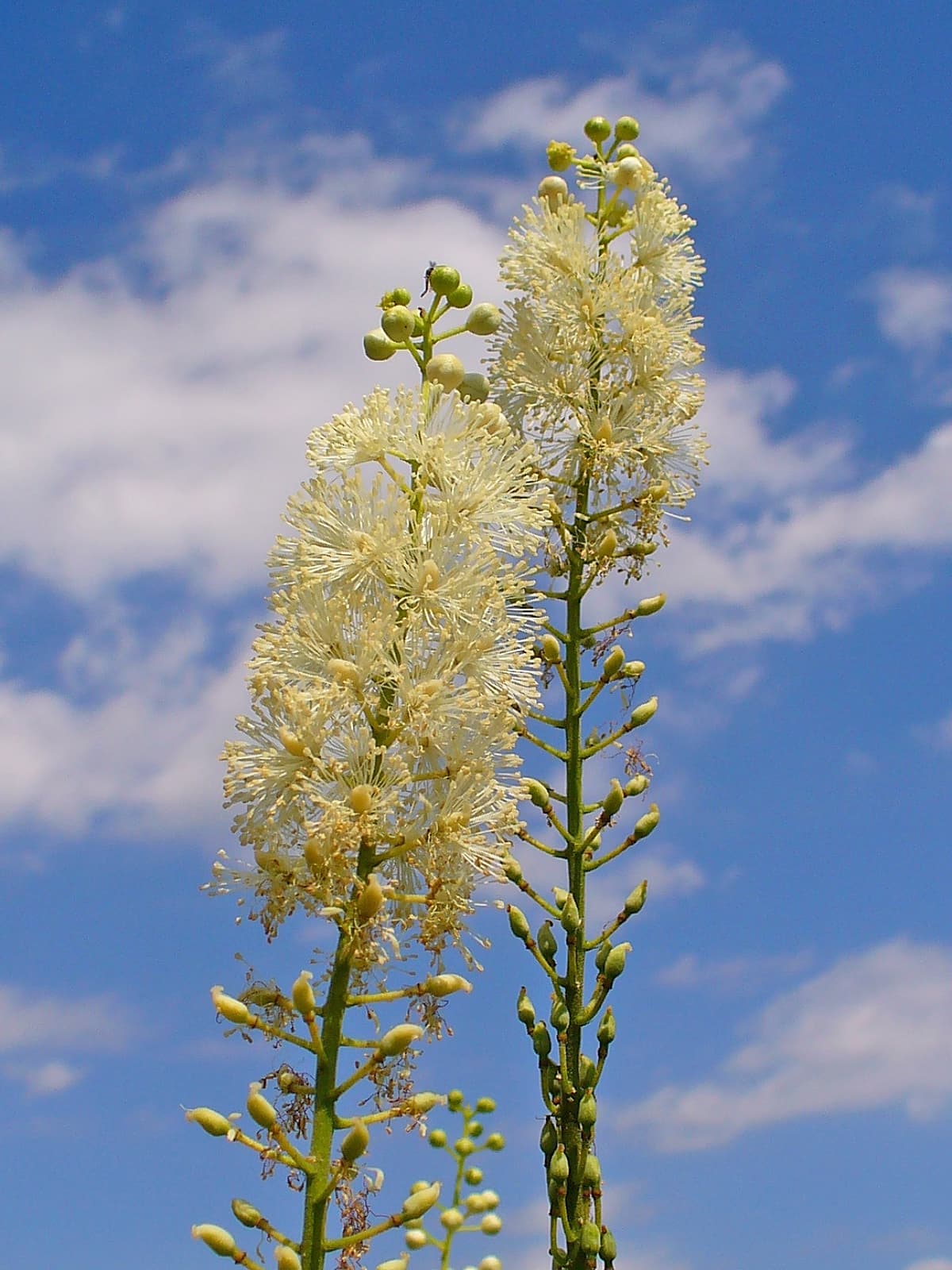
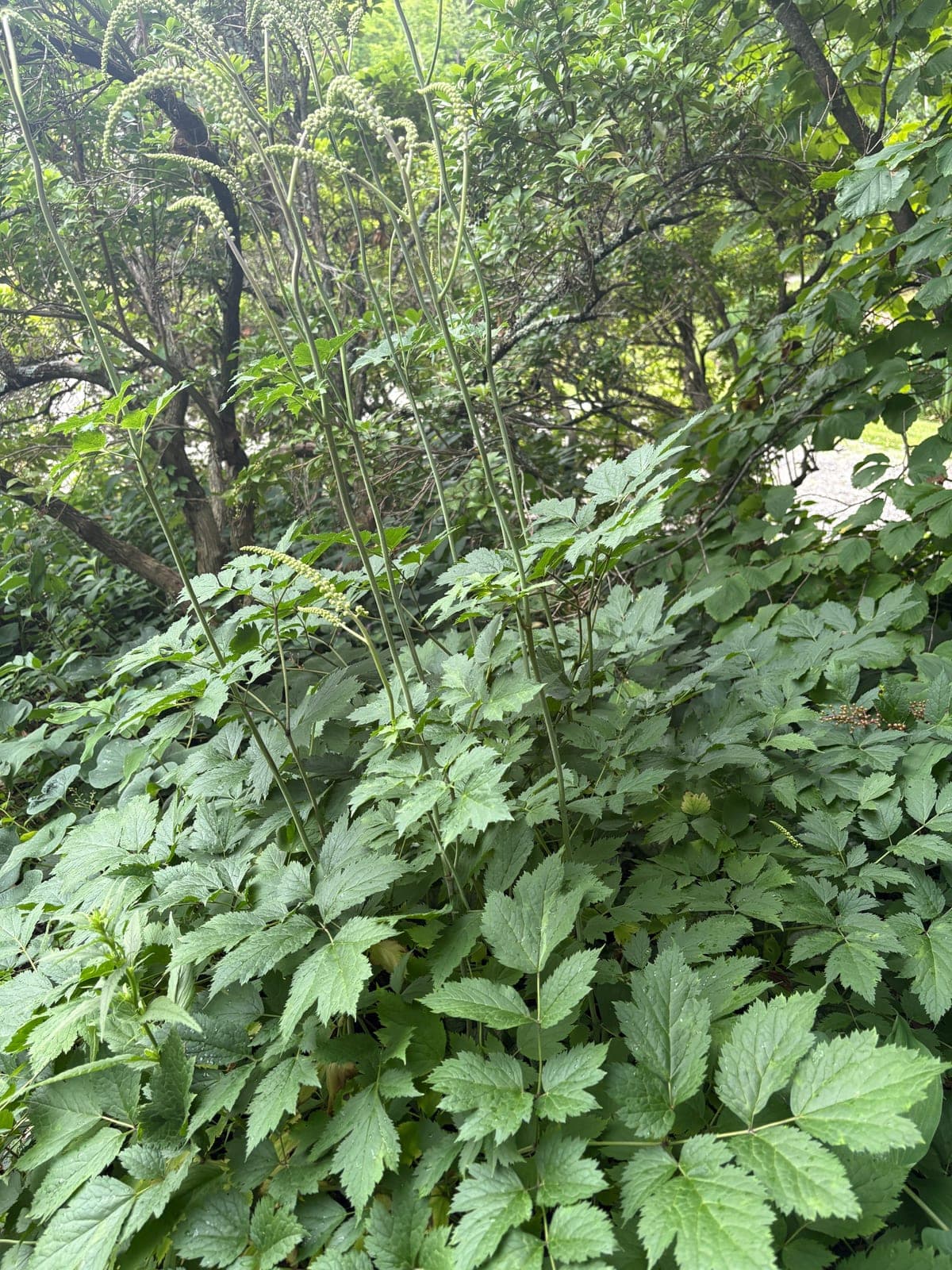
Black cohosh is a glorious plant for the shade gardener who wants drama without fuss - those tall, wand-like spikes of creamy white flowers rising out of a dappled woodland border in midsummer are genuinely breathtaking. To grow it well, start with the soil: work in generous amounts of leaf mold or composted bark to recreate the rich forest duff it loves in the wild. A slightly acidic, consistently moist site is non-negotiable - dry, compacted, or alkaline soils are the number one reason this plant sulks or fails entirely. If you're growing from seed, know that it requires a warm-then-cold stratification cycle (warm moist period of 60–90 days followed by 60–90 days of cold), so sow fresh seed in pots in fall and let the seasons do the work outdoors. Division in early spring works well for established clumps and is the faster path to a flowering plant. The most common mistake gardeners make is planting in too much sun - even dappled afternoon shade can scorch the leaves and stress the root system badly.
Medicinally, black cohosh has one of the most well-documented histories of any North American native plant. Indigenous nations, particularly the Algonquin and Iroquois peoples, used root preparations for menstrual irregularities, rheumatic pain, and as a general tonic. In modern herbal practice, standardized root extracts remain widely used for managing menopausal hot flashes and hormonal fluctuation, though it's worth noting this is a potent plant and should be approached with respect - always consult a qualified herbalist or physician before using medicinally, and avoid harvesting from wild populations, which are already under pressure. Culinary use is not traditional or recommended. As a garden companion, it thrives beautifully alongside other shade lovers and its deep root system rarely competes aggressively with neighbors, making it a generous and long-lived addition to any woodland planting scheme.