How to Get Rid of Black Knot
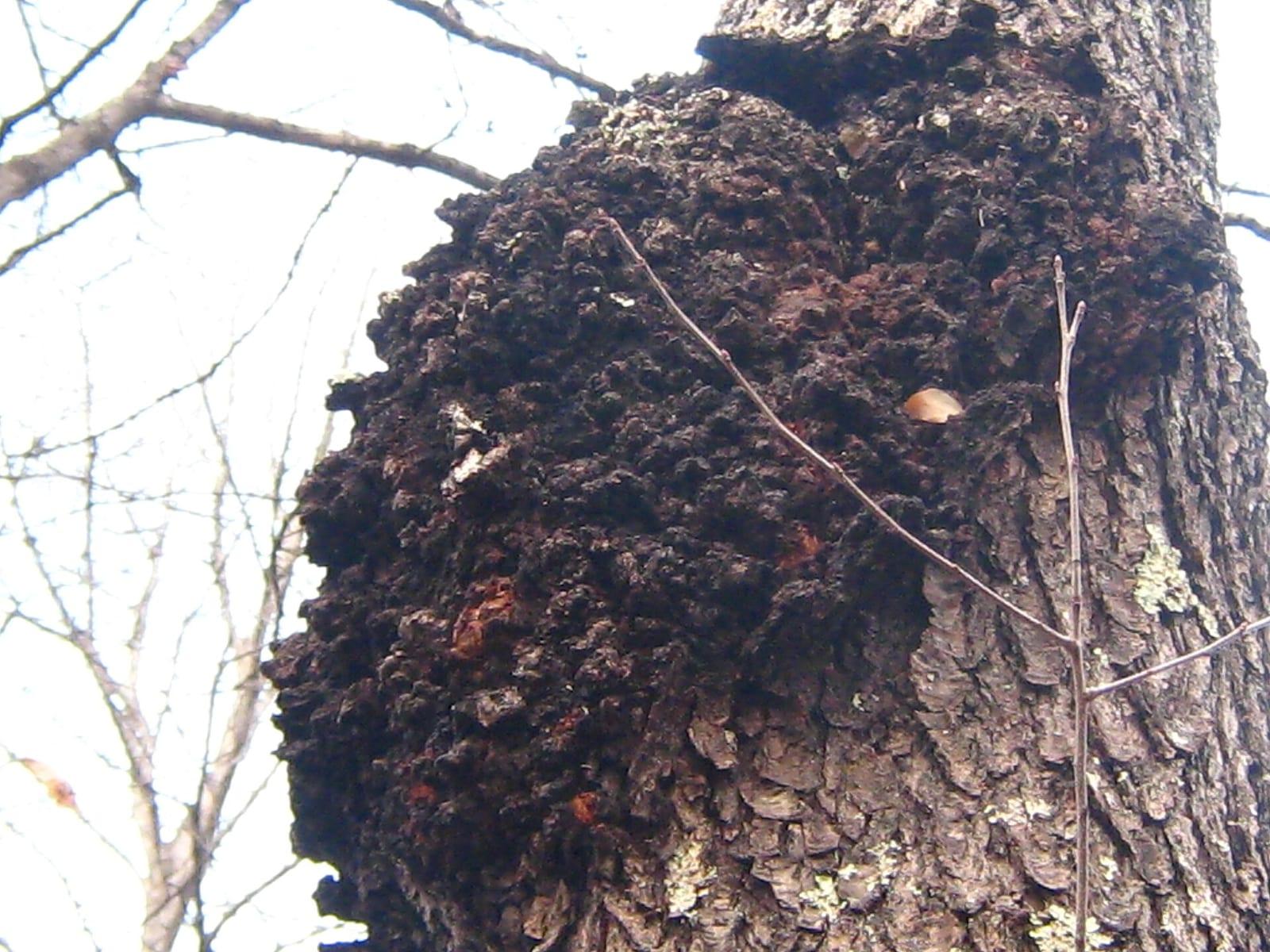
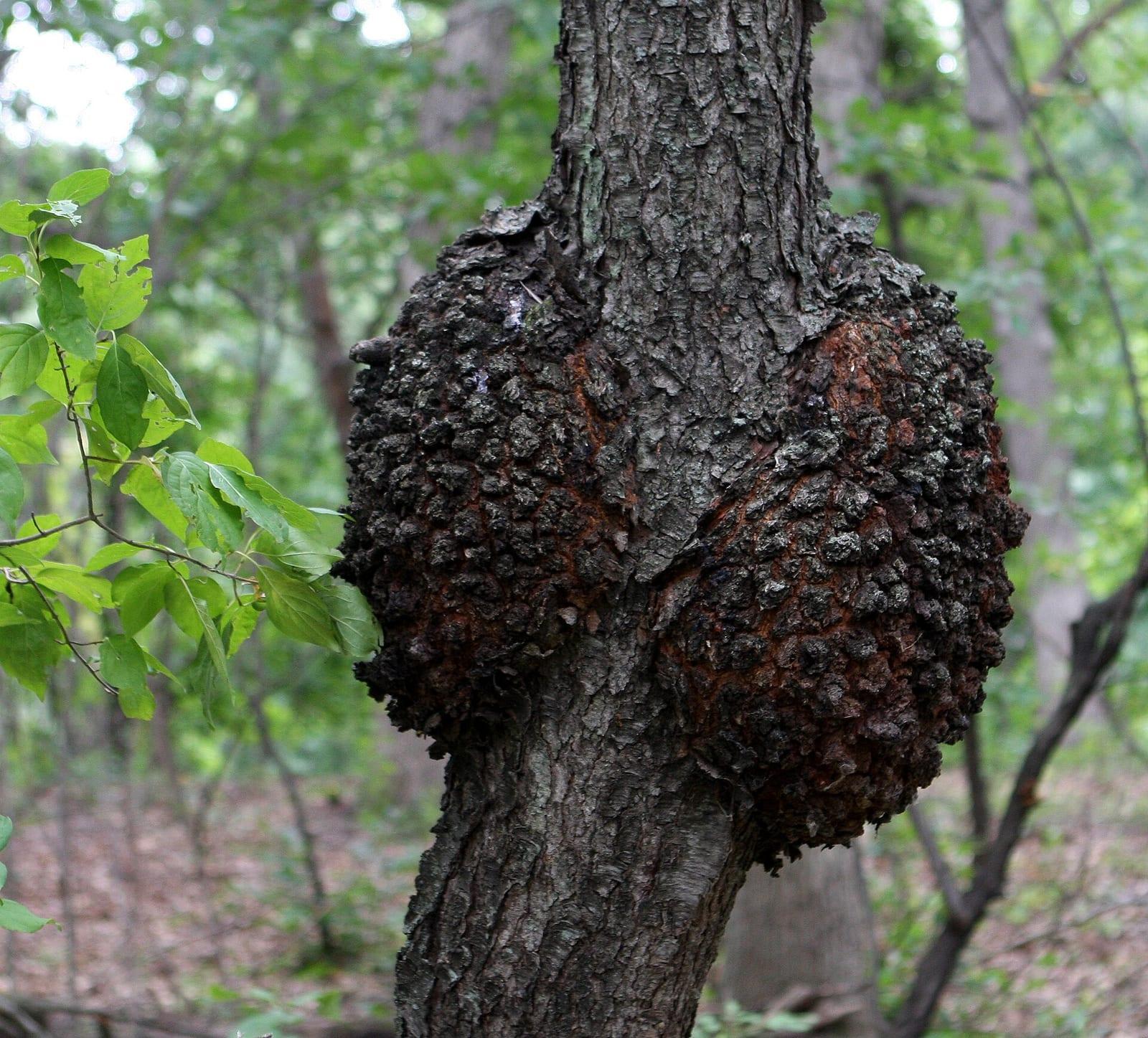
Black knot is a native fungus that only attacks plums and cherries, and winter is the time to cut it out.
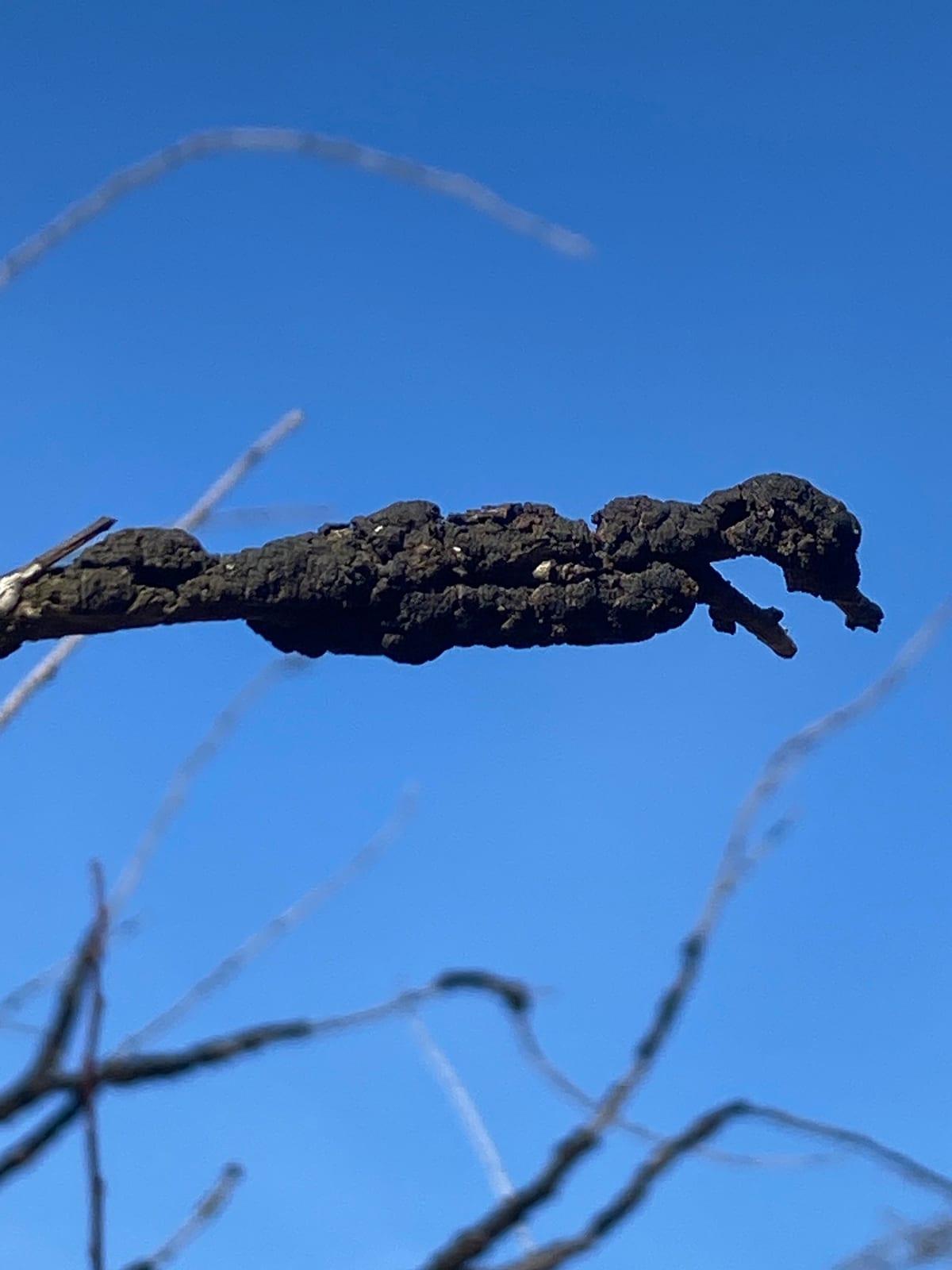
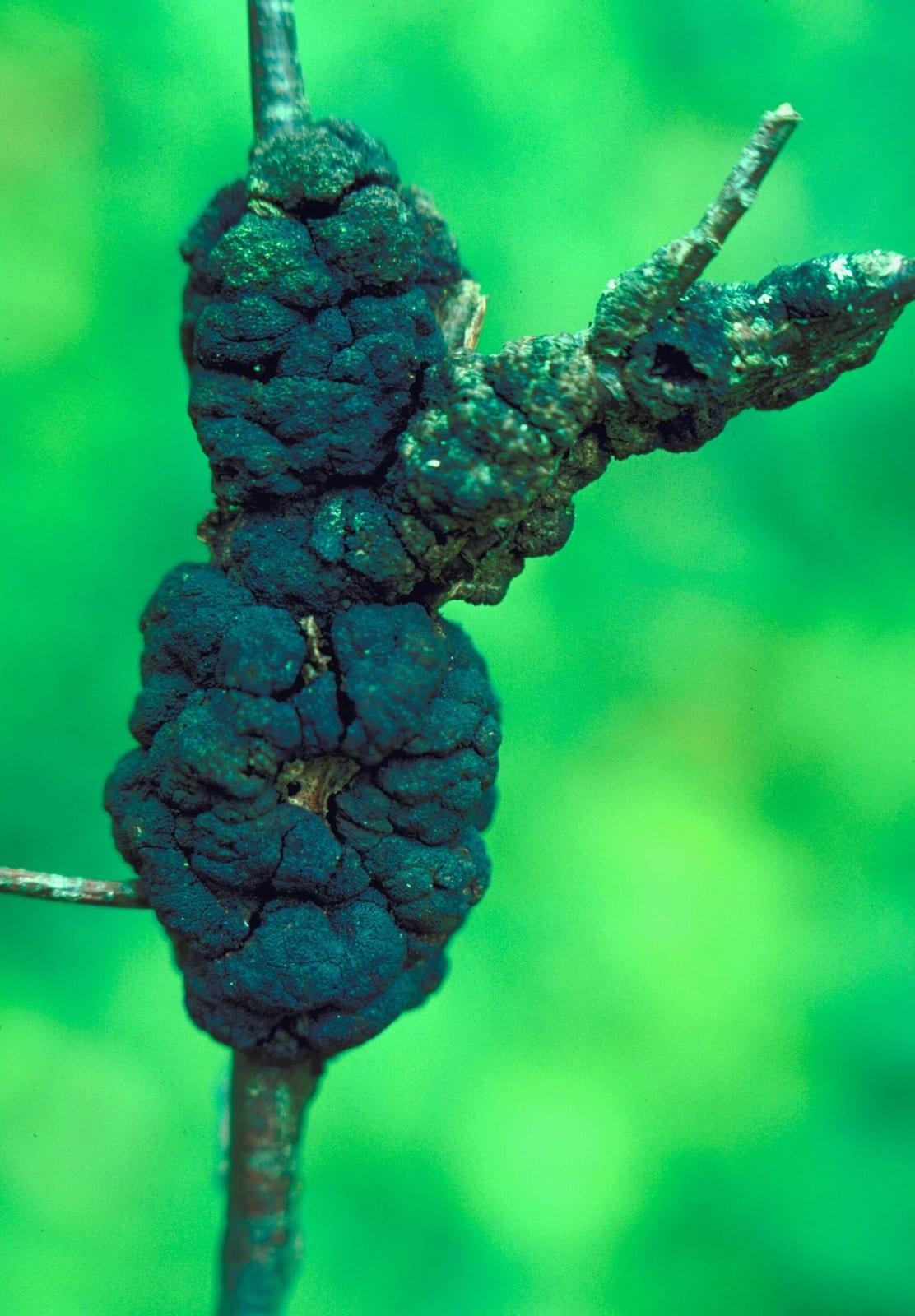
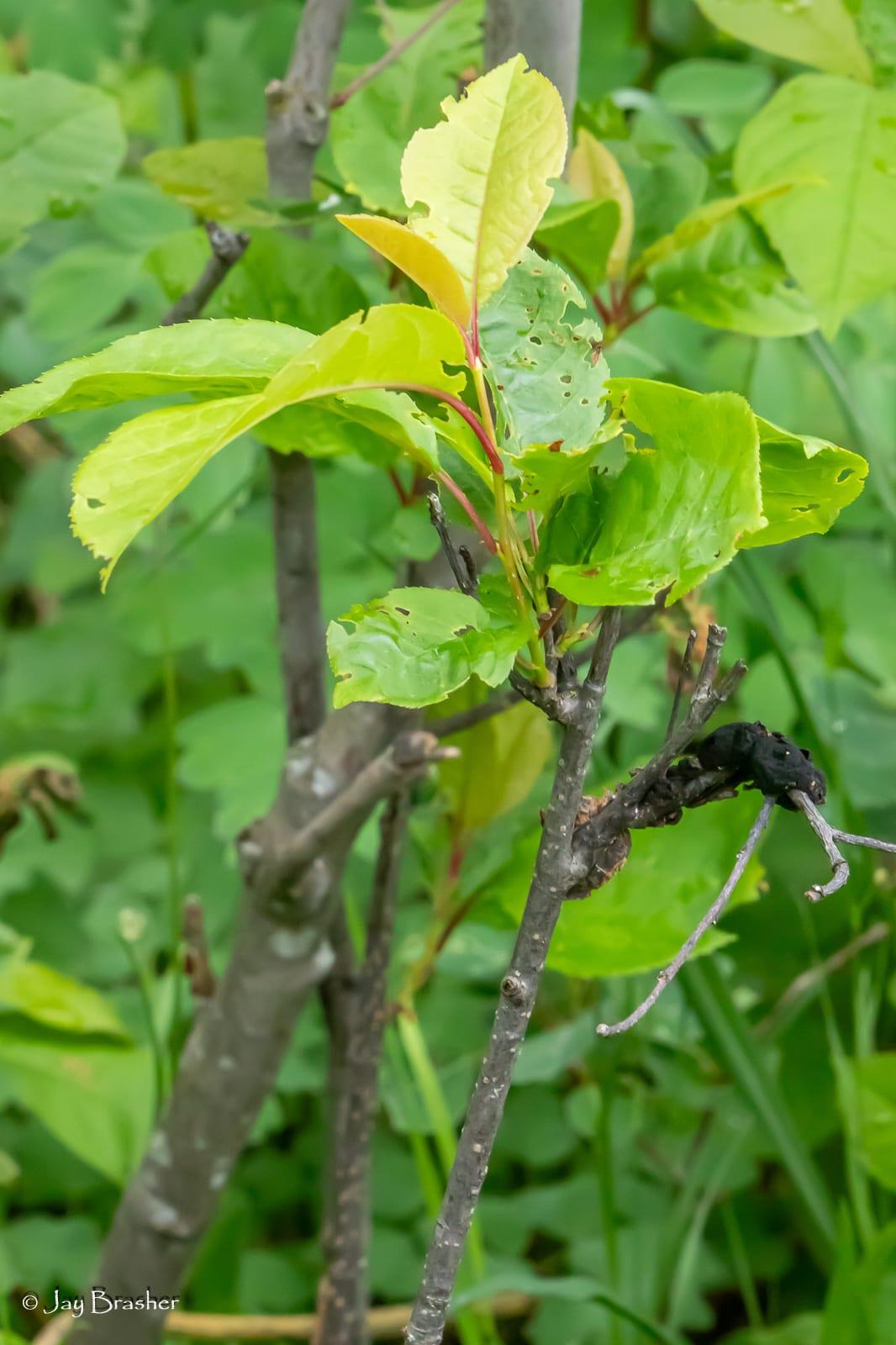
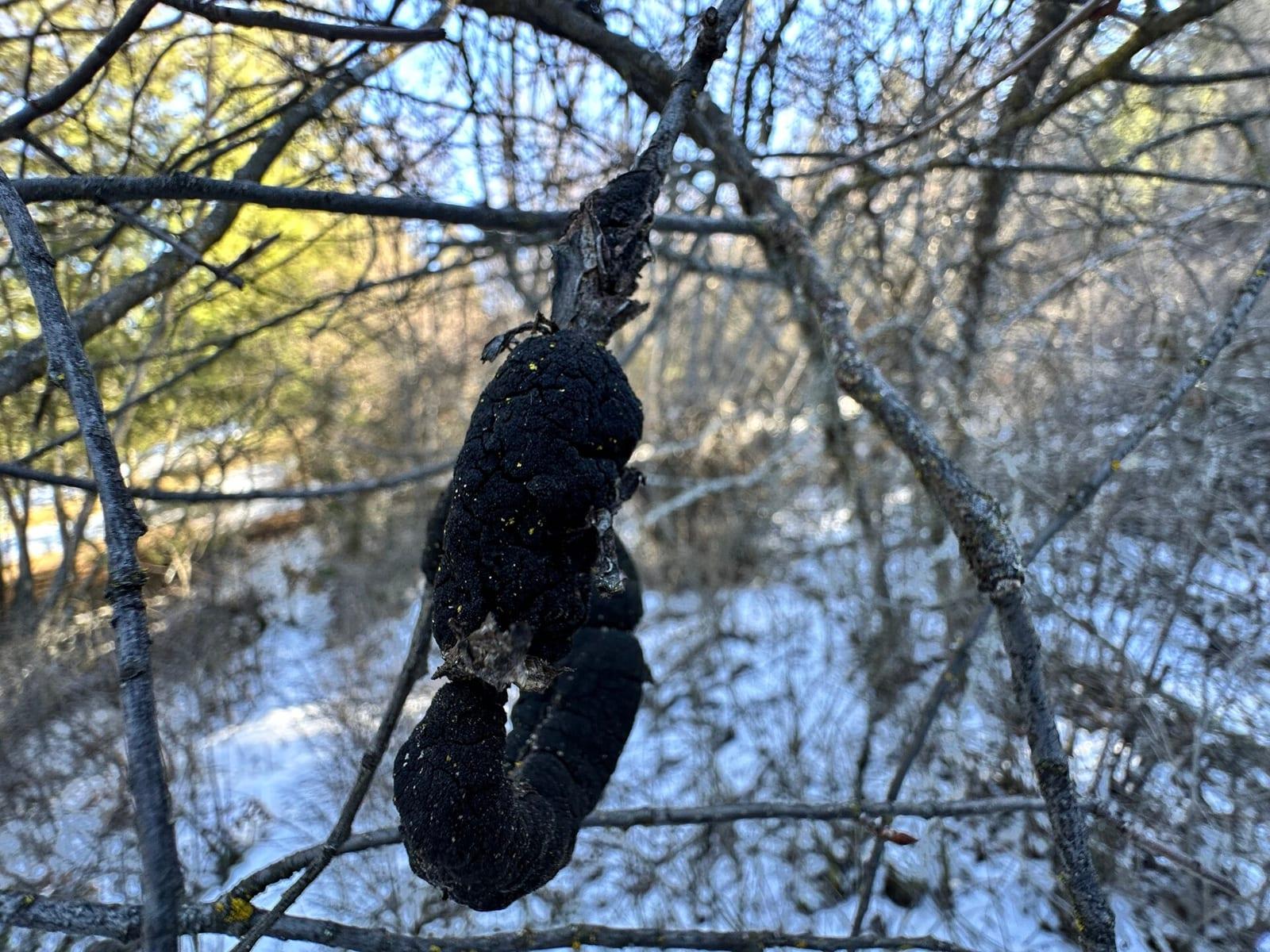
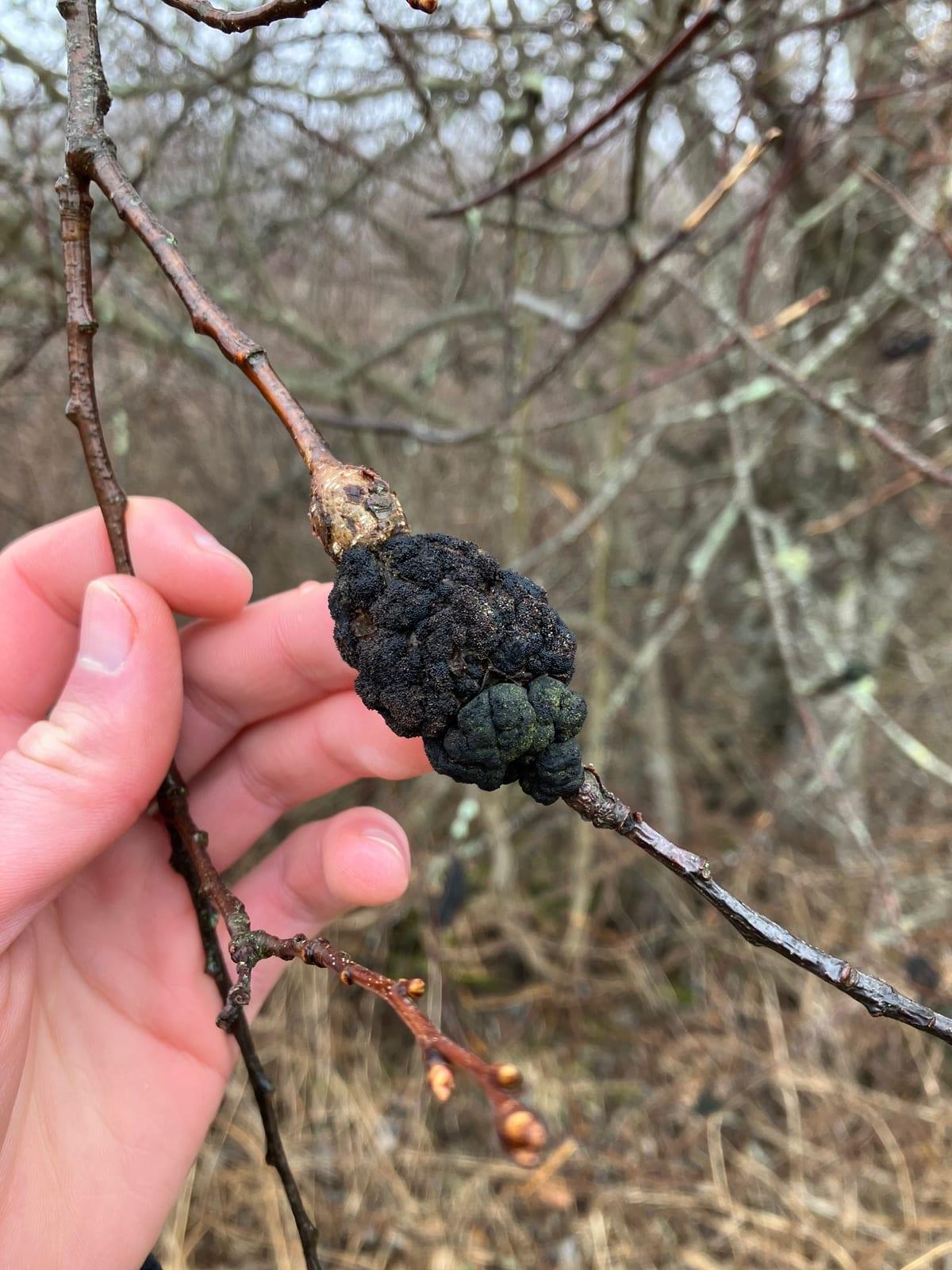
Once the leaves drop, you can spot black knot from the road. Plum and cherry twigs look as if someone dipped them in tar.
It is a native fungus, Apiosporina morbosa (the older name is Dibotryon morbosum). It only attacks plums and cherries, and that shapes what you plant next.
What it is
Black knot lives on about two dozen kinds of Prunus. Plums and cherries get it most. Apricots and peaches get it now and then. Wild black cherry, chokecherry and American plum carry it too. It was here long before our orchards.
How to spot it
Black knot moves slowly. Each knot takes about two years to mature.
- In spring, spores land on new shoots during wet weather. Infection runs from bud break to just after petal fall.
- That first year you see little or nothing. At most a small brown swelling appears by fall.
- The next spring the swelling grows fast. It turns soft, velvety and olive green.
- By the second summer it hardens into a coal-black knot.
- The following spring the knot releases spores and starts the cycle again.
Knots run from half an inch to a foot long, and they grow every year. The fungus also spreads inside the wood. New knots can pop up some distance from the old ones.
A knot that circles a branch kills everything beyond it. Leaves fail to open or wilt in summer. Old knots turn chalky white or pink where another fungus feeds on them. Boring insects then move into the rotting centers.
Crown gall is the usual mix-up. Its galls are paler and rounder, and bacteria cause it.
What to do
Prune it out in winter before the buds break. The knots are easy to see on bare wood and have not yet released their spores.
- Find every knot on the tree. Check the small twigs closely.
- Cut each infected twig 6 to 8 inches below the swelling. The fungus runs ahead of the knot under the bark.
- If a knot sits on the trunk or a main limb, cut away the diseased bark and wood. Leave at least half an inch of clean wood around the wound.
- Wipe your pruners with rubbing alcohol or a 10 percent bleach solution between cuts.
- Burn the knots, bury them or bag them for the trash.
Never compost the knots or leave them on the ground. A cut knot can still release spores in spring.
Getting it under control
Plan on two winters. First-year infections are nearly invisible, so the ones you miss will show up next spring.
- Walk the tree again in spring and again next winter.
- Check wild cherries and plums nearby. Hedgerows and woodland edges are the usual source.
- Extension services advise removing wild hosts within roughly 500 to 600 feet, or cutting the knots out of them.
- Don't count on sprays alone. Orchards spray fungicide at bud break, but it only protects a tree that is already clean.
- Check the twigs before you buy any plum or cherry. Don't bring a knot home.
When a tree is too far gone
Some trees are past saving. Look for knots in the trunk, most limbs girdled, or more dead wood than live. Then take the tree out.
The fungus lives in the wood, not the soil. Once the tree and its knots are gone, the spot is safe to replant. The risk comes from infected plums and cherries nearby.
If you want a plum back, choose one with some resistance. Penn State Extension lists these:
- Methley
- Shiro
- Santa Rosa
- President
- Formosa
- Early Italian
- Milton
- Bradshaw
- Fellenberg
Cherries are harder, since no cherry is reliably resistant. Tart cherry, sand cherry, Nanking cherry and pin cherry hold up better than chokecherry or black cherry. Any plum or cherry you plant needs a close look every winter.
What to plant instead
The surest fix is a tree black knot can't touch. These give you the flowers and fruit the cherry did:
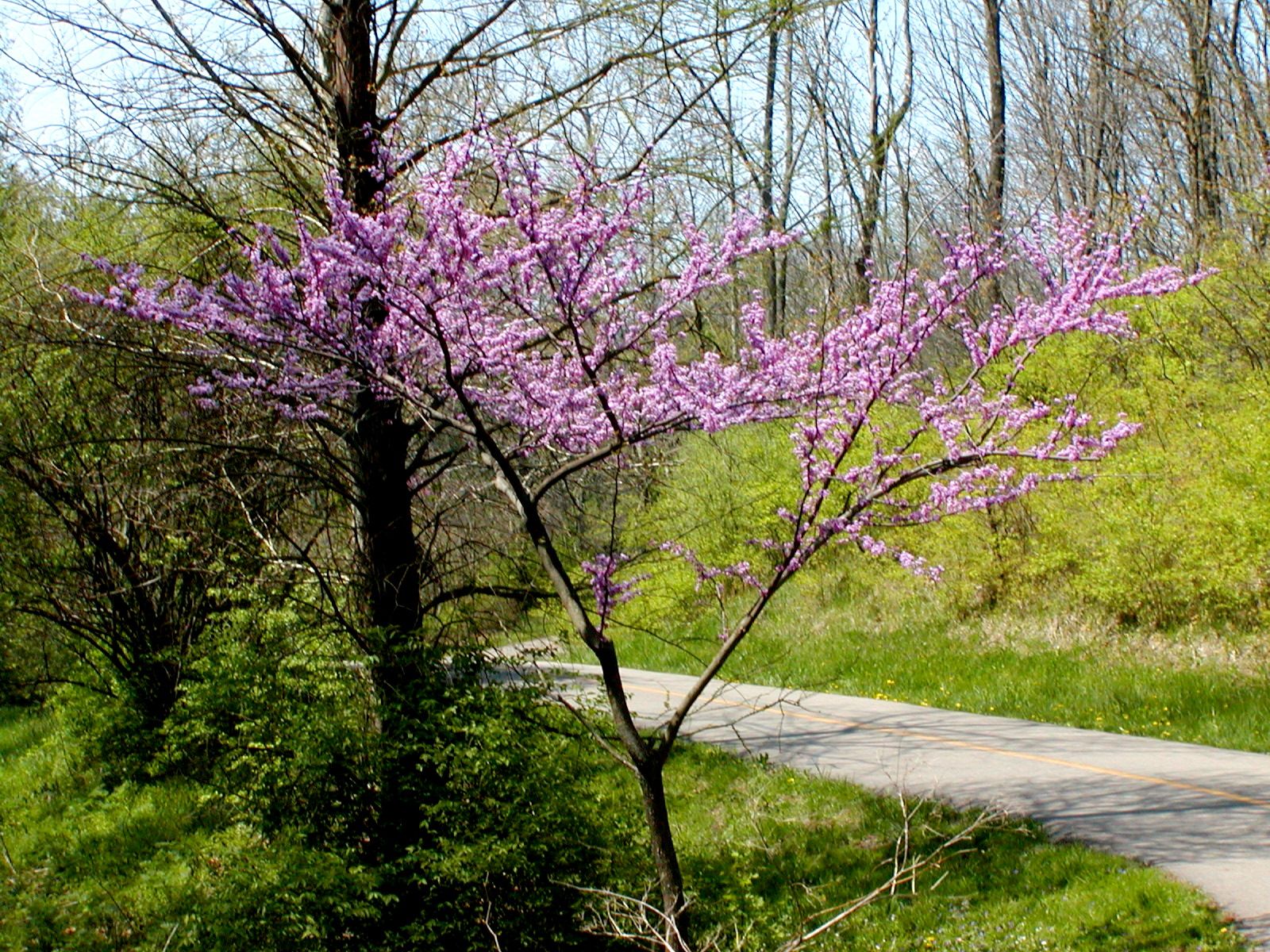 Redbud: pink flowers before the leaves open
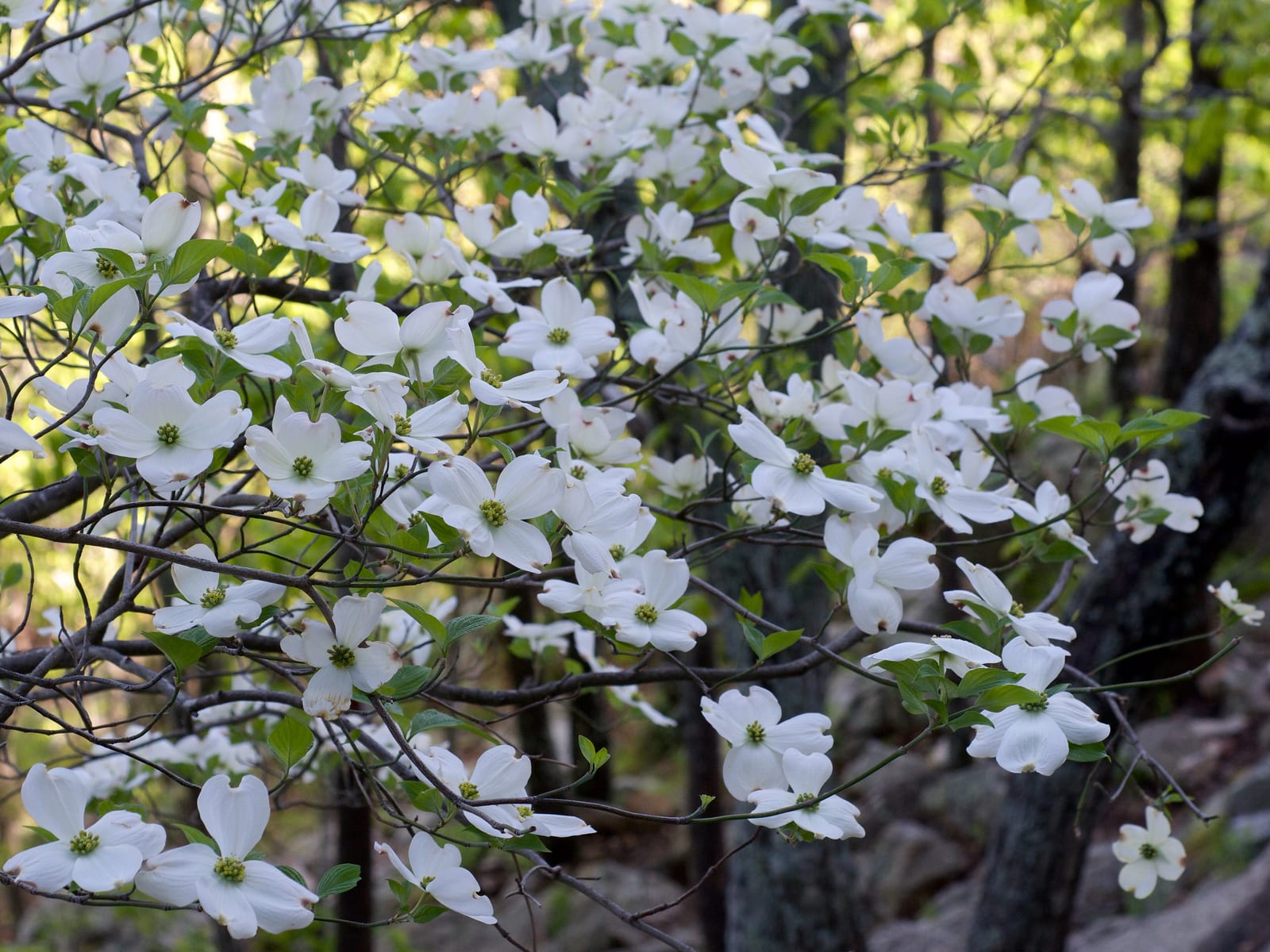 Flowering dogwood: spring flowers, red fruit and fall color
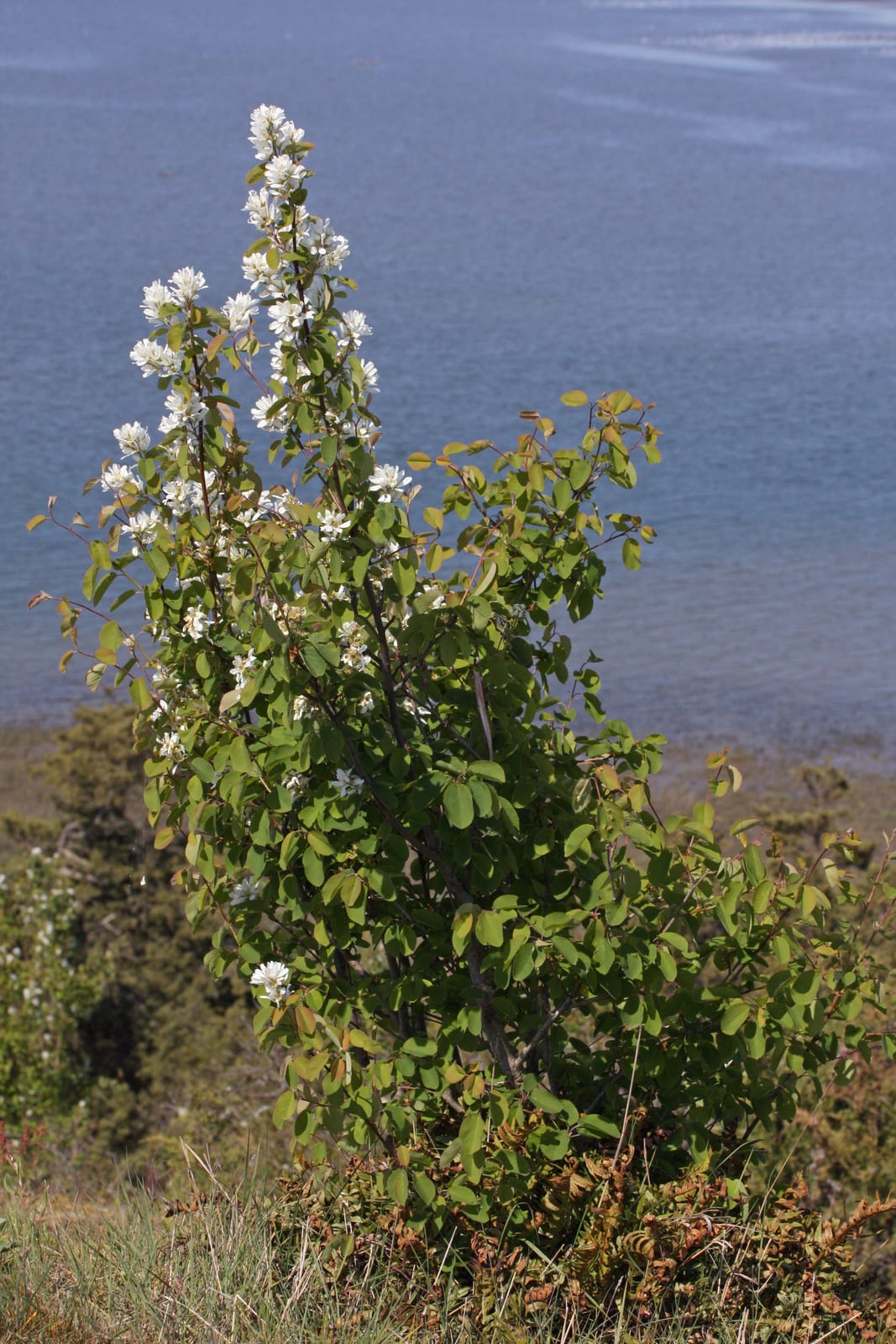 Serviceberry: white spring blossom and early summer berries for the birds
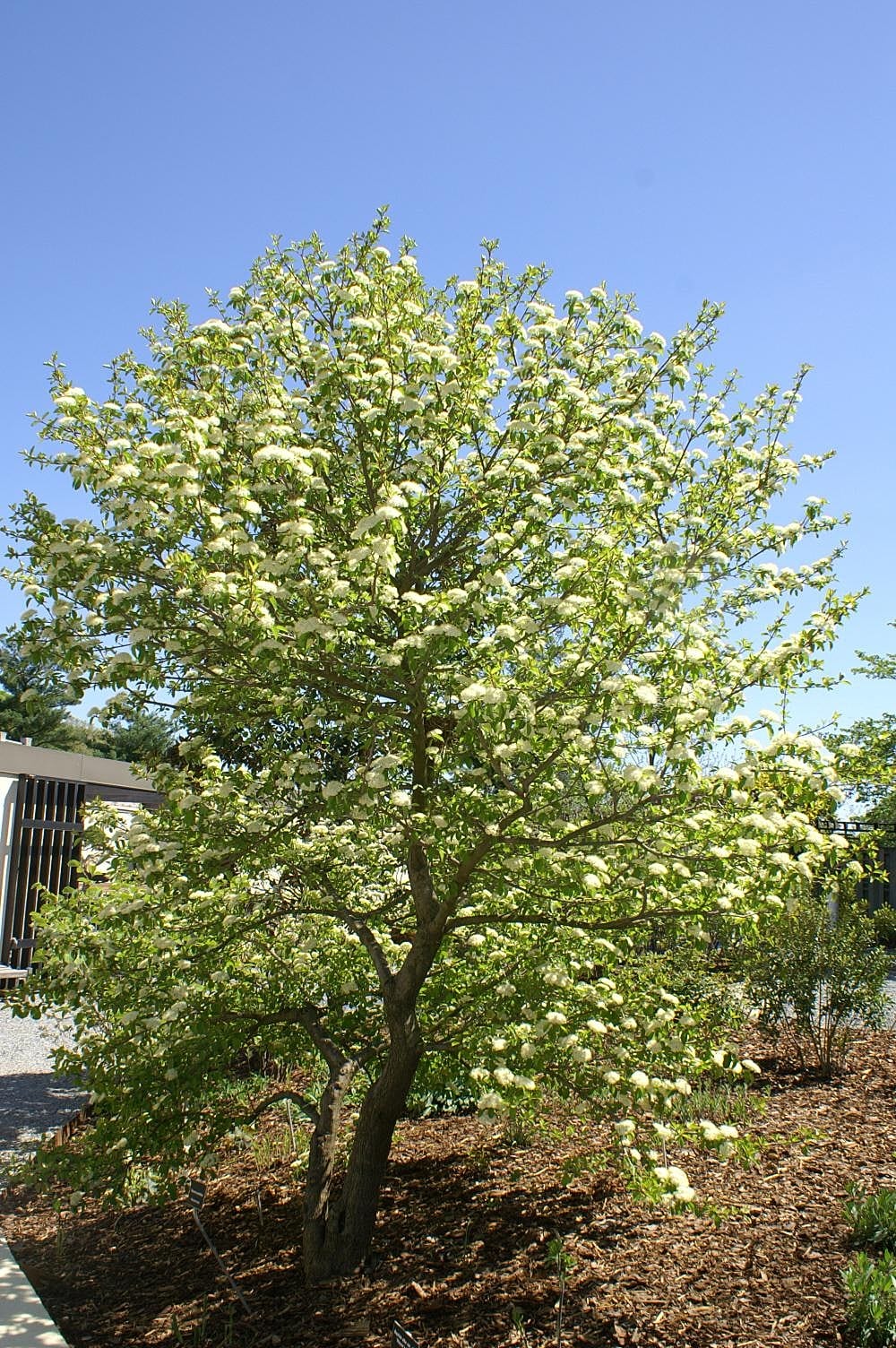 Blackhaw viburnum: white flower clusters and dark fruit
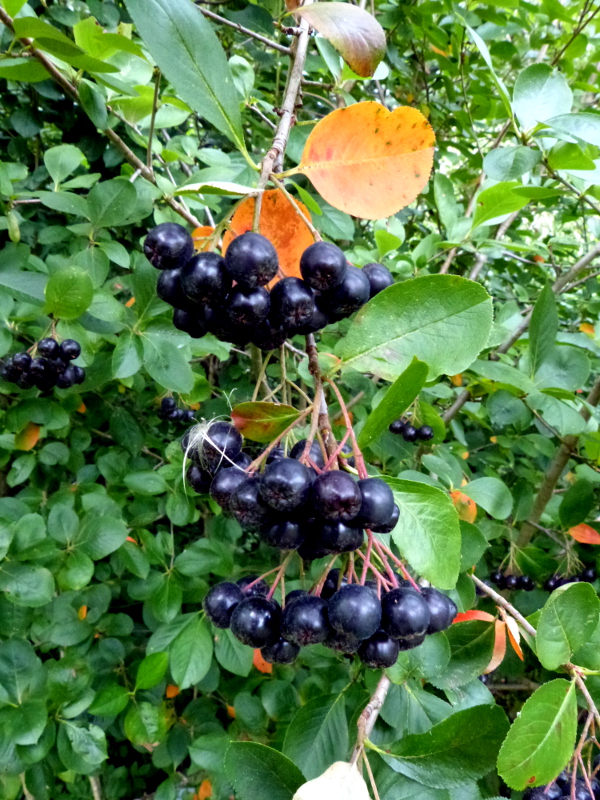 Black chokeberry: a shrub with white flowers and black berries
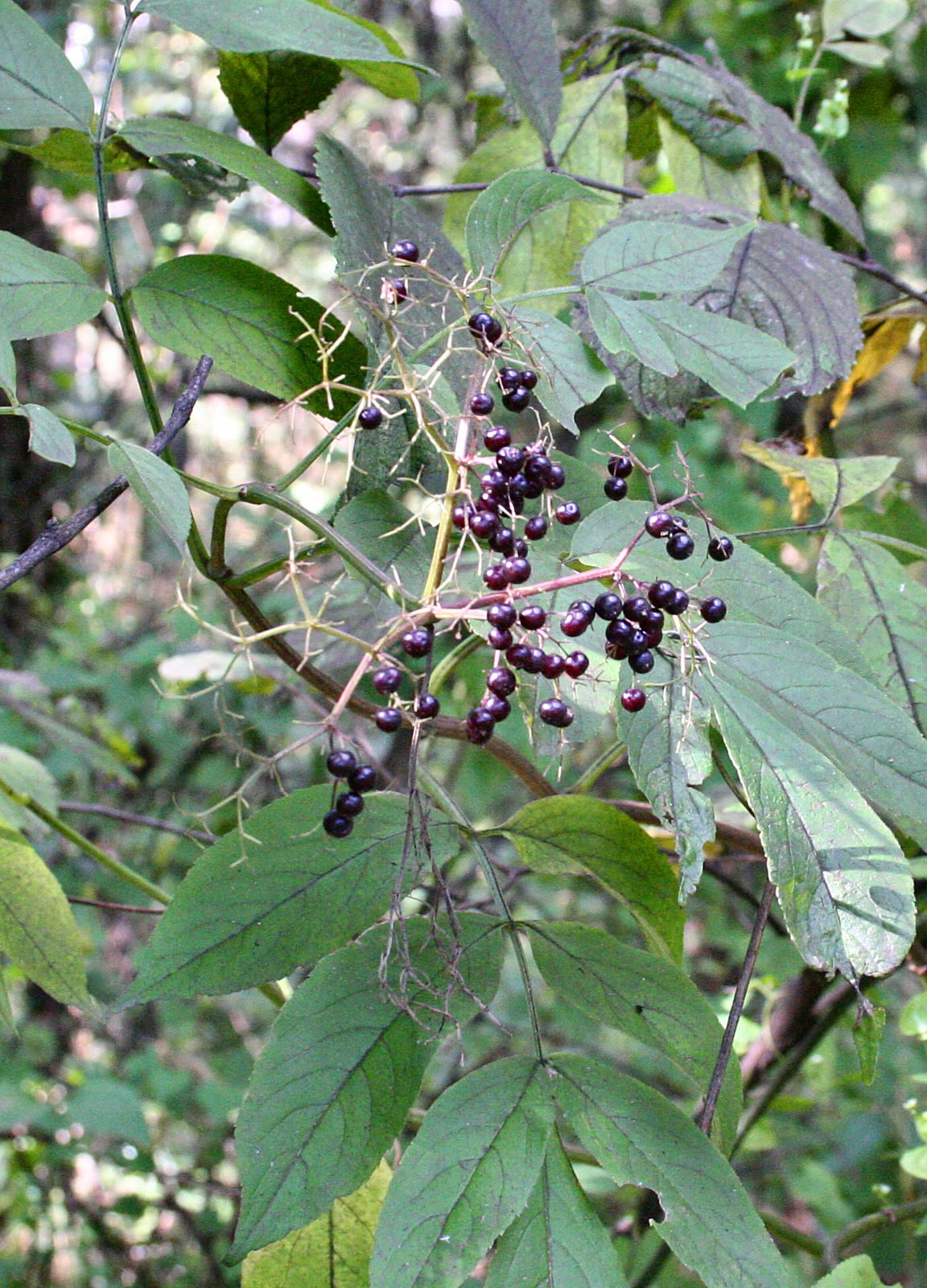 Elderberry: a large shrub with flat flower heads and fruit
Keeping the keystone
The trade-off is wildlife. Plums and cherries are keystone plants across North America. In many regions only oaks feed more kinds of caterpillars. The eastern tiger swallowtail lays its eggs on black cherry, and nesting birds feed those caterpillars to their young.
None of the trees above is a keystone plant. Flowering dogwood and blackhaw viburnum do host the spring azure, a small blue butterfly. To keep the keystone role without the knots, you have two choices:
- Keep one well-pruned plum or cherry among the replacements, and check it every winter.
- Plant an oak instead. White oak and bur oak are keystone trees and never get black knot.
The Keystone Web shows the keystone plants for your ecoregion and the wildlife they feed.
Plant photos: serviceberry by Walter Siegmund (CC BY-SA 3.0); blackhaw viburnum by David J. Stang (CC BY-SA 4.0).