
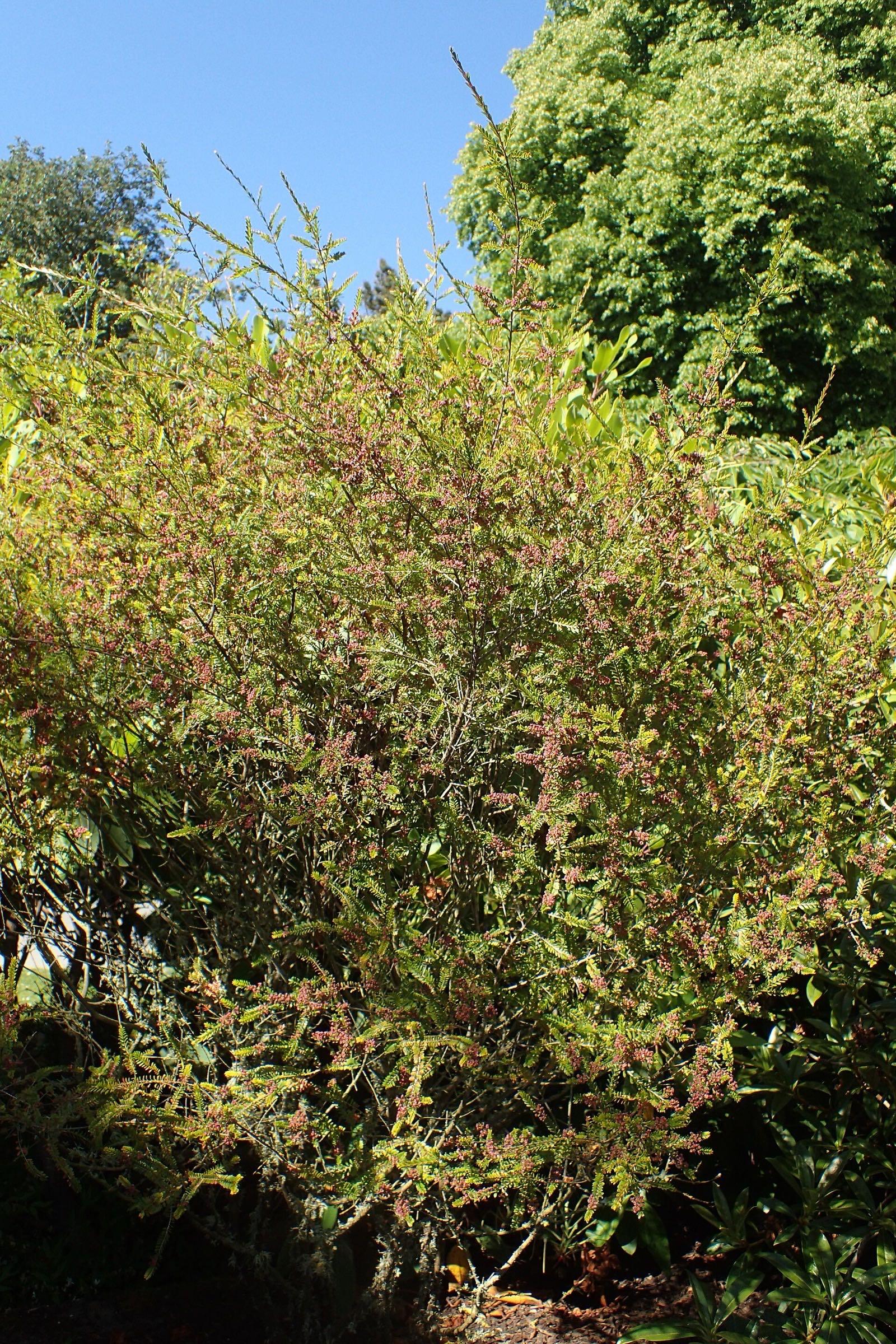
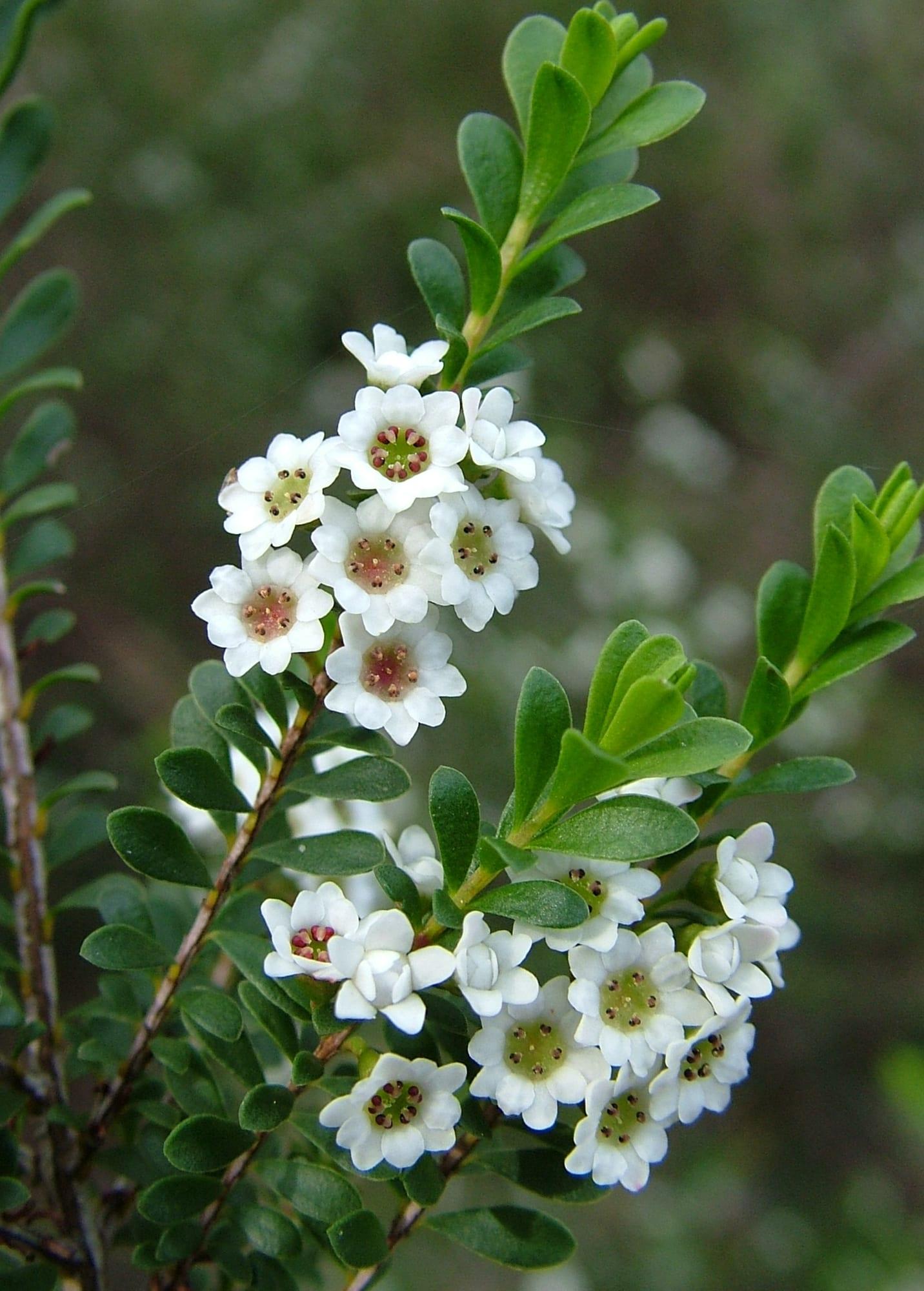
Grampians thryptomene is an evergreen shrub endemic to the Grampians (Gariwerd) region of Victoria, Australia, where it grows on exposed sandstone and quartzite ridges. From late winter into spring it covers itself with masses of tiny white flowers along arching, finely textured stems. Those stems are commercially harvested as long-lasting cut material and have made this species one of the more widely traded Australian native cut-flower shrubs internationally.
Sharp drainage is the central requirement in cultivation. The plant has evolved on rocky, acidic, freely draining soils and deteriorates quickly in clay or any situation where water pools around the roots. It is drought-tolerant once established and dislikes heavy fertilising. Prune lightly immediately after flowering, removing up to one-third of stem length, to keep the habit compact and encourage strong new flowering wood for the following season.
These dates are for Zone 6b. Enter your ZIP to time every job to your own frost dates.
- buy · Feb 13 - Feb 27Buy plants - about two months before planting out
- cut · Mar 27 - Apr 17Prune directly after flowering, or simply harvest the flowering stems for arrangements
- plant · Apr 24 - May 8Plant container-grown stock after last frost; shelter young plants from frost until established
- plant · Aug 21 - Sep 18Take semi-hardwood cuttings from the current season's growth to propagate
- watch · Any time in summerCheck new shoots for bright yellow myrtle rust pustules; remove and bag affected growth
Problems & troubleshooting
Common problems
Myrtle Rust
Bright yellow-orange powdery pustules erupt on young shoots, leaves, and buds. Heavily infected growing tips become distorted, stunted, or killed. Older leaves develop smaller, darker brown pustules as infection matures.
Remove and destroy infected plant material immediately. Apply fungicides containing myclobutanil or mancozeb at first appearance of pustules and repeat on label schedule. Avoid overhead irrigation. Monitor new growth closely during warm, humid weather, when the pathogen spreads most rapidly.
Phytophthora Root Rot
Wilting despite moist soil, yellowing leaves, stunted growth, and dark, decayed roots and crown tissue. Vines may collapse during hot weather.
Plant in well-draining soil and avoid waterlogging. Remove and destroy affected vines. Improve drainage with raised beds or amended soil and avoid overwatering.
Root rot
Plants wilt, yellow, and stunt even in moist soil; lower stems and roots turn brown, soft, and mushy and the plant may collapse. Most common in heavy, wet, or poorly drained ground.
Improve drainage and stop overwatering, and never plant too deep. Lift and destroy badly affected plants along with the soil around the roots. Grow in raised or free-draining beds to prevent it returning.