
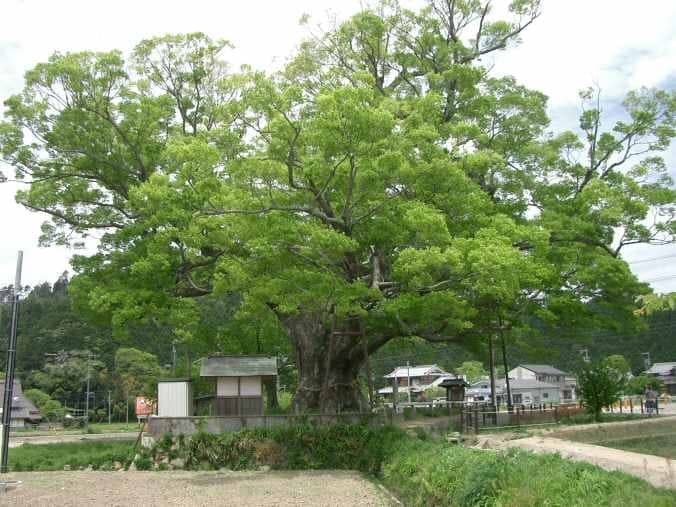
Japanese zelkova (Zelkova serrata) is a deciduous tree in the elm family native to Japan, Korea, eastern China, and Taiwan. It entered wide use in North America and Europe as a replacement for American elm after Dutch elm disease, carrying genuine resistance to that pathogen while producing a similarly graceful, vase-shaped crown at maturity.
The tree tolerates urban stresses including air pollution, compacted soil, and periodic drought once established. Bark becomes increasingly ornamental with age, exfoliating in irregular patches to expose orange-brown inner bark. Fall foliage shifts from yellow through orange to deep russet-red. Growth rate is moderate to fast, reaching 50–80 ft tall with a spread approaching its height at maturity. A 2–3 inch layer of organic mulch over the root zone conserves moisture and moderates soil temperature during establishment. Prefers a well-drained site; prolonged wet soils increase susceptibility to root pathogens.
Known in Japan as keyaki, the species has a long history of use for its dense, fine-grained wood in furniture, flooring, and traditional architectural joinery. It is also one of the most widely practiced species in Japanese bonsai.
Powdery mildew
White or grey powdery coating on leaves - usually starting on older growth in humid conditions or when nights cool.
Improve air circulation by thinning plants. Apply neem oil or potassium bicarbonate spray at first sign. Avoid overhead watering.
Fungal leaf spot
Brown or purplish spots on the leaves, often ringed with a yellow halo, that spread and merge in warm, humid, or wet weather; heavily spotted leaves yellow and drop early.
Pick off spotted leaves and clear fallen debris to remove overwintering spores. Improve air circulation by thinning, and water at the base so foliage dries quickly. If it persists, apply a copper- or sulfur-based fungicide at the first sign.
Verticillium Wilt
Lower leaves yellow and wilt, often on one side of the plant, with brown streaking in the stem and crown tissue when cut open. Plants are stunted and decline over the season.
Remove and destroy affected plants. Avoid planting in soil that has grown infected tomatoes, peppers, or other susceptible crops. Rotate beds and improve drainage; there is no cure once a plant is infected.
Bacterial Leaf Scorch
Browning at leaf margins progresses inward, often with a yellow or reddish border between healthy and necrotic tissue. Symptoms first appear on older leaves in late summer and worsen each subsequent year as the pathogen spreads through the xylem.
No cure exists. Prune affected branches, maintain tree vigor with deep watering and a wide mulch ring, and manage sharpshooter leafhopper populations where feasible. Oxytetracycline trunk injections by a licensed arborist may suppress symptoms temporarily but do not eliminate Xylella fastidiosa.
Botryosphaeria Canker
Dark, sunken cankers on stems and major branches, most often occurring after drought stress or mechanical wounding. Bark peeled back from affected areas reveals brown, discolored wood beneath. Branch tips wilt and die back progressively inward.
Prune infected branches at least 6 inches below the visible canker margin using sterilized tools, and dispose of all cuttings away from the garden. Reduce plant stress by maintaining consistent irrigation during dry periods and avoiding bark wounds during maintenance. No curative fungicide is available; keeping plants vigorous is the primary preventive strategy.