
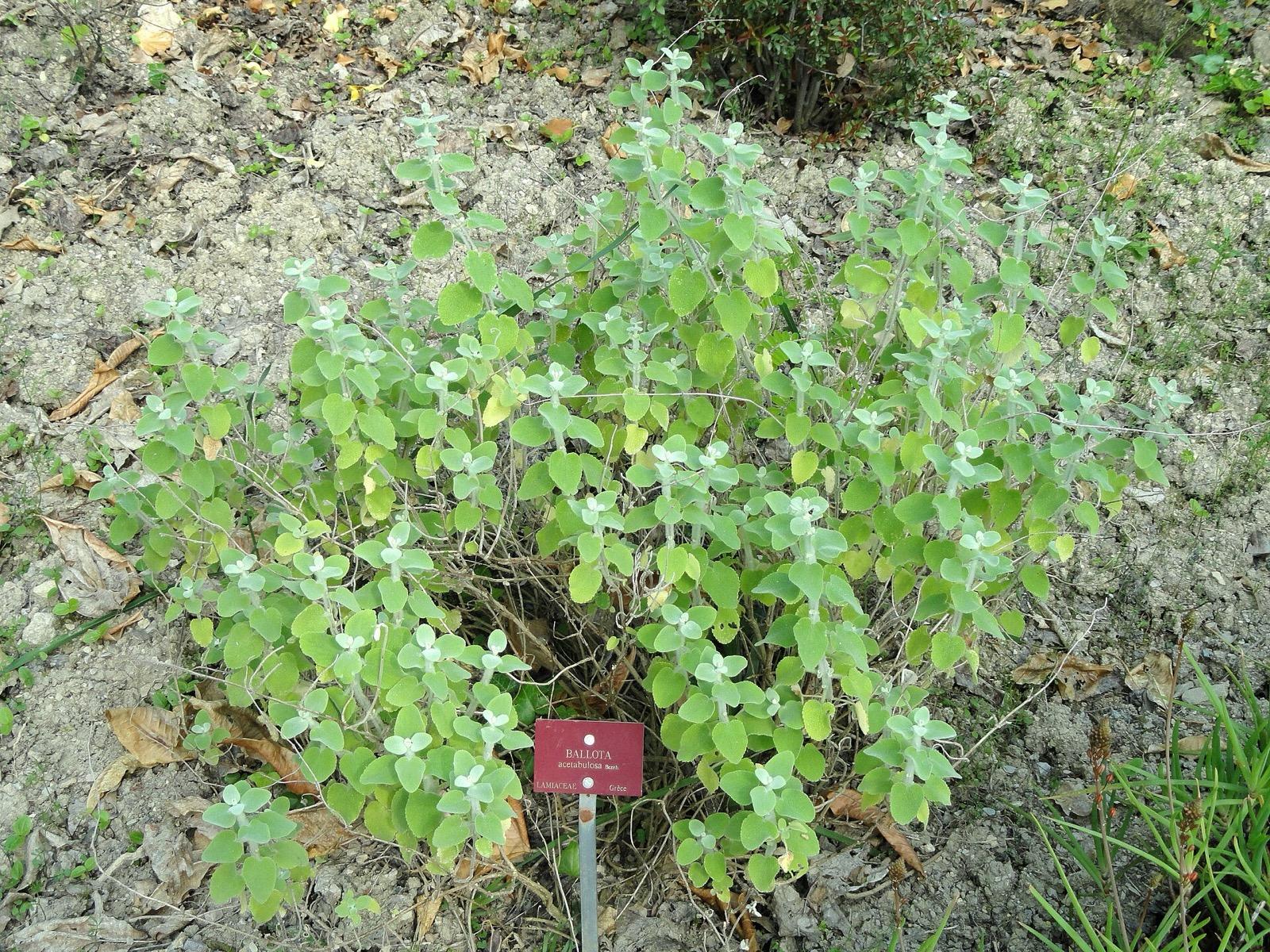
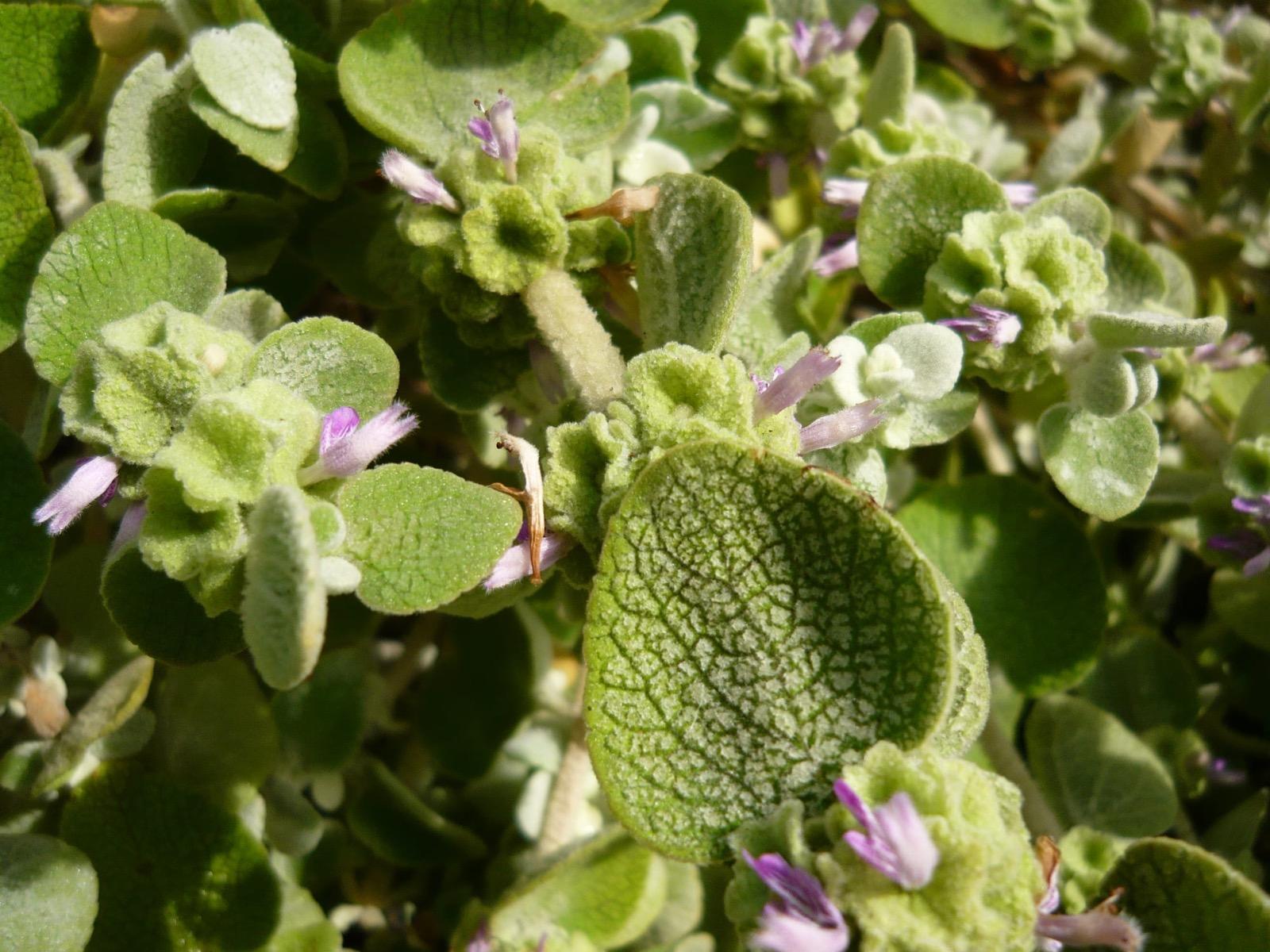
Greek horehound is a compact, evergreen subshrub native to rocky slopes and dry scrub in southeastern Greece, Crete, and western Turkey. Its upright stems are densely coated in white wool, giving the plant a consistent silver-grey texture year-round. In late summer and autumn it produces whorls of small pink flowers held in distinctive funnel-shaped, cup-like green calyces that persist well after the flowers drop, extending its ornamental interest into fall.
It thrives in full sun with excellent drainage and tolerates poor, dry soil, mirroring its native Mediterranean habitat. Plants fail in heavy clay or waterlogged winter soil; raised beds, gravel gardens, and sloped sites improve survival at the cooler edge of its hardiness range. Its low, spreading habit makes it effective groundcover and a strong textural contrast plant alongside other drought-tolerant Mediterranean species. Established plants need little to no supplemental irrigation and no fertilising.
These dates are for Zone 6b. Enter your ZIP to time every job to your own frost dates.
- buy · Feb 13 - Feb 27Buy plants - about two months before planting out
- watch · Any time in winterCheck the crown after wet spells; standing water rots it
- cut · Apr 10 - May 1Cut stems back to a few inches of live growth as new silver shoots appear, to keep the mound dense
- plant · Apr 24 - May 8Plant into lean, gritty soil in full sun; no compost or fertilizer
Problems & troubleshooting
Common problems
Root rot
Plants wilt, yellow, and stunt even in moist soil; lower stems and roots turn brown, soft, and mushy and the plant may collapse. Most common in heavy, wet, or poorly drained ground.
Improve drainage and stop overwatering, and never plant too deep. Lift and destroy badly affected plants along with the soil around the roots. Grow in raised or free-draining beds to prevent it returning.
Powdery mildew
White or grey powdery coating on leaves - usually starting on older growth in humid conditions or when nights cool.
Improve air circulation by thinning plants. Apply neem oil or potassium bicarbonate spray at first sign. Avoid overhead watering.