
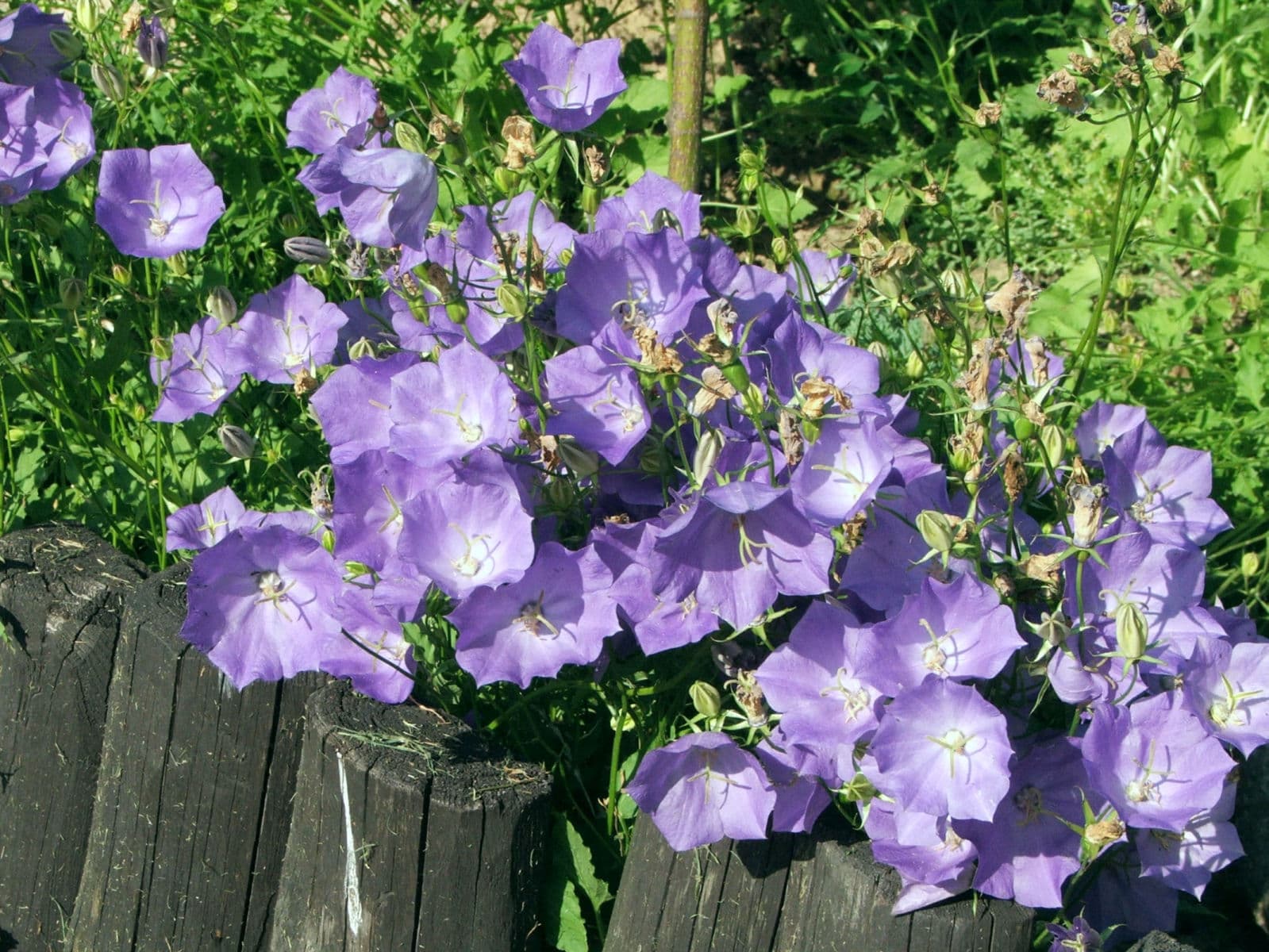
Campanula carpatica is a compact, clumping perennial native to rocky slopes and meadows of the Carpathian Mountains in central Europe. It produces large, upward-facing, cup-shaped blooms in blue, violet, or white over a long season from early summer into fall. Its tidy 6–12-inch mounding habit makes it a reliable choice for rock gardens, front-of-border plantings, and container edges.
Good drainage is the most critical requirement. Wet soil in winter or during humid summers invites crown and root rot, which are the leading causes of plant failure. In zones 7–8, siting plants where they receive afternoon shade reduces heat stress and extends the blooming season. Established clumps benefit from division every three to four years to maintain vigor. Shearing plants back by one-third after the first main flush of blooms encourages a second round in late summer.
Powdery mildew
White or grey powdery coating on leaves - usually starting on older growth in humid conditions or when nights cool.
Improve air circulation by thinning plants. Apply neem oil or potassium bicarbonate spray at first sign. Avoid overhead watering.
Botrytis (grey mould)
Grey fuzzy mould on petals and stems, worst in cool wet conditions.
Remove affected parts immediately. Improve air circulation. Avoid overhead watering. Apply copper fungicide if severe.
Crown Rot
Lower leaves yellow and wilt; the base of the rosette turns brown and soft, sometimes with white fungal threads at the soil line. Plants collapse in wet conditions.
Remove and destroy affected plants. Improve drainage and avoid overhead watering. Do not mulch directly against the crown. Space plants for airflow and avoid replanting in the same wet spot.
Root rot
Plants wilt, yellow, and stunt even in moist soil; lower stems and roots turn brown, soft, and mushy and the plant may collapse. Most common in heavy, wet, or poorly drained ground.
Improve drainage and stop overwatering, and never plant too deep. Lift and destroy badly affected plants along with the soil around the roots. Grow in raised or free-draining beds to prevent it returning.