
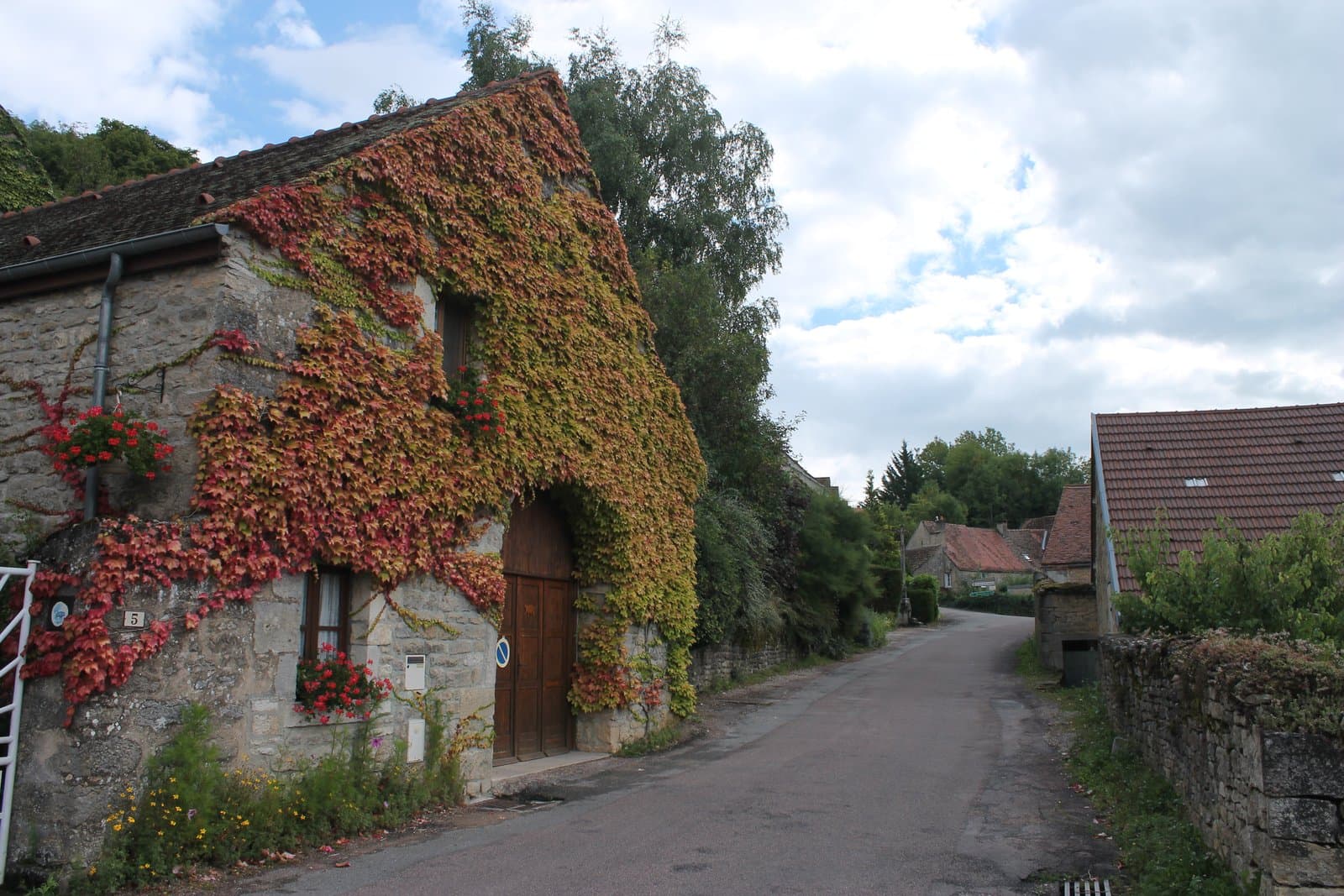
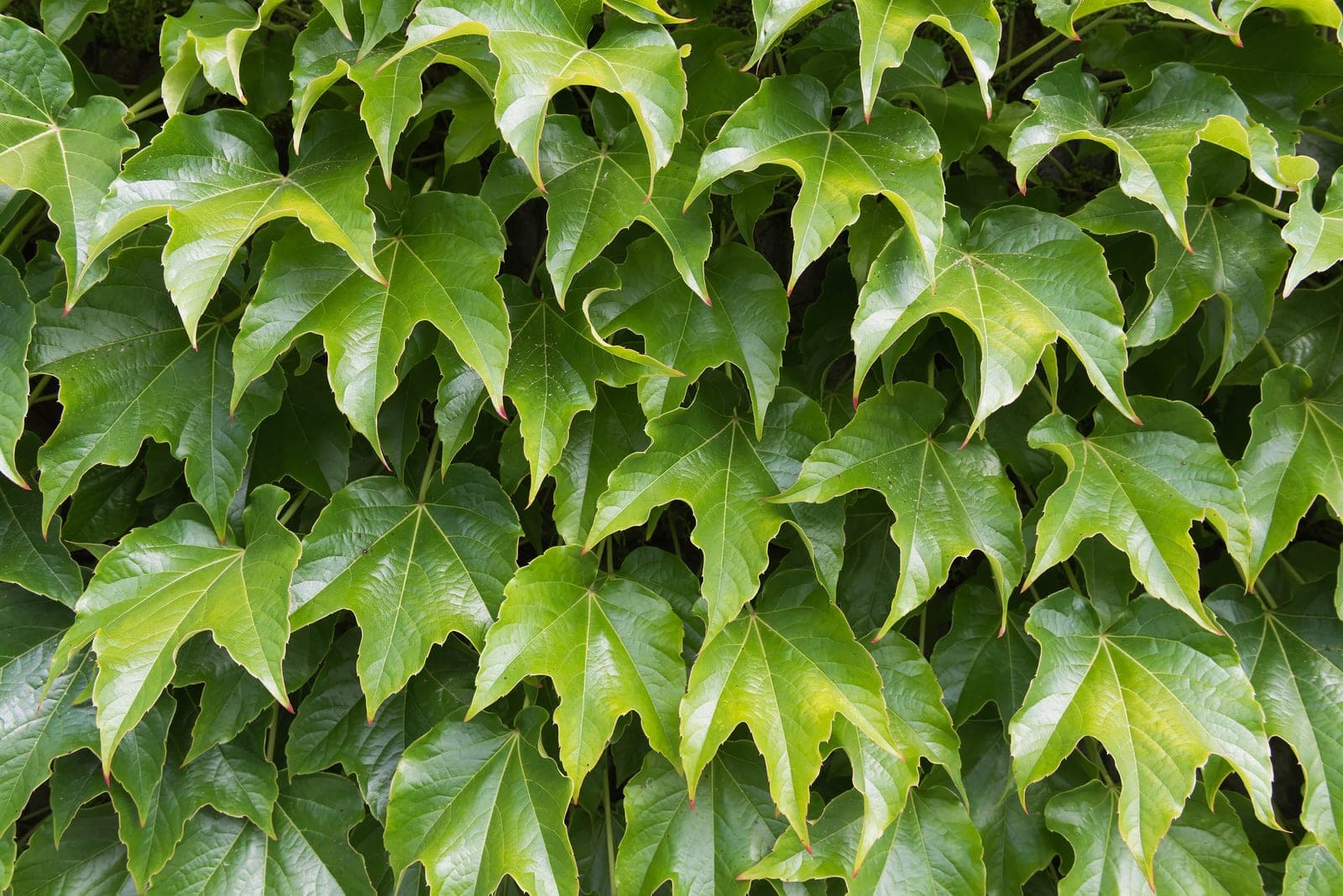
Boston ivy is a vigorous deciduous vine from eastern Asia, grown for its ability to clothe large vertical surfaces and for brilliant scarlet-to-crimson fall foliage. It belongs to the grape family and clings via adhesive discs at the tips of its tendrils rather than by hooks or twining, making it effective on masonry, brick, and wood without additional fasteners.
Plants can reach 30–50 feet and establish quickly once roots settle. The vine tolerates compacted urban soils, moderate drought, and a wide pH range. Mulching the root zone through the first winter aids establishment in colder zones. Stems left unchecked can lift flashing or block gutters, so annual trimming where it meets structures is practical.
The small blue-black berries provide autumn and winter food for birds including thrushes, starlings, and woodpeckers, and dense coverage offers nesting structure. In traditional Chinese medicine, the stem and root are used for rheumatic conditions and inflammation.
Powdery mildew
White or grey powdery coating on leaves - usually starting on older growth in humid conditions or when nights cool.
Improve air circulation by thinning plants. Apply neem oil or potassium bicarbonate spray at first sign. Avoid overhead watering.
Fungal leaf spot
Brown or purplish spots on the leaves, often ringed with a yellow halo, that spread and merge in warm, humid, or wet weather; heavily spotted leaves yellow and drop early.
Pick off spotted leaves and clear fallen debris to remove overwintering spores. Improve air circulation by thinning, and water at the base so foliage dries quickly. If it persists, apply a copper- or sulfur-based fungicide at the first sign.
Downy mildew
Yellowing on top of leaves with grey-purple fuzz underneath. Spreads rapidly in humid conditions.
Remove affected leaves. Improve air circulation. Avoid overhead watering. Copper spray as preventive.
Sooty Mold (Scale-Associated)
Black, powdery or crusty coating on upper leaf surfaces and stems. Affected leaves may yellow and drop in severe cases. The mold grows on honeydew secreted by scale insects, mealybugs, or aphids feeding on the plant.
Control the underlying pest infestation first using horticultural oil or neem oil applied thoroughly to stems and leaf undersides. Once pest populations are reduced, sooty mold stops spreading and weathers away over time. Rinse foliage with a strong stream of water to dislodge existing mold deposits.