
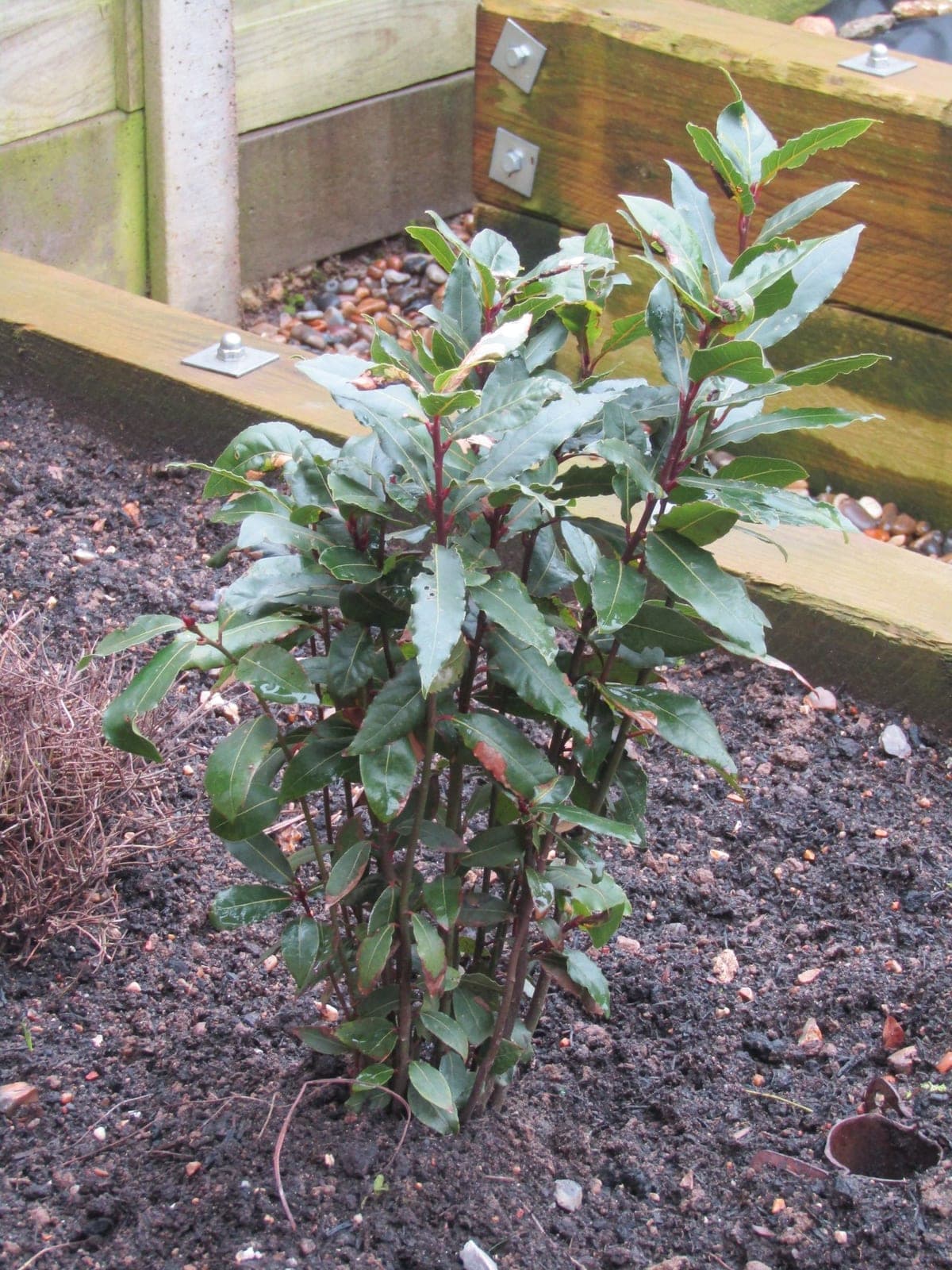
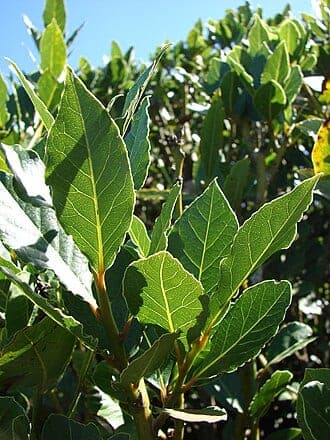
Laurus nobilis is an aromatic evergreen tree or large shrub native to the Mediterranean basin and the source of the culinary bay leaf used worldwide in soups, stews, stocks, and braises. In classical antiquity its branches crowned athletes, scholars, and generals - the word laureate derives directly from this plant.
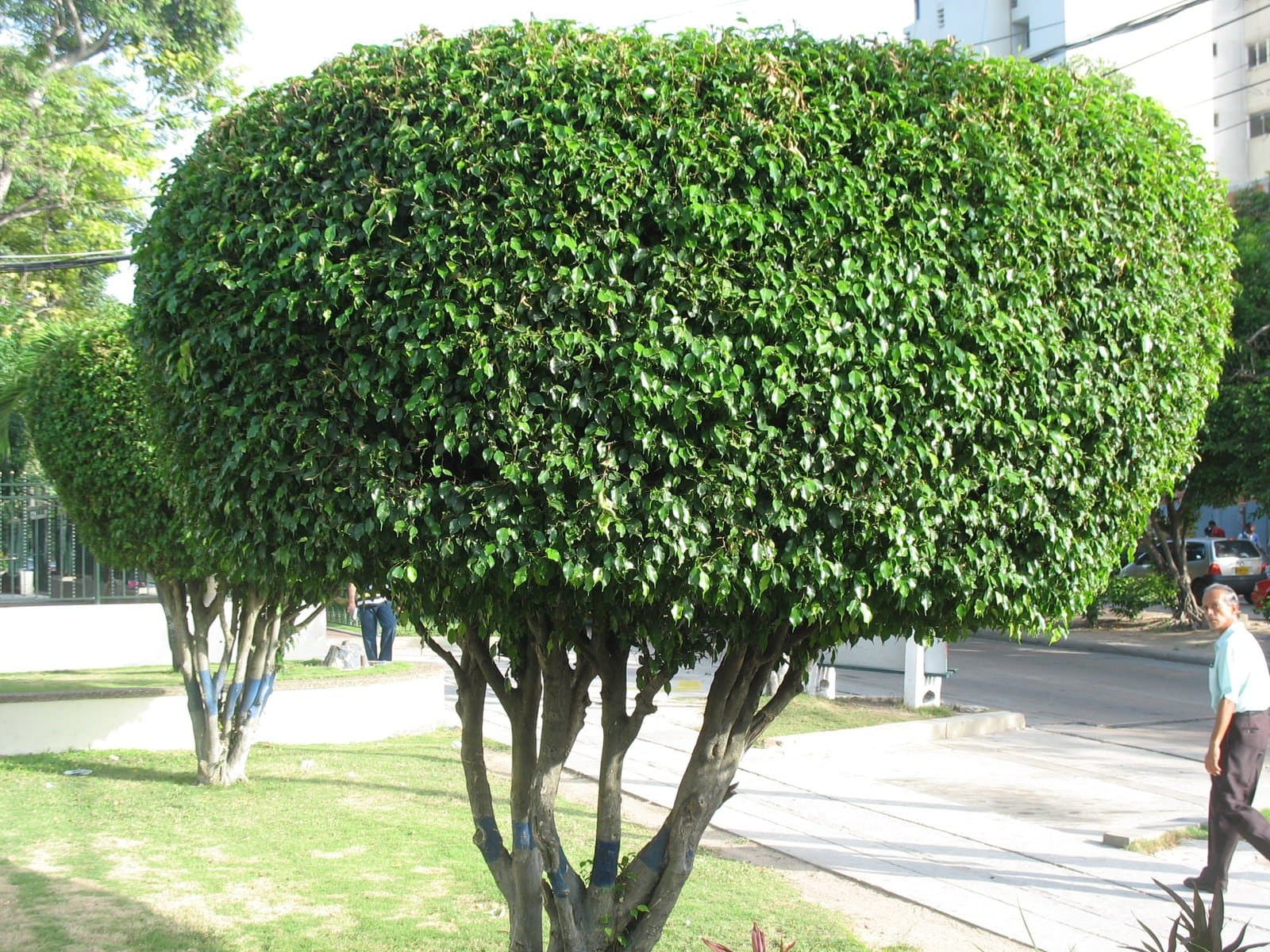
In zones 8–11 it grows into a long-lived specimen that can exceed 40 ft untrimmed, but it tolerates severe clipping and is commonly maintained as a formal standard, clipped hedge, or topiary. North of zone 8 it functions reliably as a container plant overwintered in a cool, frost-free space. Bay laurel prefers well-drained, loamy soil with a slightly acidic to neutral pH and is drought tolerant once established; waterlogging is its primary enemy. Mulching the root zone protects plants at the northern edge of its hardiness range and helps maintain even soil moisture through summer.
Leaf oils contain cineole, eugenol, and linalool - compounds with documented antimicrobial and anti-inflammatory activity. Traditional Mediterranean medicine used bay preparations as a digestive aid and applied them topically for joint and muscle pain. The oil pressed from the ripe berries is a principal ingredient in Aleppo soap, one of the oldest recorded bar soaps.
Laurel Wilt
Rapid wilting of one or more branches, often progressing to the entire crown within weeks. Leaves turn reddish-brown and remain attached rather than dropping. Cross-sections of affected branches or trunk show dark brown to black streaking in the sapwood.
No cure or effective treatment exists. Remove and destroy infected trees and all associated woody debris promptly; do not transport wood from affected sites. Avoid wounding healthy trees, as the redbay ambrosia beetle vector is attracted to fresh wounds. Report new infections to your state forestry agency or cooperative extension service, particularly in areas where the beetle is not yet established.
Sooty Mold (Scale-Associated)
Black, powdery or crusty coating on upper leaf surfaces and stems. Affected leaves may yellow and drop in severe cases. The mold grows on honeydew secreted by scale insects, mealybugs, or aphids feeding on the plant.
Control the underlying pest infestation first using horticultural oil or neem oil applied thoroughly to stems and leaf undersides. Once pest populations are reduced, sooty mold stops spreading and weathers away over time. Rinse foliage with a strong stream of water to dislodge existing mold deposits.
Powdery mildew
White or grey powdery coating on leaves - usually starting on older growth in humid conditions or when nights cool.
Improve air circulation by thinning plants. Apply neem oil or potassium bicarbonate spray at first sign. Avoid overhead watering.
Root rot
Plants wilt, yellow, and stunt even in moist soil; lower stems and roots turn brown, soft, and mushy and the plant may collapse. Most common in heavy, wet, or poorly drained ground.
Improve drainage and stop overwatering, and never plant too deep. Lift and destroy badly affected plants along with the soil around the roots. Grow in raised or free-draining beds to prevent it returning.