
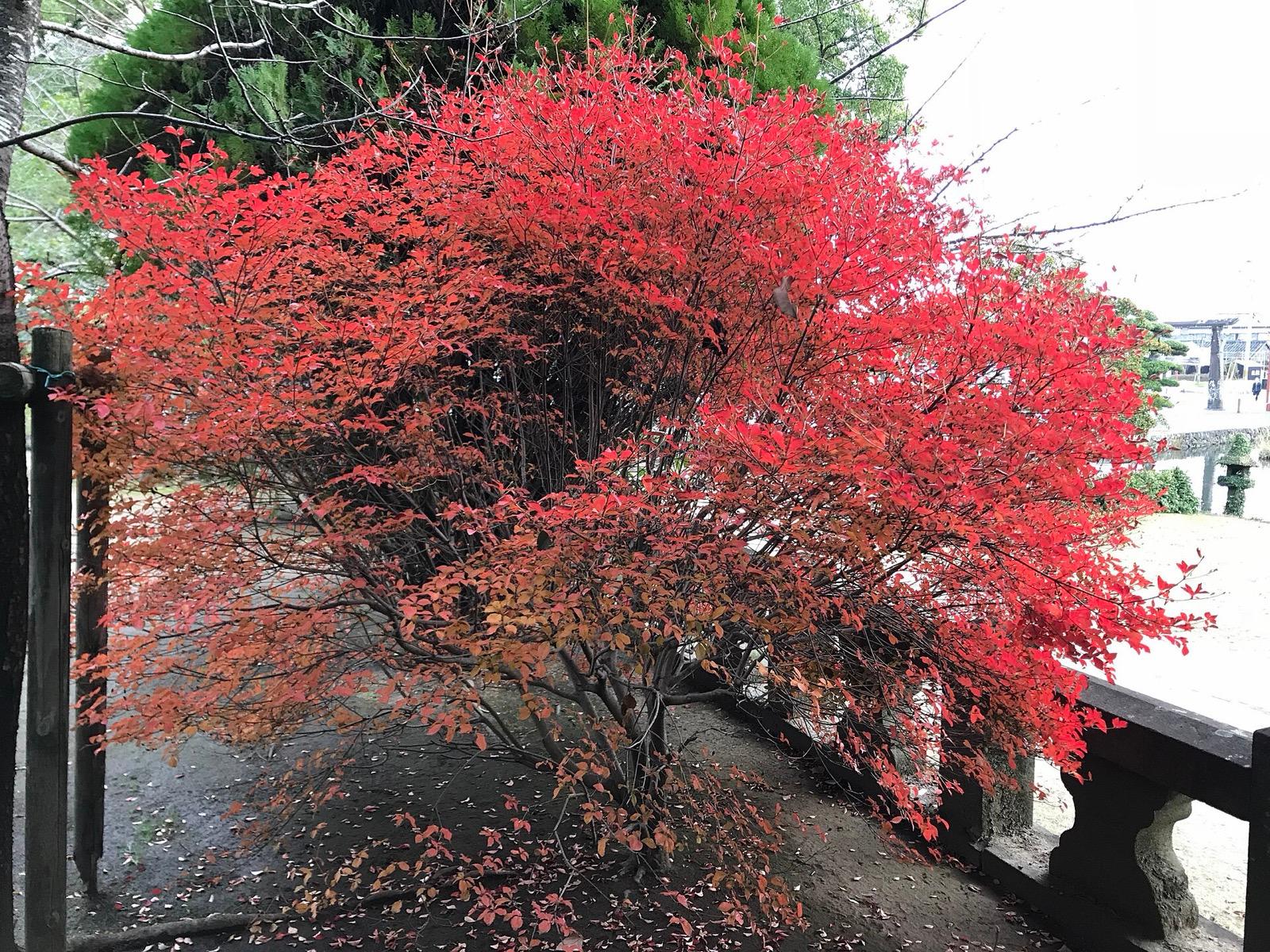
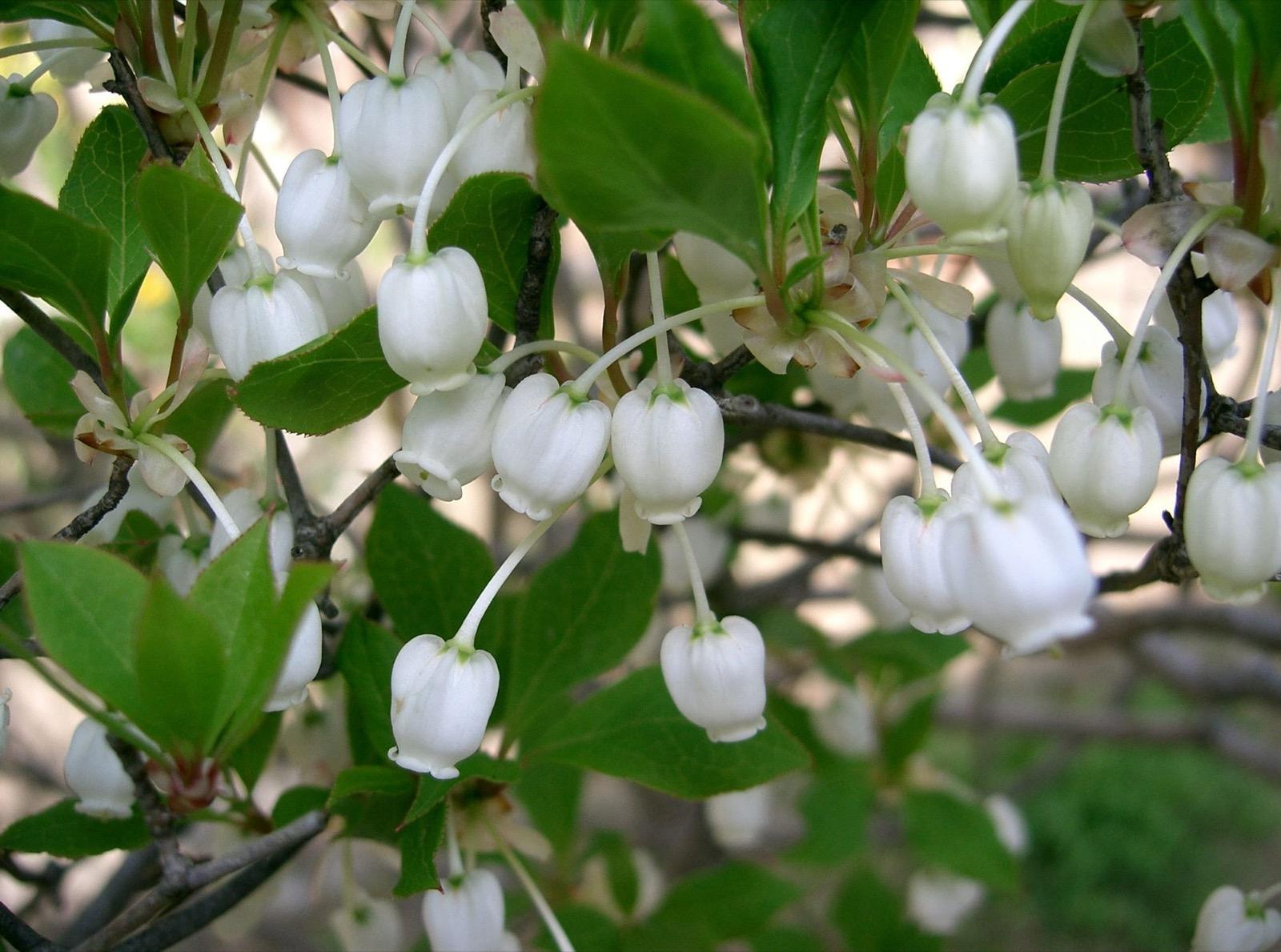
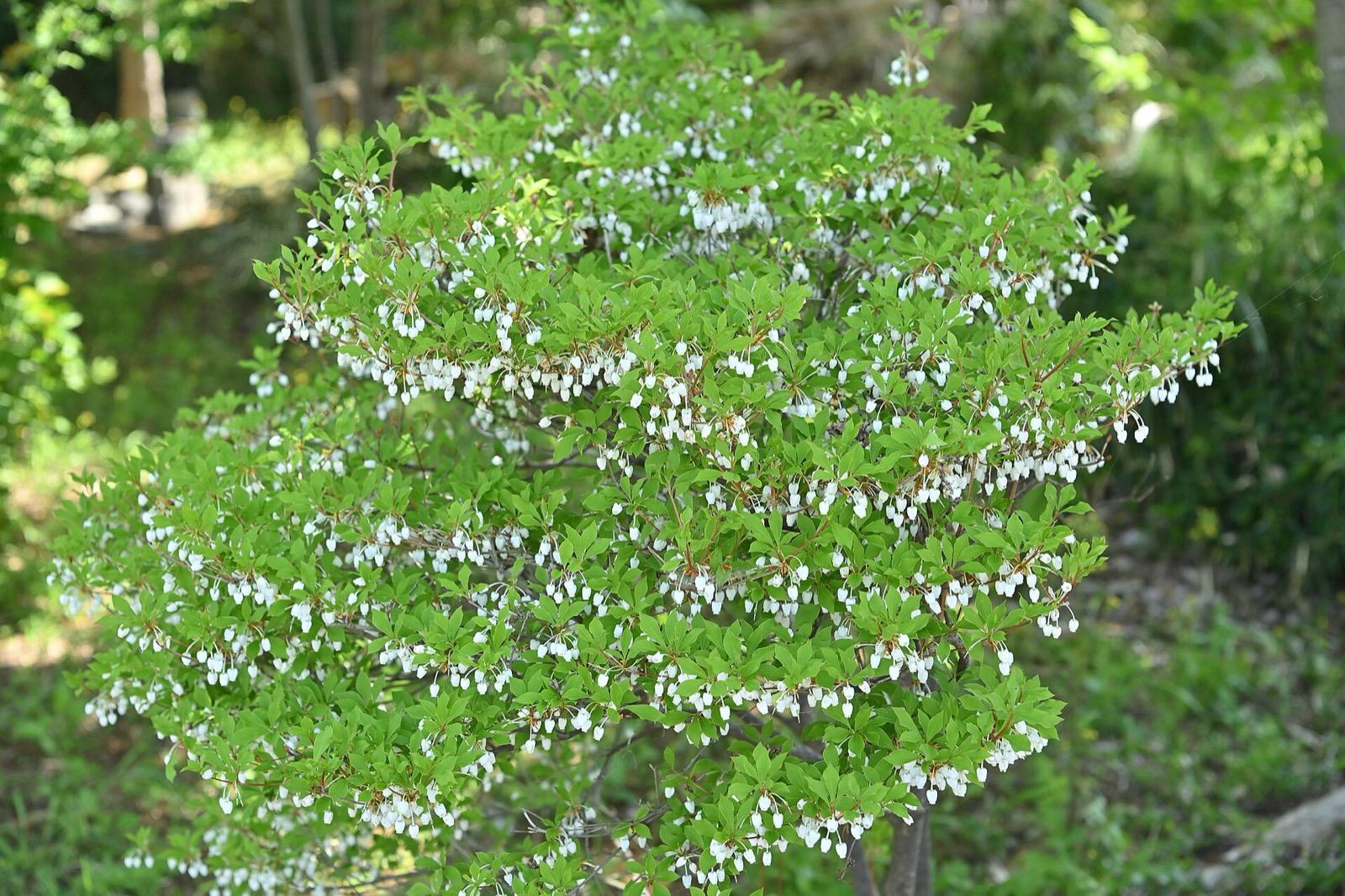
Enkianthus perulatus is a compact, slow-growing deciduous shrub native to Japan with two distinct seasons of ornamental value. In spring it carries pendent umbels of pure white, bell-shaped flowers; in fall its leaves turn vivid red and yellow before dropping. Mature specimens reach roughly 6 feet tall and wide after many years.
This plant requires moist, acidic soil (pH 4.5–6.0) rich in organic matter, matching the conditions suited to azaleas and rhododendrons. It tolerates partial shade but develops more intense fall color with greater sun exposure. In zones 7–8, afternoon shade reduces heat stress. Growth rarely exceeds 6 inches per year, so little pruning is needed; if shaping is required, do it immediately after flowering to avoid removing the following season's buds. A 2–3 inch layer of pine bark or leaf mulch helps maintain soil moisture and acidity.
These dates are for Zone 6b. Enter your ZIP to time every job to your own frost dates.
- buy · Jan 30 - Feb 13Buy plants - about two months before planting out
- plant · Apr 10 - May 1Plant container stock in acidic, humus-rich soil and mulch the root zone with shredded leaves or pine needles
- cut · May 8 - May 22Prune lightly right after flowering only to shape; next year's buds form on this year's growth
- watch · Any time in summerWater in dry spells; shallow roots dry out fast and leaves scorch
Problems & troubleshooting
Common problems
Phytophthora Root Rot
Wilting despite moist soil, yellowing leaves, stunted growth, and dark, decayed roots and crown tissue. Vines may collapse during hot weather.
Plant in well-draining soil and avoid waterlogging. Remove and destroy affected vines. Improve drainage with raised beds or amended soil and avoid overwatering.
Powdery mildew
White or grey powdery coating on leaves - usually starting on older growth in humid conditions or when nights cool.
Improve air circulation by thinning plants. Apply neem oil or potassium bicarbonate spray at first sign. Avoid overhead watering.
Leaf gall
Leaves, buds, or young shoots thicken into pale green, reddish, or whitish fleshy galls that later turn white with a powdery spore bloom before browning.
Pick off and destroy galls before they turn white and shed spores. Improve air circulation and avoid overhead watering in spring. The damage is largely cosmetic and rarely needs fungicide.
Fungal leaf spot
Brown or purplish spots on the leaves, often ringed with a yellow halo, that spread and merge in warm, humid, or wet weather; heavily spotted leaves yellow and drop early.
Pick off spotted leaves and clear fallen debris to remove overwintering spores. Improve air circulation by thinning, and water at the base so foliage dries quickly. If it persists, apply a copper- or sulfur-based fungicide at the first sign.