
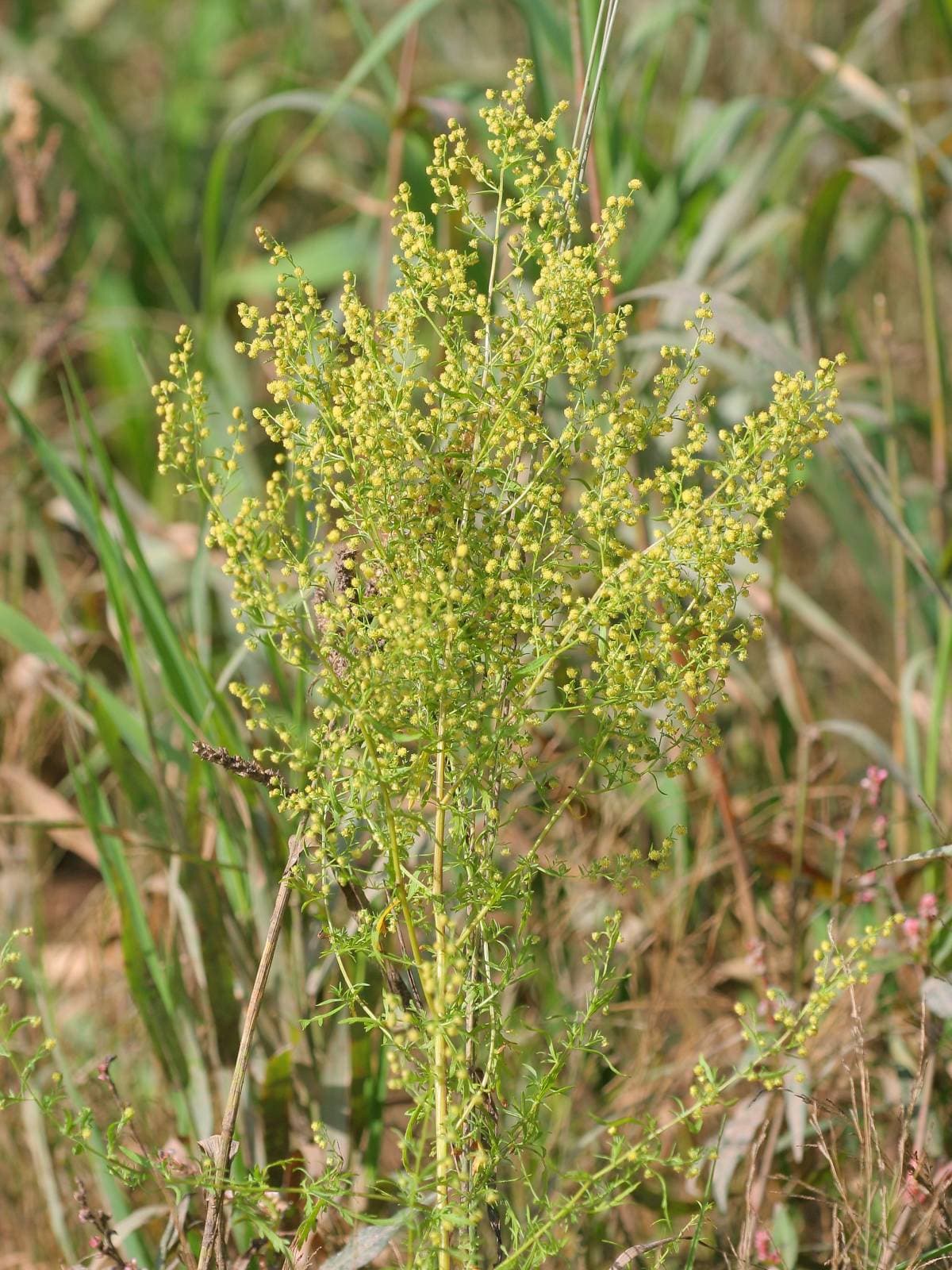
Artemisia annua is a fast-growing annual herb native to temperate Asia, now naturalized across much of the world. It reaches 4–8 feet in a single season, forming dense, feathery mounds of finely cut, intensely aromatic bright green foliage. Gardeners grow it primarily for its dried stems, which hold fragrance and form well into winter and are widely used in wreaths and arrangements.
It thrives in full sun and tolerates poor, dry soils. Excessive fertility or moisture produces lush but less fragrant growth. It self-sows prolifically; remove seed heads before they disperse unless reseeding is welcome - it can colonize bare ground aggressively. Lean soil and good air circulation produce the most aromatic plants and reduce disease pressure.
The plant contains artemisinin, a sesquiterpene lactone that became the basis for artemisinin-combination therapies (ACTs), now the primary treatment for malaria worldwide. Tu Youyou received the 2015 Nobel Prize in Physiology or Medicine for this discovery. In traditional Chinese medicine, the dried herb - known as qinghao - has been used for centuries to reduce fever, including malarial fever.
Powdery mildew
White or grey powdery coating on leaves - usually starting on older growth in humid conditions or when nights cool.
Improve air circulation by thinning plants. Apply neem oil or potassium bicarbonate spray at first sign. Avoid overhead watering.
Damping Off
Seedlings collapse at the soil line with thin, water-soaked stems; seeds may fail to emerge or rot before sprouting.
Sow in well-draining mix, avoid overwatering, and ensure good airflow. Remove affected seedlings and let the surface dry between waterings.
Root rot
Plants wilt, yellow, and stunt even in moist soil; lower stems and roots turn brown, soft, and mushy and the plant may collapse. Most common in heavy, wet, or poorly drained ground.
Improve drainage and stop overwatering, and never plant too deep. Lift and destroy badly affected plants along with the soil around the roots. Grow in raised or free-draining beds to prevent it returning.