
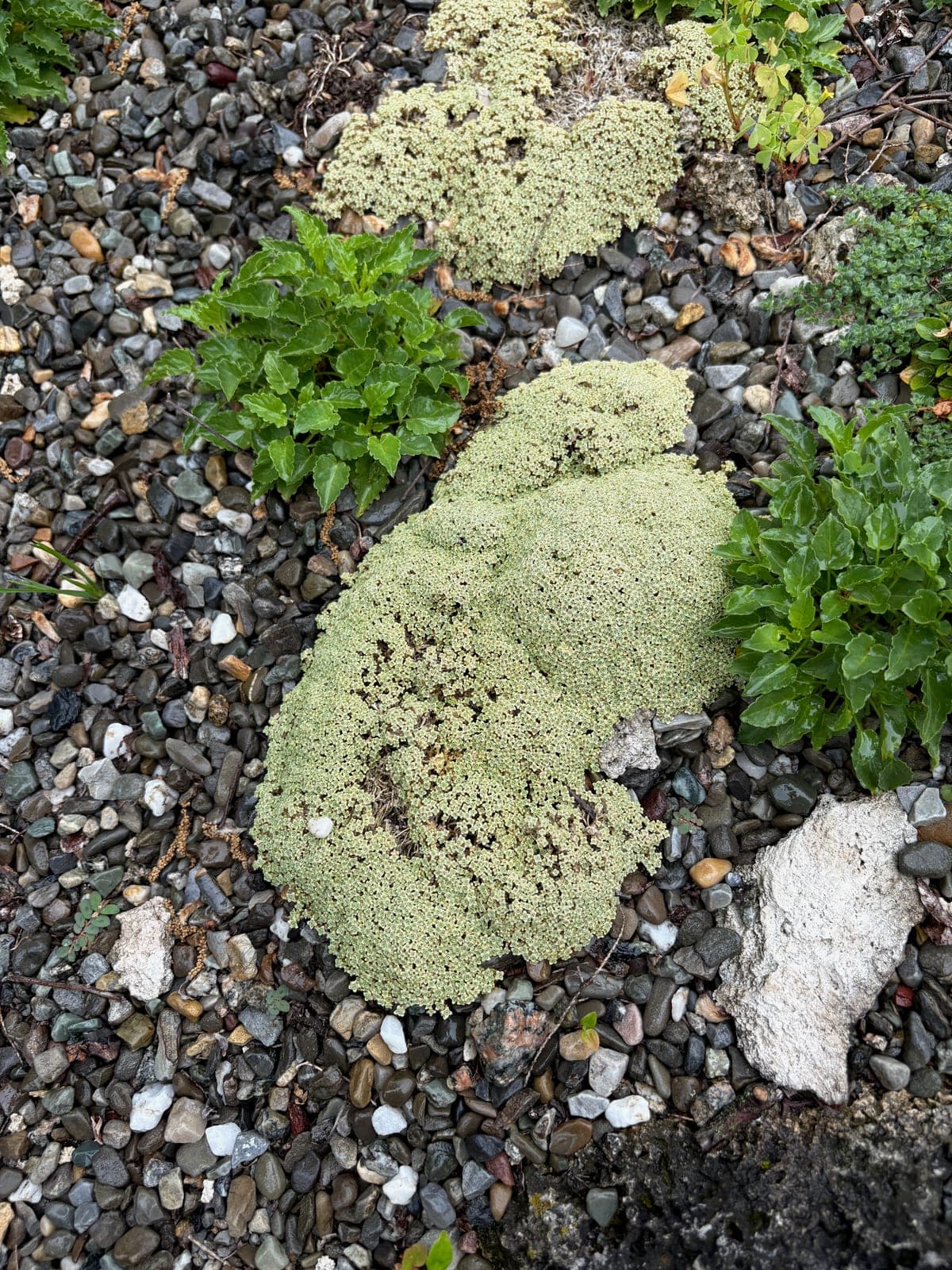
Pterygopappus lawrencei is a true alpine specialist, hailing from the exposed dolerite plateaus and montane heathlands of Tasmania - so right from the start, respect its origins and don't coddle it. The single most important thing you can do is nail the drainage: this plant will rot cheerfully in any soil that holds moisture, so mix generous amounts of coarse grit or perlite into your planting area, at least 30–40% by volume. Raised beds or rock garden pockets are ideal. Soil fertility should be low to moderate - resist the urge to feed heavily, as rich soil produces lush, floppy growth that's completely out of character and prone to collapse. Sow seed in early spring after a cold stratification period of four to six weeks in a damp paper towel in the fridge; germination is erratic without it. Surface-sow onto gritty mix and do not cover deeply - these seeds want light to germinate. The most common mistake gardeners make is overwatering in the first season and planting in a sheltered, humid spot. This plant wants exposure, airflow, and lean conditions. Once established, it's remarkably tough and will handle light frosts without complaint.
There are no well-documented culinary or medicinal traditions associated with Pterygopappus lawrencei in the broader herbal record, which makes sense given how geographically isolated and ecologically specialised this plant is - it was never a cottage garden staple or a market herb. Where it truly earns its keep is as a living expression of Tasmanian alpine ecology, and in the garden it pairs beautifully with other moisture-hating, sun-loving alpines. Try it alongside yarrow for a complementary texture contrast, or let it weave through a low planting of chamomile where the shared preference for lean, open soil creates a self-sustaining little community. Watch the plant closely in its second year - that's when you'll see it hit its stride, producing its characteristic small white daisy flowers on wiry stems that catch the light beautifully. Deadhead spent flowers to encourage a longer display and prevent self-seeding into neighbouring pockets if you want to keep your planting tidy, but honestly, a little self-seeding into gravel paths or wall crevices is no bad thing with this one.