
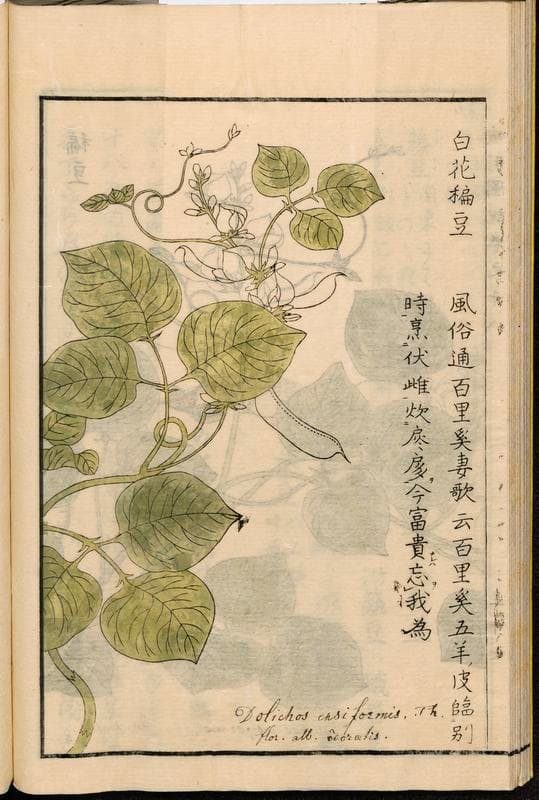
PL. —Lablab purpureus 'Ruby Moon'Botanical illustration — drop image
Lablab purpureus 'Ruby Moon'

'Ruby Moon' Hyacinth Bean

SummerFall
9a11bHardiness zone
Peak bloom windowZone 6b · frost-offset weeks
Winter
Not in bloom
Spring
Not in bloom
Summer
Peak bloom
Fall
Not in bloom
Peak bloom
In bloom
Background

Lablab purpureus 'Ruby Moon' is a fast-growing tropical vine native to sub-Saharan Africa and cultivated throughout the tropics as a food crop. The 'Ruby Moon' cultivar produces purple-flushed foliage, rose-purple flowers, and clusters of glossy dark-violet pods that hold ornamental value through fall. It is a tender perennial in zones 9–11 and grown as a warm-season annual elsewhere, where it commonly covers 10–15 feet of trellis in a single season.

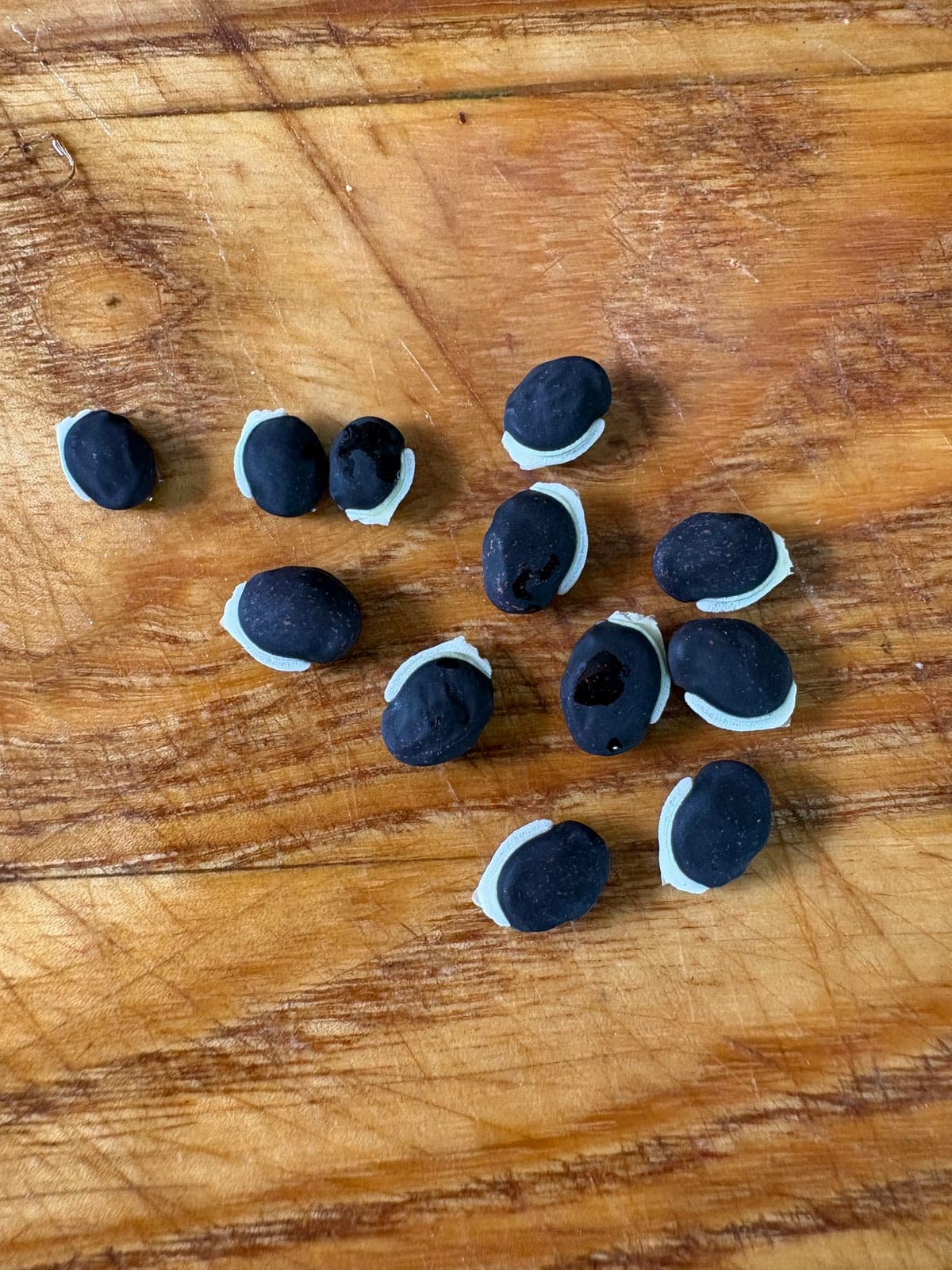
Plant in full sun after soils have warmed and all frost risk has passed. The vine twines and needs a sturdy trellis, fence, or arbor from early on. Soaking seeds overnight before sowing speeds germination markedly. Mulching the root zone helps retain moisture during hot dry spells. In zones 9–11, roots may overwinter and re-sprout; in colder climates, collect seeds from mature pods before the first hard frost for replanting the following year.

All major parts of the plant — young leaves, flowers, immature pods, and seeds — are eaten in African and South Asian cuisines. Young pods and leaves are generally safe when cooked thoroughly; mature seeds must be boiled through multiple changes of water to reduce cyanogenic glucoside levels before eating.

Care guide
SunFull sun
WaterModerate
SoilWell-drained, fertile, loamy
Spacing18–24 in
Height10–15 ft
Zone9a – 11b
Direct sow
Seasonal tasks
spring
sowStart seeds indoors in individual pots 4–6 weeks before last frost. Soak seeds overnight before planting to improve germination rate.
sowDirect sow seeds 1 inch deep in warm soil once all frost danger has passed, or transplant indoor starts 18–24 inches apart. Have a trellis, fence, or sturdy arbor in place before vines begin to climb.
summer
watchCheck stem tips and leaf undersides for aphid colonies through summer. Knock off with a strong water spray; treat heavy infestations with insecticidal soap.
watchInspect foliage for Japanese beetles and bean leaf beetles, which can skeletonize leaves. Hand-pick adults in early morning when they are sluggish.
watchMonitor for powdery mildew on foliage in late summer when nights cool and humidity rises. Improve air circulation and apply a sulfur-based fungicide if coverage spreads.
fall
cutHarvest immature pods while small and tender for culinary use; cook thoroughly before eating. Leave some pods on the vine to mature fully if saving seed.
cutBefore the first frost, cut stems bearing mature pods for seed collection or dried ornamental use. Store seeds dry in a sealed container for replanting next season.