
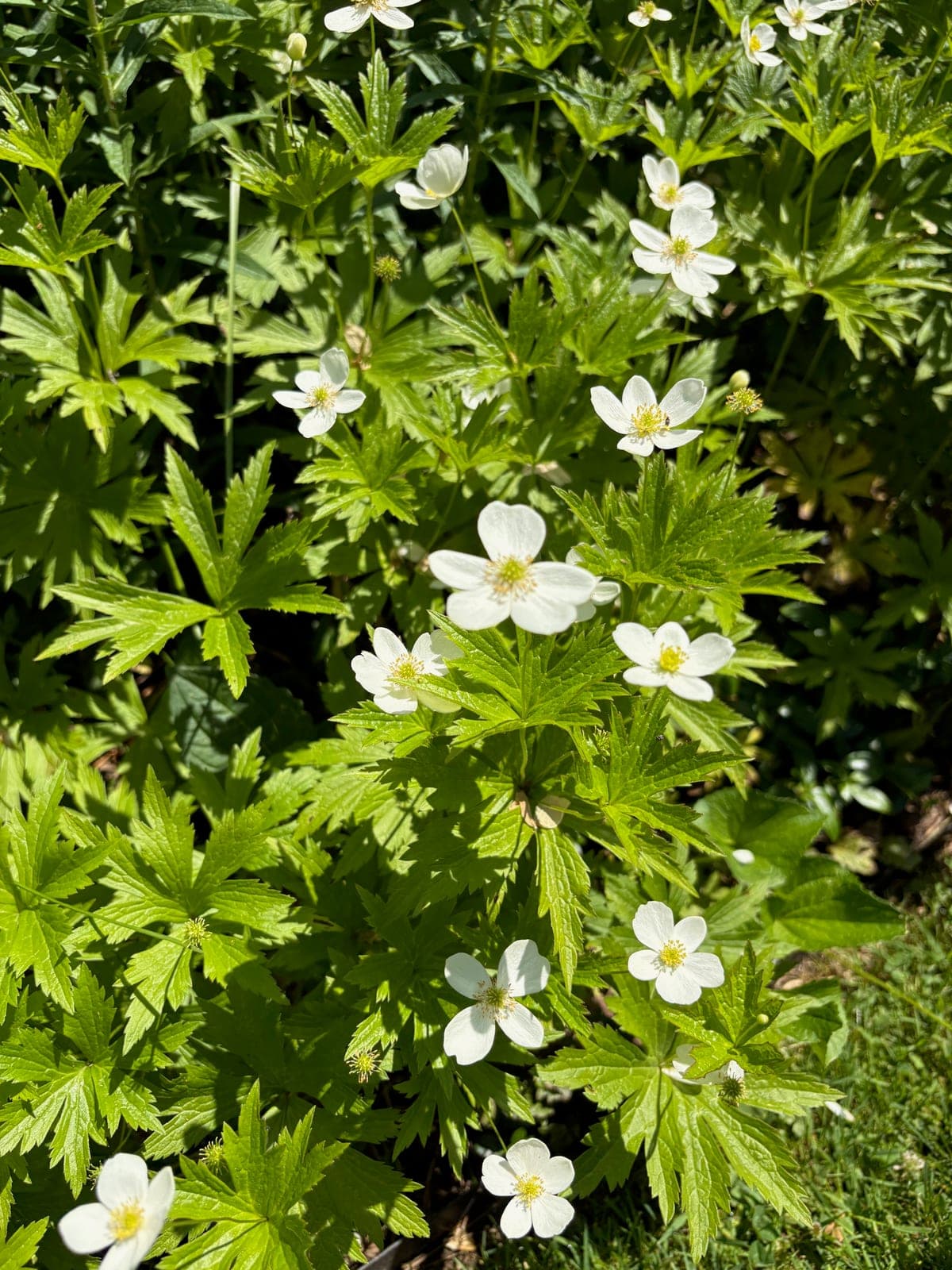
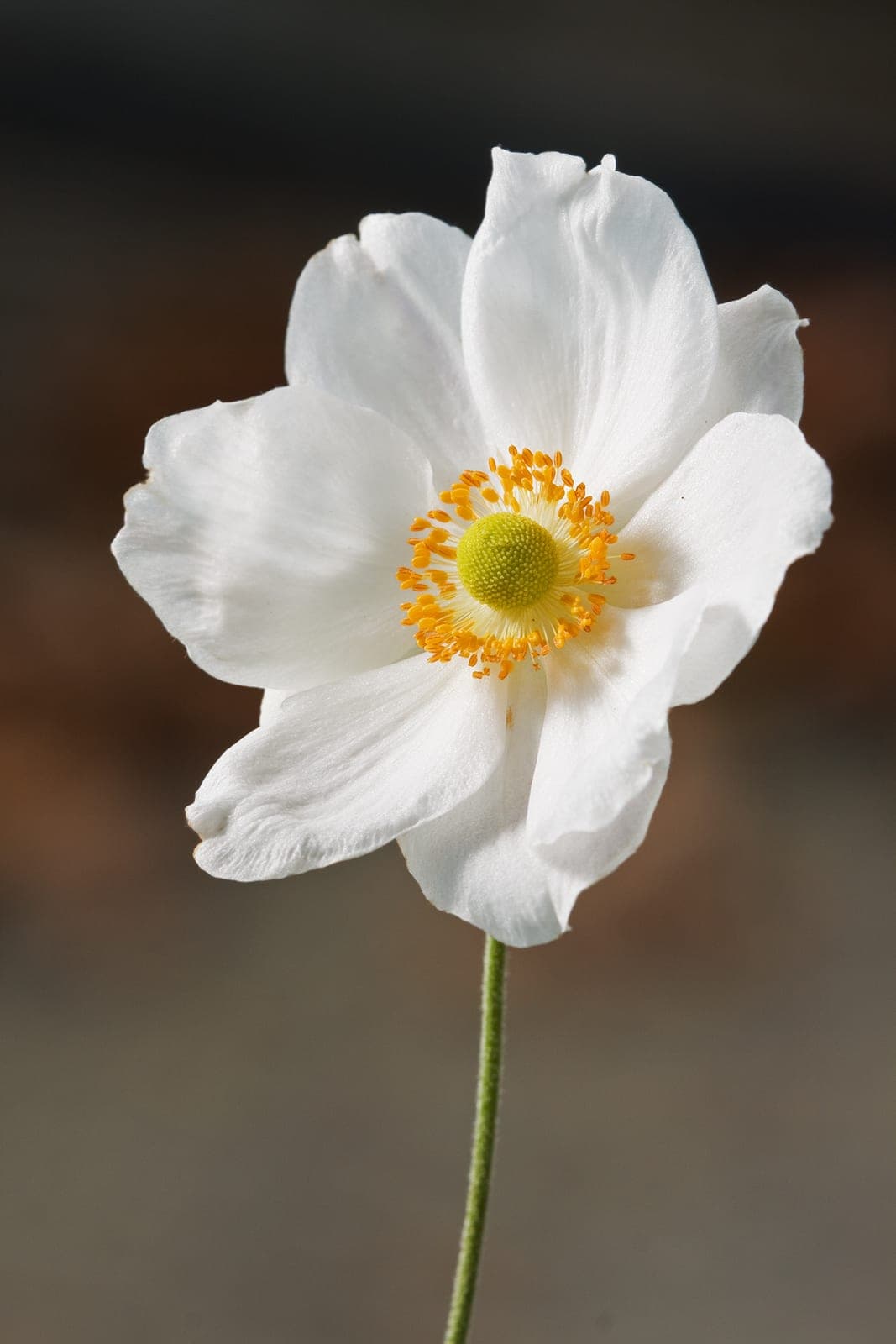
Japanese anemones reward patience more than anything else. Set them out in spring once the soil has warmed, working in plenty of compost or leaf mold first - they love a rich, moisture-retentive bed but sulk in anything soggy or compacted over winter. Give them a spot with morning sun and afternoon shade in warmer zones, or full sun where summers stay mild. The most common mistake gardeners make is expecting fast results: these plants spend their first year or two establishing roots and barely flower, then suddenly take off and spread by rhizomes, sometimes more enthusiastically than you'd like. Plant them where they have room to roam, keep them well watered through their first season, and resist the urge to dig and move them, since disturbed roots can resent it and even pop up new plants wherever a fragment is left behind.
Unlike many garden perennials, Eriocapitella hupehensis has no real culinary use - in fact, like other members of the buttercup family it contains irritant compounds and should be considered toxic if eaten, so it's no candidate for the kitchen. Its history leans toward the medicinal and traditional rather than the table. In traditional Chinese herbal practice, plants in this group were used topically in carefully prepared remedies, sometimes for skin complaints and to address parasites, always handled with caution because the fresh sap can irritate skin and mucous membranes. For the modern gardener, the practical takeaway is simple: wear gloves if you're dividing or handling cut stems for any length of time, keep it out of reach of curious children and pets, and enjoy it for what it does best, which is lighting up the shady late-summer border when most everything else is fading.
Powdery mildew
White or grey powdery coating on leaves - usually starting on older growth in humid conditions or when nights cool.
Improve air circulation by thinning plants. Apply neem oil or potassium bicarbonate spray at first sign. Avoid overhead watering.
Anemone Leaf Smut
Raised dark streaks and blisters on leaves and stems that rupture to release black powdery spores; affected leaves distort and die back.
Remove and destroy infected foliage as it appears. Avoid overhead watering and crowding. Dispose of all debris in fall rather than composting it, and divide congested clumps to improve air circulation.
Foliar Nematode
Angular brown or black patches on leaves, bounded by leaf veins, starting on lower foliage and moving upward. Affected leaves wither but stay attached.
Remove and destroy infected leaves and surrounding debris. Avoid overhead watering and wetting foliage. Space plants for airflow and do not compost affected material. Severely infested plants should be dug out and discarded.