
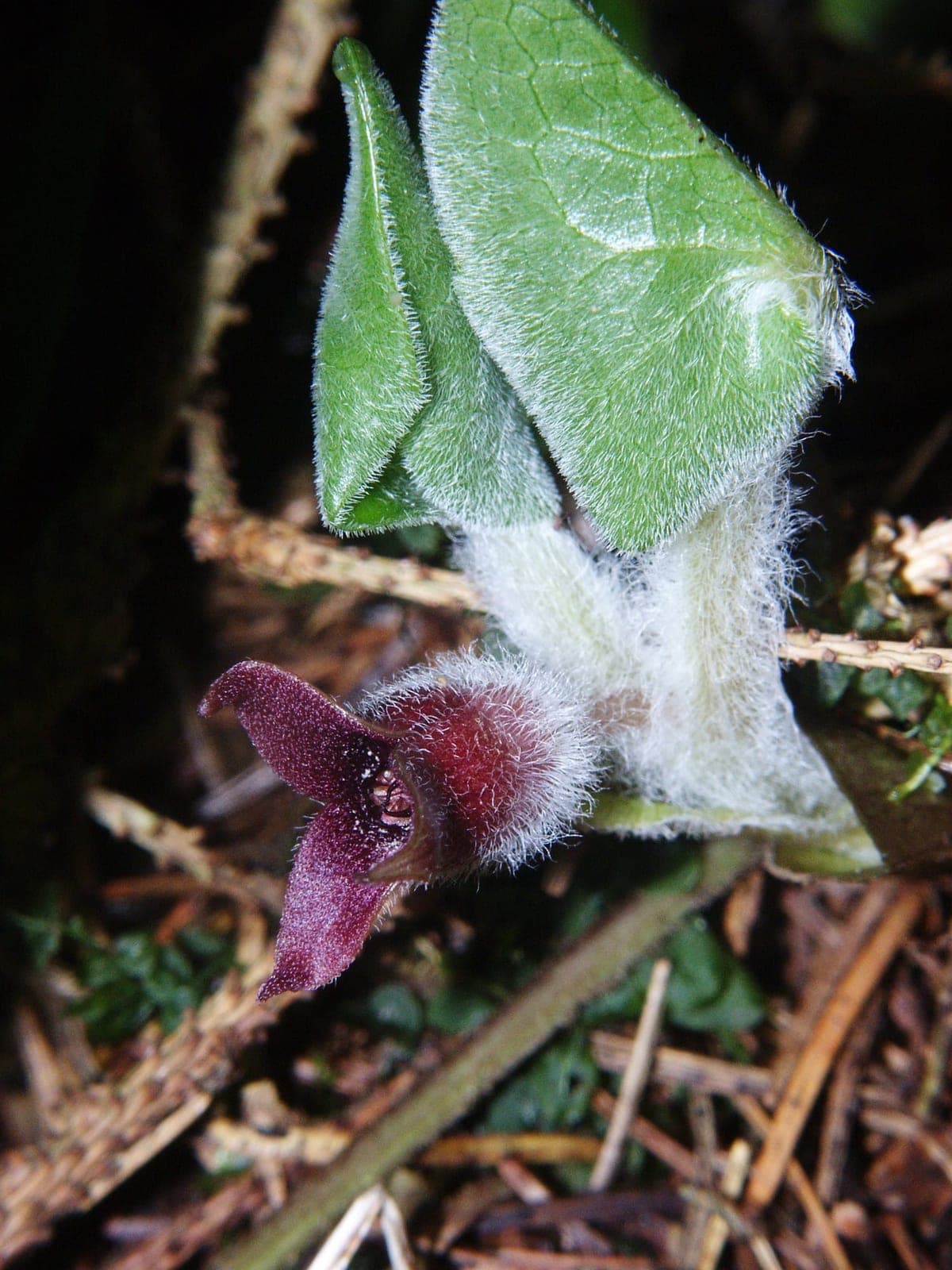
Asarum europaeum is a slow-spreading, evergreen perennial native to temperate Europe, grown for its dense mat of glossy, kidney-shaped leaves. It is one of the few true evergreen ground covers that tolerates deep shade, making it practical under mature deciduous trees where little else establishes reliably. Its roots carry a faint ginger-like scent, though it is unrelated to culinary ginger.
The plant advances by short rhizomes, typically 6–8 inches per year, and forms a weed-suppressing carpet once established. Small brownish-purple flowers appear in spring at soil level, tucked beneath the foliage. It performs best in humus-rich, cool soil with consistent moisture and resents drought and waterlogged conditions alike. Mulching with leaf mold or composted bark maintains the cool, moist root zone it prefers and reduces slug pressure. Soil pH of 5.5–7.0 suits it; it tolerates the acidic conditions common beneath conifers and oaks.
Historically, the plant was used in herbal snuff and as an emetic and cathartic. The FDA advises against consuming any part of Asarum; it contains aristolochic acid, a confirmed nephrotoxin and carcinogen found throughout the Aristolochiaceae family.
Crown Rot
Lower leaves yellow and wilt; the base of the rosette turns brown and soft, sometimes with white fungal threads at the soil line. Plants collapse in wet conditions.
Remove and destroy affected plants. Improve drainage and avoid overhead watering. Do not mulch directly against the crown. Space plants for airflow and avoid replanting in the same wet spot.
Root rot
Plants wilt, yellow, and stunt even in moist soil; lower stems and roots turn brown, soft, and mushy and the plant may collapse. Most common in heavy, wet, or poorly drained ground.
Improve drainage and stop overwatering, and never plant too deep. Lift and destroy badly affected plants along with the soil around the roots. Grow in raised or free-draining beds to prevent it returning.
Fungal leaf spot
Brown or purplish spots on the leaves, often ringed with a yellow halo, that spread and merge in warm, humid, or wet weather; heavily spotted leaves yellow and drop early.
Pick off spotted leaves and clear fallen debris to remove overwintering spores. Improve air circulation by thinning, and water at the base so foliage dries quickly. If it persists, apply a copper- or sulfur-based fungicide at the first sign.