
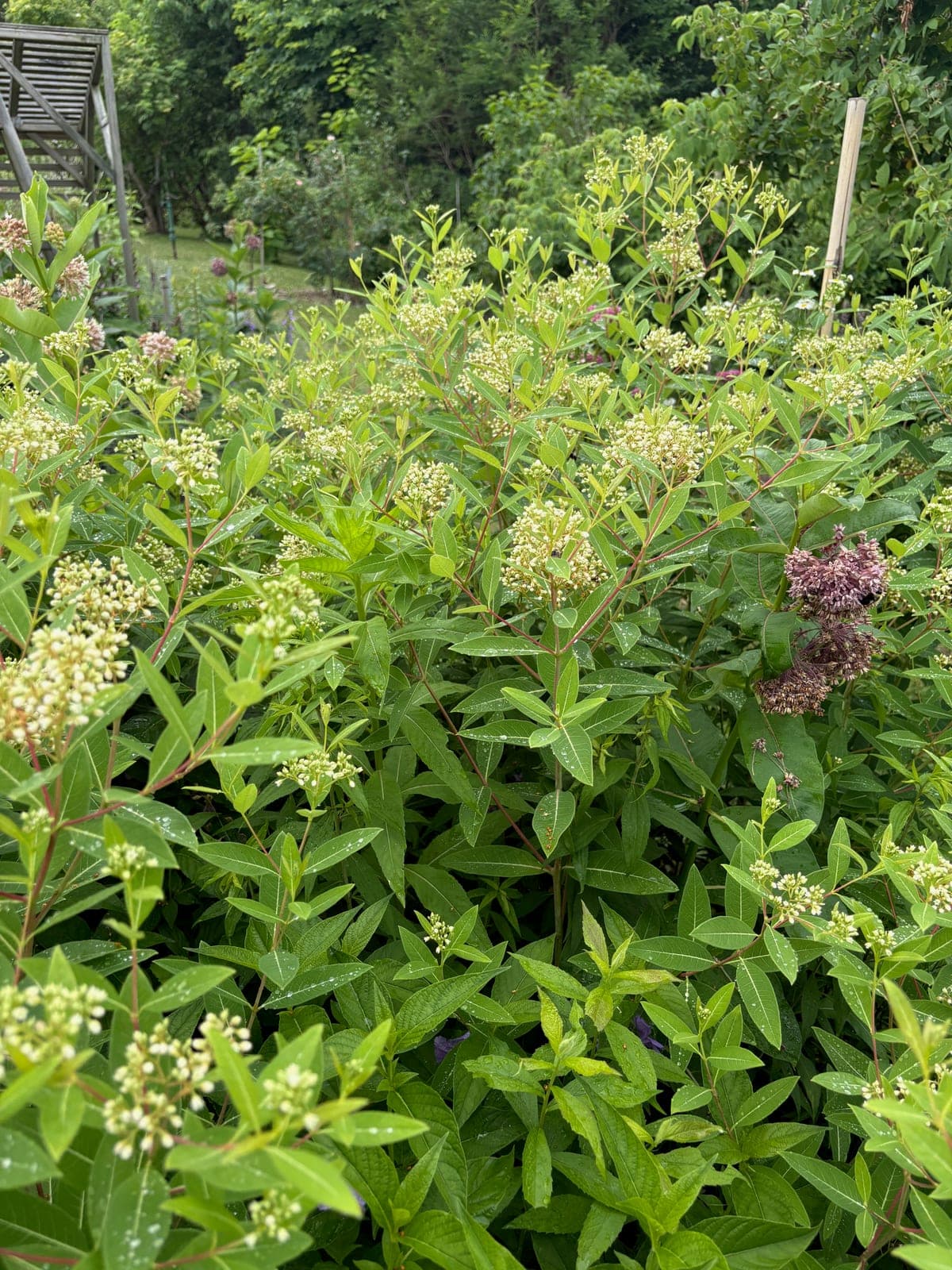
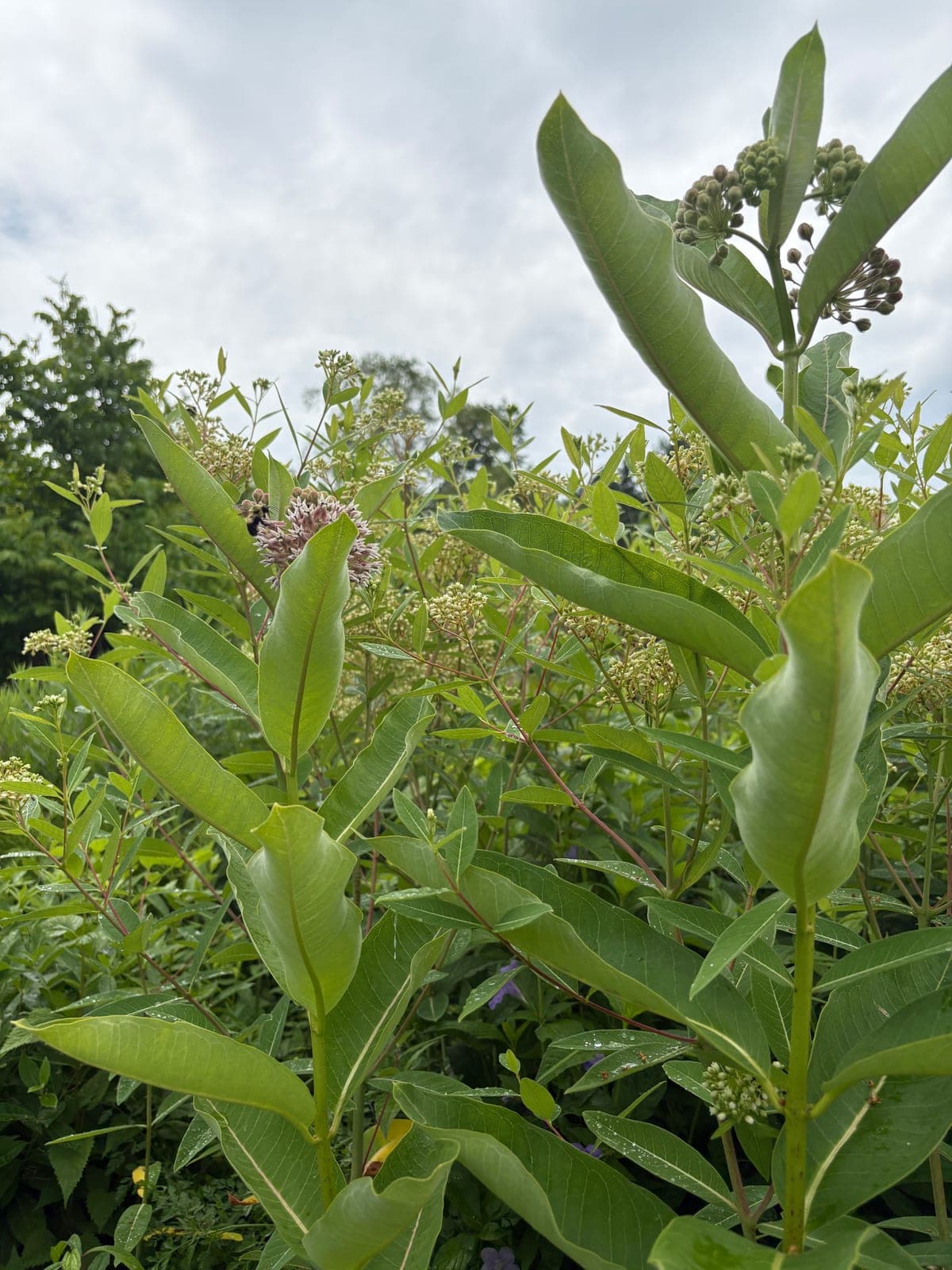
Growing Indian hemp (Apocynum cannabinum) successfully starts with understanding what it actually wants - which is, frankly, less than most plants. Prepare a spot with well-drained, average to poor soil; rich amended beds will push it toward aggressive spreading, which is already one of its habits you'll want to manage. Direct sow seeds in early spring after your last frost, or better yet, sow in fall and let winter do the cold stratification work for you - the seeds genuinely benefit from that freeze-thaw cycle. A common mistake is overwatering or over-amending; this plant evolved on roadsides and dry prairies, and coddling it backfires. Be deliberate about placement because its rhizomatous roots spread readily, and once established it's difficult to remove entirely. Mark its boundaries early, or plant it where spreading is welcome, like a naturalized meadow edge or along a fence line where it can do its thing without crowding out neighbors.
Medicinally, Apocynum cannabinum has a long and serious history among Indigenous North American peoples, who used root preparations as a cardiac stimulant, diuretic, and laxative - but a word of genuine caution here: it contains cardiac glycosides similar to those in foxglove, and internal use without expert guidance is genuinely dangerous. This is a plant to know about rather than experiment with casually. The fiber from the stem bark - the source of its "hemp" common name - was historically used to make cordage, nets, and cloth, and it's surprisingly strong stuff if you want to try processing it as a traditional craft. In the garden, its ecological value is real: the small, clustered white flowers draw specialist milkweed beetles and a range of native bees, and monarch butterflies will visit. Pair it with yarrow or native grasses to create a low-maintenance pollinator corridor, and always wear gloves when handling the milky sap - it's a skin irritant for some people.