
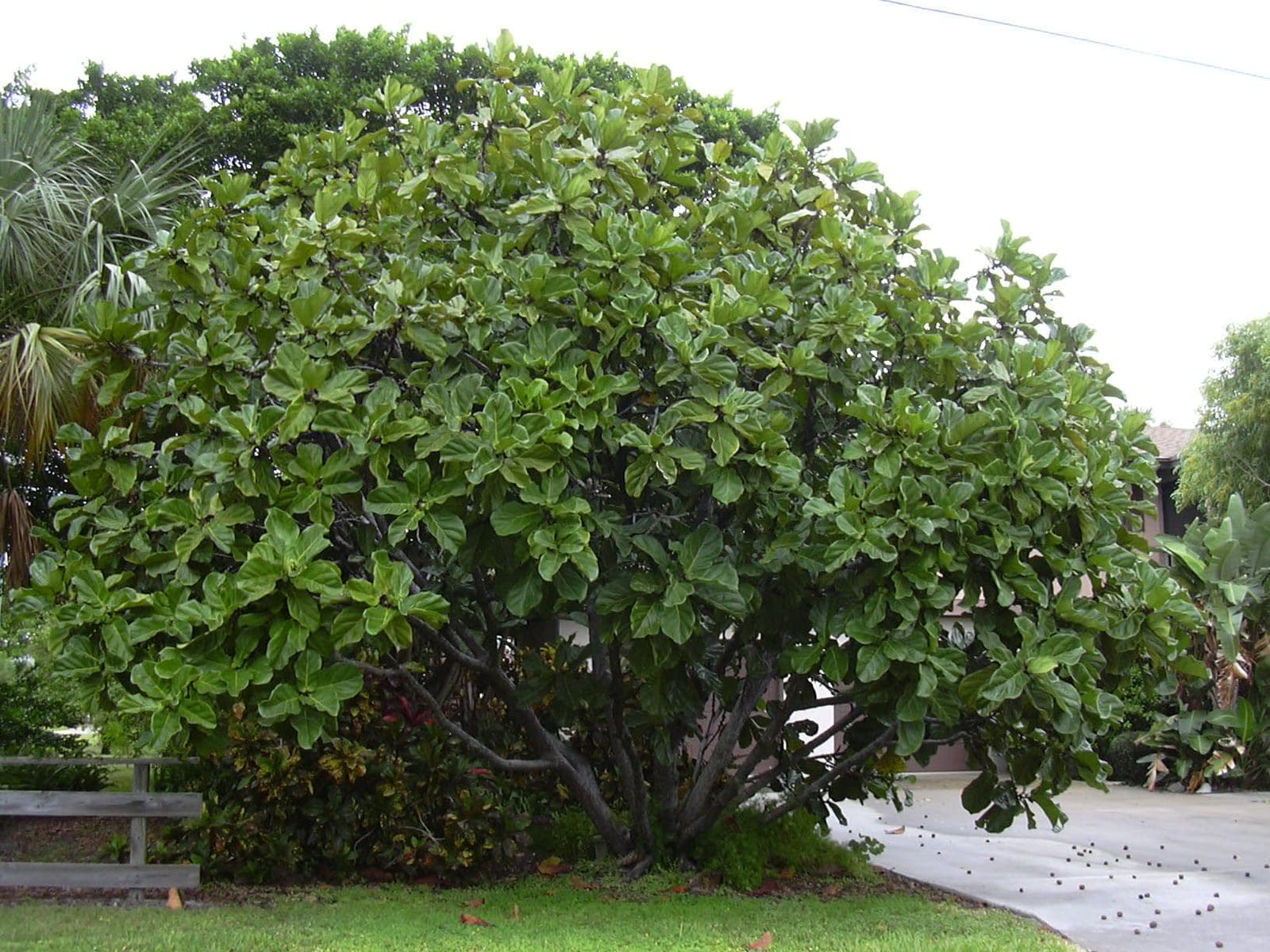
The fiddle-leaf fig is the icon of the modern houseplant boom - big, glossy, violin-shaped leaves on a sculptural indoor tree - and also the plant most likely to test your patience. Its reputation for drama comes down to a hatred of change: move it, draft it, or shift its watering rhythm and it sheds leaves to punish you.
The formula is consistency. Pick the brightest indirect spot you have and leave it there, water on a steady rhythm once the top couple of inches dry, wipe the big leaves so they can soak up light, and resist fussing. Brown spots usually mean overwatering or cold; dropping lower leaves usually means too little light. Stable conditions, not constant attention, are what it actually wants.
Wants the brightest indirect light you have, with some gentle direct sun; low light causes leaf drop.
Water when the top 2 inches dry; keep the rhythm steady
Wipe the big leaves so they can photosynthesise
Feed with a balanced houseplant fertiliser
Leaf drop means a change it disliked - keep conditions stable
Brown spots usually mean overwatering or cold drafts